A practical, trainer-approved guide to preventing burns, cracks, and salt irritation with paw checks, walk timing, balms, and booties.
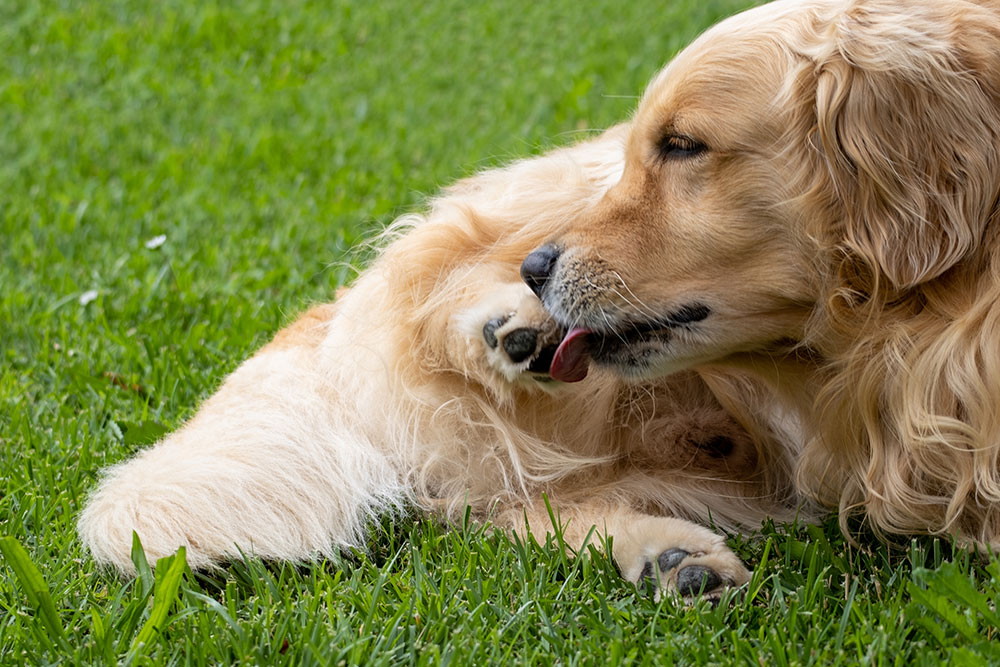
Most dogs give their feet a few quick licks after a walk or before settling in for a nap. That is normal dog hygiene. What is not normal is the kind of paw licking that interrupts sleep, leaves wet spots on the floor, or turns into chewing and nibbling until the fur stains rusty brown.
I have seen a lot of paw-licking dogs over the years, first as a vet tech and later as a trainer. A common pattern is that licking starts as a reasonable response to an itch or irritation, and then it can become a habit that keeps the skin inflamed, which makes the licking even more intense. The good news is that you can do a helpful check at home and make a smart plan for what to do next.
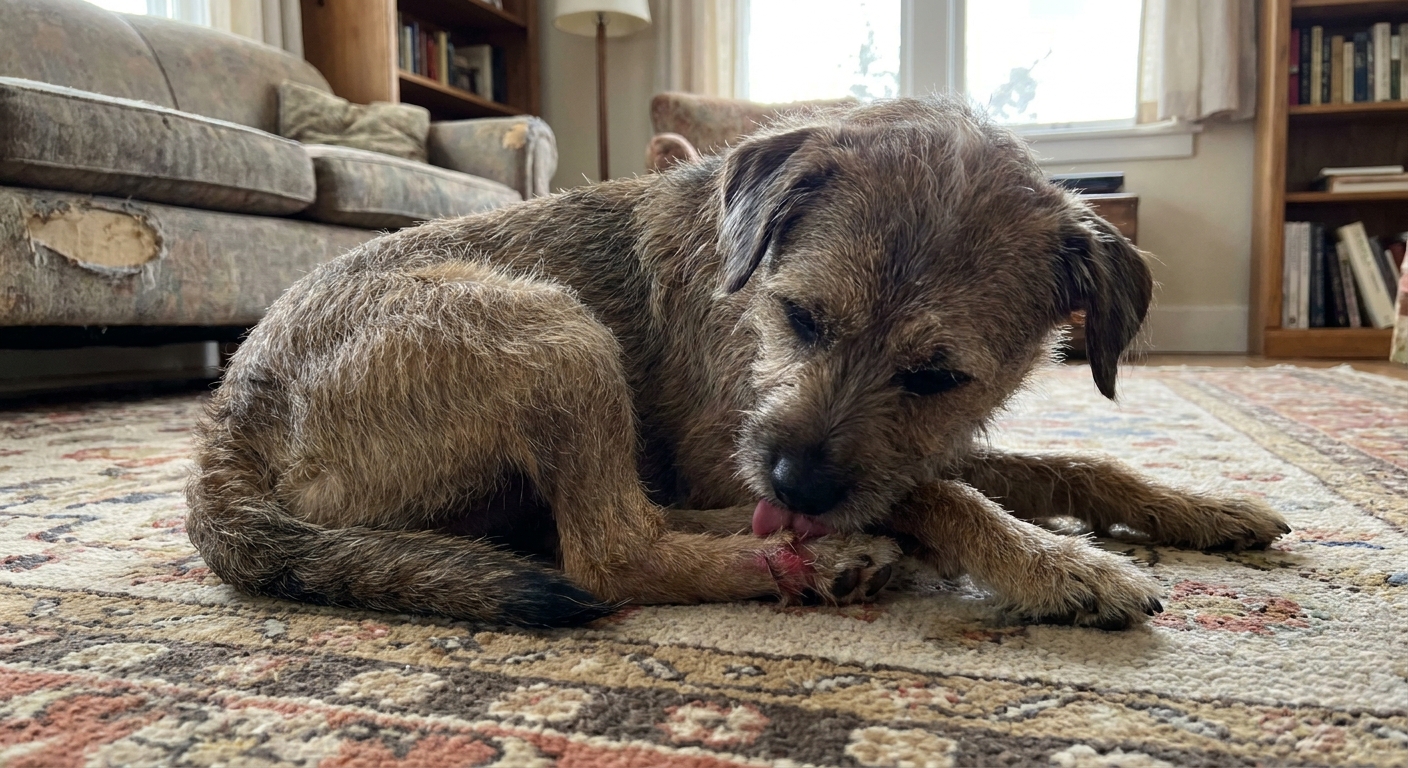
Quick grooming vs constant licking
Normal grooming usually looks like:
- A few licks after coming inside, especially if paws are wet or sandy
- Brief attention to more than one paw, then the dog moves on
- No redness, swelling, broken skin, or missing fur
- No limping or sensitivity when you touch the paw
Concerning licking usually looks like:
- Long sessions of licking or chewing that are hard to interrupt
- Focusing on the same spot repeatedly, especially between toes or at the nail bed
- Red, shiny, damp skin, or a musty, corn chip-like or foul odor
- Hair loss, saliva staining, scabs, or bleeding
- New crankiness about handling feet, or sudden limping
If you are seeing the second list, think of paw licking as a symptom, not “bad behavior.” Your dog is trying to solve a problem, even if the solution they picked is making it worse.
What to check at home (a calm 3-minute paw exam)
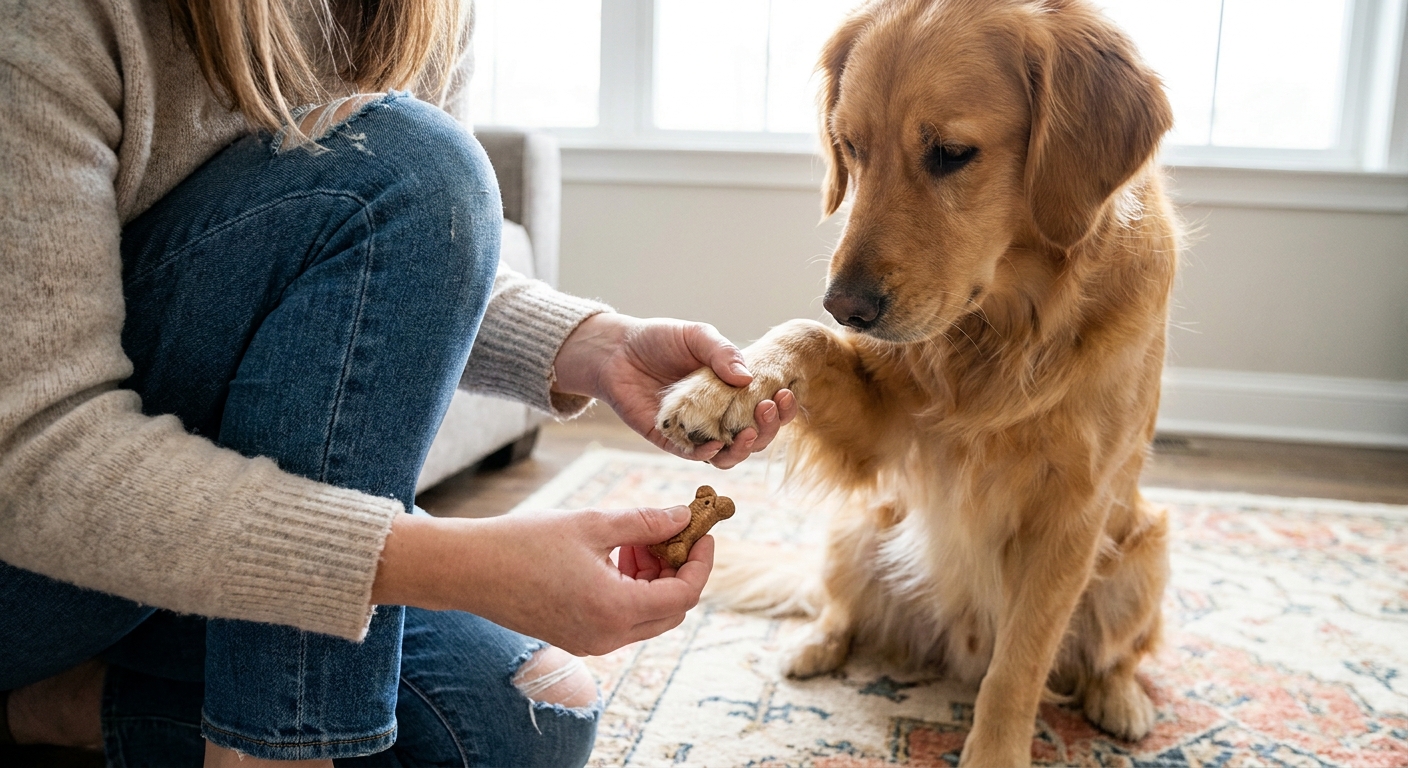
Grab a treat jar and good lighting. If your dog hates paw handling, go slowly and treat after each tiny step. You are not trying to “win.” You are gathering clues.
- Look: Check the top of the paw, pads, between each toe, and around each nail. Compare paws side-by-side.
- Touch: Feel for heat, swelling, or a tender spot. Use gentle pressure only, and stop if your dog pulls away, yelps, or becomes upset.
- Smell: A strong, yeasty, musty, or rotten odor matters.
- Check nails: Look for a split nail, a broken quick, redness where the nail meets the skin, or a dewclaw that is overgrown or digging in.
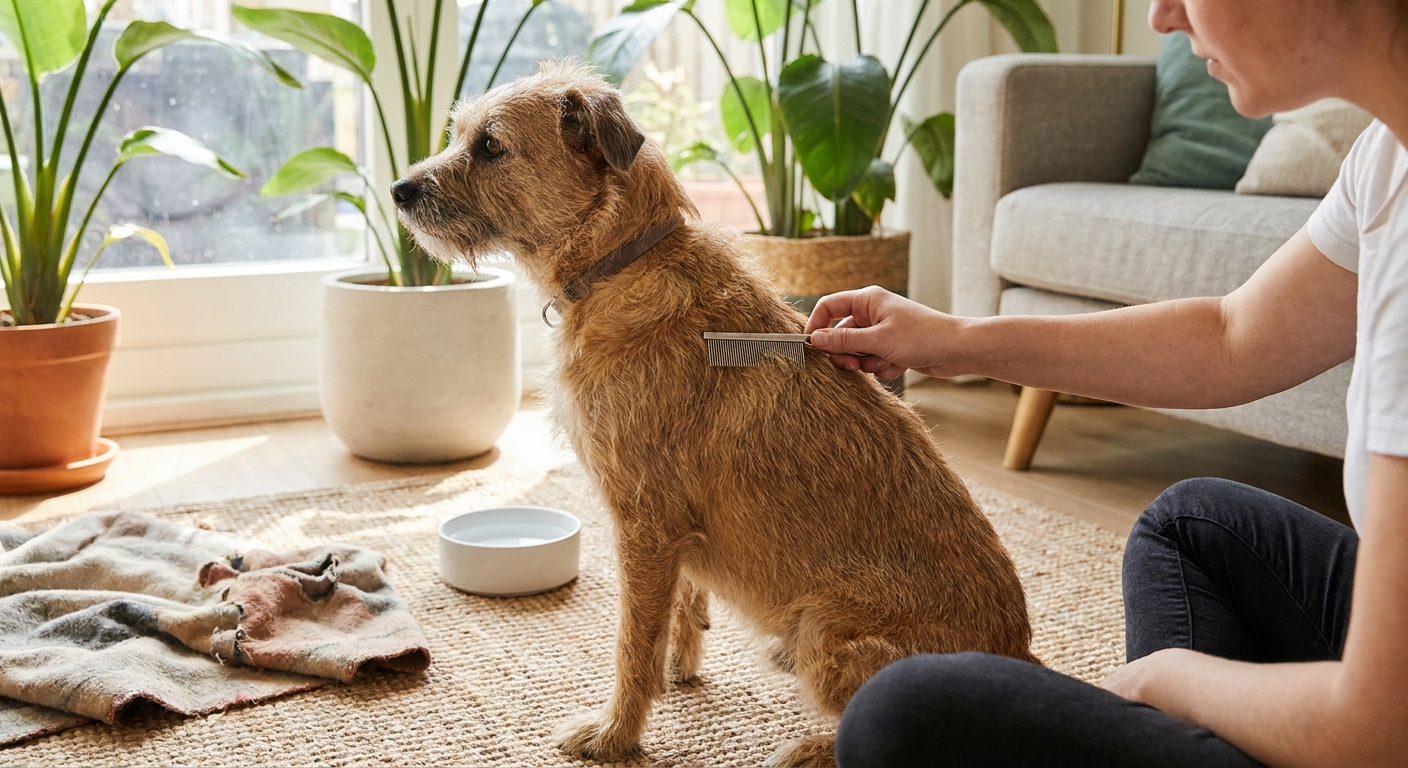
- Rinse if needed: If the paw is visibly dirty or you suspect salt or chemicals, rinse with lukewarm water (a little gentle soap is usually fine), then pat dry.
If your dog is in obvious pain, snapping, or you see significant swelling or bleeding, stop the exam and call your vet.
Common causes of paw licking
One important note before you try to match your dog to a category: causes can overlap. Allergies commonly set the stage, then yeast or bacteria move in. An irritated paw can also turn into a stress habit. Your goal at home is not to diagnose perfectly. It is to spot red flags and give your vet useful clues.
1) Salt, ice melt, hot pavement, or other irritants
In winter, de-icing products and salt can sting, dry out pads, and irritate the skin between toes. In summer, hot pavement can cause burns and tenderness. Some dogs also react to lawn chemicals or rough terrain.
Clues: Licking starts after walks, especially on treated sidewalks or very hot days. Paws may look dry, pink, or mildly raw between toes.
At-home help: Rinse paws after walks, pat dry, and limit exposure. If you suspect a burn, call your vet the same day for guidance before applying creams. Many human products are unsafe for dogs to lick. Avoid using hydrogen peroxide or rubbing alcohol on paws unless your vet directs you to.
2) A cut, splinter, thorn, or foxtail
Foreign material is a big one, especially when licking is focused on one paw. Foxtails and small thorns can wedge between toes and migrate deeper, causing infection quickly.
Clues: Sudden start, intense fixation on a single spot, tenderness, swelling between toes, or a tiny puncture. Some dogs limp or keep the paw lifted.
At-home help: If you can clearly see a superficial splinter or burr and your dog tolerates it, you may be able to remove it with clean tweezers, then rinse and dry. If you do not see the object, if swelling is increasing, or if your dog is limping, skip the digging and call the vet. Probing can push material deeper.
3) Yeast or bacterial infection
Paws are warm and can stay damp, which makes them an easy target for yeast overgrowth or bacterial skin infections. Dogs with allergies are especially prone to secondary infections.
Clues: Persistent licking of multiple paws, redness between toes, thickened or darkened skin over time, greasy feeling, and a strong odor. You might also see recurrent ear infections or itchy skin elsewhere.
At-home help: Keep paws clean and dry. Avoid home “disinfecting” experiments. Many infections need prescription treatment, and the right choice depends on what is actually overgrowing.
4) Allergies (environmental or food)
Allergies are a very common reason for ongoing paw licking. Environmental allergies often flare seasonally. Food allergies are less common than people think, but they do happen.
Clues: Often all four paws are involved, plus itching on the face, ears, armpits, belly, or rear end. Licking may come in waves and worsen during certain seasons or after outdoor time.
At-home help: Rinse paws after outdoor exposure and track patterns. Do not start a random diet switch every week. If food allergy is a possibility, talk with your vet about a true elimination diet plan.
5) Parasites and other itch triggers
Not every itchy dog has fleas, but it is still worth keeping on your radar. Fleas can trigger big reactions in sensitive dogs, and some mites can cause intense itching too.
Clues: General itchiness beyond the paws, scabs, thinning hair, or chewing at the base of the tail and hind end. You may or may not see fleas.
At-home help: Make sure your dog is on a vet-recommended parasite prevention plan. If you suspect mites or you are seeing widespread itch and hair loss, schedule a vet exam.
6) Boredom, stress, or a learned self-soothing habit
Yes, dogs can lick as a coping strategy, especially if they have limited enrichment, are left alone for long periods, or are anxious. The tricky part is that an itch may have started the habit, and now the habit continues even after the skin is mostly healed.
Clues: Licking ramps up during quiet times, when you sit down for a call, when guests arrive, or when the household routine changes. The paws may look only mildly irritated at first, then worsen because of the repeated moisture and friction.
At-home help: Add structured enrichment and movement: sniff walks, food puzzles, short training sessions, and chew time. If you suspect separation anxiety, address the underlying anxiety rather than relying on deterrents.
7) Pain in the paw, leg, or joints
Sometimes the paw is not the true source. Dogs may lick at a foot because they have arthritis in the wrist, an old injury, nerve pain, or soreness from overdoing it at the park.
Clues: Licking is often focused on one limb. You might notice stiffness after rest, reluctance to jump, slower stairs, or subtle limping that comes and goes.
At-home help: Reduce intense activity and call your vet for an exam. Pain should be treated, not guessed at with leftover medications. Many human pain relievers are dangerous for dogs.
8) Interdigital cysts, nail fold issues, and pad changes
Some dogs develop painful swellings between toes (often called interdigital cysts or furunculosis). Others get nail fold infections or problems around the nail bed. Thickened, rough pads can also crack and prompt licking.
Clues: A persistent bump or swollen area between toes, recurring drainage, localized redness around a nail, or thick, cracked pads. Licking is usually focused on a specific spot and keeps returning.
At-home help: Do not squeeze bumps or try to lance anything at home. Keep the paw clean and protected from licking, and book a vet visit because these often need targeted treatment.
One paw vs all four
It matters a lot. Here is a quick way to think about it:
- One paw (or one toe): can point to a foreign body (splinter, foxtail), a cut, a broken nail, a localized infection, an interdigital cyst, or pain in that limb
- Two paws (often front feet): can fit contact irritation from surfaces, early allergy patterns, or habit licking
- All four paws: can fit allergies, yeast overgrowth, widespread irritation from salt or chemicals, or a whole-body itch problem
This is not a perfect rule, but it is a useful clue that helps you decide how urgently to look for a possible foreign body.
Stop licking safely
If your dog will not leave the paw alone, you need to protect the skin while you figure out the cause.
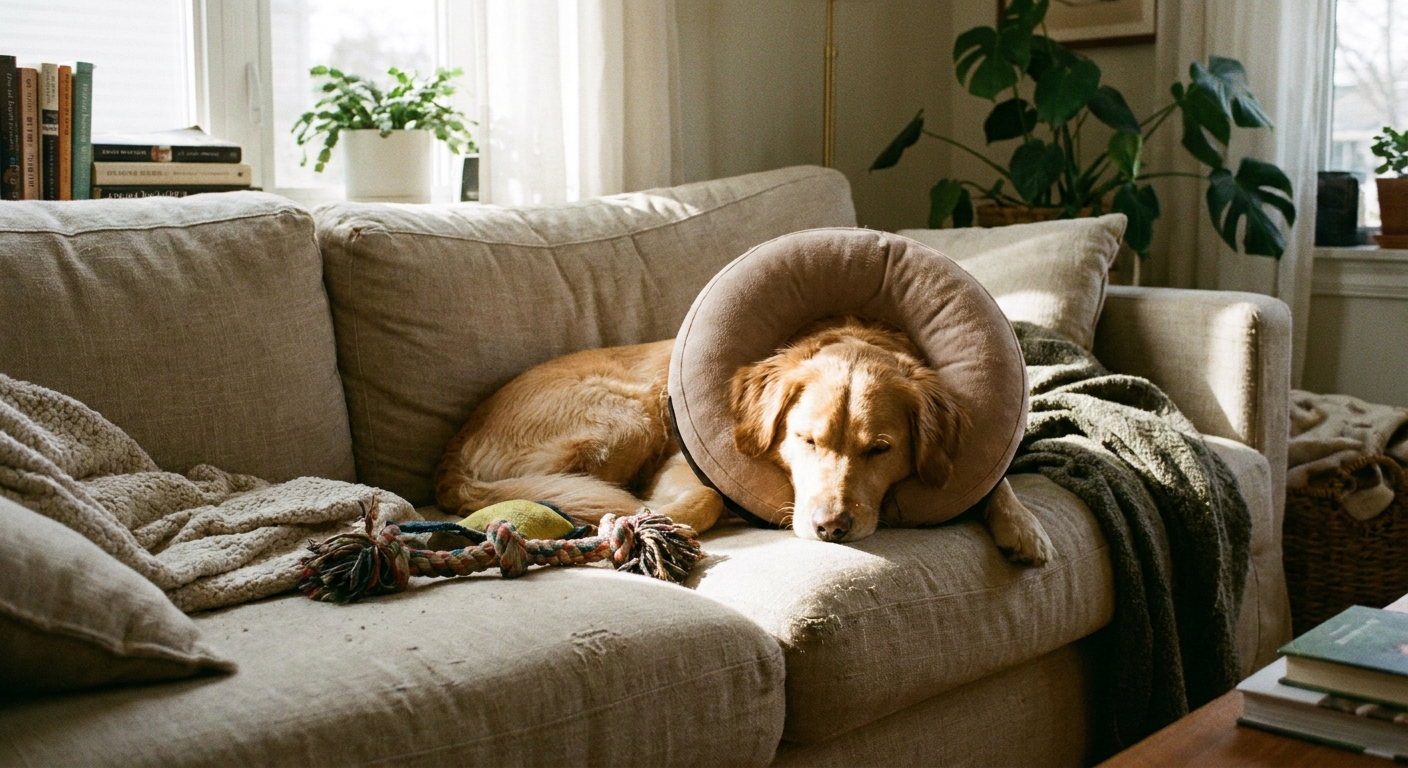
- Use a cone or soft e-collar if licking is causing damage. It is annoying, but it works and it prevents infection from getting worse.
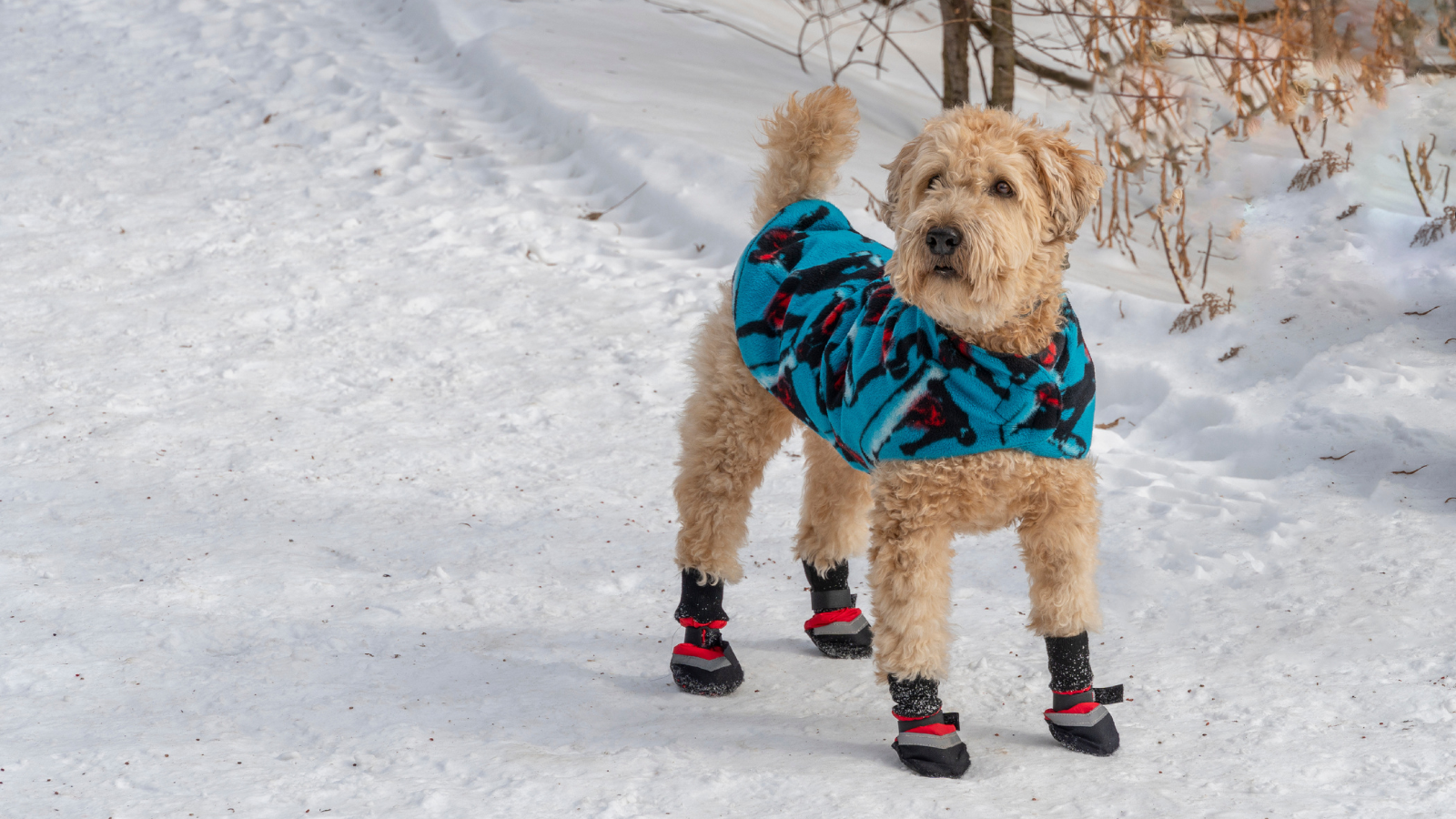
- Try a breathable bootie or a clean sock for short, supervised periods, especially after rinsing and drying. Make sure it is not tight, remove it if it gets damp, and do not leave it on unsupervised.
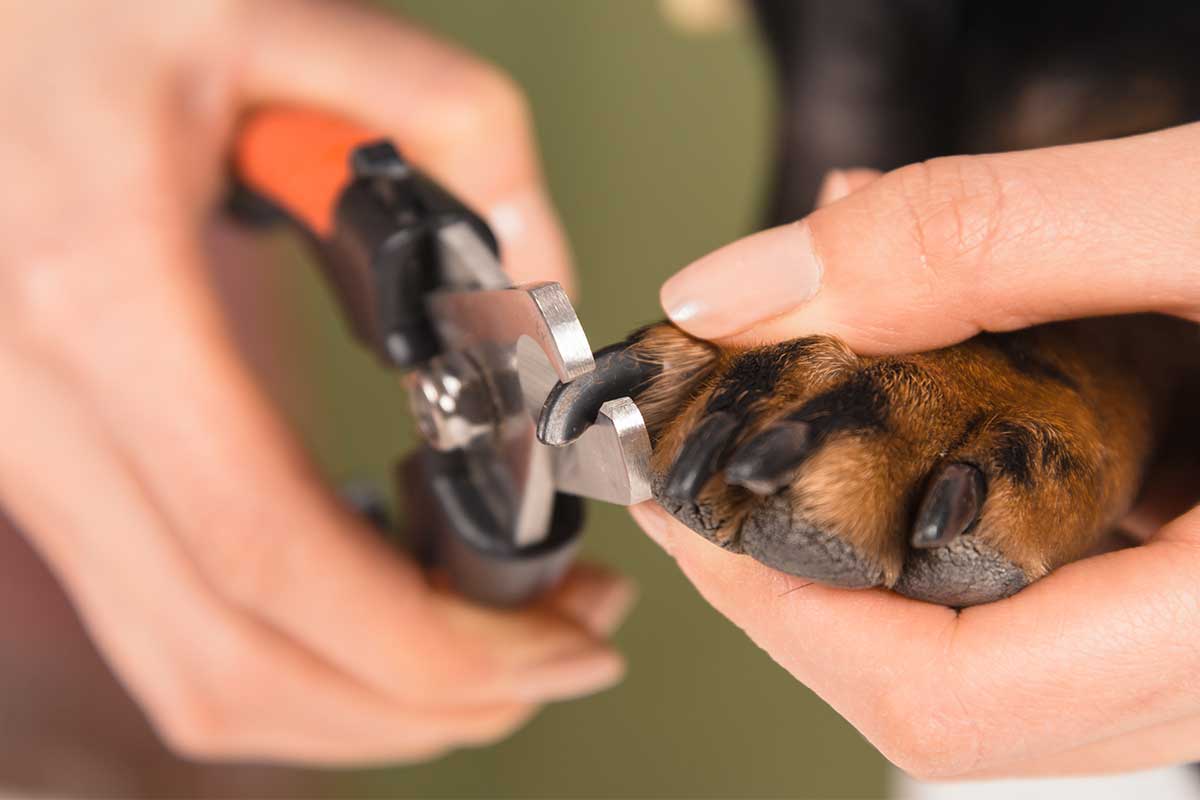
- Keep nails trimmed so scratching and chewing do less damage.
- Increase enrichment to reduce stress-licking: scatter feeding, lick mats (with vet-approved toppings), puzzle toys, and short training games.
Avoid bitter sprays on broken skin, and avoid wrapping paws tightly. If you are unsure, your vet team can tell you what is safe for your dog’s specific situation.
Same-day vet signs
Call your vet the same day if you notice any of the following:
- Bleeding, an open wound, or a torn nail
- Swelling between toes or a rapidly growing lump
- Limping, yelping, or refusing to put weight on the paw
- A foul smell, pus, or sticky discharge
- Skin that looks very red, raw, or blackened
- Your dog cannot stop licking even when redirected
- Symptoms after a known burn (hot pavement) or chemical exposure (ice melt, cleaners)
- Any concern about a foxtail or puncture wound
If your dog seems lethargic, has a fever, or the paw is extremely painful, treat it as urgent. Infections and foreign bodies can escalate fast.
What to note for your vet
The more specific you can be, the faster your vet can connect the dots. I tell clients to jot down:
- Which paws are affected and whether one spot is the main target
- When it started and whether it was sudden or gradual
- Any recent exposures: new walking route, snow and salt, hiking in grasses, new cleaning products, lawn treatments, grooming visit
- What it looks and smells like (redness, discharge, odor)
- Any other itch signs: ear scratching, face rubbing, belly itch, scooting
- What you already tried (rinsing, cone, booties) and whether it helped
If you can safely take a quick photo of the paw when it is at its worst, that can be surprisingly helpful, especially if the licking comes and goes.
FAQ
Why does my dog lick their paws at night?
Nighttime is quiet, so mild irritation can suddenly become very noticeable. Dogs also self-soothe when they are bored or anxious. If nighttime licking is intense or persistent, look for physical causes first (irritants, allergies, infection, pain), then address stress and enrichment.
Is paw licking always allergies?
No. Allergies are common, but so are foreign bodies, yeast, bacterial infections, parasites, and pain. The one paw vs all four clue can help, but you still may need a vet exam to be sure.
What if the paw looks normal but my dog keeps licking?
Early infections, subtle pain, and habit licking can all look deceptively mild at first. If licking is persistent, escalating, or causing redness, hair loss, odor, or tenderness, schedule a vet visit. It is much easier to treat a small problem than a big, infected one.