
Hi, I’m Maggie Sullivan, a Certified Professional Dog Trainer (CPDT-KA) and former veterinary clinic team member. I’m also the person who routinely finds a surprise paw print on my leggings five minutes before a meeting and considers it a neutral life event. Welcome to Good Dogly.
If you’re here because you love your dog but sometimes feel overwhelmed by all the advice out there, you’re in the right place. My goal is to make dog care and training feel doable, not intimidating, and definitely not guilt-inducing.
Why I do this
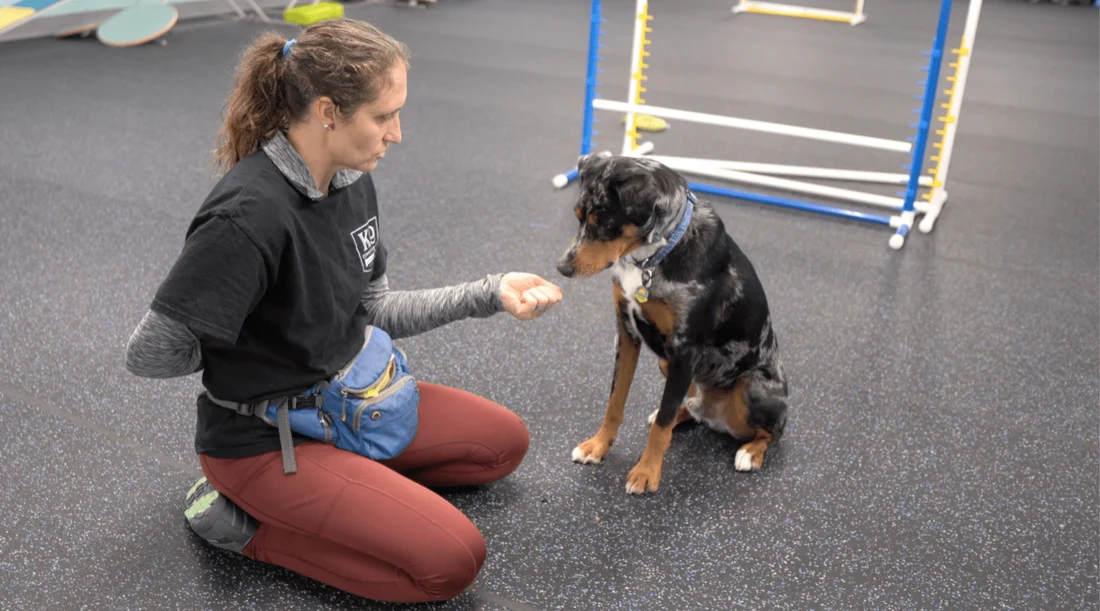
I grew up in a home that regularly fostered rescue dogs. Our house was a revolving door of wagging tails, timid newcomers, goofy adolescents, and the occasional dog who had clearly never heard the phrase “personal space.” Watching each dog settle in taught me something early: behavior is communication, and most dogs are doing the best they can with the skills they have.
In my twenties, I worked in a veterinary clinic. I loved the medicine side, but what stuck with me most were the dogs who ended up in shelters for issues that were misunderstood and, honestly, often very improvable with the right plan and support. Jumping, barking, pulling on leash, chewing, potty accidents, fear of strangers, separation distress.
At the same time, I learned an equally important lesson: sometimes “behavior” is a health issue in a trench coat. Pain, GI trouble, urinary problems, thyroid changes, and cognitive shifts can all show up as new or worsening behavior. That’s why I’m big on combining training with good veterinary care, especially when something changes suddenly.
That heartbreak, and that hope, is what pushed me to earn my CPDT-KA credential through the Certification Council for Professional Dog Trainers and focus on early intervention and owner education. Training is not about being strict or “showing who’s boss.” It’s about teaching skills, building trust, and setting your dog up to succeed in the real world.
What this is
Good Dogly is for regular dog people. The ones who have jobs, kids, chronic fatigue, busy schedules, small apartments, reactive neighbors, or all of the above. It’s for the puppy parent googling “is this normal?” at 2 a.m. It’s for the adopter bringing home a sweet adult dog with baggage. It’s for anyone who wants a kinder, clearer way to live with their dog.
Here’s what you can expect from this site:
- Science-based training that leans on positive reinforcement, clear communication, and humane methods.
- Practical daily care that bridges the gap between veterinary advice and real-life routines.
- Step-by-step guidance that tells you what to do, in what order, and what progress typically looks like.
- No shame, no drama, and no “one weird trick” fixes. Dogs are living beings, not projects.
What you won’t find here: dominance myths, harsh corrections presented as “necessary,” or advice that ignores fear and stress signals. If a method relies on intimidation, it’s not my lane.
A quick note on boundaries: the information on Good Dogly is educational and can support your work with a trainer or veterinarian, but it’s not a substitute for professional care. If your dog’s behavior changes suddenly, if there’s a bite, or if you’re dealing with intense fear, aggression, or severe separation anxiety, looping in your vet and a qualified trainer or veterinary behaviorist is the safest next step. I love collaboration, and your dog deserves a whole team when they need it.
My focus areas
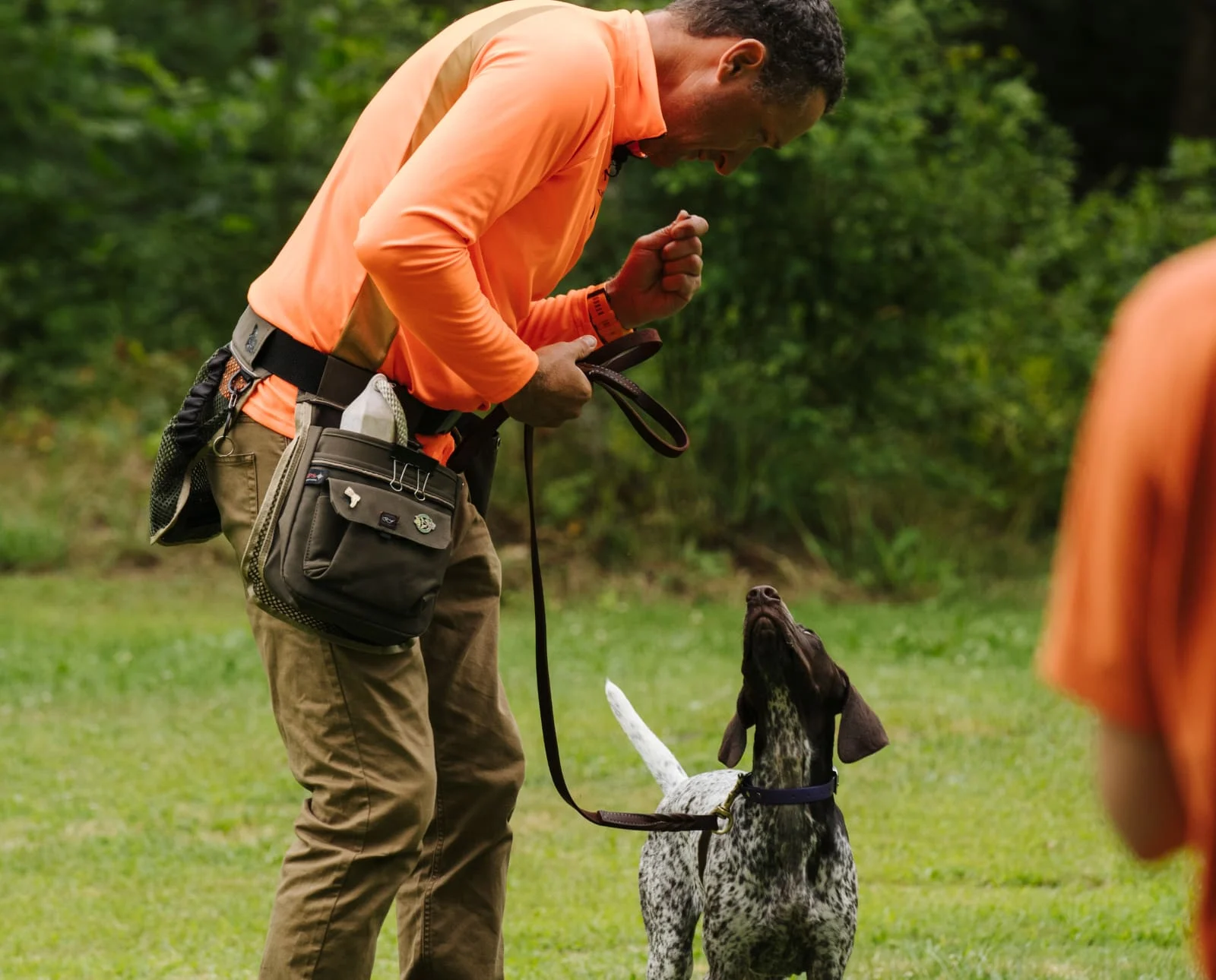
Every dog is different, but there are a few topics that come up again and again and where solid guidance can make a huge difference quickly. My specialties include:
- Positive reinforcement training: teaching behavior you want by rewarding it, and reducing rehearsal of behavior you don’t through smart setup and management.
- Puppy socialization: doing it safely and thoughtfully, so “socialization” means confidence, not forced interactions.
- Separation anxiety and isolation distress: creating gradual plans that respect your dog’s emotional threshold.
- Translating veterinary guidance into daily routines: things like medication tips, enrichment during recovery, weight management basics, and building low-stress handling skills.
I’m a big fan of simple systems: a treat jar on the counter, a leash by the door, a short training session while the coffee brews. Tiny habits add up. It’s how most dogs actually learn best.
How I train
I want you to feel proud of your dog, and proud of yourself, too. Training is not a test of whether you’re “doing it right.” It’s a relationship skill.
My approach usually starts with three questions:
- What is your dog trying to achieve? (Attention? Distance? Safety? A squirrel?)
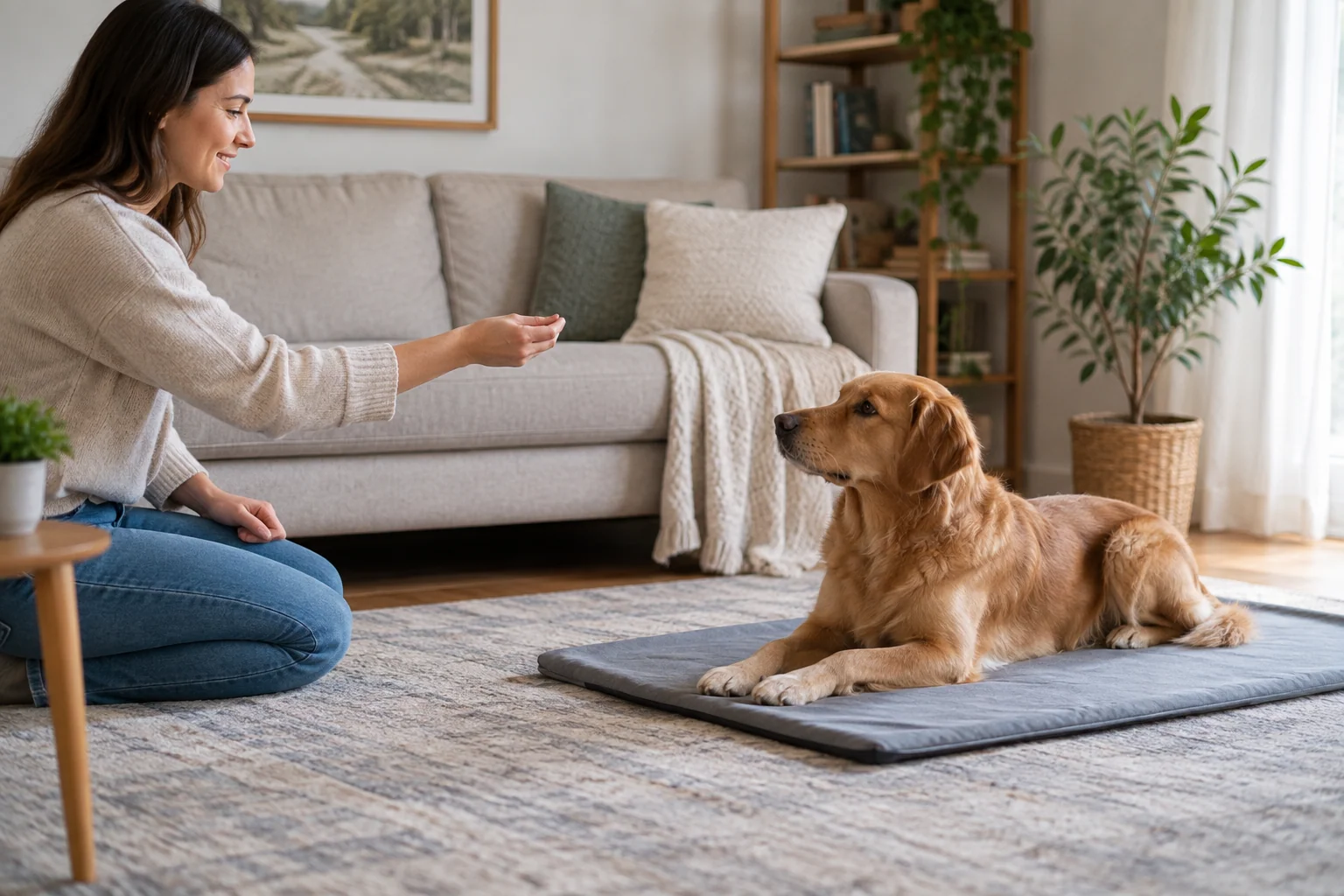
- What skills are missing? (Settle on a mat, recall, loose-leash walking, polite greetings.)
- What can we change in the environment today? (Management is not failure. It’s strategy.)
When you can answer those, solutions get a lot less mysterious. And if your dog is struggling, we go slower, not louder.
Barnaby and Luna
When I’m not writing or working with clients, I’m usually on a local hiking trail with my two wildly energetic rescue mutts, Barnaby and Luna. They keep me honest. They also keep me stocked in lint rollers.
Living with them reminds me daily that training is never about creating a “perfect dog.” It’s about building a shared language so life runs smoother. It’s about the little wins: a check-in on the trail, a quiet moment when the doorbell rings, a nap without anxiety.
Welcome
I’m genuinely glad you’re here. Whether you’re raising a brand-new puppy, helping a shelter dog settle in, or trying to make walks less chaotic, you deserve information that’s clear, kind, and grounded in real-world experience.
Take a look around, start with the topic that’s most pressing right now, and come back whenever you need a steady next step. You and your dog don’t have to figure this out alone.