A practical, vet-tech-informed guide to dog poop colors, textures, and warning signs. Learn what’s normal, what’s not, and when to seek urgent care.
If you have ever looked up from your coffee to see your dog dragging their butt across the rug like they are trying to start a fire, welcome to the Scooting Club. I grew up in a house full of foster dogs, and I can tell you: scooting is common, it is usually fixable, and it is also your dog’s very unglamorous way of saying, “Hey, something feels wrong back here.”
One of the most common reasons is full or irritated anal glands, but scooting can also point to parasites, skin irritation around the anus, or even fur and gunk packed under the tail. The trick is knowing what is a one-time itch versus a “call your vet” situation.
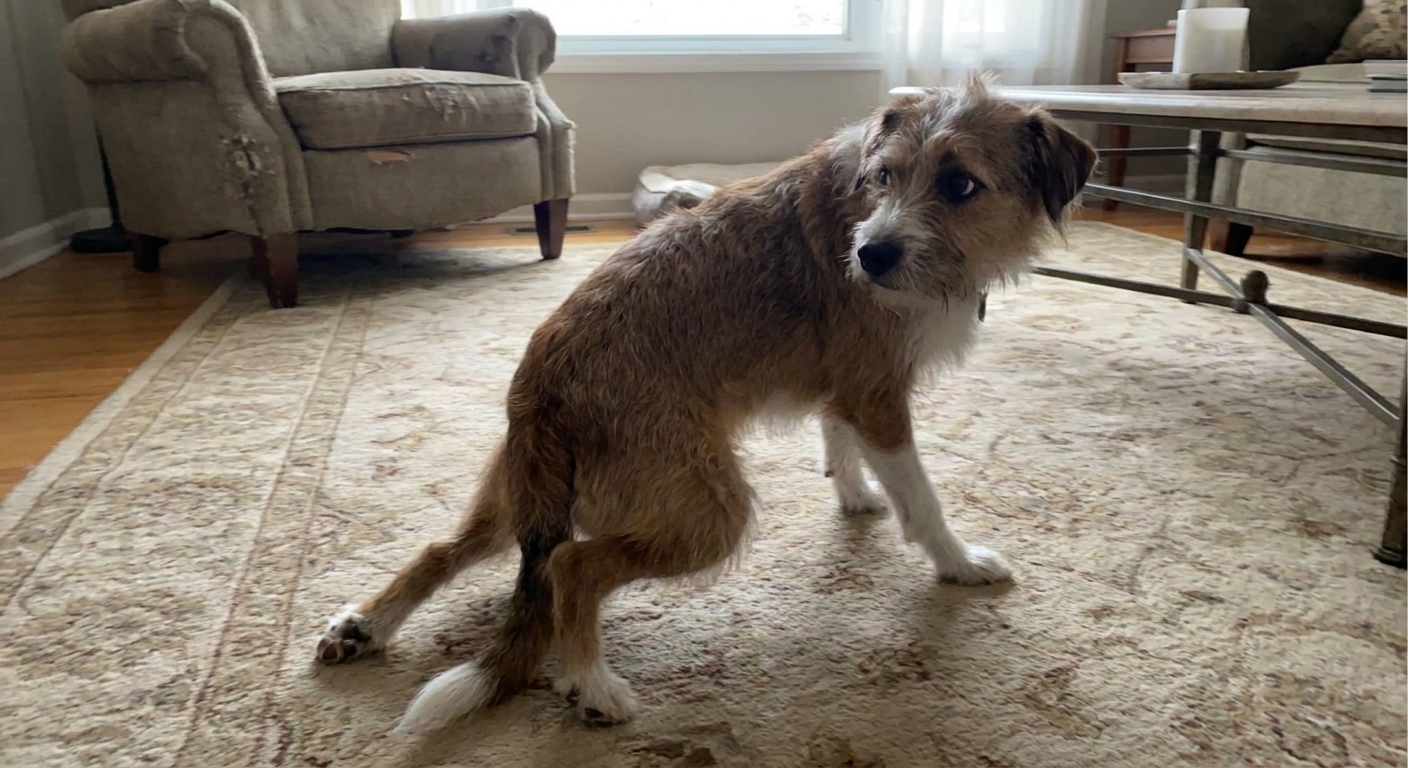
What scooting usually means
Scooting is a symptom, not a diagnosis. Dogs scoot because the skin around the anus and under the tail is itchy, uncomfortable, or painful, and rubbing on the floor brings temporary relief.
Here are the most common causes, starting with the one I ran into constantly while helping out at vet clinics and supporting foster dogs through the “why are you doing that on my carpet” phase.
1) Full or irritated anal glands (very common)
Dogs have two small anal sacs, often called anal glands, positioned roughly at 4 o’clock and 8 o’clock around the anus. They normally release a tiny amount of smelly fluid during bowel movements, and sometimes during stress, fear, or excitement. That scent is part of dog communication and it is as weird as it sounds.
Sometimes the sacs do not empty well and become too full, thickened, or inflamed. That can cause:
- Scooting or rubbing the rear end
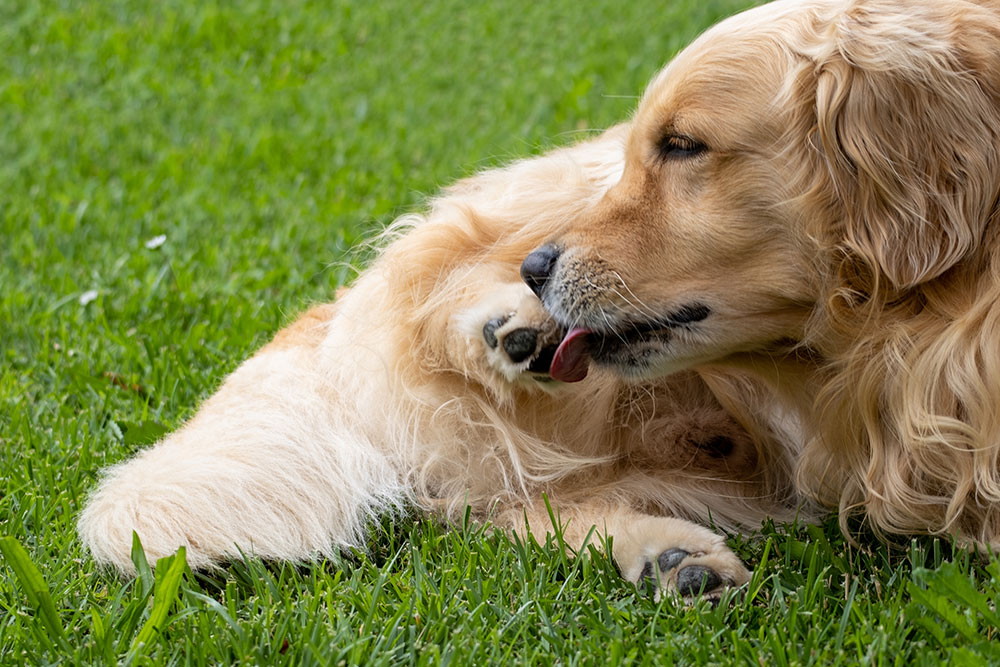
- Excessive licking under the tail
- A sudden fishy or unusually sharp, strong odor
- Discomfort sitting down, or popping up quickly after sitting
Risk factors can include soft stools, chronic GI upset, allergies that inflame skin, obesity, or simply anatomy. Small dogs seem overrepresented, but any dog can have anal gland issues.
2) Intestinal parasites (worms), especially tapeworms
Worms can cause itchiness around the anus, leading to scooting. Tapeworm segments can sometimes look like tiny grains of rice stuck to the fur under the tail or in bedding.
Not every dog with worms scoots, and not every scooting dog has worms, but it is common enough that it belongs near the top of the list.
3) Irritated skin around the anus
Skin around the rear can get irritated for lots of very normal reasons, including:
- Diarrhea or messy stools that leave residue on the skin
- Frequent licking that keeps the area moist
- Allergies that flare on the paws, ears, belly, and sometimes under the tail
- Contact irritation from grooming wipes, shampoos, or a new laundry detergent on bedding
Inflamed skin itches. Itchy skin triggers licking and scooting. And that cycle can build fast.
4) Hair packed under the tail (mats, feces, litter, or debris)
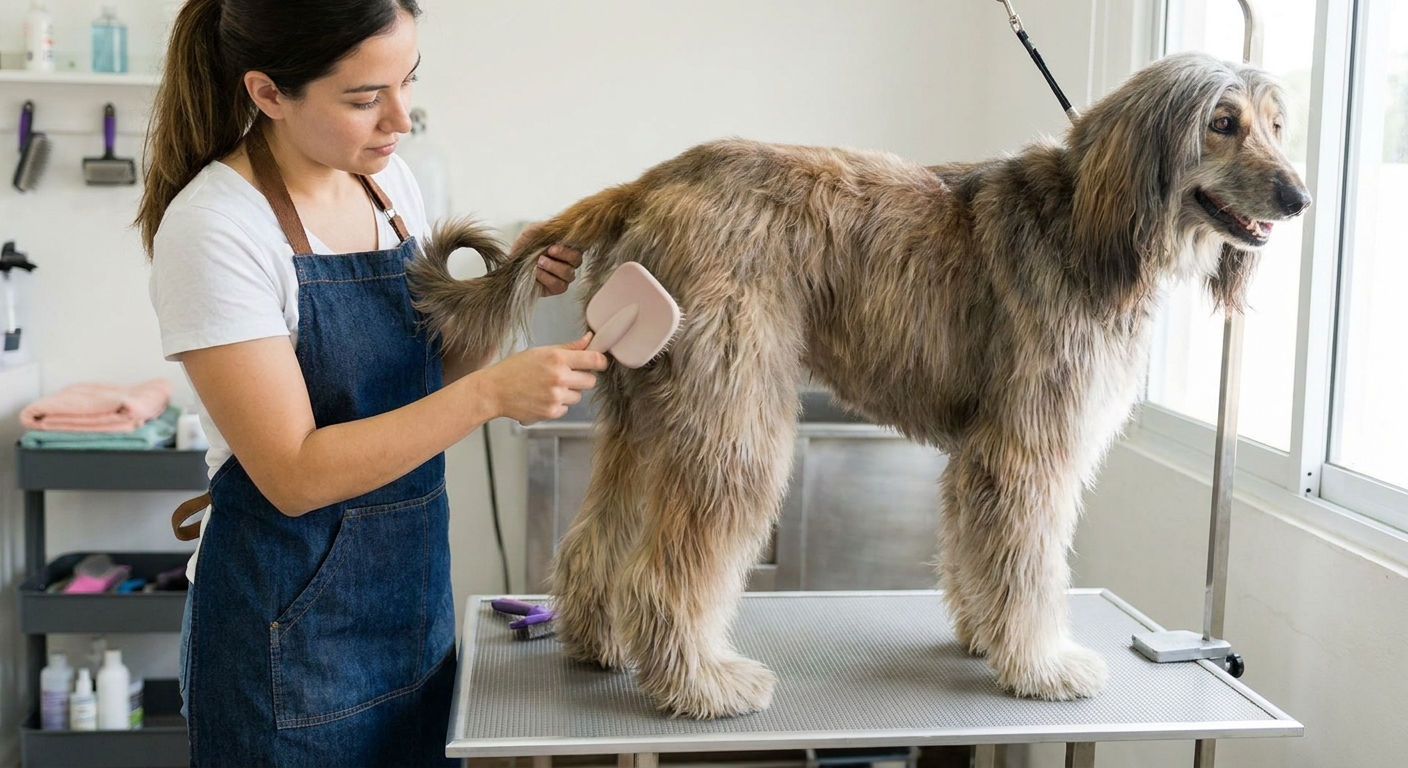
Long-haired dogs and dogs with fluffy “pants” can get feces stuck to the fur, develop mats, or trap debris close to the skin. Even short-coated dogs can get a little “cling-on” situation after a soft stool.
That tugging and irritation can absolutely lead to scooting, and it is one of the simplest fixes when caught early.
One-time scoot or something bigger?
A single scoot after a bowel movement can be a normal “something felt stuck” moment. What matters is the pattern and the extra signs.
Usually not urgent
- One quick scoot, then your dog goes back to normal
- No licking, no odor, no redness you can see
- Normal energy, appetite, and stool
Worth watching (and often worth a vet call if it repeats)
- Scooting happens more than once in a day
- Your dog is licking under the tail frequently
- You notice a new odor coming from the rear end
- The stool has been soft or inconsistent lately
Call your vet promptly
- Swelling near the anus, especially on one side
- Blood on the stool, on the fur, or on the floor after scooting
- Open sores, raw skin, or oozing
- Strong foul odor plus pain, yelping, or refusing to sit
- Pus-like discharge from the anus or nearby skin
- Frequent scooting that keeps coming back over days or weeks
- Straining to poop, constipation, or repeated posturing without producing stool
- Sudden inability to poop or obvious distress while trying
- Lethargy, decreased appetite, vomiting, or diarrhea along with scooting
Those signs can indicate an anal gland infection or abscess, significant skin infection, or another problem that should not be handled at home.
What you can safely check at home
You do not need to do anything fancy to gather useful information for your vet. A quick, calm look can tell you a lot.
Step 1: Look under the tail
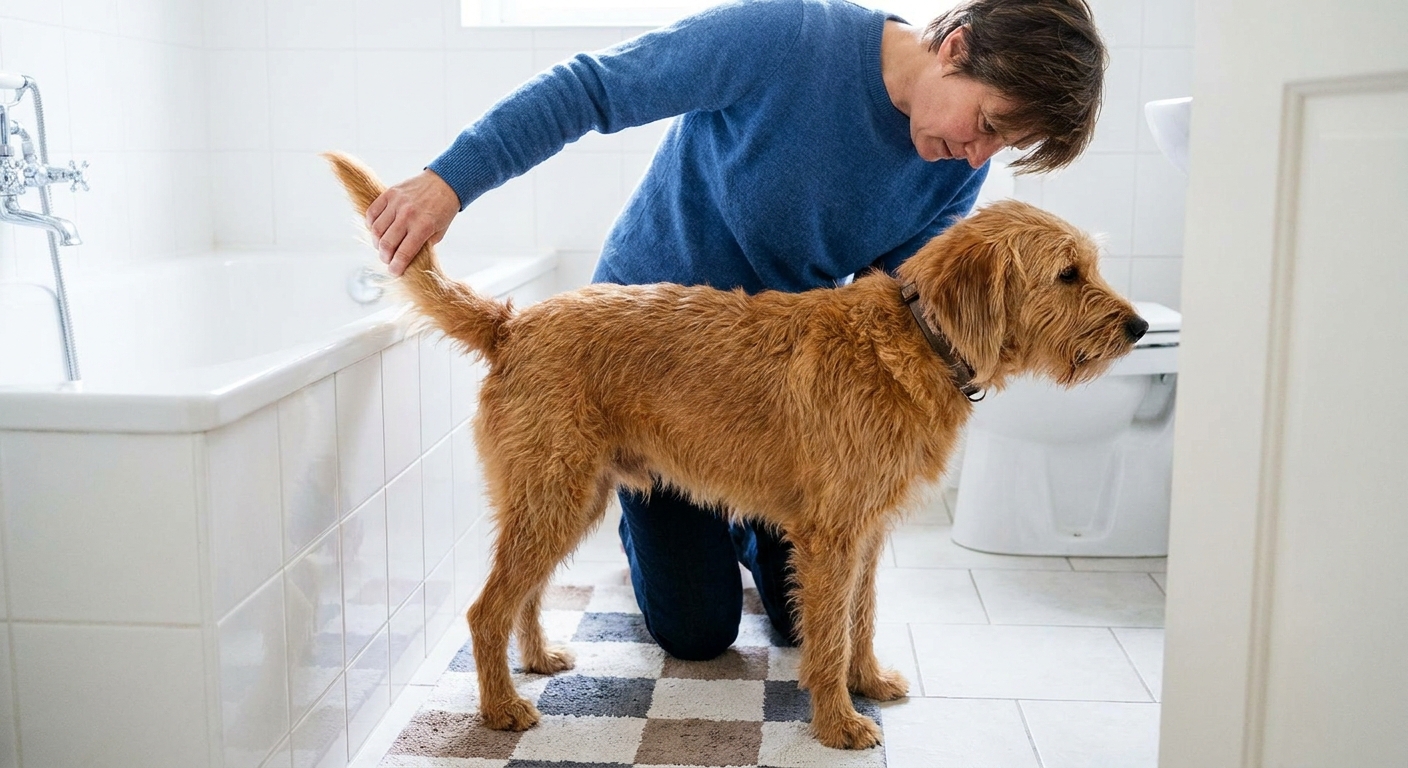
If your dog will tolerate it, gently lift the tail and check:
- Is the area clean or is there stool stuck in the fur?
- Do you see redness, rashy skin, or swelling?
- Is there any obvious cut, scab, or moist, irritated patch?
Step 2: Sniff test (yes, really)
A sudden fishy smell is a classic anal gland clue. It does not prove the cause, but it is helpful context.
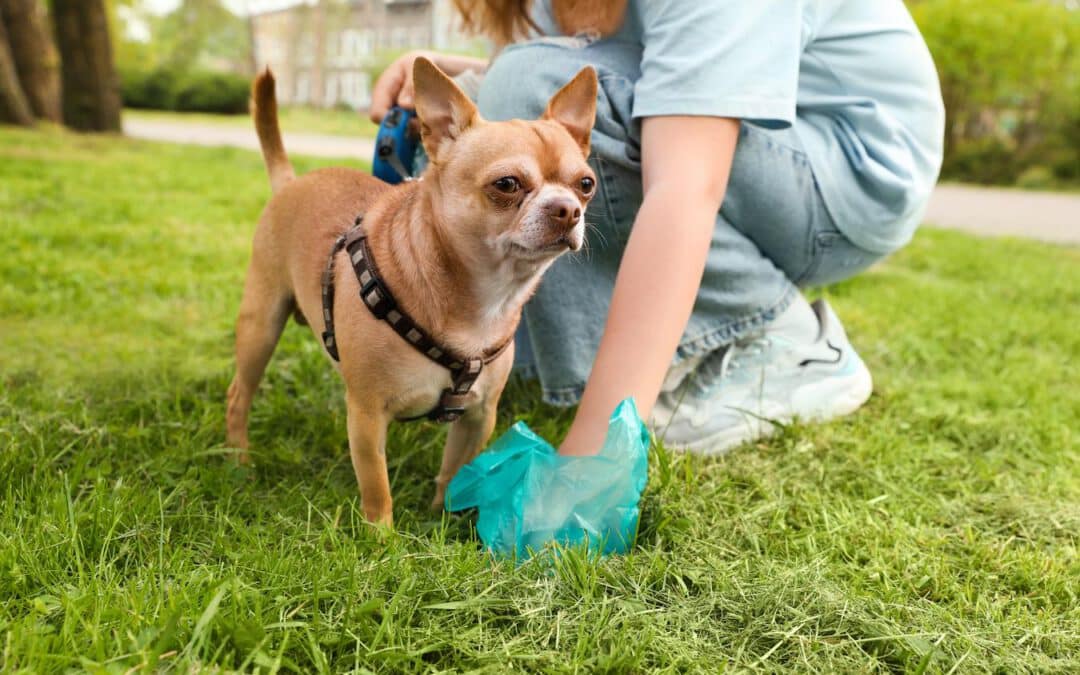
Step 3: Check the stool and bedding
- Is the stool soft, mucus-like, or watery?
- Do you see rice-like specks in the fur or bedding (possible tapeworm segments)?
Step 4: Prevent extra irritation
If the area is messy, you can gently clean with lukewarm water and a soft cloth, then pat dry. Avoid heavily scented wipes or harsh soaps around sensitive skin.
Skip home anal gland expression. I know the internet makes it look simple. In real life, it is easy to bruise tissue, make inflammation worse, or miss an infection or abscess. If glands truly need to be expressed, your vet team is the safest place to do it, especially if this is a repeat issue. In some cases, a trained groomer may offer external expression, but it is smart to check with your vet first and keep recurrent scooting in the vet lane.
Anal gland issues: what the vet may do
If anal glands are the culprit, your vet team may:
- Perform a physical exam and check the anal sacs
- Express the glands if they are full
- Recommend treating underlying soft stool or allergies if those are contributing
- Prescribe medication if there is infection, inflammation, or an abscess
If you see swelling, blood, or your dog seems painful, do not wait. Anal gland abscesses can rupture and are extremely uncomfortable.
Worms and scooting
Consider parasites more strongly if:
- Your dog is not on a consistent vet-recommended parasite prevention plan
- You have fleas in the home (tapeworms can be linked to flea ingestion)
- You see rice-like segments under the tail or in bedding
- There is new scooting plus diarrhea or weight loss
Your vet may ask for a stool sample. If you can, bring a fresh sample to your appointment. Parasites are treatable, but the right treatment depends on which parasite is present.
Hair and stuck-on stuff
Sometimes the fix is delightfully un-dramatic: a little trim, a bath, and a better rear-end maintenance routine.
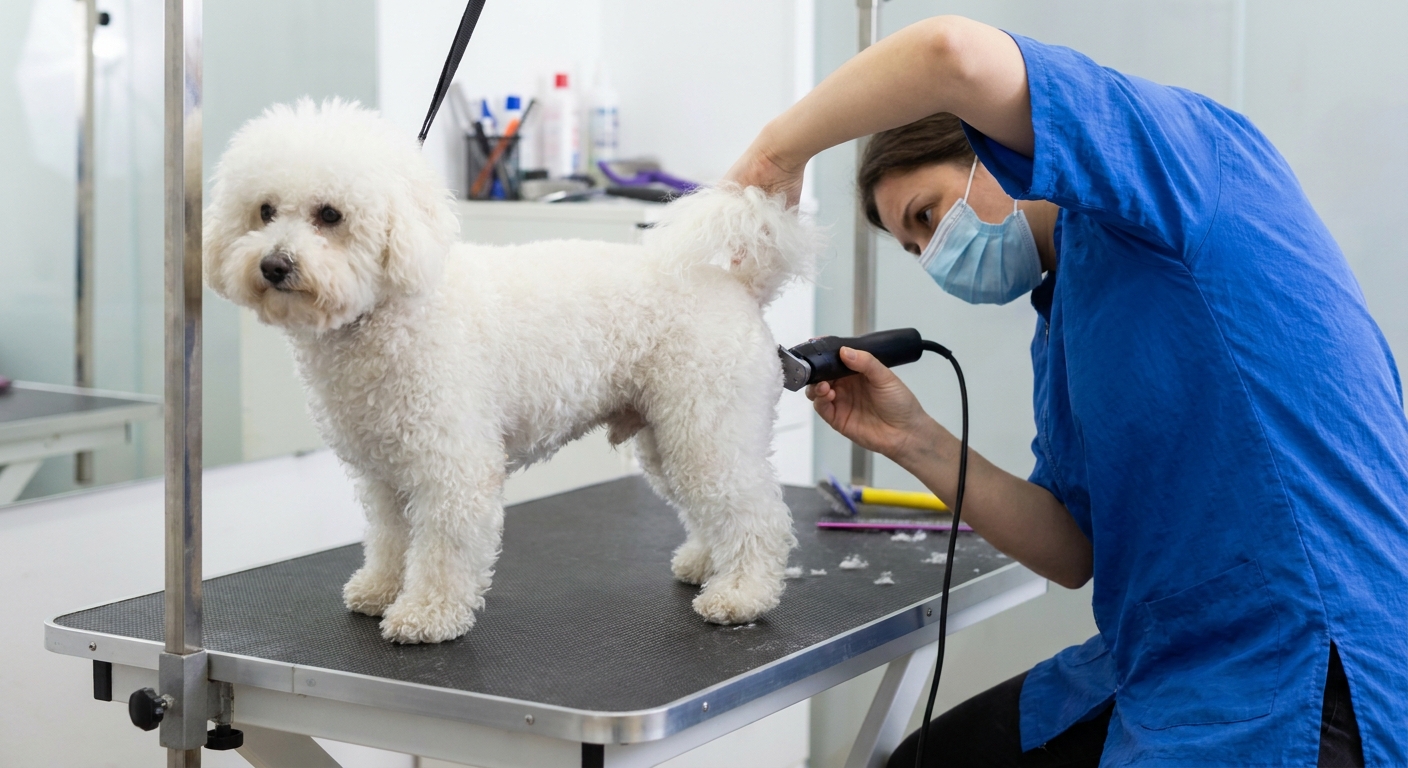
- For long-haired dogs: Ask your groomer for a sanitary trim to keep the area clean and less prone to matting.
- For messy stools: Clean gently and keep the area dry. If soft stool is frequent, talk with your vet about diet, treat load, and GI support.
- For mats: Do not pull or cut mats close to the skin at home unless you are experienced, because skin tears happen fast back there. A groomer or vet team can remove mats safely.
Less common but serious causes
Most scooting is something straightforward like anal gland trouble, irritation, or parasites. But if scooting is persistent or paired with pain, blood, or swelling, your vet may also want to rule out issues like perianal tumors, rectal polyps, or deeper infections around the anus. Some dogs with significant hip, back, or nerve pain also move oddly or rub the rear end, and it can be mistaken for simple itching.
Basically, if the behavior keeps happening and the obvious stuff is not there, that is your cue to stop guessing and get eyes on it.
Prevention basics
- Keep stool reliably formed: Consistent diet helps. If your dog tends toward soft stools, ask your vet about safe fiber options or GI support rather than experimenting blindly.
- Stay on parasite prevention: A vet-recommended plan, plus good flea control, lowers the odds of worm-related itching.
- Keep the area clean: Especially for long-haired dogs or dogs prone to “cling-ons.”
- Maintain a healthy weight: It is one of those unsexy basics that can help a lot of health issues, including rear-end comfort.
Quick red flag checklist
If your dog is scooting, use this as your decision guide:
- One-time scoot and normal otherwise: monitor
- Repeated scooting or frequent licking: schedule a vet visit soon
- Fishy or sudden strong odor: vet visit recommended to check anal glands
- Swelling, blood, discharge, or pain: contact your vet promptly
- Rice-like segments or parasite concern: call your vet and ask about a stool test
- Straining or inability to poop: urgent vet call
FAQ
Can scooting be normal?
Occasionally, yes. A single scoot after a poop can happen. Ongoing scooting is not normal and usually means irritation that needs addressing.
Should I express my dog’s anal glands at home?
In general, no. Because infection, abscess, and severe inflammation can look similar from the outside, it is safer to have a vet team evaluate recurrent scooting and handle expression if needed.
My dog is scooting but their butt looks fine. What now?
That is common with early anal gland fullness or internal irritation. If it happens again within a day or two, or if your dog is licking a lot, schedule a vet check.
My dog scoots and smells fishy. Is that definitely anal glands?
It is a strong clue, but not a guarantee. Your vet can confirm by examining the anal sacs and checking the surrounding skin.