
If your dog panics when you grab your keys, or you come home to shredded blinds and a very stressed pup, you are not dealing with “spite.” Separation anxiety is a real panic response to being alone, and it is not uncommon. The good news is that many dogs improve dramatically with a thoughtful plan that teaches them, step by step, that alone time is safe.
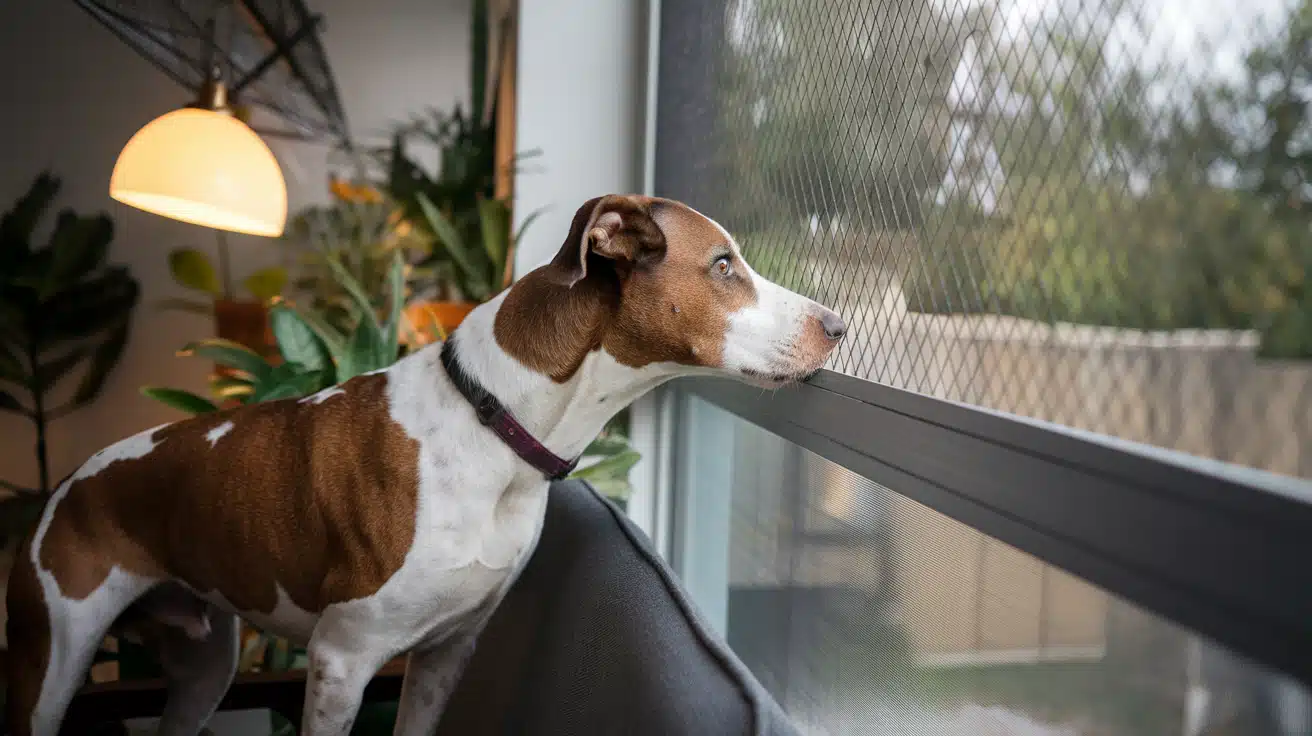
I’m going to walk you through early warning signs, how to tell anxiety apart from boredom, and natural, training-first strategies you can start today. If your dog is severely distressed, we will also cover when to loop in your veterinarian or a credentialed trainer because true panic needs support, not willpower.
What separation anxiety looks like (and what it is not)
Separation anxiety is an emotional response to being left alone or separated from a specific person. It is not disobedience, revenge, or your dog “trying to dominate the house.” In a true separation anxiety episode, your dog’s nervous system is in fight-or-flight mode.
Common signs of separation anxiety
- Vocalizing soon after you leave: barking, whining, howling that starts within minutes.
- Destructive escape behavior: chewing door frames, scratching at doors, breaking crate bars, damaging window sills. This is often focused around exits.
- House soiling despite being house-trained: urinating or defecating when alone, especially if it happens even after a potty break.
- Pacing and inability to settle: repeated loops from door to window to hallway.
- Drooling, panting, sweaty paw prints: physical stress signs you may see on floors or bedding.
- Refusal to eat: ignoring even high-value food once you are gone.
- Over-the-top greetings: frantic, hard-to-interrupt reunion behavior.
- “Velcro dog” behavior when you are home: following you room to room, distress when you close a bathroom door.
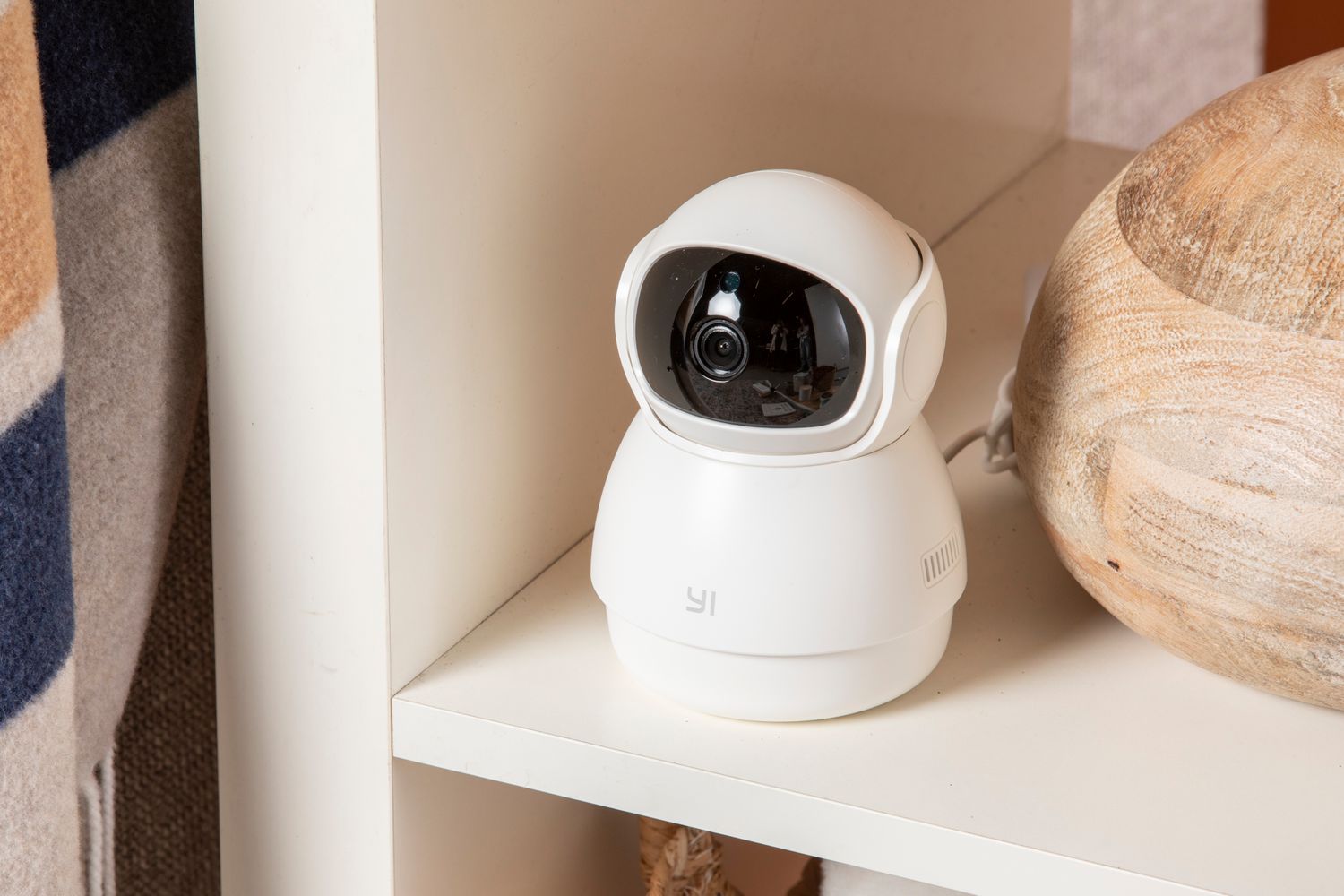
Not every anxious dog shows every sign. Some dogs look “fine” on a quick check-in, but a camera reveals constant pacing and whining. If you can, set up a pet camera or an old phone to record the first 30 to 60 minutes after you leave. That window is incredibly telling.
Quick safety note: if your dog starts to escalate, end the trial. The goal is to collect information and stay under threshold, not to “test” how bad it gets.
Separation anxiety vs boredom vs lack of training
These issues can look similar from the outside, but the motivation matters because the plan changes.
Clues it is more likely separation anxiety
- Problems happen only when the dog is alone or separated from a person.
- The behavior starts quickly, often within minutes of departure.
- Destruction is focused near exits (doors, windows) rather than random items.
- The dog cannot settle even with food toys.
Clues it is more likely boredom or under-enrichment
- The dog waits a while, then gets into mischief later.
- Destruction is “opportunistic” (trash, couch cushions, shoes).
- The dog will happily work on a chew, lick mat, or puzzle feeder once you leave.
- The dog’s overall exercise and mental stimulation needs are not being met.
Clues it might be a housetraining or medical issue
- Accidents happen even when someone is home.
- There is increased thirst, increased urination frequency, straining, diarrhea, or sudden changes.
- The dog is older and showing new signs, which can suggest pain, cognitive changes, or urinary issues.
If you are unsure, start with a vet check. As a former veterinary technician, I can tell you that a surprising number of “behavior” cases have a physical contributor, and addressing that piece makes training much easier.
Why “natural” support starts with nervous system safety
When people say “natural,” they often mean “without harsh methods and without jumping straight to medication.” I’m very much on board with gentle, science-based strategies. But I also want to be clear: separation anxiety is a panic disorder for some dogs. If your dog is injuring themselves, breaking teeth on a crate, or screaming for hours, that is not a case for tough love. It is a case for a comprehensive plan, and sometimes that includes prescription support from your veterinarian.
Natural strategies work best when your dog stays under their panic threshold. In plain English, that means we practice being alone in tiny bites your dog can handle, so their brain can learn “I’m safe” instead of rehearsing “I’m trapped.”
Early warning signs to catch
The earlier you intervene, the faster you usually see progress. Here are subtle signs many families miss:
- Departure cue anxiety: your dog starts panting when you put on shoes, pick up keys, or open the closet.
- Shadowing: your dog follows you constantly and seems unable to nap unless they are touching you.
- Barrier frustration: whining or scratching when a door closes between you, even if you are still home.
- Hypervigilance: your dog jolts awake when you stand up or move toward the entryway.
- “Checking” behaviors: repeated trips to the front door, especially after you move around getting ready.
If you are noticing these, do not wait for destruction or noise complaints. Start teaching short, successful separations now.
Set up your home for calmer alone time
Management is not “giving in.” Management prevents panic practice while you teach new skills.
Pick the safest confinement option
Choose the setup that keeps your dog calm, not the one you wish they liked.
- Some dogs do best loose in a dog-proofed room with baby gates and blocked access to exits.
- Some dogs prefer a crate, but only if the crate is already a happy, trained space. A dog with separation anxiety can escalate in a crate.
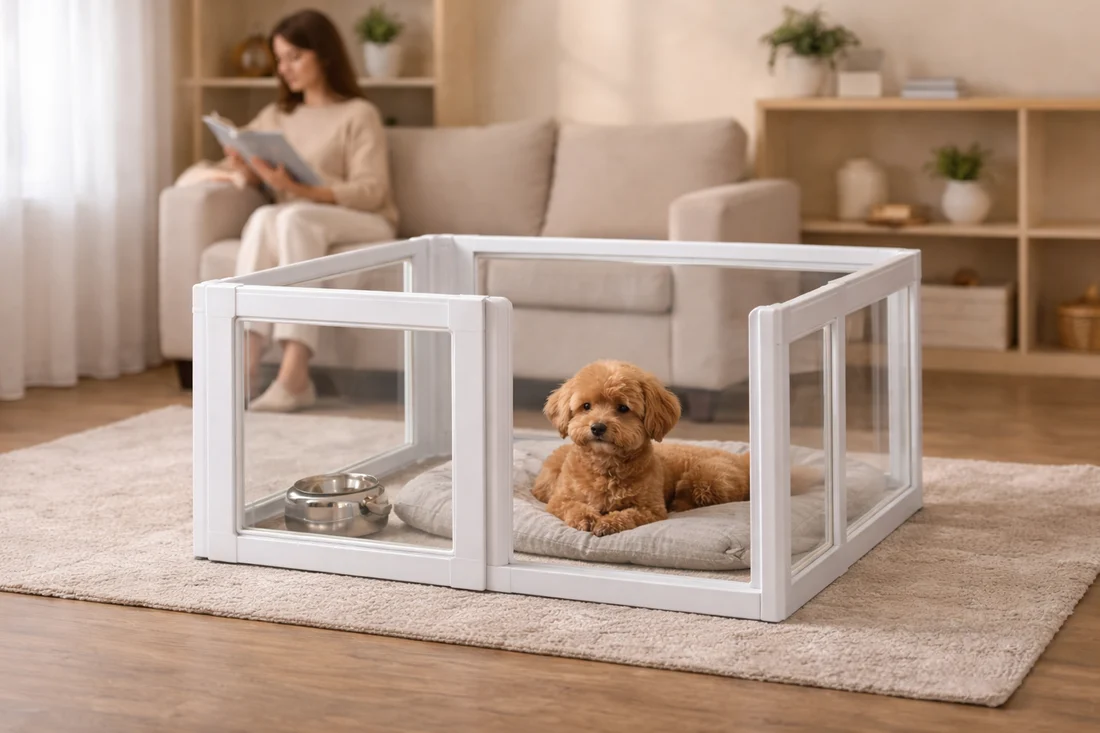
- Some dogs do best with a “home base” pen that includes a bed, water, and enrichment.
Reduce trigger intensity
- Close blinds if your dog reacts to outside sights and sounds.
- Try a fan or white noise machine to soften hallway or neighbor noise.
- Leave a light on if your dog seems uneasy in dim rooms.
Use comfort items thoughtfully
- A recently worn t-shirt can help some dogs, but not all. If your dog steals and shreds clothing, skip it.
- Calming music playlists can help certain dogs settle.
The natural training plan
For separation anxiety, the most widely recommended approach is systematic desensitization paired with counterconditioning. Big words, simple meaning: you expose your dog to being alone at a level they can handle, and you pair it with good things. Most modern plans also include departure-cue practice (so shoes and keys stop feeling scary) and relaxation skills (so your dog has a clear way to settle).
Step 1: Find your dog’s “panic threshold”
With a camera on, do very short trials. Step outside, close the door, and watch your dog’s body language.
- If your dog stays relaxed, that duration is under threshold.
- If your dog starts scanning, pacing, whining, or rushing the door, you are too far over threshold.
Your starting point might be 3 seconds. That is okay. We build from success, not from suffering.
Step 2: Practice micro-absences that end before stress begins
Do multiple tiny sessions per day when possible. Example progression (your dog’s timeline will vary):
- Close bathroom door for 2 seconds, return.
- Close for 5 seconds, return.
- Walk to front door, touch handle, return.
- Step outside for 3 seconds, return.
- Step outside for 10 seconds, return.
Keep returns low-key. You are not ignoring your dog as punishment. You are simply keeping arrivals boring so your dog does not learn that your return is a huge event to anxiously await.
Step 3: Take the power out of leaving cues
Many dogs are triggered by the routine that predicts your exit. You can reduce the intensity of those cues by doing them without leaving.
- Put on shoes, then sit on the couch.
- Pick up keys, then make a cup of tea.
- Put on your coat, then fold laundry.
Repeat until those cues stop causing your dog to tense up.
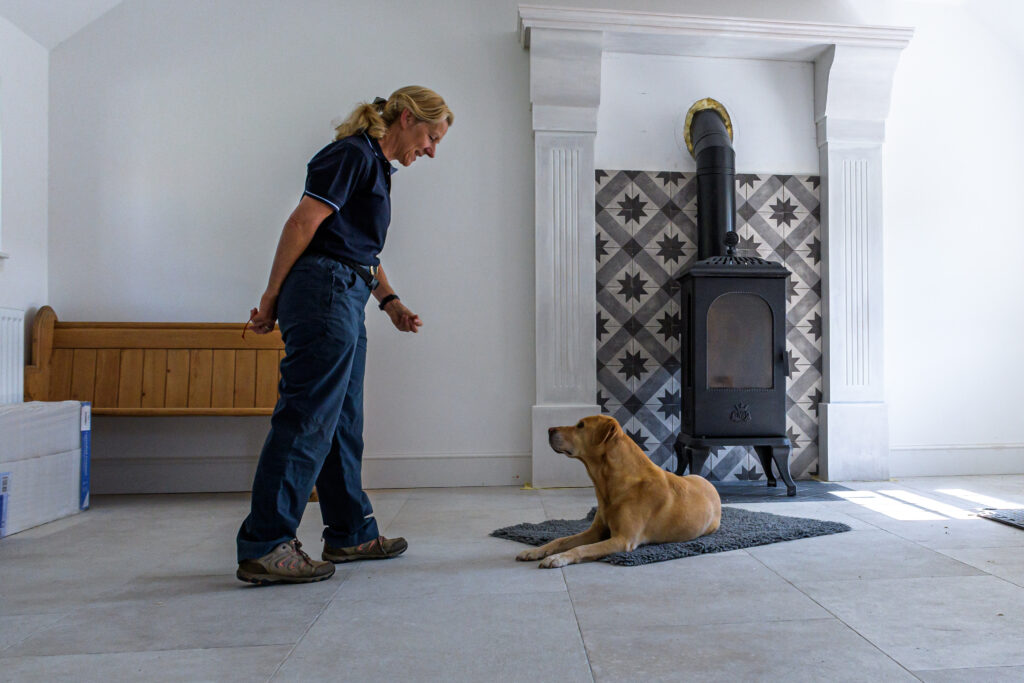
Step 4: Teach a settle-on-a-mat skill
A strong relaxation behavior helps your dog self-regulate. Practice when you are home first:
- Place a comfy mat down.
- Toss a treat on the mat. When your dog steps on it, toss another treat between their paws.
- Feed slowly as they remain on the mat, then release with an “all done.”
Over time, build duration and add calm petting if your dog enjoys it. Later, you can incorporate this into pre-departure routines.
Step 5: Use food enrichment the right way
Food can be a fantastic natural tool, but only if your dog will actually eat when alone.
- If your dog ignores food once you leave, they are likely over threshold. Go back to shorter absences.
- Use long-lasting, low-frustration options: stuffed frozen Kongs, lick mats, or a slow feeder with soft food.
- Reserve the “special” chew for alone time to build a positive association.
Safety note: always choose chews appropriate for your dog’s chewing style, and supervise new chew items when you are home first. Skip anything that splinters, anything your dog tries to swallow in chunks, or any chew that regularly causes coughing, gagging, or frantic guarding.
A 2-week starter routine
Every dog progresses at their own pace, but structure helps. Here is an example routine many families use as a starting point for mild to moderate cases.
Days 1 to 3: Calm cues and camera data
- Set up camera and do 5 to 10 micro-absences daily.
- Practice leaving cues without leaving (keys, shoes, coat).
- Begin mat training for 2 to 5 minutes, 1 to 2 times per day.
Days 4 to 7: Build predictable, easy wins
- Continue micro-absences and increase duration in small steps.
- Add a stuffed food toy during some sessions, but only if your dog remains relaxed.
- Keep real departures very short or arrange dog care so your dog is not pushed into panic for long periods.
Days 8 to 14: Gradual increases and mix it up
- Vary durations so it is not always longer and harder.
- Practice different times of day.
- Add one slightly harder “challenge rep” occasionally, then follow with easier ones.
If at any point your dog has a big panic episode, do not interpret that as failure. It just means the steps got too big. Return to the last easy duration for a few days.
Natural calming supports
There are a few non-prescription supports that may take the edge off when paired with training. Think of these as helpers, not cures.
Pheromones
Dog-appeasing pheromone diffusers or collars may help some dogs feel a bit more secure. Results are mixed in studies and in real life. If it helps, many families notice changes after a week or two.
Pressure garments
Some dogs relax in a properly fitted anxiety wrap or snug shirt. Evidence is mixed, but it can be worth a trial if your dog enjoys gentle pressure. Introduce it with treats, and do not leave it on unsupervised until you know your dog is comfortable.
Supplements
Some supplements are marketed for calming, but quality and effectiveness can vary. If you want to try one, ask your veterinarian, especially if your dog is on any medications or has health conditions. “Natural” does not always mean risk-free.
Extra challenges that can affect the plan
Some dogs have separation anxiety plus another anxiety layer that makes alone time harder. If you see these patterns, mention them to your vet or trainer because they can change your training setup:
- Noise sensitivity or noise phobia: panic during storms, fireworks, or hallway sounds can blend into alone-time distress.
- Generalized anxiety: your dog seems “on edge” even when you are home, startles easily, or struggles to relax.
- Barrier frustration: distress intensifies when your dog is behind a gate, in a pen, or in a crate, even if you are nearby.
None of these mean your dog cannot improve. They just mean you may need a more customized plan.
What not to do
- Do not punish anxiety behaviors. Scolding, shock collars, and “dominance” techniques can increase fear and make separation anxiety worse.
- Do not use a crate to “contain” panic. If your dog is trying to escape and injuring themselves, confinement is not the solution.
- Do not flood your dog with long absences. Leaving them to “cry it out” can make the fear response stronger and more practiced.
- Do not over-hype departures and arrivals. Big emotional goodbyes can make the contrast of your absence feel sharper.
When to involve a pro
Please get professional help sooner rather than later if you see any of the following:
- Your dog is hurting themselves trying to escape.
- Vocalizing lasts longer than a few minutes and does not taper off.
- Your dog will not eat at all when alone.
- You cannot avoid long absences due to work or life demands.
A veterinarian can rule out medical issues and discuss whether medication is appropriate. In severe cases, behavior medication can be the difference between “too panicked to learn” and “calm enough to benefit from training.”
If you are looking for training support, seek out someone who specifically works separation anxiety cases. Helpful credentials to look for include CSAT (Certified Separation Anxiety Trainer), an IAABC behavior consultant, a CCPDT certified trainer with documented separation anxiety experience, or a board-certified veterinary behaviorist (DACVB) for complex or severe cases.
FAQ
How long does it take to improve separation anxiety?
It depends on severity, history, and how often your dog rehearses panic. Mild cases may improve in weeks. Moderate to severe cases can take months. Progress is rarely perfectly linear, but with consistent under-threshold training, most dogs can improve significantly.
Should I get a second dog to help?
Sometimes a confident canine buddy helps, but it is not a reliable solution. Many dogs with separation anxiety are distressed about being away from a person, not being alone as a species. Adding another dog can also add stress, cost, and management complexity.
Is it separation anxiety if my dog only panics when crated?
That may be confinement anxiety rather than separation anxiety, or it can be both. A camera will help you tell the difference. Either way, forcing the crate typically backfires. Choose a safer setup while you work on training.
Can I practice leaving multiple times a day?
Yes, as long as your dog is staying under threshold. Several short, successful sessions are usually better than one long session that tips into panic.
The takeaway
Separation anxiety is not stubbornness. It is fear. Start by identifying early signs, prevent full panic episodes as much as possible, and use a step-by-step desensitization plan that builds real confidence. With patience, consistency, and the right support, many dogs learn that being home alone is just another normal part of life.
If you want a simple first step today: set up a camera, find one duration your dog can handle calmly, and practice it until calm is boring. That is how change starts.