A calm, step-by-step nail trimming guide that helps you avoid the quick, condition nervous dogs, and handle accidents safely.
Your dog’s paws do a lot of unglamorous work. They absorb shock, grip slick surfaces, offer a bit of insulation and temperature help, and carry your best buddy through every walk, hike, and zoomie session. In extreme summer heat or winter ice, paw pads can go from “totally fine” to “ouch, I refuse to move” faster than you’d think.
The good news is that paw care is one of the easiest everyday routines to level up. You do not need fancy gear, just a few smart habits and the right protection for the weather you are dealing with.
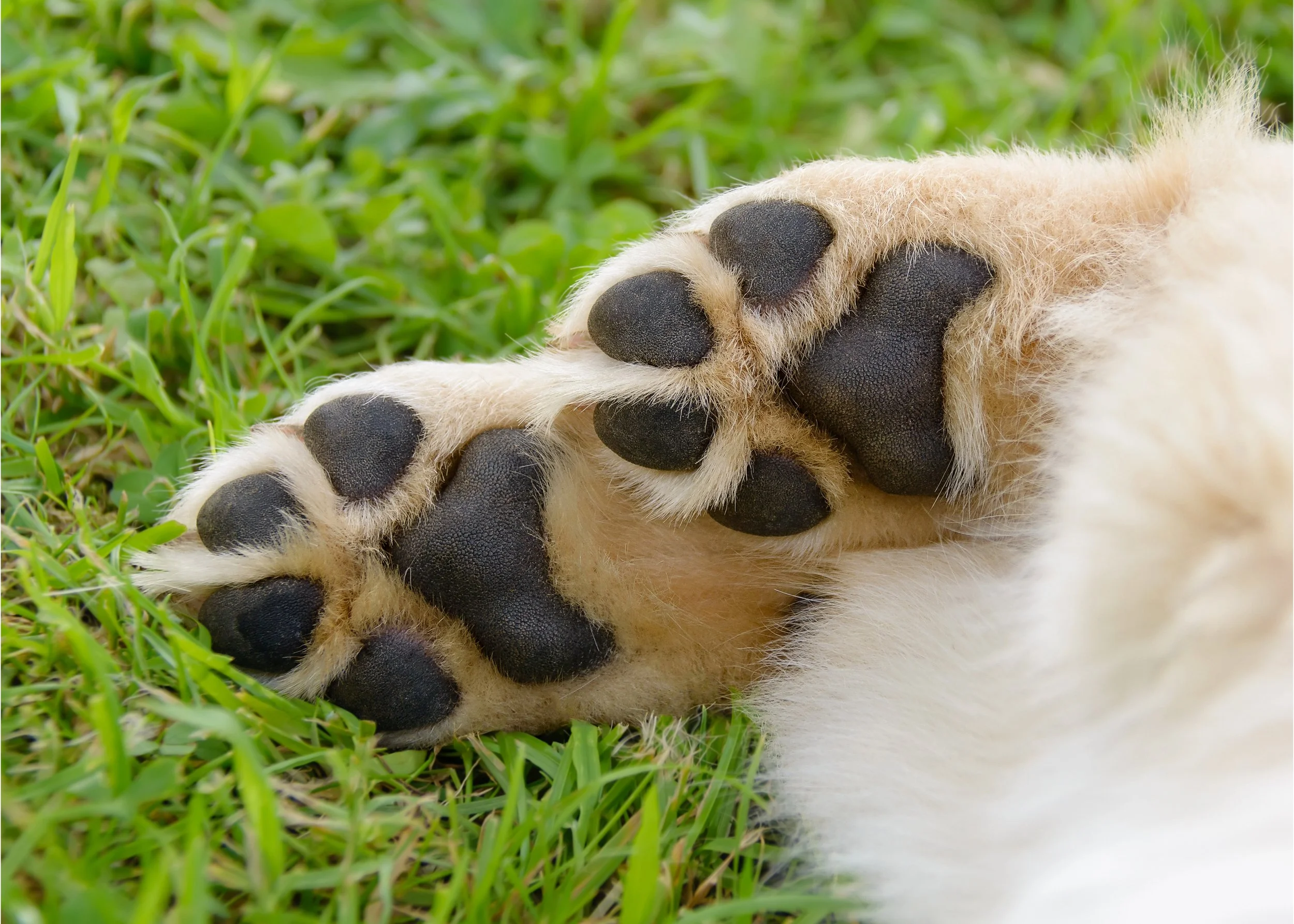
Know what you are protecting: pads, nails, and fur
When people say “paw care,” they usually mean paw pads. But in real life, the trouble spots are often a team effort.
- Paw pads can burn on hot pavement and crack or get abraded on ice and gritty snow.
- Nails that are too long can change how the foot lands, increasing slipping and making pad injuries more likely.
- Fur between the toes can trap snowballs, ice, and salt, causing painful tugging and skin irritation.
- Dewclaws can snag in deep snow or crusty ice, especially if overgrown.
If your dog hates paw handling, that is normal. We will talk about making checks and booties less dramatic later.
Summer hazards: hot pavement and rough surfaces
How hot is too hot?
Air temperature does not tell the whole story. Asphalt and concrete can heat up quickly in direct sun, and dark pavement gets hotter than you expect. A simple rule: if the ground is uncomfortable for your bare hand, it is too hot for paws.
- 5-second hand test: Place the back of your hand on the pavement for 5 seconds. If you pull away, it is a no for your dog.
- Watch for short-step walking: Dogs may start to short-step, speed up, or try to hop onto grass when paws are overheating.
Signs your dog’s paws are burned
Heat injuries can look subtle at first. Check paws after hot-weather walks, especially if your dog seems “off” later.
- Limping or refusing to walk
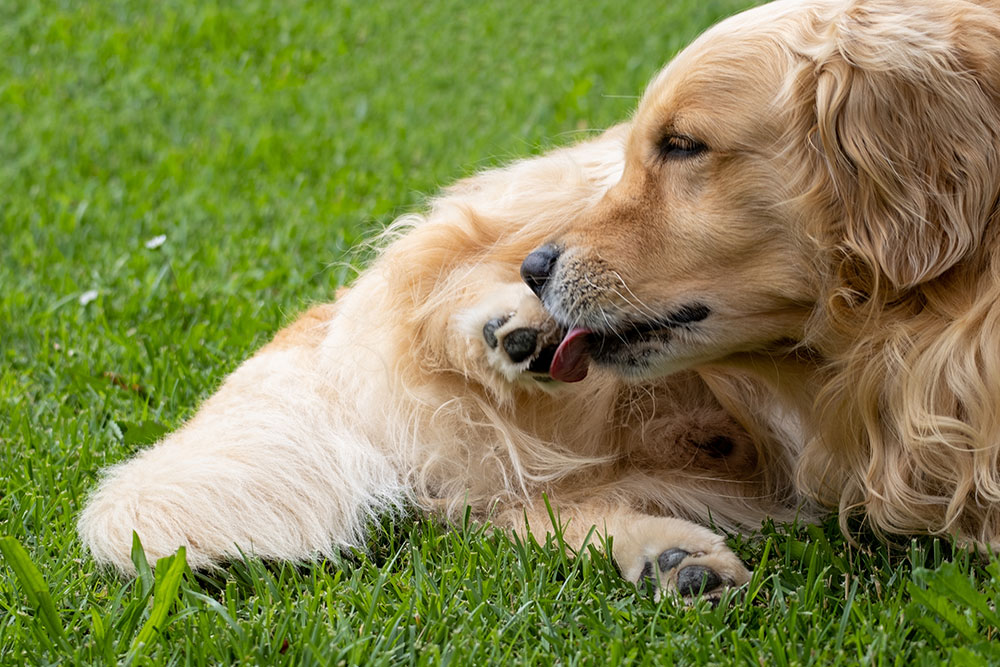
- Excessive licking or chewing at paws
- Redness, blistering, or shiny-looking pads
- Pieces of pad missing, raw spots, or bleeding
Summer paw protection that actually works
- Change the schedule: Walk early morning or after sunset. Midday potty breaks should be quick and on grass if possible.
- Choose cooler routes: Shady trails, grass, dirt, and lighter concrete tend to be friendlier than sun-baked asphalt.
- Condition gradually: Dogs build tougher pads over time. A sudden jump from “short neighborhood loop” to “long pavement walk” increases risk.
- Use booties for unavoidable hot ground: If you must cross hot areas, well-fitted booties can prevent burns.
- Skip “pad toughening” chemicals: Products marketed to harden pads may be irritating for some dogs and are not a substitute for avoiding heat.
Winter hazards: ice, snowballs, and de-icing salts
Now let’s talk winter. Cold itself is not always the main issue. The real trouble is what cold weather creates: sharp ice edges, crusty snow, and chemical de-icers that burn and dry out skin.
De-icing salts and chemicals
Many sidewalks and roads are treated with de-icers. These can cause:
- Skin irritation between toes and around pads
- Cracking and dryness from repeated exposure
- Stomach upset if your dog licks residue off paws
Even “pet-safe” labeled products can still be irritating for some dogs, especially those with sensitive skin or allergies. Think of “pet-safe” as “less harsh,” not “edible” or “no problem,” and still rinse paws after exposure.
Snowballs between toes
Longer fur between toes can collect wet snow that freezes into little ice marbles. Dogs often suddenly start limping, then walk normally again once the snowball falls out. It is uncomfortable and can rub the skin raw.
Winter paw protection that actually works
- Trim toe fur: Ask your groomer for a neat “paw tidy,” or carefully trim the fur level with the pads if you are confident and your dog is calm.
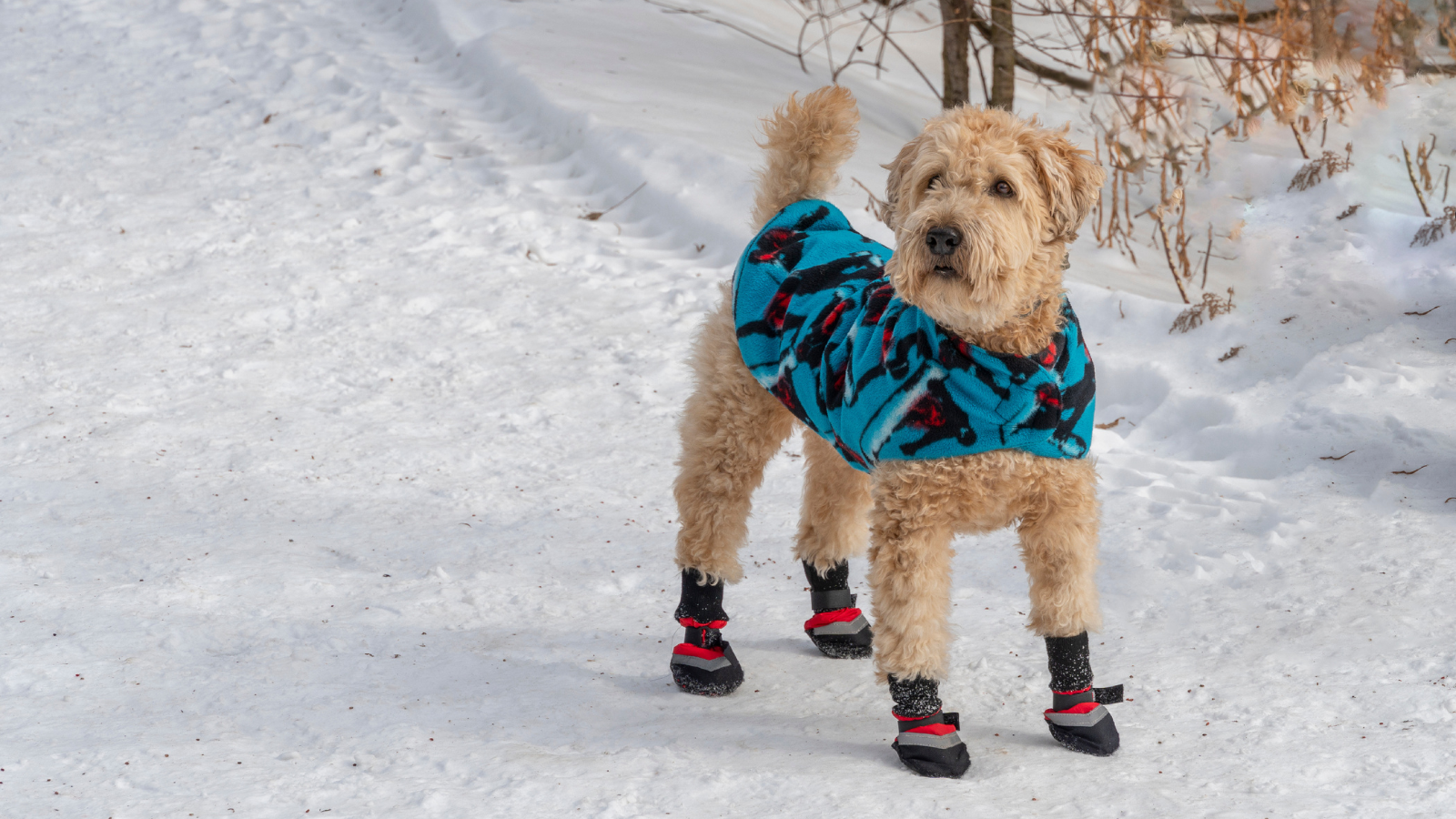
- Booties for salted areas: Booties are the most reliable barrier between paws and chemical de-icers.
- Paw balm as a helper, not a shield: Balm can reduce drying and help repel a bit of moisture, but it will not fully block harsh chemicals the way booties do.
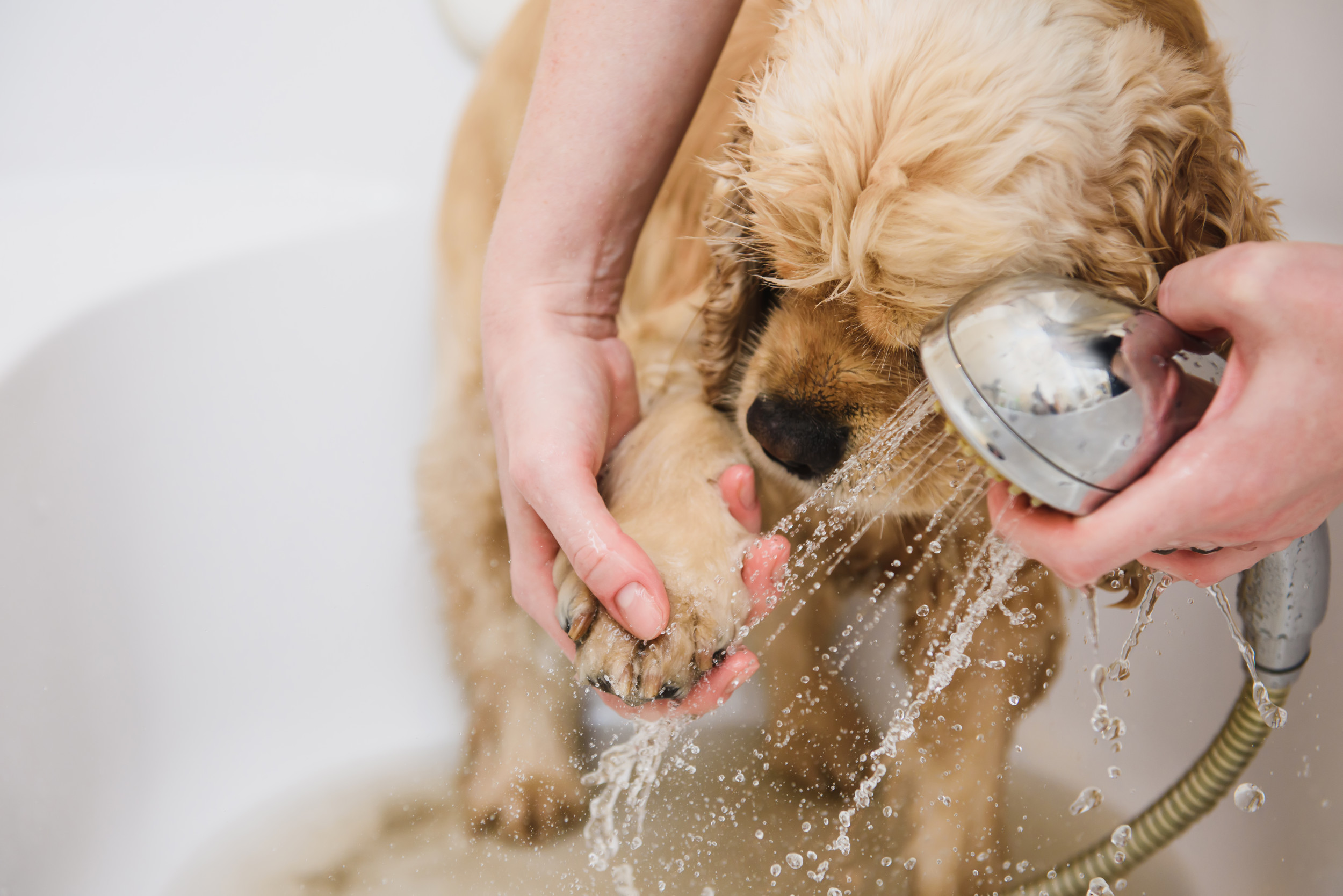
- Rinse and dry after walks: A quick lukewarm rinse removes residue. Dry well, including between toes.
Paw balm vs booties: what to use and when
I love a simple “right tool for the job” approach. Here is how I explain it to clients.
Paw balm is best for
- Dry, mildly cracked pads
- Extra support in cold, dry air
- Helping prevent snow from clumping between toes
- Post-walk conditioning after rinsing and drying
Booties are best for
- Hot pavement and sand
- Heavily salted sidewalks and parking lots
- Dogs with recurring winter irritation
- Dogs recovering from minor pad injuries (with your vet’s guidance)
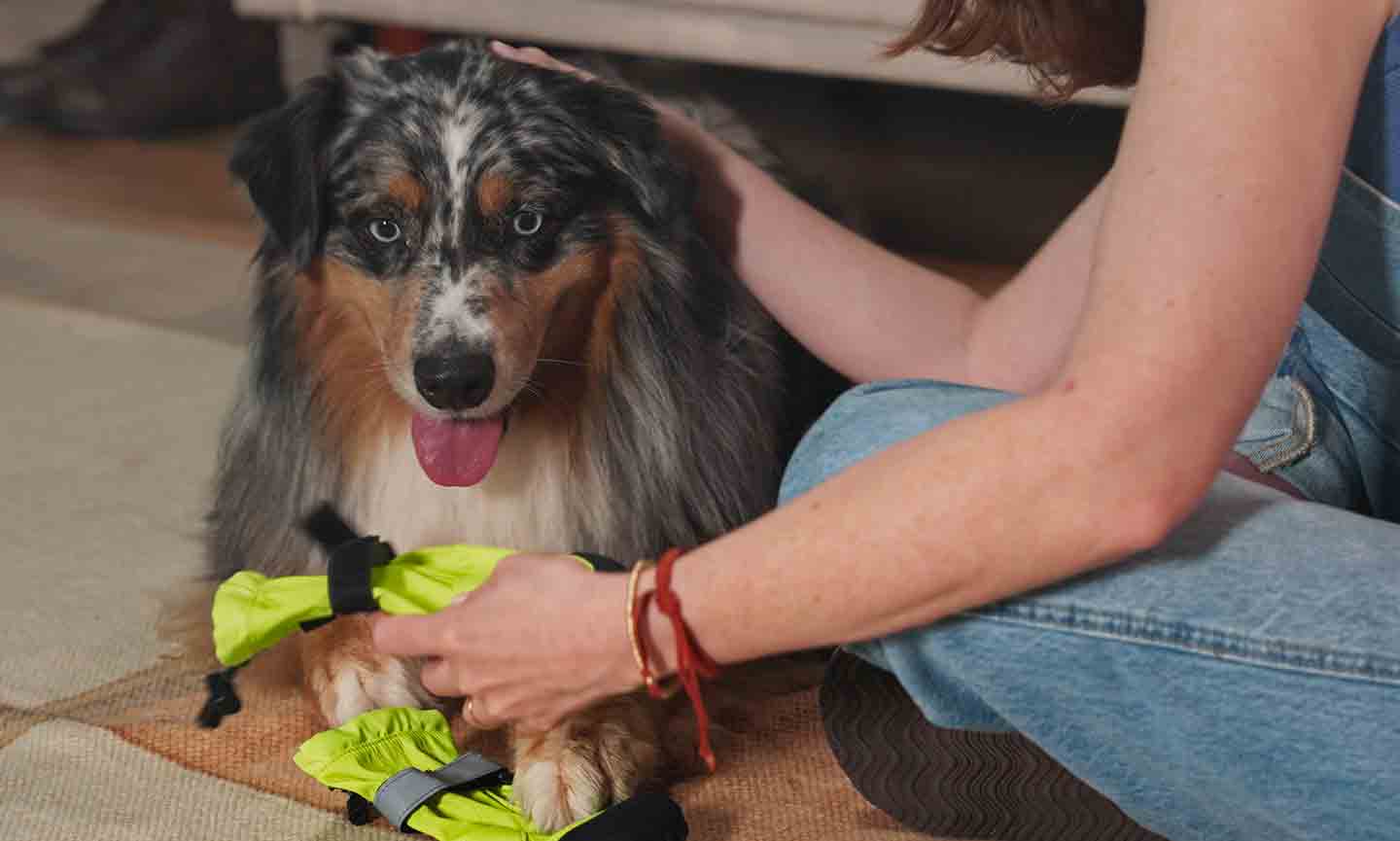
How to pick booties that do not fall off
Booties work only if they fit. The number one reason booties “don’t work” is sizing and strap placement.
- Measure the paw: Have your dog stand, then measure the widest part of the paw. Use that measurement to choose size.
- Look for two closure points: Styles with secure closures around the narrow part of the leg above the paw are less likely to pop off.
- Choose traction: In winter, a grippy sole helps prevent slipping on ice.
- Start with front feet: Many dogs tolerate front booties more easily. If you only buy one set at first, start there.
What about socks?
Socks are cozy indoors, but outdoors they usually get wet fast and can increase slipping. If you use them under booties for sensitive dogs, make sure nothing bunches between toes and that nails are trimmed.
Your 60-second paw check routine
This is the quick daily habit that prevents most paw problems from becoming big paw problems.
- Look: Check pads for redness, cracks, raw spots, or lodged grit. Peek between toes.
- Feel: Run your fingers over the pad surface. Healthy pads feel slightly textured, not sticky, not excessively dry.
- Sniff: A mild “corn chip” smell can happen with normal skin yeast and bacteria, but odor alone is not diagnostic. A sudden stronger smell plus redness and licking can signal infection or an allergy flare.
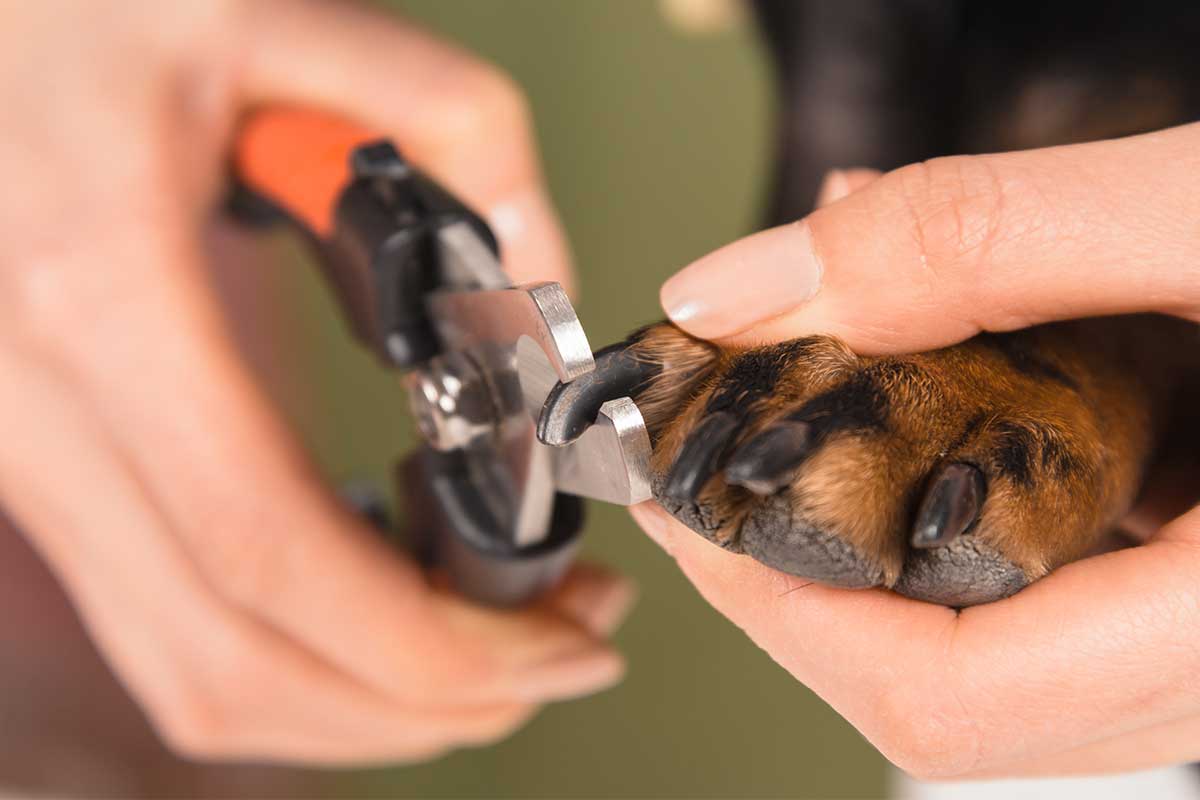
- Check nails: Nails should not click loudly on hard floors. Dewclaws should not curl toward the skin. This matters even more for seniors and dogs with arthritis, because long nails can change gait and make slipping more likely.
If your dog is not thrilled about paw handling, do one paw at a time, pair it with a treat, and keep it short. I keep treat jars everywhere for a reason.
Make paw handling and booties a positive experience
Dogs are not being stubborn when they yank a paw away. Feet are sensitive, and many dogs have had their paws grabbed in a way that felt scary. You can rebuild trust with tiny steps.
Training steps (keep sessions under 2 minutes)
- Touch, treat: Lightly touch the shoulder, treat. Then elbow, treat. Then lower leg, treat.
- Touch paw, treat: Briefly touch the paw, treat, done.
- Lift for one second, treat: Gradually increase duration over days, not minutes.
- Add gentle toe spreads: Very briefly separate toes, treat, done.
- Introduce equipment: Show the bootie, treat. Touch bootie to leg, treat. Slide on, treat jackpot, remove.
Bootie “walk like a normal dog” tip
Many dogs do the hilarious high-step the first time. Do a few treats on the ground and take a short walk on a familiar route. Movement plus sniffing helps them forget about the footwear.
If paws get irritated: what to do at home
For mild irritation, quick action helps.
- Rinse with lukewarm water to remove salt, sand, or allergens. Avoid very hot water on sensitive skin.
- For hot-surface irritation, cool gently with cool running water for a few minutes, not ice water, and do not apply ice directly to pads.
- Dry thoroughly, especially between toes.
- Prevent licking long enough for skin to calm down. Some dogs need an e-collar for a day or two.
- Use a dog-safe paw balm in a thin layer on clean, dry pads.
- Take a break from harsh surfaces for a couple of days and stick to grass for potty trips.
Do not miss debris
After walks, especially in summer and fall, check between toes for burrs, thorns, and foxtails. Foxtail awns can work their way deeper and turn into a bigger problem fast, so do not ignore persistent licking, swelling, or a sudden new limp.
Skip these common mistakes
- Do not use human lotion with fragrances or ingredients that can sting and encourage licking.
- Do not apply essential oils unless your veterinarian specifically recommends a product. Many are irritating or unsafe if ingested.
- Do not bandage tightly without guidance. Toes need circulation and moisture trapped under wraps can worsen skin issues.
When to call your vet
I am always in favor of a “better safe than sorry” call when paws are involved. Contact your veterinarian promptly if you see any of the following:
- Blisters, open wounds, bleeding, or missing chunks of pad
- Swelling of the foot or toes
- Persistent limping or crying when walking
- Pus, foul odor, or worsening redness
- A split nail, broken nail, or nail bleeding
- Signs of chemical burn after de-icer exposure
If your dog suddenly refuses to put weight on a paw, check for a lodged object like a thorn, burr, foxtail, or ice chunk. If you cannot safely remove it, or your dog is in obvious pain, let your vet handle it.
Season-by-season checklist
Extreme summer quick list
- Do the 5-second hand test before longer walks
- Walk early or late, choose shade and grass
- Carry water and take surface breaks
- Use booties for unavoidable hot pavement
- Inspect paws after walks for heat damage
Extreme winter quick list
- Trim toe fur and keep nails short
- Use booties in salted areas
- Rinse and dry paws after walks
- Apply balm to clean, dry pads as needed
- Watch for snowballs and sudden limping
FAQ
Can I put Vaseline on my dog’s paws?
Plain petroleum jelly is sometimes used as a temporary moisture barrier, but it is messy and many dogs lick it. In small amounts it is generally low-toxicity, but licking a lot can still cause stomach upset. A dog-specific paw balm is usually a better choice because it is designed for canine skin and tends to stay put a bit better. If your dog licks everything off, booties are the more effective option for protection.
Do booties protect against hot pavement?
Yes, if they fit well and have a sole designed for outdoor use. Check the bootie material for heat tolerance, and keep walks shorter in extreme heat. Booties are protection, not permission to stay out on scorching ground for long periods.
My dog’s paws are cracking in winter. Is that normal?
Mild dryness is common in cold weather, especially with repeated exposure to ice melt. Cracks are a sign you should step up protection: rinse off chemicals, dry thoroughly, add balm, and consider booties. Deep cracks, bleeding, or limping should be evaluated by your vet.
How often should I apply paw balm?
For most dogs, a thin layer before winter walks and again after rinsing and drying is plenty. For very dry pads, you might apply daily for a short period. If you are applying multiple times a day long-term, it is worth checking in with your vet to rule out allergies or skin infection.
Why does my dog lick paws more in summer?
Heat, allergens (like grass pollen), foxtails, and hot-surface irritation can all increase licking. Check for redness between toes and look for debris. If licking is frequent, intense, or paired with ear issues or itchy skin elsewhere, talk with your vet about allergies.
Bottom line
Paw care is not about being perfect. It is about stacking small, sensible choices in your dog’s favor: walk at cooler times, avoid the harshest surfaces, keep nails and toe fur tidy, rinse off winter chemicals, and use balm and booties strategically. Your dog will feel the difference, and your floors will probably stay a little cleaner too.