A step-by-step 7-day schedule many dogs do well with when changing foods, plus troubleshooting for gas, diarrhea, picky eating, and when to slow down.
If your dog is itchy, licking paws like it is a full-time job, or bouncing between soft stool and “why is there mucus in this poop,” it is natural to assume it must be the food. Sometimes it is. Often, it is not.
As a trainer and former vet tech, I see a lot of well-meaning pet parents get stuck in the same loop: switching foods, adding supplements, trying a shampoo, then switching foods again. The good news is that you can get much closer to the real cause with a few symptom clues and a properly run elimination diet.

Food vs. environmental: the quick difference
Both can cause itching. Both can cause ear infections. Both can make life miserable. The difference is what the immune system is reacting to and how predictable the flare-ups are.
Big picture: food-related reactions tend to be more non-seasonal, while environmental allergies often wax and wane with exposure or season. There are plenty of exceptions, but this pattern is a useful starting point.
Food allergies and sensitivities
When we say “food allergy,” we usually mean an immune reaction to a protein in the diet. Chicken, beef, dairy, and egg are common triggers, but any protein can be a problem for an individual dog.
Not every food issue is a true allergy. Some dogs have food intolerance or dietary sensitivity, which is not always immune-based but can still cause real GI upset (soft stool, diarrhea, vomiting, gassiness). From a practical standpoint, the first steps can look similar: you still need a clean diet history and a careful diet trial to sort it out.
Key pattern: symptoms often happen year-round and do not neatly match seasons.
Environmental allergies (atopy)
Environmental allergies are reactions to things your dog breathes in or picks up from the environment, including pollen, grasses, molds, dust mites, and sometimes storage mites. The condition is not just “contact irritation.” It is a mix of skin-barrier and immune system factors that make the skin overreact and get inflamed.
Storage mites are worth a quick mention because they can live in dry foods and treats (especially if stored warm or humid), which can muddy the picture in some dogs.
Key pattern: symptoms often worsen during specific seasons or after specific exposures (new park, freshly cut grass, damp basement, dusty house cleaning day).
Symptom clues
There is overlap, so no single sign is a perfect “tell.” But these patterns can help you and your veterinarian decide what to tackle first.
Signs that lean environmental
- Seasonal itching (spring, summer, fall spikes)
- Paw licking after walks or outdoor time
- Face rubbing on carpet or furniture
- Red belly or armpits after being outside
- Frequent ear infections, especially if they flare with seasons
- Responds well to allergy meds like Apoquel, Cytopoint, antihistamines (varies by dog), or medicated baths
Signs that lean food-related
- Itching that seems non-seasonal and persistent throughout the year
- GI signs: chronic diarrhea, soft stool, vomiting, gassiness, frequent bowel movements, straining, mucus
- Anal gland trouble that tracks with loose stool
- Itching plus GI issues together (not proof, but it raises suspicion)
- No meaningful improvement with typical environmental allergy strategies
Where do ear infections fit?
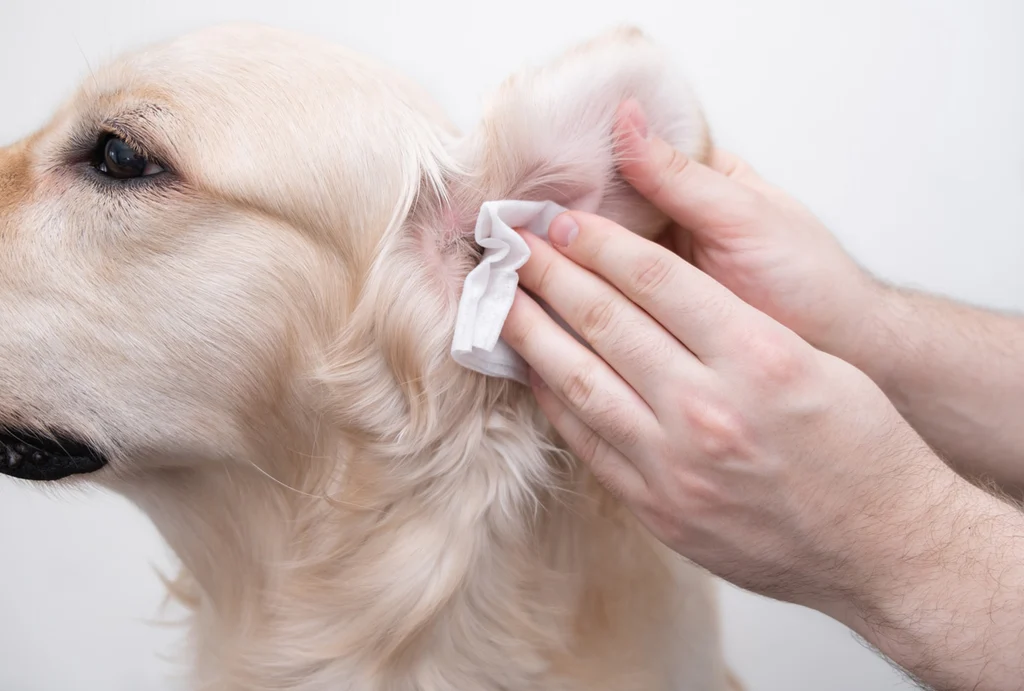
Both food and environmental allergies can cause ear inflammation. If your dog has recurring ear infections, treat the infection and address the underlying allergy. Otherwise you are just playing whack-a-mole with yeast and bacteria.
Before changing food
I am all for a smart elimination diet. I am not a fan of doing it while fleas are partying, a skin infection is brewing, or the dog is chewing paws out of habit.
1) Fleas and flea allergy
In flea-allergic dogs, even one bite can set off days of itching. Make sure you are using reliable flea prevention and talk to your vet if you are seeing “flea dirt” (black pepper-looking specks) or scabs near the tail base.
2) Skin and ear infections
Yeast and bacterial infections can be both a result of allergies and a separate reason the skin is itchy. If the skin smells musty or yeasty, looks greasy, has pustules, or your dog’s ears are red and gunky, get that evaluated. An elimination diet will not clear an active infection.
Many vets confirm what is going on with quick in-clinic tests like skin or ear cytology (basically, checking a sample under the microscope) and then treat with the right topical or oral medication.
3) Mange and other parasites
Sarcoptic mange (scabies) is intensely itchy and contagious to other dogs. Your vet can test and sometimes treat based on suspicion even if tests are negative.
4) Overgrooming and learned itch routines
Some dogs lick paws more when they are bored, stressed, or dealing with separation anxiety. Allergy discomfort can start it, then the licking becomes a habit. You can address both: medical relief plus enrichment and training.
The elimination diet
Food allergy testing using blood, saliva, or hair is not considered reliable enough to diagnose food allergies on its own. Saliva and hair tests are especially problematic, and serum panels tend to have poor predictive value as a stand-alone answer.
The gold standard is a strict elimination diet trial followed by a challenge. Even then, diet trials can be confounded by infections, parasites, and accidental “extras,” which is why the rules matter so much.
How it works
- You pick a diet your dog has not eaten before (or a hydrolyzed veterinary diet).
- You feed only that diet for long enough to see improvement.
- If your dog improves, you reintroduce old foods one at a time to see what triggers symptoms.
How long does it take?
Most dogs need 8 to 12 weeks of strict diet to judge results confidently. Some dogs show improvement earlier, especially GI symptoms, but skin can take longer to calm down.
Choosing the right diet
You have two main options:
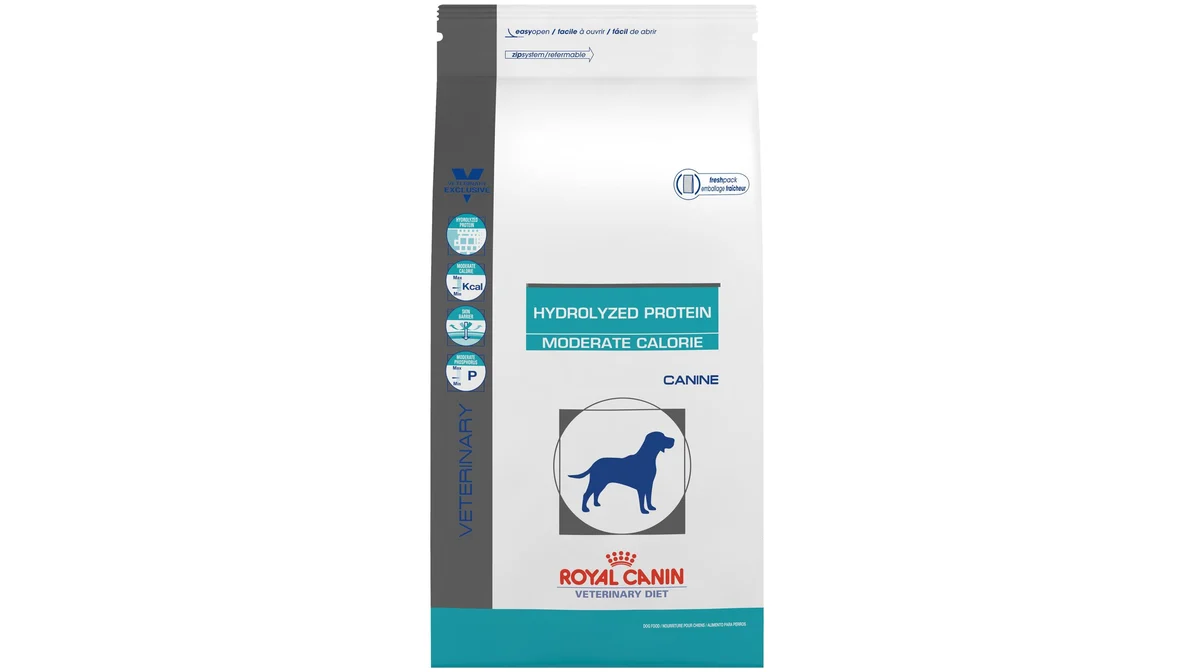
- Hydrolyzed protein veterinary diet: the proteins are broken down so the immune system is less likely to recognize them. This is often the most foolproof option.
- Novel protein diet: uses a protein your dog has truly never had (for many dogs, that is not chicken, beef, or lamb). Your vet can help pick a realistic option based on diet history.
Important: over-the-counter “limited ingredient” foods can be helpful for some dogs, but they are not always strict enough for diagnosing allergies due to cross-contact and hidden ingredients. If your goal is diagnosis, use a veterinary diet or a vet-guided home-cooked trial.
Diet trial rules
This is the part where most trials fail, not because you did anything “wrong,” but because modern life is basically one big snack trap.
Rule 1: No extras
That means:
- No treats unless they are made from the exact same diet (or vet-approved single-ingredient treats that match)
- No flavored meds, toothpaste, supplements, or pill pockets without checking ingredients
- No table scraps
- No rawhides, bully sticks, collagen chews, pig ears, or “natural chews” unless your vet approves them for the trial
Do not stop parasite preventatives just to keep a trial “pure.” If yours are flavored, ask your vet how to handle it or if a non-flavored option makes sense during the trial.
Rule 2: Everyone has to follow it
Kids are wonderful. Kids also love sharing snacks with dogs. Put a friendly note on the treat jar and offer approved options so nobody feels like the food police.
Rule 3: Control scavenging
- Keep counters clear
- Use a basket muzzle on walks if your dog is a street-snacker
- Pick up yard poop promptly if your dog is into the world’s grossest hobby
Rule 4: Track symptoms weekly
Pick 3 to 5 simple markers and rate them 0 to 10 each week:
- Itch level
- Paw licking
- Ear redness or debris
- Stool quality
- Vomiting or regurgitation
A notes app works great. Patterns are easier to spot when you are not relying on memory.
What success looks like
Ideally, you see a meaningful drop in symptoms:
- GI signs often improve first, sometimes within 2 to 4 weeks
- Skin itch may take 6 to 12 weeks to settle
- Ears can improve once inflammation calms and infections are controlled
If your dog improves by week 8 to 12, the next step is the part many people skip: the challenge.
The challenge
To confirm a food allergy, you reintroduce the old food or a single ingredient (like chicken) and watch for symptoms to return. When symptoms flare, you go back to the elimination diet until the dog stabilizes again.
For dogs with severe GI signs, significant skin infections, or a complicated medical history, do the challenge with veterinary guidance. It is not fun, but it is the proof you need to stop guessing long-term.
If there is no improvement
That happens, and it does not mean you failed.
- Most likely: your dog’s main issue is environmental allergies, or there is an infection or parasite issue still in play.
- Also possible: something non-diet slipped in (a flavored chew, a roommate treat, a daycare biscuit).
- Less common: your dog reacted to the chosen diet and needs a different protein or a hydrolyzed option.
If there is little to no improvement by 8 to 12 weeks, talk with your vet about shifting focus to environmental management or a dermatologist referral.
Managing environmental allergies
Environmental allergies often need a layered plan. Think “reduce exposure + support the skin barrier + control inflammation.”
At-home help
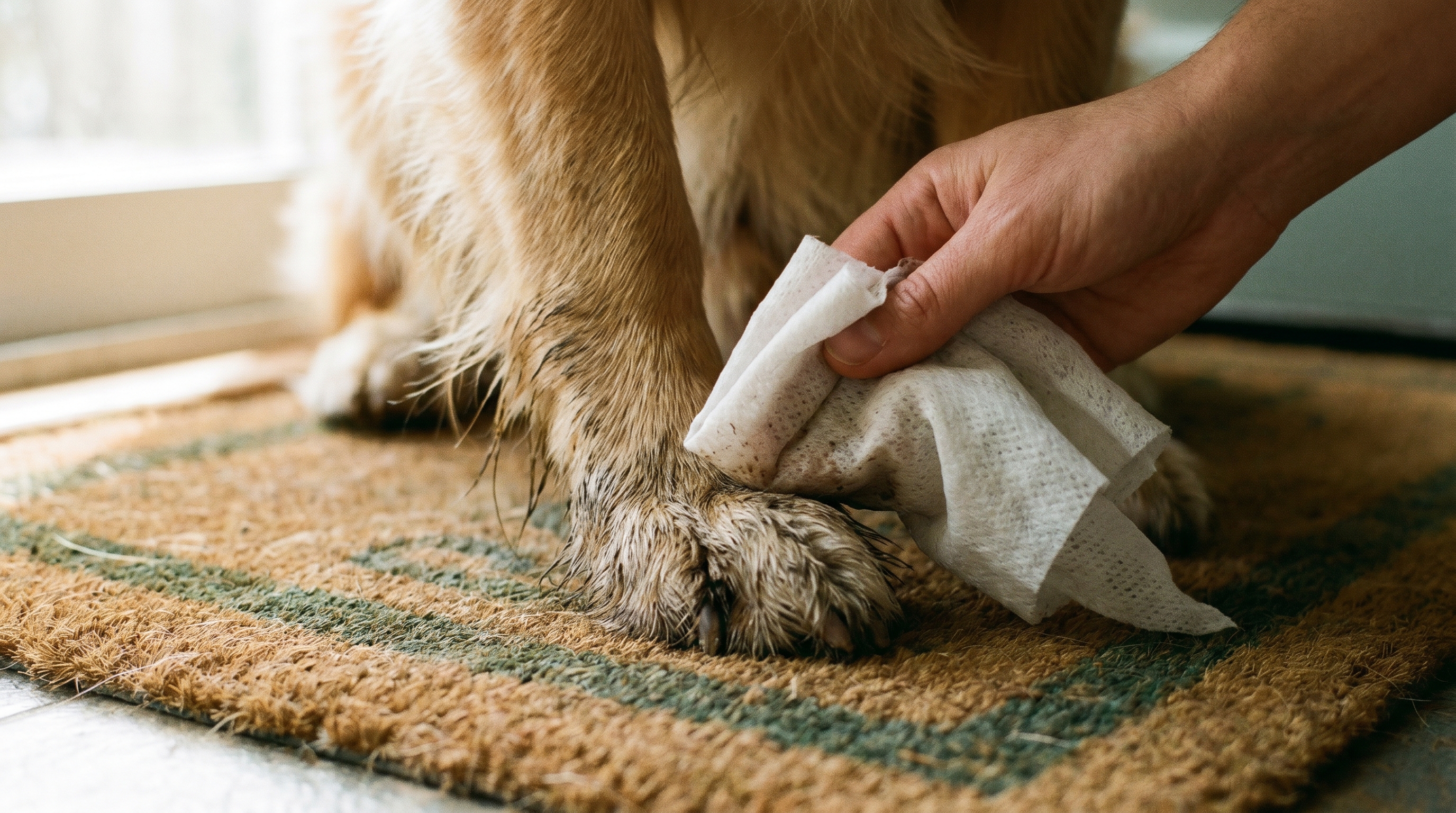
- Wipe downs after walks: paws, belly, and groin are big pollen collectors
- Weekly or twice-weekly baths with a vet-recommended shampoo if your dog tolerates bathing
- Wash bedding in hot water weekly
- HEPA vacuuming for dust mites and dander
- Keep grass short and rinse muddy pollen off feet promptly
Medical options
- Prescription itch control (Apoquel, Cytopoint)
- Antihistamines (helpful for some dogs, not all). Ask your vet about safe options and dosing, especially if your dog has other health issues or takes other medications.
- Medicated ear cleaners and topical therapies
- Allergen-specific immunotherapy (allergy shots or drops), typically guided by a veterinary dermatologist
Training tips
When a dog is uncomfortable, behavior changes. You might see more restlessness, less patience with handling, or distractibility on walks. You can make things easier while you work on the medical side.
- Teach a cooperative care chin rest so ear cleaning and paw checks feel predictable and rewarding.
- Swap licking for enrichment: scatter feeding, snuffle mats using the elimination diet kibble, lick mats with vet-approved options, and short training sessions that keep the brain busy.
- Use barriers, not punishment: socks, cones, or inflatable collars can protect skin while you treat the cause. Scolding a dog for licking does not fix the itch.
If your dog seems frantic about licking or scratching, that is information. It is your cue to call the vet and adjust the plan.
When to call the vet
- Swollen face, hives, vomiting, or trouble breathing
- Bloody diarrhea, repeated vomiting, or refusal to eat
- Hot spots spreading quickly
- Ear pain, head tilt, loss of balance, or foul-smelling ear discharge
- Severe itching that is keeping your dog from sleeping
Allergies are common, but complications can escalate fast, especially with ears and skin infections.
Quick FAQ
Can food allergies start suddenly?
Yes. Dogs can eat a food for months or years before developing an allergy to a protein in it.
Is grain-free better for allergies?
Not usually. Most food reactions in dogs are triggered by proteins, not grains. That said, dogs can be allergic to grains too, just less commonly. Grain-free diets are not automatically healthier and may not be appropriate for every dog. Your vet can help you choose a safe option.
Can my dog have both food and environmental allergies?
Absolutely. Many allergy dogs are mixed bags. That is why a clean elimination diet trial can be so helpful. It lets you separate the food piece from everything else.
What treats can I use during an elimination diet?
The simplest option is to use the elimination diet kibble as treats. You can also ask your vet about treats made to match the trial diet. If you use a novel-protein diet, single-ingredient treats of the same protein can sometimes work, but you want vet guidance to keep the trial clean.
How do I know if it is working if my dog is also on itch meds?
Bring this to your vet. Sometimes we use itch control to keep a dog comfortable while the diet trial runs, especially if skin is inflamed or infected. The key is consistency and good symptom tracking so changes still mean something.
The bottom line
If your dog is itchy and has tummy troubles, it is tempting to chase quick fixes. Instead, aim for a clean diagnosis path:
- Rule out fleas, parasites, and infections
- Use symptom patterns to decide what is most likely
- If food is on the shortlist, run a strict 8 to 12 week elimination diet with a real challenge phase
And please do not beat yourself up if it takes time. Allergy cases are rarely solved in one appointment or one food change. With a methodical plan, you can usually get your dog a lot more comfortable and back to doing what they do best, like napping in sunbeams and dragging you toward every interesting smell on the trail.