A practical buyer’s guide to oatmeal and medicated dog shampoos for dry skin, allergies, and seasonal itch. Plus ingredient tips and bathing do’s and don’ts.
The first time I saw a dog surrendered “because of fleas,” I was a vet tech, and I remember thinking: this is awful, but also… fleas are solvable. The tricky part is that fleas are not just a few bugs on your dog. They are a whole little system living in your home, moving through stages that are designed to survive.
This guide will help you do two things: (1) confirm whether fleas are truly the problem, and (2) break the flea life cycle so you are not stuck in the frustrating loop of “I treated him, why are they back?”
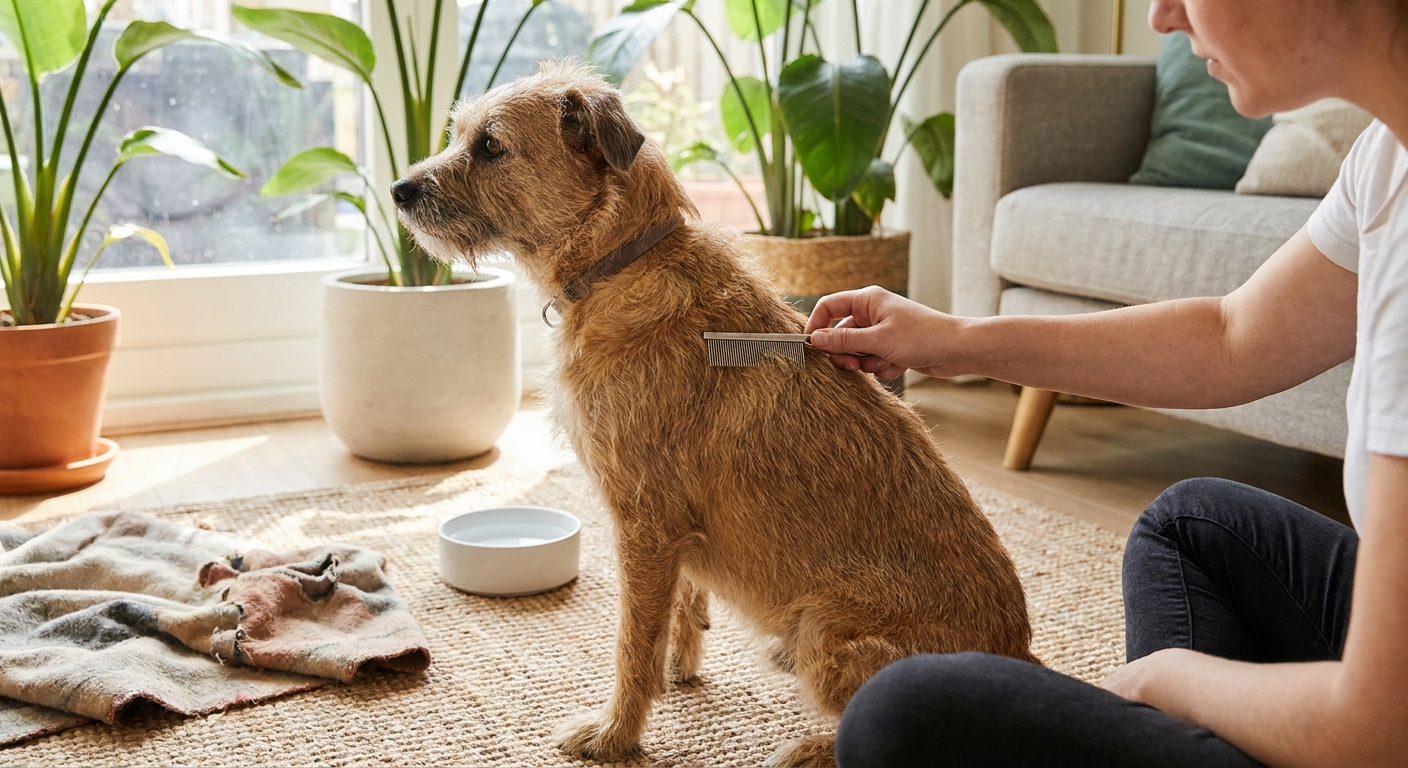
How to tell if your dog has fleas
Some dogs scratch with fleas, some barely itch at all, and some have major skin reactions from just one or two bites. (That strong reaction has a name: flea allergy dermatitis.) So instead of guessing, I like to confirm with simple, low-tech checks.
Common flea clues
- Itching, especially around the rump, tail base, belly, inner thighs, and armpits
- Red bumps or scabs, sometimes called “miliary dermatitis” (tiny crusty spots)
- Hair loss over the lower back or tail base
- Restlessness, sudden nibbling at the skin, or difficulty settling
- Dark specks in the coat that look like pepper (often flea dirt)
- Tapeworm segments (tiny rice-like pieces) near the anus or in bedding, which can happen when dogs swallow infected fleas
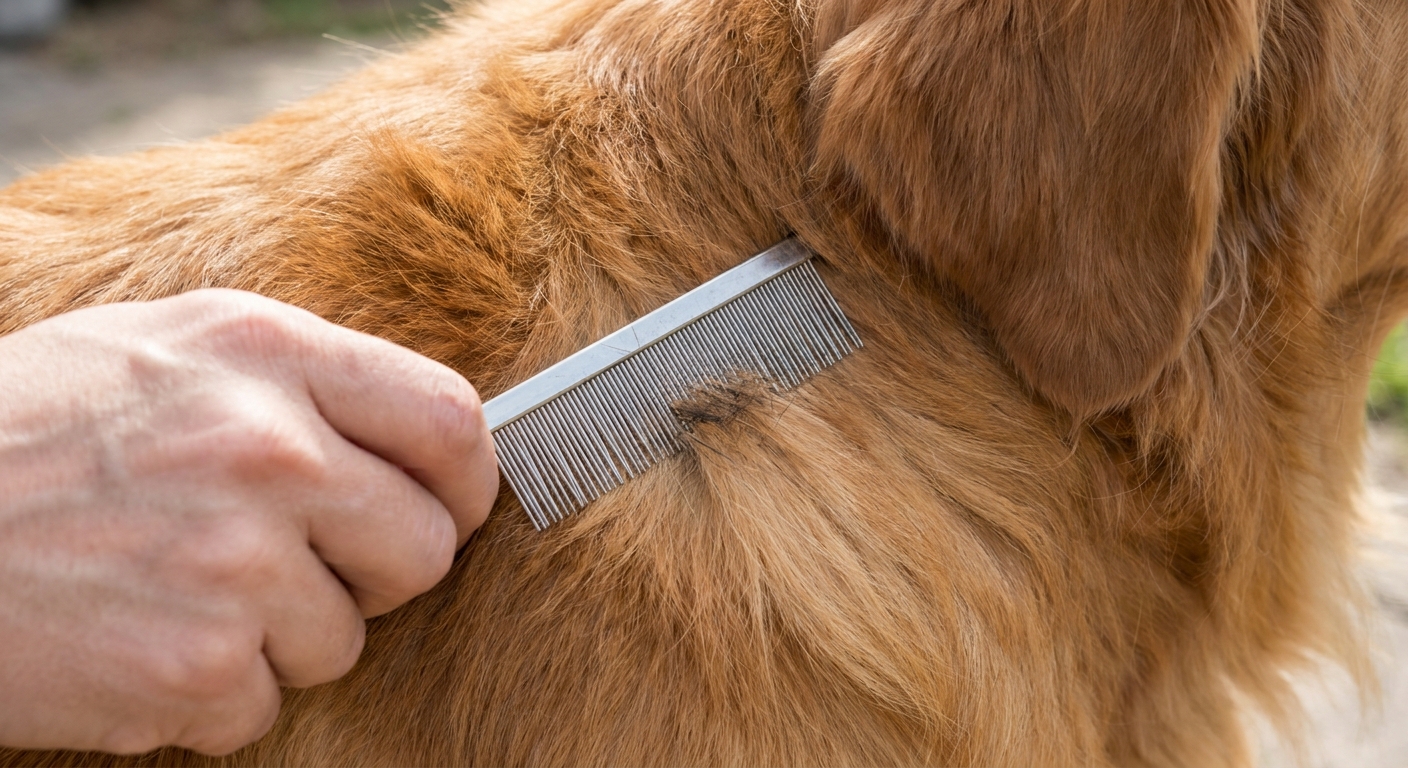
Check 1: Use a flea comb (one of the most reliable at-home checks)
A flea comb has very close-set teeth that pull out fleas and flea dirt. You can do this even on thick-coated dogs, but it takes a bit more patience.
- Pick your spot: A bathtub, white towel, or light-colored sheet makes it easier to see what you catch.
- Focus your combing: Start at the tail base and along the lower back, then move to the belly and groin.
- Comb down to the skin in short strokes. After each stroke, tap the comb onto the towel.
- Have a “flea cup” ready: A bowl of warm water with a drop of dish soap helps trap any live fleas you catch.
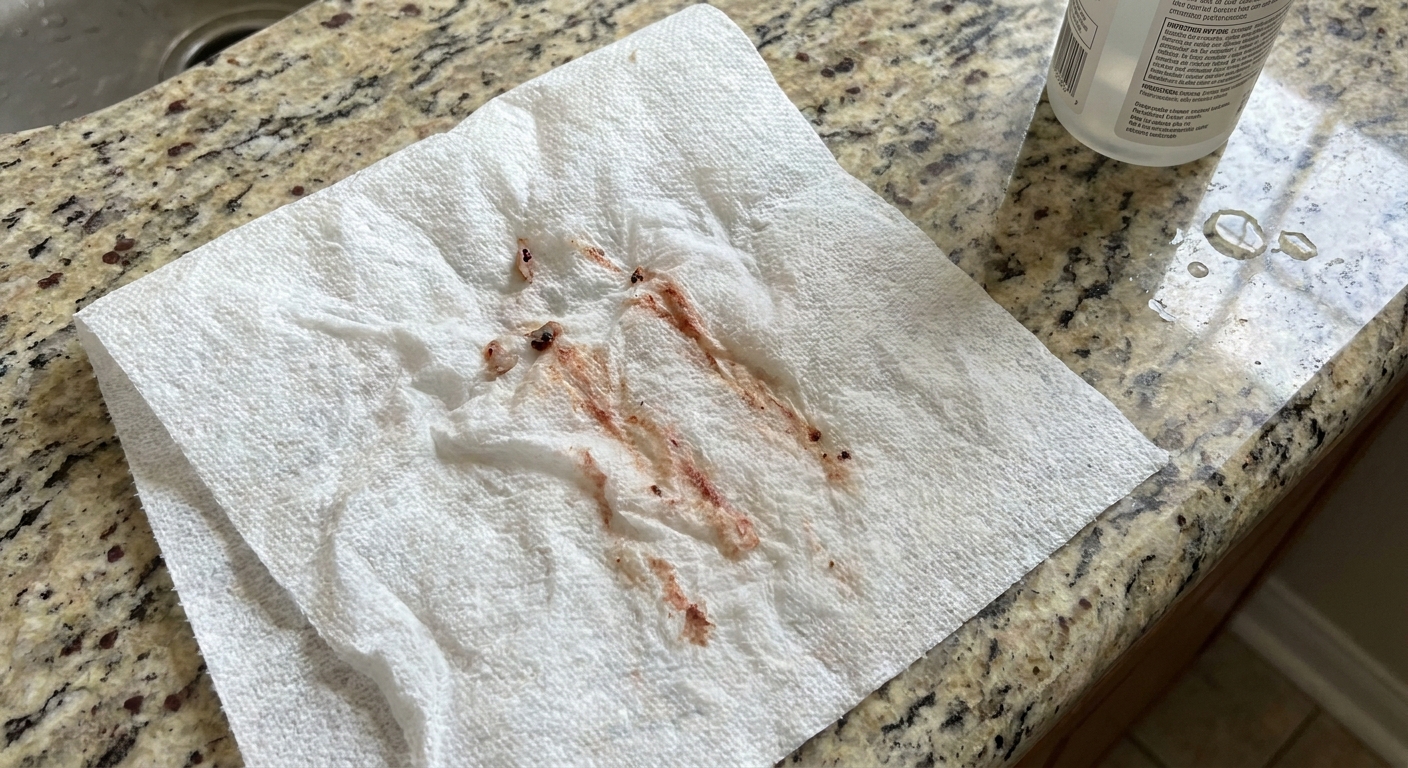
Wet paper towel test
Not everything dark in the coat is flea dirt. It could be plain dirt. The difference is that flea dirt is digested blood, so it turns reddish-brown when wet.
How to do it
- Collect a few of the dark specks from your dog’s coat using the flea comb or a damp cotton ball.
- Place them on a white paper towel.
- Add a few drops of water or fold the towel and press it with a damp finger.
- Watch for a rusty red smear within 1 to 3 minutes. That color strongly suggests flea dirt.
If you find live fleas or get a positive flea dirt test, assume there are more fleas (or soon will be) in the environment. That is when the life cycle explanation matters.
Why fleas keep coming back
Fleas are not just adults hopping around. In most infestations, most of the population is in immature stages (eggs, larvae, pupae) that live off the pet in the places your pet spends time, like bedding, carpets, couch cushions, crates, and favorite corners.
Stage 1: Eggs
Adult fleas lay eggs on your dog, but the eggs are not sticky. They fall off into carpets, couch cushions, floor cracks, and bedding. One flea can lay a lot of eggs quickly, which is why infestations grow fast.
Stage 2: Larvae
Eggs hatch into larvae that avoid light and hide deep in carpet fibers or under furniture. Larvae feed on organic debris, including flea dirt.
Stage 3: Pupae
Larvae spin cocoons and become pupae. This stage is the reason flea control can feel like it “fails.” Pupae are protected inside cocoons and can wait for the right conditions to emerge. Vacuum vibrations, warmth, and carbon dioxide can trigger adults to emerge from the cocoon.
Stage 4: Adults
Adult fleas hop onto pets (or people), feed, mate, and start the cycle again. Many flea products kill adults well, but if eggs, larvae, and pupae are still in your home, you will see new adults emerging for weeks.
The big takeaway: You have to treat the dog and the environment long enough to outlast the pupae stage.
Your flea treatment plan
I like to think of flea control as a coordinated campaign. Everyone in the household participates, including the cat who “never goes outside.”
Step 1: Treat every pet
If one pet is untreated, fleas have a safe place to feed and reproduce.
- Dogs: Use a vet-recommended flea preventive labeled for dogs. Follow the label exactly.
- Cats: Use a cat-specific product. Never use a dog flea medication on a cat unless your veterinarian explicitly says it is safe. Dog products that contain permethrin (a common pyrethroid) are a classic danger for cats.
There are multiple effective formats, including oral chewables, topical spot-ons, and flea collars. What works best can vary by pet, lifestyle, and even region. If you are unsure what to use, call your vet and ask what is best for your pet’s age, weight, health conditions, and local flea pressure.
This is especially important for puppies, small dogs, seniors, pregnant dogs, or pets with a history of seizures or medication sensitivities.
Step 2: Treat the dog you are seeing fleas on
Your goal is to stop bites fast and keep killing newly emerging adults before they can lay eggs.
- Use a proven flea preventive on schedule. Do not skip doses.
- Flea comb daily for a week to reduce the number of adults and give your dog some itch relief.
- Bathe only if it helps your dog feel better or your veterinarian recommends it. Bathing alone rarely fixes fleas, and too much bathing can irritate already inflamed skin. Also, check your product label for bathing windows, since some topicals have timing rules before or after a bath.
One expectation-setter from the exam room: even after fleas are dying, itching can lag behind, especially in allergic dogs. It can take days for inflamed skin to calm down, and your vet may recommend itch or infection treatment if things are intense.
Tip from my treat-jar life: Teach a quick “chin rest” on your lap for combing. A little training now makes the whole flea cleanup less stressful.
Step 3: Wash bedding and soft items
Wash anything your dog (or cat) sleeps on.
- Pet beds, blankets, crate pads
- Throw blankets on the couch
- Your bedding if your pet sleeps with you
Use the hottest water safe for the fabric, then dry on high heat. Heat is your friend here.
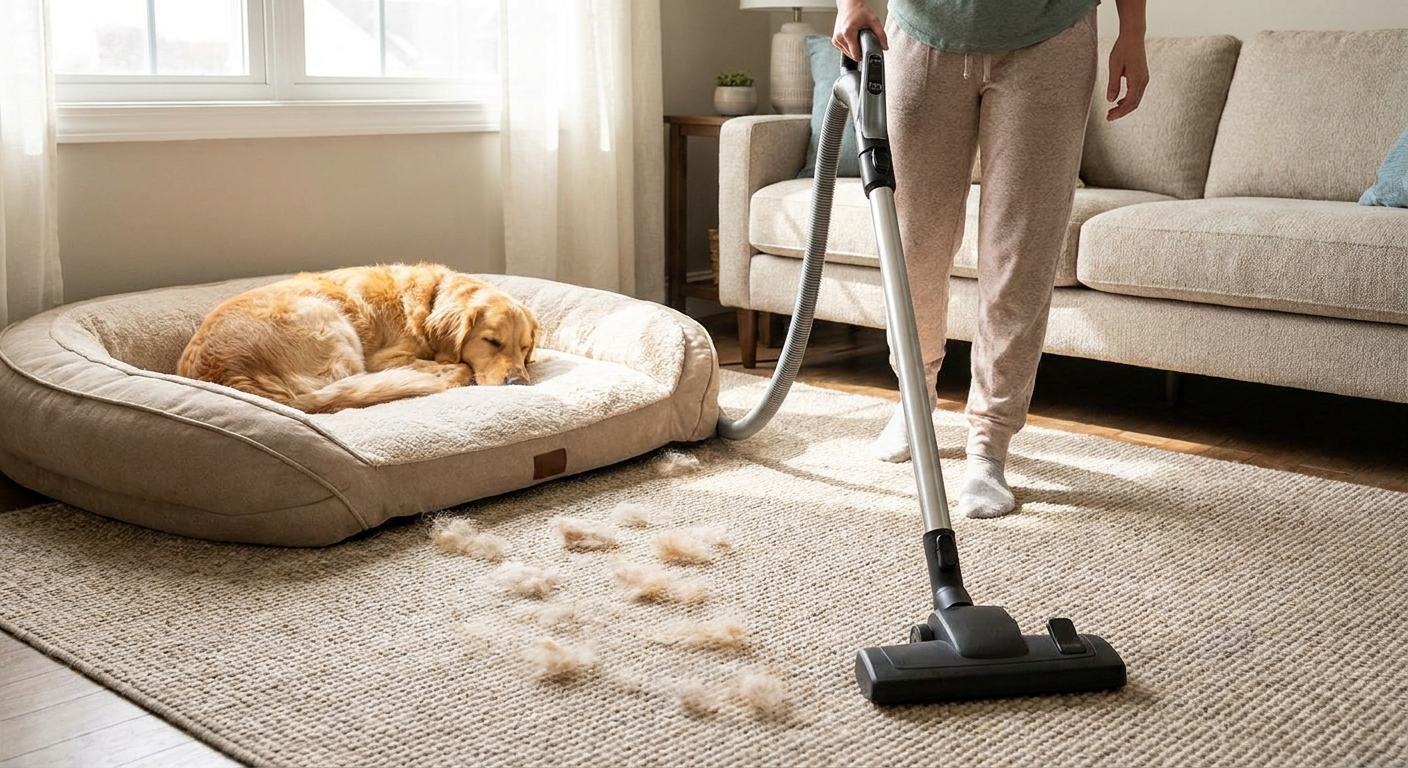
Step 4: Vacuum like you mean it
Vacuuming removes eggs, larvae, and flea dirt, and it also encourages pupae to emerge so they can be killed by the ongoing pet treatment.
- Vacuum carpets, rugs, baseboards, under furniture, and cushions.
- Focus on your pet’s favorite hangout spots.
- Vacuum daily for 7 to 10 days if you can, then several times per week for a few weeks.
- Empty the canister outside right away, or seal the vacuum bag in a trash bag and remove it from the home.
Step 5: Think twice about sprays and foggers
Lots of people reach for a “bug bomb” when they see fleas. I get it. But foggers often miss the places flea life stages hide (deep in carpet, under furniture, along baseboards), and misusing pesticides can be risky for pets and people.
If you decide to use an environmental product, use only pet-safe options, follow the label exactly, and consider asking your veterinarian or a licensed pest control pro what is appropriate for your home. In many households, the biggest wins still come from consistent pet prevention plus washing and vacuuming.
Step 6: Consider carpets and yards
Carpets and upholstered furniture tend to hold onto immature flea stages more than hard floors. If your home is mostly carpet, you may need longer follow-through with vacuuming and consistent pet preventives.
Yards can contribute, especially in warm, humid climates and in shady spots where pets rest. Keeping grass trimmed and limiting wildlife access can help, but in most households the biggest win is still treating pets consistently and tackling indoor hotspots.
Step 7: Stick with it for weeks
Because pupae can hatch over time, it is normal to see a few fleas after you start treatment. What you want to see is a steady decline.
- Days 1 to 3: You may still find fleas, but your pet should start getting relief.
- Week 1: Flea combing should show fewer adults.
- Weeks 2 to 4: Newly emerged adults may still appear, especially after vacuuming. They should die quickly if your pet is protected.
- By weeks 4 to 8: Many homes see the cycle collapse with consistent pet treatment and environmental follow-through. Heavy infestations can take longer.
If you are still seeing lots of live fleas after a couple of weeks, it is a sign to troubleshoot. Something is missing, like an untreated pet, a missed dose, or a product mismatch.
Common mistakes
- Treating only the dog you see scratching and not the other pets
- Stopping after one bath or one round of cleaning
- Skipping follow-up doses of flea preventive
- Using the wrong product for the wrong species, especially dog products on cats
- Relying on “natural” remedies alone during an active infestation (they may support comfort, but they rarely break the life cycle by themselves)
- Not vacuuming or only vacuuming once
When to call the vet
I am very pro at-home confirmation and a solid cleaning plan, but there are times you should get your veterinarian involved right away:
- Your dog is a puppy, very small, elderly, or has chronic illness
- You see pale gums, weakness, or extreme lethargy (heavy flea burdens can contribute to anemia, especially in small dogs and puppies)
- Your dog has open sores, severe redness, hot spots, or a skin infection odor
- Itching is intense but you cannot find fleas (allergies, mites, and skin infections can look similar)
- You have cats and are unsure what is safe to use around them
Also, if you are seeing rice-like tapeworm segments, tell your vet. Dogs typically need a dewormer to address tapeworms in addition to flea control.
Flea-proofing going forward
Once you have cleared an infestation, prevention gets much easier.
- Keep pets on a consistent flea preventive as recommended by your veterinarian, especially in warmer months or if wildlife is common in your neighborhood.
- Do quick weekly checks with a flea comb, especially after boarding, dog daycare, grooming, or visiting homes with pets.
- Wash bedding regularly and vacuum high-traffic pet areas routinely.
- Support skin health with vet-approved parasite control and a gentle grooming routine. Dogs with sensitive skin often react more strongly to flea bites.
FAQ
Can I get rid of fleas without treating my house?
If you catch fleas extremely early and your pet stays on an effective flea preventive, you might not need a deep-clean marathon. But during an active infestation, vacuuming and washing bedding dramatically speeds up success and reduces the number of new fleas emerging.
Why do I see more fleas after I start vacuuming?
Vacuuming can trigger pupae to emerge. That can look like “it got worse,” but it is often part of the process. The key is that those new adults should die quickly if your pets are protected and you keep cleaning consistently.
My dog has fleas but my indoor cat does not. Do I still treat the cat?
Yes. Cats can have fleas with very subtle signs, and fleas can still bite and reproduce in the home. Treat all pets with species-appropriate products.
How long does it take to fully get rid of fleas?
Many homes improve noticeably within 1 to 2 weeks, but a full reset often takes 4 to 8 weeks of consistent pet protection and environmental follow-through because of the pupa stage. Severe infestations can take longer.
Do fleas live on humans?
Fleas can bite humans, but they prefer furry hosts and do not typically live on people the way they live on pets. If humans are getting bitten, it is a strong sign there is an infestation in the environment and pets need effective prevention.