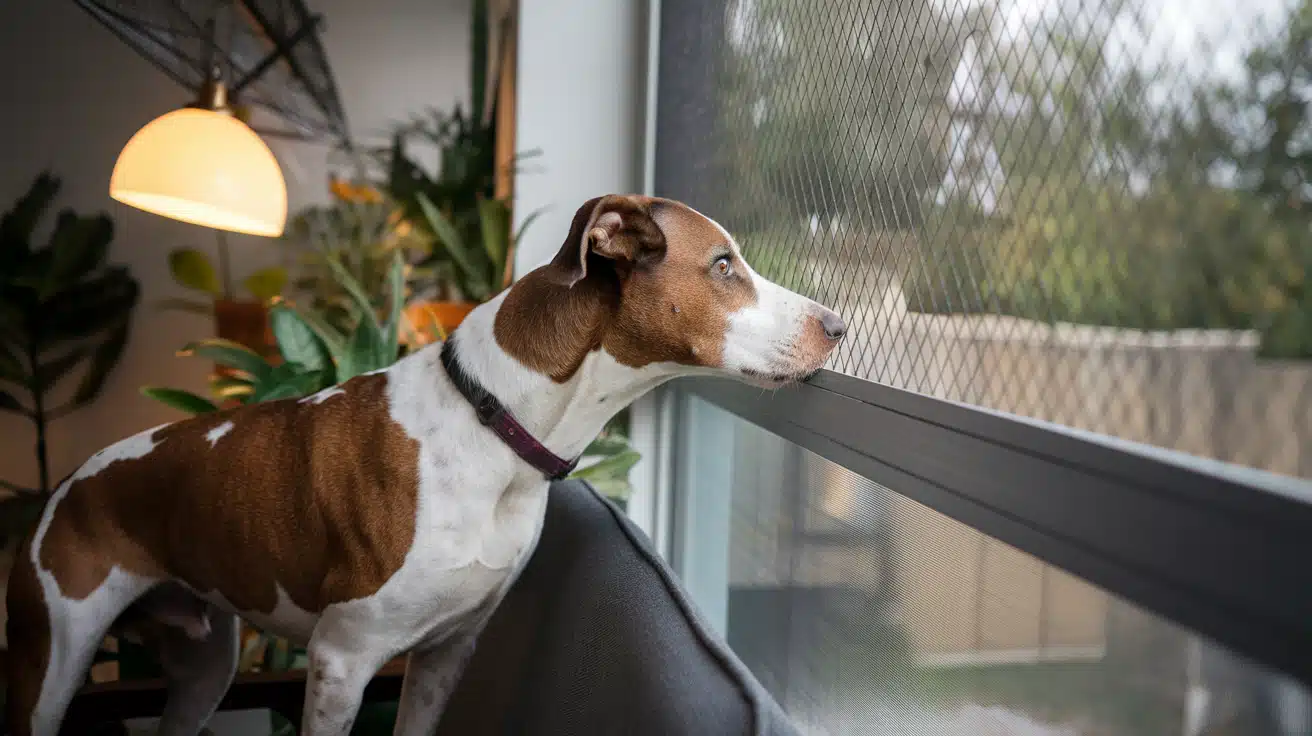
Spot separation anxiety early and help your dog feel safe alone using gentle, practical desensitization and daily routines that actually work.
Apartment living can be a dream setup for the right dog: cozy routines, predictable walks, and lots of together time. It can also be loud and stressful, especially if you accidentally bring home a dog who needs two hours of hard running a day.
As a CPDT-KA dog trainer (and former vet tech), I want to say this clearly: “low-energy” does not mean “no needs.” Every breed on this list still needs daily movement, enrichment, and training. The good news is that these dogs tend to thrive on consistent walks and indoor routines rather than constant cardio.
One important note on the exercise minutes below: treat them as a starting point, not a promise. Needs vary by the individual dog’s age, conditioning, weight, health, and even the weather. When in doubt, ask your vet what is safe for your specific dog, especially for flat-faced (brachycephalic) breeds and giant breeds.
What makes a dog apartment-friendly?
Energy level is only one piece of the apartment puzzle. Before we get to the breeds, here is what I look for when matching dogs to smaller spaces:
- Moderate daily exercise needs: often around 20 to 60 minutes total in an average day, split into a couple outings.
- Good “off switch” indoors: able to settle on a bed or couch after needs are met.
- Lower vocal tendencies: not every individual is quiet, but some breeds are less likely to bark at every hallway sound.
- Easy-to-manage coat and drool: because apartment cleanup is up close and personal.
- Social tolerance: elevators, neighbors, other dogs in tight spaces, maintenance staff, visitors.
“Sniffy” quick definition: when I say “sniffy walk,” I mean a slow, nose-led walk where your dog gets plenty of time to smell the world (instead of marching in a straight line). It is simple and surprisingly effective enrichment.
Quick reality check: any dog can become noisy or destructive in an apartment if they are under-exercised, under-enriched, or anxious. If your top concern is barking, plan to do sound desensitization, relaxation training, and management (like white noise and a covered crate) no matter the breed.
Top 10 low-energy dog breeds
Exercise ranges below reflect a typical healthy adult dog. Puppies need more frequent, shorter outings and training. Seniors often need less intensity but still benefit from daily movement and gentle mental work.
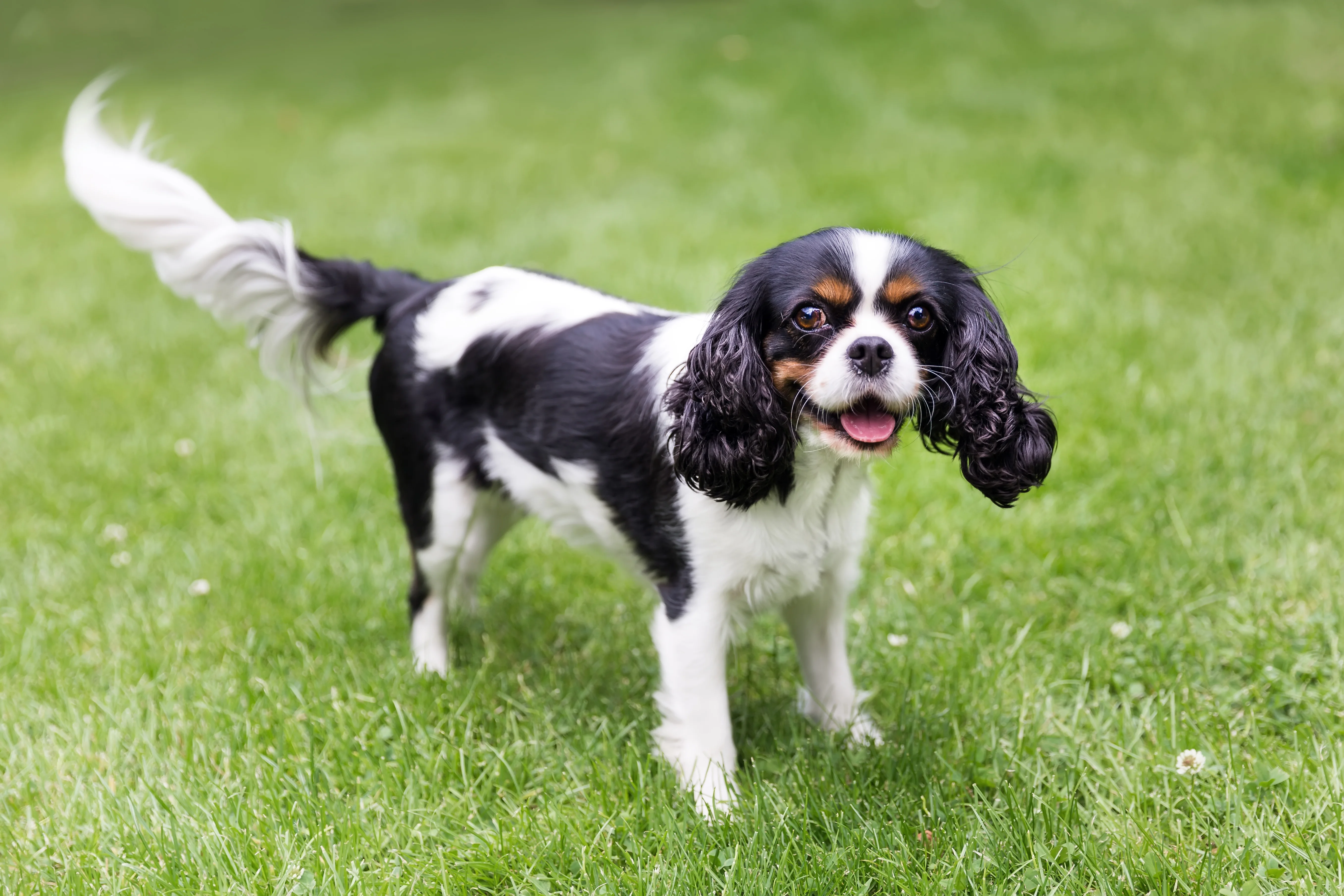
1) Cavalier King Charles Spaniel
Sweet, people-focused, and usually happy to match your pace, Cavaliers are one of my favorite “city companion” breeds when families want cuddly without chaotic.
- Daily exercise: often around 30 to 60 minutes total, usually 2 walks plus a short play session.
- Best indoor routine: 10 minutes of treat scatter (sniffing game) + 5 minutes of basic cues (sit, touch, down) + a chew after the evening walk.
- Grooming: brush 3 to 4 times/week to prevent tangles; check ears weekly.
- Training focus: alone time practice early. Many Cavaliers are velcro dogs.
Apartment tip: teach a “go to bed” cue and reward calm lounging. Cavaliers catch on fast and love having a job.
2) French Bulldog
Frenchies are classic apartment dogs because they are compact, generally low to moderate energy, and often prefer indoor lounging. They can be comical little clowns, which is excellent for morale.
- Daily exercise: often around 20 to 40 minutes total, split into 2 to 3 short walks.
- Best indoor routine: 2 to 3 mini training sessions (3 minutes each) + a food puzzle at dinner.
- Grooming: wipe facial folds as needed; keep nails short for traction on apartment floors.
- Health note: heat sensitivity and breathing issues are common. Avoid long walks in warm, humid weather, and talk with your vet about safe activity levels.
Apartment tip: use a harness, not a collar, and keep walks steady but not strenuous.
3) English Bulldog
Bulldogs are famously low energy and often very content with a slower lifestyle. They do best with short, consistent outings and plenty of cool indoor downtime.
- Daily exercise: often around 20 to 40 minutes total, frequently broken into 3 shorter trips.
- Best indoor routine: slow sniff walk + calm chew time + gentle tug for a few minutes (if they enjoy it).
- Grooming: wrinkle care and regular ear cleaning; keep skin dry.
- Health note: as a brachycephalic breed, some Bulldogs struggle with breathing and heat. Work with your vet on realistic activity expectations.
Apartment tip: prioritize quality of walks (sniffing, decompression) over distance.
4) Basset Hound
Bassets are low-slung scent hounds with a strong nose and a mellow vibe indoors. Outdoors, their “follow the scent” drive can be very real, so plan for leash skills.
- Daily exercise: often around 30 to 60 minutes total, mostly sniff walks.
- Best indoor routine: scent games like “find it” (toss kibble one piece at a time) + a stuffed Kong-style toy.
- Grooming: weekly brushing; ear care is important because of their long ears.
- Training focus: recall is tricky. Leash walking and check-ins are your best friends.
Breed caveat: bassets can be vocal (that classic hound bay). If your building has thin walls, prioritize quiet-time training early and avoid leaving them bored.
Apartment tip: choose enrichment that uses their nose. Ten minutes of sniffing can be surprisingly tiring for a basset brain.
5) Shih Tzu
Shih Tzus were bred as companion dogs, and it shows. Many are happy with shorter walks and lots of cozy home time, as long as you keep enrichment on the schedule.
- Daily exercise: often around 20 to 40 minutes total, plus a little indoor play.
- Best indoor routine: short walk + 5 minutes of trick training (spin, paw, chin rest) + nap.
- Grooming: frequent brushing if kept long; many apartment families prefer a short “puppy cut” with regular grooming appointments.
- Training focus: housetraining consistency. Small dogs often need more frequent potty breaks early on.
Apartment tip: put potty breaks on a timer at first. Predictable schedules prevent accidents and reduce anxiety.
6) Pug
Pugs are affectionate, often lower-energy companions who want to be wherever you are. Like other flat-faced breeds, they do best with moderate activity and careful temperature management.
- Daily exercise: often around 20 to 40 minutes total, generally in shorter outings.
- Best indoor routine: food puzzle breakfast + short walk + evening sniff session in a courtyard area (if allowed).
- Grooming: they shed more than people expect. Brush 2 to 3 times/week and clean facial folds as needed.
- Health note: watch for overheating and noisy breathing. Keep your vet in the loop.
Apartment tip: because pugs love food, use part of meals for training and enrichment to help prevent weight gain.
7) Maltese
Small, bright, and surprisingly sturdy for their size, Maltese dogs are often great apartment companions when their grooming and separation-training needs are met.
- Daily exercise: often around 20 to 40 minutes total, split into 2 walks, plus indoor play.
- Best indoor routine: 5 minute training session + tug or fetch down a hallway (soft toy) + calm lap time.
- Grooming: high maintenance coat if kept long; regular brushing and professional grooming help a lot.
- Training focus: “quiet” and “settle” skills, especially if your dog is alert-bark prone.
Breed caveat: some Maltese can be excellent little watchdogs, which is cute until it is 11 p.m. and your neighbor closes a car door. Train the “thank you, all done” routine early.
Apartment tip: teach a default “check in” at door sounds. Reward your dog for looking at you instead of barking.
8) Greyhound
Yes, really. Many greyhounds (including retired racers and other adult rescues) are famous for being calm indoors and satisfied with daily walks, plus a chance to stretch their legs safely.
- Daily exercise: often around 30 to 60 minutes total, usually 2 walks; optional short sprint time in a securely fenced area.
- Best indoor routine: two steady walks + a plush bed (they have bony elbows and love cushioning) + gentle enrichment like lick mats.
- Grooming: low maintenance coat; keep nails short and use rugs for traction on slick floors.
- Training focus: leash manners and acclimation to stairs, elevators, and city noise.
Breed caveat: many greyhounds have a strong chase drive. Use a secure leash setup and do not rely on off-leash time unless the area is fully enclosed.
Apartment tip: think “sprinter, not marathoner.” They often love short bursts of speed and then serious couch time.
9) Great Dane
Great Danes can be surprisingly apartment-friendly if your building allows them and you can manage their size politely in shared spaces. Many adults are calm indoors and prefer lounging to marathon exercise.
- Daily exercise: often around 30 to 60 minutes total, usually 2 walks, kept moderate.
- Best indoor routine: morning walk + mid-day potty break + evening walk + “place” training during dinner.
- Grooming: easy coat care; keep up with nail trims.
- Training focus: polite greetings, loose-leash walking, and elevator etiquette. With a giant dog, manners are not optional.
Breed caveat: size changes everything: turning radius in hallways, elevator crowding, and yes, vet bills. Before you commit, price out food, preventatives, and insurance for a giant breed.
Apartment tip: invest in a non-slip runner rug near the entryway. Big dogs scrambling on smooth flooring is a common injury setup.
10) Havanese
Havanese are friendly, adaptable little companions who tend to do well in apartments when they get daily engagement and gentle exercise.
- Daily exercise: often around 30 to 45 minutes total, plus short play.
- Best indoor routine: short walk + 10 minutes of trick training (these dogs love learning) + a chew to help them settle.
- Grooming: regular brushing and trims; their coat can mat if neglected.
- Training focus: alone time skills and calm greetings. They can be social butterflies.
Breed caveat: some Havanese are quick to alert bark. Pair exposure to hallway sounds with treats and teach a reliable “go to mat” behavior.
Apartment tip: rotate toys weekly. Novelty matters for smart companion breeds.
A simple daily schedule
If you want a low-drama routine, borrow this structure. Adjust times, not the concept.
- Morning: potty break + 10 to 20 minute walk + breakfast served in a puzzle or scatter feed
- Mid-day: potty break + 3 minutes of training (touch, sit, down, leash skills)
- Evening: 15 to 30 minute sniffy walk + dinner + chew or lick mat to wind down
- Before bed: quick potty break and a calm bedtime cue
That last part matters. Dogs love predictable endings to the day, and it helps reduce nighttime restlessness and “one more bark at the hallway” energy.
Indoor enrichment ideas
You do not need a backyard to meet a dog’s needs. You need plans.
- Sniff games: hide treats in a towel, under cups, or around one room.
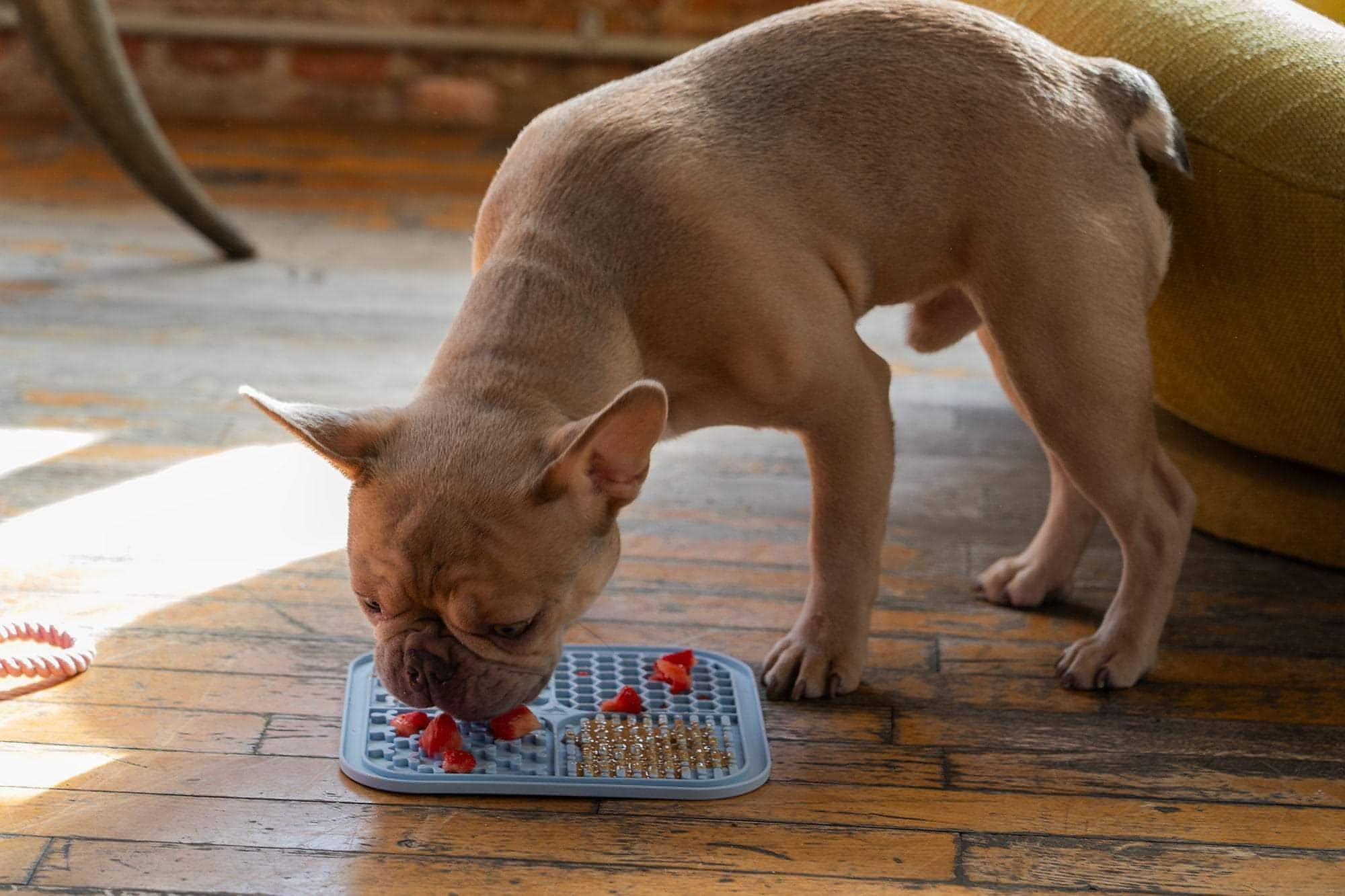
- Food puzzles: wobble feeders, stuffed toys, lick mats, slow feeders.
- Trick training: spin, bow, chin rest, “go to bed,” “leave it.”
- Stationing: teach your dog to relax on a mat while you cook or work.
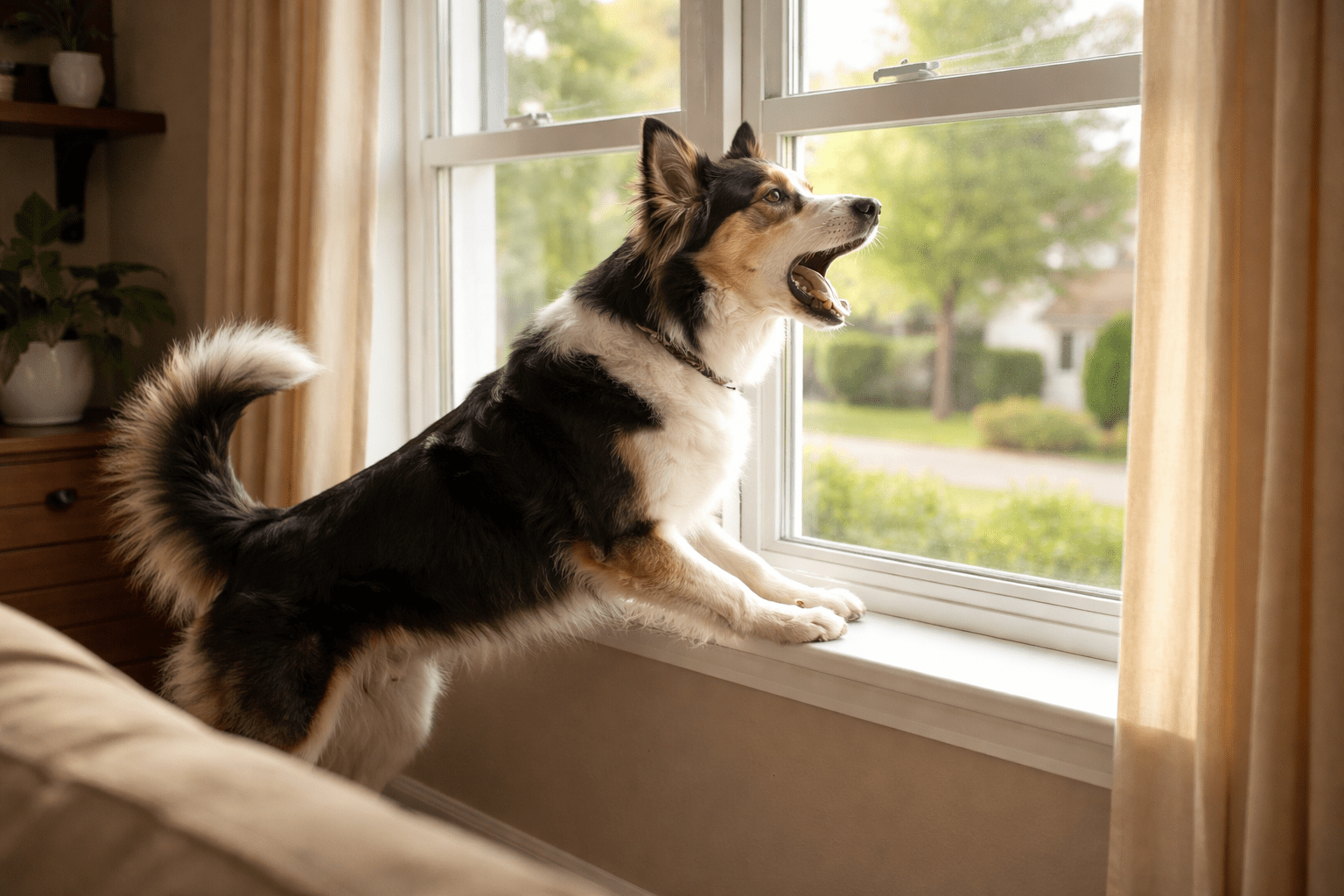
- Window management: if your dog patrol-barks, block access or use frosted film so they are not on squirrel duty all day.
My favorite apartment combo is sniffing + chewing + napping. It is the canine version of a good workout, a good meal, and a good Netflix binge.
Common apartment challenges
Barking at hallway noise
- Management first: white noise, a fan, or calm music can help mask triggers.
- Train an alternate behavior: reward your dog for going to a bed when they hear a sound.
- Meet needs: barking is worse when a dog is under-exercised or overtired.
Potty logistics
- Start with a schedule: especially for small breeds and puppies.
- Reinforce outside: treat within 1 to 2 seconds of finishing.
- Be elevator-ready: keep treats by the door and practice calm waiting so your dog is not exploding into the hallway.
Separation anxiety
Low-energy breeds can still struggle when left alone, especially companion breeds.
- Practice tiny absences: seconds to minutes, paired with a chew.
- Avoid “big goodbyes”: keep departures boring and predictable.
- Get help early: if your dog panics, consult a qualified trainer or veterinary behavior professional. True separation anxiety is not fixed by “letting them cry it out.”
Health and cost reality
I love recommending apartment-friendly dogs, but I also want you to walk in with eyes open. Some low-energy breeds come with higher-than-average veterinary needs. Flat-faced breeds may need more medical support for breathing, skin, or heat intolerance. Giant breeds can mean higher costs for food, preventatives, and medications, and they may need more proactive joint support. If budget is tight, price out pet insurance (or a dedicated savings fund), routine care, and emergency care before you fall in love with a specific look.
FAQ
Is a low-energy dog the same as a lazy dog?
Not exactly. Low-energy usually means the dog has lower exercise intensity needs and can settle indoors more easily. They still need daily walks, enrichment, and training to stay emotionally healthy.
How much exercise do apartment dogs really need?
Many apartment-friendly adult dogs do well with roughly 30 to 60 minutes total daily activity, split into multiple outings. The most helpful upgrade is often adding sniff time and brain work, not more miles.
Are small breeds always better for apartments?
Nope. Some small dogs are high-energy or vocal. Some large dogs (like greyhounds and many Great Danes) are calm indoors. Think “temperament + needs,” not just size.
What about adopting a mixed-breed dog?
Mixed-breed dogs can be fantastic apartment companions. Look for an individual dog who shows an “off switch,” recovers quickly from noises, and enjoys human contact without being frantic. If you are adopting from a shelter or rescue, ask about their behavior in foster homes, not just the kennel.
Choosing the right dog
If you are deciding between a couple breeds on this list, use this final filter:
- Your schedule: can you reliably do morning and evening outings?
- Your tolerance for grooming: do you want wash-and-wear, or are you okay with regular brushing and appointments?
- Your noise reality: busy hallway, lots of dogs nearby, street noise?
- Your building rules: size limits, weight limits, breed restrictions, elevator access, stair-only walk-ups.
And please remember: the best apartment dog is not the one with the lowest energy. It is the one whose needs you can happily meet, every day, without resentment. That is where the magic bond lives.