
A practical, trainer-approved comparison of collars and harnesses for high-energy dogs, including safety, pulling, reactivity, fit, and the best setup for be...
If you live with a senior dog, you know the look: they stand up a little slower, hesitate at the stairs, or take a beat before jumping into the car. Sometimes it is just normal aging stiffness. Sometimes it is arthritis, old injuries, or the quiet wear-and-tear that adds up over time.
Joint supplements can help, but only when we pick the right ingredients, use realistic expectations, and pair them with smart daily habits like weight management and low-impact exercise. I am going to walk you through what tends to help, what is hype, and how to build a joint plan that actually fits real life.
First: stiffness or pain?
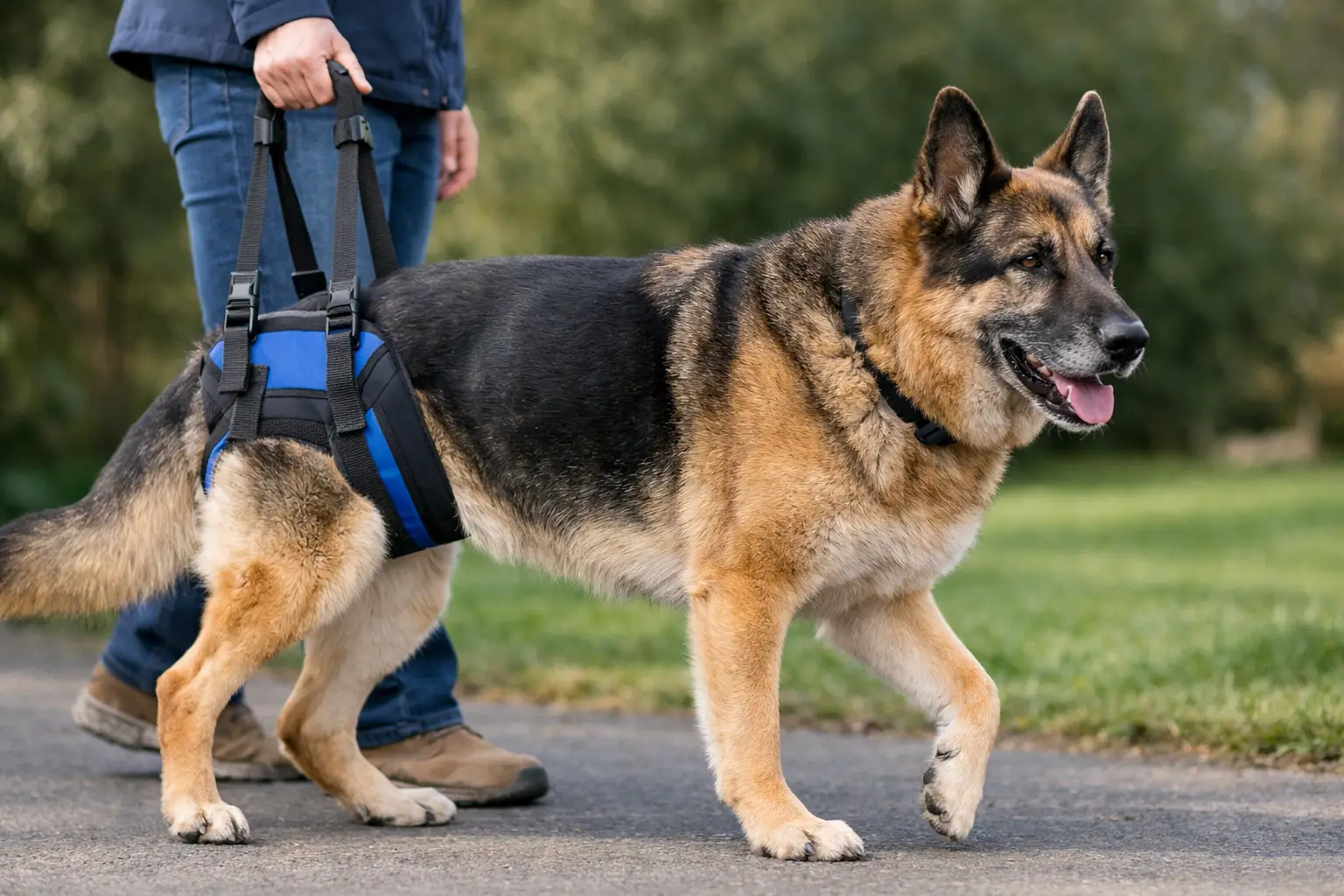
Supplements are most helpful when we are clear about what we are trying to improve. Common signs that your older dog may be dealing with joint pain include:
- Stiffness after rest that improves after a few minutes of walking
- Slower on stairs, hesitating at curbs, or avoiding jumping
- Shorter strides, limping, or “bunny hopping” with the back legs
- Licking at wrists, elbows, knees, hips, or paws
- Grumpiness when touched, especially over hips or shoulders
- Less interest in walks, play, or training sessions they used to love
If your dog has a sudden limp, is crying out, cannot bear weight, or seems painful at rest, skip the supplement aisle and call your veterinarian. Sudden or severe changes can mean injuries, torn ligaments, spinal pain, or other issues that need prompt care.
What supplements can do
Most joint supplements aim to improve mobility in one or more of these ways:
- Cartilage building blocks: ingredients the body uses to maintain cartilage
- Inflammation help: calming inflammatory signals that drive arthritis discomfort
- Joint lubrication: helping the joint glide more smoothly
- Antioxidant help: reducing oxidative stress that can worsen tissue damage over time
Here is the honest part: supplements are not the same as prescription pain control. For many dogs, they may take the edge off stiffness, improve willingness to move, and help maintain function. For moderate to severe arthritis, they usually work best as part of a bigger plan that may include prescription medication, rehab exercises, and home adjustments.
They are also slow. Plan on 4 to 8 weeks before you judge results, and commit to consistency unless side effects show up.
Ingredients worth knowing
Before we get into the list, a quick reality check from the vet tech side of my brain: studies in dogs are mixed for several popular ingredients, product quality varies wildly, and the response is individual. The goal is not a miracle. It is a noticeable, repeatable improvement in comfort and movement.
Glucosamine
Glucosamine is a building block the body uses to make and maintain joint cartilage. It is common, generally safe, and it may help some dogs, especially when used consistently and paired with other mobility strategies.
What to look for: Many products use glucosamine hydrochloride (HCl) or glucosamine sulfate. Either can be fine. Clear dosing and long-term consistency matter more than the specific form.
What to expect: If it helps, the effect is usually modest, more “easier to get up” than “brand-new knees.”
Extra notes: Some glucosamine is derived from shellfish. True shellfish allergy is uncommon in dogs, but if your dog has known seafood sensitivities, read sourcing carefully and ask your vet. Owners of diabetic dogs often worry about glucosamine affecting blood sugar. The evidence is not clear-cut, but if your dog has diabetes or insulin resistance, it is smart to loop in your veterinarian and monitor as recommended.
Chondroitin sulfate
Chondroitin is often paired with glucosamine. It may help cartilage retain water and resist breakdown. Like glucosamine, results vary dog to dog, and it tends to work best as part of a combination rather than a solo ingredient.
What to look for: A product that lists a specific amount per chew or per scoop, not just a “proprietary blend.”
Omega-3s (EPA and DHA)
If I could pick one category to prioritize for many older dogs, it would be omega-3s, specifically EPA and DHA from fish oil or marine sources. These fats can help reduce inflammation, which is a big deal for arthritis comfort.
What to look for: Labels should list the amount of EPA and DHA, not just “fish oil 1000 mg.” Fish oil amount alone is not useful because EPA and DHA content varies widely.
How to know if it is enough: Ask your vet for an EPA plus DHA target in mg per kg for your dog. That is how many veterinary plans are dosed, and it is far more reliable than guessing based on “fish oil mg.”
Safety nuance: Omega-3s are typically very safe at common veterinary doses, but the bleeding risk conversation matters more at higher doses, when combined with anticoagulant medications, or around surgery. If your dog is scheduled for a procedure, on blood thinners, or has a clotting disorder, get your veterinarian’s guidance on dosing and timing. Also, for pancreatitis-prone dogs, higher-fat oils may not be a good fit.
Extra perk: Omega-3s can also help skin and coat, and may be useful for some dogs as they age cognitively.
MSM
MSM (methylsulfonylmethane) is commonly included for comfort and inflammation help. Some dogs seem to do better with MSM as part of a combined formula.
What to look for: Transparent dosing and a product made for dogs. Human products may include sweeteners or added ingredients that are not dog-friendly.
Green-lipped mussel
Green-lipped mussel is a marine ingredient that naturally contains omega-3s and other compounds that may improve comfort in some dogs. I have seen plenty of older dogs respond nicely to it, especially when stiffness is a daily issue.
What to look for: A product that specifies green-lipped mussel and the amount included. If your dog has seafood allergies, discuss this ingredient with your vet first.
Hyaluronic acid
Hyaluronic acid is a natural part of joint fluid and can help lubrication. It is increasingly common in canine joint chews, often alongside glucosamine and chondroitin.
What to expect: Subtle benefits that may be more noticeable in a combination product.
UC-II collagen
Undenatured type II collagen (UC-II) is a specific collagen ingredient that may help modulate the inflammatory response involved in joint discomfort. It is used at relatively low amounts compared with glucosamine and chondroitin products.
What to know: This is one of those ingredients where “more” is not necessarily better because it is designed to work at small doses.
Turmeric and boswellia
These botanicals show up frequently in joint chews. They may help inflammation for some dogs, but quality and dosing vary a lot between products.
Caution: Herbs can interact with medications and may not be appropriate for dogs with certain health conditions. They can also cause GI upset in some dogs, and herbal sourcing can be inconsistent across brands. If your dog takes prescription pain meds, blood thinners, or has liver or gallbladder issues, check with your vet before adding botanicals.
Common, but not ideal
Not every “joint” chew is actually a joint chew. Some are mostly treats with a sprinkle of trendy ingredients. Be cautious with products that:
- Hide amounts in a proprietary blend
- Use a long list of ingredients but no meaningful doses
- Rely heavily on filler calories (not ideal for seniors who need weight control)
- Make big promises like “cures arthritis” or “works overnight”
When in doubt, choose a simpler product with clear dosing of a few ingredients that have at least some evidence behind them.
How to pick a good product
Look for quality controls
Supplements are not regulated the same way prescription medications are. That means brand quality matters. Look for companies that:
- Provide a lot number and expiration date
- Offer third-party testing or quality assurances
- Have veterinary involvement in formulation
- Make it easy to contact them for a certificate of analysis or sourcing questions
- Carry the NASC Quality Seal (not perfect, but a commonly referenced quality marker in the pet supplement world)
Choose a format you will use
Chews are convenient but add calories. Powders are flexible for picky dogs if they tolerate the flavor. Liquids can be great for adjusting doses but may be messier. The “best” supplement is the one you can give consistently for weeks.
Match it to your dog
- Large breed seniors: often do well with combination formulas plus omega-3s, and they are very sensitive to weight gain
- Small seniors: need accurate dosing, so avoid products where “one chew” is designed for a 70-pound dog unless it is scored and easy to portion
- Sensitive stomach: start low, give with food, and consider splitting the daily amount into morning and evening
- Seafood allergies: avoid fish oil or green-lipped mussel unless your vet says it is appropriate
Dosing and loading
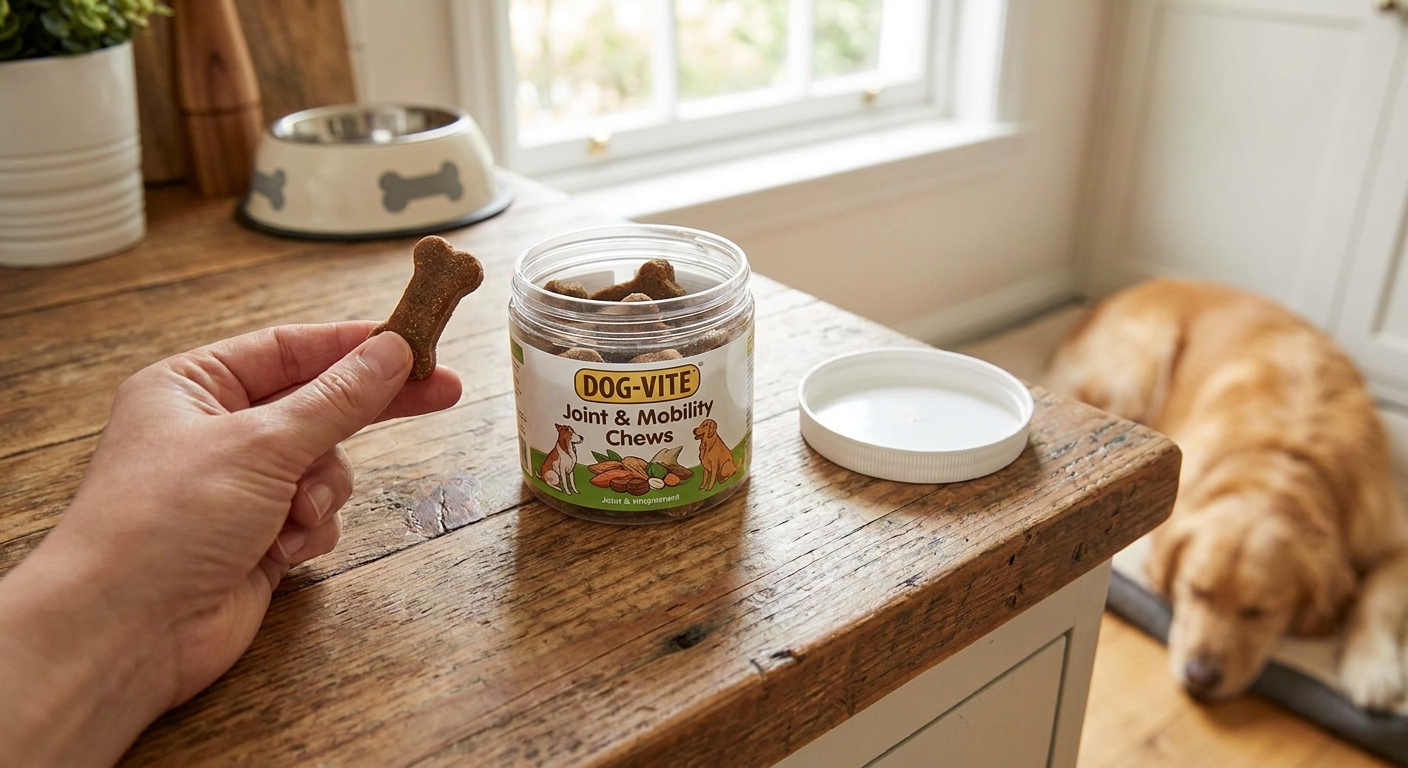
Some brands recommend a loading phase for the first 4 to 6 weeks, then a maintenance amount. This can be useful in practice for some dogs and some formulations, but it is not a universal rule, and it is not required for every ingredient.
My practical approach:
- If your dog is mildly stiff and otherwise doing well, start at the maintenance dose and give it 6 to 8 weeks.
- If your dog is clearly uncomfortable and your vet agrees a supplement is appropriate, you can consider a brand’s loading phase and reassess at 4 to 6 weeks.
Always use the manufacturer’s weight-based directions as a starting point and loop in your vet if your dog has kidney disease, liver disease, pancreatitis history, bleeding disorders, diabetes, or is on long-term medications.
What to track
“Seems better” is real, but I love making progress measurable. Pick 2 to 3 simple markers and track them weekly:
- Time it takes to get up from lying down
- Willingness to go on walks and how far they comfortably go
- Ease on stairs or getting into the car
- Interest in play or training
- Any limping after exercise
A great sign is not just a single good day. It is a steady trend toward easier movement and more willingness to engage.
Safety and side effects
Most joint supplements are well-tolerated, but side effects can happen. Watch for:
- Loose stool, vomiting, or decreased appetite
- Itchiness or ear flare-ups in dogs with food sensitivities
- Weight gain if the chew calories add up
Stop the supplement and call your vet if you see hives, facial swelling, repeated vomiting, black or tarry stool, severe lethargy, or any sudden worsening of pain.
Extra caution with:
- NSAIDs (like carprofen, meloxicam, deracoxib): supplements are often fine alongside, but your vet should guide the full plan
- Blood thinners or clotting disorders: omega-3s and certain botanicals may affect clotting, especially at higher doses or around surgery
- Pancreatitis-prone dogs: higher-fat oils may not be appropriate
Supplements are not the whole plan
As a trainer and former vet tech, I never want supplements to become a substitute for the basics that truly move the needle for arthritis.
Keep your senior dog lean
Even a small amount of extra weight increases joint stress. If your dog is a little fluffy, weight loss can improve mobility as much as, or more than, many supplements.
Build low-impact strength
Think short, frequent walks, sniffy strolls, gentle hills, and controlled sit-to-stand reps if your dog is comfortable doing them. Strong muscles protect joints.
Make home easier
- Rugs or traction runners on slippery floors
- A ramp for the car or couch if jumping hurts
- An orthopedic bed with good support
- Raised food and water bowls for some dogs with neck or back stiffness (ask your vet or rehab therapist if it makes sense for your dog)
Train for less strain
Yes, training helps arthritis. A few favorites:
- “Wait” at stairs so you can support with a harness if needed
- “Step up” and “step down” for controlled movement rather than launching
- Cooperative care cues for nail trims and paw handling, because long nails change foot posture and can worsen discomfort

If it is not working
If you have given an appropriate dose for 8 weeks and your tracking notes show no real change, that does not mean you failed. It usually means your dog needs a different layer of help. Talk to your veterinarian about options like:
- Trying a different primary ingredient (for example, omega-3s plus UC-II instead of a glucosamine blend)
- Veterinary rehab or physical therapy to rebuild strength and protect joints
- Prescription pain control and monitoring, if daily comfort is an issue
- Other vet-guided tools such as joint injections, disease-modifying therapies (availability varies by region), laser or acupuncture, or a referral to a pain management focused veterinarian
The goal is not to “tough it out.” It is to keep your dog comfortably doing dog things.
FAQ
When should a dog start joint supplements?
There is no perfect age. Many dogs start when they show early stiffness, often around 7 to 10 years depending on breed and size. Large breeds may benefit from starting earlier, especially if they have known orthopedic history. If your dog is young but has joint disease, your veterinarian can help you pick an appropriate product and timing.
Can I give a human glucosamine supplement to my dog?
I do not recommend it unless your veterinarian explicitly approves the exact product. Human supplements may include xylitol, flavorings, or additional ingredients that are unsafe for dogs, and dosing is not always straightforward.
How long do joint supplements take to work?
Most need 4 to 8 weeks. Omega-3 benefits can also take several weeks. If you see no improvement after 8 weeks at an appropriate dose, talk to your vet about switching ingredients, trying a different formulation, or adding other pain management tools.
Can joint supplements replace arthritis medication?
For mild discomfort, sometimes. For many seniors with arthritis, supplements are best viewed as a supportive layer, not a replacement. Pain control is also welfare. If your dog is avoiding normal activities or seems uncomfortable daily, your vet can discuss medication options that are both effective and safe for long-term use with monitoring.
Should I use glucosamine and fish oil together?
Often, yes. Glucosamine and chondroitin focus on joint structure, while omega-3s target inflammation. That combination covers more bases. Just be mindful of total calories and the EPA and DHA amount.
When to call your vet
Joint supplements are a great starting point, but your vet should be part of the conversation if:
- Your dog is limping, knuckling, dragging toes, or slipping more often
- You notice muscle loss in the hind end or shoulders
- Your dog is panting, restless, or unable to get comfortable
- There is a history of cruciate ligament tears, hip dysplasia, IVDD, or chronic back pain
- Your dog has other conditions like kidney disease, liver disease, heart disease, diabetes, or pancreatitis
- Your dog is scheduled for surgery and you are using higher-dose omega-3s or herbal ingredients
A good plan might include x-rays, a targeted supplement, prescription medication, and a rehab program. The goal is not just “getting through” the senior years. It is helping your dog feel like themselves again.
My take
If you are feeling overwhelmed in the supplement aisle, here is my simple checklist:
- Pick one quality product with clear dosing and quality controls
- Prioritize EPA and DHA omega-3s and either glucosamine with chondroitin or UC-II
- Give it daily for 6 to 8 weeks
- Track 2 to 3 mobility markers
- Adjust with your veterinarian if your dog is still struggling
Your senior dog does not need perfection. They need comfort, consistency, and a human who notices the little changes and responds with care. If you do that, you are already doing the most important part.