A step-by-step 7-day schedule many dogs do well with when changing foods, plus troubleshooting for gas, diarrhea, picky eating, and when to slow down.
If you have a dog, you have had this moment: you bend down with a poop bag and think, “Huh. That looks… different.” Not glamorous, but truly useful. Stool color is one of the fastest, easiest clues you get about your dog’s digestion, diet changes, and sometimes bigger health problems.
This guide will walk you through what common poop colors can mean, what to watch for alongside color (because color alone is not the whole story), and when it is time to call your vet right away.
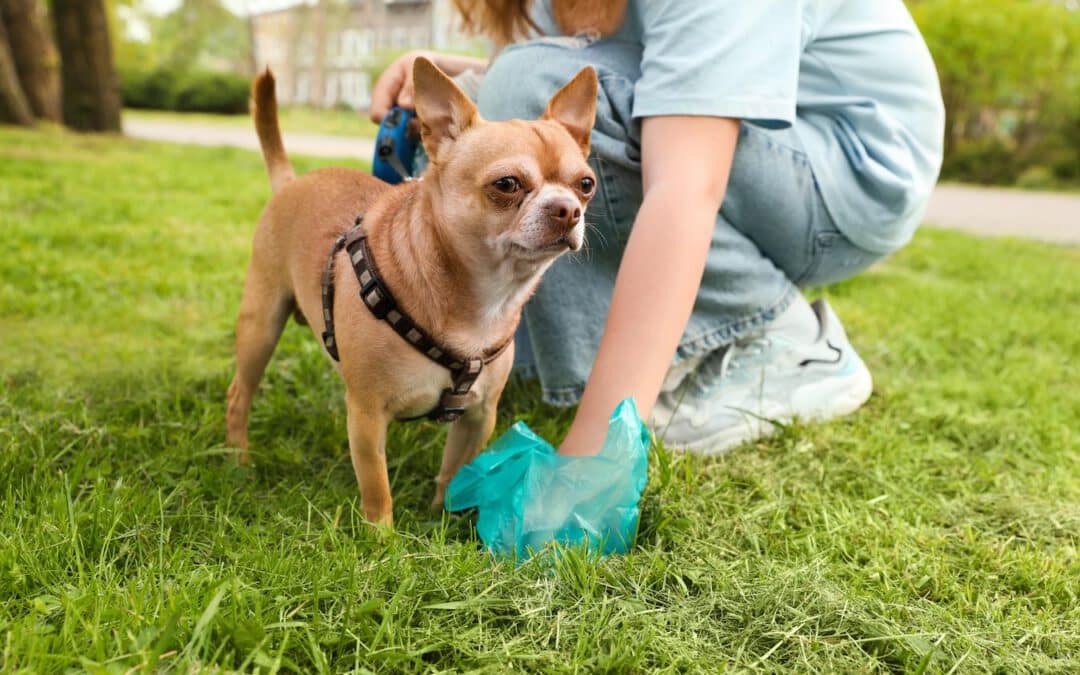
What normal dog poop looks like
Most healthy dogs produce stool that is:
- Color: medium to dark brown
- Shape: log-like, holds form when picked up
- Texture: firm but not rock-hard
- Coating: no mucus, no greasy sheen
- Extras: no visible blood, foreign material, or worms
Normal can vary a little based on diet. For example, dogs on some fresh foods may have slightly lighter stools, and dogs who chew certain treats can temporarily shift stool shade. The key is what is normal for your dog and whether the change lasts longer than a day or two.
Dog poop color chart
Use this as a starting point, not a diagnosis. If your dog seems sick, painful, unusually tired, is vomiting, or refuses food, trust your gut and call your vet.
| Poop color | Common causes | How urgent? |
|---|---|---|
| Brown | Typical digestion, normal bile processing | Usually normal |
| Light brown or tan | Diet change, mild GI upset, faster transit | Watch for 24 to 48 hours |
| Yellow | Diarrhea or rapid transit, diet intolerance, gut inflammation | Call vet if ongoing or dog feels unwell |
| Orange | Diet pigments, bile processing issues | Call vet if persists beyond 1 to 2 days |
| Green | Grass or dye, rapid transit, possible toxin exposure | Urgent if ingestion risk or dog is sick |
| Black (tarry) | Digested blood from upper GI bleeding (melena), sometimes meds or supplements | Urgent same-day vet care |
| Red streaks | Fresh blood from colon or rectum, straining, colitis, anal gland issues | Prompt vet call if repeated or worsening |
| Dark red or maroon | Heavier GI bleeding, more serious inflammation, sometimes hemorrhagic diarrhea | Urgent vet care |
| Gray or pale (chalky) | Low bile pigment, liver or gallbladder concerns, sometimes high bone content diets | Vet visit recommended |
| White specks | Undigested material, tapeworm segments, or debris | Vet check and fecal test |
Brown poop: the goal
Brown stool typically means bile and digestion are doing their normal jobs. If your dog is acting normal and the stool is well-formed, this is the ideal scenario.
When brown poop is still a problem: If it is brown but consistently very soft, watery, greasy-looking, or coated in mucus, focus less on color and more on the overall pattern. That can point to parasites, food intolerance, stress colitis, or malabsorption.
Light brown or tan poop
Lighter brown stool can happen after a diet change, a bout of mild diarrhea, or a different treat routine. It can also show up when stool moves through the gut faster than usual, giving bile less time to darken it.
What to do
- If your dog is otherwise normal, keep an eye on it for a day or two.
- Keep treats simple and limit rich chews.
- Make sure fresh water is always available.
Call your vet if your dog also has vomiting, reduced appetite, repeated diarrhea, or the color stays pale for more than a couple days.
Yellow poop
Yellow stool often shows up with diarrhea or rapid intestinal transit. In plain English: things are moving too quickly, so bile pigments do not get processed the usual way. Sometimes it is as simple as dietary indiscretion (yes, the trash snack or a greasy table scrap). Other times, yellow stool can be associated with food intolerance or inflammation in the gut.
Yellow is also one of those colors that can show up alongside a bigger workup at the vet if it is persistent and paired with other signs, such as repeated vomiting, abdominal pain, weight loss, or a dog who just is not themselves.
Common yellow-poop scenarios
- Stress diarrhea: boarding, visitors, schedule changes
- Diet change too fast: switching food abruptly
- Too-rich treats: fatty chews or people food
- Ongoing GI issues: recurring episodes, weight loss, poor appetite
What to do
If your dog is bright and otherwise fine, you can usually monitor briefly and keep meals bland and consistent. If yellow stool continues, or you notice lethargy, abdominal discomfort, poor appetite, or weight loss, loop in your vet.
Orange poop
Orange stool can come from food pigments (some treats and foods contain colorants) but it can also suggest problems with bile processing. Bile helps digest fats and gives stool its brown tone.
What to do
- Think back 48 hours: new treats, chewables, supplements, or a new food?
- If your dog seems normal, monitor briefly and keep diet consistent.
- If orange stool persists beyond a day or two, or your dog seems unwell, schedule a vet visit.
Green poop
Green poop is one of the more common alarm-bell colors because it can mean very different things. Sometimes it is harmless: a dog who ate a bunch of grass, or a treat with green dye.
It can also happen if stool moves through the gut too quickly for bile pigments to break down normally. And in some cases, the concern is not that green poop itself is “rodenticide poop,” but that some rodent baits contain dye and a dog who gets into bait may have GI upset and abnormal-looking stool. If you suspect bait exposure, treat it as an emergency regardless of the exact stool color.
When green poop is an emergency
Get urgent veterinary help if any of the following apply:
- You suspect your dog got into rat or mouse poison
- Your dog is vomiting repeatedly or seems weak
- There is shaking, collapse, pale gums, or trouble breathing
- Green stool is paired with black tarry stool or significant blood
If your dog is acting normal and you are fairly sure they just grazed the lawn, monitor closely and keep them from snacking on grass for the next day or two.
Black, tarry poop (melena)
Black stool that looks sticky or tar-like is a red-flag sign because it can indicate digested blood from higher up in the GI tract (stomach or small intestine). This is not the same as a dark brown stool. Melena is often very dark, shiny, and may have a strong, unusual odor.
One important note: Some things can make stool look black without bleeding, including iron supplements, bismuth-containing products, or eating something very dark. Still, you should not assume it is “just that,” especially if the stool looks tarry or your dog seems unwell. Do not give human stomach meds unless your vet specifically tells you to.
Possible causes
- Stomach ulcers
- Bleeding disorders
- Foreign body irritation
- Severe inflammation
- Some medications can contribute, especially if they irritate the stomach
What to do
Contact your vet the same day. If your dog is weak, pale, vomiting, has a distended belly, or you suspect toxin exposure, treat it as an emergency.
Red poop or red streaks
Bright red blood (or streaks of red) usually points to bleeding in the lower GI tract, like the colon or rectum. In many cases, it is linked to colitis (colon inflammation), straining from constipation, parasites, or irritation from something your dog ate that did not agree with them.
When red is urgent
- Large amounts of blood
- Blood plus vomiting, weakness, or collapse
- Bloody diarrhea that is frequent or watery
- Puppies, seniors, or dogs with chronic illness
What to do
If it is a small streak once and your dog otherwise seems fine, you can monitor closely for the next day. If it repeats, worsens, or your dog seems painful or unwell, call your vet. Bring a fresh stool sample if you can.
Dark red or maroon poop
Dark red, maroon, or jam-like stool tends to be more concerning than a few bright red streaks. It can signal heavier bleeding in the GI tract or a sudden severe bout of inflammation. Some dogs can develop abrupt, profuse bloody diarrhea that is an emergency, even if they seemed fine earlier that day.
What to do
Do not wait this out. If your dog has maroon stool, large-volume bloody diarrhea, repeated episodes in a short window, or any weakness or vomiting, contact your vet or an emergency clinic right away.
Gray or pale, chalky poop
Gray, very pale, or clay-colored stool can suggest reduced bile reaching the intestine, which may point toward liver or gallbladder concerns. Another common, non-medical cause I see with some dogs is too much bone in the diet (especially with certain raw feeding approaches), which can produce dry, pale, crumbly stool and constipation.
Either way, if the color is persistently pale or your dog is straining, it is worth a veterinary check. Pale, clay-colored stool that keeps happening should not be shrugged off.
What to do
- If your dog is on a bone-heavy diet and seems constipated, call your vet for guidance and do not wait if your dog is straining.
- If your dog is not on that type of diet, or the color is consistently pale, schedule a vet visit.
White specks or rice-like pieces
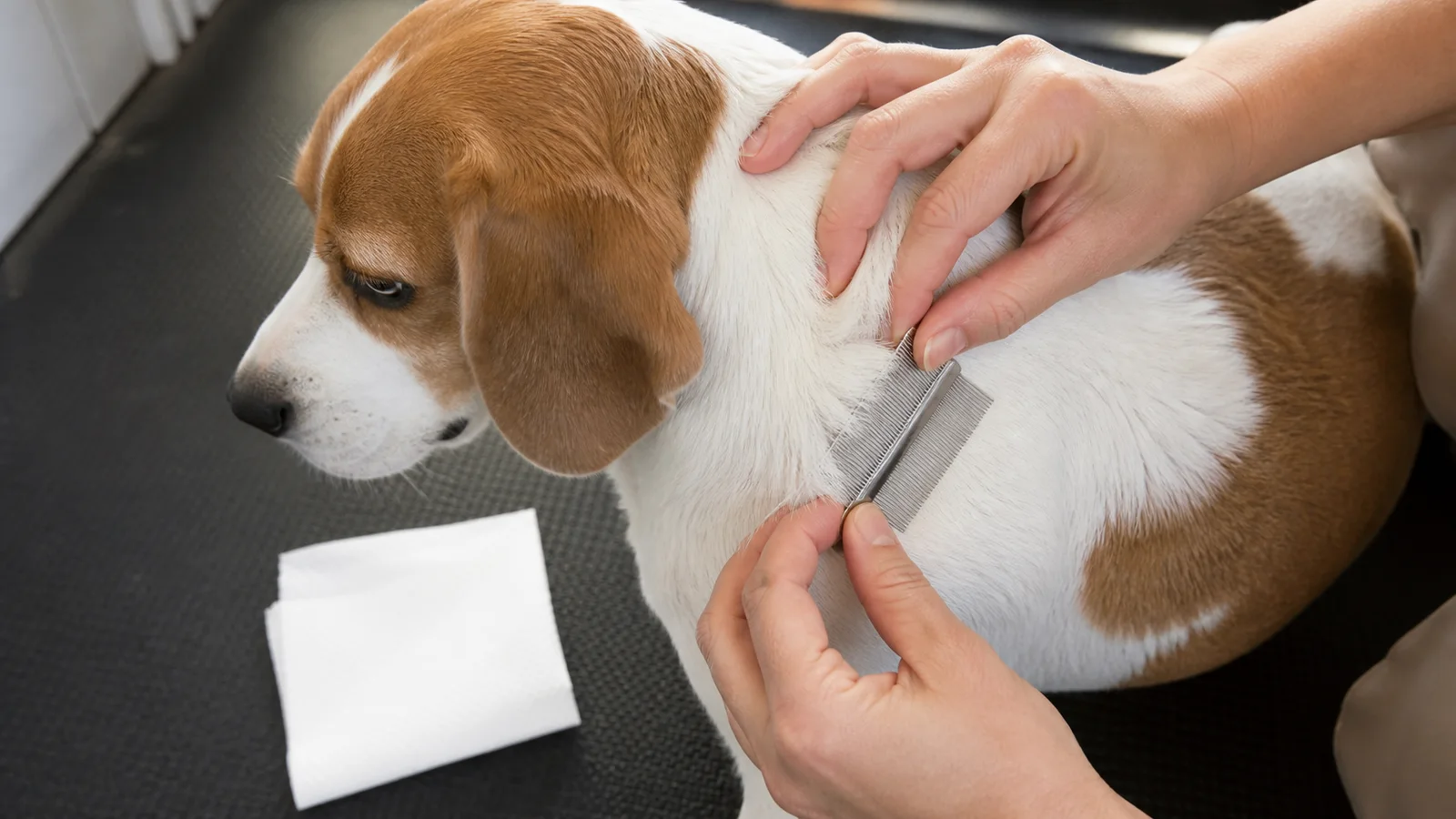
Little white specks can be harmless debris or undigested food, but grains of rice on the stool, around the rear, or on bedding can be tapeworm segments. Tapeworms are common in dogs who have swallowed fleas, even once.
What to do
- Save a photo and, if possible, bring a stool sample to your vet.
- Ask your vet about deworming and a fecal test.
- Double down on flea prevention, because that is often the missing link.
Color matters, but check these too
As a former vet tech who now works in the behavior world, I can tell you the questions we ask are rarely just “what color was it?” These details matter just as much:
- Frequency: more trips than usual can signal irritation or infection
- Straining: can mean constipation, colitis, or pain
- Mucus: a jelly-like coating is common with colitis and stress diarrhea
- Greasy or shiny stool: can suggest fat malabsorption
- Foreign material: toys, fabric, sticks, corn cob pieces, etc.
- Odor change: a sudden, intensely foul smell can occur with GI infection or dietary upset
When to call the vet now
If you are on the fence, this is the shortlist I give clients: call your vet promptly if you see any of the following.
- Black, tarry stool
- Large amounts of blood or repeated bloody diarrhea
- Dark red or maroon stool, or sudden profuse bloody diarrhea
- Pale gums, weakness, collapse
- Vomiting plus diarrhea, especially if your dog cannot keep water down
- Suspected toxin exposure (rodent poison, human meds, chemicals)
- Signs of abdominal pain (praying position, tense belly, yelping, restlessness)
- Puppies with diarrhea or any concerning color changes
- Dehydration (sticky gums, sunken eyes, lethargy)
If it is outside clinic hours and your dog seems unwell, err on the side of emergency care. Waiting is rarely the brave option when GI bleeding or toxins are in the mix.
What you can do at home
1) Take a quick photo
Your vet will love you for this. It helps track progression, especially if the stool looks normal again by the time you get in.
2) Keep a simple 48-hour log
- New food, treats, chews, table scraps
- Access to trash, compost, cat litter, standing water
- Any vomiting, appetite changes, or behavior changes
3) Do not self-medicate with human meds
Many over-the-counter options are unsafe for dogs, or can mask symptoms that your vet needs to see clearly.
4) Bring a fresh stool sample if you can
A fecal test can identify parasites and other issues quickly. Use a clean bag or container and keep it cool if you cannot get to the clinic right away.
Poop changes from routine shifts
Because I spend my days around behavior cases, I see poop changes pop up alongside totally normal life events:
- New training treats: rapid treat increases can lead to yellow, soft stools
- Daycare or boarding stress: mucus-coated stool and frequent urges are common
- Separation anxiety: some dogs have stress diarrhea when left alone
Good news: these are often very fixable. Bad news: if we keep changing foods every time a dog has one off poop, we can accidentally keep the gut in a constant state of adjustment. If your dog is otherwise well, think consistency first.
FAQ
Why is my dog’s poop a different color after switching food?
A new diet can change bile processing time and stool pigment, and it can also temporarily irritate the gut if the transition was quick. A gradual transition over 7 to 10 days helps prevent color and texture swings.
Can treats change stool color?
Yes. Treat dyes, organ-meat heavy treats, and rich chews can shift color and soften stools. If the change is mild and short-lived and your dog is acting normal, it is often treat-related.
What does mucus on dog poop mean?
Mucus commonly suggests colon irritation (colitis). Stress, parasites, abrupt diet changes, and infections can all trigger it. If mucus is frequent, paired with blood, or your dog seems unwell, check in with your vet.
How long should I monitor before calling the vet?
For a single mild color change in an otherwise bright, normal dog, monitoring for a day or two is reasonable. For black tarry stool, significant blood, suspected poisoning, or a dog who is acting sick, call immediately.
The bottom line
Most poop mysteries are boring in the best way, meaning a treat binge, a quick food change, or a one-day tummy wobble. But certain colors, especially black tarry stool, maroon stool, and repeated or heavy blood, deserve fast action. You do not need to panic at every odd-looking pile, but you also do not need to talk yourself out of calling the vet when your instincts say something is off.
You know your dog’s normal. If today’s poop is telling you a different story, it is worth listening.