A practical checklist of the most important dog cues for safety, calm behavior, and real-life manners, plus easy training steps and proofing tips.
I keep a jar of treats on every counter in my house, but I still treat “people food” like it comes with a warning label. Not because you are a bad dog parent if something gets dropped, but because some everyday pantry items can cause life-threatening poisoning fast.
This guide walks you through 15 human foods that are highly dangerous for dogs, what they do inside the body, how soon you might see symptoms, and what to do right away if your dog gets into them.
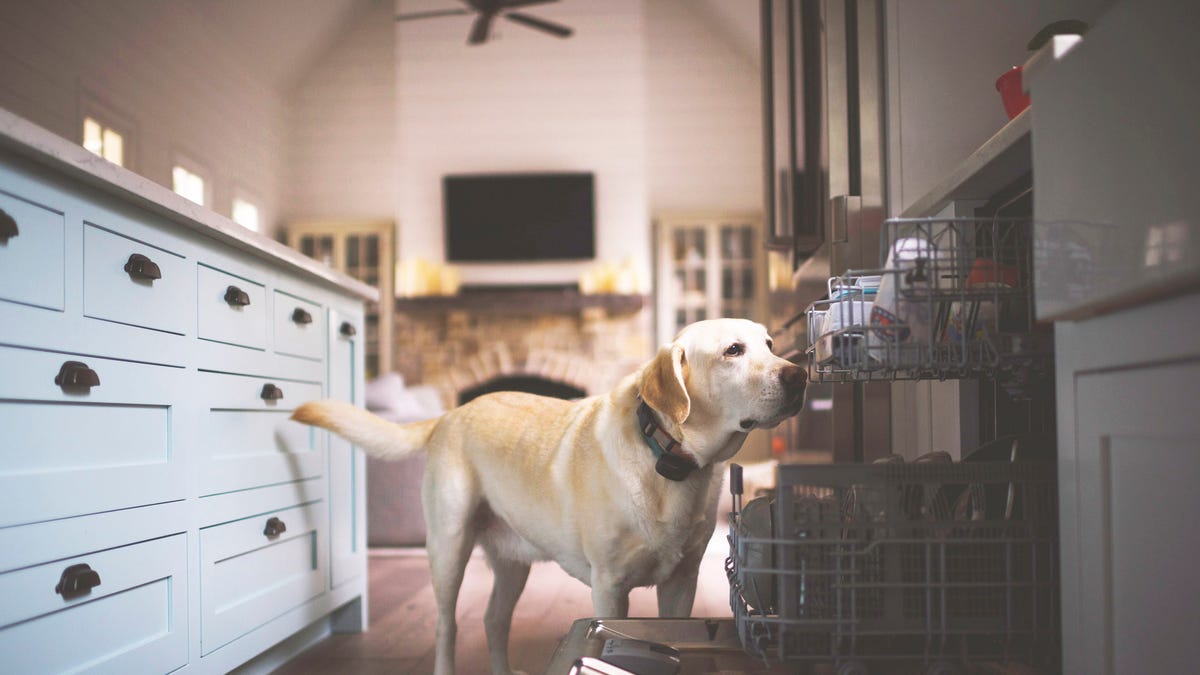
If your dog ate something dangerous: do this first
Take a breath. Most of the best outcomes I have seen, both in the clinic and with training clients, came from quick, calm action.
Step 1: Stop access and check the scene
- Move your dog away from the food and secure the area.
- Estimate what was eaten and when. If possible, note the quantity in a practical way such as number of pieces, teaspoons, ounces, or how much is missing from the package.
- Grab the packaging, ingredient list, or a photo of the label.
Step 2: Call the right help right away
Contact your veterinarian, an emergency vet, or a pet poison hotline. Time matters more than perfection here.
- ASPCA Animal Poison Control Center: 1-888-426-4435
- Pet Poison Helpline: 1-855-764-7661
These services may charge a consultation fee, but they can be lifesavers when your clinic is closed or you are unsure how serious it is.
Step 3: Do not induce vomiting unless a professional tells you to
Vomiting is helpful in some cases, dangerous in others (for example, caustic substances or if your dog is sleepy, seizing, or struggling to breathe). Let a vet or poison expert guide you.
Step 4: Watch for red-flag symptoms
Go to an emergency vet now if you notice any of the following:
- Repeated vomiting or diarrhea, especially with blood
- Weakness, collapse, severe lethargy, unsteady walking
- Tremors, seizures, agitation, or unusual vocalizing
- Swollen belly, unproductive retching, or signs of abdominal pain
- Difficulty breathing or pale or blue gums
- Excessive thirst or urination (this can happen with some toxicities, including grapes and raisins)
Bring: the label, your dog’s current weight, and any meds or supplements your dog takes.
15 human foods that are highly dangerous to dogs
Below are the big ones I see again and again in real life: holiday baking, trail snacks, countertop surfing, and the well-meaning “just a taste.”
1) Xylitol (birch sugar)
Where it hides: sugar-free gum, mints, “sugar-free” peanut butter, baked goods, protein bars, toothpaste, some medications and supplements.
Why it is dangerous: can cause a rapid, severe drop in blood sugar and, in some cases, serious liver injury. Not every exposure leads to liver failure, but the risk is real and the onset can be fast.
Common signs: vomiting, weakness, wobbliness, tremors, seizures, collapse. Symptoms can begin quickly.
What to do: Treat as an emergency. Call a vet or poison hotline immediately and head to an ER if advised. Do not wait for symptoms.
2) Chocolate
Where it hides: candy, brownies, cocoa powder, baking chocolate, chocolate chips, hot cocoa mix.
Why it is dangerous: contains methylxanthines (theobromine and caffeine), which overstimulate the nervous system and heart.
Common signs: vomiting, diarrhea, restlessness, rapid heart rate, tremors, seizures.
Extra note: Dark chocolate and baking chocolate are far more dangerous than milk chocolate. Cocoa powder is especially potent.
What to do: Call right away with your dog’s weight, the type of chocolate, and estimated amount.
3) Grapes and raisins
Where it hides: trail mix, oatmeal cookies, raisin bread, some granola bars.
Why it is dangerous: can cause acute kidney failure. The toxic trigger is not fully understood, and sensitivity varies widely.
Common signs: vomiting, diarrhea, lethargy, reduced appetite. Some dogs may drink and pee more early on, and some may not show obvious signs right away. As kidneys are affected, urine output can decrease. The timeline varies, and a dog seeming “fine” at first does not guarantee safety.
What to do: Immediate vet guidance is needed even if it was “just a few.” This one is not a wait-and-see.
4) Onions
Where it hides: cooked onions, onion powder, seasoning blends, soups, gravies, baby food, deli foods.
Why it is dangerous: damages red blood cells and can cause hemolytic anemia. Risk is dose-dependent, and signs can be delayed.
Common signs: weakness, pale gums, rapid breathing, lethargy, dark urine, vomiting. Symptoms may show up 1 to 3 days (or more) after exposure.
What to do: Contact your vet for dosing guidance based on your dog’s size and what was eaten.
5) Garlic
Where it hides: garlic powder, spice rubs, pasta sauces, restaurant leftovers.
Why it is dangerous: also damages red blood cells. It is generally more concentrated than onion, and powders can be especially risky. Effects are dose-dependent and can be delayed.
Common signs: similar to onion toxicity, often with delayed onset.
What to do: Call your vet or poison hotline, especially if a small dog ate garlic-heavy food or seasoning.
6) Chives
Where it hides: baked potatoes, dips, omelets, herb blends.
Why it is dangerous: part of the allium family like onions and garlic, with similar red-blood-cell damage risks. Risk is dose-dependent and can be delayed.
Common signs: GI upset, weakness, pale gums.
What to do: Contact your vet for next steps and monitoring.
7) Alcohol
Where it hides: beer, wine, liquor, cocktails, rum cakes, kombucha, fermented fruit, and sometimes mouthwash.
Why it is dangerous: depresses the central nervous system and can cause dangerously low blood sugar, low body temperature, and breathing problems.
Common signs: stumbling, vomiting, disorientation, slow breathing, seizures, coma.
What to do: Emergency. Seek veterinary care immediately.
8) Raw bread dough (yeast dough)
Where it hides: rising dough on counters, bread machine dough, pizza dough.
Why it is dangerous: dough can expand in the stomach causing painful bloating and potential gastric dilatation-volvulus risk, and fermentation can produce alcohol.
Common signs: distended abdomen, retching, drooling, restlessness, weakness, drunken behavior.
What to do: This is urgent. Call an emergency vet and go in.
9) Macadamia nuts
Where it hides: cookies, snack mixes, chocolate assortments.
Why it is dangerous: can cause neurologic and muscular effects; the exact toxin is unknown.
Common signs: weakness (often hind legs), tremors, vomiting, fever, lethargy.
What to do: Call your vet for guidance. Many dogs recover with supportive care, but they still need evaluation.
10) Walnuts (especially moldy walnuts)
Where it hides: backyard trees, older pantry nuts, compost piles.
Why it is dangerous: the biggest concern is mold. Moldy walnuts (and other moldy foods pulled from trash or compost) can contain tremorgenic mycotoxins that trigger tremors and seizures. Black walnut husks and debris can also cause GI upset, and any nut can pose a choking or obstruction risk for some dogs.
Common signs: vomiting, tremors, hyperexcitability, seizures.
What to do: Contact a vet urgently, especially if you suspect moldy nuts or your dog is trembling.
11) Caffeine
Where it hides: coffee, espresso beans, tea bags, energy drinks, caffeine pills, pre-workout powders.
Why it is dangerous: stimulant toxicity can cause dangerous heart rhythm issues and neurologic overstimulation.
Common signs: restlessness, panting, vomiting, rapid heart rate, tremors, seizures.
What to do: Call immediately. Provide the product name and estimated amount.
12) Sugar-free products (check for xylitol)
Where it hides: “keto” or “diet” baked goods, candies, syrups, ice creams.
Why it is dangerous: xylitol is the big emergency. Other sugar alcohols and sweeteners in sugar-free foods are less likely to be truly toxic, but they can still cause significant GI upset, especially in smaller dogs. Ingredient lists matter.
Common signs: vomiting, diarrhea, lethargy. With xylitol: rapid weakness, tremors, and seizures can occur.
What to do: Check the label for xylitol (or birch sugar) and call your vet with the ingredient list.
13) Cooked bones (not a toxin, but still dangerous)
Where it hides: rotisserie chicken carcasses, rib bones, holiday leftovers, trash bins.
Why it is dangerous: can splinter and cause choking, mouth injuries, esophageal trauma, intestinal obstruction, or perforation.
Common signs: gagging, pawing at the mouth, drooling, refusing food, vomiting, abdominal pain, straining to poop, blood in stool.
What to do: If choking or trouble breathing, go to the ER now. Otherwise, call your vet for monitoring instructions and whether imaging is needed.
14) Avocado
Where it hides: guacamole, salads, smoothies, avocado pits left on counters.
Why it is dangerous: dogs most commonly get sick from the high fat content (pancreatitis risk) and the pit (choking or obstruction). Avocado contains persin, but persin toxicity is generally considered low for most dogs. In real life, GI issues and obstruction are the bigger practical concerns.
Common signs: vomiting, diarrhea, abdominal pain, loss of appetite. With pit ingestion: gagging, vomiting, inability to keep food down.
What to do: Call your vet, especially if a large amount was eaten or the pit might be missing.
15) Nutmeg
Where it hides: pumpkin pie, eggnog, holiday baked goods, spice cabinets.
Why it is dangerous: contains myristicin, which can cause neurologic signs and significant GI upset. Larger amounts are typically required for severe toxicity, but it is still worth a call if your dog got into it.
Common signs: vomiting, disorientation, elevated heart rate, dry mouth, tremors.
What to do: Contact your vet or poison hotline for next steps.
What to expect at the vet
If you do need to go in, here is what veterinary teams commonly consider, depending on the food and timing:
- Decontamination: inducing vomiting (when appropriate), activated charcoal.
- Supportive care: IV fluids, anti-nausea meds, GI protectants, temperature control.
- Monitoring: blood sugar checks (xylitol), kidney values (grapes and raisins), red blood cell status (onion and garlic), heart rhythm monitoring (chocolate and caffeine).
- Imaging: X-rays or ultrasound for bones, pits, or suspected obstruction.
Bring any packaging and be honest about what you think your dog ate. No one is judging you. We just want the fastest, safest plan.
How to prevent counter-surfing at home
As a trainer, this is one of my favorite problems to fix because it is so preventable with management plus a little skill-building.
Set up your environment
- Use a lidded trash can or keep trash behind a closed door.
- Put cooling baked goods in the oven (off) or microwave, not on counters.
- Use baby gates when you cannot supervise.
- Keep purses, backpacks, and gum out of reach.
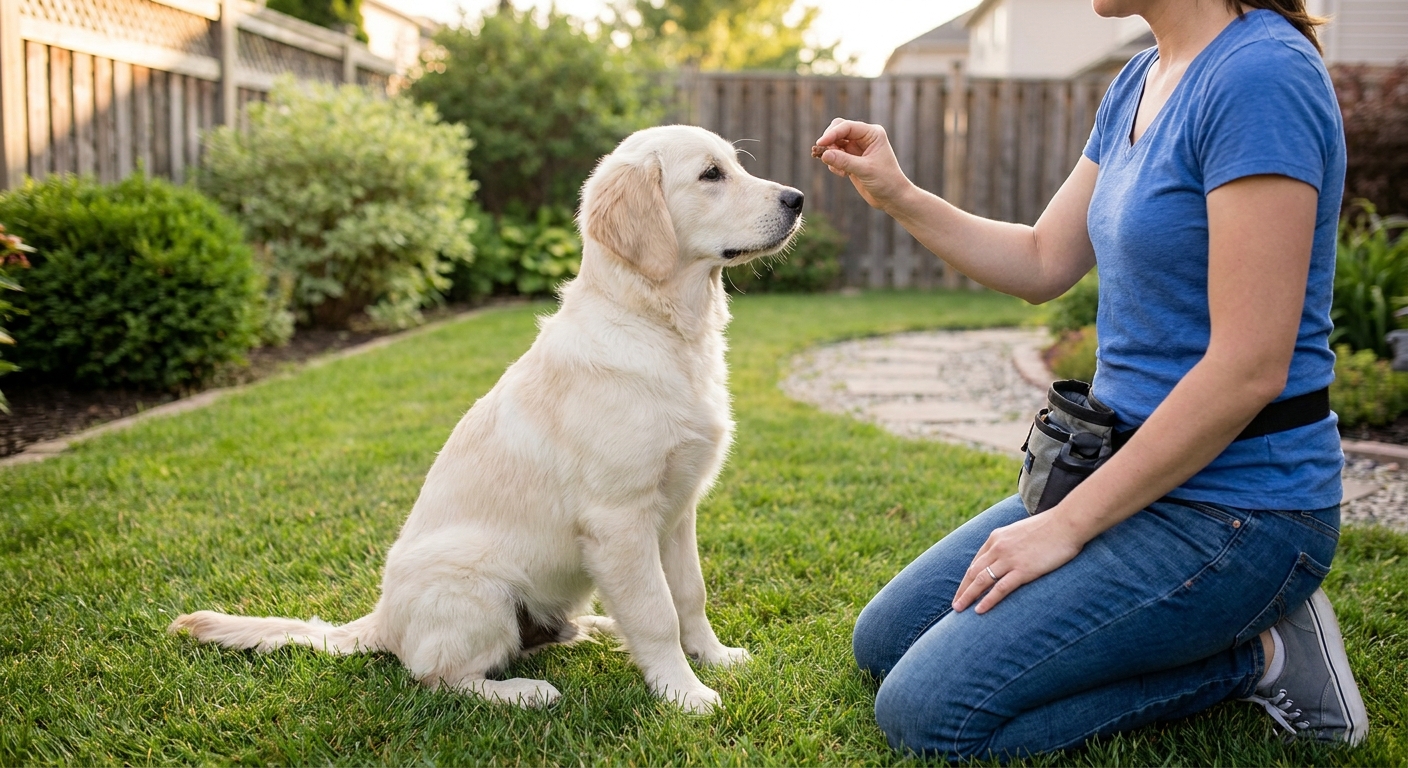
Train two lifesaving cues
- “Leave it”: teaches your dog that ignoring food earns something better from you.
- “Drop it”: helps you trade for an object already in the mouth without wrestling.
If you need help teaching either cue, start simple, reward heavily, and practice when it is not an emergency.
Quick FAQ
Should I make my dog throw up at home?
Only if a veterinarian or poison professional tells you to. Vomiting can be risky, especially if your dog is drowsy, having tremors, brachycephalic (flat-faced), or if the substance could be caustic or aspirated.
My dog seems fine. Can I just monitor?
Sometimes, but not with high-risk toxins like xylitol, grapes and raisins, chocolate in significant amounts, caffeine, alcohol, and raw yeast dough. Many toxicities start with mild signs and then escalate. Absence of symptoms early on does not always mean it is safe.
How do I know if it was enough to matter?
Call with details: your dog’s weight, what was eaten, the brand and ingredients, and your best guess at amount and timing. Toxic doses vary a lot by substance and dog size, and some dogs are unusually sensitive.
What information should I have ready when I call?
- Your dog’s weight (or best estimate)
- What food and how much
- Time of ingestion (approximate is fine)
- Any current symptoms
- Health conditions and medications
Bottom line
The safest rule is simple: if it is on this list and your dog got into it, assume it is worth a phone call. Quick action saves lives, and it also saves you from hours of spiraling and second-guessing.
And if your dog is the type to vacuum up anything within reach, you are not alone. Barnaby once tried to steal a stick of butter off the counter like it was his full-time job. Management, training, and a truly boring trash can lid go a long way.
One last note: foods are not the only danger zone. Many human medications and supplements can be deadly to dogs, too, so if your dog eats something and you are not sure, call your vet or a pet poison hotline.