A step-by-step loose leash walking guide: what gear to use, how to train indoors and outdoors, and how to handle pulling, sniffing, and distractions without ...
If you live with a high-energy dog, you know the “walk” can feel less like a stroll and more like a full-body sport. The right gear matters, not because it magically fixes pulling or lunging, but because it changes what your dog can physically do and what kind of feedback their body receives while they learn.
As a certified professional dog trainer and former veterinary technician, my short, very practical take is this: for most high-energy dogs in training, a well-fitted harness is the safest default, especially if your dog pulls, lunges, or spins. A collar can still have a place, but it should be used thoughtfully, fitted correctly, and paired with training rather than used as the “brakes.”
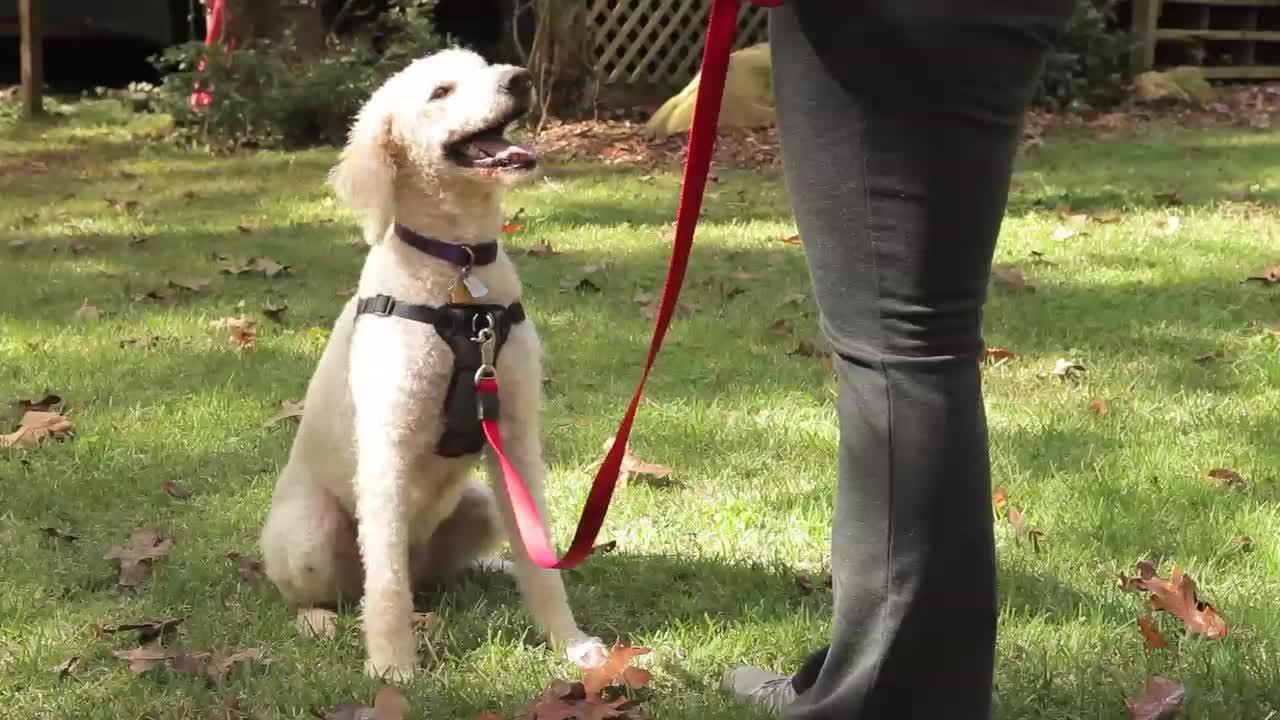
Quick answer: which is better?
Choose a harness if your dog:
- Pulls hard, surges, or hits the end of the leash
- Lunges toward dogs, squirrels, cars, or people
- Coughs, gags, or makes hacking sounds on a collar
- Has a history of neck or back pain, airway sensitivity, or eye issues where pressure matters
- Is young and still learning leash skills
Choose a collar (or use one as a secondary tool) if your dog:
- Walks with a relatively loose leash already
- Needs a place for ID tags and a license
- Has a properly conditioned response to gentle leash cues and does not hit the end of the leash
- Wears a harness that can slip out of (some body shapes are master escape artists)
Best of both worlds for many high-energy dogs: harness for the leash plus a flat collar for ID tags, with a safety connector (a short strap that connects collar to harness) if your dog is an escape risk.
How collars and harnesses affect training
What a collar does
A collar sits on the neck. When tension happens, pressure can be concentrated on delicate structures, including the trachea and other front-of-neck tissues.
For training, that means collars can deliver very clear feedback, but they also create higher risk if your dog pulls, lunges, or startles. High-energy dogs tend to go from zero to sixty, and sudden force is exactly what we try to avoid at the neck.
What a harness does
A harness spreads force across a larger area, usually the chest and ribcage (and sometimes parts of the shoulders or back, depending on the design). That wider distribution often makes it the safer choice for dogs who are still practicing impulse control on leash.
Training-wise, harnesses do not “teach pulling” all by themselves, but certain designs can make pulling feel easier for a dog. That is why the type of harness matters just as much as choosing harness vs. collar.
Safety first: injury risks you can actually prevent
Collar risks for high-energy dogs
- Tracheal irritation or injury from repeated pressure, especially in dogs who hit the end of the leash
- Neck strain from lunging or sudden directional changes
- May increase pressure in the eye area in some dogs, which can be a concern for glaucoma-prone dogs or those with existing eye disease (ask your veterinarian what is safest for your dog)
- Escapes if the collar is too loose or your dog backs out when startled
Harness risks (yes, harnesses have them too)
- Shoulder restriction if the harness sits too far forward or the chest strap is poorly placed
- Chafing behind the armpits, especially on short-haired dogs or during long hikes
- Escape potential if the harness is the wrong shape for your dog’s body or fitted loosely
Trainer tip: If your dog regularly launches to the end of the leash, the question is not “collar or harness,” it is “how do we prevent repeated high-force impacts at all?” A harness helps with safety, and training helps with the root cause.
Common walk problems: what works best
Problem: pulling like a freight train
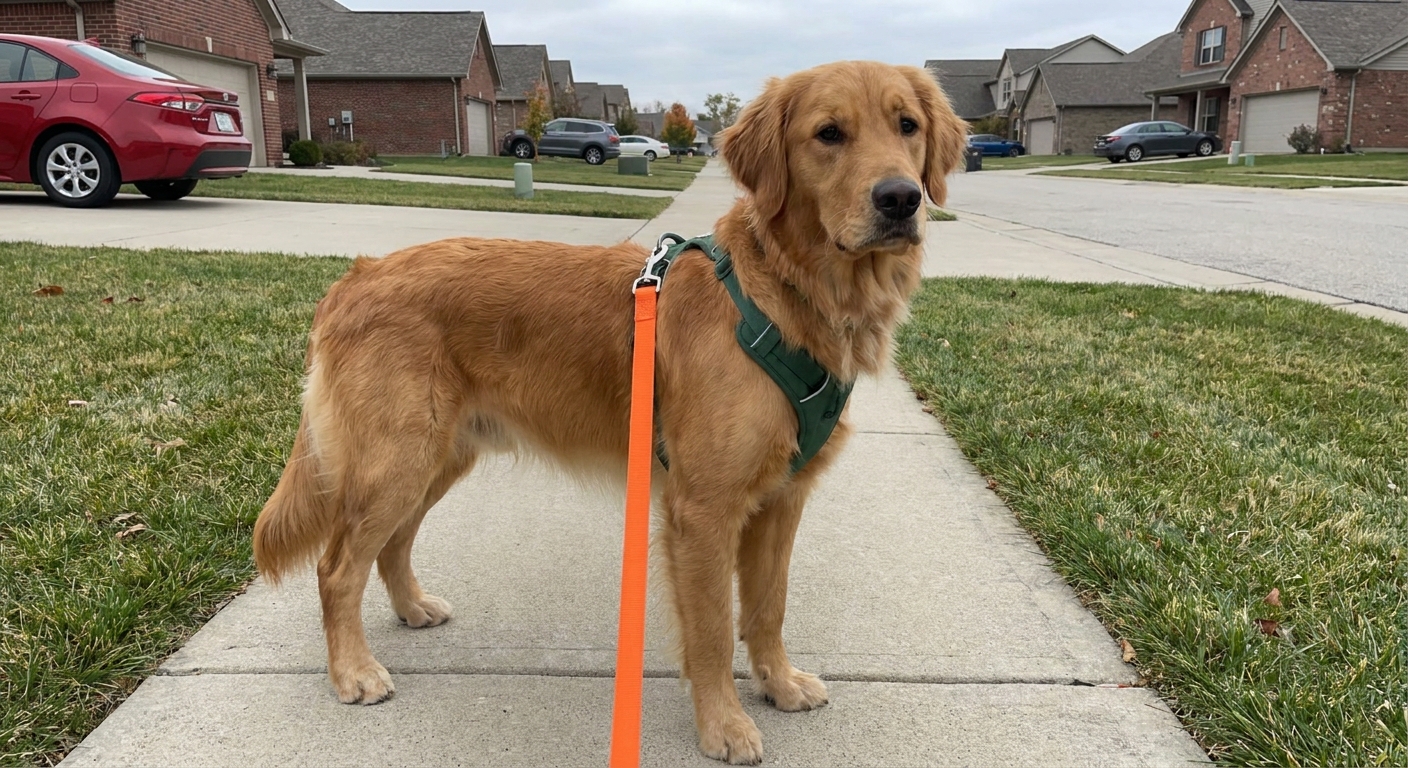
Best gear choice: A front-clip harness (also called a chest-clip harness) or a Y-shaped harness with a front attachment point.
Front-clip setups often reduce leverage by turning the dog’s body slightly toward you when they pull. It is not magic, and some dogs can still pull hard, but it can make it easier to reinforce “stay with me” moments without relying on neck pressure.
Avoid: Back-clip-only harnesses for dedicated pullers. They can be great for already-trained walkers, but for many high-energy dogs, a back clip can feel like hooking them up to a sled.
Problem: lunging and reactivity (dogs, people, bikes)
Best gear choice: Harness first, usually front-clip, paired with distance and reward-based training.
When a reactive dog lunges, a collar can create a sharp, sudden sensation at the neck. That can add frustration or discomfort on top of an already big emotion. A harness does not fix reactivity, but it can reduce the physical fallout while you work on:
- Increasing distance from triggers
- Reinforcing check-ins and “find it” scatters
- Teaching U-turns and pattern games
- Building calm through repetition, not correction
Problem: jumping, spinning, and “ping-pong” movement
Best gear choice: A secure harness with a solid fit and a leash setup that gives you control without yanking.
If your dog spins when excited, collars are more likely to twist, ride up, and put pressure in odd places. Harnesses tend to stay more stable. For intense spinners, look for a harness with:
- Two points of adjustment (neck and girth)
- A chest piece that stays centered
- A back strap that sits behind the shoulder blades, not on the neck
Problem: slipping out of gear
Best gear choice: A well-fitted harness designed to reduce backing out, or a martingale-style safety approach.
Some dogs can back out of standard harnesses (looking at you, narrow-headed breeds and flexible little escape artists). Consider:
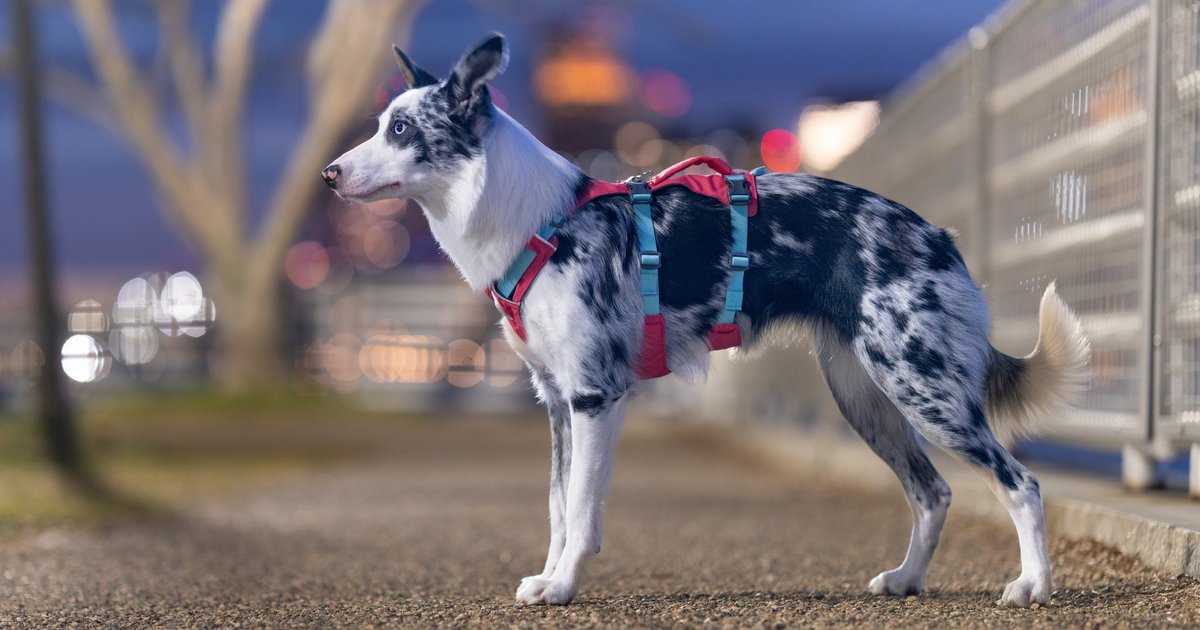
- Three-strap “escape-resistant” harnesses that add an extra belly strap
- A martingale collar as a backup, not as the primary “control” tool
- A safety connector linking harness to collar
Types of gear: what to pick and what to skip
Flat buckle collar
Best for: ID tags, trained loose-leash walkers, quick potty breaks in low-distraction areas.
Watch out for: Using it as your main walking tool when your dog still pulls hard.
Martingale collar
Best for: Dogs who slip flat collars, sighthound-type neck shapes, extra security during training.
Important: A martingale should tighten only enough to prevent slipping out, not to choke. Fit matters, and it should not be left on unsupervised.
Head halter
Best for: Some strong pullers when introduced slowly and paired with rewards.
Not a shortcut: Many dogs find head halters aversive at first. If your dog thrashes or paws frantically, that is a sign the conditioning step is too hard. Pause and build value with treats. Also, avoid sudden leash pressure or letting your dog hit the end of the leash at speed in a head halter, since that can strain the neck.
Back-clip harness
Best for: Dogs who already walk nicely, long lines for decompression walks, or scent walks where you want freedom of movement.
Not ideal for: Dogs actively rehearsing pulling.
Front-clip harness
Best for: Training polite walking, reducing pulling leverage, high-energy adolescents.
Choose carefully: Look for a design that does not cut across the shoulder and does not rub the armpits.
Dual-clip harness (front and back)
Best for: Dogs who need a little more steering support during training without relying on neck pressure.
A dual-clip harness can be paired with a double-ended leash (one clip on the front ring, one on the back ring). Used well, this can help you guide turns and reduce twisting. Used roughly, it turns into “steering wheel” yanking. Keep your hands low, avoid constant tension, and use it to support training, not replace it.
No-pull “tightening” harnesses
These vary wildly. Some are well-designed, others create uncomfortable pressure in ways that can backfire for sensitive or reactive dogs. If the harness tightens significantly with leash tension, I recommend working with a trainer to make sure it is being used humanely and effectively.
Hard pass: Any tool that relies on pain, fear, or startle to “behave.” If it makes your dog shut down or panic, it is not training, it is fallout waiting to happen.
Fit check: make sure the gear works
Collar fit basics
- You should be able to fit two fingers comfortably under the collar.
- The collar should not slide down toward the shoulders.
- For dogs who back out, a slightly snugger fit or a martingale may be safer.
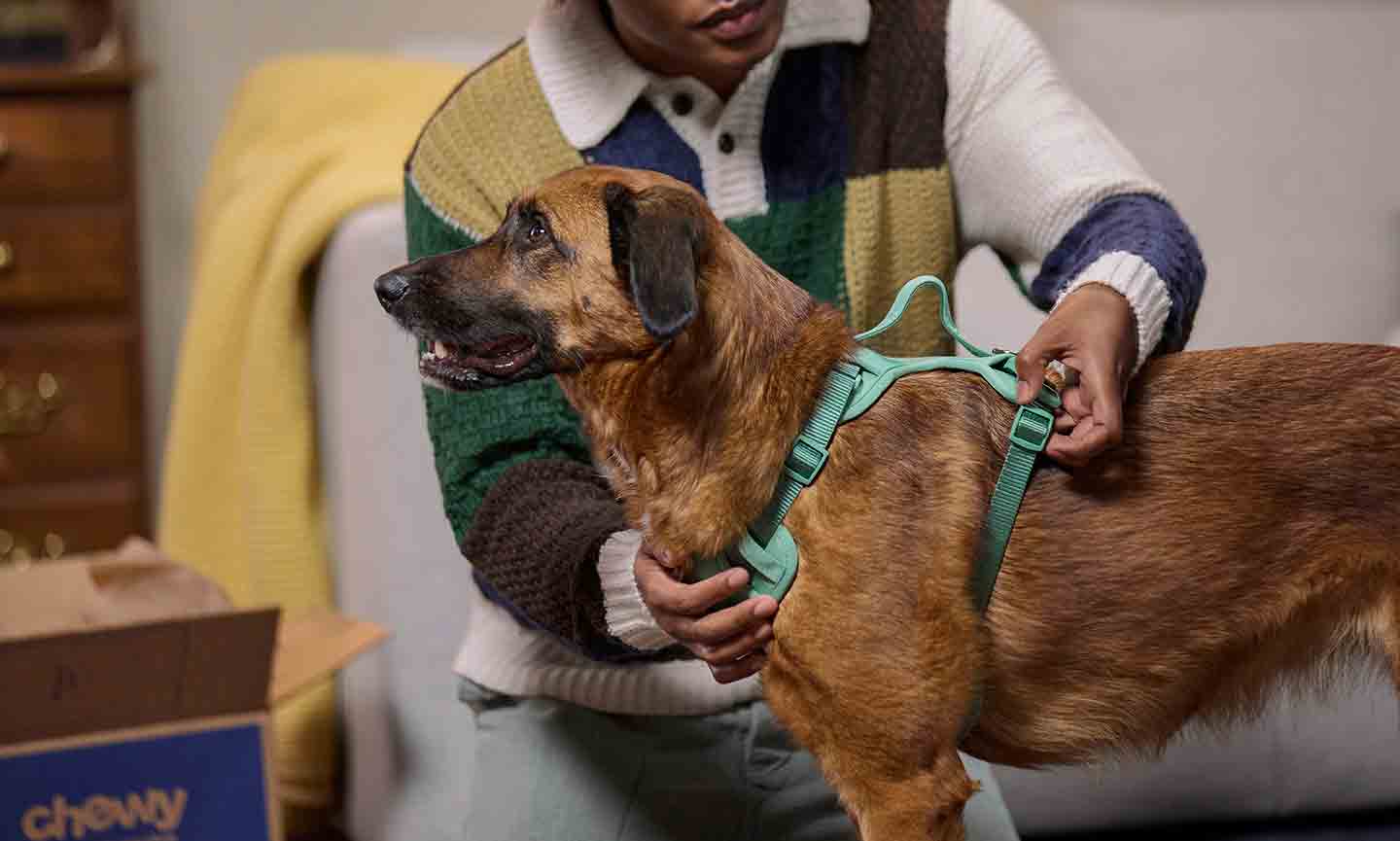
Harness fit basics
- The front strap should sit on the chest, not on the throat.
- The girth strap should sit a few inches behind the armpits to reduce rubbing.
- You should be able to fit two fingers under each strap.
- Your dog’s shoulders should move freely without the harness blocking extension.
Puppies and adolescents: Expect fit to change fast. Re-check fit weekly (or sooner during growth spurts), especially if your dog is a giant-breed puppy or gaining muscle.
Leashes: small choices that matter
For day-to-day training walks, I recommend a standard 6-foot leash and avoiding retractable leashes. Retractables add constant tension, can encourage pulling, and are harder to manage around triggers.
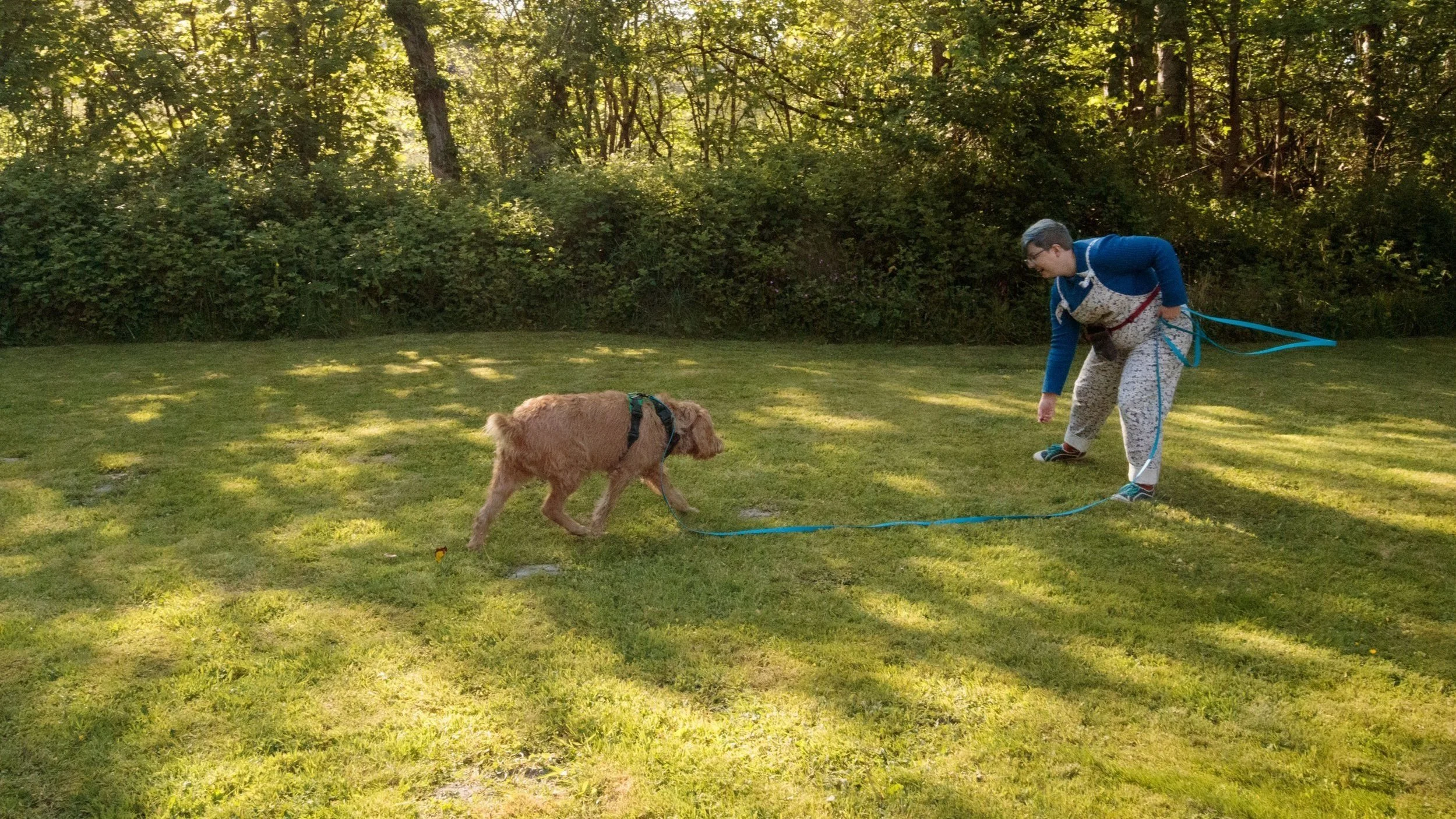
For decompression and sniff walks, a long line can be fantastic in safe, open areas. Use a harness (not a collar) if your dog may accelerate to the end of the line, and practice handling skills so you do not get rope burn. Gloves can help.
Training approach: the tool is the seatbelt, not the driving lesson
If you want better walks with a high-energy dog, gear helps you manage safety. Training is what creates change.
A simple plan for looser-leash walks
- Start easy. Practice in the yard, driveway, or hallway before tackling the busiest trail.
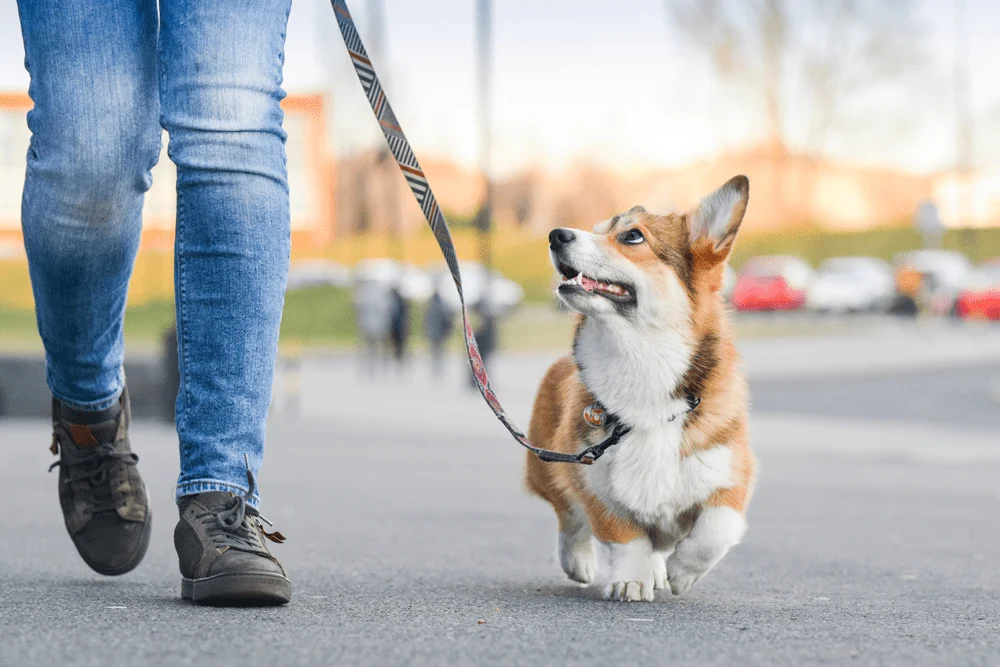
- Reinforce the position you want. Reward your dog for being near you with a loose leash, not only for sitting at curbs.
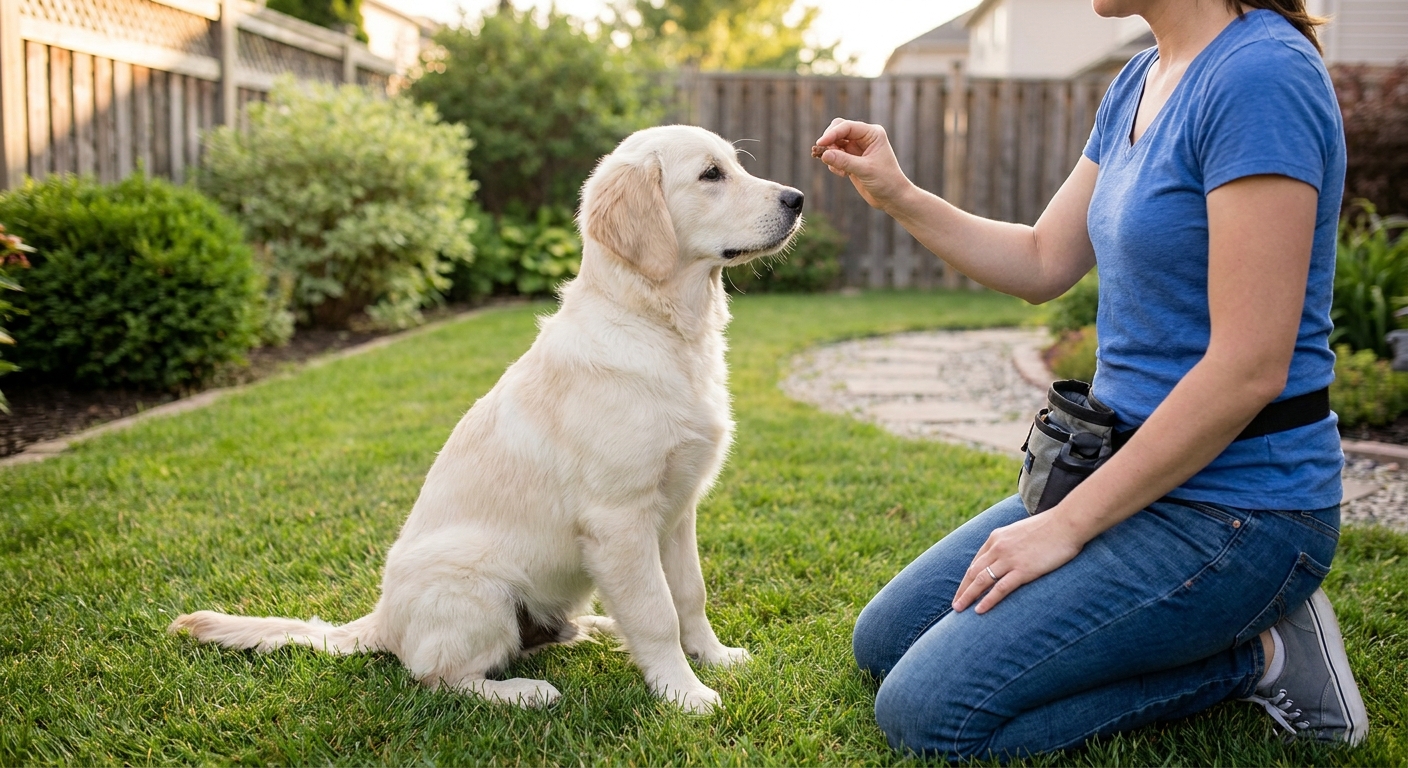
- Use a “magnet” cue. Teach your dog to touch your hand or look at you for a treat when distractions appear.
- Turn pulling into information. If the leash goes tight, stop or turn. When the leash loosens, continue. Be consistent, not angry.
- Add decompression. High-energy dogs often need sniff time. A long-line sniff walk in a safe area can reduce frantic pulling on neighborhood routes.
My rule of thumb: if you feel like you need stronger equipment to “win” the walk, it is time to make the walk easier, pay better, and train in smaller steps.
Best setups for high-energy dogs
Adolescent dogs who pull
- Y-shaped front-clip harness
- Standard 6-foot leash
- Treat pouch with high-value treats
Reactive dogs in training
- Comfortable front-clip harness (or dual-clip harness if needed)
- Leash skills games, U-turn practice, pattern walks
- Distance management and controlled setups when possible
Trail dogs with leash basics
- Well-fitted back-clip harness for hikes
- Long line for sniffy decompression in safe areas
- Flat collar for ID, plus safety connector if escape is a concern
Escape artists
- Three-strap harness
- Martingale collar as backup
- Safety connector between collar and harness
FAQ
Will a harness make my dog pull more?
A harness does not create the desire to pull, but a back-clip harness can make pulling feel easier for some dogs. If your dog is already a puller, choose a front-clip harness and pair it with loose-leash training and adequate sniff breaks.
Is it okay to walk my dog on a collar?
Yes, if your dog walks politely and does not hit the end of the leash. For strong pullers or lungers, a harness is usually a safer choice while you train.
What about prong collars or choke chains for high-energy dogs?
I do not recommend tools that rely on pain or fear. They may suppress behavior in the moment, but they can increase stress, create negative associations on walks, and risk injury. High-energy dogs need skill-building: reinforcement, consistency, and outlets for normal dog behavior.
My dog coughs on a collar. What should I do?
Switch to a harness and talk with your veterinarian, especially if coughing is frequent, harsh, or happens outside of leash tension. Some dogs have underlying airway sensitivity that deserves medical guidance.
Bottom line
For most high-energy dogs who are still learning how to move through the world calmly, a properly fitted harness is the safest, most training-friendly starting point. Collars are great for ID and for dogs who already have good leash manners, but they are not ideal as the main “control point” when your dog’s excitement routinely turns into lunging or pulling.
If you are stuck, take a short video of your current walk setup and your dog’s behavior and bring it to a certified trainer. A few small tweaks in fit, leash handling, and reward timing can turn chaos into something that finally feels doable.