
Spot separation anxiety early and help your dog feel safe alone using gentle, practical desensitization and daily routines that actually work.
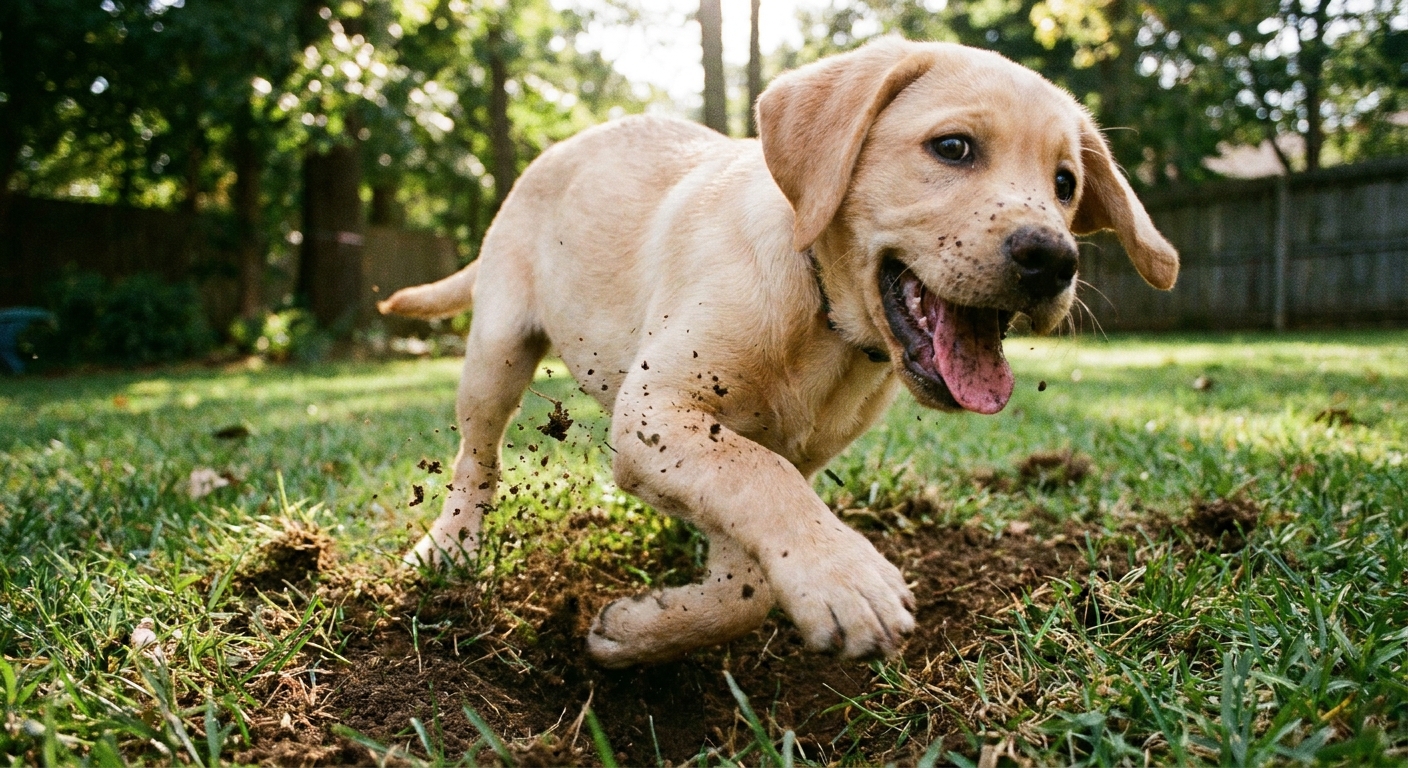
If you have ever walked outside and felt your soul leave your body because your dog turned the yard into a tiny archaeological site, you are in good company. I grew up in a house that fostered a revolving door of rescue dogs, and I can tell you this with love: some dogs will absolutely treat landscaping like a personal challenge.
The good news is that digging is usually not “bad behavior.” It is normal dog behavior that got pointed at the wrong place. When we stop treating it like a moral failing and start treating it like a need plus a habit, we can fix it without a bunch of yelling and frustration.
Why dogs dig
Dogs dig for a handful of very logical reasons. If you match the solution to the reason, you will see results much faster.
Leftover energy and boredom
Digging can be a self-assigned job for an under-exercised or under-stimulated dog. It burns calories, uses the brain, and is instantly rewarding. If your dog goes outside and immediately starts digging, assume you are looking at pent-up energy plus a habit.
Scent tracking and prey drive
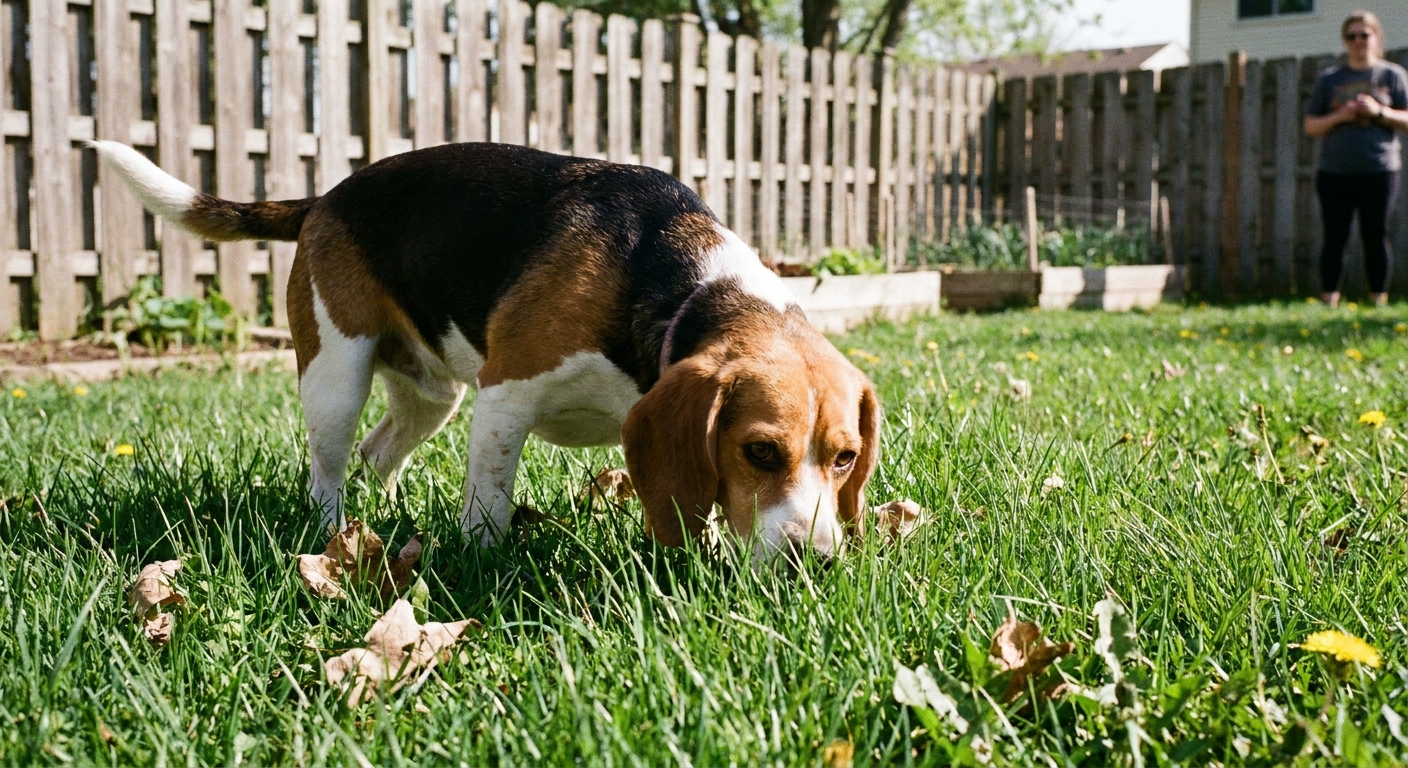
Mice, moles, insects, lizards, and all kinds of interesting smells live under the surface. Many dogs are basically “nose with legs,” and digging is their way of getting closer to the scent. Terriers, hounds, and many herding breeds can get very invested in this.
Cooling off in hot weather
Soil can be cooler a few inches down. Some dogs dig a shallow pit simply to lie in it, especially in the summer or in sunny yards with little shade. If the holes show up on hot days and your dog lounges in them, this is likely the driver.
Breeds that were born to dig
Some dogs come with a factory-installed shovel setting. Terriers were developed to go after critters in burrows. Northern breeds like Huskies often dig for comfort, enrichment, and temperature control. Dachshunds are famous for it, too. Many scent-driven breeds, including Beagles and other hounds, will dig when the ground smells like something worth investigating. You are not going to “train away” instinct, but you can absolutely teach where and when digging is allowed.
What not to do
Do not scold after the fact
This is one of those classic misunderstandings I saw constantly as a vet tech: a well-meaning owner finds a hole, gets mad, and the dog looks “guilty.” What is really happening is the dog is responding to your tone and body language, not confessing to something they remember from earlier.
If you correct your dog after the fact, you risk teaching them: “Human near holes is scary,” or “Human coming outside is scary,” not “Digging is bad.” It can also make some dogs sneakier and faster, which is not the goal.
Avoid harsh punishment
Harsh corrections can increase stress and arousal. Even when they “work” in the moment, the unintended side effects can be fear, avoidance, or your dog learning to dig only when you are not looking. You will get more progress with prevention, redirection, and reinforcement of what you want instead.
The plan that works
To stop yard digging, you want two things happening at the same time:
- Give your dog a legal outlet for digging, sniffing, and problem-solving.
- Prevent unsupervised practice in the places you want protected.
If your dog keeps getting daily reps digging in the flower bed, the habit gets stronger, even if you add more walks. Management is not a failure. It is how you stop the behavior from paying off.
Step 1: Better exercise
A tired dog is not automatically a trained dog, but appropriate daily activity lowers the urge to create their own entertainment.
What to try
- Sniffy walks: Let your dog sniff. For many dogs, a 20-minute sniff walk is often more satisfying than a longer power walk.
- Short training bursts: Two to five minutes of cues like sit, down, touch, or “find it” sprinkled throughout the day can reduce boredom fast.
- Fetch with rules: A few minutes of fetch plus a calm “all done” routine can help high-energy dogs settle.
- Play that uses the brain: Tug with a “drop it” and “take it,” or hide-and-seek around the yard.
If digging happens most when your dog is alone outside, consider moving exercise earlier in the day and adding a short enrichment session before yard time.
Step 2: Nose work
If your dog is digging because their nose found something interesting, give that nose a job that does not destroy your landscaping.
Easy scent games
- Treat scatter: Toss a handful of kibble or treats in the grass and say “find it.”
- Box search: Place a few cardboard boxes outside, hide treats in one, and let your dog hunt.
- Towel roll-up: Roll treats into a towel and let your dog sniff and unroll it.
- Which hand: Hide a treat in one hand, let your dog sniff, and reward for choosing correctly.
These games scratch the same itch as critter-scent digging, but they are cleaner, safer, and easy to reinforce.
Step 3: A dig pit
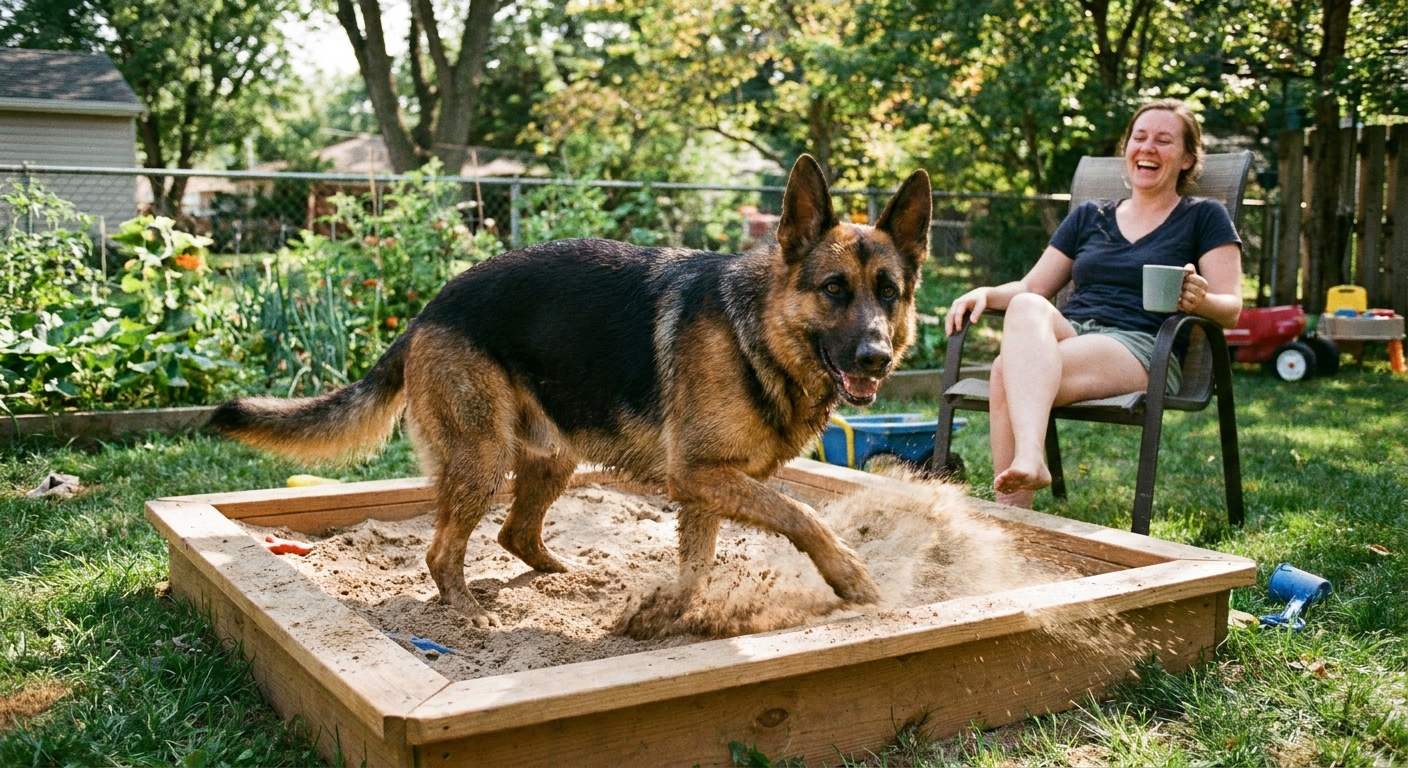
If you live with a dog who truly loves to dig, your fastest path to a better yard is usually not “no digging ever.” It is “dig here instead.” A dig pit is not giving in. It is smart redirection.
Pick the spot
- Choose a shaded or partly shaded area if heat triggers digging.
- Pick a location away from delicate plants and high-traffic paths.
- Make it easy for you to supervise, at least at first.
Choose your setup
- Sandbox: Great for many dogs. Use clean play sand and cover it when not in use to discourage neighborhood cats.
- Designated dirt patch: A simple dug-out area filled with loose soil can work well.
- Plastic kiddie pool filled with sand: Easy and movable, though not all dogs like the edges.
Teach “dig here”
- Make it rewarding: Bury a few toys or treats just under the surface while your dog watches.
- Start on leash: Walk them to the pit, point, and say a cue like “dig.”
- Reward early: Praise and toss an extra treat into the pit for the first paw scratches.
- End with calm: A couple of minutes is plenty at first. Then transition to something settling, like a scatter feed in the grass, a chew on a mat, or a few slow repetitions of “sit” and “down” for treats.
Pro tip from my treat-jar-on-every-counter lifestyle: keep a small container of “dig pit treats” by the door so you can pay your dog fast for choosing the right spot.
Step 4: Redirect fast
When your dog starts to dig in the wrong place, timing matters. You want to catch them as they begin, not after they have already had a full digging party.
What to do
- Plan for safety: If you know digging is likely, clip on a leash or long line before your dog heads out. Avoid grabbing collars suddenly, which can startle some dogs.
- Calmly approach: No yelling, no dramatic sprinting.
- Interrupt: Use a cheerful “this way” or “let’s go.”
- Redirect: Guide them to the dig pit, a nose work game, or a toy.
- Reinforce the alternative: Treat and praise when they engage in the right activity.
If your dog is already deep in a hole, you can still redirect, but expect it to take practice. That hole is a slot machine of smells and sensations.
Step 5: Supervision
The hardest part of digging is that it happens fastest when nobody is watching. Until the habit fades, think “no free access to temptation.”
Management options
- Go out with your dog: Even five minutes of supervision can prevent a new hole from becoming a daily routine.
- Leash or long line: A 15 to 30 foot long line lets your dog explore while you stay in control.
- Rotate yard access: Close off garden beds or high-value digging spots when you cannot supervise.
- Provide structured yard activities: A short sniff game or training session beats unstructured “go entertain yourself” time.
This is not forever. It is the training wheels phase. The goal is to stop the rehearsal so your training and enrichment can actually stick.
Fence-line digging
If your dog digs along the fence, treat it like an escape risk, not just a landscaping issue. Dogs dig out for reasons like boredom, prey drive, barrier frustration, or wanting to go find you.
- Block access: Use temporary garden fencing to create a buffer zone a couple feet inside the perimeter.
- Supervise and leash: Fence-line digging is not a “check on them later” situation.
- Make the inside of the yard more rewarding: Bring your dog to the dig pit, run a quick scent game, or do a short training loop near you, not near the fence.
- Check for triggers: Neighbor dogs, squirrels, and foot traffic can turn the fence into a high-arousal zone.
Heat-related digging
If your dog digs mostly in warm weather, address comfort directly.
- Add shade: Use a canopy, umbrella, or let your dog access a shaded area.
- Provide cool resting spots: A cooling mat, damp towel, or shaded concrete can be appealing.
- Offer water outside: Fresh, cool water in a heavy bowl.
- Adjust timing: Yard time in early morning or evening can reduce the urge to dig for cooler soil.
Some dogs will still dig a shallow lounging pit even with these supports. That is where a dig pit in a cooler spot can be a game changer.
Protecting flower beds
You asked for help with yard destruction, not a fence engineering project. So here are simple, dog-friendly ways to make garden areas less rewarding while you train.
- Temporary barriers: Low decorative garden fencing or simple stakes and garden netting can block access during retraining.
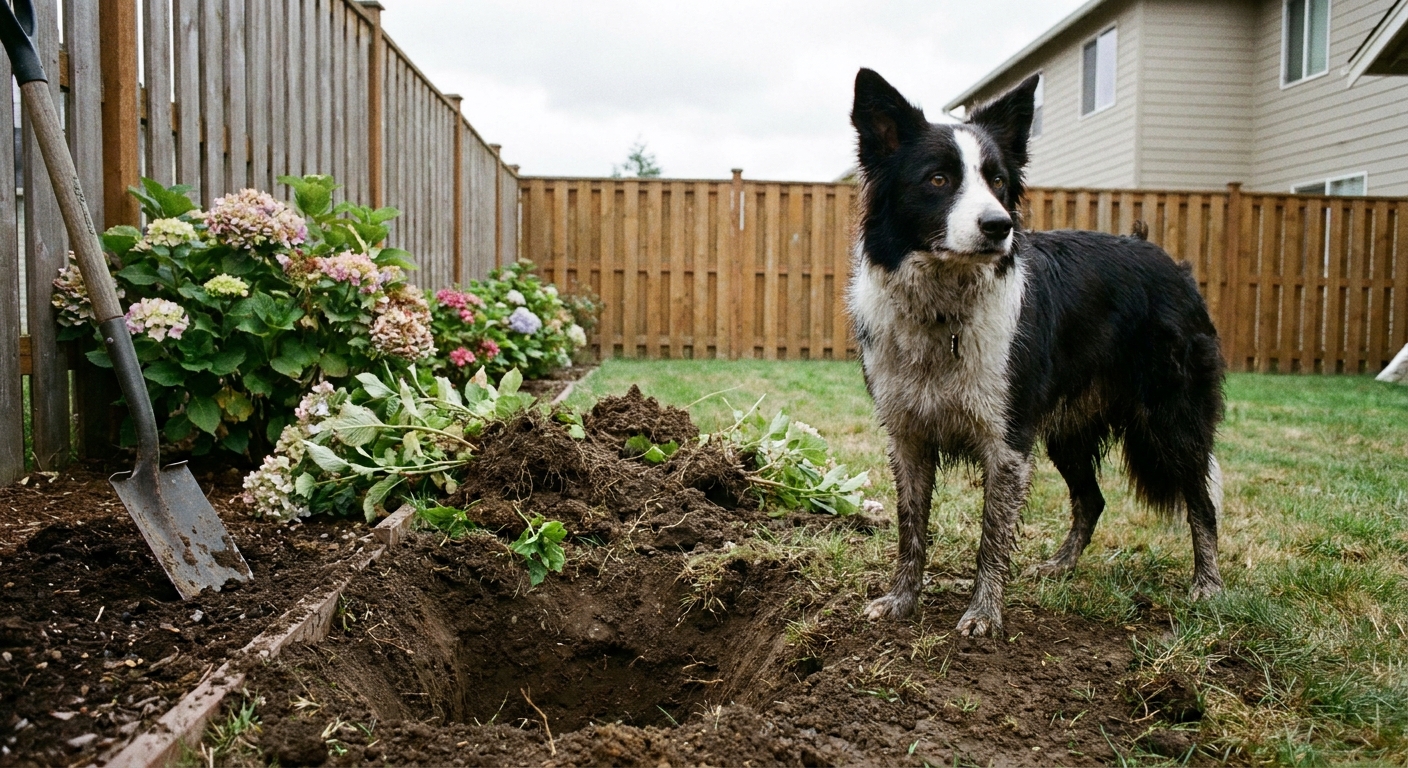
- Make the area boring: Fill existing holes promptly and tamp the soil so it is less fun to re-open.
- Choose dog-safe surfaces: In chronic zones, consider hardy ground cover or heavier materials that are less tempting than loose soil. If your dog eats mulch, skip it and choose safer surfaces.
Avoid relying on smell-based deterrents. Many are inconsistent, some are unsafe, and determined diggers often do not care. Also skip irritants like cayenne or harsh powders. They can cause nose and eye irritation and do not teach your dog what to do instead.
Safety notes
Digging is messy, but it can also be risky depending on what is in your yard.
- Skip sharp or “booby trap” deterrents: Rocks with sharp edges, stakes, or anything meant to hurt paws can cause injury.
- Watch for yard chemicals: Fertilizer, pesticide, compost, and slug bait can be dangerous if your dog digs and licks or eats what they find.
- Know your plants: Some bulbs and ornamentals are toxic if your dog digs them up and chews them.
- Check the mouth: Dogs can uncover bones, trash, or garden debris. If your dog suddenly becomes possessive over holes or tries to swallow mystery items, management goes to the top of the list.
Puppies vs. adults
Puppies and adolescent dogs tend to dig more because everything is new and their brains are basically on a discovery mission. The fix is the same, but expect to lean harder on supervision, long lines, and structured enrichment until maturity catches up.
Stress and anxiety digging
Some dogs dig as a stress behavior, especially if the pattern shows up with pacing, drooling, whining, barking, or destructive behavior at doors and windows. If your dog only digs when alone or seems frantic during yard time, treat it as a bigger picture problem, not just a yard habit.
Troubleshooting
“My dog uses the dig pit, but still digs in the yard.”
That usually means one of two things: the yard spot is more rewarding (cooler, smellier, or closer to critters), or your dog still has too much unsupervised access. Make the dig pit better by burying treasures more often, move it closer to the problem area, and tighten management for a couple of weeks.
“My dog only digs when I am inside.”
This is often boredom, habit, or attention-seeking that has accidentally worked before. Increase enrichment before yard time and limit solo yard access while you rebuild the routine. If your dog shows other signs of distress when alone, consider talking with a qualified trainer about separation-related behaviors.
“I fill the holes, and my dog re-digs them immediately.”
Re-digging is common because the soil is already loosened and the scent is concentrated. Fill the hole firmly, then supervise closely and redirect the first attempt. This is also a great moment to bring your dog to the dig pit and pay them for digging there instead.
When to get help
If digging is intense, obsessive, or paired with other behavior changes, it is worth looping in your veterinarian to rule out discomfort, anxiety, or other health issues. For training support, look for a certified, force-free trainer who can help you set up a plan that fits your dog’s breed traits, age, and daily routine.
Quick start checklist
- Increase daily enrichment with sniffing and short training sessions.
- Add a legal dig pit and teach “dig here.”
- Supervise outdoor time until the habit fades.
- Interrupt early and redirect calmly, then reward the right choice.
- Address heat with shade, water, and cooler rest options.
- Protect flower beds with simple temporary barriers while retraining.
- Treat fence-line digging like an escape risk and manage it closely.
If you want my honest foster-kid takeaway: most digging problems improve dramatically when dogs get a clear outlet and fewer chances to practice in the wrong place. Your dog is not trying to ruin your yard. They are just being a dog with very busy paws.