A practical, science-based plan to build a reliable recall with games, rewards, long-line practice, and proofing for distractions, distance, and real life.
Border Collies are brilliant, athletic, and intensely job-oriented. That is the magic of the breed and also the reason so many well-meaning owners end up overwhelmed. A Border Collie who is under-exercised does not quietly take a nap. They invent work, and it usually looks like herding kids, chasing shadows, barking at windows, dismantling your couch, or sprinting endless laps around the dining table.
The good news: you do not need to run a marathon every day to have a happy Border Collie. You need a balanced plan that includes (1) physical exercise, (2) mental exercise, and (3) skill-building that gives their brain a job to do. This guide lays out exactly what that looks like in real life, with options for busy weekdays, rainy days, and weekends when you can go bigger.
Quick safety note: If your dog is overweight, deconditioned, recovering from an injury, or you are not sure about their orthopedic health, check with your veterinarian before you add high-impact running, repetitive jumping, or long hikes. Start easy and build up.
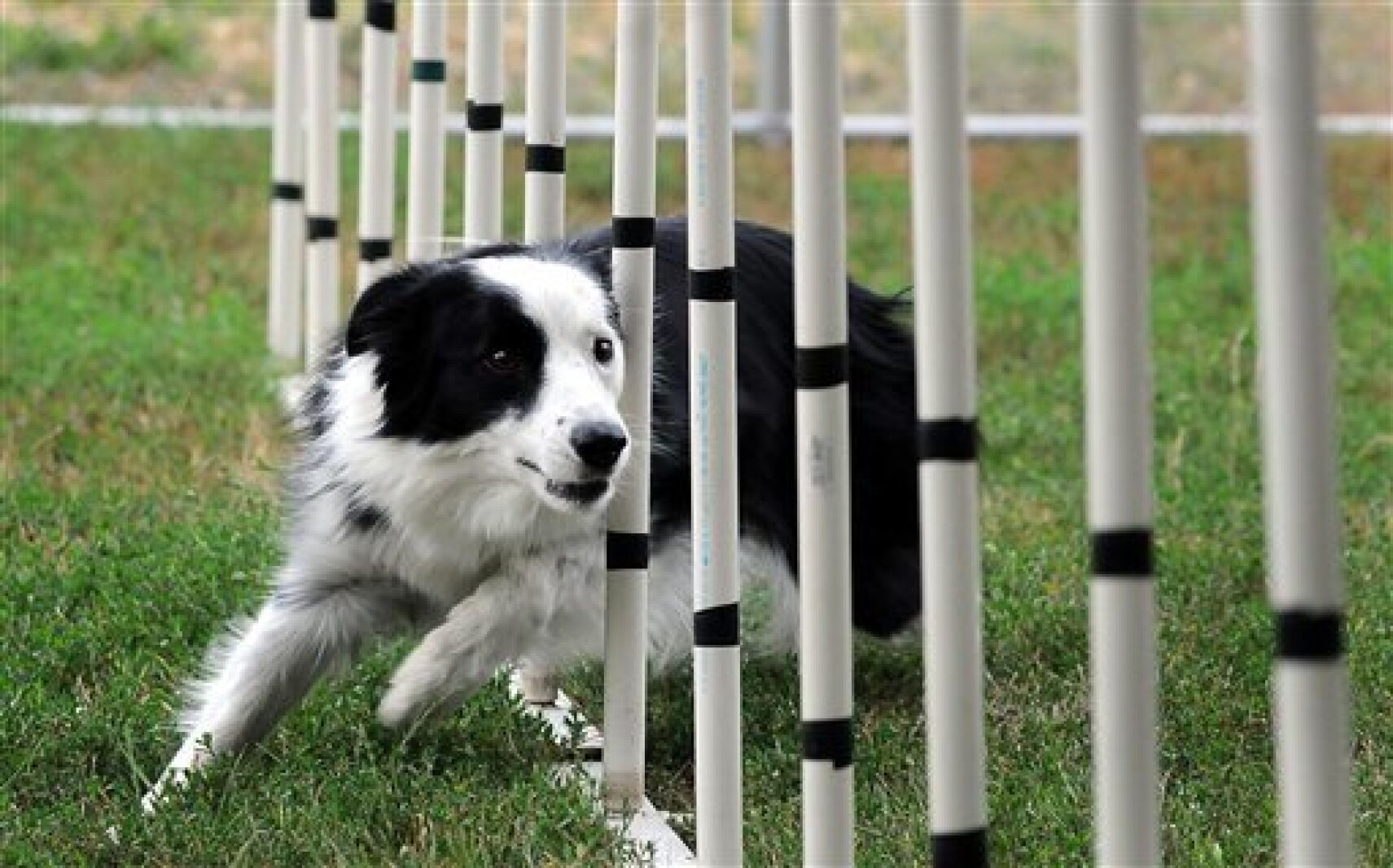
How much exercise does a Border Collie need?
There is no one perfect number for every Border Collie. As a general starting point, many healthy adult Border Collies do well with roughly 1 to 2.5 hours of total daily activity, split across the day. Some individuals thrive with less, some want more, and age, health, weather, and genetics matter a lot.
That total includes structured walks, off-leash running in safe areas, training sessions, enrichment, and skill work.
What matters most is not the raw minutes. It is the quality and variety:
- Physical work to burn energy and maintain muscle
- Mental work to satisfy problem-solving and reduce stress
- Impulse control to help that fast brain settle when asked
If you are meeting needs well, you will see it. A well-exercised Border Collie can relax in the house, chew appropriate items, and respond to cues even when excited.
Working line vs show line: Some working-line Border Collies have noticeably higher daily needs than dogs from lower-drive lines. Adjust the plan to the dog in front of you, not the reputation of the breed.
A daily activity blueprint
Use this as your default schedule. Swap in the options that fit your life, weather, and your dog’s age and health.
Morning (30 to 60 minutes): move + think
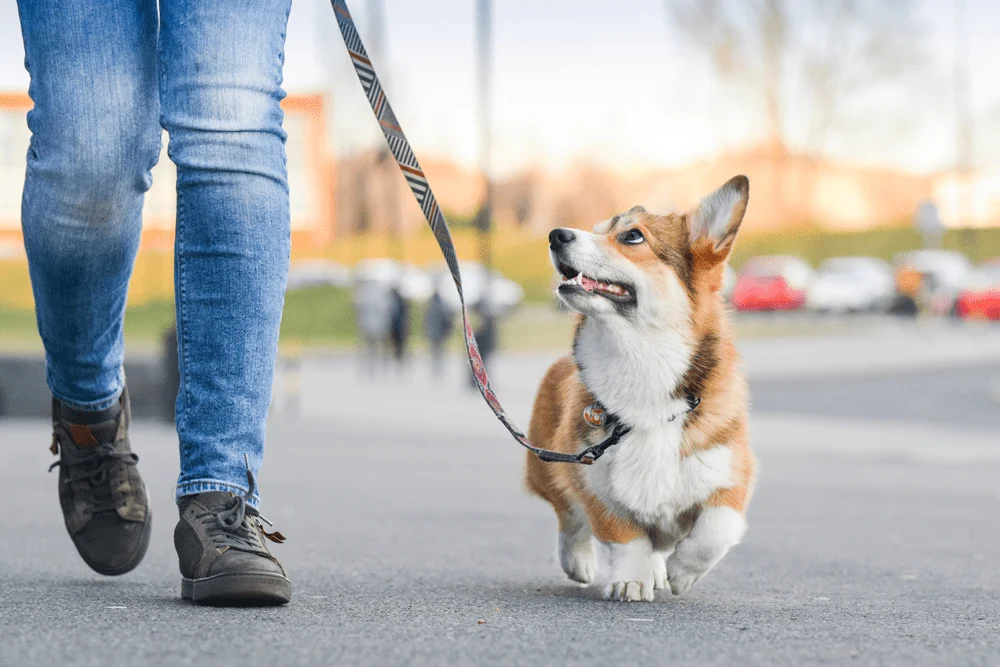
- 10 to 15 minutes: brisk leash walk with sniff breaks (sniffing is mental work)
- 10 to 20 minutes: training micro-session (obedience drills, tricks, or agility foundations)
- 10 to 25 minutes: higher-intensity play or cardio (fetch with rules, tug with cues, flirt pole used safely)
Pro tip: If you only have 30 minutes, keep the walk shorter and do a focused 8 to 10 minutes of training. Border Collies often get more tired from thinking than from wandering the neighborhood.
Midday (10 to 25 minutes): decompression and enrichment
- Food delivered through a puzzle toy or snuffle mat
- A short sniffari walk, even if it is just around the block
- 3 to 5 minutes of impulse control practice, then a chew
Evening (45 to 90 minutes): cardio + skills
- 20 to 40 minutes: sustained movement (hike, run with you, long-line exploration, structured fetch)
- 10 to 20 minutes: sport skills or advanced obedience
- 5 to 10 minutes: cool-down (mat settle, gentle massage, licking enrichment)
That cool-down piece is not fluff. High-drive dogs often need help learning how to downshift.
Physical exercise that works
Border Collies are built to work all day, but their bodies still have limits. The goal is athletic conditioning without repetitive strain.
1) Sniff walks and long-line time
A fast-paced power walk is fine, but do not underestimate a sniffari. Let your dog choose the route sometimes, keep a loose leash, and allow long sniffing. For many dogs, this often helps lower arousal and supports confidence in the environment.
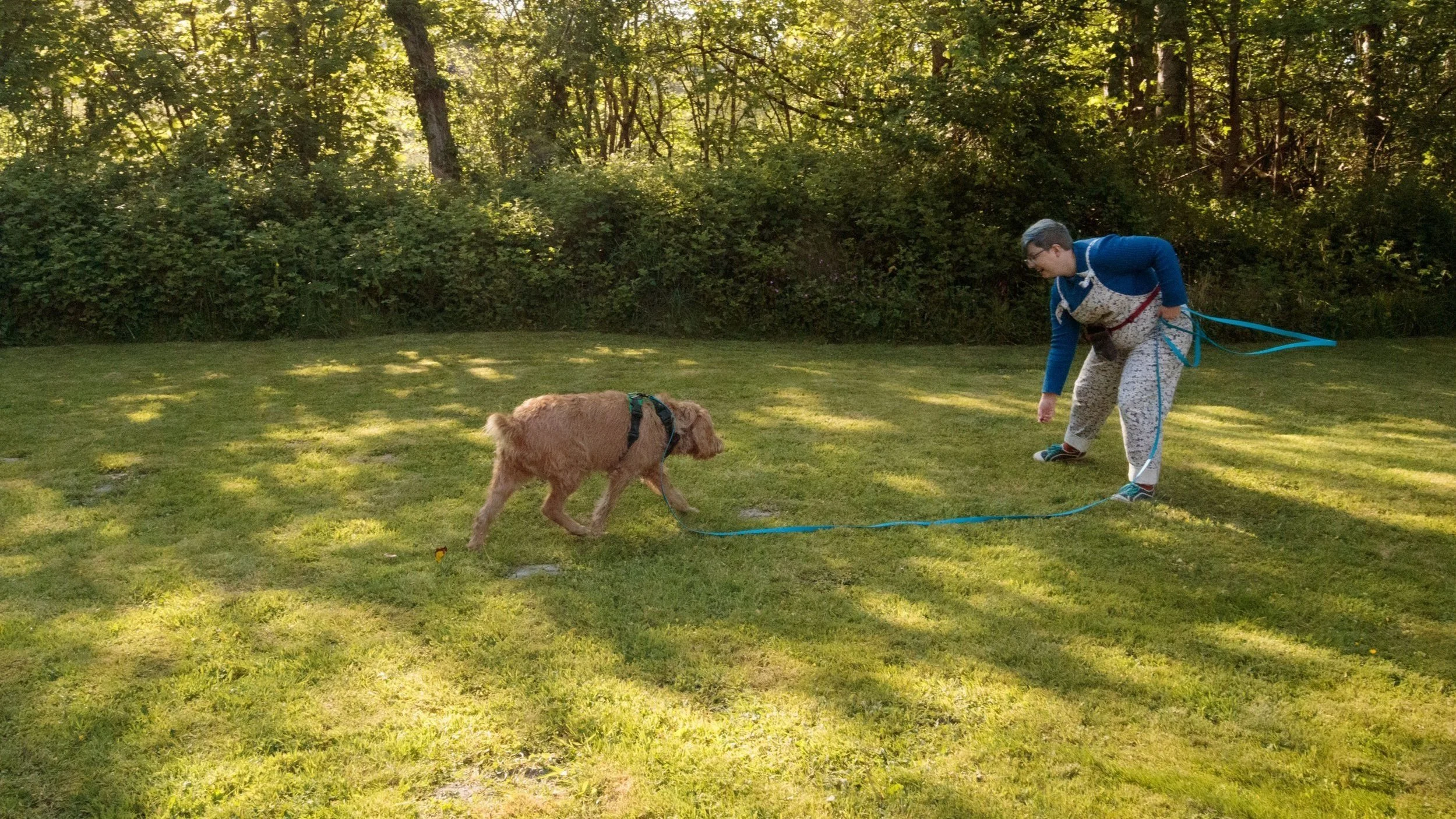
If your Collie is not reliable off leash, a 15 to 30 foot long line is one of the safest ways to give more freedom while you build recall.
2) Fetch, but with rules
Many Border Collies will fetch until their joints and tendons beg for mercy. Put structure around it:
- Warm up first: 3 to 5 minutes of walking and easy tricks
- Use short sets: 3 to 6 throws, then a break
- Mix in cues like sit, down, touch, heel between throws
- End the game while your dog still wants more
This keeps arousal in check and makes the game more mentally satisfying.
3) Tug for power and control
Tug is excellent for bonding and strength when done well. Teach:
- Get it (permission to grab)
- Out or drop (release)
- All done (game ends)
If your dog’s teeth regularly hit skin, switch to a longer tug toy and slow the game down. Speed is what creates sloppy mouth placement.
4) Hiking and trail time
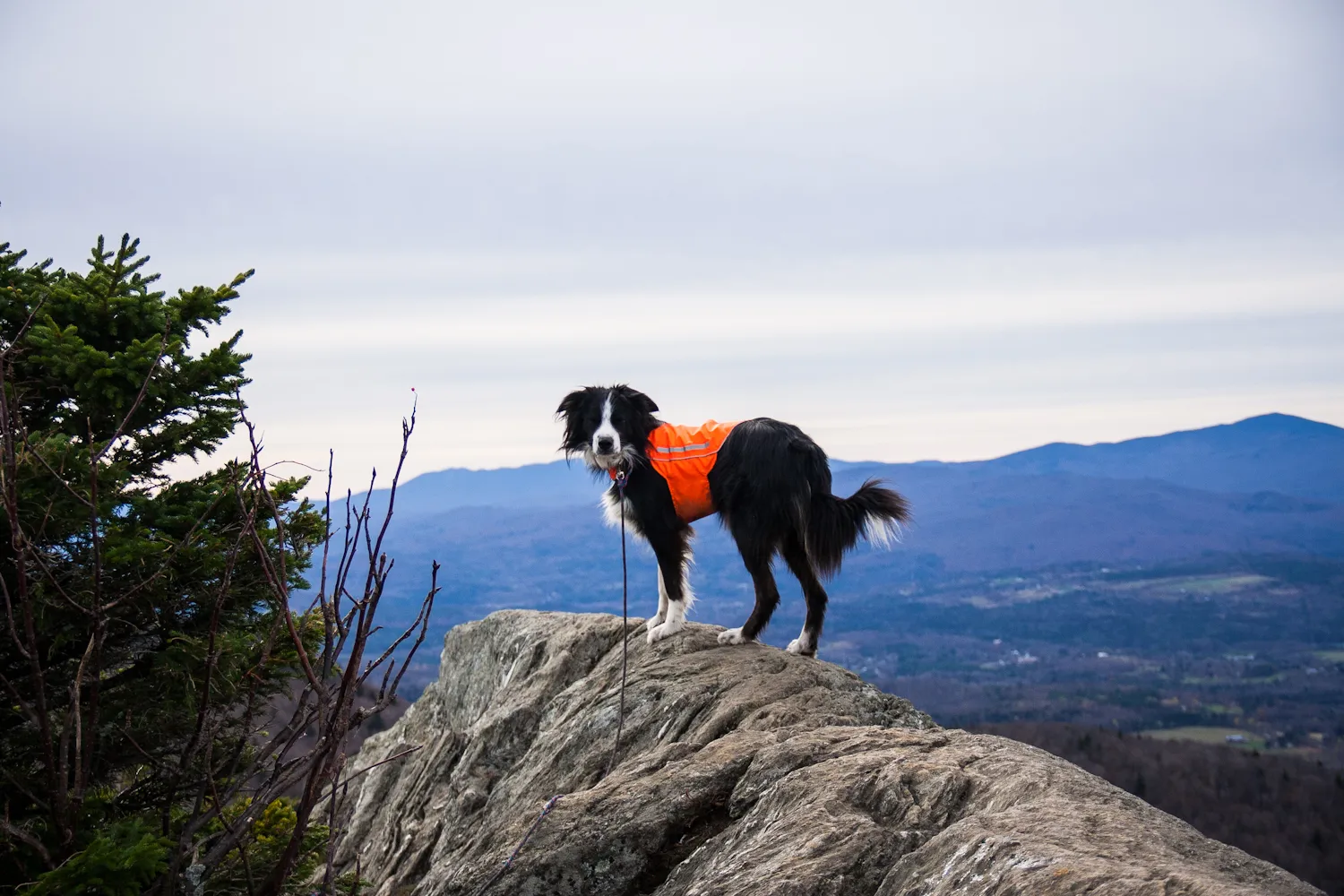
Trail walks check a lot of boxes: uneven terrain, novelty, sniffing, and body awareness. Bring water, keep your dog leashed where required, and watch for overdoing it in heat.
Weather and surface safety: Avoid the hottest part of the day, be cautious with humidity, and watch pavement temperature in summer. In winter, check paws for ice, salt, and cracking. Choose grippy, stable footing when you can.
Mental exercise: the missing piece
In my experience, the Border Collies who struggle the most are the ones getting plenty of physical activity but not enough structured brain work. A tired body with an underemployed mind often turns into a dog who is fit, frantic, and constantly looking for something to control.
Puzzle toys worth using
Rotate options so your dog does not memorize one toy and blast through it in 30 seconds.
- Snuffle mats for nose work and calming foraging
- Toppl-style stuffable toys (soft food, soaked kibble, or wet food, then freeze)
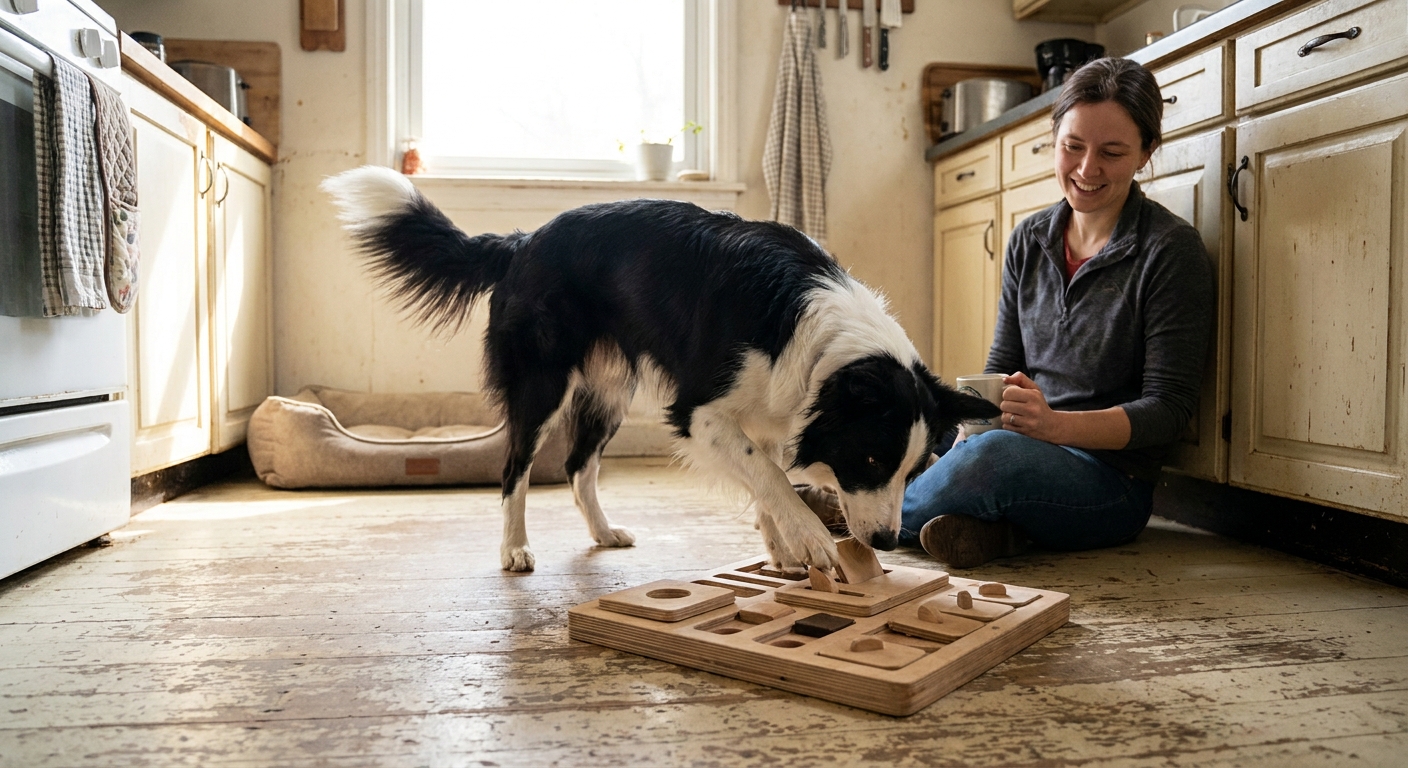
- Sliding compartment puzzles for problem-solving
- Treat balls for low-impact movement indoors
Border Collie tip: start easier than you think. Frustration can ramp arousal quickly in this breed.
Find it nose work games
Nose work is excellent for confidence and mental fatigue. Start simple:
- Show your dog a treat.
- Say find it and toss it a few feet away.
- Gradually toss behind furniture, under a towel, or into another room.
As your dog improves, hide treats while they wait behind a baby gate or on a mat.
Enrichment that is not chaos
- Short training sessions in new locations (front yard, quiet park)
- Car rides that end in a calm sniff walk, not always high excitement
- New surfaces to walk on safely (sand, gravel, logs on a trail)
A note on shadows and lasers: Skip laser pointers and avoid encouraging repetitive light or shadow chasing. For some dogs, it can spiral into compulsive behavior. If you are seeing frequent shadow stalking, light fixation, or frantic scanning, talk with your veterinarian and a qualified trainer for a plan.
Agility skills at home
You do not need a backyard full of equipment to teach agility-style skills. What you need is clarity, safety, and repetition in tiny doses.
Agility foundations
- Hand targeting (touch) to build direction and focus
- Rear-end awareness: pivot work with front paws on an upside-down bowl
- Wraps: circling a cone or tree on cue
- Send to mat: running to a target and settling
Simple obstacles (low-impact)
Keep jumps low and focus on form, not height.
- Cavaletti rails: broomsticks set on low supports for stepping over
- Tunnel: a soft agility tunnel in a hallway or yard
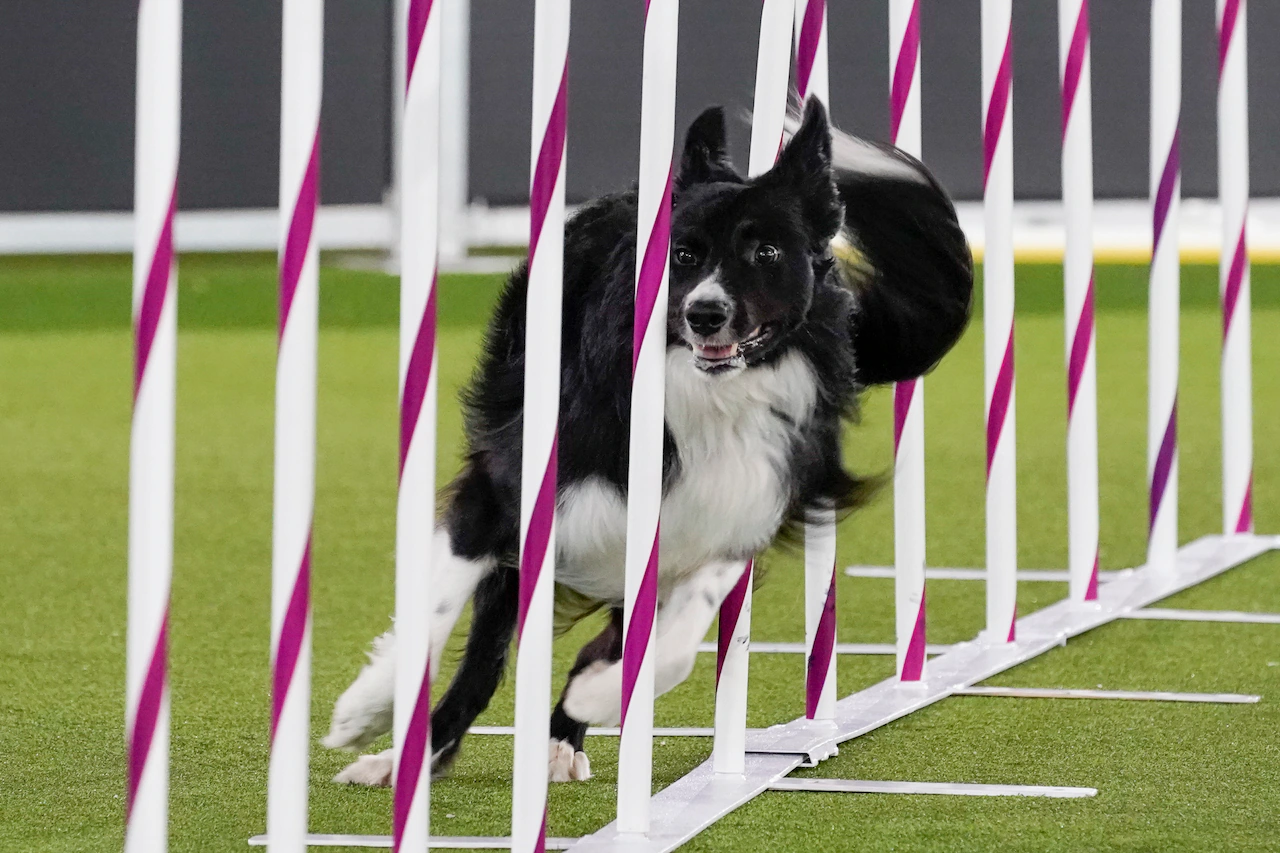
- Weave foundations: weaving through evenly spaced cones
Safety note: Skip repetitive high jumps, sharp turns at speed, and slick flooring. If your dog is still growing, ask your vet when it is appropriate to add impact-heavy activities. Many dogs are not ready for regular pounding (distance running, repeated jumping) until growth plates have closed.
Advanced obedience drills
Sit and down are fine, but Border Collies thrive when cues become a real language. Training is also a powerful tool for building impulse control and giving your dog a predictable way to earn reinforcement in the real world. It can also help with herding-style behaviors and overexcitement, but keep expectations realistic: issues like reactivity are often multifactorial and may require management and a tailored behavior plan.
My go-to skill stack (10 to 15 minutes)
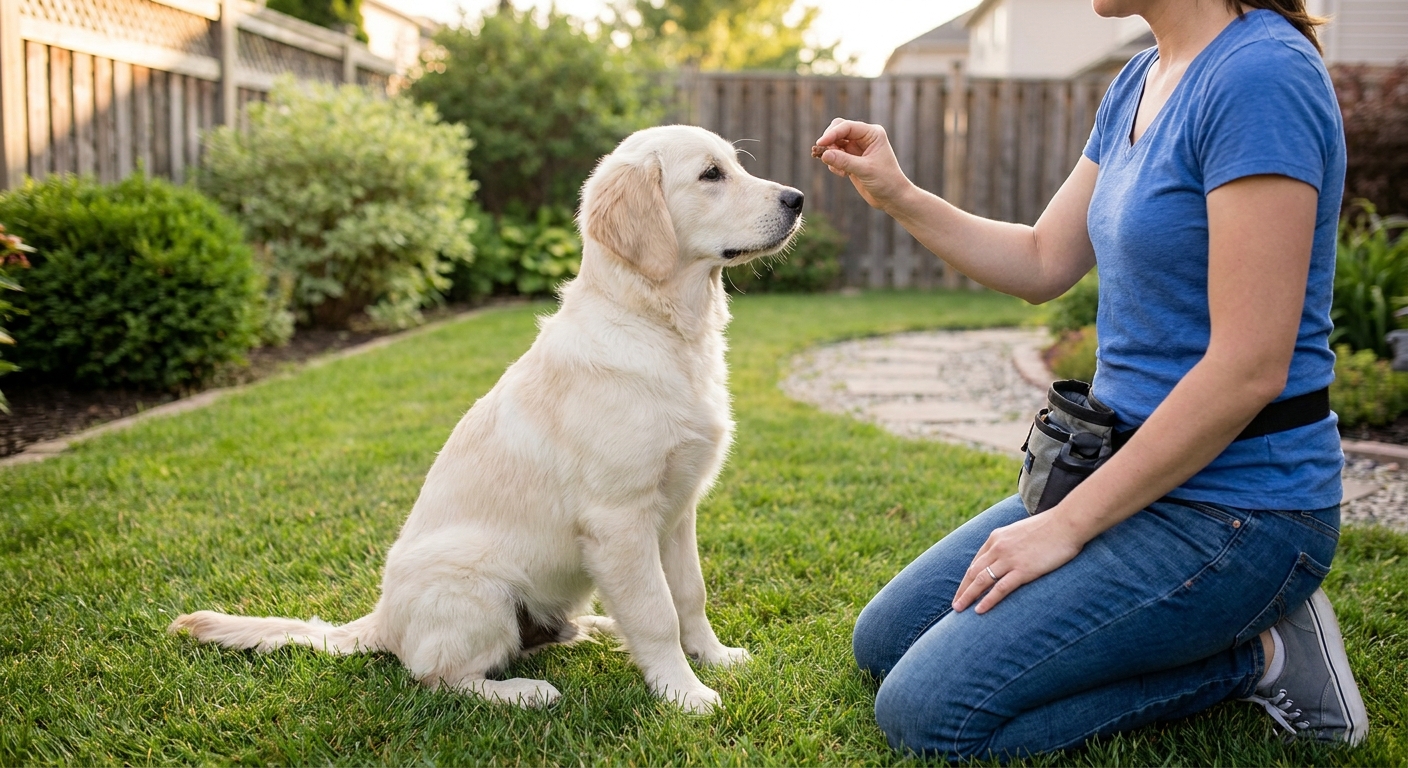
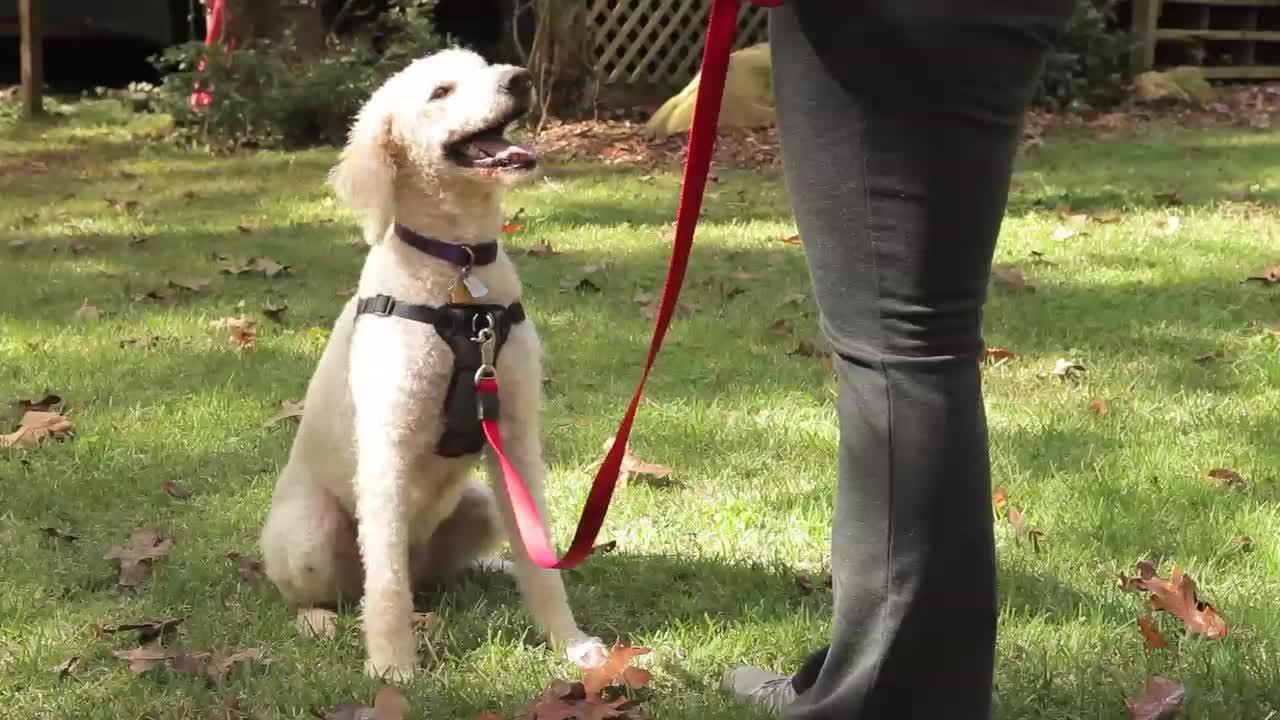
- Engagement: name response and offered eye contact
- Position changes: sit to down to stand
- Heelwork: 10 steps focused, then release to sniff
- Distance work: down-stay while you take 3 to 10 steps away
- Recall games: two-person ping-pong recalls or come to collar grab, then reward
Impulse control for real life
- Leave it with food, toys, squirrels on walks (start easy and work up)
- Wait at doors and gates
- Settle on a mat while you cook or eat
If you only teach one advanced skill, make it the settle. A Border Collie who can truly relax is a joy to live with.
Weekly schedule ideas
Here are two sample schedules you can copy and tweak.
Weekday-friendly (working household)
- Mon: sniff walk + obedience + frozen food toy
- Tue: fetch with rules + impulse control + nose work hides
- Wed: long-line hike or park exploration + mat settle practice
- Thu: tug with cues + trick training + puzzle rotation
- Fri: agility foundations (wraps, pivots) + easy decompression walk
Weekend big outlet
- One longer adventure: hiking, safe off-leash running area, or a structured playdate
- One sport session: agility class, rally obedience, frisbee skills, or herding lessons if available and ethical
- One recovery block: slower sniffing, licking enrichment, and extra sleep
Yes, recovery is part of training. Over-aroused dogs often look like they need more exercise when they actually need more sleep and better decompression.
Puppies and teens: exercise safely
Border Collie puppies are intense. It is tempting to wear them out, but too much impact too soon can stress developing joints.
Better goals for young dogs
- Short training bursts (1 to 3 minutes) throughout the day
- Confidence-building exposure to the world at a comfortable pace
- Gentle play, sniffing, and exploration
- Teaching calm: crate rest, pen time, settle on a mat
Practical guideline: Save repetitive, high-impact work (distance running, lots of jumping, hard frisbee leaping) for when your veterinarian says your dog’s body is ready. When in doubt, choose sniffing, skill-building, and low-impact conditioning.
If your adolescent Border Collie seems endlessly energetic, it is often a combo of hormones, poor impulse control, and inconsistent rest. Build naps into the schedule like they are training sessions, because they are.
Signs your Border Collie needs a change
Common signs of under-stimulation
- Destructive chewing, digging, or pulling up rugs
- Fence running, obsessive staring at windows, or persistent shadow chasing
- Demand barking, pestering, inability to settle
- Herding people, bikes, cars, or other dogs
Signs you might be overdoing intensity
- Your dog seems more frantic after exercise instead of calmer
- Difficulty sleeping, pacing, or inability to relax
- Stiffness, limping, or slowing down on walks
- Fixation on fetch or constant ball-seeking
If you suspect pain, stop the intense activity and talk with your veterinarian. Subtle soreness is easy to miss in tough, driven dogs.
Rainy day and apartment workouts
You can do a lot in a small space if you focus on brain work and body control.
- Scatter feeding: toss kibble in a hallway or rug and let your dog forage
- 101 things to do with a box: reward curiosity, paws in, nose in, stepping on, backing up
- Trick chains: spin, down, roll, touch, place, bow
- Hide and seek: you hide, dog finds you, party happens
- Shaping games: teach a new behavior without luring, let your dog problem-solve
Equipment that helps
- Long line (15 to 30 feet) for safe running and exploration
- Front-clip harness for better leash control during training
- Treat pouch or treat jars around the house (yes, I do this)
- Two to three puzzle toys to rotate
- Mat or bed designated for settle training
Choose gear that supports training, not gear that controls your dog through discomfort. Border Collies respond beautifully to clarity and reinforcement.
FAQ
Is a fenced yard enough?
Usually, no. A yard helps, but most Border Collies still need structured exercise and training. Left alone in a yard, many will self-entertain by fence running, barking, or patrolling. Think of the yard as a bonus space, not the whole plan.
Can I jog with my Border Collie every day?
Many adult Border Collies can handle regular running if they are conditioned gradually and cleared by a vet, but running alone is rarely enough. Add training and mental work so your dog is satisfied, not just fit.
Why is my Border Collie worse after exercise?
For some dogs, high-arousal play can keep them in an elevated state instead of helping them settle. Try swapping one intense block for sniffing, nose work, and a settle routine. Also shorten fetch sessions, add breaks, and end the game sooner. If it persists, a qualified trainer can help you build a better recovery routine.
Do Border Collies need a job?
They need purpose. That can be agility, rally, tricks, scent work, advanced obedience, or a daily routine where they practice skills and earn rewards. A job is really just structured mental work paired with clear communication.
Bottom line
A happy Border Collie is not just a tired Border Collie. They are a dog who gets to move, think, and practice self-control every day. Build your routine around short training bursts, smart cardio, and enriching brain games, and you will have the kind of dog people stop to admire. Not because they are exhausted, but because they are fulfilled.