A practical, trainer-approved grooming kit checklist: the right brushes, nail tools, bathing essentials, dental care, and a few sanity-saving extras for stre...
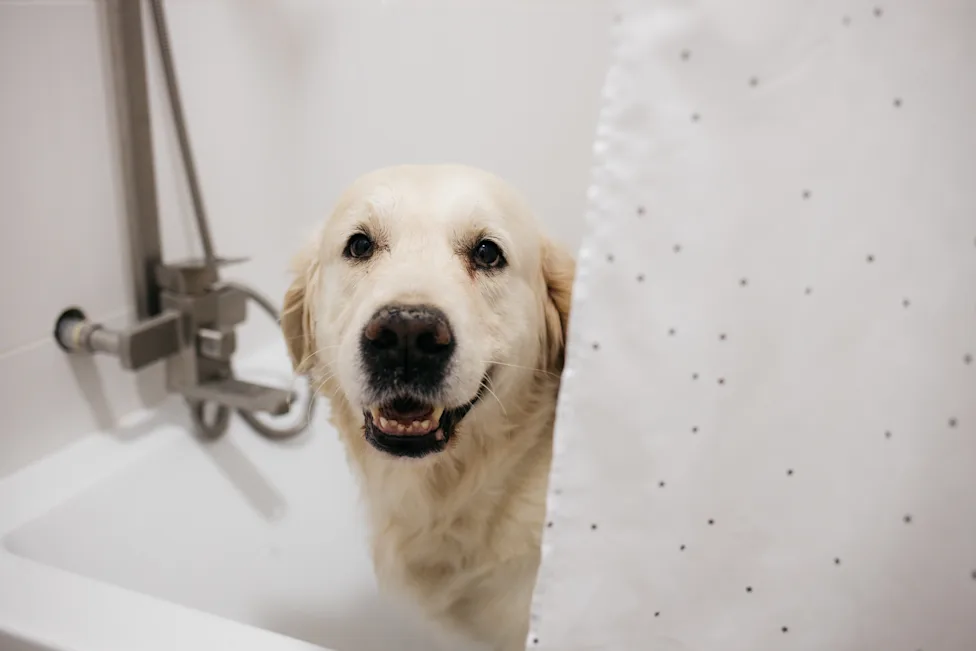
Dog baths are one of those chores that can feel weirdly high-stakes. Bathe too often and you risk dry, itchy skin. Not often enough and your sweet cuddle buddy starts smelling like a damp hiking boot.
The good news is there is no single perfect schedule for every dog. Bathing frequency depends on coat type, skin health, lifestyle, and whether your dog is the kind of soul who finds every mud puddle like it is their life’s purpose.
Below is an easy, coat-first guide with breed examples and realistic timelines you can actually follow.
The short answer: most dogs do best every 4 to 8 weeks
For a healthy dog with normal skin, a bath about every 4 to 8 weeks is a solid starting point. From there, adjust based on coat, activity, and any medical needs. Think of these as typical ranges, not fixed rules.
- More frequent baths can make sense for dogs with oilier coats, skin folds, heavy drool, frequent swimming, or serious “roll in something questionable” habits.
- Less frequent baths often work well for double-coated breeds and dogs who stay relatively clean.
What affects bath frequency
Coat type and oil
Some coats hold onto oil and odor faster than others (many Labs do). Others stay fresh longer (many double coats). Curly coats often trap dirt and allergens and benefit from a more consistent routine.
Skin health
Dogs with allergies, recurrent skin infections, dandruff, or sensitive skin may need a very specific schedule and shampoo choice from your veterinarian. Medicated shampoos are a different ballgame than regular “smells like oatmeal” dog shampoo.
Lifestyle
Beach days, lake water, daycare, farm life, hiking trails, and dog parks all change how quickly a coat gets funky and how often your dog needs a true shampoo bath.
Grooming between baths
Brushing, wiping paws and bellies after outings, and using a damp washcloth for spot cleaning can dramatically extend the time between baths.
Bathing guide by coat type
If you are not sure which category your dog fits, go by the coat on their body, not the cute fluff on their ears or tail.
Smooth, short coats
Typical bath schedule: every 6 to 10 weeks (or as needed)
Breed examples: Boxer, Beagle, Greyhound, Doberman Pinscher, Whippet
These coats are easy to maintain and often do fine with fewer baths. A rubber curry brush and a quick wipe-down after dirty adventures can keep them fresh.
Oily, water-repellent coats
Typical bath schedule: every 4 to 6 weeks
Breed examples: Labrador Retriever, Basset Hound, some hounds and sporting breeds
Many dogs in this group get that “doggy smell” sooner because their coats naturally hold more oil. Regular bathing helps, but use a gentle, dog-specific shampoo so you are not stripping the skin.
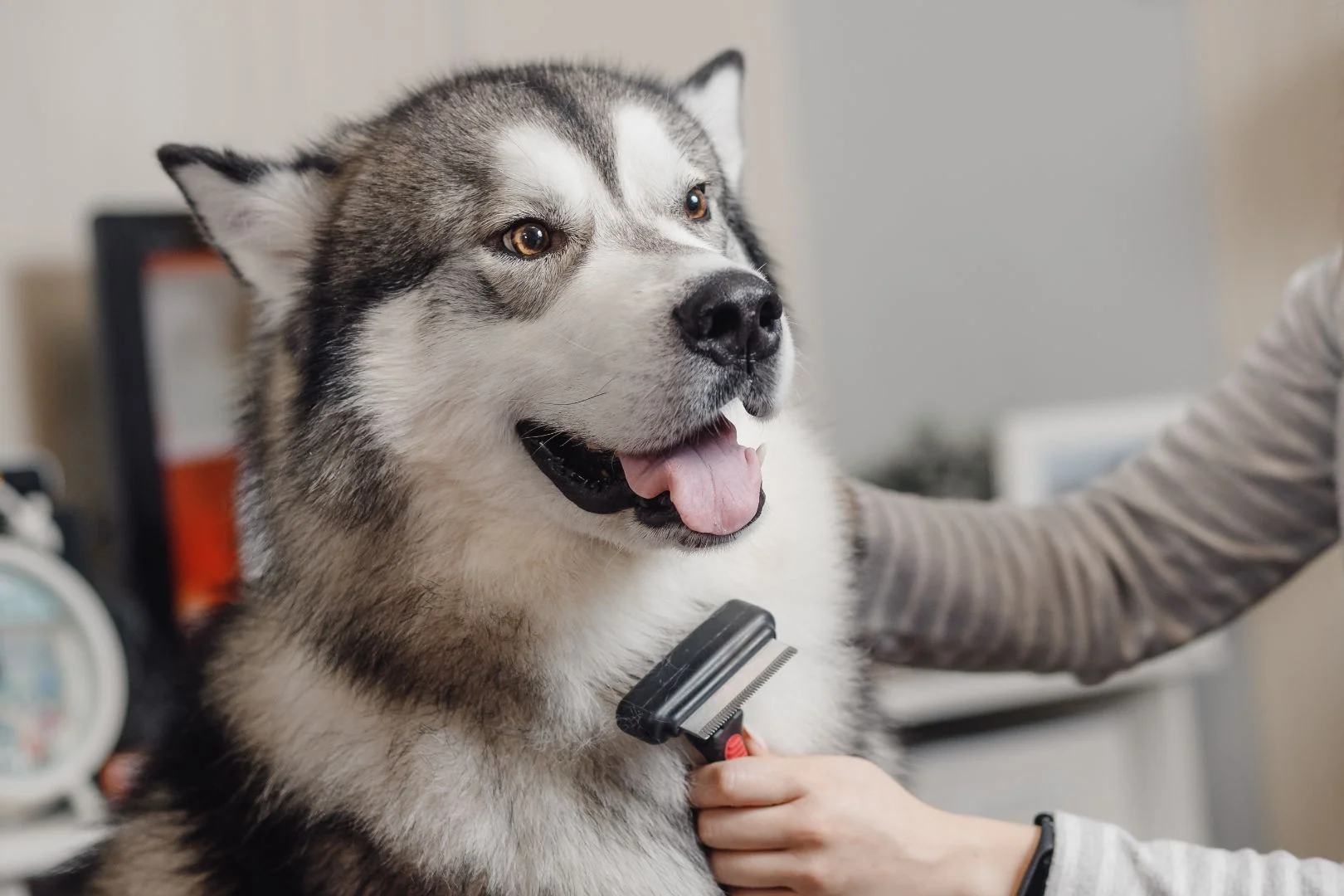
Double coats (shedding coats)
Typical bath schedule: every 6 to 12 weeks
Breed examples: Siberian Husky, German Shepherd, Akita, Samoyed, Corgi, many mixed breeds
Double coats are designed to insulate and protect. Over-bathing can dry out the skin and worsen flaking. It can also make the coat look dull and make shedding feel more noticeable. The bigger win here is thorough brushing and a good rinse when you do bathe.
Long coats and silky coats
Typical bath schedule: every 4 to 8 weeks
Breed examples: Shih Tzu, Maltese, Yorkshire Terrier, Lhasa Apso, Afghan Hound
Long hair tangles, traps debris, and can hold onto odor. If you are brushing and detangling frequently, you can stretch baths. If mats start forming, you may need more frequent grooming and possibly a professional groomer to reset the coat safely.
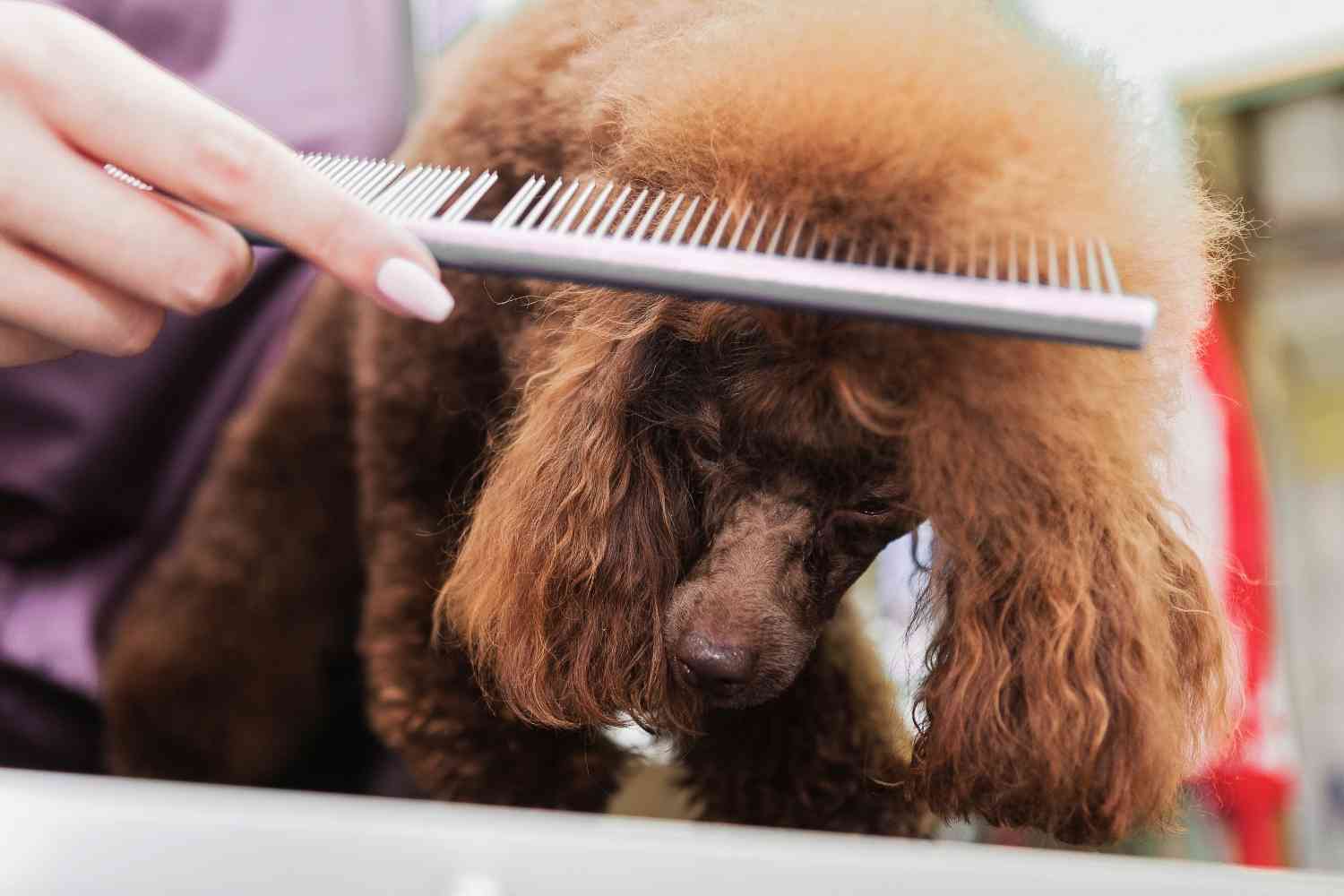
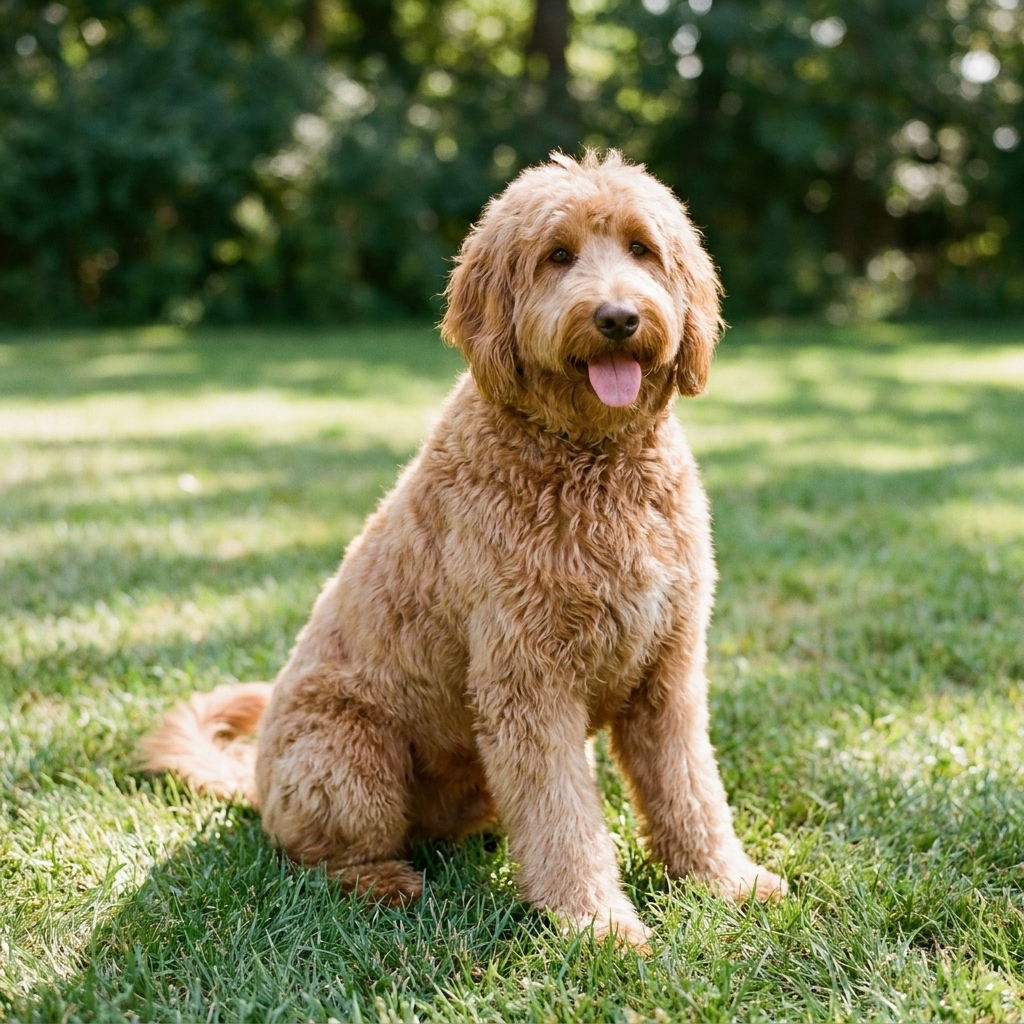
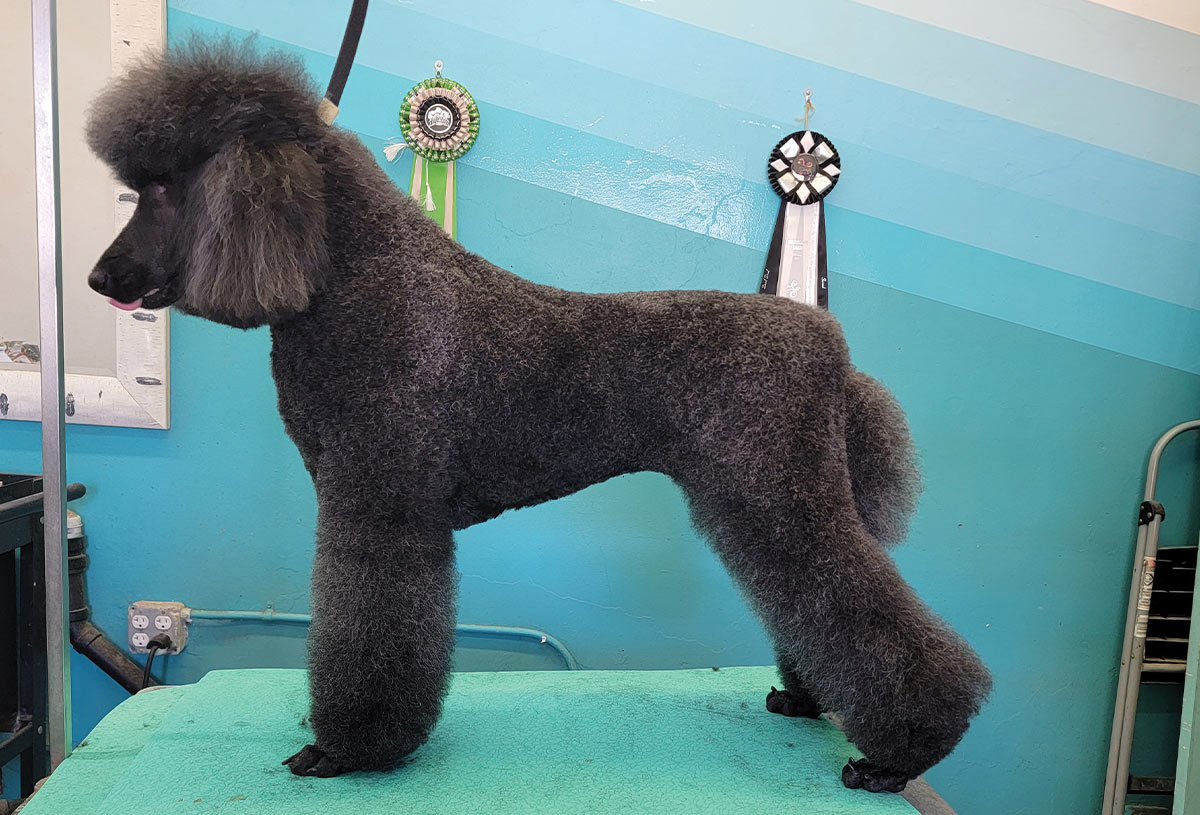
Curly and “hair” coats (Poodles and doodle types)
Typical bath schedule: every 3 to 6 weeks (often paired with a trim)
Breed examples: Poodle (all sizes), Bichon Frise, Portuguese Water Dog, Labradoodle, Goldendoodle
Curly coats tend to hold onto allergens, dirt, and odors, and they mat easily. A consistent bath-and-blow-dry routine plus line brushing is the difference between a fluffy teddy bear and a painful, tight mat situation.
Wire coats
Typical bath schedule: every 6 to 10 weeks
Breed examples: Wire Fox Terrier, Schnauzer, Border Terrier, many wirehaired mixes
Wire coats are often maintained with hand-stripping or specific grooming techniques. Too much shampooing can soften the texture over time, which can affect that crisp, functional wire feel many owners want. Regular brushing and professional grooming can matter more than frequent baths.
Hairless and very thin coats
Typical bath schedule: every 1 to 3 weeks (varies widely)
Breed examples: Chinese Crested (hairless), Xoloitzcuintli
Hairless dogs can build up oils and grime on the skin, so they often need more frequent bathing with a very gentle cleanser. They also need sun protection and, in many cases, a vet-approved moisturizer or skin routine. If you have a hairless breed, it is worth getting a vet-approved plan.
Wrinkly, fold-heavy breeds
Typical bath schedule: every 4 to 6 weeks, plus frequent fold care
Breed examples: English Bulldog, French Bulldog, Shar-Pei, Pug
The bath schedule matters, but fold maintenance is the real key. Moisture trapped in skin folds can lead to irritation and yeast overgrowth. Many dogs do best with routine wipe-and-dry fold care several times per week, sometimes daily.
Breed cheat sheet
Individual dogs vary, but these ranges tend to work well for healthy skin. When in doubt, start on the longer end and adjust.
| Breed | Typical bath frequency | Why |
|---|---|---|
| Labrador Retriever | Every 4 to 6 weeks | Many have oilier coats, odor can build faster |
| Golden Retriever | Every 6 to 8 weeks | Feathering traps debris, but skin can dry with over-bathing |
| German Shepherd | Every 8 to 12 weeks | Double coat benefits from brushing more than bathing |
| Siberian Husky | Every 8 to 12 weeks | Often stays surprisingly clean, heavy shedding seasons need brushing |
| French Bulldog | Every 4 to 6 weeks | Skin folds need routine care between baths |
| English Bulldog | Every 4 to 6 weeks | Wrinkles and skin sensitivity are common |
| Poodle | Every 3 to 6 weeks | Curly coat mats and holds allergens |
| Goldendoodle | Every 3 to 6 weeks | Coat varies, mat risk is high without routine grooming |
| Shih Tzu | Every 4 to 6 weeks | Long coat tangles and picks up debris |
| Yorkshire Terrier | Every 3 to 6 weeks | Silky hair shows dirt quickly, often paired with trims |
| Beagle | Every 6 to 10 weeks | Short coat, some get that classic “hound” smell |
| Dachshund (smooth) | Every 6 to 10 weeks | Low-maintenance coat, spot clean often |
| Cavalier King Charles Spaniel | Every 4 to 8 weeks | Feathering and ear area can hold odor |
| Cocker Spaniel | Every 3 to 6 weeks | Coat and ears need consistent hygiene |
| Chihuahua (smooth) | Every 6 to 10 weeks | Easy coat, avoid drying tiny skin out |
| Schnauzer | Every 6 to 10 weeks | Wire coat care and professional grooming rhythms |
If your dog is a mixed breed (most of my favorite clients are), use the coat type that best matches them and then adjust based on smell, flaking, and lifestyle.
Signs your dog needs a bath
Forget the calendar for a second. These are the real-life signs I tell clients to look for:
- They feel greasy or sticky when you pet them, especially along the back and shoulders.
- That dog smell is lingering even after brushing.
- The coat looks dull or clumpy instead of fluffy or smooth.
- Visible dirt on the belly, legs, or tail feathering.
- Allergen season support: your dog is bringing in pollen and your vet agrees more frequent bathing helps.
One important note: if your dog smells yeasty (many people describe it as “corn chips”) or has redness, hair loss, scabs, or intense itchiness, do not just bathe more often. That smell can be associated with yeast overgrowth and other skin problems, and you will get farther, faster by calling your veterinarian for targeted help.
How often is too often?
For most healthy dogs, bathing more than once a week with regular shampoo is usually unnecessary and can dry the skin out. There are exceptions, mainly when a veterinarian prescribes medicated baths for a skin condition.
If you are bathing frequently because of odor, think “why” before you think “more shampoo.” Chronic smell can come from:
- Skin infection (bacterial or yeast)
- Ear infection
- Anal gland issues
- Dental disease
- Coat not drying fully after baths or swims
Bathing tips for healthy skin
Use dog shampoo, not people shampoo
Human products are formulated differently and can irritate canine skin. Choose a mild, dog-specific shampoo unless your veterinarian recommends a medicated option.
Rinse like you mean it
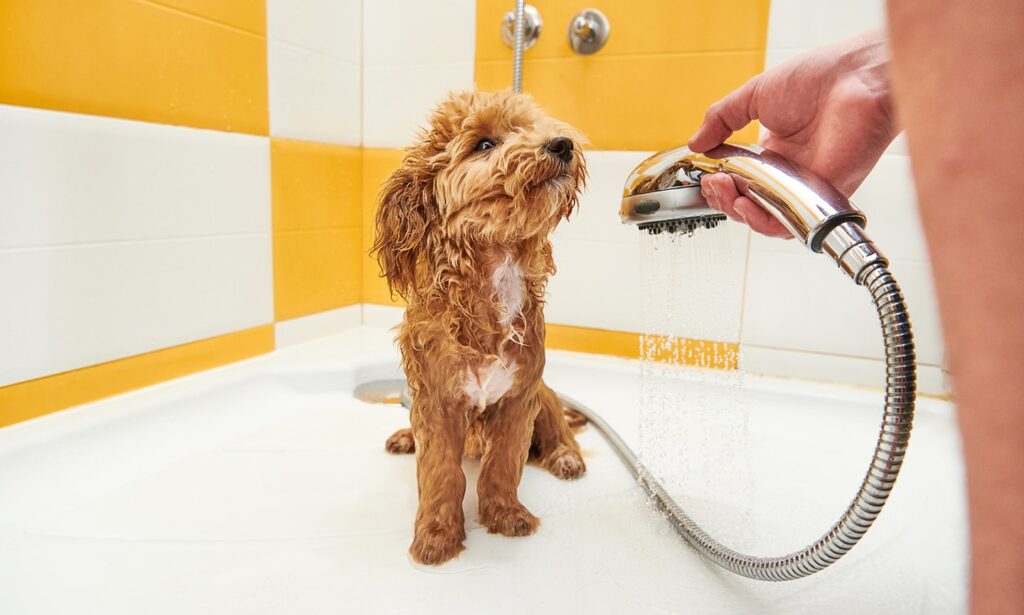
A very common cause of post-bath itchiness is leftover shampoo residue. Rinse longer than you think you need, then rinse again. Pay attention to armpits, groin, and under the collar area.
Dry all the way
Moisture trapped in the coat can contribute to hot spots and yeast, especially in thick-coated and wrinkly breeds. Towel dry well. If you use a dryer, keep it on low heat and keep it moving.
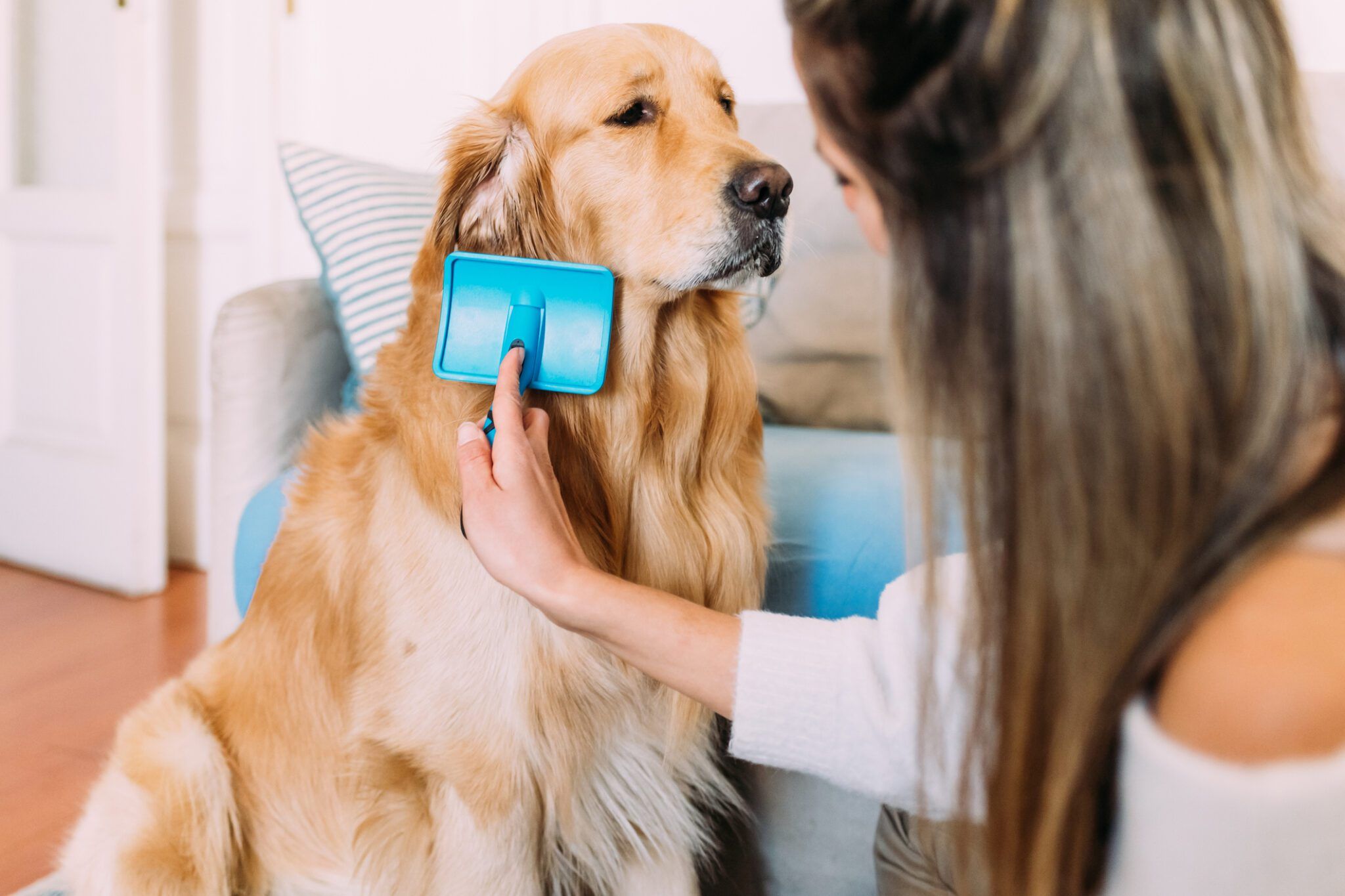
Brush before and after
Brushing before a bath helps water and shampoo reach the skin. Brushing after (once dry) prevents tangles and mats, especially in doodles and long coats.
Skip heavy fragrance
Strong scents can irritate sensitive dogs and can mask underlying skin issues. “Clean” should smell like nothing much at all.
Quick safety checklist
- Use lukewarm water and keep the spray gentle, especially on seniors.
- Avoid eyes and ears, and do not put anything down the ear canal.
- Call a vet for unusual exposures like pesticides, gasoline, paint, or chemical spills. Some situations call for immediate rinsing, but you still want poison control or vet guidance on what to do next.
Puppies, seniors, and allergies
Puppies
Healthy puppies can usually follow the same coat-based schedule, but keep baths calm and short. Use a gentle puppy shampoo, keep water warm (not hot), and focus on handling practice with lots of treats.
Senior dogs
Older dogs may have drier skin or arthritis, making slippery tubs stressful. Non-slip mats, handheld sprayers, and shorter baths help a lot. If standing is hard, consider professional grooming or a self-serve dog wash with ramps.
Allergies
For environmental allergies, veterinarians sometimes recommend more frequent baths to remove pollen and allergens. This is where shampoo choice matters most. Follow your vet’s plan and watch for dryness, flaking, or increased itching.
Between-bath cleanup
- Spot clean muddy paws and bellies with warm water and a washcloth.
- Brush regularly to lift dirt, spread natural oils, and reduce odor.
- Use dog-safe wipes for quick cleanups, especially for wrinkly faces and post-meal beards.
- Rinse after swimming in chlorinated pools or salt water, then towel dry well.
- Keep ears dry during baths, and talk to your vet if your dog is prone to ear infections.
Bath-time training
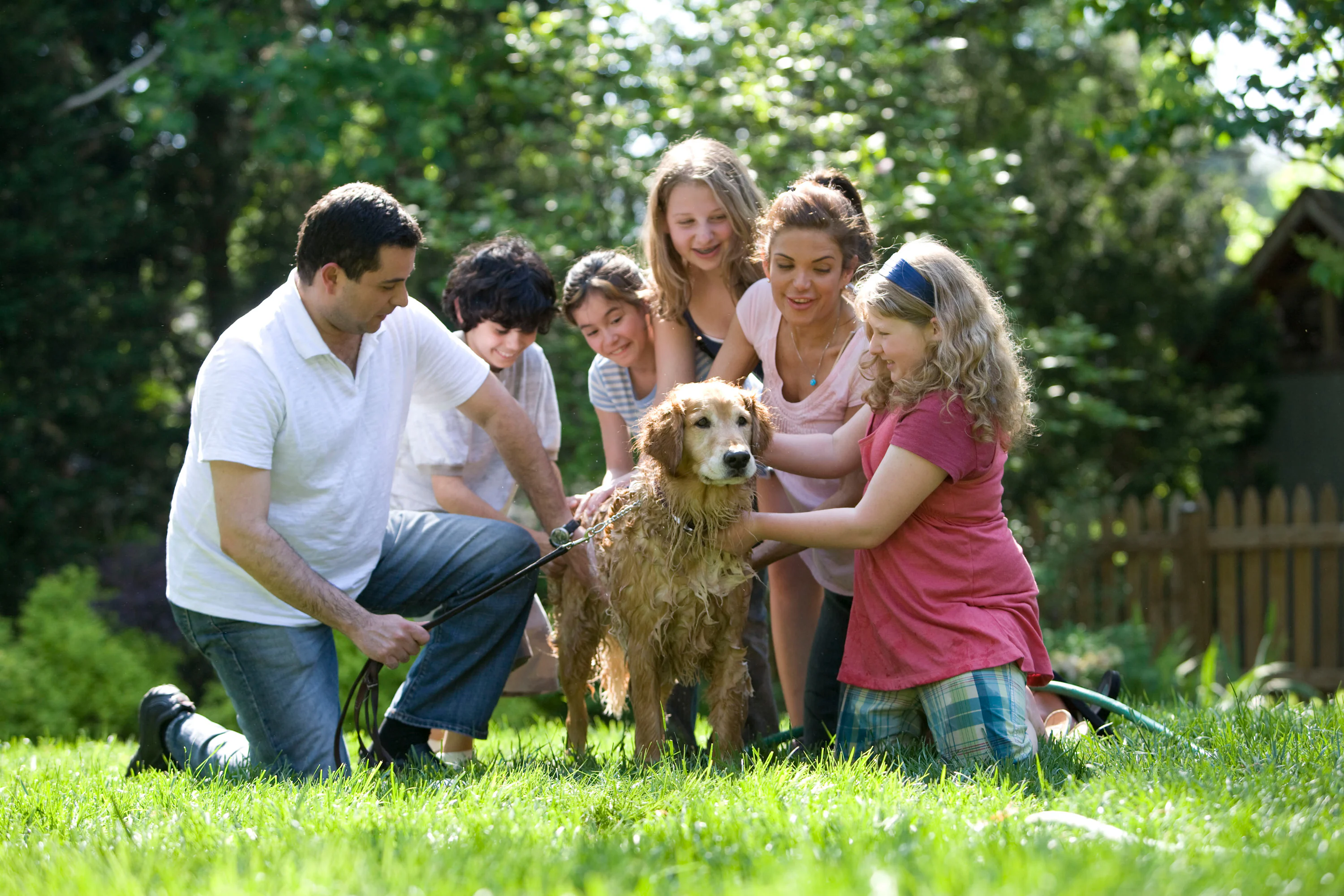
As someone who has coached a lot of bath-resistant dogs through this process, I love turning bath time into a predictable routine instead of a wrestling match.
Try this simple plan
- Prep first: towels, shampoo, brush, treats.
- Non-slip footing: a rubber mat in the tub or shower.
- Reward tiny steps: treat for getting in the tub, treat for staying, treat for water turning on.
- Keep sessions short: especially for puppies and nervous dogs.
- End on a win: a favorite chew, a towel rubdown, or a calm sniff walk afterward.
If your dog panics, freezes, snaps, or tries to escape, that is not “stubborn.” It is fear. A qualified trainer can help you build a cooperative care plan, and your vet can discuss anxiety support if needed.
FAQ
Can I bathe my dog every week?
Some dogs can tolerate weekly baths if you use a gentle dog shampoo and rinse extremely well, but for many dogs it leads to dryness. Weekly bathing is more common when a vet prescribes medicated baths for a skin issue.
How often should I bathe my indoor dog?
Indoor dogs usually land around every 6 to 10 weeks, depending on coat and shedding. Brushing and spot cleaning often reduce the need for frequent full baths.
My dog smells bad right after a bath. Why?
Common causes include not drying fully, shampoo residue, underlying skin infection, or dirty ears. If the odor is persistent or accompanied by itching or redness, check in with your veterinarian.
Do I need conditioner?
Conditioner can help long, curly, or dry coats and can reduce tangles. Choose a dog-specific conditioner and rinse thoroughly. Avoid heavy products if your dog has oily skin or frequent skin issues unless your vet recommends them.
Is dry shampoo safe for dogs?
Some dog-specific waterless shampoos are helpful for in-between cleanups, especially for seniors or cold weather. Avoid human dry shampoo, avoid the eyes and mouth, and do not use it to cover up a medical odor problem.
Bottom line
Most dogs do well with baths every 4 to 8 weeks, but your best schedule depends on coat type, skin health, and lifestyle. If you are ever stuck between “too stinky” and “too itchy,” start with gentler products, longer rinses, more brushing, and a quick check with your vet for any underlying skin trouble.
Your dog does not need to smell like a cupcake to be clean. They just need comfortable skin, a healthy coat, and a bath routine that fits real life.