A practical guide to Poodle brushing, grooming schedules, puppy coat changes, and ear care, with step-by-step tips to prevent painful mats.
If you have been researching Goldendoodles for more than five minutes, you have probably seen a confusing alphabet soup: F1, F1B, F2, multigen, and sometimes even “double doodle.” As a trainer and former vet tech, I can tell you the labels are useful, but only if you know what they can and cannot predict.
Goldendoodle “generations” describe the breeding pathway back to the original Golden Retriever and Poodle cross (for example, first cross, backcross, doodle-to-doodle). They are most often used to talk about coat type, shedding, and the odds of an allergy-friendlier coat. What they do not guarantee is temperament, size, or health. Those depend heavily on the individual parents, early socialization, and responsible breeding practices.
Quick size note: a lot of people assume an “F1B” is automatically smaller. Generation does not determine size. Size is driven mostly by the Poodle size used (toy, miniature, standard) plus the genetics of both parents.
Quick definitions: what F1, F1B, and F2 mean
Think of “F” as shorthand for “filial,” a genetics term breeders use to label generations. The number and letters that follow tell you how the parents were bred.
- F1 Goldendoodle = Golden Retriever x Poodle (first generation cross)
- F1B Goldendoodle = F1 Goldendoodle x Poodle (a backcross, usually to increase curl and reduce shedding)
- F2 Goldendoodle = F1 Goldendoodle x F1 Goldendoodle (second generation doodle-to-doodle)
You may also see:
- F1BB = F1B Goldendoodle x Poodle (even more Poodle influence)
- Multigen = a Goldendoodle bred from Goldendoodle parents for multiple generations (often F3 and beyond)
- Double doodle = a cross between two doodle mixes (for example, a Goldendoodle x Labradoodle). Because more breeds are involved, traits like coat and size can be even less predictable unless the breeder is tracking outcomes carefully.
Why generations matter most: coat, shedding, and allergy expectations
People are usually shopping generations because someone in the household has allergies or they want low shedding. Here is the most important, slightly annoying truth:
No Goldendoodle can be guaranteed hypoallergenic. Allergies are most commonly triggered by proteins in dander, saliva, and urine, not the hair itself. Hair and coat can still matter because allergens stick to the coat and get distributed through shedding, rubbing on furniture, and normal household dust.
That said, generation can shift the odds of getting a lower-shedding coat.
Common coat terms you will hear
These are informal labels you will hear breeders and owners use. They are useful for conversation, but they are not a standardized scientific classification.
- Straight (hair coat): tends to look more Golden-like and typically sheds more.
- Wavy (fleece coat): common in many doodles, moderate-to-low shedding but not always.
- Curly (wool coat): more Poodle-like, often the lowest shedding, but higher grooming needs.
Coat type is influenced by multiple genes. That is why two puppies in the same litter can surprise you.
F1 Goldendoodles: the classic first-generation cross
Parents: Golden Retriever x Poodle
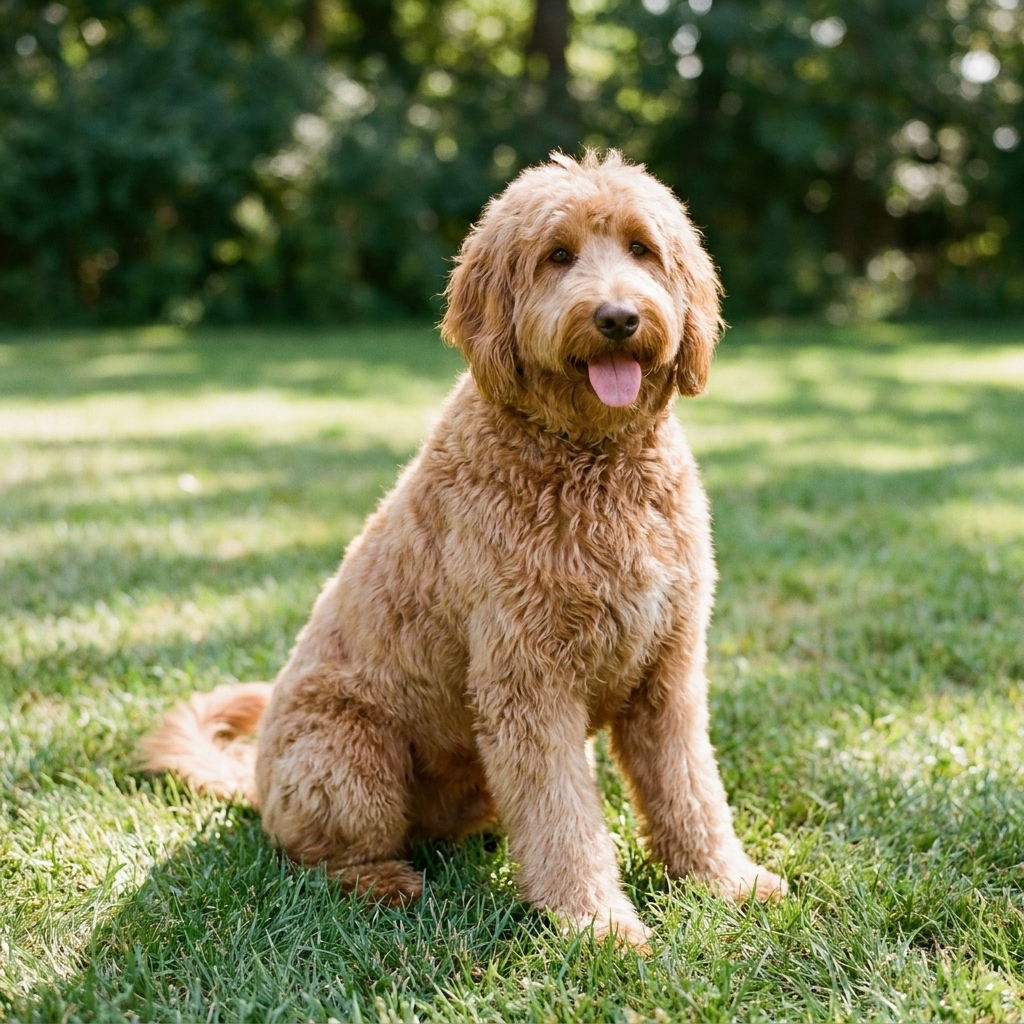
F1s are what most people picture when they imagine a Goldendoodle. Coat results can be variable because you are blending two very different coat types in one step.
What to expect from an F1 coat
- Coat range: straight to wavy to curly (often wavy)
- Shedding: low to moderate, sometimes higher if the coat leans Golden
- Allergy-friendlier odds: mixed, depends on the individual coat and grooming routine
Who an F1 can be great for
- Families who are not severely allergy sensitive but still want a potentially lower-shedding dog
- People who like the “teddy bear” look and are okay with some unpredictability
- Homes that can commit to routine brushing and professional grooming
Trainer tip: Coat aside, the biggest make-or-break factor I see in doodle success is early training. Ask what the breeder is doing for early socialization, handling, crate exposure, and sound desensitization. A beautiful coat does not help if a puppy arrives under-socialized and overwhelmed.
F1B Goldendoodles: usually curlier and often lower shedding
Parents: F1 Goldendoodle x Poodle
The “B” stands for backcross, meaning the breeding goes back to one of the original breeds. Most commonly, that is a Poodle, because breeders are aiming for a curlier, lower-shedding coat.
What to expect from an F1B coat
- Coat range: wavy to curly (often more consistent than F1)
- Shedding: often low, but not always “no shedding”
- Allergy-friendlier odds: often better than F1, still not guaranteed
The tradeoff: grooming needs usually go up
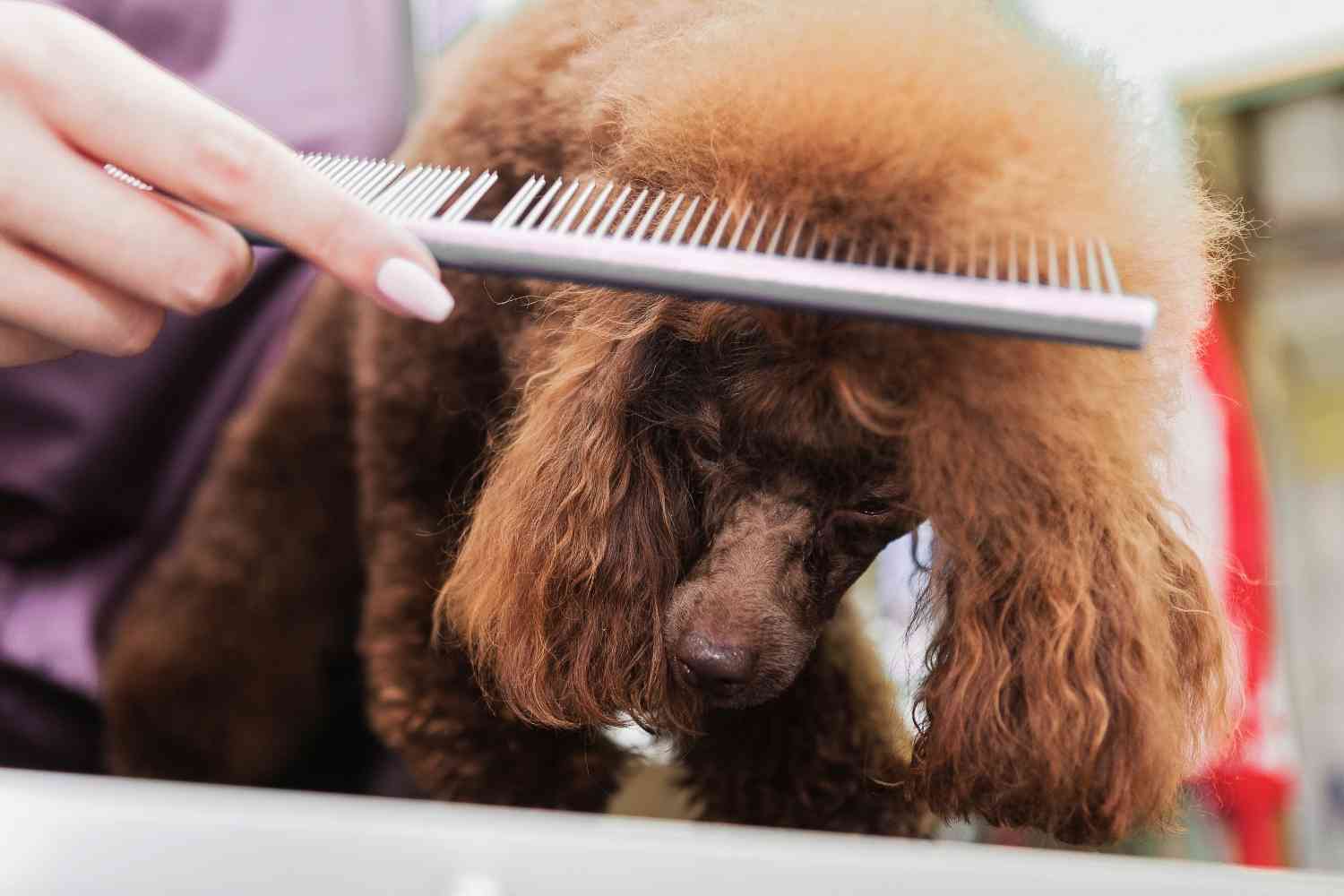
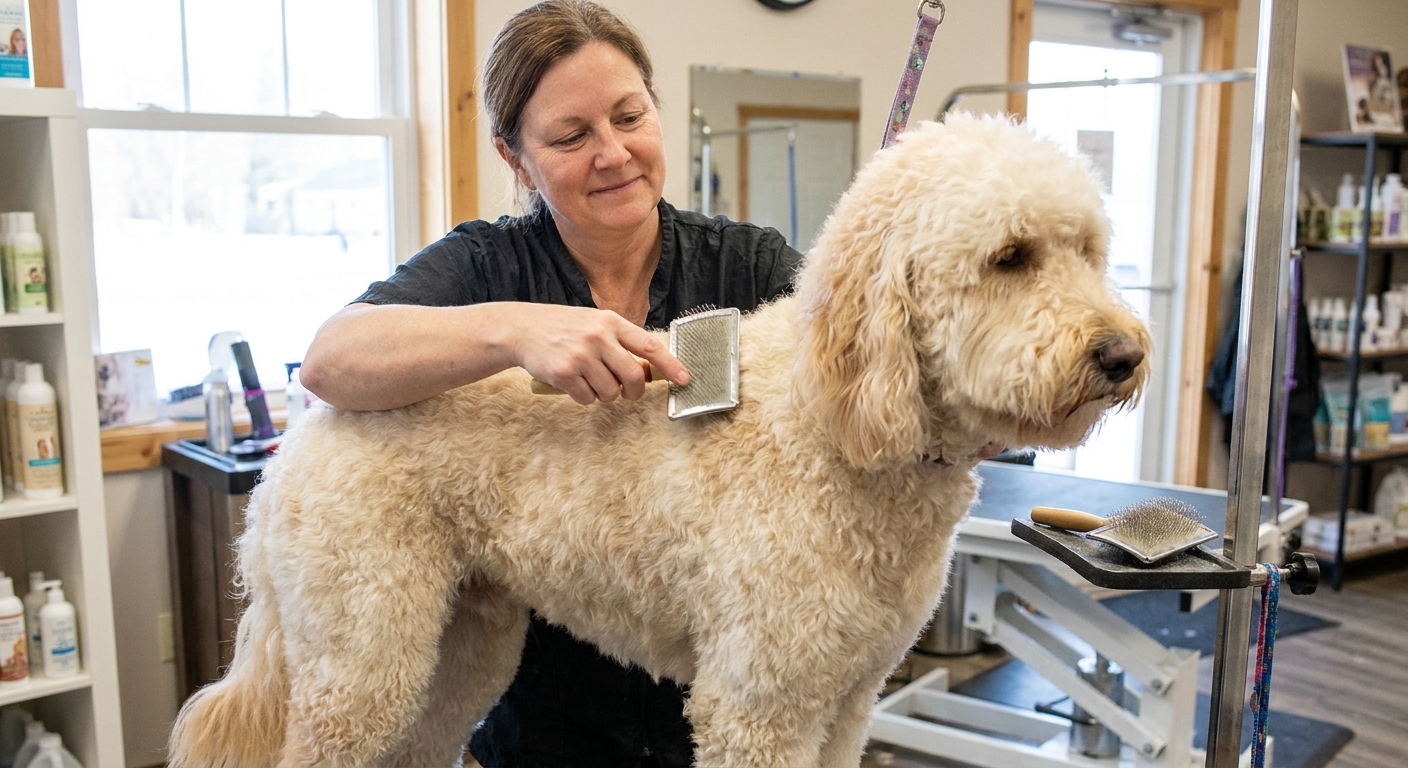
Curly and dense coats can be wonderful for reduced shedding, but they are also champions at forming mats if maintenance slips. Matting is not just cosmetic. Tight mats can pull skin, trap moisture, and hide hot spots.
Many F1B owners do best with:
- Brushing at least 3 to 5 times per week (daily for tight curls, longer coats, or during coat change)
- Line brushing to the skin, not just skimming the top
- Professional grooming every 6 to 8 weeks on average (this varies by coat length, curl tightness, lifestyle, and whether you keep a shorter trim)
Vet tech reality check: If your household is already stretched thin, choosing the lowest-shedding option but skipping grooming is a recipe for discomfort for the dog and expensive shave-downs. Pick a coat you can maintain.
F2 Goldendoodles: doodle-to-doodle and often variable
Parents: F1 Goldendoodle x F1 Goldendoodle
F2s can be delightful dogs, but coat predictability often gets trickier. When two mixed dogs are bred together, you can see a wider spread of inherited traits across the litter. Some well-managed lines are more consistent than others, so outcomes depend on the parents and the breeder’s track record.
What to expect from an F2 coat
- Coat range: straight, wavy, or curly, sometimes within the same litter
- Shedding: can range from low to moderate, with some pups shedding more than expected
- Allergy-friendlier odds: variable, highly puppy-specific
If reduced shedding is your top priority, an F2 is the generation where you really want a breeder who can show:
- photos of adult relatives (not just puppies)
- clear descriptions of parent coats and shedding
- honest guidance on which puppy in the litter is most likely to match your goals
Multigen Goldendoodles: what it can and cannot mean
“Multigen” usually refers to Goldendoodles bred from Goldendoodle parents for multiple generations (often F3 and beyond). In some programs, multigen breeding can produce more consistent coats because the breeder is selecting for specific coat traits over time.
But multigen is not automatically more predictable. If a program is not tracking adult outcomes or is mixing a wide range of coat genetics, a multigen litter can still produce a spread of coat types and shedding levels. Ask for adult photos, grooming routines, and honest shedding descriptions from prior litters.
Generation comparison: what most owners want to know
| Generation | Parents | Coat predictability | Typical shedding | Typical grooming needs |
|---|---|---|---|---|
| F1 | Golden Retriever x Poodle | Medium | Low to moderate | Moderate |
| F1B | F1 x Poodle | Higher (often curlier) | Often low | High |
| F2 | F1 x F1 | Often lower (more variation) | Low to moderate | Moderate to high |
Important: These are general trends, not promises. The individual dog in front of you matters most.
Does “hypoallergenic” mean safe for allergies?
In real households, “hypoallergenic” tends to mean “less likely to trigger symptoms,” not “allergy-proof.” Some people with mild allergies do fine with certain doodles. Others react even to Poodles. It is extremely individual.
How to test before you commit
- Spend time with adult dogs from the same breeder line if possible.
- Do a longer visit, not a five-minute hello. Sit on the couch. Let the dog lean on you. See how you feel later that day.
- Ask the breeder not to bathe the dog right before your visit. A freshly washed coat can temporarily reduce allergens and give a false sense of security.
- Plan your home routine: HEPA vacuuming, washable dog bedding, frequent grooming, and keeping the dog out of the bedroom can make a big difference.
Choosing a generation: quick best-fit guide
If low shedding is your top priority
An F1B is often the best place to start, with the expectation that grooming will be a real weekly commitment.
If you want the classic doodle look
An F1 can be a great match, especially for families who want a friendly companion and are okay with coat variability.
If you are open-minded about coat outcomes
An F2 can be wonderful, but go in knowing coat traits may vary widely, even among siblings.
If you are truly allergy-sensitive
Look beyond the label. Prioritize breeders who can show consistent adult coat outcomes in their lines and who will be honest if your home is not a good match. Also consider whether a well-bred Poodle might meet your needs more reliably.
Health and ethics: what matters more than a label
One more reality check from the clinic side: a crossbreed is not automatically healthier. Responsible breeding is what reduces risk, not the word “doodle” on a listing.
When you are evaluating a breeder, ask for proof of health testing that matches Golden Retriever and Poodle risks. A DNA panel can be helpful, but it is not the whole picture. Depending on the lines, that often includes orthopedic screening (hips and elbows), eye exams, and heart testing, plus breed-relevant genetic tests (such as prcd-PRA and other heritable conditions a vet can interpret with you).
If a breeder cannot explain what they test, why they test it, and how they use the results to make breeding decisions, the generation label is not going to save you from heartbreak later.
Coat change: the sneaky matting stage
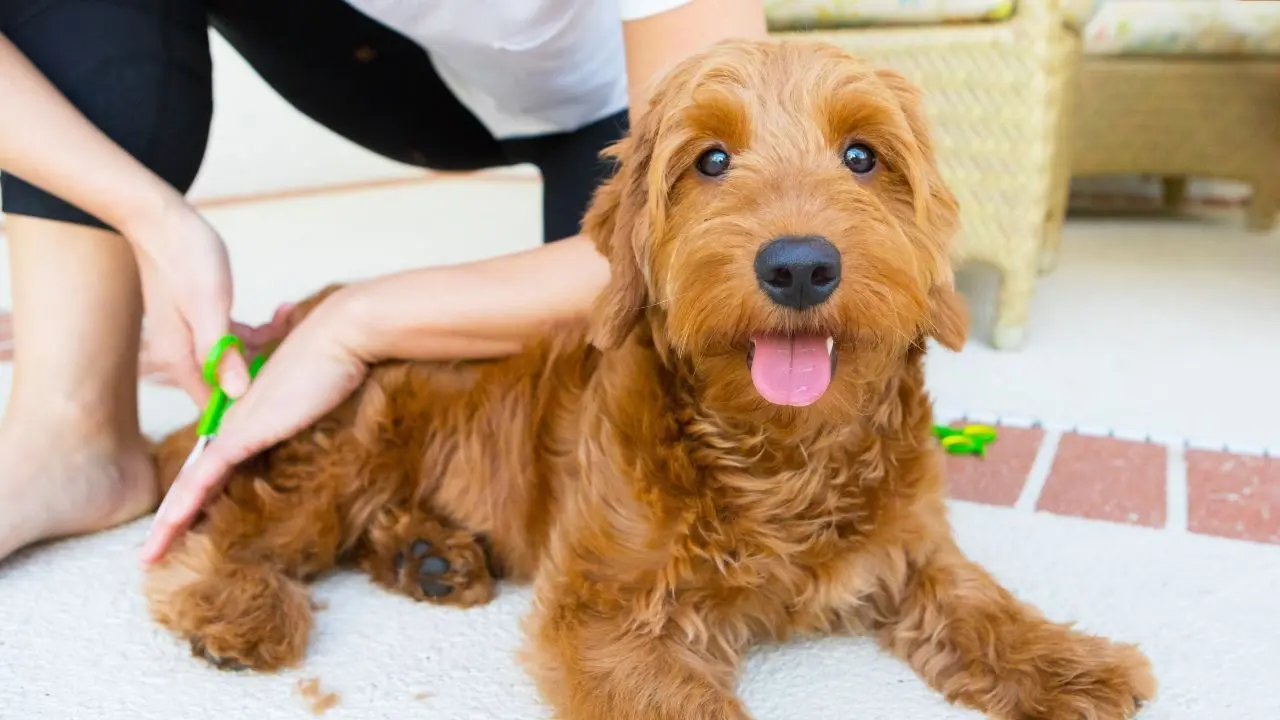
Many Poodle mixes go through a coat change as they move from puppy coat to adult coat, often in adolescence. This is when owners who thought grooming was “going fine” suddenly find mats forming faster, especially behind the ears, under the collar, in the armpits, and around the hindquarters.
If you want to avoid the shave-down spiral, plan ahead. Shorter trims during coat change, consistent line brushing, and regular professional grooming can make this stage much easier on everyone.
Questions to ask a Goldendoodle breeder (generation is not enough)
As someone who has seen the aftermath of “pretty puppy, poor planning,” I love a good checklist. Here are questions that matter just as much as F1 vs F1B.
- Can you describe the coat types of both parents and how much they shed?
- What do the adult coats look like from previous litters with the same pairing?
- What early socialization do you do? (handling, nail trims, crate exposure, novelty, sounds)
- What health testing is completed on the parents? Ask for specifics and documentation, not just “vet checked” or “DNA tested.”
- What grooming will this puppy need at 6 months and at 2 years?
- How do you match puppies to homes? A good breeder will ask you as many questions as you ask them.
Common myths (that trip owners up)
Myth: F1B means non-shedding
Reality: many F1Bs shed very little, but some still shed. Coat, hormones, seasonal changes, and grooming habits all play a role.
Myth: Generation tells you temperament
Reality: individual genetics, early handling, and training matter more than the label. Meet the parents when possible and ask about the breeder’s socialization plan.
Myth: Curly coat equals easy care
Reality: curly coats can be lower shedding but are often higher maintenance. Matting is a welfare issue, not just a style problem.
FAQ
What is the best Goldendoodle generation?
“Best” depends on your priorities. If you want the highest odds of a curlier, lower-shedding coat, many families start with an F1B. If you are flexible on shedding and want a classic first-cross doodle, an F1 can be a great fit. F2 dogs can be wonderful, but the coat can be more variable.
Are F2 Goldendoodles more likely to shed?
They can be. Because F2 litters often show a wider spread of coat types, you may see more variation in shedding. Some F2s shed very little, while others shed more than a family expected.
Do Goldendoodles get more hypoallergenic as you go from F1 to F1B?
Often, yes in the sense that F1B dogs are more likely to have curlier, lower-shedding coats. But hypoallergenic is never guaranteed. If allergies are a serious concern, spend time with adult relatives and build a realistic grooming and cleaning routine.
What generation is multigen?
Multigen generally means a Goldendoodle bred from Goldendoodle parents for multiple generations (often F3 and beyond). Depending on the breeder’s program, multigen dogs may have more consistent coat outcomes, but you still want proof through adult photos, coat descriptions, and transparent health testing.
The bottom line
Goldendoodle generation labels are a helpful starting point, especially for predicting coat tendencies and grooming needs. But the best match comes from zooming in: the actual parent dogs, the breeder’s track record for adult coats, the puppy’s individual temperament, and your household’s ability to keep up with training and grooming.
Take your short list of breeders and use these generation labels to ask practical, specific questions about adult coats, health testing, socialization, and grooming, before you commit.