A step-by-step 7-day schedule many dogs do well with when changing foods, plus troubleshooting for gas, diarrhea, picky eating, and when to slow down.
If you have ever picked up your dog’s lip and thought, “Oof… we need a plan,” you are not alone. In the vet clinic, dental disease was one of the most common issues I saw, and it sneaks up fast because plaque starts forming within hours after a meal. The good news is that the right foods, chews, and add-ons can meaningfully reduce plaque (and slow tartar) between brushings and professional cleanings.
Let’s be clear about one thing up front: nothing replaces brushing, and no chew “scrapes off” hard tartar that is already cemented to the tooth. But if we use diet-based tools correctly, we can absolutely stack the odds in your dog’s favor.

How diet helps (and where it falls short)
Dental problems start with plaque, a sticky bacterial film. If plaque is not disrupted, minerals in saliva harden it into tartar (calculus). Tartar creates a rough surface that holds even more bacteria, and then you get gum inflammation, infection, and tooth damage.
What foods and chews can do
- Mechanically disrupt plaque through abrasion or rubbing (think: a textured chew or a special kibble that doesn’t shatter immediately).
- Reduce oral bacteria with ingredients that change the mouth environment (certain water additives and dental treats).
- Support gums by reducing chronic inflammation from oral infection and improving overall nutrition.
What they cannot do
- Remove established tartar below the gumline.
- Diagnose or treat dental disease like broken teeth, abscesses, or painful gingivitis.
- Replace a professional dental cleaning when your vet recommends it.
If your dog has very bad breath, red gums, visible brown tartar, bleeding, or is dropping food, schedule a vet dental exam. Diet tools work best as prevention, not rescue.
My “vet clinic” shortcut: Look for VOHC acceptance
When I am choosing a dental chew or food, I prioritize products with the VOHC seal (Veterinary Oral Health Council). VOHC-accepted products have evidence they reduce plaque and or tartar when used as directed.
That does not mean non-VOHC products are useless, but VOHC acceptance is one of the cleanest signals we have that a product is more than marketing.
Top dental chews (veterinary-approved options)
A good dental chew should be appropriately sized, encourage chewing rather than gulping, and be used consistently. For most families, a daily dental chew is the easiest habit to keep.
1) VOHC-accepted dental treats
These are the “start here” choice for many dogs because they are convenient, consistent, and easy to dose.
- Best for: most adult dogs without complex diet restrictions
- Why they help: texture and ingredients are designed to reduce plaque, and some have additional antibacterial effects
- Watch-outs: calories add up quickly, especially for small dogs
2) Dental chews designed for longer chewing
Some chews are engineered to flex and rub along the tooth surface rather than crumble instantly.
- Best for: dogs who actually chew (not inhale)
- Why they help: longer contact time on teeth
- Watch-outs: always size up if your dog is between sizes, and supervise closely
3) Dental bones for senior dogs and gentle chewers
If your dog is missing teeth, has mild arthritis in the jaw, or simply prefers softer textures, a gentler chew can still provide daily plaque disruption.
- Best for: seniors and small dogs that struggle with harder textures
- Why they help: consistent daily friction without over-challenging the mouth
- Watch-outs: if it is too soft and disappears in 10 seconds, you are mostly feeding a treat
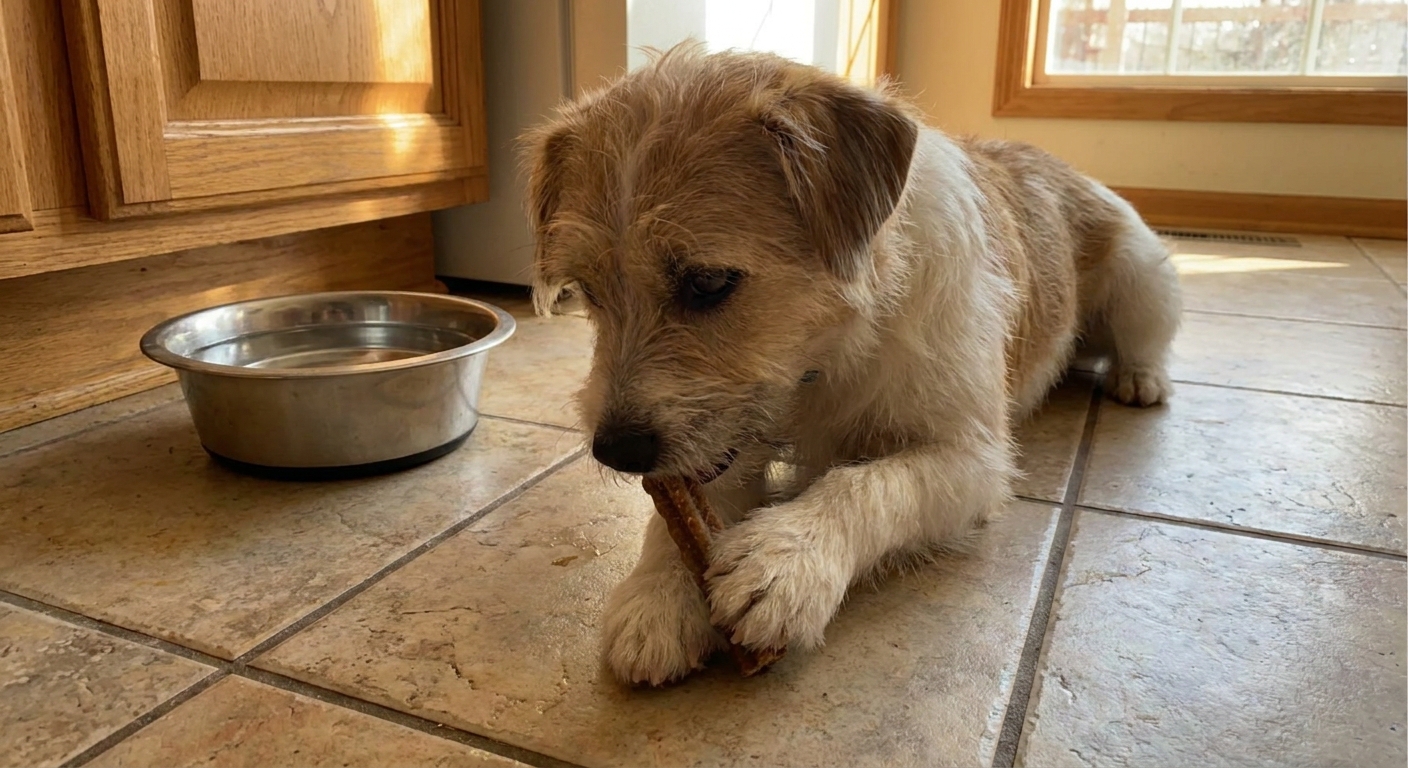
Safer chew choices (and what I skip)
Chewing is enrichment, stress relief, and jaw exercise. It can also be a fast track to fractured teeth if we choose the wrong items. In the veterinary world, slab fractures of the big chewing teeth are heartbreakingly common and often require extraction or a root canal.
Chews I usually avoid for dental purposes
- Very hard items that do not give at all (a good rule of thumb: if you cannot make an indent with a fingernail, it is likely too hard).
- Cooked bones (splinter risk, GI risk, tooth fracture risk).
- Antlers and very hard horns (high fracture risk).
- Hard nylon-style chews for aggressive chewers (some dogs do fine, but I have seen too many broken teeth).
“But my dog loves them”
I know. My own dogs would happily chew a bowling ball if I let them. If your dog is a power chewer, pick dental tools that work through controlled abrasion rather than “hardness.” And if you are ever unsure, bring the chew to your next vet visit and ask, “Is this a tooth-breaker for my dog?”
Dental kibble and prescription dental diets
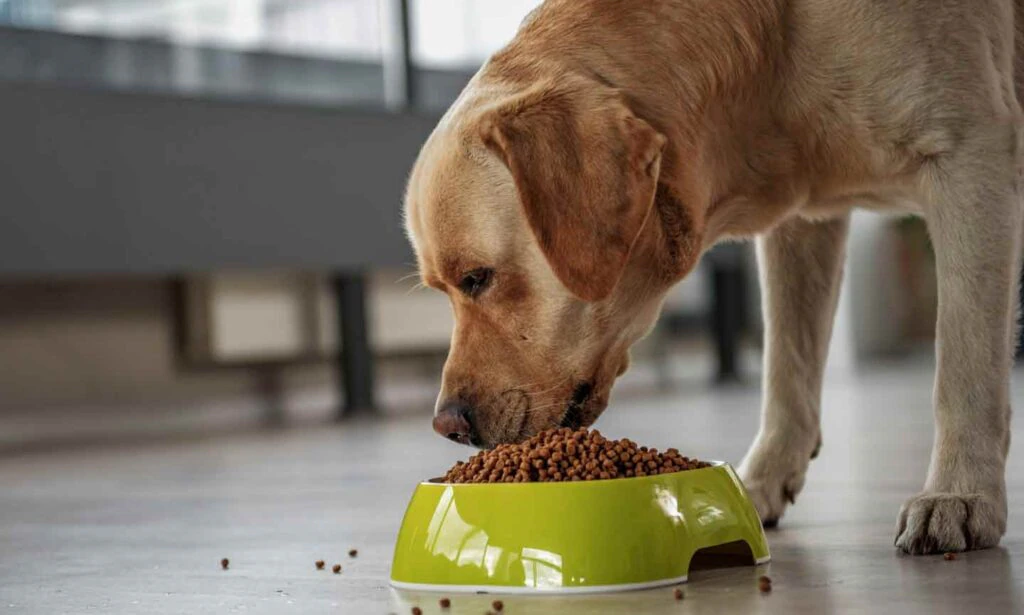
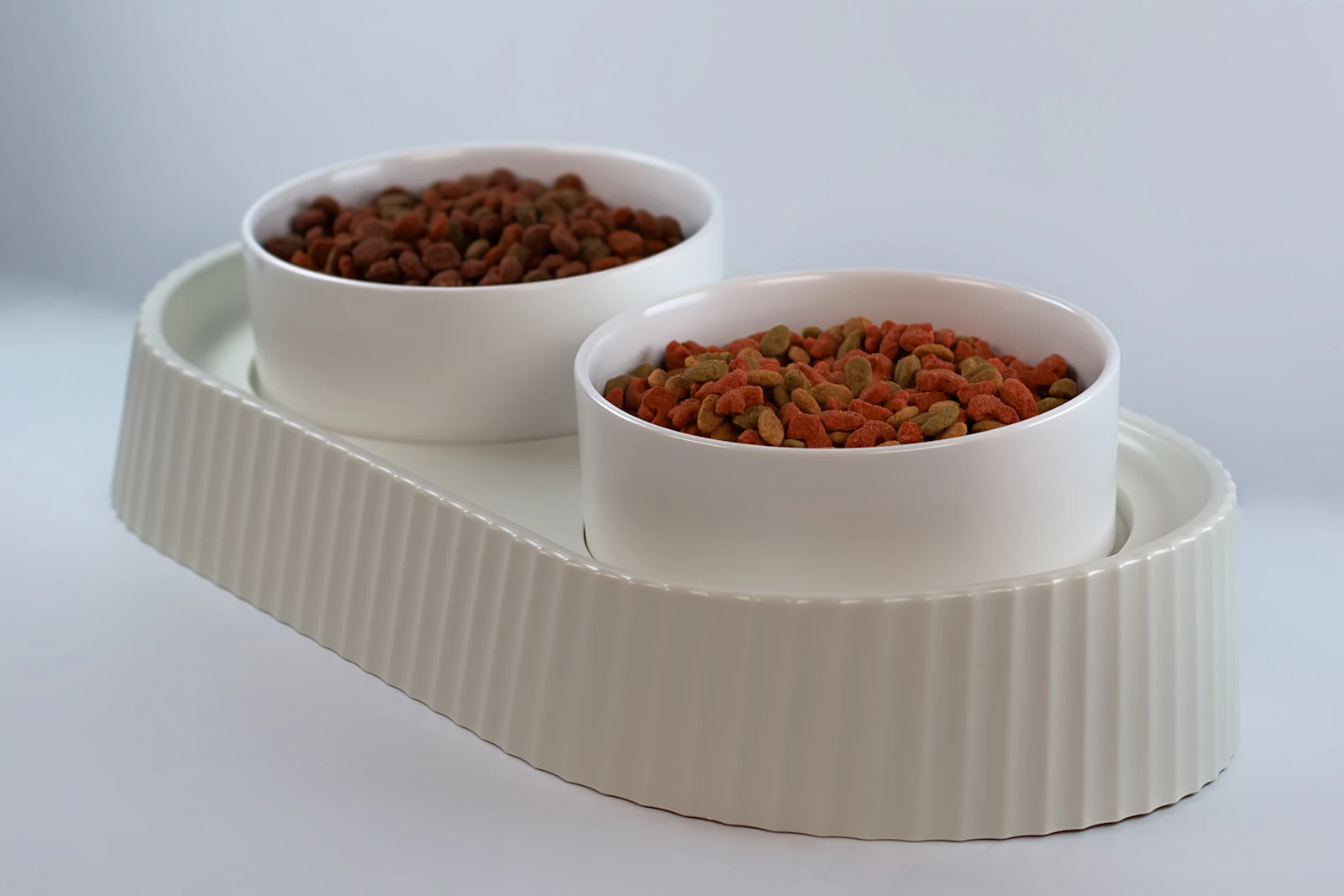
This is one of the most underrated options, especially for dogs who cannot have many treats or for families who struggle to remember a daily chew. Certain dental diets are made with kibble that is larger and structured to resist crumbling so the tooth sinks in and gets wiped as the dog bites down.
Who benefits most
- Dogs prone to tartar (many small breeds, brachycephalic dogs, and dogs with crowded teeth).
- Dogs on calorie budgets where treats push them over their daily needs.
- Multi-dog homes where it is hard to monitor who ate which chew.
Tips for using dental kibble effectively
- Measure meals so you do not accidentally increase calories.
- Transition slowly over 7 to 10 days to avoid tummy upset.
- Ask your vet if your dog needs a prescription dental diet or an over-the-counter dental formula.
If your dog has a history of pancreatitis, food allergies, or GI disease, do not swap diets without guidance. Dental gains are great, but they are not worth a flare-up.
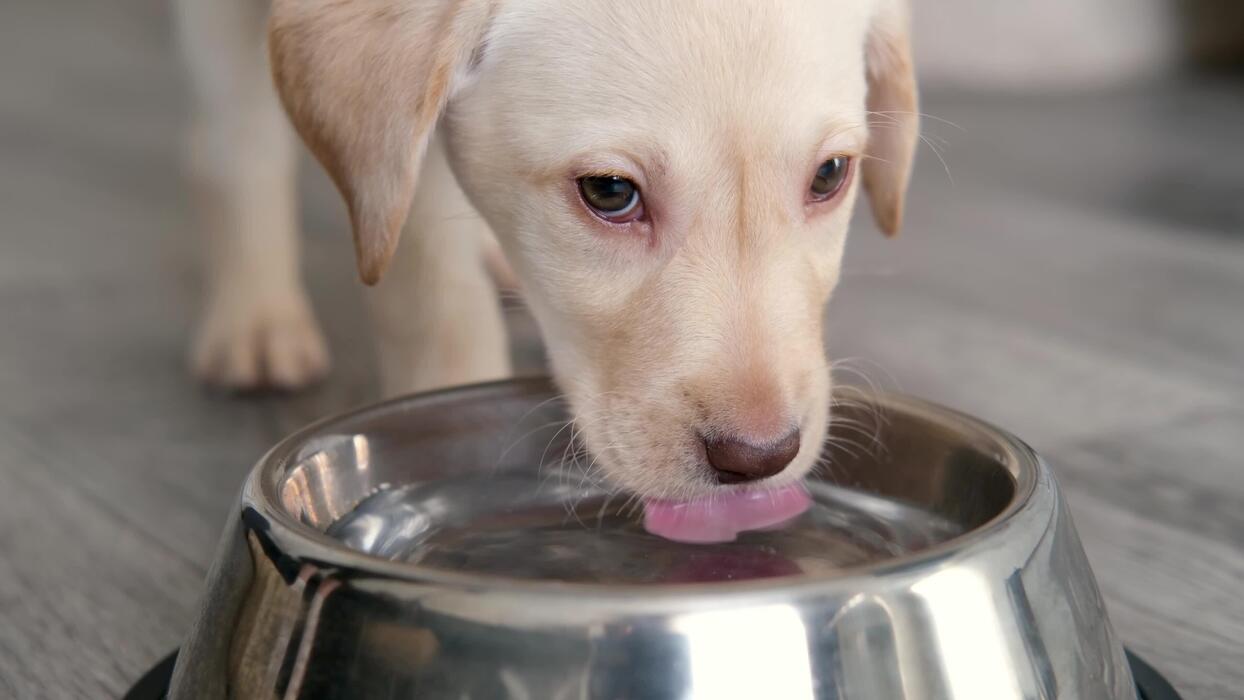
Water additives: the low-effort helper
Water additives are not magic, but they can be a nice layer of support, especially if your dog refuses brushing and you are building cooperation slowly.
What to look for
- Clear dosing instructions (per bowl or per liter).
- Palatability (if your dog drinks less, it is not a win).
- VOHC acceptance when available.
How to introduce without a protest
- Start with half dose for a few days.
- Offer a second bowl of plain water at first and see what your dog chooses.
- Wash bowls daily. Biofilm builds up and can make additives less pleasant.
Skip homemade mouthwashes and essential oils. Many are irritating, unsafe if swallowed, or simply untested.
Dental-support supplements and “tooth powders”
You will see seaweed-based powders and other oral supplements marketed for tartar. Some dogs do seem to have improved breath and reduced plaque with certain formulas, but results vary a lot.
If you want to try one, I suggest this approach:
- Choose a product with transparent ingredients and clear dosing.
- Take a before photo of your dog’s teeth in good light.
- Recheck at 4 to 8 weeks. If there is no visible improvement in plaque and breath, stop and use that budget on a VOHC chew or dental diet instead.
Also note: some supplements may not be appropriate for dogs with thyroid conditions. When in doubt, check with your veterinarian.
Raw meaty bones and dental health: a careful reality check
This topic gets spicy fast. Some owners report cleaner teeth with raw meaty bones because chewing creates abrasion. From a veterinary perspective, the concerns are real: tooth fractures, GI obstruction, and bacterial contamination risks for both pets and people in the household.
If you are considering raw bones for dental reasons, talk with your vet about your specific dog’s chewing style, health history, and your household’s risk tolerance. For many families, VOHC chews and a dental diet provide a safer path to the same goal.
My easy “stacked” dental routine (for real life)
If you want a simple plan that is realistic for most households, here is my favorite layering strategy:
- Daily: brush (even 30 seconds helps) or use a VOHC dental chew if brushing is not happening yet.
- Meals: consider a VOHC-accepted dental kibble or a dental-focused diet if tartar builds quickly.
- Bonus layer: add a water additive if your dog tolerates it and drinks normally.
- Every 6 to 12 months: vet oral exam, sooner if you see pain or heavy tartar.
Progress counts. If today all you can do is introduce the toothbrush like it is a peanut butter spoon, you are still moving forward.
Choosing the right chew for your dog
Not every dental chew fits every dog. Here are quick match-ups I use with clients.
For puppies
- Prioritize safe teething chews and start toothbrushing training early.
- Avoid very hard items while adult teeth are coming in.
For small dogs with crowded teeth
- Daily VOHC chews sized correctly for small mouths.
- Dental kibble can help if your dog actually crunches it.
For dogs who gulp
- Choose larger chews and supervise closely.
- Consider dental diets and water additives since chew-style tools may be unsafe.
For dogs with sensitive stomachs
- Introduce any chew slowly.
- Look for simpler ingredient lists and avoid very rich chews.
For dogs with dental pain or lots of tartar already
- Schedule a veterinary dental evaluation first.
- After treatment, focus on prevention tools to slow recurrence.
Common questions I hear (a lot)
Do dry foods clean dogs’ teeth?
Most regular kibble breaks apart too quickly to clean teeth meaningfully. Dental-specific kibble is different because it is designed for tooth contact and controlled breakdown.
Are dental sticks enough if I never brush?
They can help reduce plaque, but they are not a full substitute. If brushing feels impossible, start with cooperative care training and aim for incremental wins: a finger brush, then a toothbrush, then longer sessions.
How often should my dog get a dental chew?
Follow the product label, which is usually daily. Consistency matters more than “once in a while.” Always count the calories as part of your dog’s daily intake.
What is the best thing for tartar that is already there?
Once it is hardened, tartar typically requires professional removal. At-home scraping can injure gums and does not address bacteria under the gumline.
When to call your vet ASAP
Please do not try to “chew your way out” of these signs:
- Bleeding gums
- Facial swelling
- Dropping food or chewing on one side
- Sudden refusal of hard food or chews
- Very foul breath that appeared quickly
- Broken or discolored tooth
Dental pain is real pain. The sooner you address it, the easier and safer it is to treat.
The bottom line
If you want the biggest dental payoff from food and chews, focus on VOHC-accepted products, use them consistently, and pick options that match your dog’s chewing style. Think of diet-based dental care as your daily “plaque control,” then lean on your vet for exams and cleanings when tartar and gum disease start to creep in.
And if you need permission to keep treats on every counter for training and toothbrushing practice, consider it officially granted.