Spot separation anxiety early and help your dog feel safe alone using gentle, practical desensitization and daily routines that actually work.
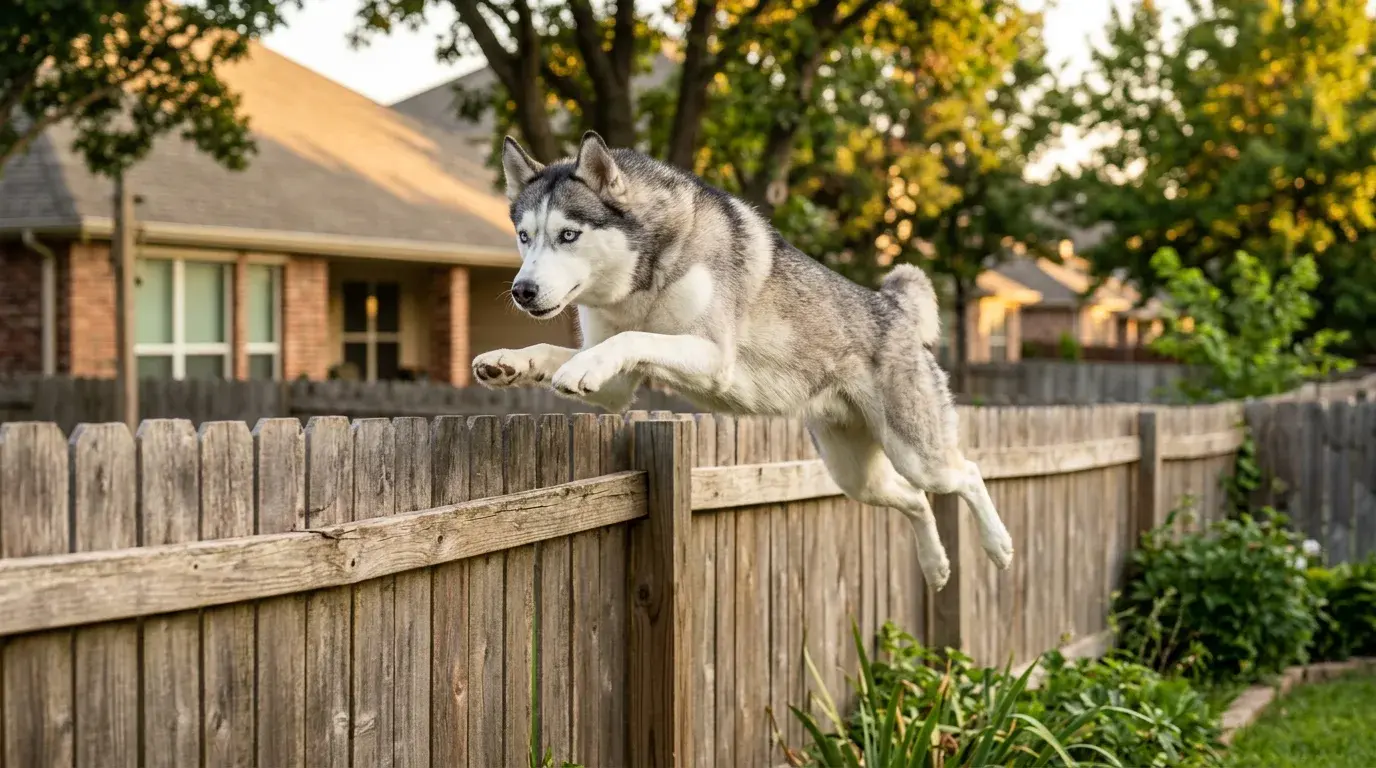
Siberian Huskies are magnetic. They are athletic, expressive, hilarious, and just independent enough to humble even very prepared dog parents. If you are living with a Husky who howls like a tiny wolf or treats your fence like a fun puzzle, you are not failing. You are seeing a very normal Husky temperament play out.
The good news: you can absolutely reduce nuisance howling, prevent escapes, and channel prey drive into safer outlets. The key is combining training (skills) with management (environment), because Huskies are problem-solvers with strong instincts.
What Husky temperament really means
Huskies were developed to run, pull, and work in teams in challenging conditions. That history often shows up in modern pet homes as a few common themes:
- High stamina and a real need for daily activity. A quick potty walk is rarely enough.
- Social and communicative. Many Huskies vocalize more than the average dog.
- Independent decision-making. They are capable, clever, and not always eager-to-please in the way some herding or sporting breeds can be.
None of those traits are “bad.” But they do mean you will get the best results when you stop trying to out-stubborn your Husky and start building routines that make good choices easier than bad ones.
Why Huskies howl (and why it often gets worse)
Howling is normal canine communication, and Huskies tend to be enthusiastic about it. Common triggers include:
- Separation-related distress or isolation. Some dogs struggle with alone time, and some simply hate being left out.
- Attention-seeking that accidentally worked. If your dog howls and you come running, the behavior is reinforced.
- Boredom and under-stimulation. A bright, under-exercised Husky will invent a job, and that job can be noisy.
- Environmental triggers. Sirens, other dogs barking, deliveries, people walking past the house.
- Excitement or frustration. Leash frustration, wanting to greet, being crated before they are ready.
Also important: scolding can backfire. For many dogs, loud human noise is exciting or arousing, and it can increase vocalizing instead of stopping it.
How to reduce howling without shutting your dog down
1) Meet the exercise need first
If your Husky is under-exercised, training will feel like pushing a boulder uphill. Aim for a combination of physical work and mental work daily, and adjust for your dog’s age, health, and weather.
- Physical: brisk walks, running with a human (once growth plates are mature), hiking, canicross, bikejoring, flirt pole sessions in a fenced area.
- Mental: sniffy decompression walks, food puzzles, scatter feeding, short training sessions, nose work games.
My rule of thumb from years as a trainer: a tired Husky is nice, but a satisfied Husky is quieter. Satisfaction comes from using their brain and body in breed-appropriate ways.
Warm-weather note: Huskies can overheat, especially in humid climates. In hot seasons, exercise early or late, favor sniff walks over hard running, bring water, and watch for signs of heat stress like heavy panting that does not settle, drooling, weakness, or bright red gums.
2) Teach a “quiet” cue the positive way
You will get better results teaching what to do instead of punishing what not to do.
- Wait for a brief pause in the howling or barking, even half a second.
- Say “quiet” in a calm voice during that pause.
- Immediately mark (“yes”) and give a treat.
- Repeat until your dog starts offering a pause faster, then slowly increase the duration before the treat.
Tip: Start when your dog is only mildly triggered. Trying to teach “quiet” during a full-volume siren duet is like teaching math during a fireworks show.
3) Reinforce calm, not just silence
Silence is not always relaxation. Reward body language that says “I am okay,” like lying down, soft eyes, choosing a chew, or going to a bed.
- Keep treats in jars (yes, I do this) and toss one when your Husky settles.
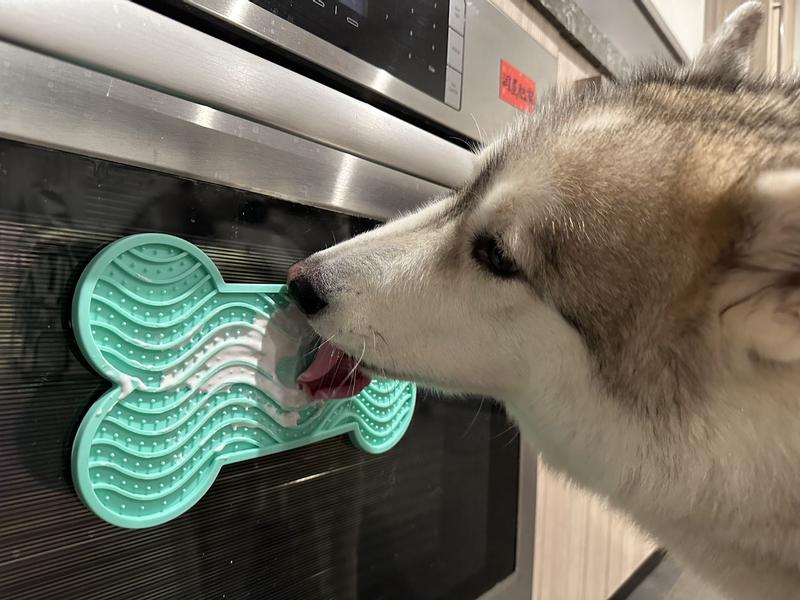
- Use a stuffed Kong or lick mat during predictable triggers like dinner prep or Zoom calls.
4) Address alone-time howling with a real plan
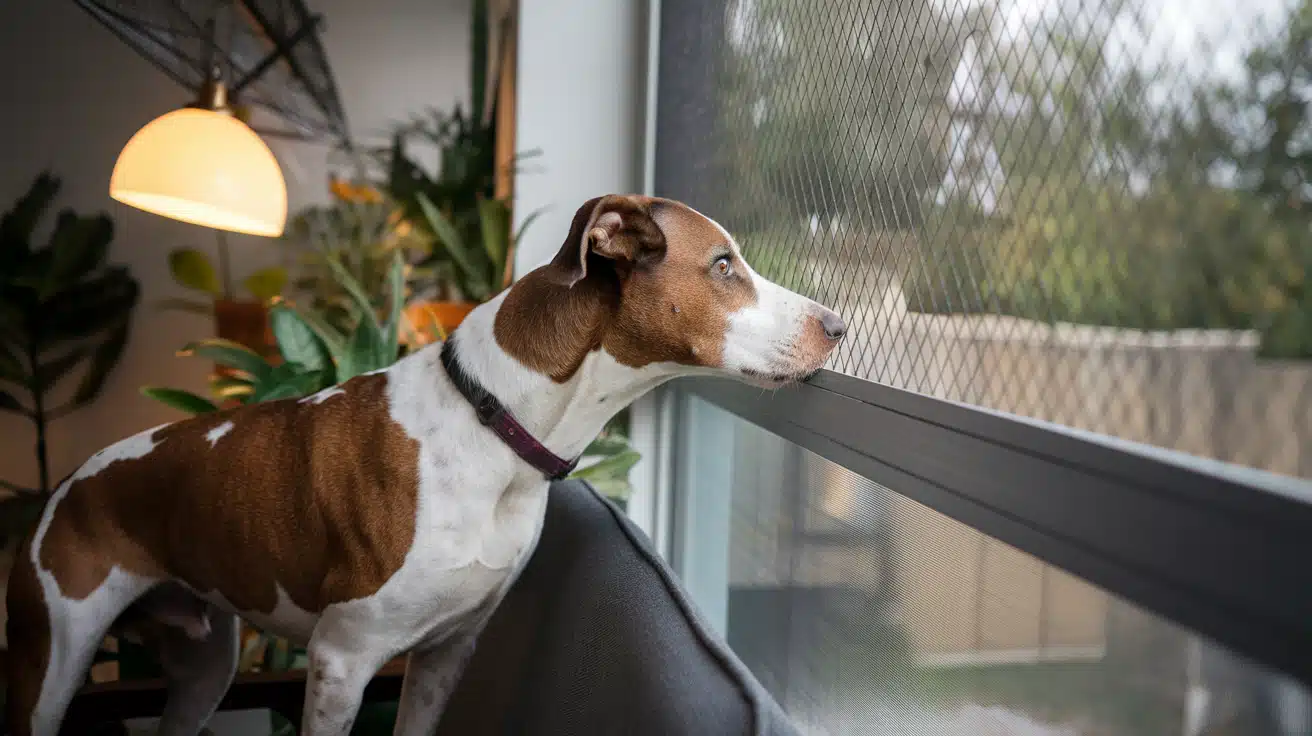
If the howling happens mainly when you leave, treat it as an alone-time training project, not a discipline issue.
- Rule out medical causes. Pain, GI upset, and cognitive changes can increase vocalization.
- Start below threshold. Practice very short departures your dog can handle, then build duration gradually.
- Use safety anchors. Predictable pre-departure routine, background noise, and high-value enrichment only given when you leave.
- Crate carefully. If crating increases panic, do not “crate through it.” Pivot to gradual crate training or a different confinement setup (like a puppy-proof room or exercise pen), ideally with professional guidance.
- Consider professional help. A CPDT-KA trainer experienced in separation-related issues or a veterinary behaviorist can make the process faster and kinder.
If your Husky is panicking, drooling, destroying doors, or injuring themselves trying to escape, skip the DIY guesswork and get support. True separation anxiety is treatable, but it needs an organized approach.
Why Huskies escape (and why it can feel personal)
Huskies are built to travel, and many are natural opportunists. Escaping is usually driven by one of these motivations:
- Exploration. The world is interesting, and your yard is familiar.
- Prey drive. Squirrels, rabbits, cats, birds, even blowing leaves.
- Social motivation. They see people, dogs, or neighborhood activity and want in.
- Frustration or boredom. If they are left alone in the yard, the fence becomes entertainment.
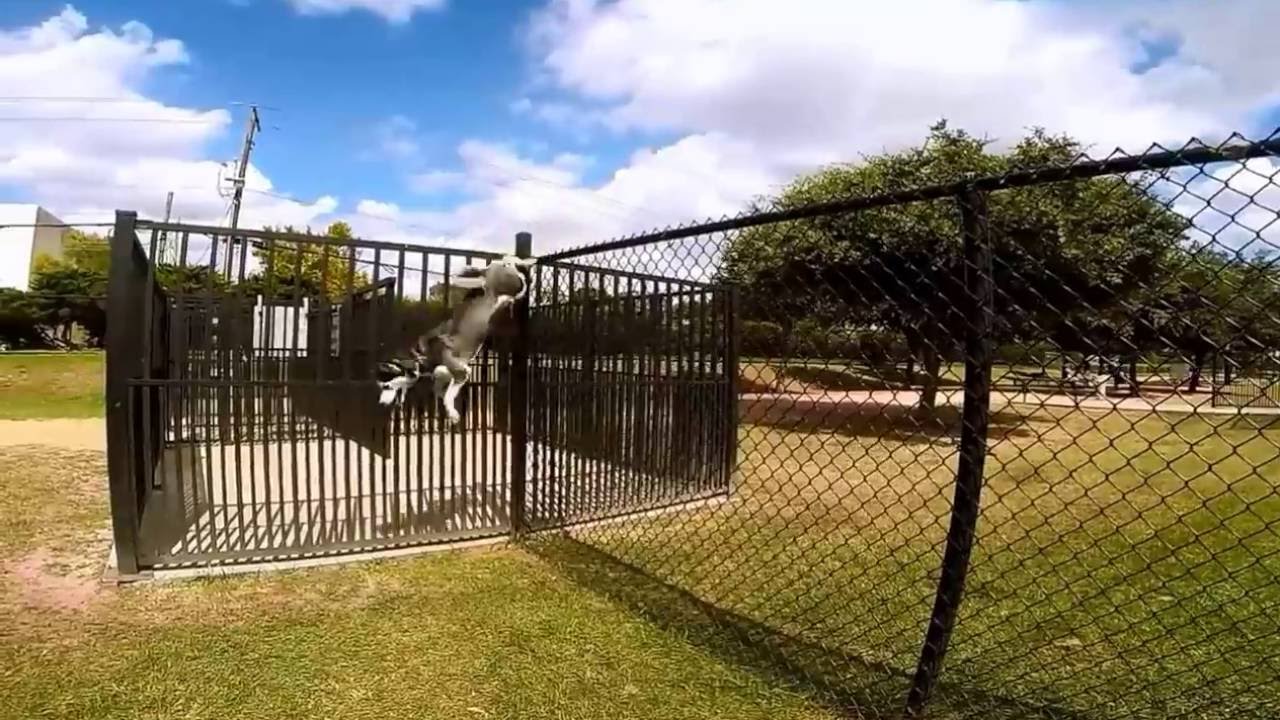
And yes, Huskies can climb, dig, wedge through surprisingly small gaps, or learn how latches work. They are not being spiteful. They are being Huskies.
Escape prevention: what actually works
1) Do not rely on the yard alone
A yard is great for potty breaks and play, but for most Huskies it is not a complete workout plan by itself. Many escape artists are dogs whose daily needs are not being met through structured activity and enrichment.
2) Supervise outdoor time or use a secure setup
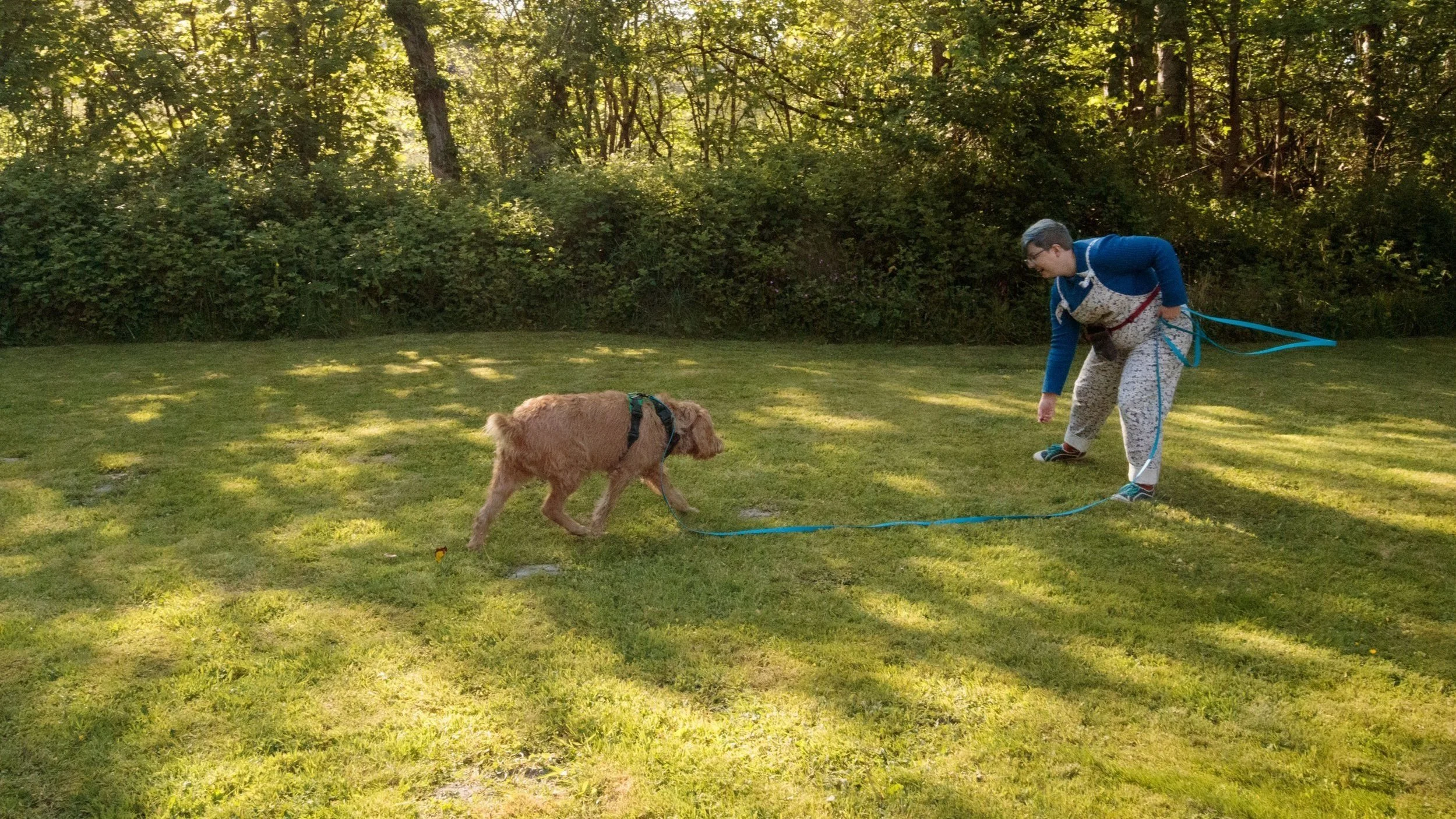
- Leash or long line: For unfenced yards or known escape artists, a 15 to 30 foot long line gives freedom with safety.
- Fence checks: Walk the perimeter weekly and after storms. Look for loose boards, gaps under gates, and dig spots.
- Double-gate routine: If possible, create an “airlock” using a baby gate or second barrier so one open door does not equal freedom.
Long line safety: Skip retractable leashes. Wear gloves if you need them to prevent rope burn, watch for tangles around legs, and for a hard-charging dog, clip the long line to a harness rather than a neck collar to reduce injury risk.
Avoid: leaving a Husky outside unsupervised for long stretches. It is one of the most common patterns I see right before repeated escapes.
3) Make fences Husky-proof, not just tall
Fence recommendations vary by dog and location, but these principles help most families (and still do not replace supervision):
- Height: Many Huskies need a 6-foot fence, and some need higher, as allowed by local code or HOA rules.
- No footholds: Remove items near fences that create launch points, like wood piles, planters, picnic tables.
- Dig defense: Prevent digging along the fence line with buried hardware cloth or a concrete footer, plus give a legal digging spot like a sandbox.
- Gate security: Use a locking latch. Huskies learn simple handles quickly.
4) Build a “default inside” routine
Many Huskies do better when outside time is structured: potty break, play session, training game, then back inside with a chew. This reduces roaming, patrolling, and fence-testing.
5) Stack the deck with ID and tracking
If you live with a known escape artist, assume prevention plus recovery planning:
- Microchip and keep contact info updated.
- ID tags on a securely fitted collar.
- Consider a GPS tracker for repeat offenders.
- Use secure walking gear outside the home, such as a well-fitted harness or a properly fitted martingale collar for dogs who can back out of flat collars.
High prey drive: work with biology
Prey drive is not aggression. It is a hardwired chase sequence that can be triggered fast. The goal is management plus training skills that give you options.
Safety rules that matter
- Assume off-leash is risky. Many Huskies are not safe off-leash in unfenced areas, even with good training.
- Use the right gear: a well-fitted harness (Y-front or another comfortable, non-restrictive style that fits your dog) and a sturdy leash. For heavy pullers, consider a waist belt designed for hands-free walking.
- Long line for freedom: Practice recall and sniffing on a long line in open spaces.
Training skills to focus on
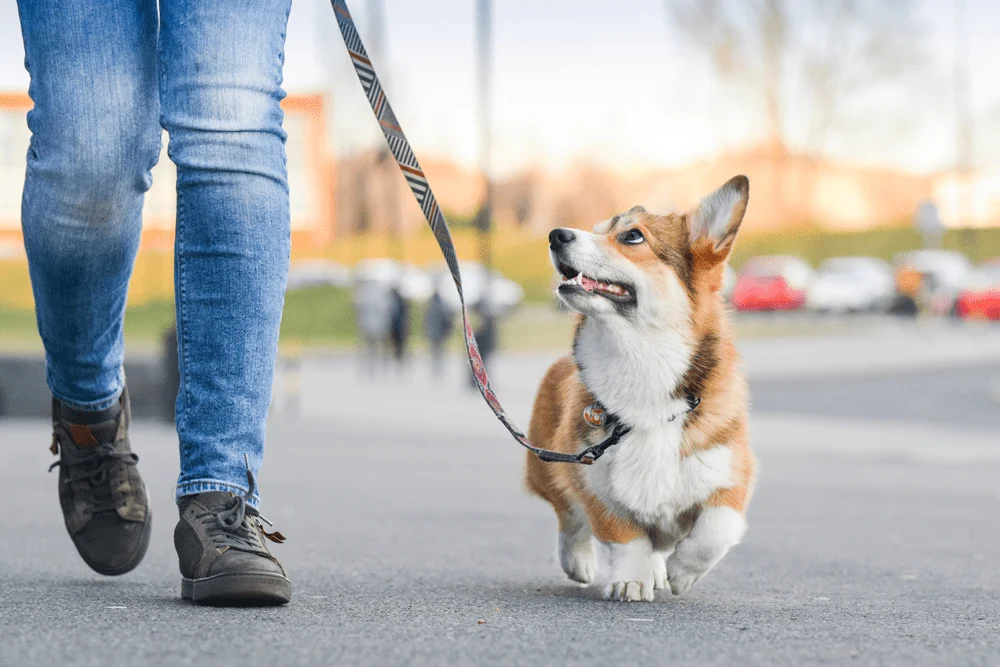
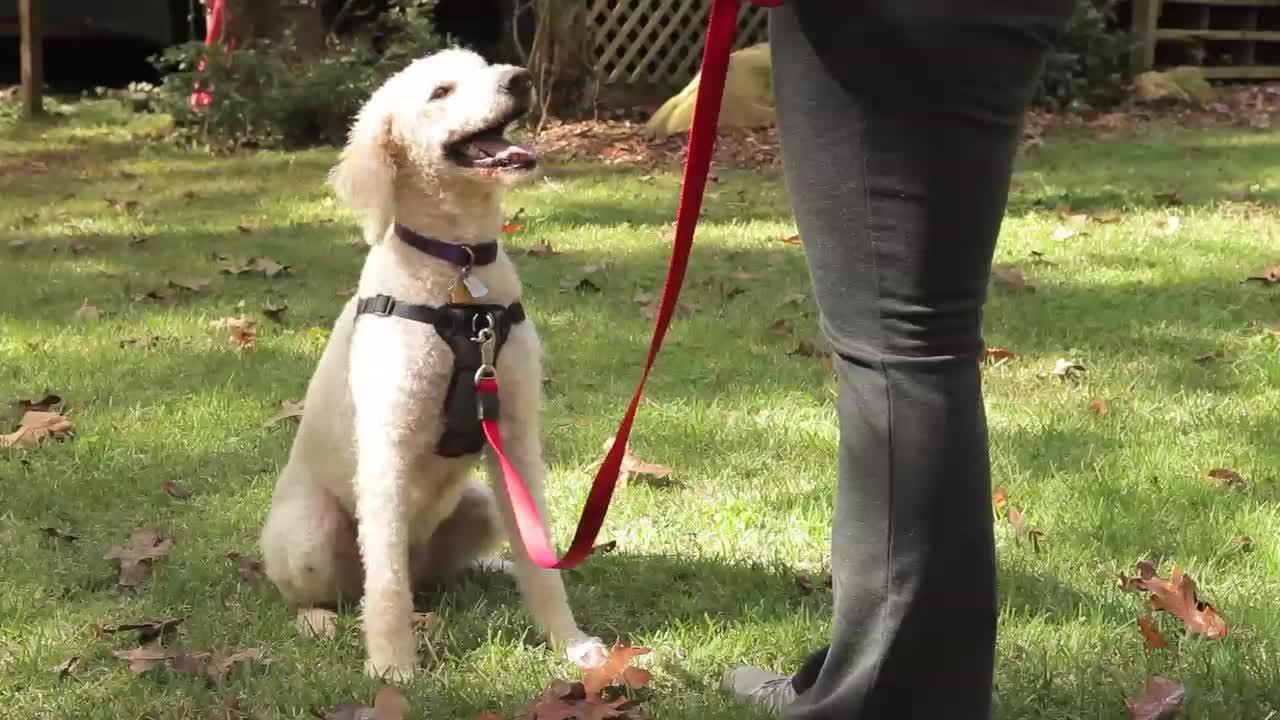
- Engagement check-ins: reward your dog for choosing to look at you on walks.
- Emergency U-turn: teach “this way!” and rapidly reinforce turning with you.
- Leave it: start with food in your hand, build up to low-level outdoor distractions.
- Premack games: “Look at me” earns permission to sniff a bush or trot forward. Use what your Husky wants as the reward.
If your Husky has already practiced chasing wildlife, expect a longer training timeline. Every successful chase is highly reinforcing. That is why management is not optional.
A simple weekly routine for a calmer Husky
Consistency beats intensity. Here is a realistic structure many of my clients can stick with.
Daily
- One decompression walk focused on sniffing, not mileage (20 to 40 minutes).
- One training micro-session (5 minutes) working on “quiet,” “this way,” or leash skills.
- One enrichment meal (snuffle mat, scatter feed, puzzle toy, or stuffed Kong).
- At least one short play burst (tug, flirt pole, fetch if safe and your dog enjoys it).
Weekly
- One new environment adventure: different trail, pet-friendly store, quiet park.
- One higher-output activity if your dog is conditioned for it: canicross, skijoring, longer hike.
- Fence and gear check: latch, harness fit, long line condition, tag legibility.
Common mistakes (and what to do instead)
- Mistake: Letting your Husky “cry it out” alone in the yard. Instead: bring them in, meet needs, then work on alone time gradually.
- Mistake: Only exercising your dog physically. Instead: add sniffing, puzzles, and training to create a satisfied brain.
- Mistake: Practicing recall off-leash before it is ready. Instead: long line first, pay well, and keep it easy.
- Mistake: Punishing howling. Instead: reinforce quiet pauses and calm settling, and prevent rehearsal with enrichment.
- Mistake: Crating through panic. Instead: slow down, adjust the setup, and get help if needed.
When to call your vet or a behavior pro
Get extra help if you notice any of the following:
- Sudden increase in vocalizing, pacing, or restlessness (rule out pain or illness).
- Self-injury, broken teeth, bloody paws, or destroyed doors or crates during departures.
- Repeated escapes despite management changes, especially near traffic.
- Intense reactivity on leash around dogs or people that feels unsafe.
- Heat stress signs during or after exercise (heavy panting that does not settle, weakness, vomiting, collapse).
A qualified positive reinforcement trainer can help you build a plan that fits your dog and your life. In complex cases, partnering with your veterinarian or a veterinary behaviorist can be a game-changer.
Husky FAQ
Can you train a Husky not to howl?
You can usually reduce howling a lot by meeting daily needs, teaching a “quiet” cue, and preventing rehearsal. But expecting a Husky to be as quiet as a typically low-vocal breed is not always realistic. Aim for “manageable,” not “silent.”
Do shock collars or bark collars work for Huskies?
They can suppress noise in the moment, but they do not address the underlying emotion or need. In many dogs, they increase anxiety or arousal, which can worsen vocalizing and escape behavior. I recommend focusing on enrichment, training, and behavior change you can trust long-term.
Why does my Husky run away even though they love me?
Because love and recall are not the same skill. Many Huskies are motivated by movement, scents, and exploration more than staying close. Reliable recall is trained systematically, and many Huskies still need leashes or secure fences for safety.
Can Huskies be trusted off-leash?
Some can in specific, safe environments, but many cannot safely be off-leash in unfenced areas due to prey drive and roaming tendencies. There is no shame in being a “long line family.” Safety is the goal.