A calm, step-by-step nail trimming guide that helps you avoid the quick, condition nervous dogs, and handle accidents safely.
Professional grooming is wonderful, but most coats (and nails, and ears) need attention in the weeks between appointments. The good news: you do not need a whole grooming salon in your bathroom. A small, well-chosen set of tools can keep your dog comfortable, reduce shedding tumbleweeds, and help you spot skin issues early.
Below are my go-to essentials as a CPDT-KA dog trainer and former vet tech. I will tell you what each tool is for, which dogs it helps most, and the biggest “oops” to avoid.
Before you buy: match tools to coat and comfort
If you are standing in the grooming aisle feeling personally attacked by 37 different brushes, here is the simplest way to choose:
- Short, smooth coats (Boxer, Beagle): prioritize a rubber curry, grooming glove, and a soft bristle brush.
- Double coats (Lab, Husky, Corgi): add an undercoat rake and a good deshedding comb.
- Long or silky coats (Shih Tzu, Maltese): slicker + metal comb are your best friends.
- Curly coats (Poodle mixes): slicker + metal comb are non-negotiable for preventing mats.
- Wire coats (Terriers): slicker/comb for maintenance, plus breed-specific hand-stripping tools if you go that route with a pro.
Trainer tip: Whatever you buy, spend two minutes teaching your dog that grooming tools predict treats. Touch tool to shoulder, treat. One gentle stroke, treat. End before your dog gets fed up. Tiny sessions build the kind of cooperation you cannot purchase.
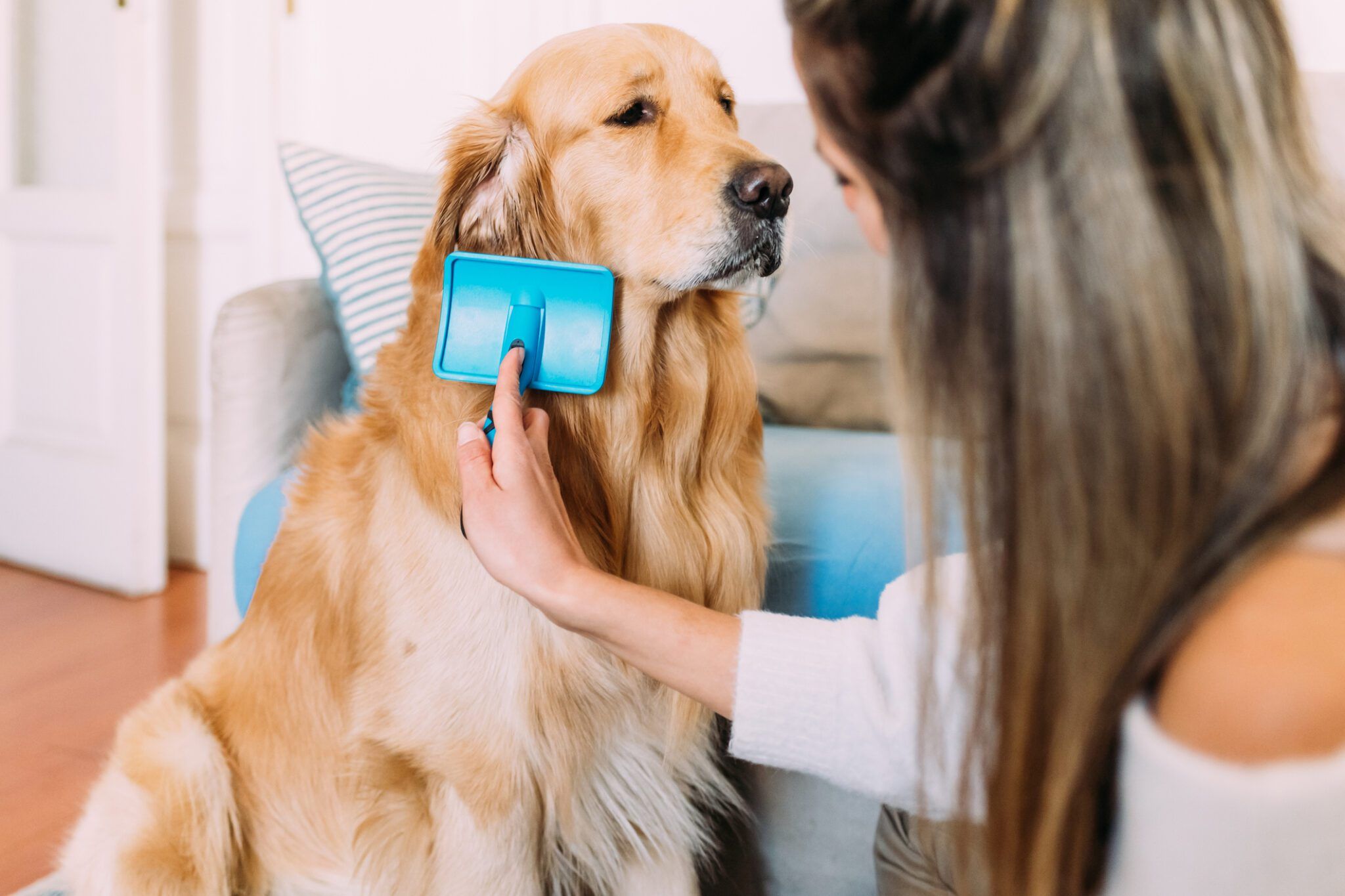
1) Slicker brush
A slicker is the classic rectangular brush with fine, bent pins. It is the MVP for removing loose hair, light tangles, and debris, especially on medium to long coats and curly coats.
Best for
- Long, wavy, and curly coats
- “Furnishings” on legs, belly, and tail
- Early mat prevention
Use it safely
- Brush in small sections, using gentle strokes.
- Avoid “scrubbing.” Slicker burn (skin irritation) is real, especially on armpits, groin, and behind ears.
- Follow with a metal comb (tool #2) to confirm you got through the coat.
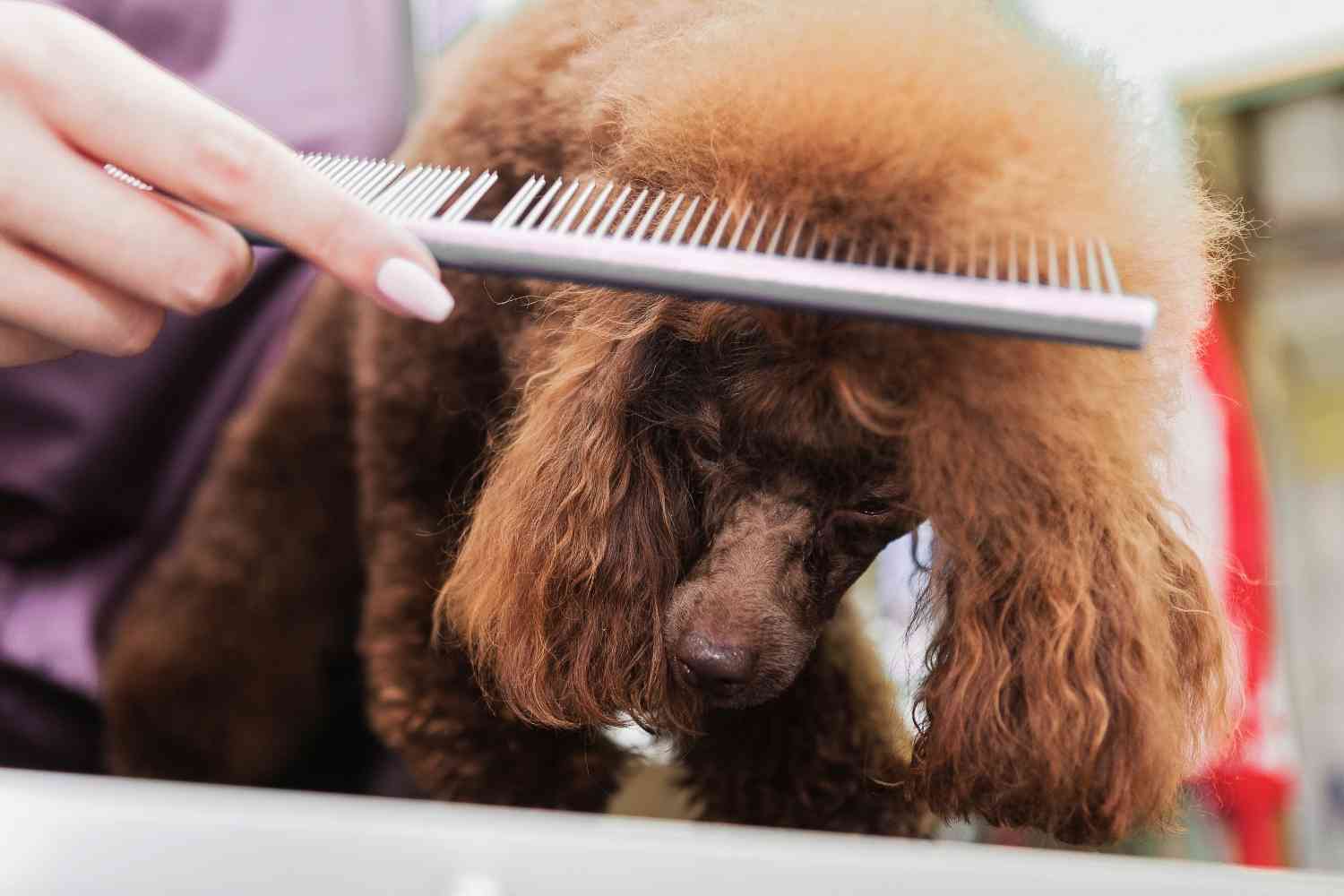
2) Metal greyhound-style comb
If I could only keep one grooming tool, it might be a simple metal comb. It checks your work, finds hidden tangles, and helps you spot mats starting close to the skin.
Best for
- All coat types, including short coats for quick checks
- Behind ears, under collar/harness areas, armpits, tail base
- Curly and long coats that mat easily
Use it safely
- Comb from skin outward, gently. If the comb stops, do not yank.
- Work tangles out with short, patient motions, or use a detangling spray (tool #11) and your fingers first.
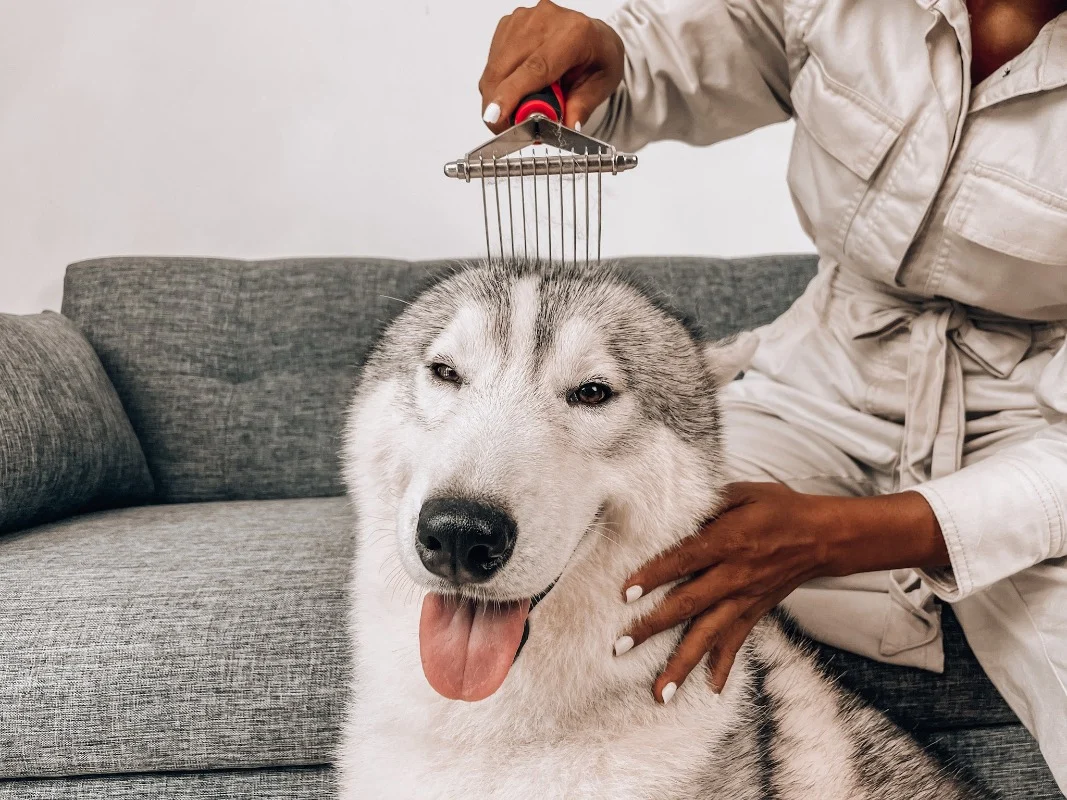
3) Undercoat rake
An undercoat rake has widely spaced pins designed to reach the dense, fluffy undercoat in double-coated dogs. Used correctly, it removes packed undercoat, improves airflow, and can reduce the trapped fuzz that may worsen skin irritation in some dogs.
Best for
- Double-coated breeds and mixes
- Seasonal “coat blows”
Use it safely
- Use light pressure and short strokes in the direction of hair growth.
- Stop if you see pink skin, flaking increasing, or your dog is flinching.
- Do not use on already irritated skin or over mats that are tight to the skin.
4) Rubber curry brush or grooming glove
For short-coated dogs and grooming beginners, rubber is magic. A curry brush or glove lifts loose hair, stimulates skin oils, and feels like a massage to many dogs. It is also great for grooming-nervous pups because it looks less intense than spiky tools.
Best for
- Short, smooth coats
- Bath-time shampoo distribution
- Dogs who are brush-shy
Use it safely
- Use gentle circular motions, then finish with long strokes.
- Keep sessions short on thin-coated areas (belly, inner thighs).
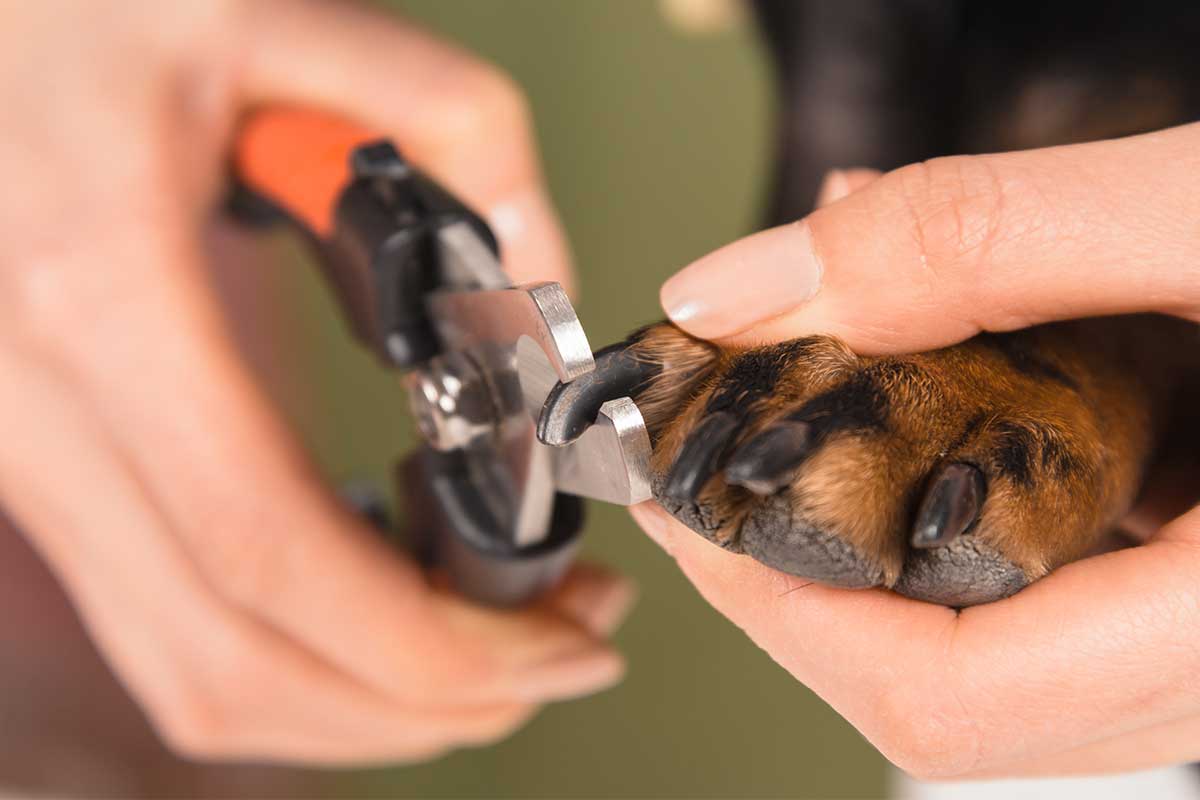
5) Nail clippers (scissor or guillotine)
Overgrown nails change how a dog stands and moves. That can contribute to sore feet, joint strain, and slips on hard floors. A solid pair of nail clippers is a core health tool, not just a cosmetic one.
Best for
- Most dogs, as long as the clipper size matches nail thickness
Use it safely
- Clip small slivers. The goal is many tiny trims, not one dramatic chop.
- Position your dog comfortably and take breaks. Wiggling + sharp tools is how accidents happen.
- If your dog has dark nails, use bright light and trim gradually. A chalky center with a darker spot can mean you are getting close to the quick, so slow down. When in doubt, stop and reassess.
Cooperative care note: Teach a “paw” and “all done” cue, and reward for calm paw handling even when you are not trimming. That practice pays off when you actually need it.
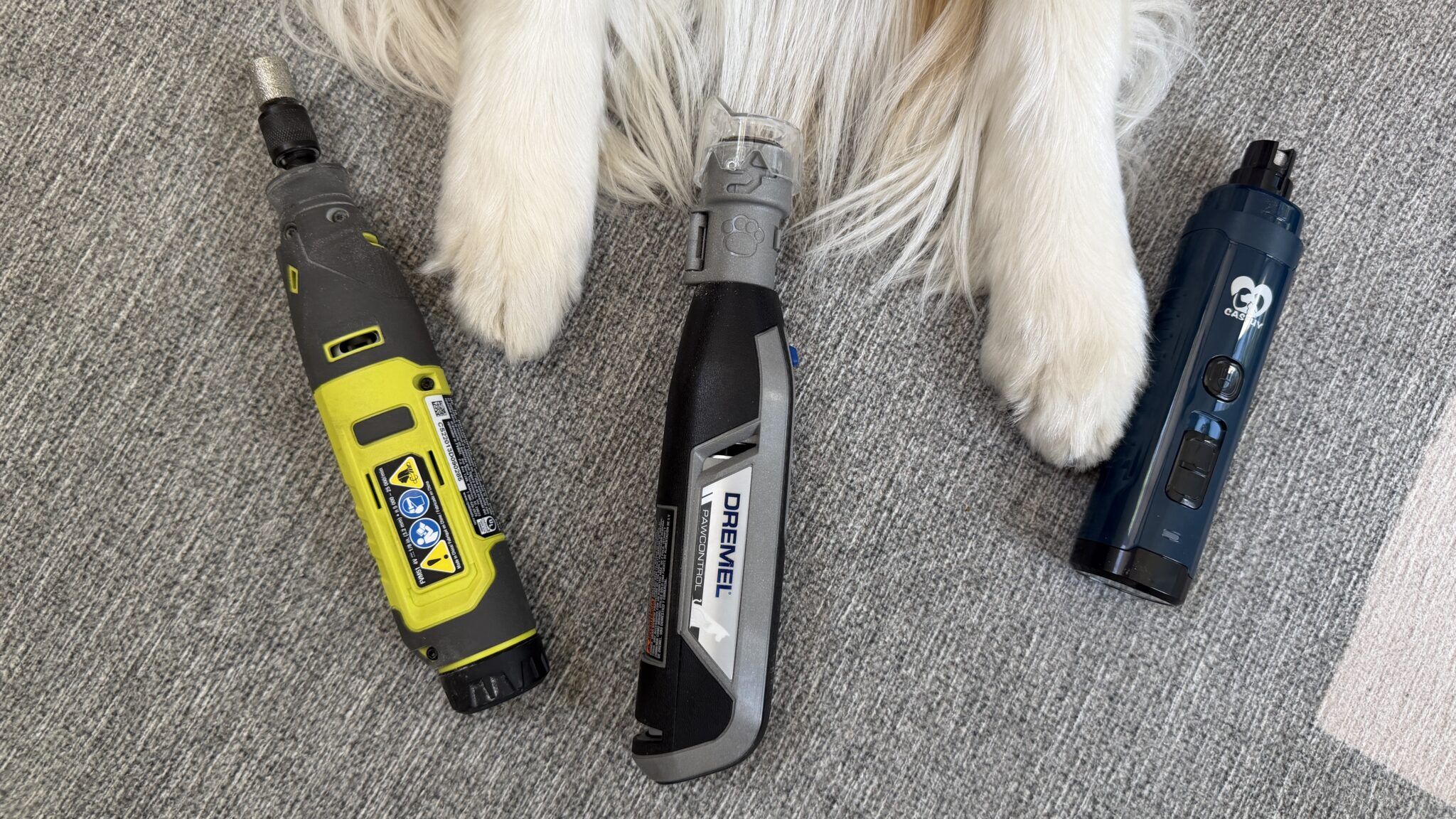
6) Nail grinder (Dremel-style)
A grinder sands nails down gradually. Many pet parents find it less scary than clippers because you can shape and smooth with less chance of taking off too much at once. Many dogs also tolerate it well once they are conditioned to the sound.
Best for
- Dogs with thick nails
- Dogs who splinter nails with clippers
- Pet parents who want smoother edges
Use it safely
- Condition the noise first: turn it on, treat. Repeat until your dog is bored by it.
- Use short touches (1 to 2 seconds) to avoid heat buildup.
- Keep hair away from the spinning tip, especially on fluffy feet.
7) Styptic powder (or gel)
If you trim nails at home, have styptic on hand. Even careful people occasionally nick the quick. Styptic powder helps stop bleeding fast, which keeps a minor mistake from turning into a stressful wrestling match.
Best for
- Any home nail-trimming kit
Use it safely
- Press a small amount onto the bleeding nail tip and apply gentle pressure.
- Keep your dog calm and avoid letting them lick at the nail until bleeding stops.
- If bleeding will not stop within a reasonable time or the nail is badly torn, call your vet.
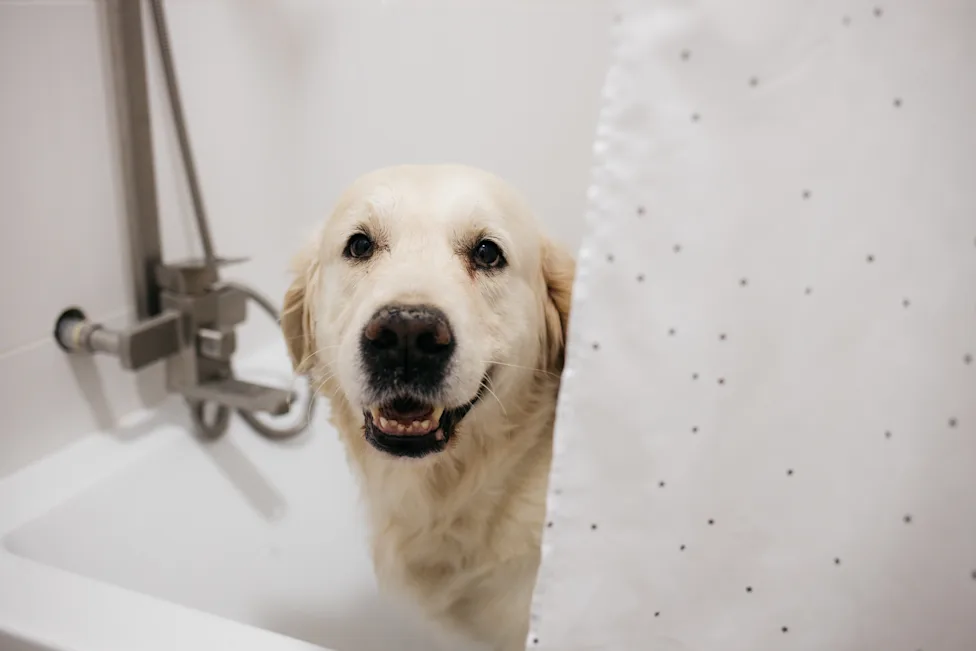
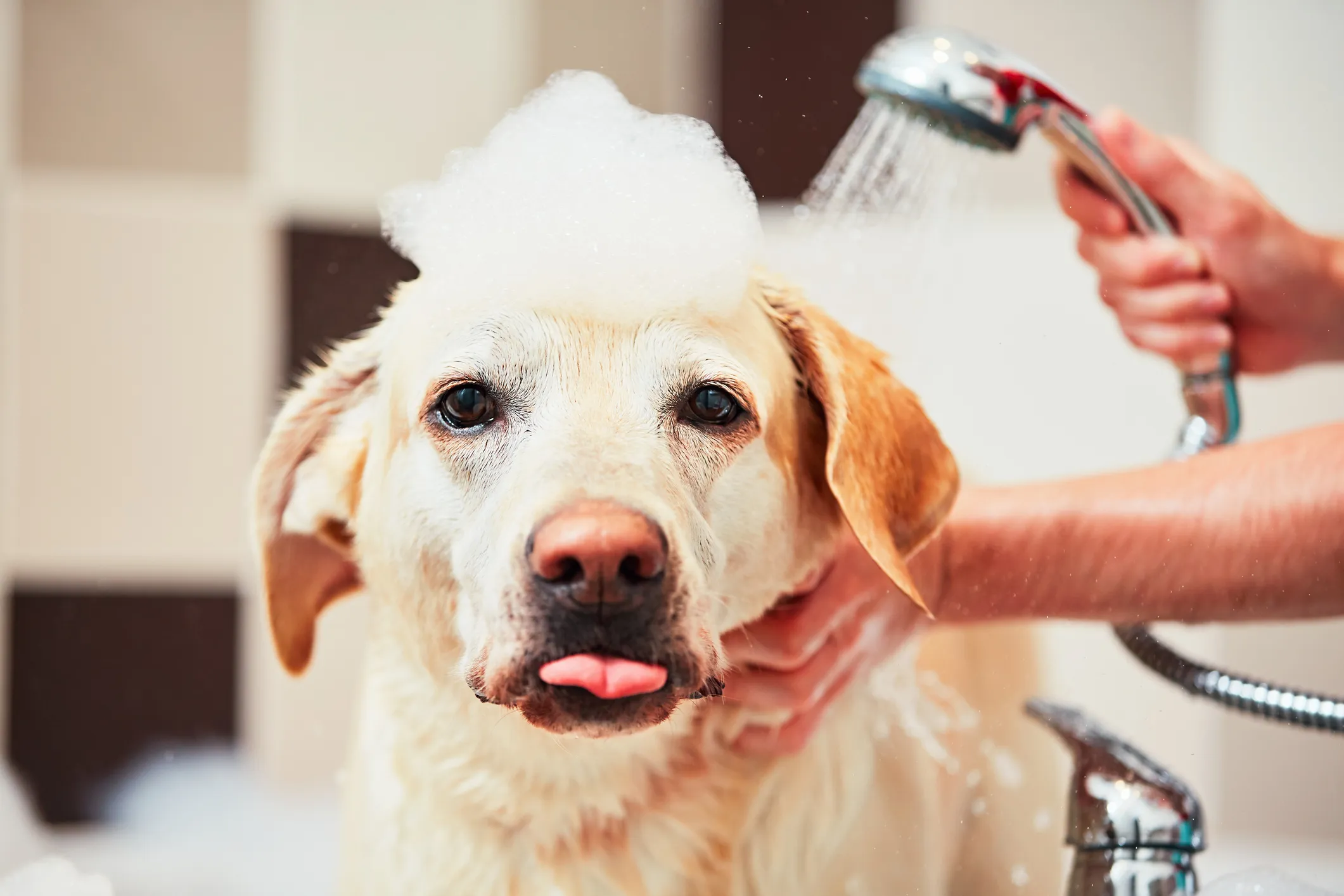
8) Dog-safe shampoo
Most dogs do not need frequent baths, but when they do, the right shampoo matters. Human shampoo is often not pH-balanced for dogs and can dry out canine skin. Look for a dog-specific, mild formula, ideally fragrance-light if your dog is itchy or allergy-prone.
Best for
- All dogs, especially active “mystery puddle” enthusiasts
Use it safely
- Brush before the bath. Water tightens tangles into mats.
- Rinse longer than you think you need to. Residue is a common itch trigger.
- Avoid getting soap in eyes and deep in ear canals.
9) Ear-cleaning solution and cotton rounds
Ears do not need constant cleaning, but many dogs benefit from routine checks and occasional cleaning, especially after swimming or if they have floppy ears. The key is using a dog-formulated ear cleaner, and never going digging with cotton swabs.
Best for
- Dogs with floppy ears
- Swimmers
- Dogs prone to wax buildup (per your vet’s guidance)
Use it safely
- Squirt ear cleaner as directed, massage the base of the ear, then let your dog shake.
- Wipe only what you can see with cotton rounds or gauze.
- If you smell a strong odor, see redness, discharge, head-shaking, or tenderness, pause and call your vet. Home cleaning is not a substitute for treating an ear infection.
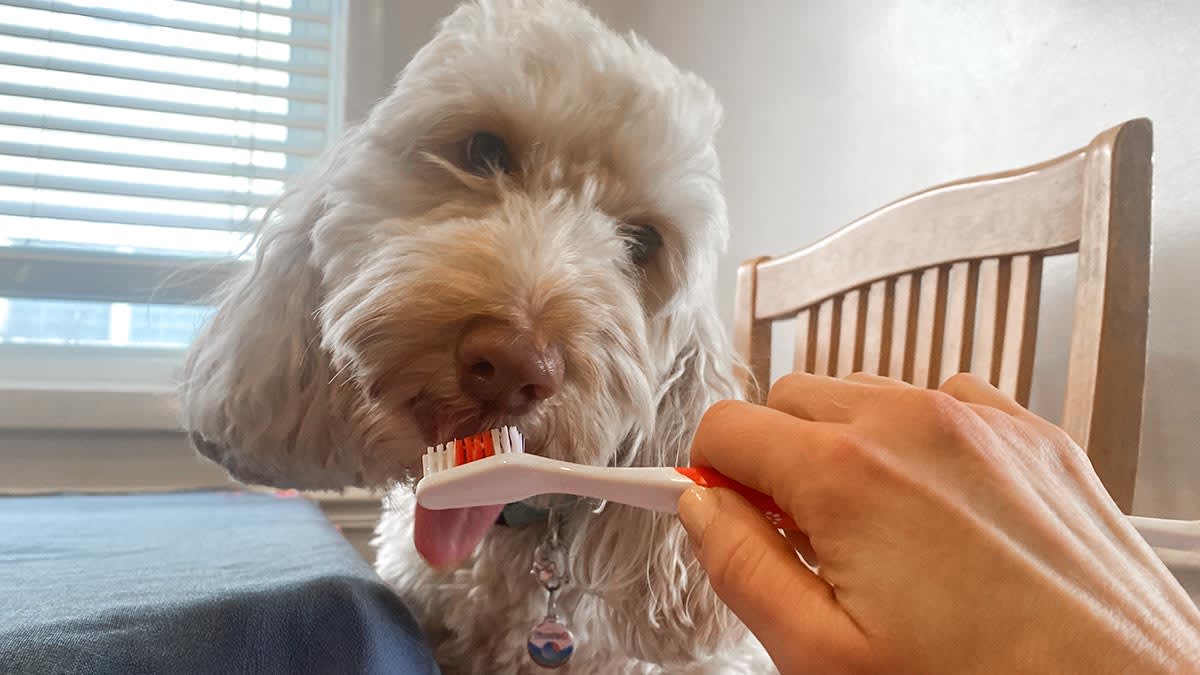
10) Dog toothbrush and enzymatic toothpaste
If you want to level up one area of at-home care, make it teeth. Dental disease is common, and home brushing is one of the most effective habits you can build between professional cleanings.
Best for
- All dogs, especially small breeds and seniors
- Dogs with stinky breath or visible plaque (get a vet check too)
Use it safely
- Use dog toothpaste, not human toothpaste.
- Start with a lick of toothpaste, then a few gentle swipes along the outer teeth. Reward and stop early.
- If gums bleed heavily, your dog is painful, or you see broken teeth, skip brushing and book a vet visit.
11) Detangling spray (or conditioning spray)
A good detangling spray reduces friction, helps you brush without pulling, and can prevent breakage in longer coats. It is especially helpful in high-friction zones like behind the ears, under harness straps, and on tail feathers.
Best for
- Long, curly, and fine coats
- Dogs who hate brushing because it hurts
Use it safely
- Mist lightly, then work tangles with fingers first, then brush, then comb.
- Avoid spraying near eyes and mouth.
- If mats are tight to the skin, do not try to “power through.” That is how skin gets bruised or cut. Ask a groomer or vet for help.
What about clippers?
You might notice I did not list electric body clippers as a universal “essential,” and that is on purpose. Clippers can be great for some homes, but they are easy to misuse, especially on matted coats. If you have a dog whose coat truly requires clipping (many Poodles and Poodle mixes), clippers may become a smart addition after you master brushing and combing.
If you add clippers: choose pet-specific clippers, use the correct blade and comb attachments, keep blades cool, and never clip over tight mats. Mats can hide skin folds, warts, and thin skin, and clipper injuries happen fast.
When to stop and get help
- Tight mats close to the skin: especially in armpits, groin, behind ears, and under collars or harnesses.
- Skin changes: oozing, bleeding, a strong odor, sudden hair loss, or your dog yelping when you touch an area.
- Ear infection signs: redness, discharge, strong smell, head tilt, repeated head-shaking.
- Nail injuries: a nail that is split, dangling, or bleeding that will not stop.
Your dog does not get bonus points for “toughing it out.” When grooming hurts, dogs remember.
A simple between-groom schedule
- Daily or every other day (long/curly coats): quick line-brush trouble spots, then comb check.
- 2 to 3 times a week (most coats): brush session plus paws and ear check.
- Every 1 to 2 weeks: nail maintenance (more often for fast growers).
- As needed: baths, ear cleaning (per your dog’s needs), detangling.
If your dog is new to grooming, start tiny. One paw today. One minute of brushing tomorrow. The goal is a dog who trusts the process, not a dog who “puts up with it.”
Quick shopping checklist
- Slicker brush
- Metal comb
- Undercoat rake (double coats)
- Rubber curry or grooming glove
- Nail clippers
- Nail grinder
- Styptic powder or gel
- Dog-safe shampoo
- Ear cleaner + cotton rounds
- Dog toothbrush + enzymatic toothpaste
- Detangling spray
FAQ
Do I need both nail clippers and a grinder?
Not always. Many families do great with just one. If your dog hates clippers, a grinder can be a game-changer. If your dog hates the sound of the grinder, clippers might be simpler. Some people clip a tiny bit first, then grind to smooth.
How do I know if my dog is getting matted?
The comb does not lie. If a metal comb cannot glide through to the skin in high-friction areas (behind ears, armpits, collar/harness line), you have tangles that are on their way to mats.
Is a deshedding blade necessary?
For some double-coated dogs, deshedding tools can help, but they can also damage coat if overused or used with too much pressure. I usually start with an undercoat rake, curry, and regular brushing, then add specialized tools only if needed.