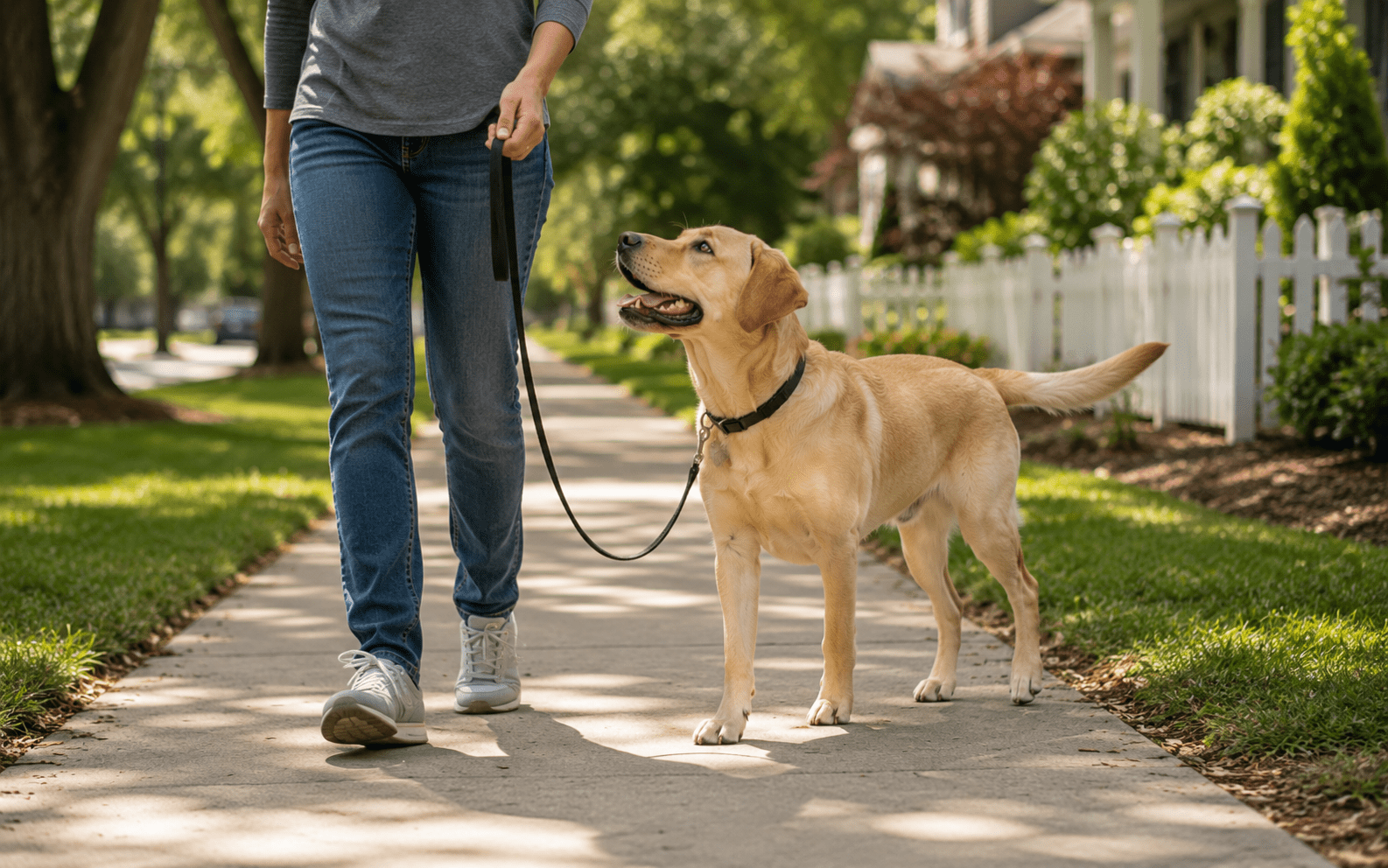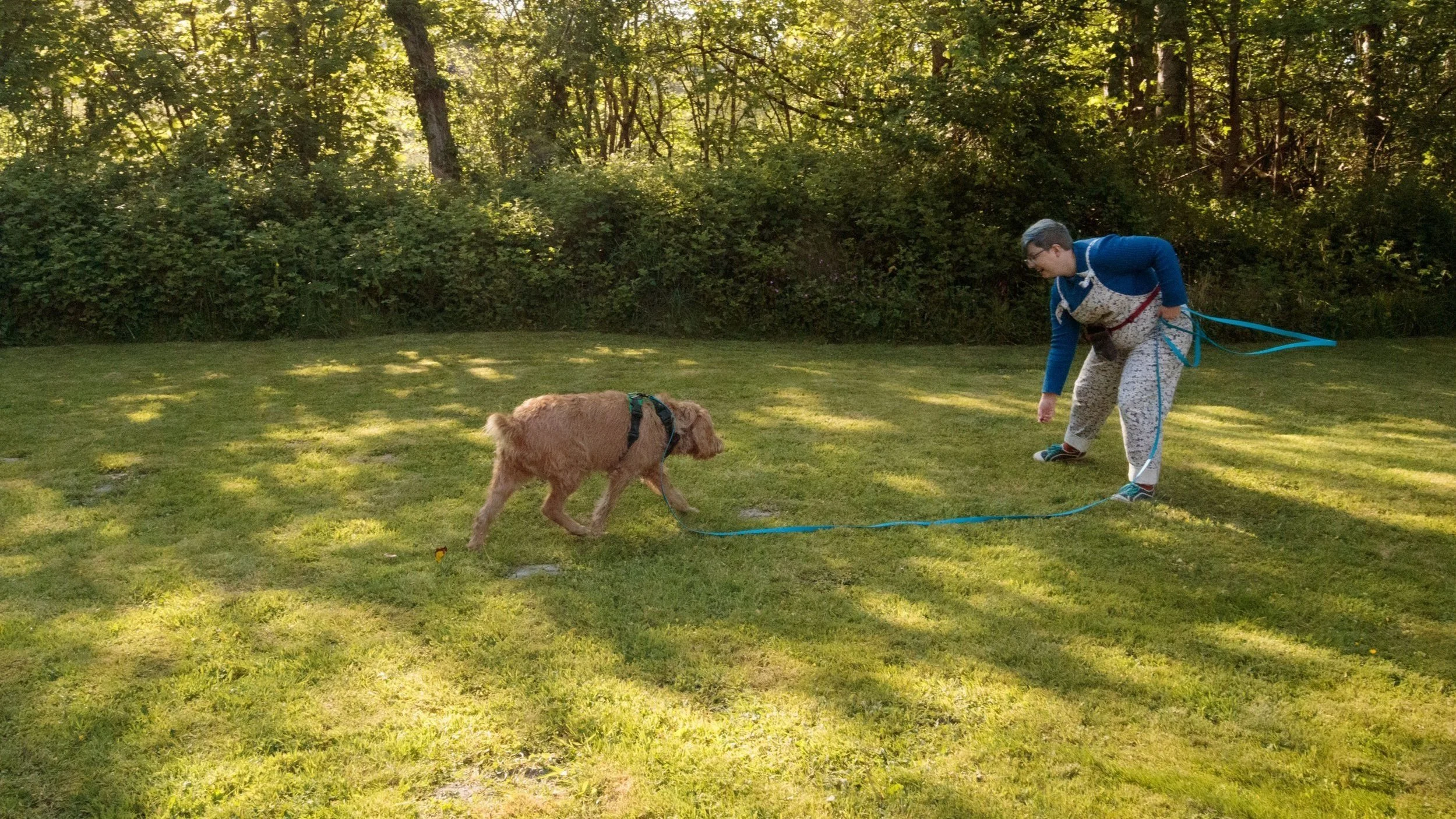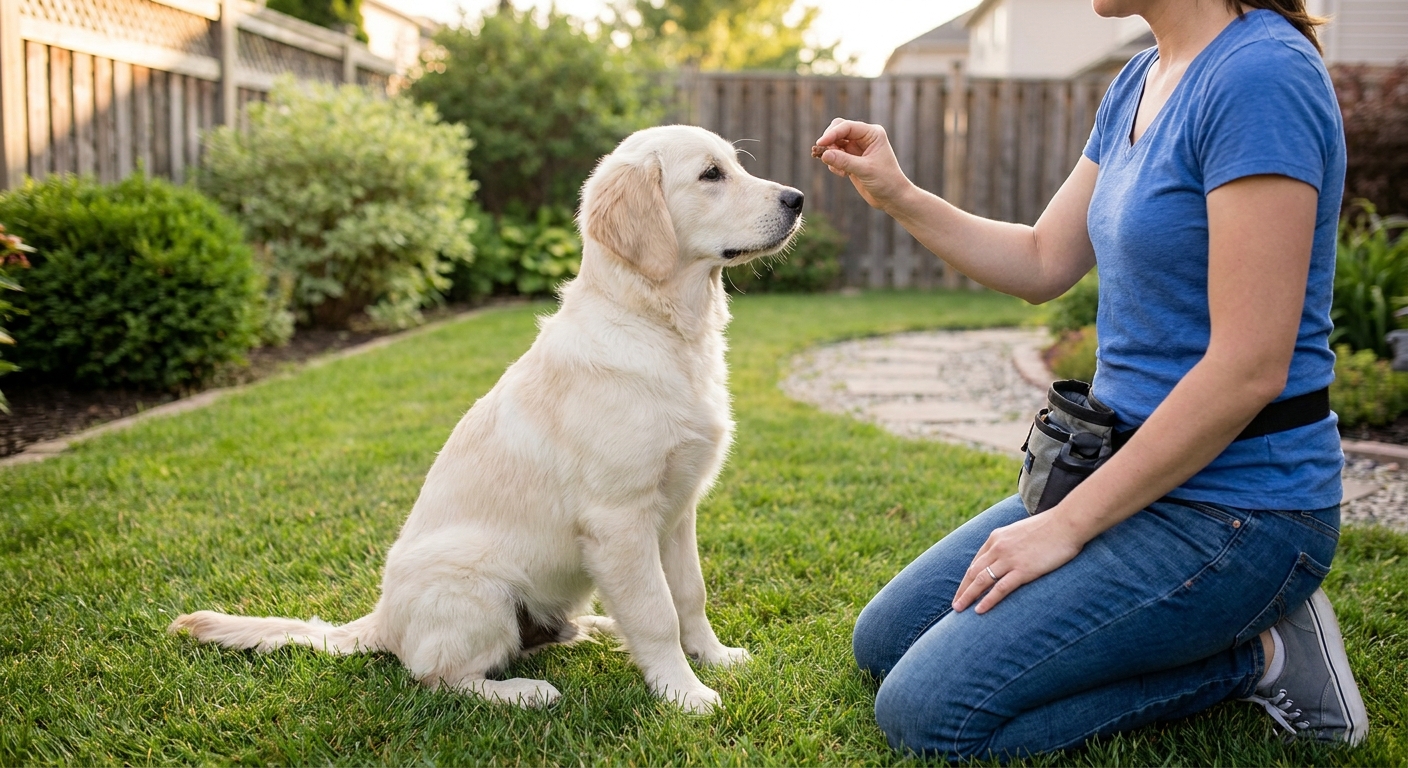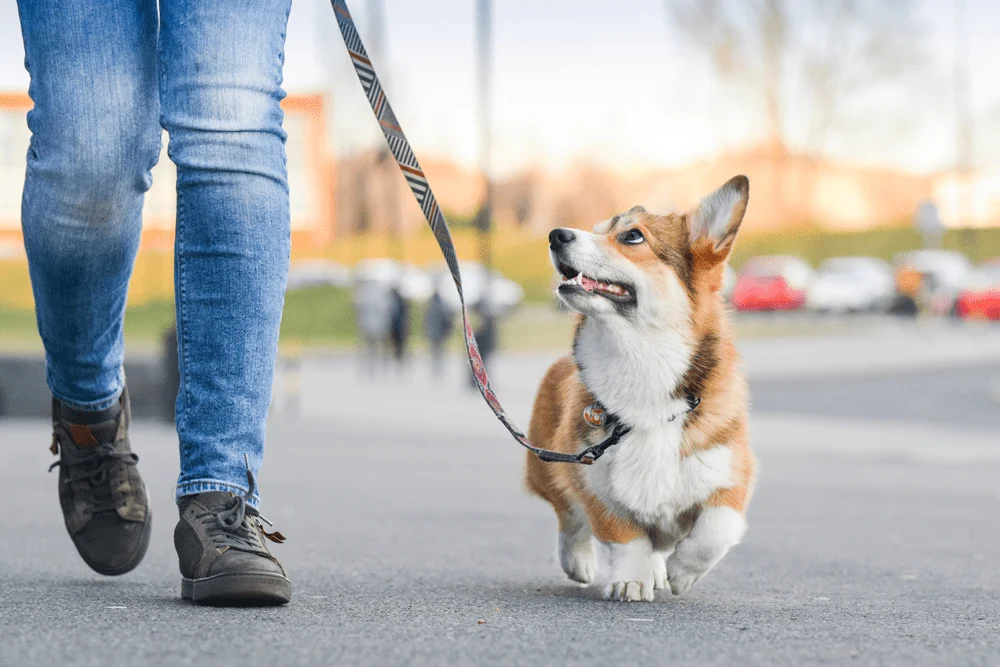
A step-by-step loose leash walking guide: what gear to use, how to train indoors and outdoors, and how to handle pulling, sniffing, and distractions without ...
If you are stuck between a Labrador Retriever and a Golden Retriever, you are not alone. In my training sessions, these two come up constantly because they are famously friendly, biddable (eager to work with you), and great “first big dog” candidates.
But “great family dog” is not one-size-fits-all. The best choice depends on your household’s energy, time for grooming, tolerance for shedding, and what kind of dog personality you enjoy living with day to day.
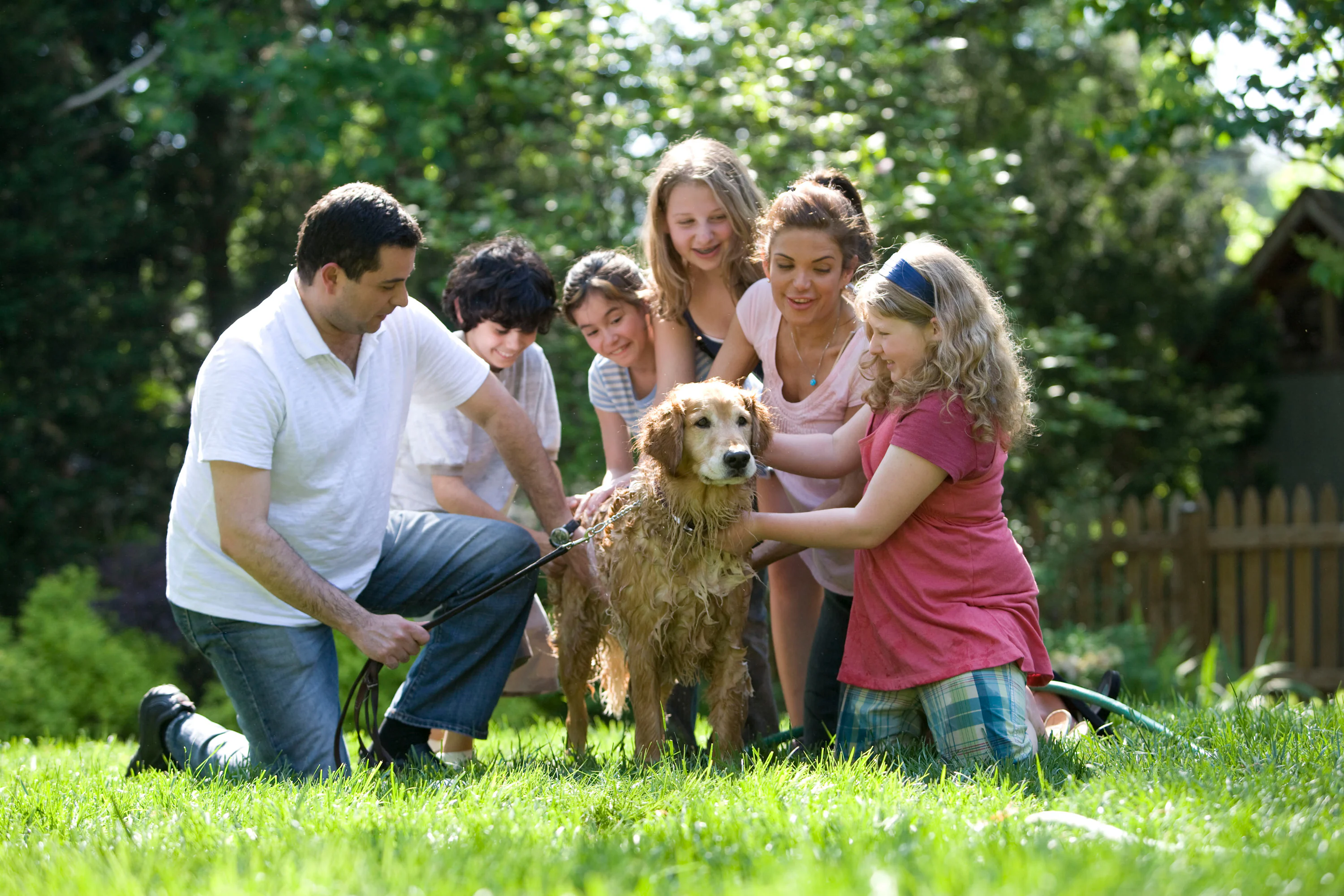
Below is a side-by-side breakdown to help you choose with confidence.
Quick take: key differences
- Energy and intensity: Labs often bring more “go go go” enthusiasm, especially as adolescents. Goldens are energetic too, but many families find their vibe a little softer and steadier.
- Grooming: Both shed a lot. Goldens typically need more coat maintenance because of feathering and longer hair.
- Training style: Both are highly trainable. Labs can be more food-driven and excitable. Goldens are often very people-focused and sensitive to tone.
- Mouthiness: Labs are notorious for carrying things and using their mouth as their main way to explore the world. Goldens can be mouthy too, but Labs tend to be the bigger “I must hold something” offenders.
Temperament and personality
Labrador Retriever
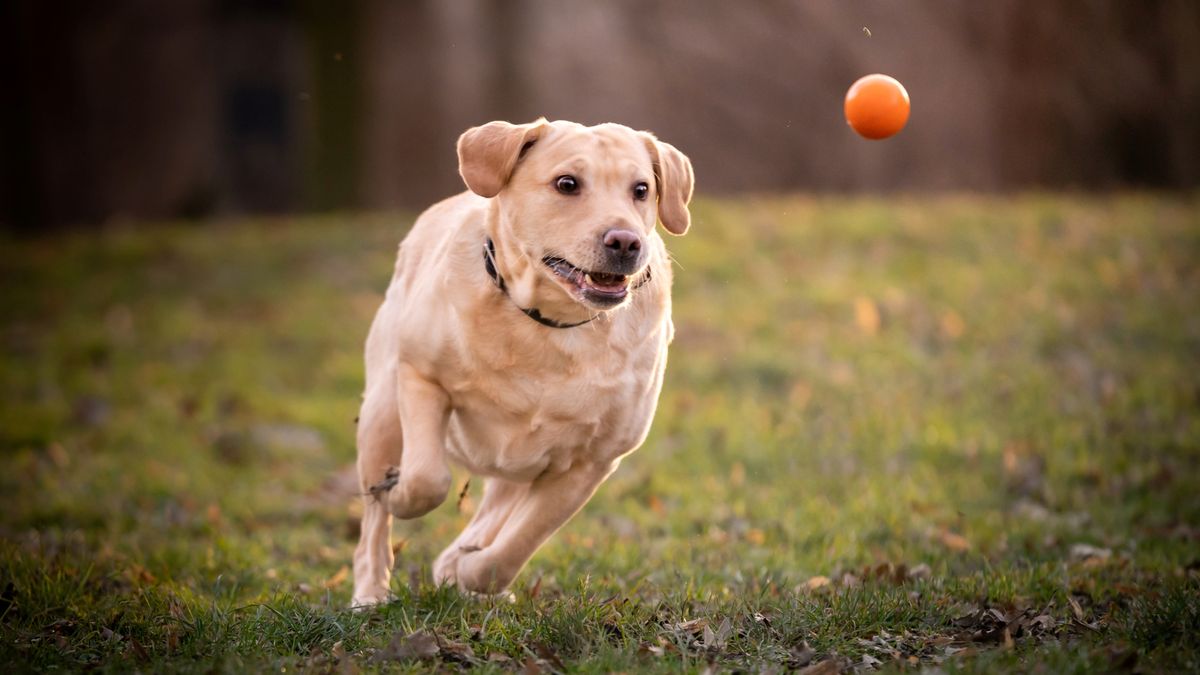
Labs are the life of the party. Many are social butterflies who want to greet everyone, investigate everything, and participate in all activities at maximum enthusiasm.
- Typical strengths: outgoing, playful, adaptable, resilient, loves training games
- Common challenges: jumpy greetings, pulling on leash, adolescent chaos, counter surfing, “selective hearing” when overstimulated
In family life, a Lab often feels like a funny, optimistic toddler who never wants the day to end. If you love an up-for-anything dog, a Lab can be a dream.
Golden Retriever
Goldens are friendly and playful, but they often read the room a little more. Many Goldens lean into “close to my people” companionship and can be wonderfully gentle with kids when properly supervised and trained.
- Typical strengths: affectionate, eager to please, cooperative, steady, naturally polite with good guidance
- Common challenges: can be sensitive, some individuals develop separation-related stress, adolescence still includes jumping and chewing
A Golden often feels like a warm, goofy best friend who wants to be included and reassured. If you prefer a softer, more emotionally tuned-in dog, many families find Goldens easier to live with day to day.
Trainer note: Individual temperament varies a lot by breeder lines, early socialization, and daily routine. I have met mellow Labs and spicy Goldens. When possible, meet the parents or adult relatives and ask about typical energy and off-switch.
Training and daily life
Both breeds are famously trainable, but “trainable” does not automatically mean “easy.” Their intelligence and friendliness need structure. Without it, you get a large, powerful adolescent with excellent opinions.
What tends to be easier with Labs
- Food motivation: Many Labs will work for a single piece of kibble. That makes reward-based training very efficient.
- Confidence: Labs often bounce back quickly from mistakes, which helps first-time trainers.
What tends to be easier with Goldens
- People focus: Many Goldens choose their person over the environment more readily, which can help with recalls and loose leash work.
- Sensitivity: With kind, consistent training, Goldens often respond beautifully. Heavy-handed methods can backfire.
Prioritize these skills early
- Polite greetings: teach “sit for hello” and reward four paws on the floor
- Settle on a mat: your future dinner parties depend on it
- Leave it and drop it: critical for retrievers who love to pick things up
- Loose leash walking: start before they hit the teenage strength phase
- Alone-time practice: short, successful absences to build comfort and prevent panic
If you want the simplest family setup, plan on a puppy class, a daily training routine (5 minutes counts), and management tools like baby gates and pens. These dogs thrive when the environment helps them make good choices.
Kids, pets, and visitors
Labs and Goldens generally do well with kids and other dogs when they are properly socialized and taught manners. The biggest risk I see is not aggression. It is accidental chaos.
With young kids
- Labs: loving and tolerant, but often more body-slamming in play. Expect to train calm greetings and use barriers during high-energy times.
- Goldens: often naturally gentler in demeanor, but still capable of knocking over toddlers during zoomies.
Safety basics: no hugging lessons for kids, no unsupervised dog and child time, and teach kids to toss treats away from their hands instead of hand-feeding when the dog is excited.
With cats and small pets
Both breeds can live peacefully with cats, but remember they were bred to retrieve and carry. Some individuals are very “chasey,” especially as adolescents.
- Choose calm, structured introductions with leashes and baby gates.
- Reward calm behavior around the cat.
- Give the cat escape routes and high perches.
Visitor friendliness: Both breeds typically adore guests. Your main project will be teaching them not to treat the front door like a trampoline.
Exercise and the off-switch
Both Labs and Goldens need daily exercise and mental enrichment. A bored retriever becomes a professional recycler of shoes, remote controls, and couch cushions.
Labrador exercise profile
- Physical: brisk walks, fetch, hiking, swimming
- Mental: food puzzles, scent games, basic obedience drills, retrieve games with rules
Many Labs have big endurance and can stay “on” for a long time. For most families, teaching an off-switch is essential.
Golden exercise profile
- Physical: similar to Labs, often excellent hiking buddies, many enjoy swimming too
- Mental: training games, nose work, cooperative play, retrieving
Goldens still need real exercise, but many settle nicely once their needs are met, especially with a consistent routine.
My go-to off-switch routine for either breed
- One structured walk (sniffy is great, but include short training moments)
- One play session with rules (sit before fetch, drop on cue)
- One brain game (scatter feeding, snuffle mat, simple scent game)
- One enforced rest period (crate or pen with a chew)
Grooming and shedding
I say this with love and a lint roller in every room: both breeds shed. A lot. The question is how much coat care you want to do between professional grooms.
Labrador grooming
- Coat: short, dense double coat
- Shedding: heavy, with seasonal blowouts
- Typical upkeep: weekly brushing, more during shedding seasons
- Bonus: mud and burrs are usually easier to remove than in longer coats
Golden Retriever grooming
- Coat: medium to long double coat with feathering
- Shedding: heavy, plus more visible tumbleweeds of hair
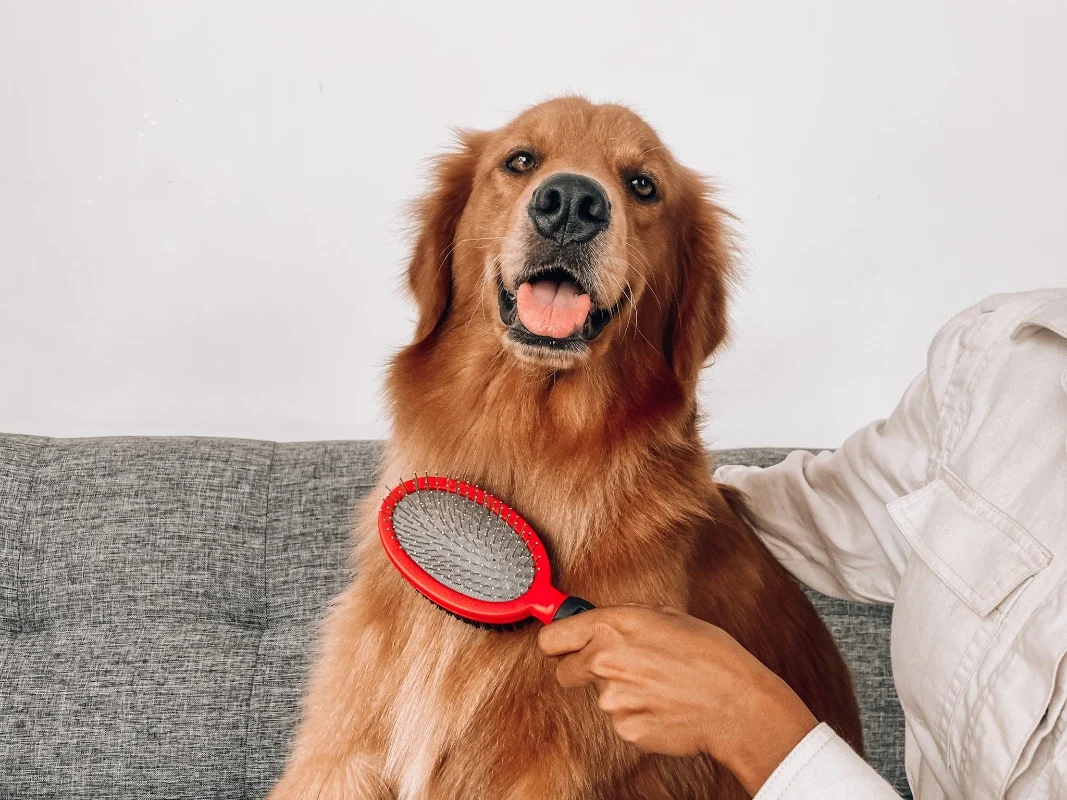
- Typical upkeep: brushing 2 to 4 times per week, regular combing behind ears, on pants, and tail to prevent mats
- Bonus: many Goldens tolerate grooming well with training, but you do need to do it
If someone in your home has allergies: neither is a low-allergen breed. Allergens are usually related to dander and saliva, and reactions vary a lot by individual dog and person. If allergies are a big concern, spend time around the specific dog or the breeder’s adult dogs and talk with your allergist about realistic expectations.
Health and smart sourcing
As a former veterinary technician, I cannot talk about these breeds without saying this plainly: your best “health hack” is choosing an ethical source and keeping your dog lean and fit.
Common concerns in both breeds
- Hip and elbow dysplasia
- Ear infections: floppy ears plus swimming can be a perfect storm
- Obesity: both breeds love food and can gain quickly
- Arthritis later in life
Labrador tendencies
- Weight gain and food obsession: very common, manage with measured meals and enrichment feeding
- Exercise-related injuries: enthusiastic athletes can overdo it
Golden tendencies
- Skin and coat issues: hot spots and allergies in some lines
- Cancer risk: higher than many breeds overall, with cancers like lymphoma and hemangiosarcoma often discussed in the breed community
What to ask a breeder or rescue: For breeders, ask for proof of orthopedic screening (OFA or PennHIP for hips and OFA elbows), current eye exams, and cardiac clearance when applicable. For Labs, many responsible breeders also test for exercise-induced collapse (EIC) and CNM depending on the line. Also ask about temperament history and what early socialization and handling puppies get before they go home.
Apartment life and time alone
Yes, both breeds can live in apartments if you truly meet their daily needs. The bigger issue is not square footage. It is exercise, enrichment, and noise control during adolescence.
If you are out of the house a lot
Either breed can struggle if they go from constant company to long workdays with no preparation. In my client population, I see plenty of Goldens and Labs who need intentional alone-time training, and some individuals are more prone to separation-related stress than others.
- Practice alone-time from day one in tiny increments.
- Use food-stuffed toys to create positive routines.
- Hire a dog walker for long days, especially for young dogs.
Cost and climate
Cost basics
- Food: similar overall. Both are hearty eaters, and keeping them lean pays off long-term.
- Grooming: Goldens often cost more over time due to more frequent brushing, de-shedding, and occasional mat work. Labs are lower-maintenance, but you will still be vacuuming.
- Vet and insurance: both breeds benefit from budgeting for orthopedic care as they age. Pet insurance can be worth a look for either, especially for active, sporty dogs.
Heat and swimming
Both breeds have double coats and can overheat in hot, humid weather. Plan summer walks for early morning or evening, and learn the signs of overheating. If your dog swims often, routine ear care matters for both breeds, and Goldens typically need more drying and brushing afterward to avoid hot spots and tangles.
Which should you choose?
Pick a Labrador if you want:
- a high-energy, playful dog who is often very food-motivated
- a coat that is easier to brush, even though shedding is still real
- a dog who loves games, especially fetch and water play
- a resilient, goofy companion who can handle busy households well
Pick a Golden Retriever if you want:
- a friendly, affectionate dog who often feels a bit more emotionally tuned in
- a dog who tends to be very people-pleasing with gentle training
- a family dog that often settles nicely with routine and enrichment
- a dog you are willing to brush frequently and keep mat-free
If you are still torn, ask these tie-breakers
- How do I feel about grooming? If brushing feels like a chore, lean Lab.
- How intense is our household? If you want a slightly softer vibe, lean Golden.
- How committed are we to training greetings and leash manners? Either breed needs this, but Labs often require extra work simply because they are so enthusiastically social.
- Do we want a dog that is always ready for action? Labs shine here. Goldens too, but many have a smoother off-switch.
FAQ
Do Labradors or Golden Retrievers bark a lot?
Neither breed is typically a “yappy” breed, but individuals vary. Barking is often about unmet needs, alerting, or excitement. Teaching calm routines, providing enrichment, and rewarding quiet can make a big difference.
Which breed is better for first-time owners?
Both can be great. If you are excited about training and daily activity, either is a solid choice. If you want a slightly softer, more people-focused companion, many first-time owners find Goldens a touch easier. If you want a sturdy, resilient dog who will happily work for treats, a Lab can be wonderfully forgiving.
Which sheds more?
Both shed heavily. Golden hair is longer and more noticeable in the house. Lab hair is shorter and loves to weave into fabric like tiny needles. Either way, plan on frequent vacuuming.
Are they good off-leash?
They can be, but off-leash reliability is trained, not automatic. Start recall work early, use long lines, and make coming back to you the best deal your dog gets all day.
My bottom line
If you want an upbeat, playful athlete who will happily train for snacks and join every family adventure, the Labrador is hard to beat. If you want a deeply friendly dog with a slightly gentler feel and you do not mind regular brushing, a Golden Retriever can be an incredible family companion.
Whichever you choose, your success will come down to the same three things: early positive socialization, daily enrichment, and teaching calm skills as deliberately as you teach sit and stay. That is how these wonderful retrievers become the steady family dogs everyone hopes for.