A practical, trainer-approved comparison of collars and harnesses for high-energy dogs, including safety, pulling, reactivity, fit, and the best setup for be...
Why Poodles mat so easily
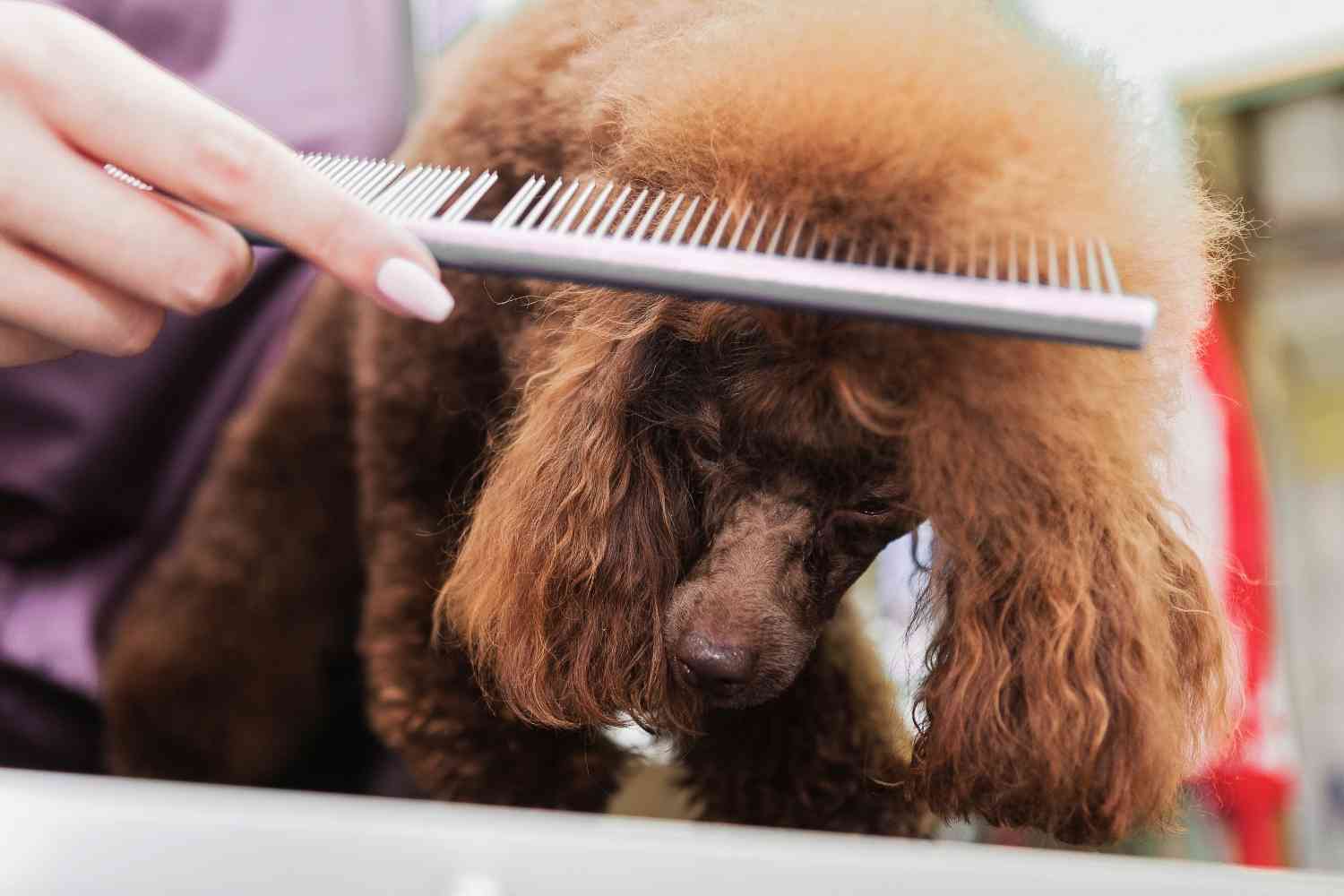
Poodle coats are famously low-shedding, but that does not mean low-maintenance. Instead of falling out, loose hair tends to stay trapped in the curl and tangle with healthy coat. Add friction from collars, harnesses, sweaters, rolling in grass, or sleeping on one side, and those tangles can turn into tight mats fast.
Mats are not just a cosmetic problem. They can pinch the skin, trap moisture (which can lead to hot spots), hide parasites, and make brushing painful. If you want that soft, bouncy Poodle look, your real goal is simple: never let tangles “set up” into mats.
Your mat-prevention toolkit
You do not need a grooming salon at home, but you do need the right basics. Cheap tools often skim the surface and leave the coat near the skin tangled, which is how surprise mats happen.
Core tools I recommend
- Slicker brush: Choose one sized for your Poodle. The brush should reach into the coat without scraping the skin.
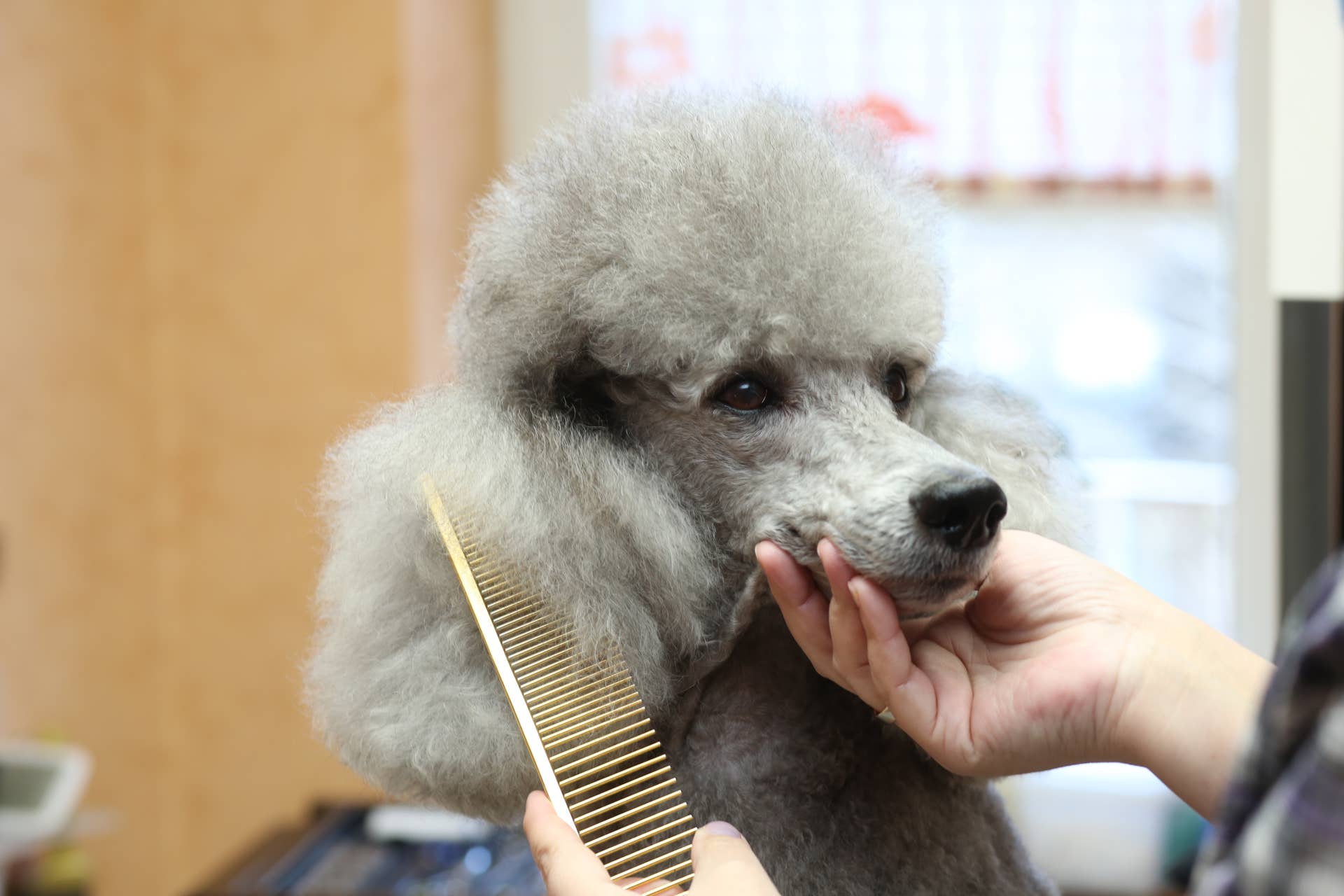
- Stainless steel greyhound comb: Your truth-teller. If the comb cannot get to the skin, there is still a tangle.
- Detangling spray or light leave-in conditioner: A little slip helps prevent breakage and makes brushing more comfortable.
- Microfiber towel: Rubbing a curly coat with a regular towel can create tangles. Blot and squeeze instead.
- Blunt-tip scissors (optional): For tiny snips around eye gunk or to free a small surface knot you can clearly see. Never cut into a mat close to skin.
- Ear cleaner made for dogs and cotton rounds: Skip cotton swabs inside the ear canal.
Nice-to-have upgrades
- High-velocity dryer: Especially helpful for Standards and frequent swimmers. Proper drying is a huge mat-prevention step.
- Grooming table or non-slip mat: For your back and your dog’s confidence.
Daily and weekly brushing
If you brush a Poodle like you would a Lab (a quick once-over), you will miss the trouble spots where mats start: behind the ears, under the collar, armpits, chest, belly, inner thighs, base of the tail, and where the harness sits.
The goal: line brushing
Line brushing means you brush in small sections, down to the skin, then verify with a comb. It is the most reliable way to keep curls mat-free, even in longer styles.
Step-by-step line brushing
- Set your dog up for success. Aim for a calm time of day. Use a non-slip surface. Have treats ready.
- Mist the coat lightly. A quick spritz of detangler helps prevent breakage. Avoid brushing a totally dry, static-prone coat.
- Start in an easy area. Many dogs tolerate shoulders and sides better than legs or ears.
- Part the hair. Use your hand to create a small “line” so you can see skin at the base.
- Brush the section. With your slicker, use gentle, short strokes from the base outward. Think “lift and fluff,” not “scrape and rake.”
- Comb-check. Run the greyhound comb through the same section to the skin. If it snags, there is still a tangle. Go back with the slicker, then comb again.
- Work methodically. Move from one section to the next so you do not miss spots.
How often do you need to brush?
The honest answer depends on coat length, lifestyle, and how your Poodle is clipped.
- Short clip (very low maintenance, 1/2 inch or less): Comb-check 2 to 3 times per week, plus quick spot checks after wet play.
- Teddy bear length (around 3/4 to 1 inch): Most dogs need line brushing at least every other day.
- Longer styles: Plan for daily line brushing, plus proactive spot checks of friction areas.
The 3-minute friction-zone check
Even if you cannot do a full brush-out, you can stop mats from forming by checking:
- Behind and under the ears
- Collar line and chest
- Harness points: armpits, sternum, and behind elbows
- Base of tail and sanitary area
- Leg cuffs and paws after walks
If you find a small knot, address it immediately. Tangles do not improve on their own.
Bathing without mats
Water can tighten existing tangles. If a Poodle has knots before the bath, those knots can turn into felted mats afterward. My rule from my vet tech days is still my grooming rule now: brush and comb before you bathe.
Before the bath
- Brush and comb-check any tangles you can safely remove.
- Protect ears from water with careful pouring and a calm, slow approach. Skip stuffing cotton in the ear canal unless your veterinarian has specifically instructed it.
- Choose a dog shampoo and a conditioner appropriate for curly coats. Conditioner helps reduce friction.
During the bath
- Do not scrub in circles. Use flat hands and smooth strokes in the direction of coat growth.
- Rinse extremely well. Leftover product can cause itchiness and make coat clump.
Drying matters most
If you let a curly coat air-dry while it is compressed (like lying on a bed), the coat can set into tangles. For mat prevention:
- Blot and squeeze with a microfiber towel. No vigorous rubbing.
- Dry while brushing if possible. Even a human blow dryer on low heat and low airflow can help, but keep it moving and watch for overheating.
- Comb-check once dry, especially behind ears and at harness areas.
Pro grooming schedule
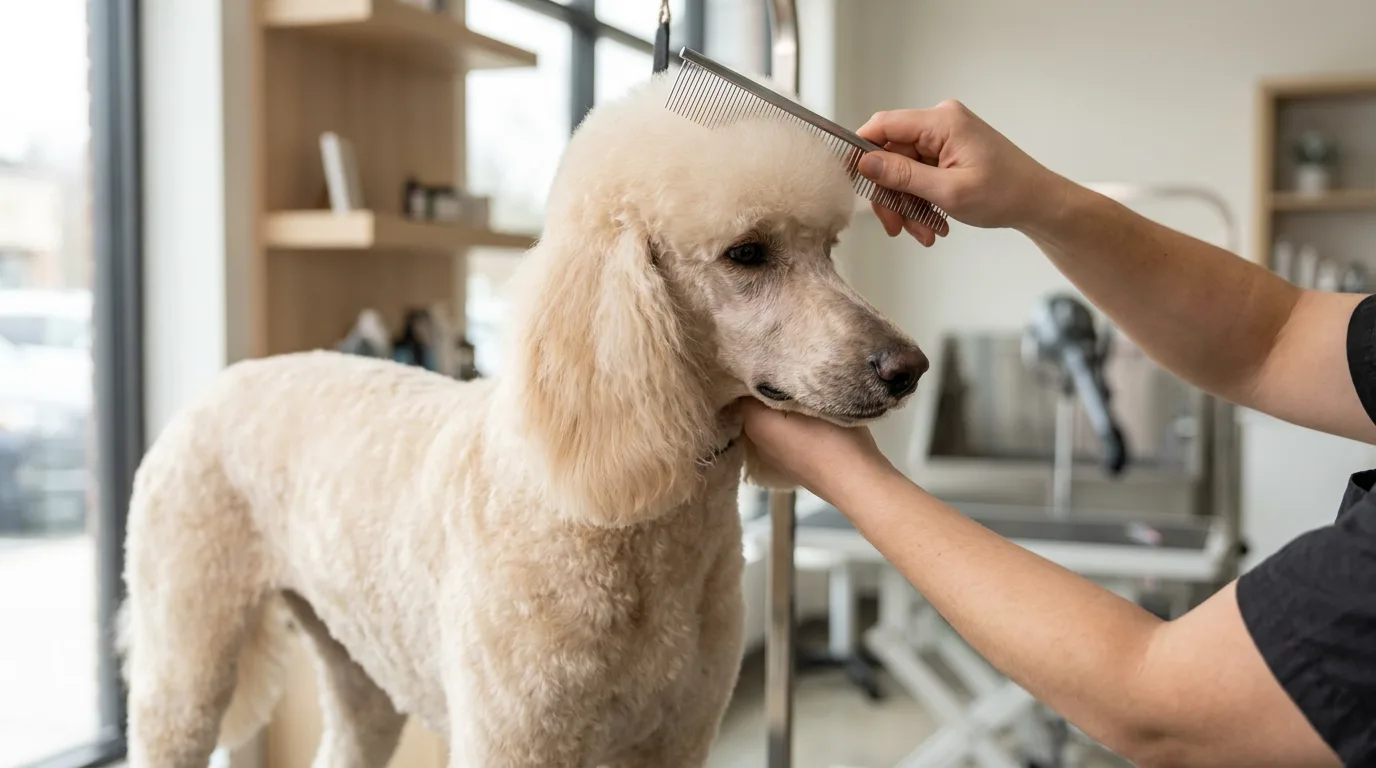
Even the most dedicated home brushers benefit from routine professional grooming. A good groomer is also a second set of eyes on ears, skin, nails, and coat condition.
A realistic schedule
- Every 4 weeks: Best for longer styles, dogs prone to matting, or busy households. Keeps coat at a manageable length and makes home brushing much easier.
- Every 6 weeks: Common sweet spot for many family Poodles with a medium trim.
- Every 8 weeks: Usually only works if the coat is kept fairly short and you stay consistent with brushing.
What to book
- Full groom: Bath, blow dry, haircut, nails, ear cleaning, sanitary trim.
- Bath and tidy: Helpful between haircuts for active dogs or swimmers.
- Face, feet, and sanitary maintenance: Great for puppies learning the routine or for owners who want cleanliness without a full haircut every time.
What I tell clients to say
If you are not sure how to describe what you want, try: “I want a comfortable family trim that is easy to maintain at home. Please keep it at a length where daily matting is unlikely, and let me know if you find any tight spots.” Clear, practical, and it sets everyone up for success.
Ear care for Poodles
Poodles are prone to ear issues, but not every Poodle is infection-prone. What tends to stack the odds is reduced airflow from floppy ears, plus hair in and around the ear canal that can trap moisture, especially with swimming or frequent baths. Regular ear care is a big quality-of-life win.
Healthy ear basics
- Check weekly: Look for redness, swelling, discharge, or a strong odor.
- Clean as needed: Many Poodles do well with cleaning every 1 to 2 weeks, more often for swimmers, but follow your veterinarian’s guidance if your dog is infection-prone.
- Keep ears dry: After baths or swimming, thoroughly dry the ear flap and the area around the opening.
How to clean ears safely
Do not clean at home if your dog is in pain, the ear is very red or swollen, there is discharge or a strong odor, or you suspect an infection. In those cases, call your veterinarian first. Also, follow your vet’s advice if your dog has ever had an eardrum issue.
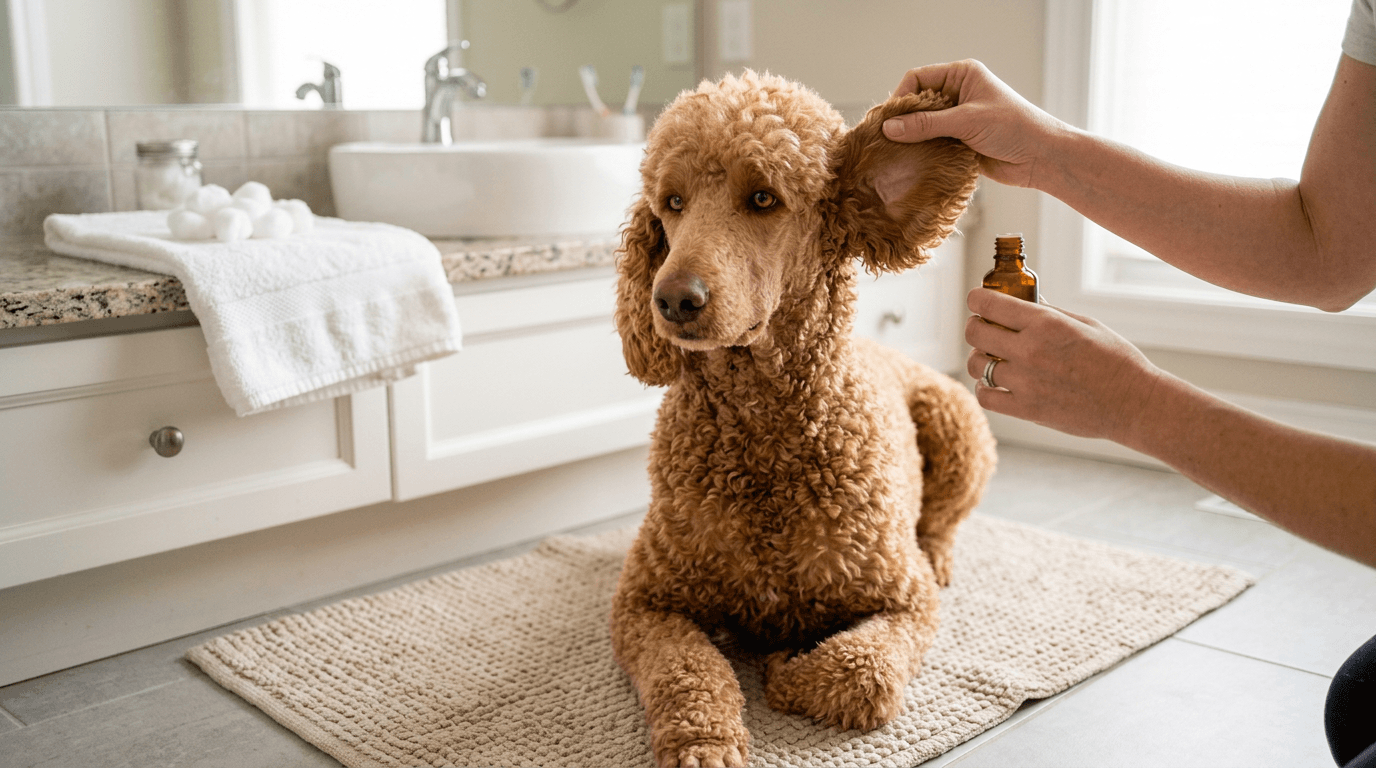
- Use a vet-approved ear cleaner made for dogs.
- Lift the ear flap and apply cleaner per label instructions. Many products are designed to be gently filled into the canal, but only do so if your dog is comfortable and your vet has not advised against it.
- Massage the base of the ear for 20 to 30 seconds. You should hear a gentle squish.
- Let your dog shake. This is messy and totally normal.
- Wipe the visible parts with a cotton round or soft tissue. Do not push anything down into the canal.
What about hair in the ears?
Some Poodles grow a lot of hair inside the ear canal. Whether to pluck it is not one-size-fits-all. Plucking can irritate the canal for some dogs, and in other dogs, heavy ear hair may trap debris and moisture. The best plan is individualized. If your Poodle has recurrent ear infections, ask your veterinarian and groomer to work together on an ear plan that fits your dog’s history.
When to call your vet
- Head shaking, ear scratching, or rubbing ears on the floor
- Strong odor, brown or yellow discharge
- Redness, swelling, or pain when touched
- Sudden sensitivity during grooming around the ears
Tangles and small mats
If you find a tangle, slow down. Your Poodle should not learn that grooming equals discomfort. That is how dogs start dodging the brush, and it snowballs fast.
For small tangles
- Use detangling spray and your fingers first. Gently tease the knot apart.
- Hold the hair at the base near the skin while brushing the knot. This reduces pulling.
- Brush from the ends inward, then comb-check.
When not to DIY
Stop and call a professional groomer (or your veterinarian) if:
- You cannot see skin anywhere in the area you are working on
- The mat is tight in high-risk areas like armpits, groin, belly, or behind the ears
- Your dog yelps, pulls away, or seems painful
- Your comb will not pass to the skin after a few careful attempts
Do not try to cut mats out with scissors. Skin can fold into a mat like a thin little accordion. Even blunt-tip scissors can cause a serious injury.
One hard truth about mats
Severely matted Poodles often need to be shaved. That is not a punishment and it is not a failure. It is relief. Also, when a coat is pelted tight, shaving it can irritate the skin underneath. That is one reason groomers may recommend a short reset and sometimes a veterinary check if the matting is extreme.
Puppies and grooming
Poodles are smart, sensitive dogs. If you make grooming predictable and rewarding early, you will save yourself years of stress.
Puppy coat change note
Many owners get blindsided when the soft puppy coat starts transitioning to adult coat, often in the adolescence window. During that change, matting can ramp up fast, especially in friction zones. If you feel like you suddenly cannot keep up, you are not imagining it. Shorten the clip, increase comb-checks, or book grooming more frequently until the transition settles.
My favorite grooming manners game
- 30 seconds a day: Touch a paw, treat. Brush one leg, treat. Lift an ear flap, treat.
- End before your puppy fusses: Short, happy sessions build trust.
- Pair tools with snacks: Let your puppy sniff the brush, then feed. Repeat.
For Toy and Miniature Poodles especially, gentle handling matters. They are small, and rough restraint can make them fearful quickly.
Quick size notes
- Toy Poodles: Expect more frequent face and eye-area wiping (tear staining and gunk show faster). Use tiny tools and keep sessions short and upbeat.
- Miniature Poodles: Often the easiest middle ground for home grooming. Watch harness friction points and the ears.
- Standard Poodles: More coat equals more time. Plan a consistent schedule and consider a dryer if your dog swims or gets bathed at home often.
Mat-free checklist
- Daily: 3-minute friction-zone check (ears, collar or harness spots, armpits, tail base, paws).
- 2 to 7 times weekly: Line brush and comb-check, based on coat length.
- After water or mud: Rinse, condition if needed, and dry thoroughly.
- Every 4 to 8 weeks: Professional grooming on a schedule you can realistically maintain.
- Weekly: Ear check, and ear cleaning as needed.
FAQ
Is shaving a Poodle bad for their coat?
For Poodles, shaving is generally safe and commonly done. The coat grows continuously. The key is protecting skin from sunburn and keeping your dog warm in cold weather if you go very short.
Can I prevent mats if my Poodle wears a harness every day?
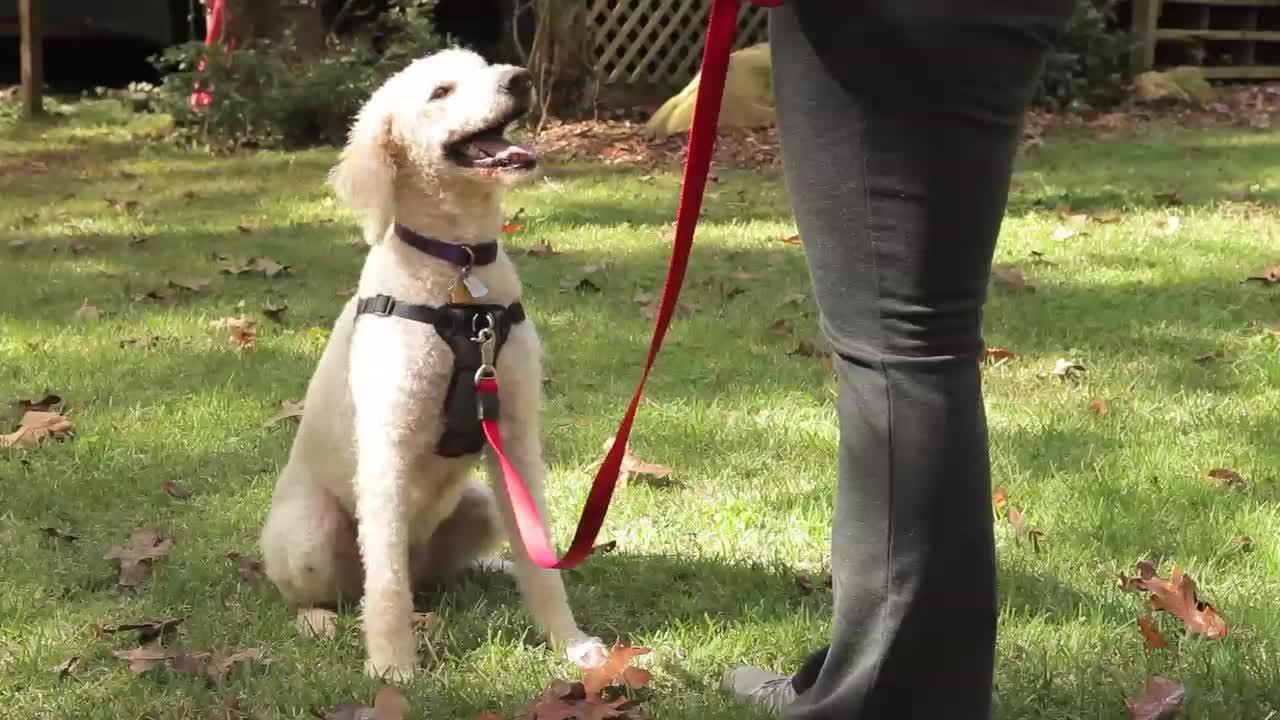
Yes, but you have to manage friction. Remove the harness indoors when safe to do so, comb-check the armpits and chest daily, and keep coat shorter in high-rub zones.
My Poodle hates brushing. What should I do?
First, assume discomfort: check for mats and talk to your groomer or vet if your dog seems painful. Then rebuild with tiny sessions, high-value treats, and a predictable routine. If needed, a certified force-free trainer can help you create a cooperative care plan.
How do I know if I missed mats?
Your comb will tell you. After brushing, run a greyhound comb all the way to the skin in common mat zones. If it catches, there is still a tangle.