A practical checklist of the most important dog cues for safety, calm behavior, and real-life manners, plus easy training steps and proofing tips.
Puppy biting is one of those "I love you, please stop" phases of dog ownership. The good news is that nipping is normal, it is not a sign your puppy is aggressive, and you can absolutely teach a softer mouth with a few consistent routines.
From years working in training and veterinary settings, I think of puppy nipping as a combo of three things: a baby learning how to use their mouth, a growing brain that gets overstimulated easily, and a body that is literally uncomfortable during teething. Your job is to teach bite inhibition, redirect to appropriate chewing, and manage the environment so your puppy has fewer chances to rehearse the behavior.
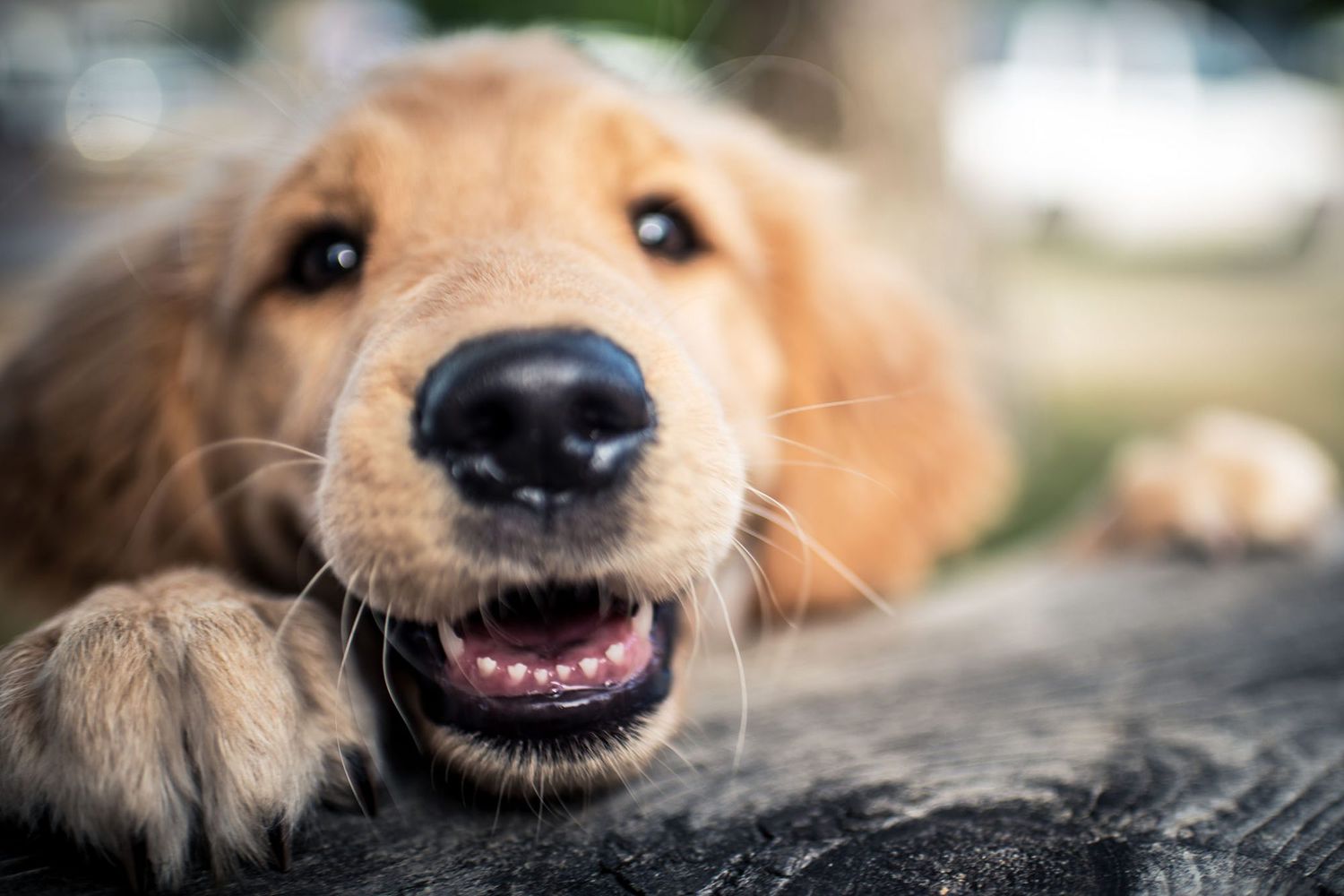
Why puppies bite
Puppies explore the world with their mouths the way human toddlers use their hands. Biting is how they play, investigate, and soothe sore gums.
- Play behavior: Puppies mouth each other constantly. Littermates teach each other what is too hard.
- Teething discomfort: Teething typically ramps up around 3 to 4 months and gradually improves as adult teeth come in, often by about 6 months. During this window, chewing and grabbing can spike.
- Overtired and overstimulated: The "witching hour" biting at night is real. Many puppies need more naps than owners expect.
- Attention seeking: If biting reliably makes you squeal, wave hands, or chase them, it can become a fun game.
- Frustration: Leash biting, clothing grabbing, and barking plus nipping often happen when a puppy is confused or prevented from reaching something they want.
Knowing which category you are in helps you choose the right fix.
Safety and setup
If your puppy is in a bitey phase, management is not "giving in". It is how you prevent bad habits while you teach better ones.
Have a puppy-safe zone
Use an exercise pen, crate, or gated puppy-proof room. This gives you a calm place to reset when biting escalates.
Keep toys within arm’s reach
I keep baskets of toys in every room during puppyhood. If you have to hunt for a toy, the puppy is more likely to practice biting you instead.
Dress for the season you are in
Long sleeves, thicker sweatpants, and closed-toe shoes can save your skin while training clicks into place.
Supervise kids closely
Kids move fast and squeal, which can trigger chase and grab. For many families, the best plan is structured puppy time and separated downtime until the puppy has better impulse control.
Teach bite inhibition
Your end goal is not just "stop biting today". It is teaching your puppy to have a gentle mouth for life. Bite inhibition is the ability to control jaw pressure.
Step 1: Reward soft choices
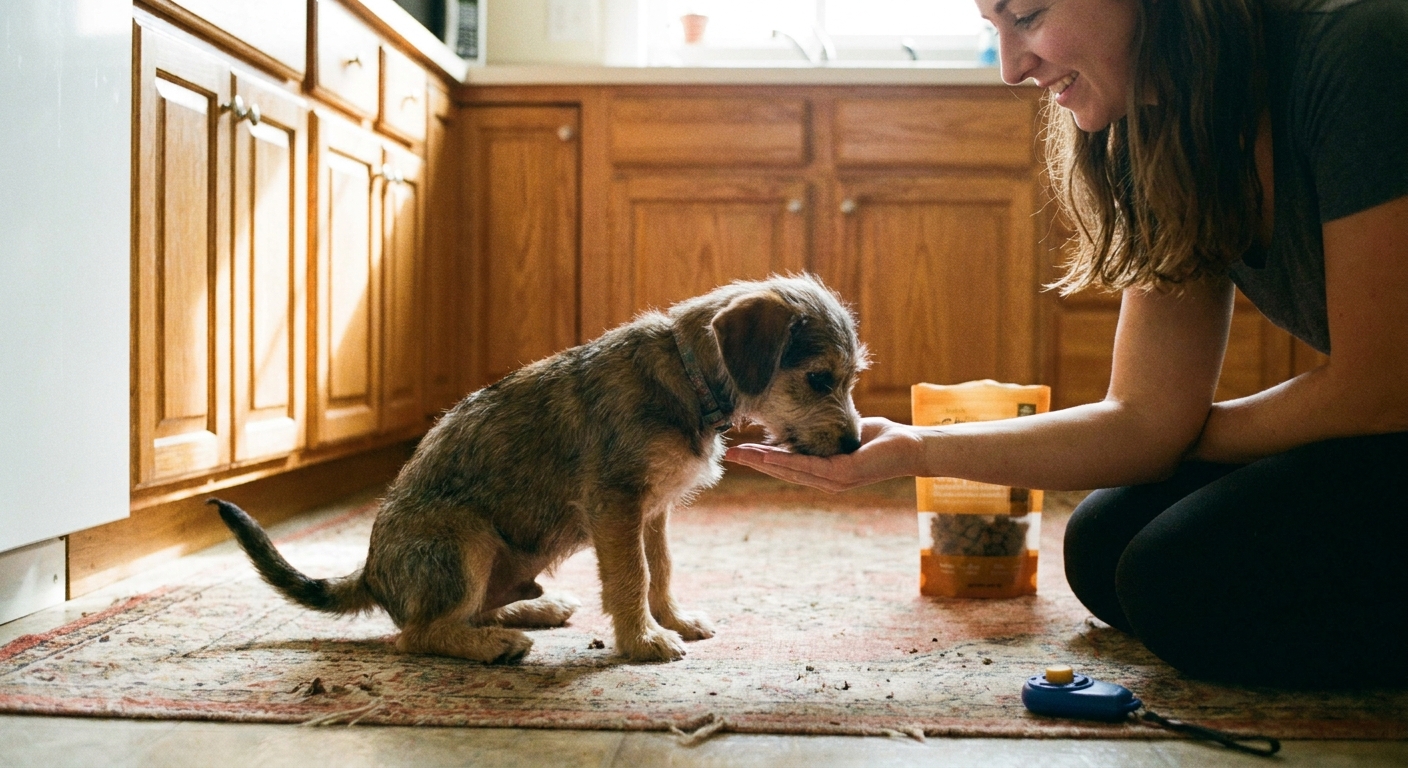
Start in calm moments. If your puppy is gentle, use a marker word like "yes" (a quick signal that means "that was it") and then immediately guide them to a toy. Reward the moment they choose the toy or disengage from your skin.
Step 2: If it hurts, the fun pauses
If teeth hit skin with pressure, pause play for 5 to 10 seconds. Keep your body still and boring. Then offer a toy and restart gently.
- What not to do: yank your hand away fast, squeal, or push your puppy off. Those reactions often energize biting.
- What you are teaching: hard teeth make the fun stop, calm behavior makes the fun return.
Step 3: If it keeps happening, take a short break
If your puppy bites repeatedly, they are probably overstimulated. Calmly stand up and step behind a baby gate, or place the puppy in their pen with a chew for 30 to 90 seconds. This is not a long isolation. It is a reset.
Trainer tip: Many puppies bite the most when they need a nap. If your puppy is biting like a tiny shark and cannot settle, try a potty break and then a crate nap with a safe chew.
Redirect nipping in the moment
Redirection works best when you do it early, before your puppy gets fully revved up.
Toy swap
- Keep a tug toy or soft rope toy nearby.
- When your puppy targets hands, calmly present the toy right at their mouth level.
- When they bite the toy, praise and continue play with the toy only.
Scatter treats to break the spell
If your puppy is in a biting frenzy, toss 5 to 10 small treats on the floor. Sniffing and foraging can help lower arousal and gives you a second to breathe.
Ask for an easy cue, then pay
For puppies who know basic cues, interrupt with "touch" (nose to hand), "sit", or "find it". Reward immediately. This turns biting into a predictable routine: calm behaviors earn rewards.
Surviving teething
Teething is uncomfortable. Your puppy is not being dramatic. They need safe, satisfying ways to chew.
Chews that are usually puppy-friendly
- Rubber toys you can stuff with kibble and a smear of canned food, then freeze.
- Wet washcloth twist: Wet a clean washcloth, twist it, and freeze it. Supervise closely, discard it when it starts to fray, and take it away if they shred and swallow pieces.
- Puppy-specific dental chews sized for your dog.
Use caution with very hard chews
I have seen cracked teeth from extremely hard items. A common rule of thumb is: if you cannot indent it with a fingernail or it would hurt if you tapped it on your kneecap, it may be too hard for many dogs. Items that commonly cause problems include antlers, hooves, and weight-bearing bones. Ask your veterinarian what they recommend for your puppy’s size and chewing style.
Rotate, do not offer everything at once
Put out 3 to 5 options, then swap them daily. Novelty reduces the urge to chew hands.
Common scenarios
Leash biting on walks
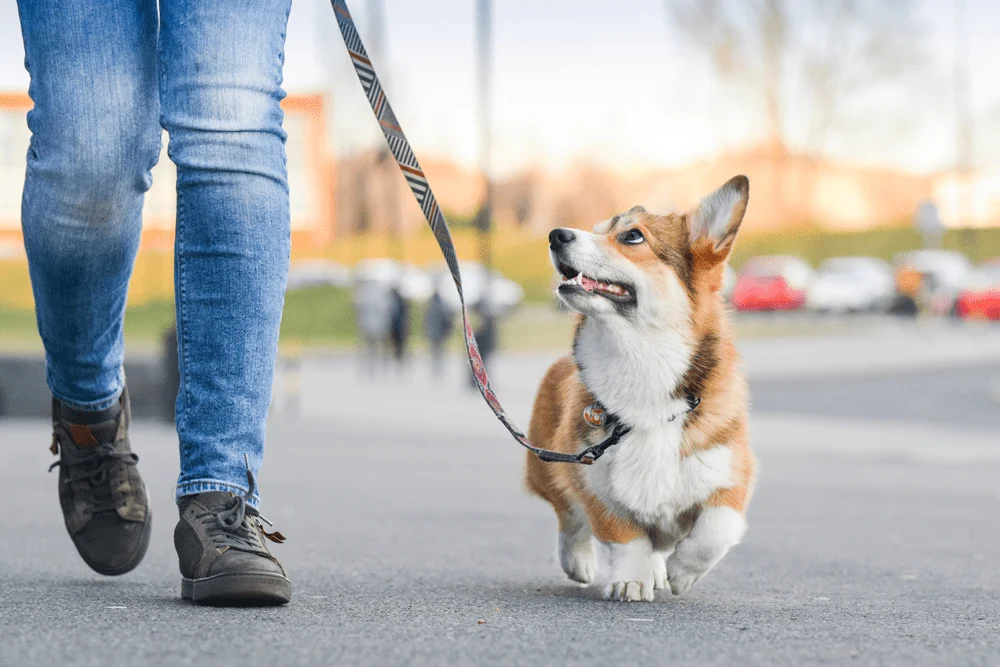
- Bring a tug toy or treat pouch and reward loose-leash moments heavily.
- If they grab the leash, go still, hold the leash close to your body, and wait for release.
- Then cue "touch" and reward, or scatter treats in grass and let them sniff.
- Check basics: are they overtired, walking too long, or overstimulated by the environment?
Biting your pants, sleeves, or ankles
- Freeze, do not run. Movement triggers chasing.
- Calmly redirect with a toy at their mouth level.
- If they keep grabbing, step behind a gate for a brief break, then return and reward calm.
Puppy goes wild in the evening
This is often a nap issue. Puppies need a surprising amount of sleep, often around 16 to 20 hours per day when very young.
- Try a predictable schedule: potty, play, training for 2 to 5 minutes, then a chew in the crate for a nap.
- Lower stimulation: dim lights, quieter voices, fewer active games.
Biting during petting
Some puppies get overexcited from hands moving over their body.
- Pet for 2 seconds, then stop and offer a treat.
- If the puppy stays calm, repeat. If they mouth your hand, stop petting and redirect to a chew.
Games to skip
- Wrestling with your hands: teaches hands are toys.
- Letting puppies chase feet: becomes an ankle-biting habit quickly.
- Rough tug without rules: tug is fine, but teach a drop cue and keep arousal manageable.
- Physical corrections: scruff shakes, muzzle grabs, alpha rolls, and hitting can increase fear and can create defensive biting.
- Punishment tools: spray bottles, leash jerks, and other "gotcha" corrections often increase arousal or stress, which can make mouthing worse.
You can raise a confident, respectful dog without ever making them afraid of you. Positive reinforcement is not permissive. It is structured and clear.
A simple daily plan
1) Burn energy the smart way
Choose activities that engage the brain, not just the body.
- Food puzzles and stuffed frozen toys
- Short training sessions, 2 to 5 minutes
- Sniff walks where your puppy can investigate
2) Practice calm
- Reward your puppy for lying down on their own.
- Teach a mat settle: treat for stepping on a mat, then lying down, then relaxing.
3) Schedule naps
If biting is intense, experiment with a rhythm like 45 to 60 minutes awake, then 1 to 2 hours of nap time. Many puppies bite less when sleep is consistent.
4) End play early
Stop while your puppy is still doing well. If every play session ends in nipping, you are waiting too long to take breaks.
When biting is not normal
Most puppy nipping is normal. But a few red flags mean you should bring in professional help quickly.
Call your vet if you notice
- Swollen gums, bad breath, bleeding that seems excessive, or teeth that do not fall out as expected
- Sudden biting paired with yelping, hiding, limping, or sensitivity to touch
- Any sign your puppy may have swallowed a toy piece, string, or chew
Work with a certified trainer if you see
- Biting that looks stiff, intense, and hard to interrupt
- Guarding behavior around food, chews, or stolen items
- Growling, freezing, or snapping during handling
- No improvement after a few weeks of consistent training and management
Look for a trainer who uses modern, reward-based methods and has credentials such as CPDT-KA, KPA-CTP, or IAABC. If there are serious concerns, a veterinary behaviorist can be a game changer.
FAQ
At what age do puppies stop biting?
Most puppies improve significantly by 5 to 7 months with consistent training, especially after teething ends. Some mouthy breeds and high-energy individuals need longer, but you should see steady progress along the way.
Should I yelp when my puppy bites?
Sometimes it helps, often it backfires. Many puppies get more excited by squealing. I prefer the calmer approach: pause play, redirect, and use short breaks when needed.
Is it okay to use bitter spray on my hands?
I generally do not recommend putting deterrents on skin, and it can create negative associations with handling. Bitter sprays can be useful on furniture or cords as part of puppy-proofing, but training and management should do the heavy lifting for biting.
My puppy bites me but not my partner. Why?
Puppies often mouth the person who plays more, moves faster, reacts more dramatically, or spends more time with them. It is also common for puppies to nip the primary caregiver during busy routines like cooking or getting ready for work. Have everyone follow the same response plan for biting so the puppy gets one clear message.
The big picture
You are not failing if your puppy is bitey. You are raising a baby animal with needles for teeth and a brain still under construction. Focus on teaching bite inhibition, giving your puppy appropriate chewing outlets, and building in naps and calm time. If you are consistent, this phase passes and what you get on the other side is a dog who knows how to be gentle with the humans they love most.