A step-by-step 7-day schedule many dogs do well with when changing foods, plus troubleshooting for gas, diarrhea, picky eating, and when to slow down.
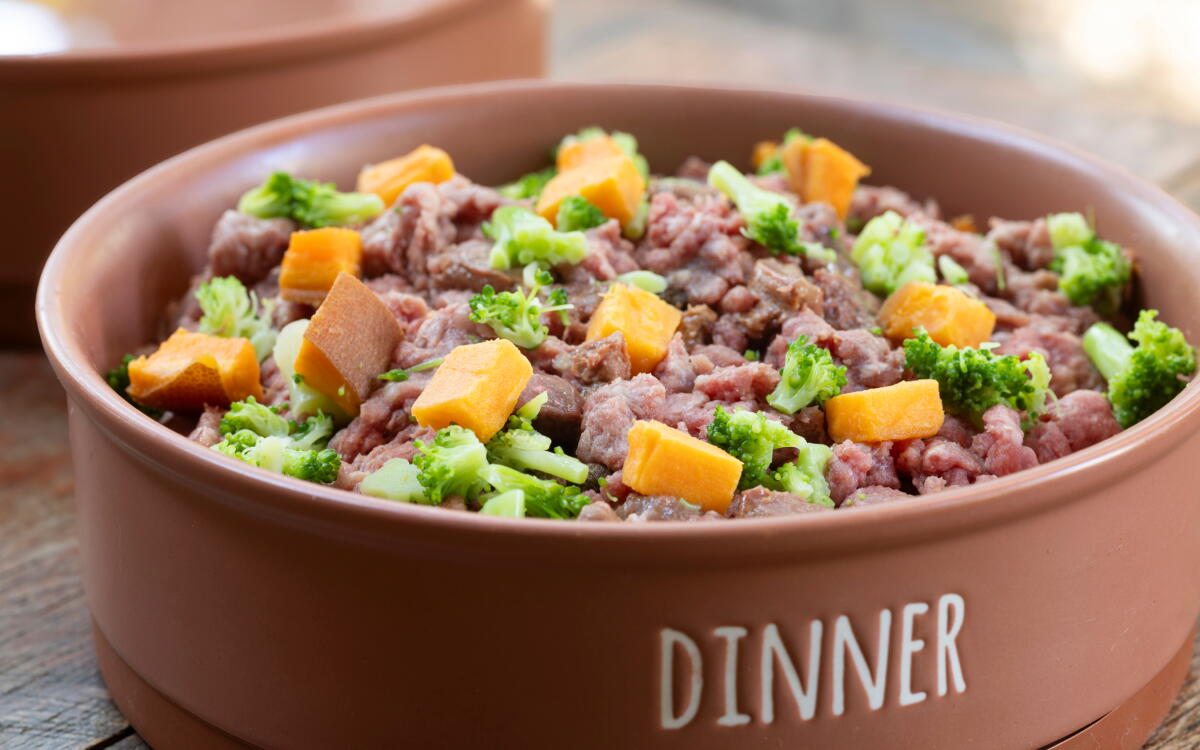
Raw feeding can feel like the ultimate “back to nature” choice, and I get the appeal. As a former veterinary technician and a certified trainer, I have also seen how quickly food decisions can affect skin, stool, energy, and even behavior. If you are thinking about switching to a raw dog food diet, the goal is not just raw. The goal is safe, complete, and consistent.
This guide walks you through what raw feeding is, what it can do well, where it can go wrong, and exactly how to handle it responsibly.
What “raw feeding” means
A raw dog food diet usually includes uncooked animal ingredients like muscle meat, organs, edible bone, and sometimes eggs, fish, and small amounts of fruits and vegetables. There are two common approaches:
- Commercial raw: Frozen, freeze-dried, or refrigerated products (often patties, nuggets, or chubs). Some are formulated to be nutritionally complete for a life stage, and some are “supplement needed” mixes.
- Homemade raw: You buy ingredients and build meals yourself, typically using a recipe or a “ratio” approach.
Important: “Raw” does not automatically mean a diet meets recognized nutrient standards. That distinction matters a lot for long-term health.
Pros and cons
Potential upsides some dogs experience
- High palatability: Many picky dogs eat raw enthusiastically.
- Stool changes: Some dogs have smaller, firmer stools (not always a positive if it tips into constipation).
- Owner control over ingredients: Helpful for some dogs with sensitivities when guided by a professional.
- Coat and skin improvements: Sometimes seen when the new diet improves fatty acid balance or removes a trigger ingredient, but it is not exclusive to raw diets.
Real risks to take seriously
- Bacterial and parasite exposure: Raw meat can carry pathogens like Salmonella, Listeria, Campylobacter, and certain strains of E. coli. Risk varies by sourcing, handling, and storage, but it is never zero.
- Shedding that affects people: Dogs can shed some organisms in saliva and stool even if they seem fine. Public health agencies and veterinary organizations have warned about this in households, especially around higher-risk family members.
- Nutritional imbalance: The most common problem I see. Many homemade raw plans miss key nutrients (or overshoot others), and the consequences can show up months later.
- Bone hazards: Whole bones can crack teeth or cause constipation, obstruction, or perforation. Ground bone reduces some risks but introduces others if the formula is off.
- Not ideal for every household: Raw feeding is often not recommended in homes with young kids, elderly family members, anyone pregnant, or anyone immunocompromised.
If you are considering raw feeding because your dog has itchy skin, chronic ear infections, soft stool, or “allergies,” start with your vet. Many of these issues can be addressed without jumping straight to a higher-risk food handling routine.
Who should avoid raw
Raw feeding is not a good fit for every dog, and it is not worth it if it increases risk for your home. Extra caution or a different diet is typically recommended for:
- Puppies (they are growing fast and nutritional mistakes hit harder)
- Pregnant or nursing dogs
- Dogs with compromised immune systems (including some chronic illnesses and medications)
- Dogs with a history of pancreatitis (some raw diets can be high fat)
- Dogs with kidney disease (phosphorus and protein levels often need medical tailoring)
Also think beyond the dog: if a family member is immunocompromised, choose a lower-risk feeding option and discuss specifics with your veterinarian.
Raw safety basics
If you take nothing else from this article, take this: raw feeding is less about the bowl and more about the food safety system you use every day.
Shopping and storage
- Buy from reputable sources with clear handling instructions and quality control.
- Freeze promptly if you will not use it within 1 to 2 days.
- Store raw dog food separately from human ready-to-eat foods to reduce cross-contamination.
- Label and date anything you portion yourself.
Thawing and prep
- Thaw in the refrigerator, not on the counter.
- Use dedicated tools: one cutting board and one knife that are only for pet food is ideal.
- Keep time at room temperature short: portion fast, then refrigerate or serve immediately.
- Do not rinse raw meat; it splashes bacteria around your sink and counters.
Clean-up that works
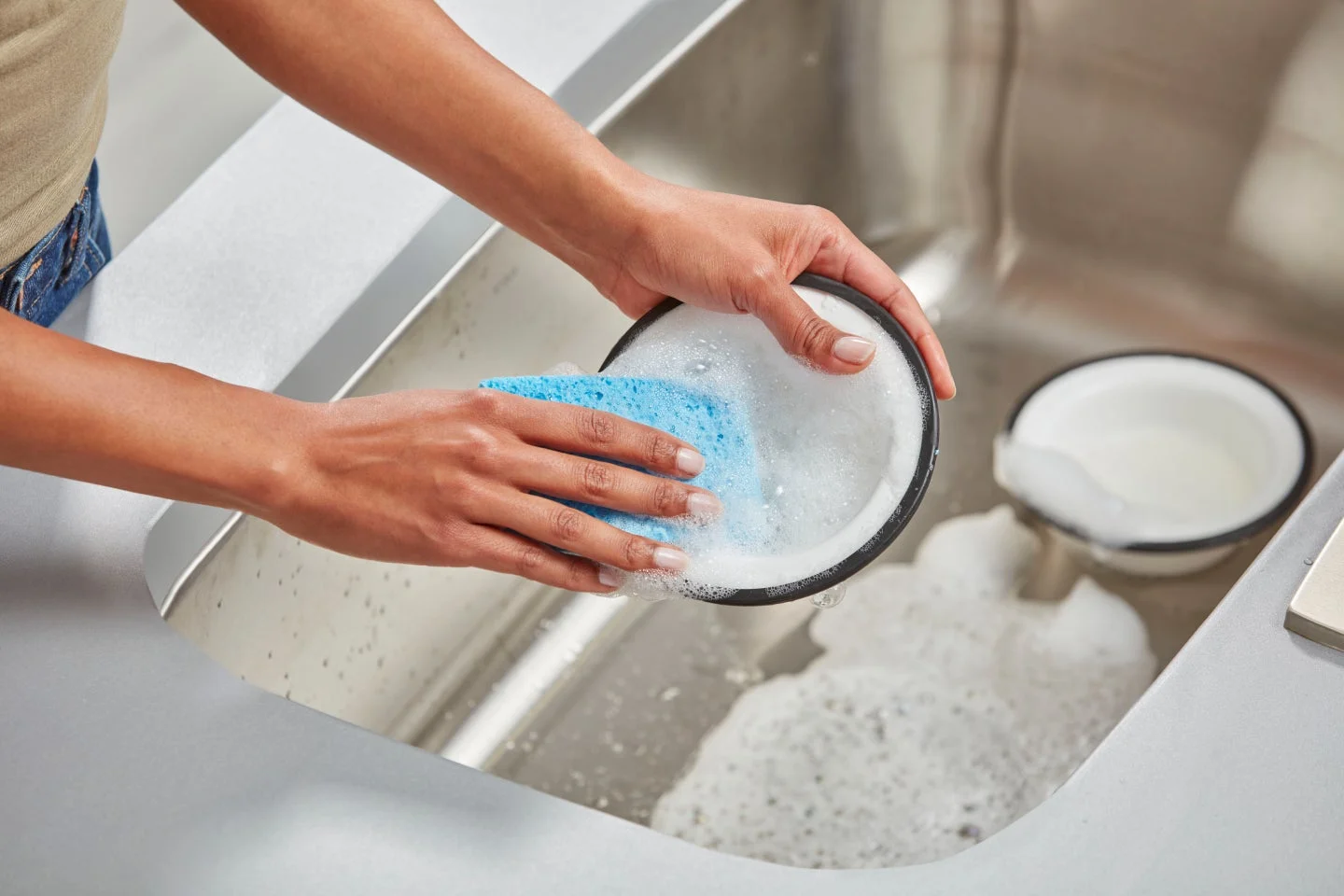
- Wash hands with soap and warm water after handling raw food or bowls.
- Wash bowls with hot, soapy water after every meal. Stainless steel is easiest to sanitize.
- Disinfect surfaces after prep. Follow the product label for contact time, because a quick wipe is often not enough.
- Launder towels used for raw prep on hot, or use disposable paper towels.
Feeding and home hygiene
- Pick up the bowl after 15 to 20 minutes.
- Wipe your dog’s face if they are a messy eater.
- Limit face-licking right after meals, especially around kids.
Multi-pet households
- Feed pets separately so nobody steals a raw meal, guards it, or drags it across the house.
- Pick up leftovers immediately, especially if you have a cat that likes to investigate dog bowls.
- Wash shared water bowls regularly, and consider separate water bowls if your pets tend to lick each other’s faces after meals.
Balance is the hard part
Dogs do not need variety in every bowl, but they do need balance over time. The hardest part of homemade raw feeding is meeting requirements for:
- Calcium and phosphorus (and getting the ratio right)
- Iodine (commonly low without a reliable source)
- Vitamin D
- Vitamin E (especially if you add fish oil)
- Trace minerals like zinc, copper, and manganese
- Essential fatty acids (omega-3 and omega-6 balance)
“80/10/10” style ratios (meat, bone, organ) are popular online, but ratios are not the same thing as a recipe that meets recognized nutrient standards for your dog’s life stage.
Two safer ways to feed raw
- Choose a commercial raw diet that meets nutrient profiles for your dog’s life stage, with a clear nutritional adequacy statement.
- Work with a board-certified veterinary nutritionist for homemade recipes, especially for puppies or dogs with medical conditions.
If you want to DIY without guessing, ask your veterinarian for a referral to a board-certified veterinary nutritionist. In the US, look for DACVN credentials; in Europe, ECVCN. “Nutritionist” is not a protected title everywhere, so credentials matter.
How to check the label
If you are buying commercial raw, flip the package and look for a nutritional adequacy statement. In the US, that usually means an AAFCO statement that says one of the following:
- “Formulated to meet” AAFCO Dog Food Nutrient Profiles for a specific life stage (adult maintenance, growth, all life stages).
- “Animal feeding tests” using AAFCO procedures substantiate that the food provides complete and balanced nutrition for a specific life stage.
In many parts of Europe, you may see reference to FEDIAF standards instead. Either way, you want clear language that the diet meets recognized nutrient targets for your dog’s life stage, not just marketing terms like “natural,” “ancestral,” or “premium.”
Prep workflow
Beginners do best with a routine that reduces mistakes and keeps food handling predictable.
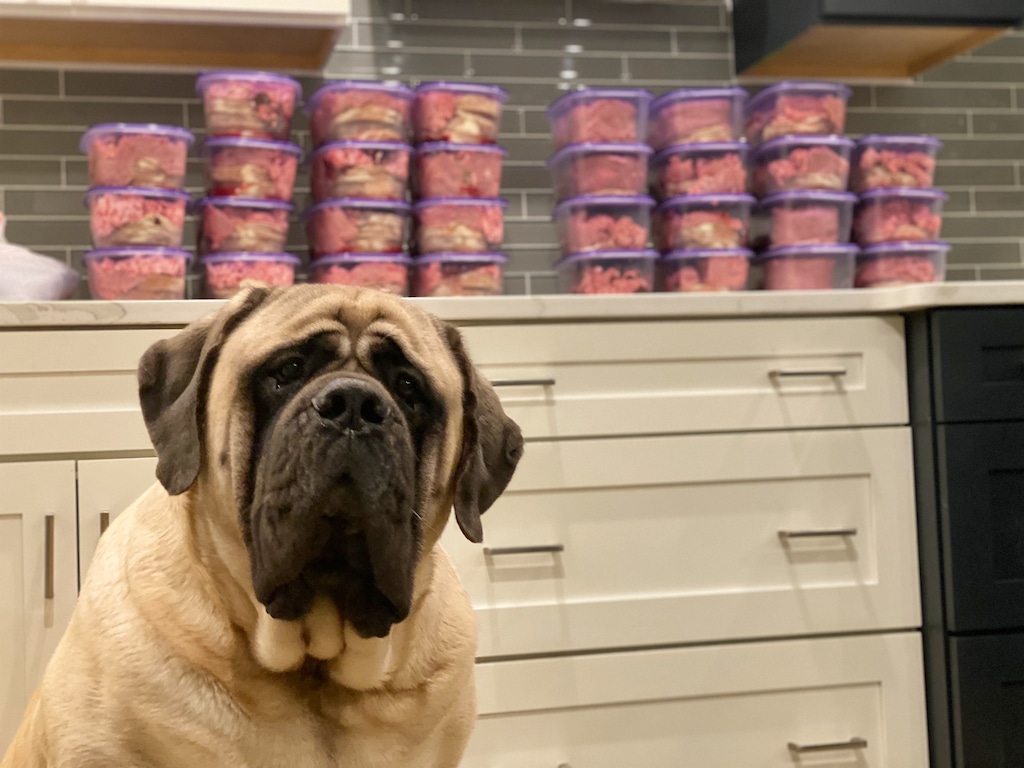
Step 1: Pick your path
- Commercial diets that meet nutrient profiles are the simplest starting point.
- If using a base mix that requires you to add meat or supplements, follow the manufacturer’s directions precisely.
- If homemade, use a veterinary-formulated recipe, not a social media ratio.
Step 2: Portion with a scale
Eyeballing portions is one of the fastest ways to overfeed. Use a kitchen scale, portion into containers, and freeze what you will not use within a couple days.
Step 3: Transition gradually
Many dogs do better with a slow switch over 7 to 10 days. Some dogs, especially those with sensitive stomachs, do better with a 2 to 3 week transition. Start with a small amount mixed into the current food, then increase every few days.
Step 4: Keep a stool journal
Write down what you fed and what the poop looked like. I know it is not glamorous, but stool is your most honest feedback tool during a diet change.
How much to feed
There is no single perfect amount, because calorie needs vary wildly by age, breed, activity, and metabolism. Many raw feeders start around 2 to 3 percent of a dog’s ideal body weight per day, but treat that as a rough heuristic, not a rule. A toy breed, a couch potato, and a working dog can land in completely different places.
What I prefer as a starting point is calorie awareness plus your dog’s body condition score. You should be able to feel ribs easily under a thin layer of tissue, see a waist from above, and see an abdominal tuck from the side.
- If your dog is gaining: reduce total calories by 10 percent and reassess in 2 to 3 weeks.
- If your dog is losing too quickly or seems hungry all day: increase by 10 percent and reassess.
If you are feeding a commercial raw, follow the package guidelines first, then adjust with your veterinarian’s help.
Bones and safety
Bones are where raw feeding can get scary fast. I have seen fractured teeth, painful constipation, and emergency obstructions. If you feed raw with bones, keep these points in mind:
- Never feed cooked bones; they splinter easily.
- Size matters: bones should be large enough that your dog cannot swallow them whole.
- Supervise chewing: if your dog crunches hard, tries to gulp, or gets frantic, bones are not a safe enrichment choice.
- Ground bone is different: it is easier to eat, but it must be properly formulated to avoid mineral imbalances.
If your dog’s plan depends on bone for calcium, this is another reason I prefer commercial diets with clear nutrient adequacy statements or a veterinary nutritionist recipe.
Freeze-dried and cooked options
Some families want the ingredient style of raw without the same day-to-day mess and risk. Two common alternatives:
- Freeze-dried raw: convenient for travel and storage, but once rehydrated it should still be treated like raw meat for hygiene. Some brands use pathogen-reduction steps (such as high pressure processing), which can lower risk but does not make the food sterile.
- Gently cooked fresh food: often easier on the hygiene front and still highly palatable. It can be a great compromise for many households.
Whatever you choose, look for a clear nutritional adequacy statement for your dog’s life stage and talk to your veterinarian about your dog’s individual needs.
Common problems
Diarrhea during the transition
- Slow the transition down.
- Keep proteins simple, one primary protein source at a time.
- Call your vet if diarrhea is severe, contains blood, includes vomiting, or lasts more than 24 to 48 hours.
Constipation or chalky stool
- This can happen with too much bone.
- Stop bones and contact your vet if your dog is straining, painful, or not passing stool.
Itchy skin does not improve
- Food is only one piece of the itch puzzle. Environmental allergies are extremely common.
- Ask your veterinarian about a true elimination diet trial if food allergy is suspected.
More bowl guarding
Higher-value food can increase resource guarding in some dogs. Manage it proactively:
- Feed in a quiet area.
- Keep kids away during meals.
- Do not take food away to “test” your dog.
- Work with a qualified trainer if guarding shows up. This is fixable, and you do not need to handle it alone.
Questions to ask
- Can I follow strict food safety steps every single day?
- Is everyone in my household comfortable with raw meat handling and the added sanitation?
- Am I choosing a diet that meets nutrient standards for my dog’s life stage?
- Do I have a veterinarian involved, and do I know who to call if my dog gets sick?
Raw feeding is not a moral upgrade. It is just one feeding style. Your dog’s best diet is the one that keeps them healthy and fits your real life consistently.
Raw feeding FAQ
Do I need supplements?
Often, yes, especially for homemade diets. Commercial diets with a clear nutritional adequacy statement for your dog’s life stage are designed to meet nutrient requirements without you adding anything. Homemade raw frequently needs targeted supplementation to avoid deficiencies.
Can I mix kibble and raw?
For most healthy dogs, mixing is not inherently dangerous. The bigger issues are total calories and how your dog’s GI tract handles change. If mixing triggers soft stool, feed separately or transition more gradually.
Is raw better for dental health?
Some dogs chew more on certain raw items, but fractured teeth are a real risk with hard bones. If your goal is dental health, daily tooth brushing, VOHC-accepted dental products, and vet dental cleanings are safer and more reliable.
Do dogs “handle” pathogens better?
Dogs can sometimes tolerate exposure without obvious illness, but they can still get sick and they can still shed bacteria. The risk is shared with the humans and pets in the home. That is why hygiene matters so much.
Bottom line
If you want to try a raw dog food diet, start with safety and balance, not internet trends. Choose a commercial diet with a clear nutritional adequacy statement for your dog’s life stage or work with a board-certified veterinary nutritionist for homemade. Set up a prep routine you can stick with. Then monitor weight, stool, skin, and energy with your veterinarian as part of the plan.
Your dog does not need perfection. They need consistency, adequate nutrition, and a caregiver who makes choices they can truly maintain. That is how you build long-term health, whether the food is raw, cooked, or kibble.