
If you have ever swapped your dog’s kibble and immediately regretted it (hello, midnight diarrhea and a dog who looks personally betrayed), you are not alone. In my years as a veterinary technician and now as a certified trainer, I have seen more “new food disasters” than I can count, and they are usually avoidable.
The goal is simple: give your dog’s gut time to adjust. A slow transition gives the digestive system time to adapt to new ingredients, fat levels, and fiber, which can help reduce loose stools, gas, and general tummy drama.
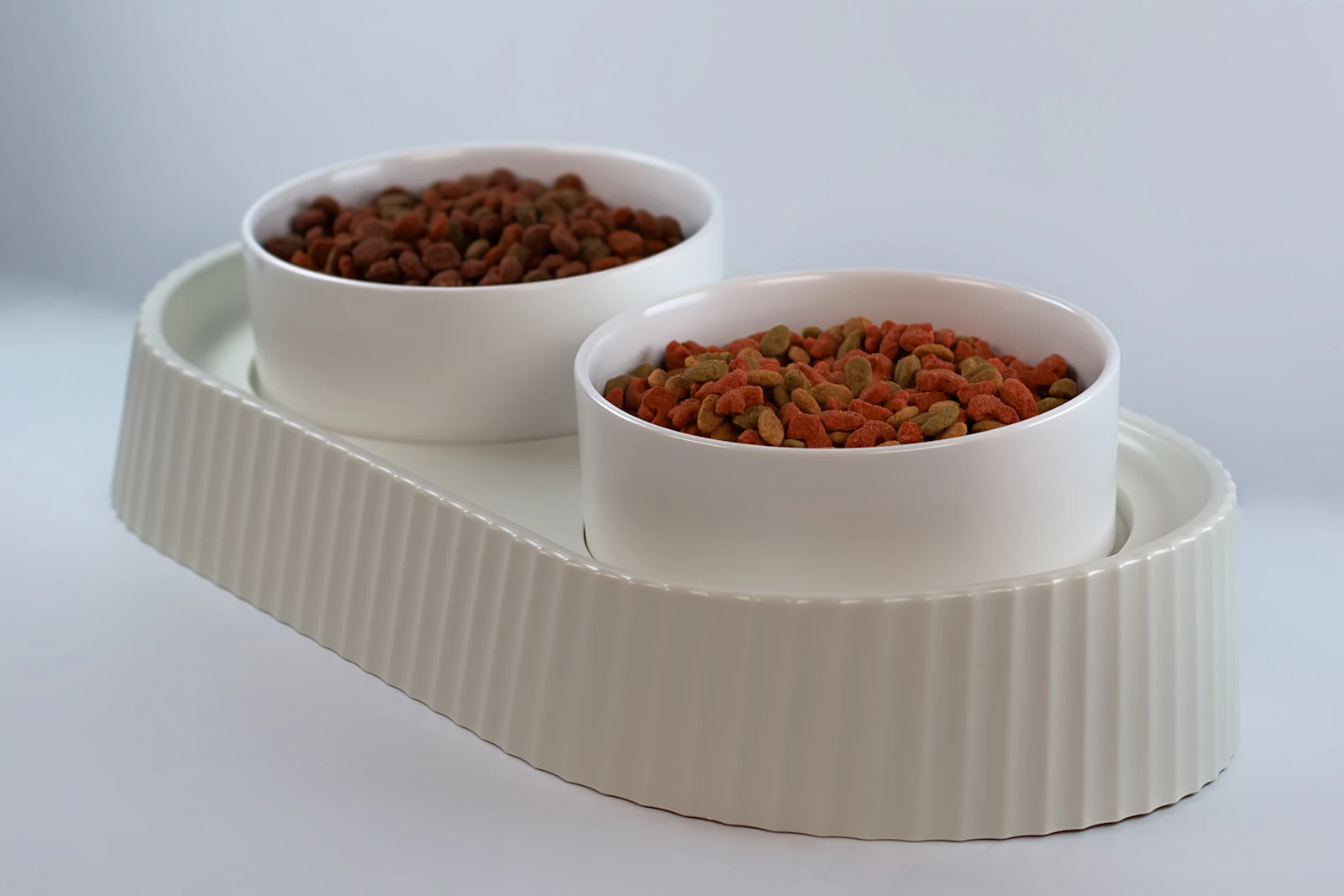
A common 7-day schedule
For a healthy adult dog switching between similar types of food (kibble to kibble, or canned to canned), this 7-day schedule is a reliable starting point that works for many dogs. You will mix the old and new foods together in the same bowl.
If you are switching across formats (kibble to canned, canned to kibble, or kibble to fresh or raw), plan on going slower for many dogs. Changes in moisture, fat, and fiber can hit differently.
Day-by-day mixing plan
- Days 1 to 2: 75% old food + 25% new food
- Days 3 to 4: 50% old food + 50% new food
- Days 5 to 6: 25% old food + 75% new food
- Day 7: 100% new food
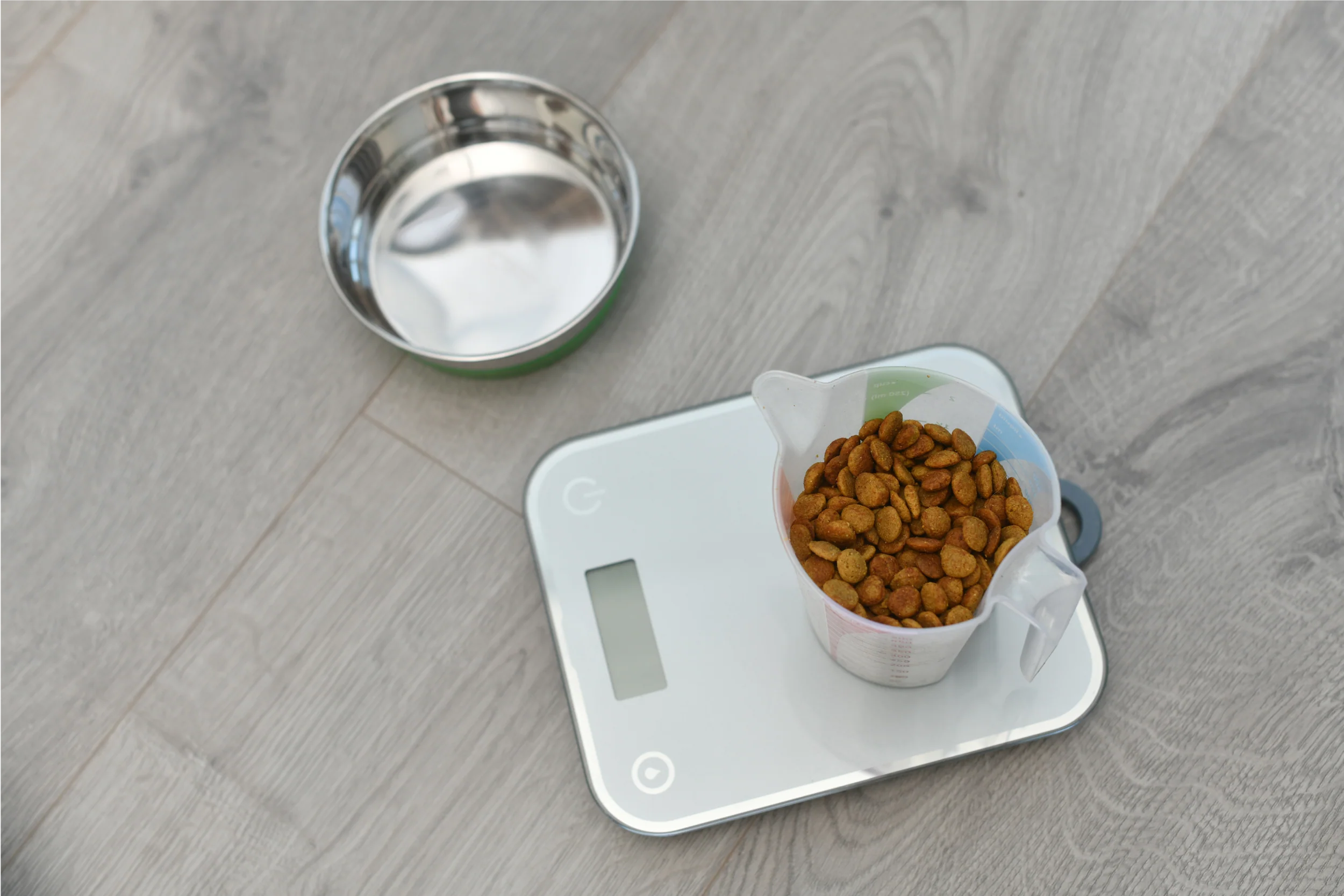
How to measure: Use a measuring cup or kitchen scale. “Eyeballing it” tends to creep portions up, and overfeeding alone can cause loose stool during a transition.
Pro tip: Keep the total amount of calories per day the same as before unless your veterinarian advised a different target. This matters because two foods can have very different caloric densities, even if the scoop looks identical.
When to slow down
Some dogs need a gentler ramp. It is normal to stretch the transition to 10 to 14 days if your dog is:
- Known for having a sensitive stomach
- A small breed (small dogs can become dehydrated more quickly if diarrhea hits)
- A senior dog
- Switching to a food with a very different ingredient profile (for example, much higher fiber, much higher fat, or a novel protein)
- Recovering from recent stress (boarding, moving, a new baby, a new dog in the home)
- Switching across formats (kibble to canned or to fresh foods)
To slow down, simply add more “steps” between the percentages above. For example, stay at 75/25 for 3 to 4 days before moving to 60/40, then 50/50, and so on.
How to avoid diarrhea
Diarrhea during a food change is usually caused by one (or a combo) of these: switching too quickly, feeding too much, treats and chews piling on top, or a food that is richer than what your dog is used to.
Gut-friendly habits
- Keep treats boring for a week. During transitions, I tell clients to treat like we are on a “bland vacation.” Stick to the same training treats your dog already tolerates, and keep treat calories under about 10% of the daily total, which is a common guideline.
- Avoid new chews. No new bully sticks, no new dental chews, no new “mystery” edible bones while you are also introducing new food.
- Keep mealtimes consistent. Feeding at consistent times supports more predictable digestion.
- Do not add toppers to fix pickiness right away. Constantly changing flavor boosters can create a dog who holds out for the “better offer,” and it complicates figuring out what is upsetting their stomach.
- Hydration matters. Make sure fresh water is always available, especially if stools soften during the transition.
- In multi-dog homes, prevent bowl swapping. Separate dogs for meals and pick up leftovers. Food sharing makes it harder to know what each dog ate and can sabotage the transition.
If stools get soft
If you see mild soft stool but your dog is otherwise acting normal (good appetite, normal energy, no vomiting), you can often fix it by adjusting the transition. Even with a gradual switch, some dogs still get more GI upset than you would expect, so take it as a sign to slow down, not to panic.
Step-by-step troubleshooting
- Pause the schedule. Go back to the last ratio that produced normal stool (often 75/25 or 50/50) and hold there for 2 to 3 days.
- Double-check portions. Confirm you are not accidentally feeding extra during the mixing, especially if the new food is more calorie-dense.
- Cut extra goodies. Temporarily reduce treats and chews to the minimum needed for training.
- Slow the pace. Once stools are normal again, increase the new food by smaller jumps (for example, 10% at a time).
Skip the “starve them out” approach. Withholding food to force acceptance is stressful and can make some dogs nauseated, which then looks like a “food intolerance” when it is really stress.
When to call your vet
A careful transition often leads to only minor, temporary changes in stool. But if signs are more intense, do not wait. Contact your veterinarian promptly if you notice any of the following:
- Repeated vomiting, or vomiting plus diarrhea
- Diarrhea that is watery, frequent, or lasts more than 24 to 48 hours
- Blood in stool (bright red or black, tarry stool)
- Marked lethargy, weakness, or signs of dehydration (sticky gums, sunken eyes)
- Refusal to eat for more than one meal, especially in small dogs, seniors, or puppies
- A puppy with any diarrhea (they can get into trouble fast)
- Known medical conditions like pancreatitis, inflammatory bowel disease, Addison’s disease, kidney disease, or diabetes
Also call if the new food is a prescription diet. Those transitions sometimes need a veterinarian-specific plan, and mixing a therapeutic diet with other foods can weaken the diet’s intended effect unless your vet tells you exactly how to do it.
Special situations
Puppies
Puppies can be surprisingly delicate. I recommend a 10 to 14 day transition for most puppies, and I am extra strict about not changing treats, chews, and table scraps at the same time.
Seniors
Older dogs may have slower digestion and more underlying issues that show up during diet changes. Go slower, measure carefully, and watch stool quality and appetite closely.
Dogs prone to pancreatitis
If your dog has a history of pancreatitis, do not switch foods casually. Work with your veterinarian to choose an appropriate fat level, then transition very gradually. A “rich” food change can trigger a painful flare.
Picky dogs
Some dogs will pick around the new kibble like it is a personal insult. Before you start mixing in a bunch of extras, try these trainer-approved strategies that keep things simple:
- Feed set meals. Put the bowl down for 15 to 20 minutes, then pick it up. Offer the next meal at the usual time. Many healthy adult dogs will adjust to a reasonable schedule, but if your dog skips more than one meal, seems unwell, or you suspect pain or nausea, call your veterinarian.
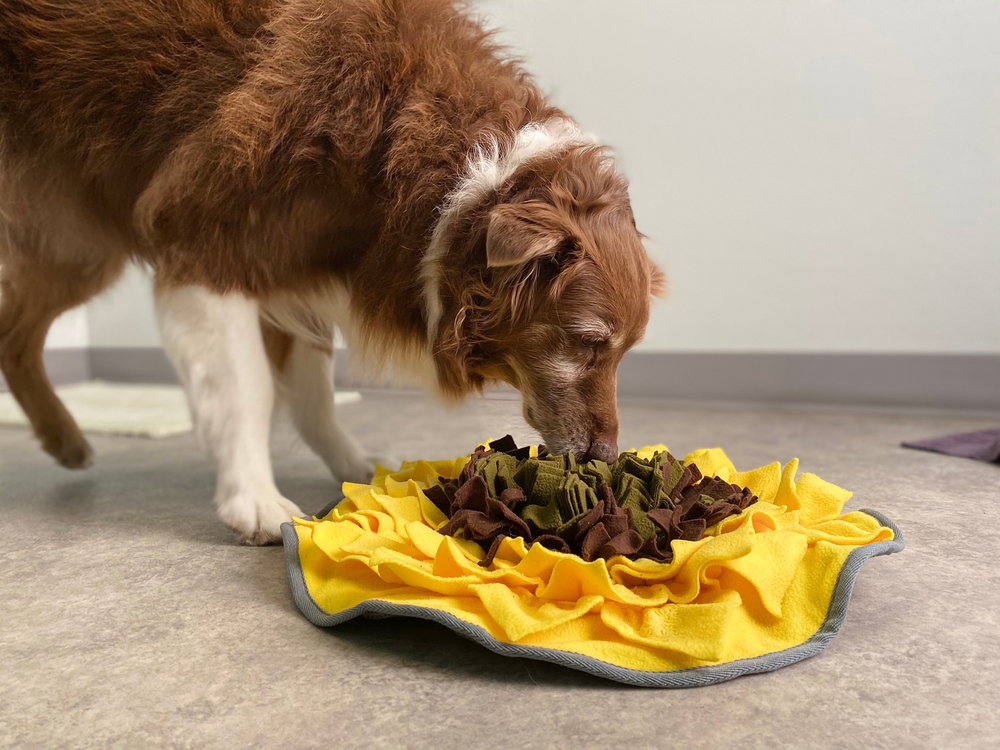
- Use food for enrichment. Try a snuffle mat or puzzle toy to make the meal more interesting without adding extra ingredients.
- Warm it slightly. For canned food, warming to room temperature can boost smell. For kibble, a small splash of warm water can increase aroma. Serve promptly and make sure it is not hot.
- Stay calm. Begging, bargaining, and hovering can accidentally reinforce fussiness.
FAQ
Can I switch my dog’s food cold turkey?
Some dogs can handle it, but many cannot. “Cold turkey” increases the odds of vomiting, gas, and diarrhea, especially if the new food has different ingredients or a higher fat content. A gradual transition is the safer default for most households.
Do I need to mix the foods in the same bowl?
Yes, if your dog will tolerate it. Mixing prevents a dog from selectively eating only the old food, and it makes the change more consistent for their gut.
What if I am switching because of suspected allergies?
Talk to your veterinarian, especially if this is an elimination diet trial. Those plans can be very specific about treats, flavored medications, and even supplements. You still typically transition gradually unless your vet says otherwise.
Should I add pumpkin or probiotics during the switch?
Sometimes, but do not throw the whole supplement cabinet at your dog. If your dog has a history of tummy trouble, ask your vet about a probiotic they trust. For pumpkin, a small amount can help some dogs, but too much can loosen stools further. When in doubt, slow the transition first.
Bottom line
A slow food transition is one of those boring pet-parent habits that pays off big. Use the 7-day schedule as a starting point for many healthy adult dogs, go slower for sensitive stomachs, puppies, seniors, and format changes, and keep treats and chews steady while the gut adjusts. If diarrhea is severe, persistent, or comes with vomiting or lethargy, call your veterinarian.
Your dog’s stomach will thank you. And so will your carpet.