A vet-tech and dog trainer’s practical guide to the most dangerous human foods for dogs, how they harm the body, warning signs, and immediate steps to take a...
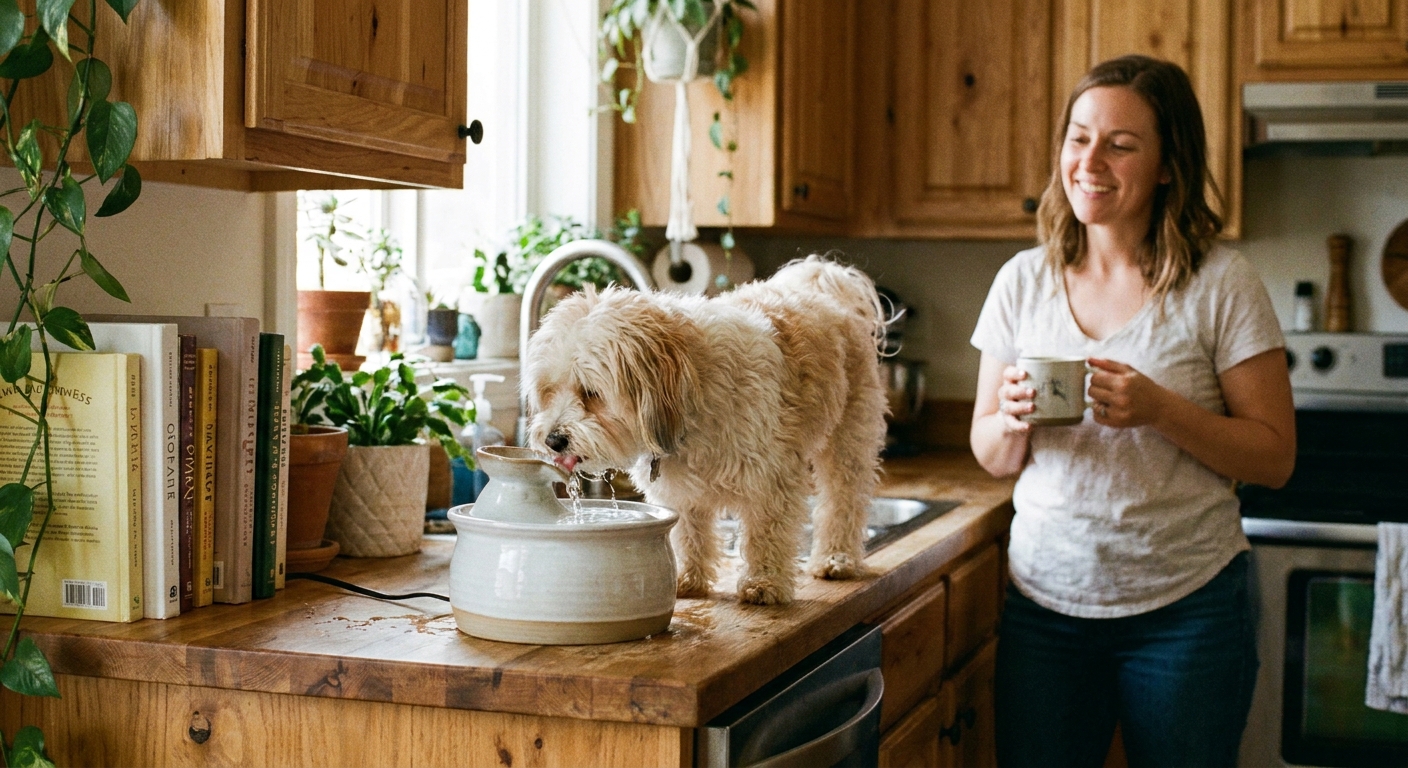
The honest truth is that most dog parents don’t notice “normal” drinking. We notice new drinking. The suddenly empty water bowl. The longer stops at the fountain. The way your dog seems to hover by the sink like a tiny, thirsty roommate.
Sometimes, increased thirst is totally explainable: heat, exercise, a salty treat, switching to kibble from canned food. But sometimes it’s your dog’s early way of waving a little red flag that something medical is going on.
Let’s walk through what’s normal, what’s not, and how to show up to a vet appointment with the most helpful details.
What counts as “too much” water?
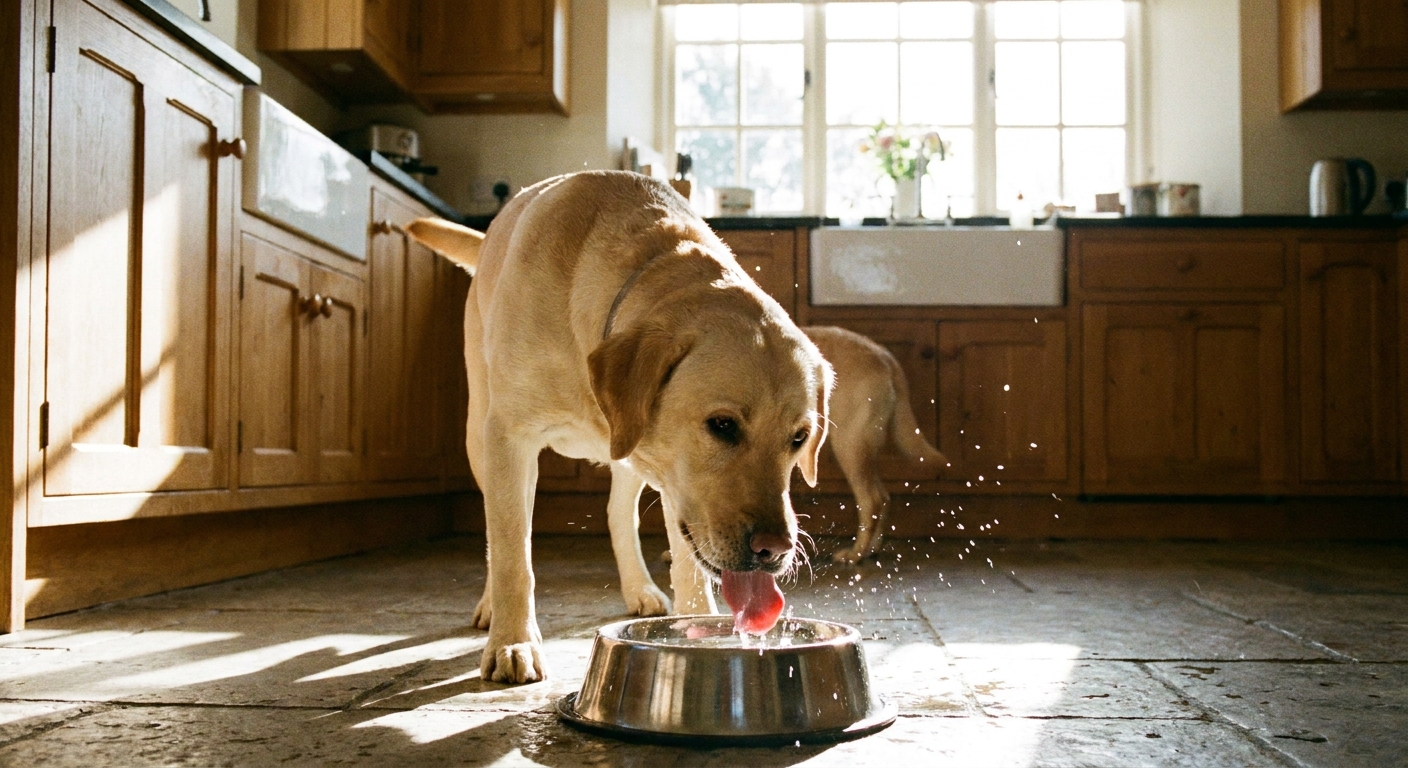
Vets typically call excessive drinking polydipsia. The tricky part is that “too much” depends on your dog’s size, diet, activity level, environment, and even how you’re measuring. Normal ranges can be wider than people expect, and spills, shared bowls, and sneaky toilet sips can throw off the math.
A simple daily estimate by weight
A practical rule of thumb for many healthy adult dogs is:
- About 1 ounce of water per pound of body weight per day (roughly 60 mL per kg per day).
That’s a general estimate, not a diagnosis. Some dogs naturally drink a bit more or less.
Quick examples
- 10 lb dog: about 10 oz per day (a little over 1 cup)
- 30 lb dog: about 30 oz per day (about 3.75 cups)
- 60 lb dog: about 60 oz per day (about 7.5 cups)
When it becomes more concerning: Many vets get especially interested when a dog consistently drinks more than about 100 mL per kg per day. In pounds and ounces, that is roughly about 1.5 to 1.6 oz per lb per day. A sudden jump matters too, especially if it comes with other symptoms.
Important: If you feed canned or fresh food, your dog may drink less because they’re getting more water through meals. If you feed dry kibble only, it’s normal to drink more.
Normal reasons for more thirst
Before we jump straight to scary stuff, here are common, non-emergency reasons a dog may suddenly guzzle water.
- Hot weather or dry indoor heat: Panting increases water loss.
- Exercise or excitement: A long walk, daycare day, or zoomies session can do it.
- Diet change: Switching from wet food to kibble increases thirst. Extra salty treats can also do it.
- Life stage: Growing puppies can drink more. Seniors may drink more due to routine changes like diet shifts, mobility changes, or new medications.
- Stress: Some dogs drink more when anxious, especially during changes to routine.
When it’s a medical concern
If your dog’s thirst is noticeably increased for more than 24 to 48 hours, is steadily getting worse, or comes with other symptoms, it’s time to loop in your veterinarian. Excessive thirst is often connected to increased urination, and together they can point to underlying disease.
Common medical causes
- Diabetes mellitus: High blood sugar pulls water into the urine, causing frequent urination and dehydration, which then drives thirst. You may also see weight loss despite a good appetite.
- Kidney disease: The kidneys can’t concentrate urine as well, so dogs lose more water through pee. You might notice bigger puddles, soaking pee pads, accidents, decreased appetite, nausea, or bad breath.
- Cushing’s disease (hyperadrenocorticism): Excess cortisol affects water balance and urine concentration. Often paired with increased hunger, panting, a pot-bellied appearance, thin skin, or recurrent infections.
- Urinary tract infection (UTI) or kidney infection: UTIs more commonly cause frequent urination, urgency, straining, or accidents. Some dogs may drink more, especially if they feel unwell or if infection has moved up toward the kidneys.
- Pyometra (uterine infection): In unspayed female dogs, this can cause increased thirst and urination, lethargy, vomiting, fever, and sometimes vaginal discharge. This is an emergency.
- Liver disease: Can alter metabolism and fluid balance, sometimes causing increased drinking alongside vomiting, diarrhea, appetite changes, yellow gums or eyes, or abdominal swelling.
- Electrolyte and hormone issues: Conditions like hypercalcemia (high calcium) can increase thirst. Addison’s disease can affect hydration and electrolytes and may sometimes show up with increased drinking, but it more classically causes GI signs, weakness, and dehydration.
- Medication side effects: Steroids (like prednisone), some seizure medications (like phenobarbital), and some diuretics commonly increase thirst and urination.
- Less common causes: Diabetes insipidus and primary polydipsia (behavioral or compulsive drinking) can also lead to very high water intake.
If you’re thinking, “Okay, but how do I know which one it is?” you don’t, at least not from thirst alone. That’s why measuring, tracking, and basic lab work matter so much here.
Same-day warning signs
Call your vet the same day, an urgent care clinic, or an emergency hospital if increased drinking comes with any of the following:
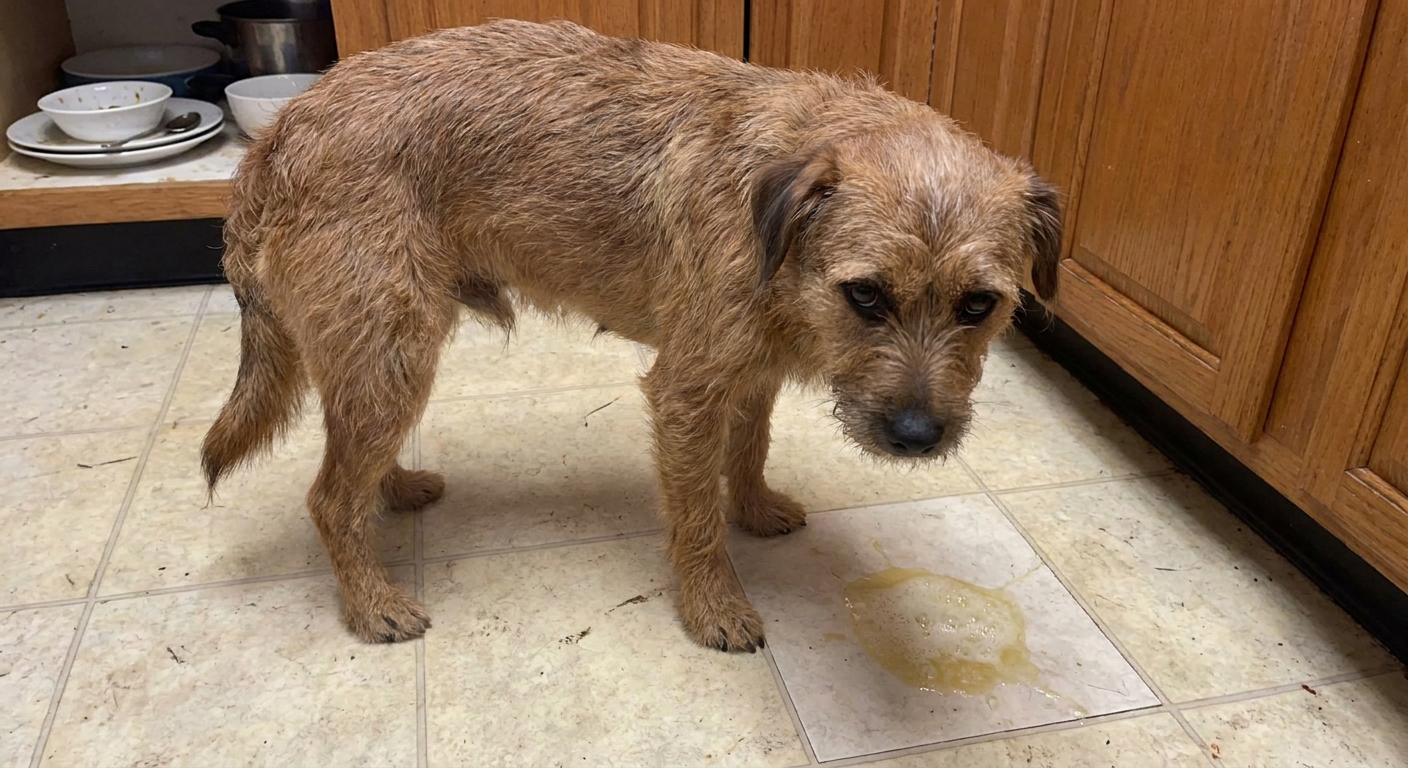
- Vomiting or repeated diarrhea, especially if your dog can’t keep water down
- Lethargy, weakness, collapse, or disorientation
- Bloated abdomen, unproductive retching, or signs of severe pain
- Very frequent urination with accidents in a previously house-trained dog
- Straining to urinate, crying while peeing, or producing only drops (possible urinary obstruction, especially urgent in male dogs)
- Blood in urine
- Refusing food for 24 hours or sudden weight loss
- Fruity or sweet breath odor, rapid breathing, or extreme tiredness (possible diabetic crisis)
- Signs of dehydration such as tacky gums, sunken eyes, weakness, or a skin-tent that stays up longer than it should
- Unspayed female with increased drinking and any illness signs (possible pyometra)
- Possible salt exposure (ocean water, salt dough, salty human snacks) plus vomiting, tremors, or neurologic signs
- Concern for water intoxication after heavy swimming, intense water play, or compulsive gulping, especially with vomiting, wobbliness, glazed eyes, or sudden lethargy
If you’re on the fence, I always lean toward calling. You are not bothering anyone by describing symptoms and asking whether you should come in.
Is your dog truly drinking more?
Our brains are not great at eyeballing water intake, especially if multiple pets share bowls or your dog drinks from puddles, toilets, or the shower like a little goblin.
An easy tracking method
- Pick one bowl and use it as the main water source for 24 hours.
- Measure what you put in (cups or ounces).
- Subtract what’s left at the end of the day.
- Note spills (even your best guess helps).
If you have multiple pets, consider separating water bowls for a day, or supervising access so you can get a clearer number.
Look at the other half: pee
Increased drinking often shows up as:
- Needing to go out sooner than usual
- Bigger puddles or heavier pee pads
- New accidents indoors
- Waking up at night to urinate
What to track for the vet
If your dog is stable and you have an appointment coming up, a little tracking can make the visit faster and more productive.
Bring these details
- How long the increased drinking has been happening
- Approximate daily water intake (in cups or ounces)
- Changes in urination: frequency, accidents, straining, blood, odor
- Appetite changes: hungrier than usual, picky, refusing meals
- Weight changes (even a rough estimate)
- Energy level and behavior changes
- Vomiting or diarrhea, even if “just once”
- Current diet (kibble vs wet, any recent changes, new treats or chews)
- All medications and supplements, including recent steroids or flea and tick products
- Access to toxins (antifreeze, rodent bait, human meds, grapes or raisins, xylitol gum)
Helpful tip from my vet tech days
If you can safely bring it, a fresh urine sample can be incredibly helpful. Ask your clinic ahead of time what they prefer. Some want a sample collected that morning in a clean container, and some prefer to collect it in-clinic.
What your vet may test
Excessive thirst is one of those symptoms where basic diagnostics can be very revealing.
- Physical exam: hydration, body condition, abdominal feel, gums
- Urinalysis: checks concentration, glucose (diabetes clue), infection indicators, crystals
- Bloodwork: kidney values, liver enzymes, glucose, electrolytes, signs of infection
- Urine culture: if a UTI is suspected or recurring
- Endocrine testing: for Cushing’s or Addison’s when indicated
- Imaging: x-rays or ultrasound if stones, infection, organ changes, or uterine infection are suspected
Try not to panic when you hear “we should run bloodwork.” It’s often the quickest way to separate “this is a simple fix” from “we need a plan.”
Should you limit water?
Usually, no. If your dog is drinking excessively because they are losing fluid through urine, vomiting, diarrhea, or panting, restricting water can worsen dehydration and make them feel awful.
The exceptions are specific situations where your veterinarian instructs you to, or if your dog is gulping so fast they vomit. In that case, call your vet. They may recommend:
- Offering smaller amounts more frequently
- Using a larger bowl so they don’t feel the need to “guard” it
- Adding water to meals for steadier hydration
If you suspect compulsive drinking driven by stress or boredom, you still shouldn’t restrict without guidance. Instead, talk to your vet and consider behavior support so you can address the root cause safely.
FAQ
My dog is drinking a lot but acting normal. Do I still need a vet?
If the increase is obvious, lasts more than 24 to 48 hours, or you’re seeing bigger and more frequent peeing, I’d schedule a vet visit. Many conditions that cause excessive thirst start subtly, and it’s best caught early.
Why is my dog drinking more at night?
Some dogs drink more in the evening because it’s cooler, they’re finally resting, or the household is calmer. But increased nighttime drinking can also go along with conditions that cause increased urination and disrupted sleep, like diabetes, kidney disease, or Cushing’s. Track it for a couple days and call your vet if it’s new or escalating.
Can dry food cause excessive thirst?
Dry kibble can increase drinking compared to wet food, yes. But it shouldn’t cause a dramatic, sudden change by itself unless the diet change was sudden or there’s added salt or a new treat in the mix.
How do I know if my dog is dehydrated even though they’re drinking a lot?
It sounds backward, but it can happen if the body is losing more water than it can keep. Signs can include lethargy, tacky gums, weakness, sunken eyes, or a skin-tent that doesn’t snap back quickly. If you’re worried about dehydration, call your vet the same day.
The bottom line
Increased thirst is one of those symptoms I never like to ignore, not because it always means something serious, but because it’s one of the earliest clues we get when something is off. Measure what you can, watch for same-day warning signs, and bring your notes to your veterinarian. You’re not being “extra.” You’re being a very good detective for your dog.