A vet-tech and dog trainer’s practical guide to the most dangerous human foods for dogs, how they harm the body, warning signs, and immediate steps to take...
Bone broth is one of my favorite “small effort, big payoff” add-ons for dogs. Done right, it is warm, soothing, and can be a helpful way to add extra fluids and a little flavor to meals. Done wrong, it can be too salty, too fatty, or include ingredients that are risky for dogs.
Below is my simple, dog-safe bone broth recipe (the same kind of approach I recommended back when I worked as a vet tech), plus practical tips for serving it and keeping it safe.
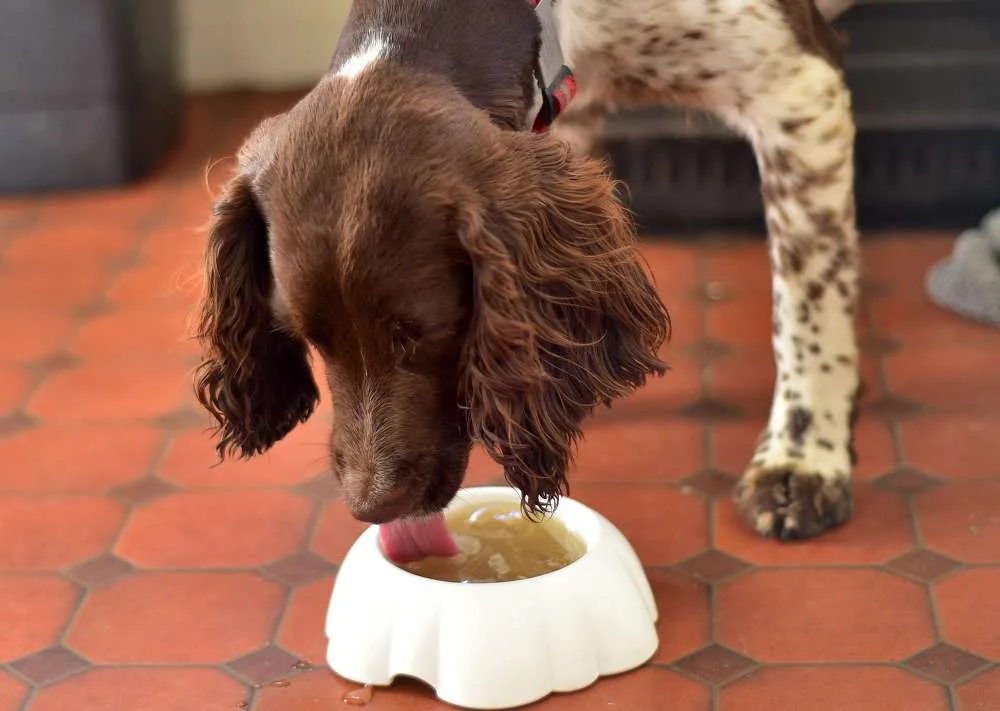
Why bone broth can be helpful for dogs
Bone broth is not a miracle supplement, but it can be a genuinely useful tool in everyday care routines, especially for older dogs, picky eaters, and dogs who need a hydration boost.
In most real-world cases, the biggest “benefit” is simply that it is extra fluid plus a small amount of amino acids and gelatin that many dogs find irresistible.
Potential benefits
- Hydration support: Many dogs will drink more when water is more enticing, especially after exercise, travel, or during hot weather.
- Appetite boost for picky eaters: A small splash over kibble can make meals more appealing without changing diets entirely.
- Gentle option when a dog feels “off”: Plain, low-fat broth is often easier to tolerate than rich table foods, assuming your vet is not concerned about vomiting, diarrhea, or pancreatitis.
- Connective tissue components: Slow-simmered bones can release gelatin (from collagen) and amino acids. Some owners like broth as a supportive add-on for older dogs, but it is not a proven arthritis treatment on its own.
- Senior dog comfort food: Warm (not hot) broth can encourage eating and drinking for older dogs with reduced appetite.
What bone broth is not
- Not a complete diet: It is a topper or treat, not a balanced meal on its own.
- Not a substitute for veterinary care: If your dog has ongoing vomiting, diarrhea, weight loss, decreased appetite, or pain, broth is not the fix. Use it as supportive care while you talk to your veterinarian.
Dog-safe broth rules
The biggest broth mistakes I see are salt, onions, and too much fat. These rules keep things dog-friendly.
- No onions, garlic, leeks, chives, or shallots: All are in the allium family and can damage a dog’s red blood cells.
- No added salt: Store-bought broths are often too high in sodium. Homemade is easiest to keep truly low-sodium.
- Skim the fat: Especially important for dogs with sensitive stomachs or a history of pancreatitis.
- Never feed cooked bones: We simmer bones to make broth, then we throw the bones away. Cooked bones can splinter and cause choking or intestinal injury.
- Vinegar is optional: A small splash of apple cider vinegar may slightly increase mineral extraction, but the difference is not guaranteed and too much can upset some dogs’ stomachs.
- Keep it plain: If you want to add extras, choose dog-safe options like a little carrot or celery, but plain is safest for most dogs.
Simple bone broth recipe for dogs
This makes a mild broth that works as a topper, hydration boost, or frozen enrichment treat. You can use a stockpot, slow cooker, or pressure cooker.
Ingredients
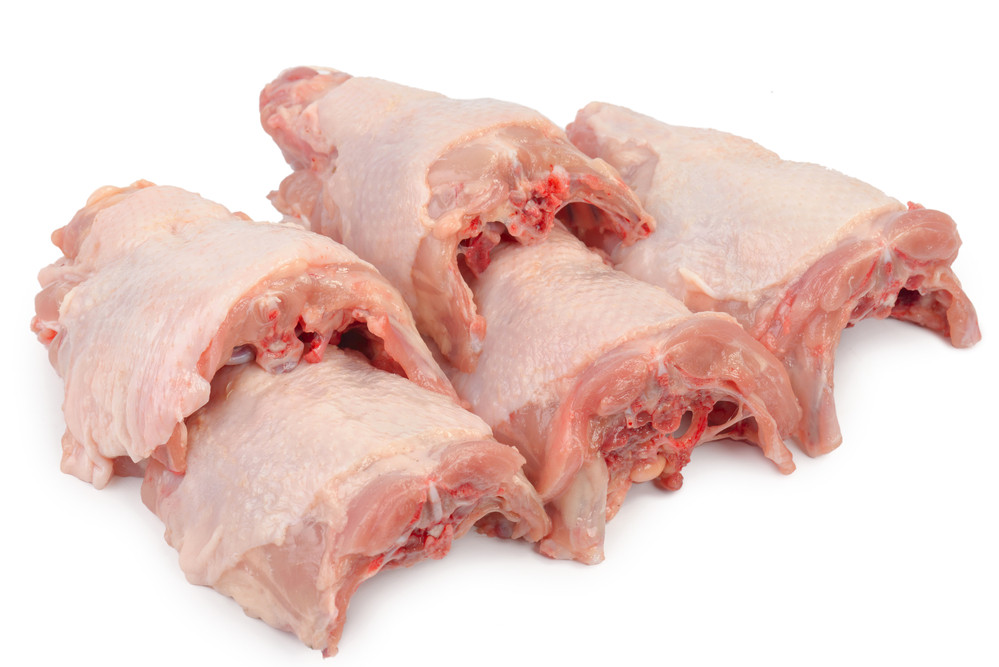
- 2 to 3 pounds bones (chicken backs, turkey necks, beef marrow bones, or knuckle bones)
- Water (enough to cover bones by 1 to 2 inches)
- 1 tablespoon apple cider vinegar (optional, for a large pot)
- Optional: 1 to 2 dog-safe veggies (carrot chunks, celery sticks). Skip if your dog is sensitive.
Bone choices that tend to work well: Chicken backs and turkey necks usually make a nice gelatin-rich broth quickly. Beef knuckle or marrow bones can be wonderfully rich but also fattier, so skimming is especially important.
Steps (stovetop)
- Prep: Place bones in a large stockpot. Add water to cover. Add apple cider vinegar if using.
- Heat: Bring to a boil, then immediately reduce to a gentle simmer.
- Simmer low and slow: Simmer uncovered or partially covered.
- Chicken or turkey bones: 4 to 8 hours
- Beef bones: 8 to 12 hours (or longer if you have time)
- Skim: Skim foam during the first hour if needed, and skim fat from the surface periodically.
- Strain thoroughly: Turn off heat and cool slightly. Strain through a fine mesh strainer into a clean pot or bowl. Discard bones and any cooked bits.
- Chill and de-fat: Refrigerate until fully cooled. The fat will rise and harden on top. Lift it off and discard. If your dog does well with fat, you can save a tiny amount for a very occasional treat or to smear inside a toy, but for most dogs, lean is better.
Slow cooker option
Add bones, water, and optional vinegar. Cook on low for 8 to 12 hours for poultry, 12 to 18 hours for beef. Strain and chill as above.
Pressure cooker option
Cook on high pressure for about 60 to 120 minutes depending on bone type and size, then allow natural release. Strain and chill. This method is faster, but you still want to skim fat once chilled.
What good broth looks like
When chilled, a gelatin-rich broth often turns jelly-like. That jiggle is a good sign you extracted gelatin from connective tissues. If it stays liquid, it can still be useful as a low-fat, flavorful way to add fluids.
How to serve bone broth
Think of bone broth as a topper or treat. Small amounts go a long way, especially for dogs with sensitive stomachs.
Start small
If your dog is new to broth, introduce it gradually. I often start with 1 teaspoon for small dogs or 1 tablespoon for medium to large dogs, then increase slowly if stools stay normal.
Serving size guidelines
- Small dogs (under 20 lb): 1 to 2 tablespoons per day
- Medium dogs (20 to 50 lb): 2 to 4 tablespoons per day
- Large dogs (50 to 90 lb): 1/4 to 1/3 cup per day
- Giant dogs (over 90 lb): 1/3 to 1/2 cup per day
Trainer tip: When I use broth as a high-value “meal magic” topper for picky eaters, I start with the smallest amount possible. You want “ooh, exciting!” not “now I refuse kibble unless it is swimming.”
Easy ways to use it
- Kibble topper: Warm a splash of broth, then pour over kibble and stir.
- Hydration boost: Add a small amount to water (start diluted so it does not become a picky habit).
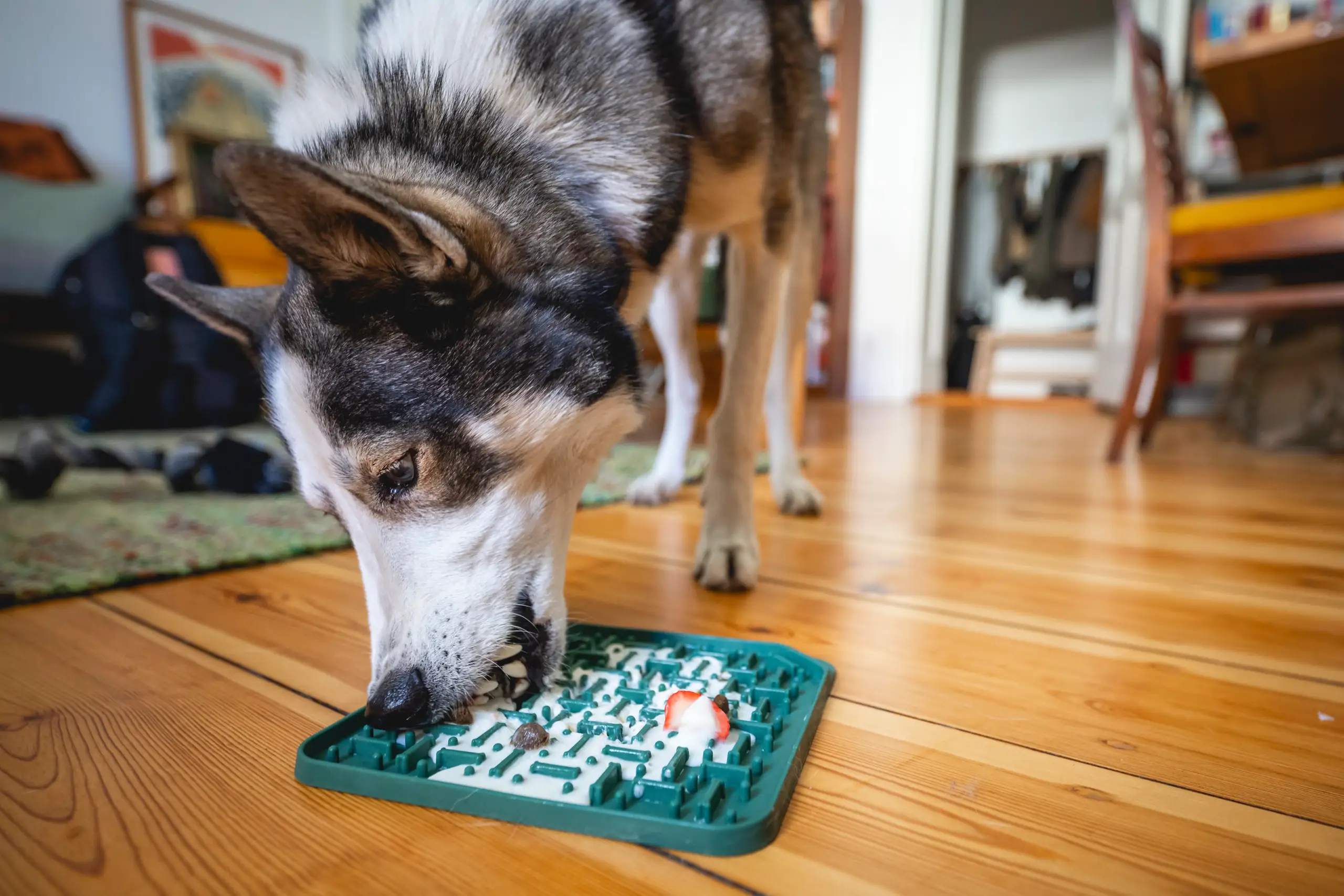
- Lick mat: Freeze a thin layer on a lick mat for a calming activity.
- Stuffed toy: Freeze broth in a classic rubber food toy for a longer-lasting project.
- Puppy or senior support: Use a tiny bit to soften kibble, then hand-feed during training sessions.
Storage and food safety
Broth is a perishable food. Treat it like you would homemade soup.
- Refrigerator: Store in a sealed container for up to 3 to 4 days.
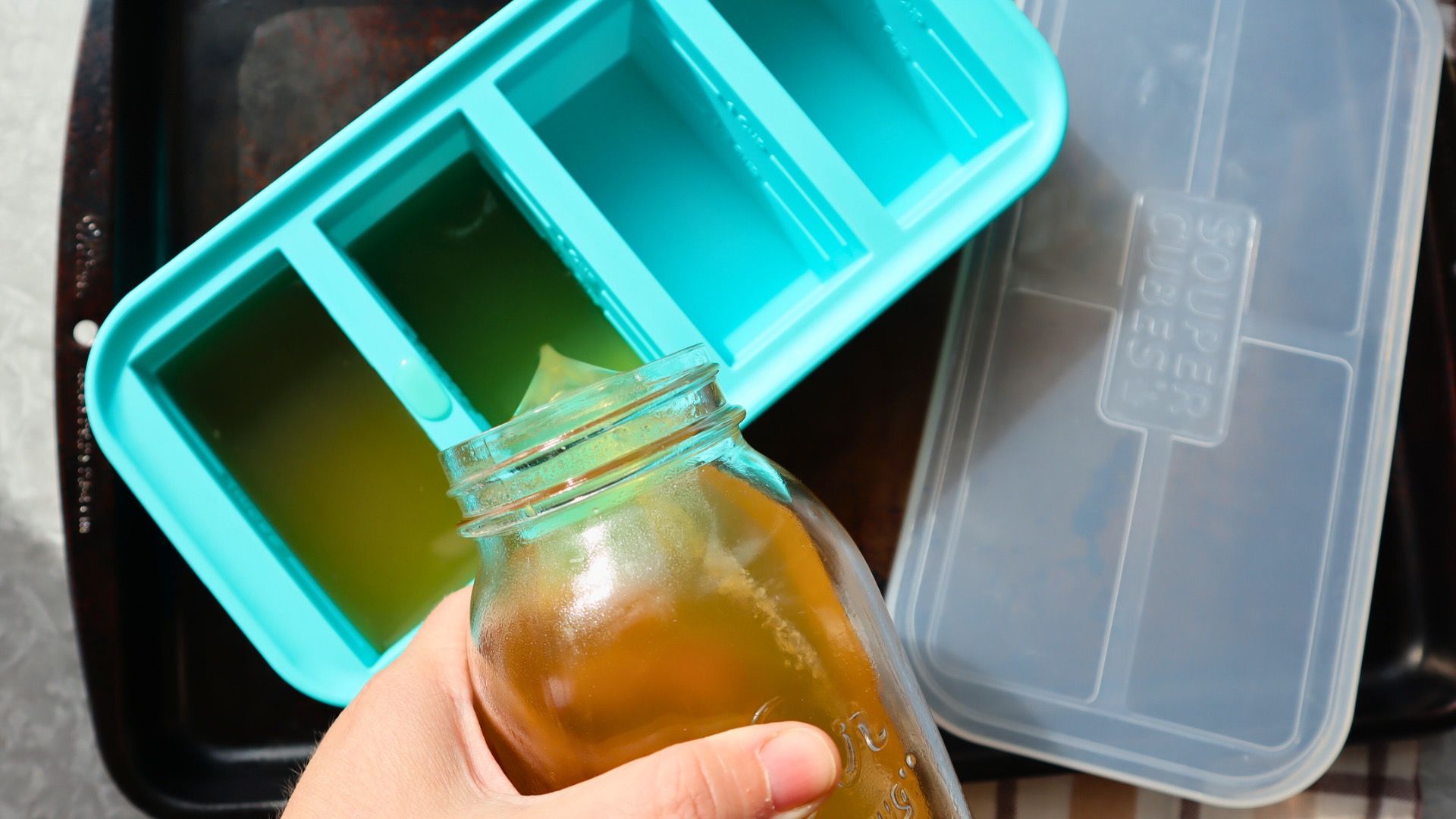
- Freezer: Freeze in silicone molds or ice cube trays for up to 2 to 3 months for best quality (it can last longer, but flavor and quality may decline).
- Thaw safely: Thaw overnight in the fridge or use a warm water bath. Avoid leaving it on the counter for extended periods.
- Serve cool or gently warm: If you heat it, stir well and test temperature before offering. If you microwave, be extra careful about hot spots and always stir and re-check.
When to skip it or ask your vet
Most healthy dogs can enjoy plain, low-fat bone broth in moderation. That said, there are times I want you to check in with your veterinarian before making it a routine.
- History of pancreatitis or frequent bouts of vomiting and diarrhea
- Currently on a prescription diet (especially for kidney disease, urinary issues, food allergies, or GI disease)
- Diagnosed kidney disease where protein, phosphorus, or sodium may need tighter control
- Heart disease or any condition requiring sodium restriction
- Chicken or beef allergy (choose bones from a tolerated protein source)
- Immunocompromised dogs where extra caution with food handling is important
If your dog has diarrhea after trying broth, stop and reset to their normal diet. Reintroduce later with a smaller amount, a leaner broth, or not at all depending on your dog’s history.
Bone broth FAQ
Can I use store-bought broth?
Sometimes, but read labels like a detective. Many broths contain onion or garlic, and most are high in sodium. If you buy it, choose unsalted and confirm it is allium-free.
Also, remember that “unsalted” does not always mean “low sodium.” If your dog needs sodium restriction, check the mg sodium per serving. For pet-specific broths, still check the label for fat and calories, since some are richer than you would expect.
Is bone broth safe for puppies?
In small amounts, plain low-fat broth is usually fine for puppies, but it should not replace a complete puppy diet. For young puppies with tummy upset, check with your veterinarian since parasites and viruses are more concerning in this age group.
Can bone broth help my dog’s joints?
Broth contains gelatin and amino acids, and some owners like it as part of a supportive routine for older dogs. But it is not a stand-alone treatment for arthritis. If your dog is stiff, limping, or slowing down, talk with your vet about a full joint plan that may include weight management, controlled exercise, pain relief options, and evidence-based supplements.
Why did my broth turn into jelly?
That is typically gelatin doing its thing. It is normal and often a sign you got a nice extraction from the bones. Warm it slightly and it will loosen up.
Can I give bone broth every day?
Many dogs can have a small daily serving, but I prefer to think in terms of total “extras” per day. If your dog gains weight easily, keep broth as an occasional topper or reduce other treats.
A final tip for picky eaters
If your dog is holding out for toppers, switch from “broth on every meal” to “broth surprise meals.” Use it a couple times a week, or reserve it for training days, nail trims, grooming sessions, or post-hike rehydration. That keeps broth special while protecting good everyday eating habits.
And if you try this recipe at home, strain carefully, chill to remove fat, and keep it boringly plain. Your dog will think it is gourmet anyway.