Grass grazing is common, but sometimes it signals nausea, diet issues, or boredom. Here’s how to tell what’s normal, what’s not, and what to do next.
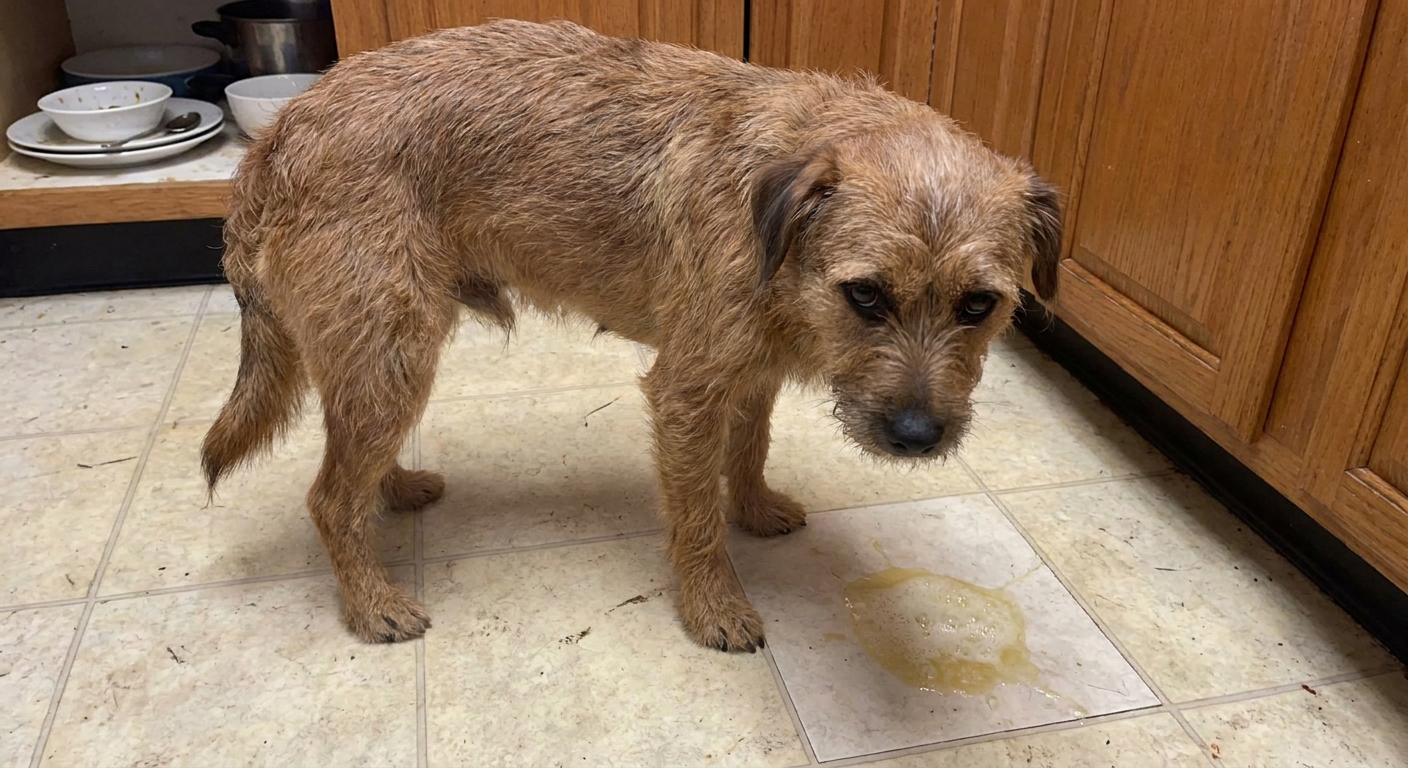
If you have ever watched your dog wake up, swallow hard, and then bring up a little puddle of yellow foam, you are not alone. I saw this a ton when I worked as a vet tech, and it is one of those symptoms that looks scarier than it often is.
Most of the time, that yellow, foamy vomit is bile, and it shows up when the stomach is empty or mildly irritated. That said, “usually” is not “always.” Let’s walk through what it means, the most common reasons it happens, what you can try at home, and the clear signs it is time to call your veterinarian.
What the yellow foam is
Yellow foam is most commonly bile mixed with stomach fluid. Bile is a yellow-green digestive fluid made by the liver and stored in the gallbladder, and it normally flows into the small intestine to help digest fats. If the stomach sits empty for a while, bile can reflux back into the stomach, irritate the lining, and trigger a small bout of foamy vomit.
Common pattern: one or two episodes, often early morning or late at night, with an otherwise normal, bright dog.
Quick note: owners often mix up vomiting and regurgitation. Vomiting usually involves nausea and abdominal heaving. Regurgitation is more passive, where food or fluid seems to “come back up” without retching. If it looks more like regurgitation than vomiting, tell your vet because the causes and workup can be different.
Common causes
1) Empty stomach
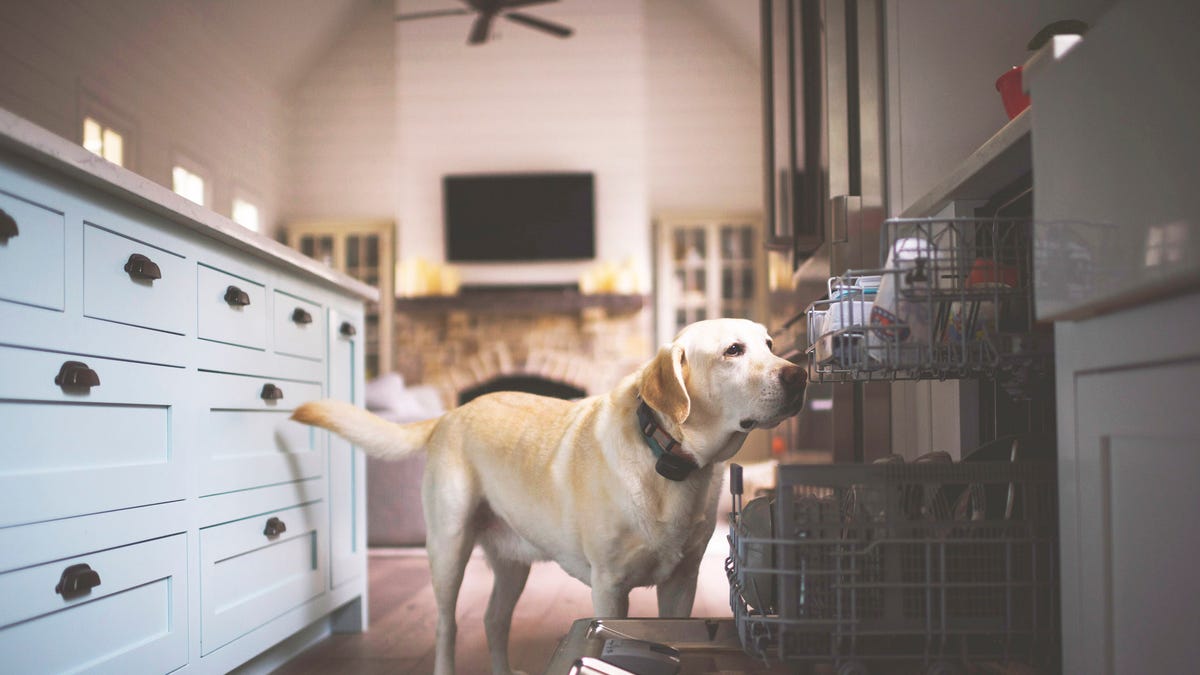
This is the classic scenario: a dog goes a long stretch between meals, bile refluxes, and they throw up a small amount of foam. Puppies and small dogs can be more prone because they often need more frequent meals and can get queasy when they go too long between feedings.
- When it happens: early morning, before breakfast, or late evening
- What it looks like: small amount of yellow foam or liquid, then the dog acts normal
2) Eating grass
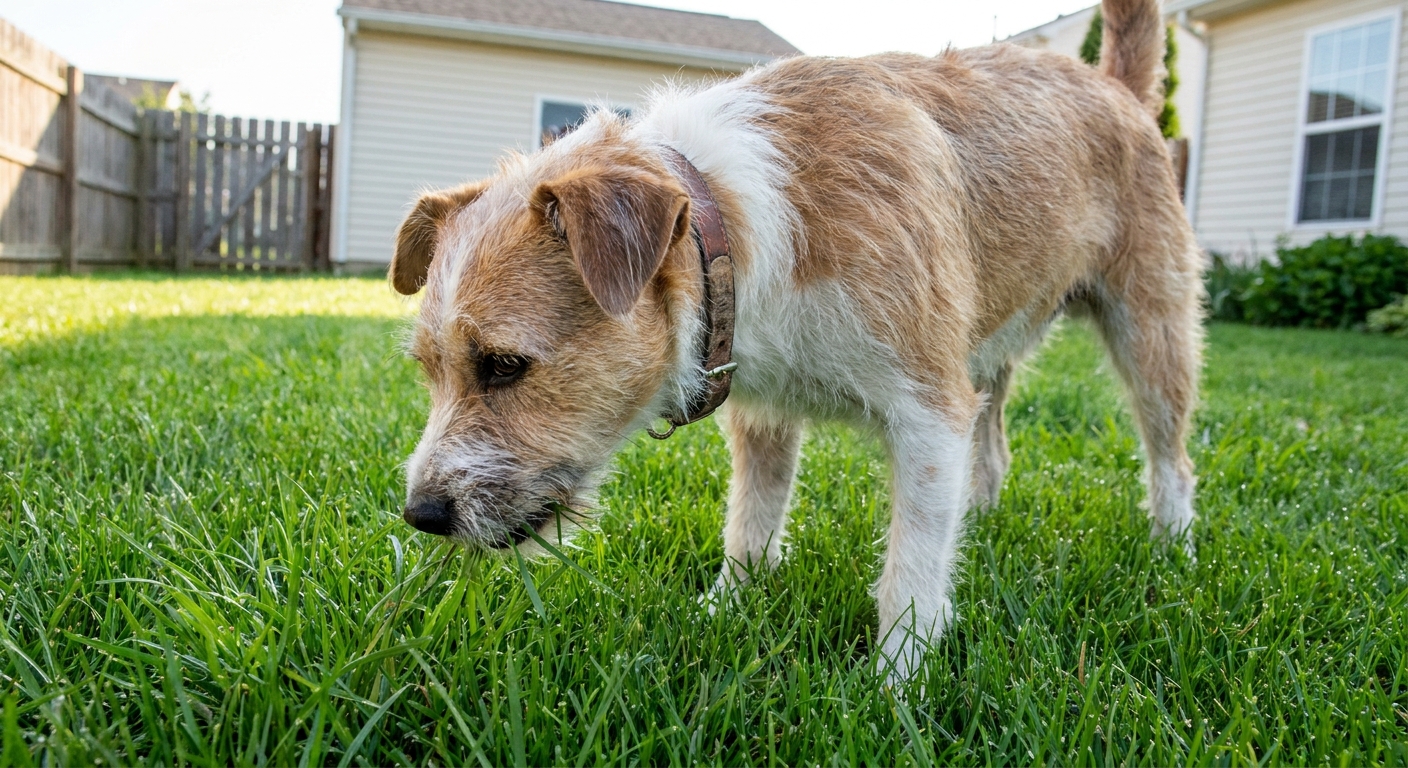
Some dogs nibble grass and then vomit. Sometimes the grass triggers vomiting by irritating the stomach, and sometimes dogs seek grass because their stomach already feels off. Either way, you may see bile if the stomach was fairly empty.
- Clues: grass in the vomit, recent grazing on walks
- Watch for: access to treated lawns or unknown plants, which can make things more serious
3) Eating something off-limits
Trash snacks, greasy table scraps, chew toys, socks, cat food, compost. I have seen it all. Mild stomach upset from dietary indiscretion can cause vomiting, including bile if the dog keeps trying to vomit on an empty stomach.
- Clues: evidence of raiding, torn packaging, missing items, sudden vomiting after scavenging
- Big concern: foreign body risk if something is missing or your dog is a “swallow first, ask questions later” type
4) Sudden diet change
A fast switch in food, new treats, new chews, or a rich training jackpot can irritate the GI tract.
- Clues: new food or treats within the last day or two
- Often paired with: soft stool or diarrhea
5) Motion sickness or stress
Some dogs vomit bile when they are anxious, overexcited, or nauseated from car rides, especially if they have not eaten.
- Clues: vomiting in the car, on arrival somewhere new, or after a stressful event
6) Reflux and bilious vomiting syndrome
Some dogs get into a cycle where bile reflux irritates the stomach, especially overnight. Vets may describe a recurring, early-morning pattern as bilious vomiting syndrome. It is typically a diagnosis of exclusion, meaning your vet uses the history, exam, and sometimes testing to rule out other causes. Many dogs improve with meal timing changes and, in some cases, medication.
- Clues: recurrent early-morning bile vomiting, otherwise normal appetite and energy
7) Underlying illness
Yellow foam can also show up with more significant conditions, especially if vomiting continues or comes with other symptoms. Possibilities include pancreatitis, intestinal parasites, gastrointestinal infections, liver or gallbladder disease, kidney disease, Addison’s disease, and more. Color alone does not diagnose a cause. The pattern and the rest of your dog matter a lot.
What to do at home
If your dog vomited once or twice, is bright, wants to eat, and is not showing any red flags, these steps are often enough to break the cycle.
Step 1: Pause and observe
- Remove access to treats, chews, grass, and trash for the moment.
- Make sure your dog can rest somewhere calm.
- Note the time, what they ate, and what it looked like.
Step 2: Offer small sips of water
Allow access to water, but discourage chugging. If your dog gulps and vomits again, offer smaller, more frequent sips.
Step 3: Adjust meal timing
For dogs who vomit bile on an empty stomach, meal timing is often the most helpful fix.
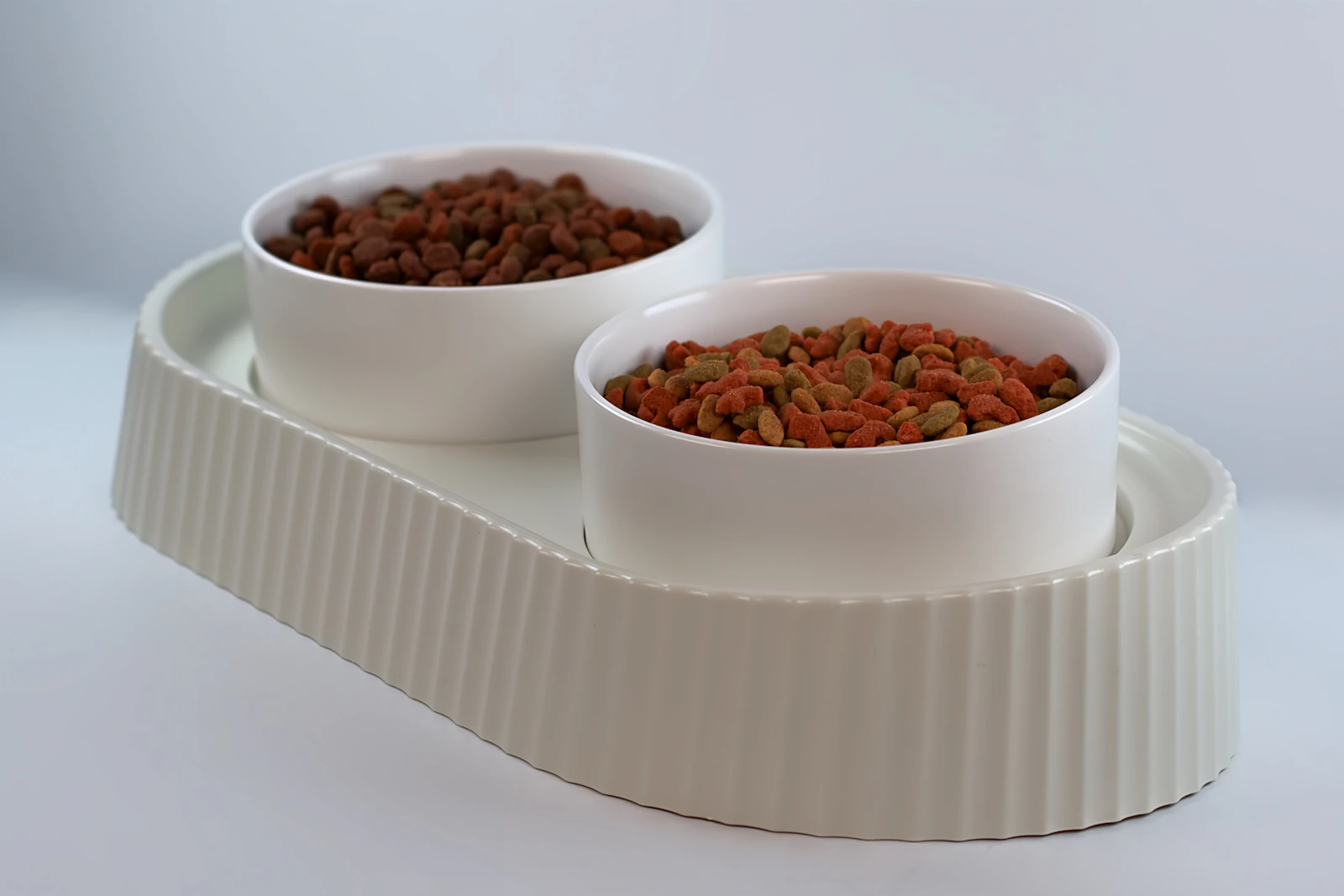
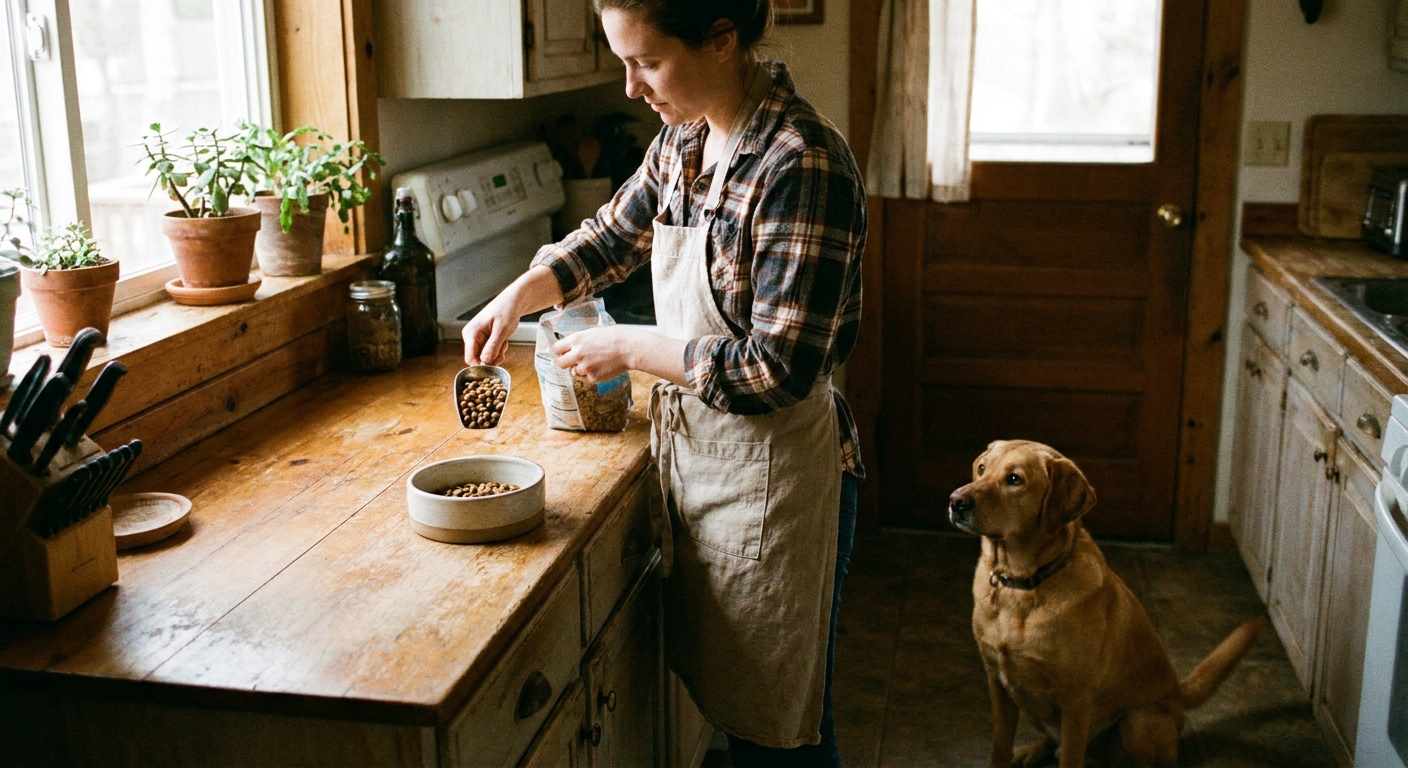
- Smaller, more frequent meals: try 3 to 4 small meals instead of 1 to 2 larger meals.
- Bedtime snack: a small snack before bed often prevents early-morning vomiting.
- Earlier breakfast: feeding earlier can help if symptoms are happening at dawn.
As someone who keeps treat jars on every counter, I will admit this is the one time I am thrilled to prescribe a boring bedtime snack.
Step 4: Keep food changes gentle
If you recently switched foods, consider a slower transition. Many dogs do best with a gradual change over a week or more, and your vet can recommend the pace for your dog.
Step 5: Bland diet, selectively
People often reach for a bland diet when vomiting happens. For a healthy adult dog with a single mild episode who is otherwise acting normal, a short bland diet can sometimes help settle things. The key is not to use it to “cover up” a bigger problem.
Call your vet before trying a bland diet if vomiting repeats, diarrhea appears, your dog is very young or older, your dog has other medical conditions, or there is any chance they ate something risky or toxic.
When to call the vet
Bile vomiting can be benign, but vomiting is also one of those symptoms that can turn serious fast. Call your vet promptly if any of the following apply.
Go in urgently if
- Repeated vomiting (more than 2 to 3 times in a day, or ongoing for more than 12 to 24 hours)
- Cannot keep water down or vomits immediately after drinking
- Blood in vomit (red streaks or coffee-ground appearance)
- Severe lethargy, collapse, or marked weakness
- Painful or tense belly, hunched posture, trembling, or yelping when picked up
- Bloated abdomen, retching without producing vomit, or sudden restlessness (possible GDV bloat, which is an emergency)
- Severe diarrhea or any diarrhea with blood, especially along with vomiting
- Suspected toxin exposure (human medications, xylitol, rodent bait, illicit substances, toxic plants, chemicals)
- Possible foreign body (missing toy, sock, corn cob, bones, chewed plastic) or your dog is known for swallowing things
- Fever (temperature above 103°F or 39.4°C) or you suspect fever and your dog is unwell
- Dehydration signs (dry or tacky gums, sticky saliva, weakness, sunken eyes)
- Puppies, seniors, or medically fragile dogs (diabetes, kidney disease, liver disease, Addison’s disease, and others)
- Unvaccinated puppies with vomiting, diarrhea, or low energy (parvo risk)
Call within 24 hours if
- It happens regularly (for example, weekly or more)
- Your dog is eating less or seems nauseated (lip licking, drooling, swallowing repeatedly)
- There is new weight loss, increased thirst or urination, or any change that is not your dog’s normal
If you are on the fence, call. Vet teams would much rather help you decide it is safe to monitor than have you waiting too long on something urgent.
What your vet may ask
If you do call, here are details that help your vet triage accurately:
- How many times your dog vomited and over what time period
- What it looked like (foam, liquid, food, mucus, blood)
- Whether there was heaving or if it seemed passive (vomiting vs regurgitation)
- Approximate volume and whether it happened right after eating or hours later
- Any diarrhea, appetite changes, energy changes
- What your dog ate in the last 24 hours, including chews, treats, table scraps
- Possible access to trash, toxins, medications, or foreign objects
- Current diet and any recent changes
- Preventatives (heartworm, flea and tick) and deworming history
A quick video of the episode and a photo of what came up can be surprisingly helpful, as gross as that sentence is.
If vomiting is persistent or keeps recurring, your vet may recommend diagnostics such as a fecal test for parasites, bloodwork, and abdominal imaging (x-rays or ultrasound). That can sound like a lot, but it is often the fastest way to separate “simple stomach upset” from something that needs targeted treatment.
Prevention tips
If your dog tends to vomit bile on an empty stomach, prevention usually focuses on routine and predictability.
- Feed on a schedule with consistent meal times.
- Add a small bedtime snack if mornings are the problem.
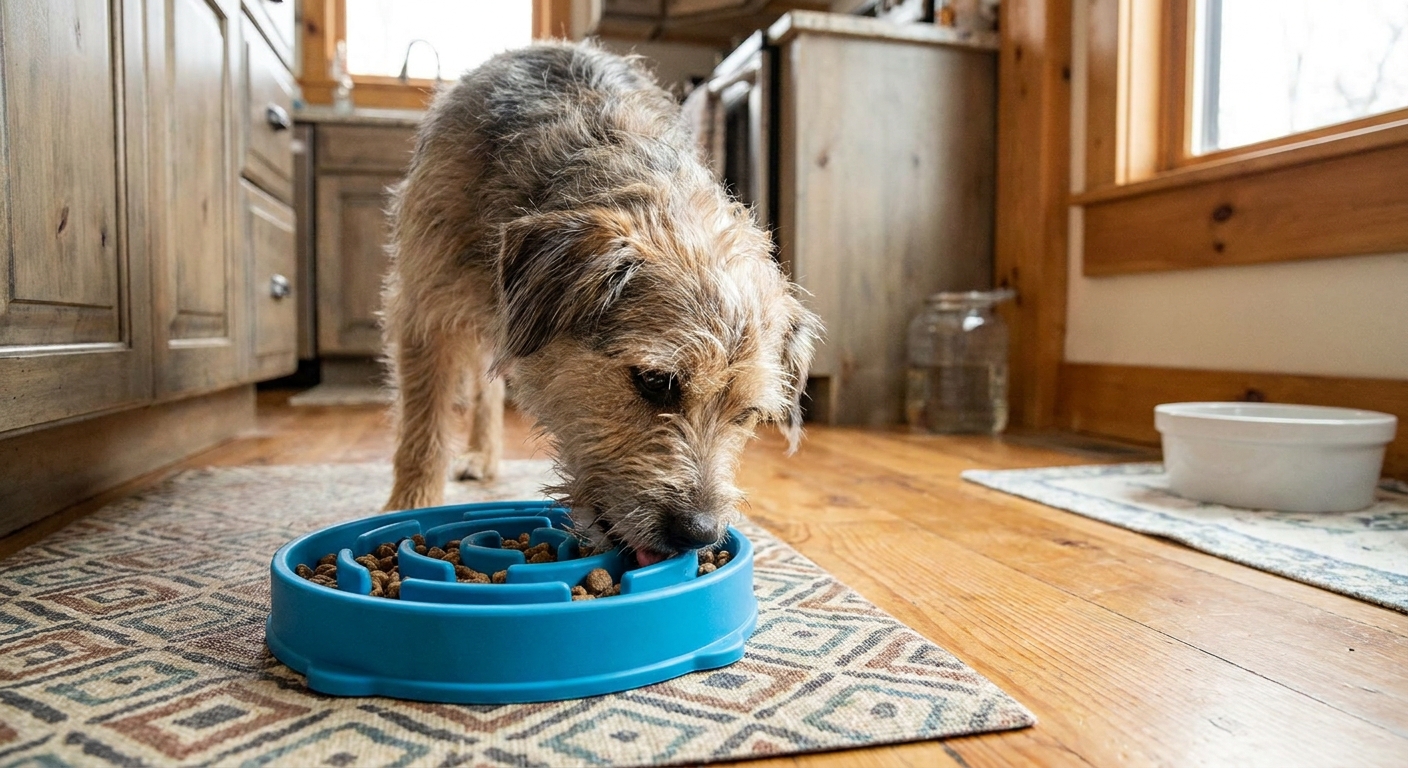
- Use puzzle feeders or slow feeders for dogs who scarf meals, since fast eating can contribute to nausea in some dogs.
- Limit grass access if grazing triggers vomiting, and avoid treated lawns.
- Dog-proof your home like you are living with a furry toddler.
- Transition foods slowly when changing diets.
FAQ
Is it always bile?
Often, yes. Yellow foam is commonly bile mixed with stomach fluid. But color alone cannot confirm the cause, so frequency and your dog’s overall condition matter.
It only happens in the morning. Is that normal?
It is a common pattern with an empty stomach or bile reflux. Many dogs improve with a bedtime snack and smaller, more frequent meals. If it keeps happening regularly or your dog seems unwell, loop in your vet.
Should I withhold food?
If your dog is acting normal and the episode was mild, some dogs actually do better with a small meal rather than a long fast, since an empty stomach can worsen bile vomiting. If vomiting repeats, your dog seems painful or lethargic, or you suspect they ate something dangerous, call your vet before feeding.
What if it looks green?
Greenish vomit can still be bile, but it can also be related to eating grass or other material. Treat it the same way: consider what your dog had access to, and watch for red flags like repeated vomiting, low energy, pain, or inability to keep water down.
Bottom line
Yellow foam is usually bile, and bile often shows up when a dog’s stomach is empty. The fix can be as simple as adjusting meal timing, adding a small bedtime snack, and preventing access to off-limits foods.
Trust your instincts, though. If vomiting is frequent, your dog cannot keep water down, they seem painful or unusually tired, or there is any chance of toxins or a swallowed object, call your vet right away.