That loud snorting episode is often a reverse sneeze. Here’s what it is, what triggers it, what to do in the moment, and the signs that mean it’s time to see...
The number of times I have heard, “My dog just got back from daycare and now he sounds like a goose,” could fill a whole jar of treats. If your dog has a dry, honking cough after boarding, daycare, grooming, or the dog park, kennel cough is high on the list of suspects. The good news is that many mild cases clear with rest and supportive care. The important part is knowing when a cough is no longer “just annoying” and becomes a same-day vet situation.
What it is and why it spreads
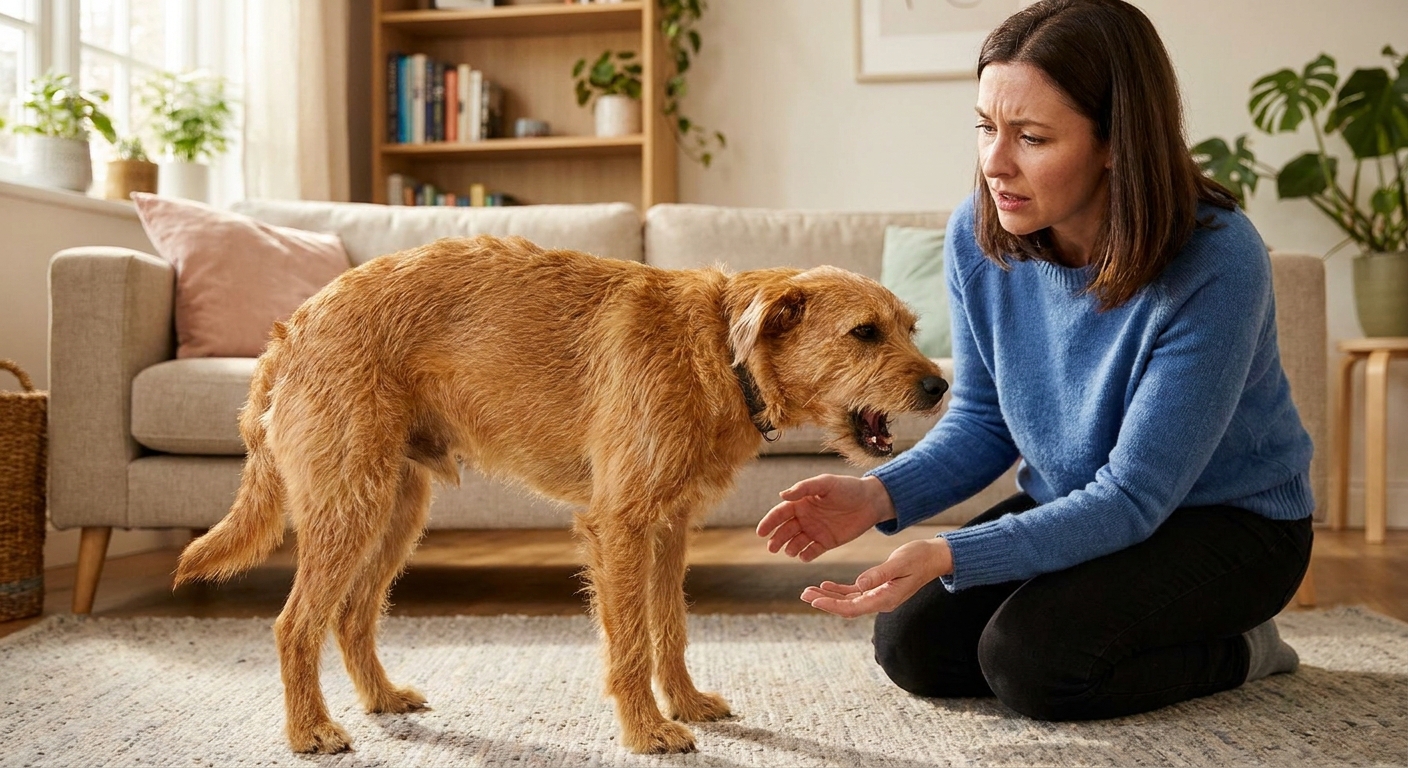
Kennel cough is the everyday term people use for a contagious respiratory illness in dogs. In veterinary language you may also hear canine infectious respiratory disease complex (CIRDC), which is a broader umbrella for several bacteria and viruses that can cause cough and cold-like signs. Many cases stay in the upper airways (throat and windpipe), but some infections can progress deeper into the lungs, especially in higher-risk dogs.
It can be caused by different germs, including bacteria (like Bordetella bronchiseptica) and viruses (like canine parainfluenza, adenovirus, and others).
It spreads the same way colds spread in humans: through respiratory droplets when dogs cough, bark, or sneeze, and sometimes via shared surfaces like water bowls, toys, or kennel runs. Anywhere lots of dogs share airspace counts, including:
- Boarding facilities
- Daycare
- Dog parks
- Training classes
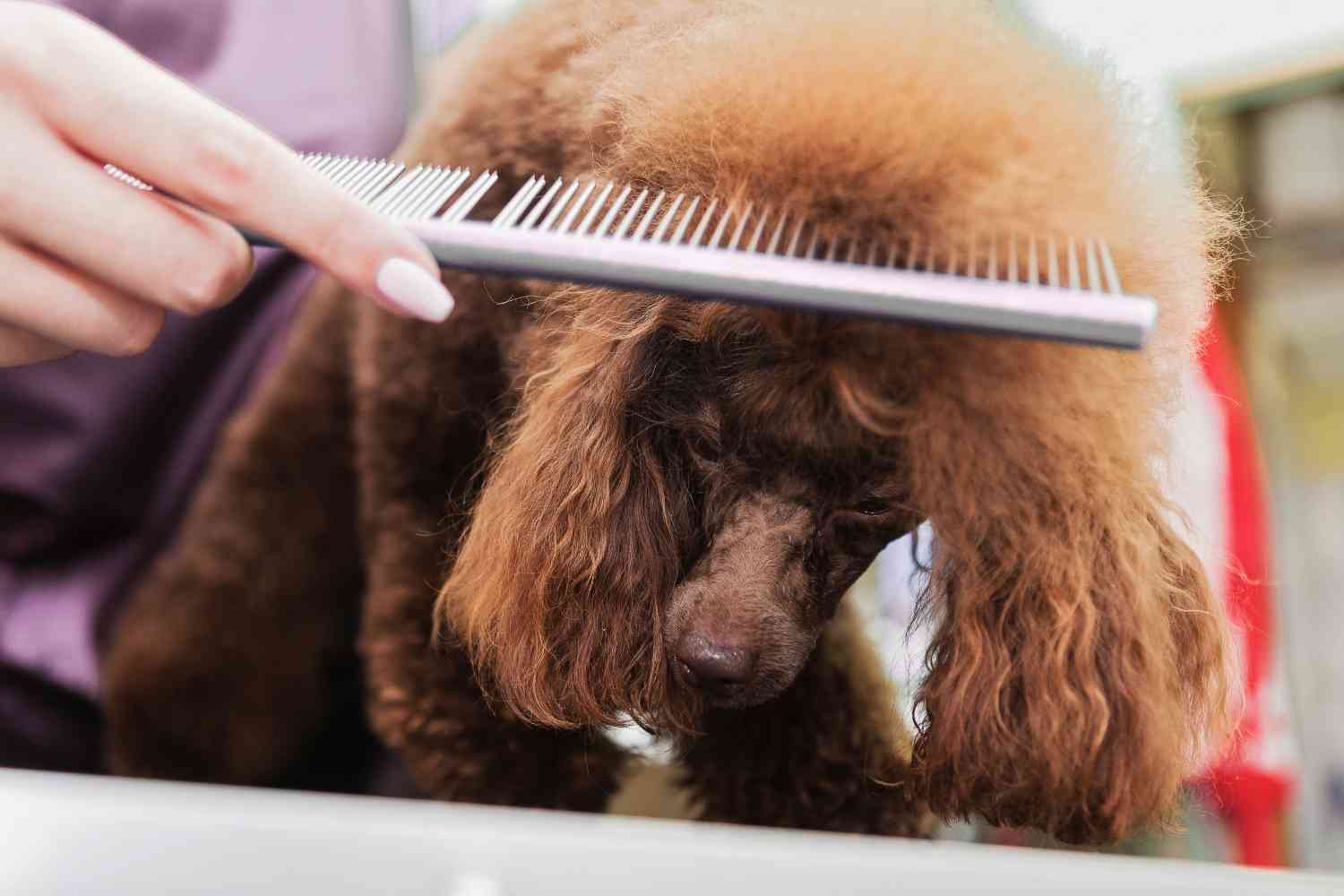
- Grooming salons
- Shelters and rescues
- Vet waiting rooms
A frustrating detail: dogs can be contagious before you realize they are sick, which is why kennel cough can pop up even in well-run facilities. Vaccines can reduce risk and usually reduce severity, but they do not guarantee your dog will not catch it.
Symptoms to watch for
The hallmark is a dry, hacking, honking cough. Many dogs act fairly normal otherwise, which is part of why it is easy to second-guess yourself.
Common signs
- Honking or hacking cough, often triggered by excitement, pulling on leash, drinking water, or barking
- Gagging or retching at the end of a coughing spell (some owners describe it like the dog is trying to “cough something up”)
- Runny nose or mild sneezing
- Watery eyes
- Mild decrease in energy (some dogs still want to play, just with more coughing)
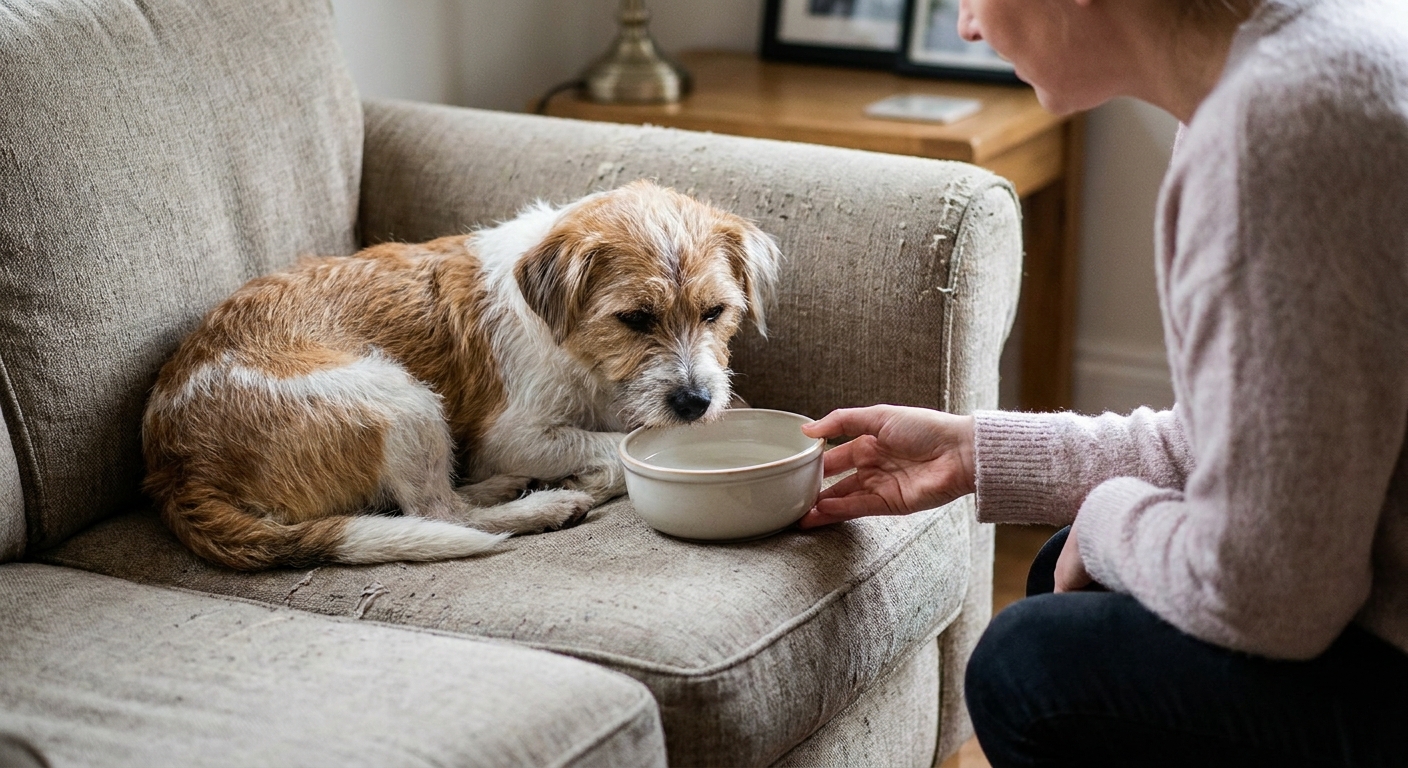
Appetite is a big clue. Many dogs with mild kennel cough still eat and drink normally. If your dog is skipping meals or seems “off,” that pushes the situation closer to a vet call.
How long it lasts
In a straightforward, mild case, the cough often lasts around 1 to 2 weeks. Some dogs cough longer, and a lingering cough can stretch to 3 weeks or more, especially if the throat stays irritated.
Things that can make the timeline longer include:
- Very frequent coughing that keeps inflaming the airway
- Exposure to smoke, strong fragrances, dust, or cold air
- Underlying airway issues (like a collapsing trachea)
- A secondary infection that moves deeper into the lungs
If your dog is not clearly improving over several days, or seems worse at any point, involve your vet rather than waiting it out.
Home care that helps
If your dog is bright, breathing comfortably, and still interested in food, home care is often focused on rest and reducing throat irritation. Think “quiet recovery mode,” not “walk it off.”
1) Rest, even if your dog feels fine
Skip daycare, dog parks, group classes, and hard exercise until the cough is gone. Heavy activity can trigger coughing fits and may prolong healing.
2) Use a harness
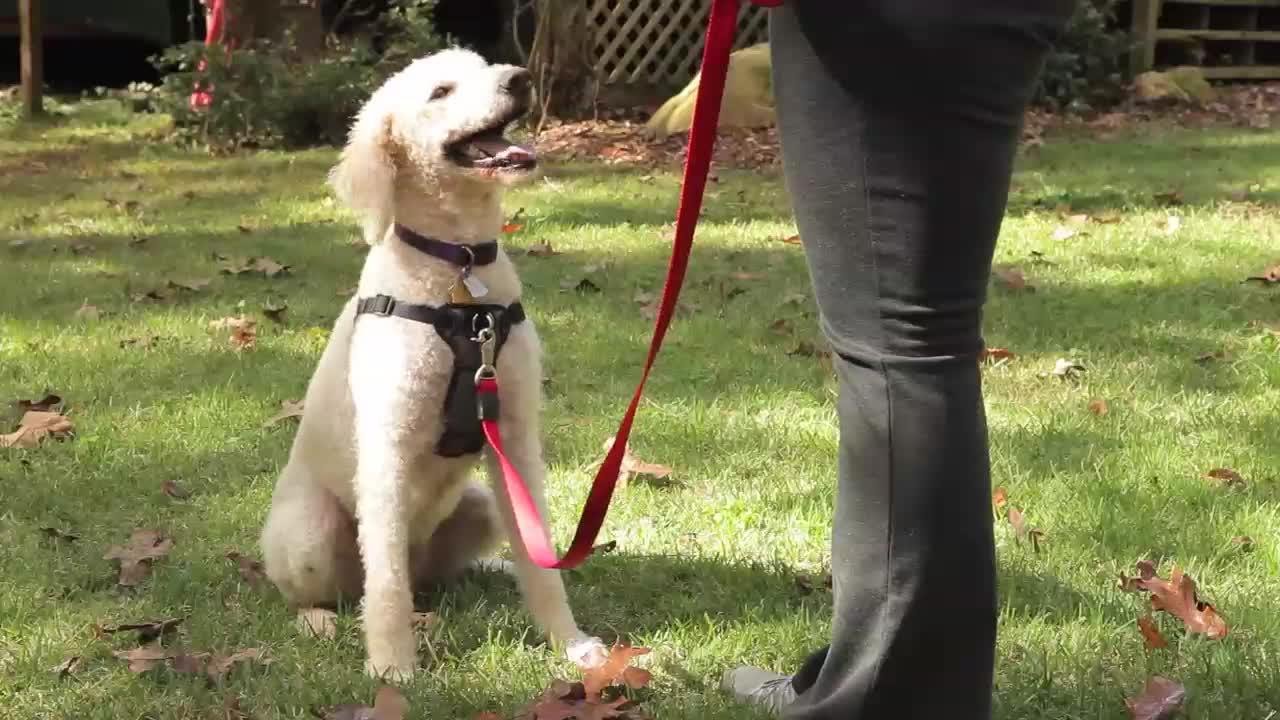
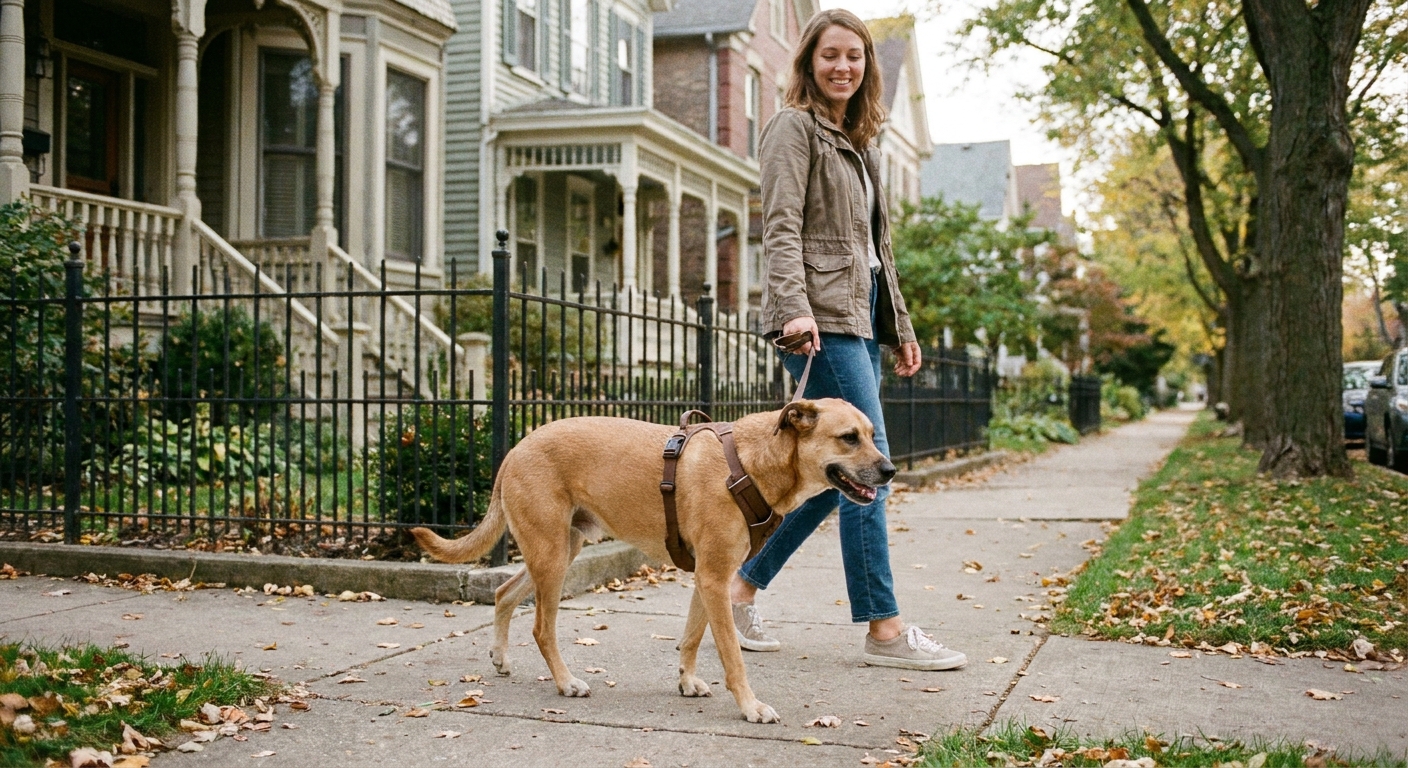
This is one of my favorite simple fixes. Pressure on an already-irritated trachea can ramp coughing way up. Use a front-clip or back-clip harness for walks until your dog is fully recovered.
3) Keep walks short and calm
Sniffy, low-key potty breaks are ideal. Avoid letting your dog pull, bark at squirrels, or sprint and then spiral into a coughing episode.
4) Comfort at home
- Hydration: encourage drinking. Wet food or adding water to kibble can help.
- Humid air: a cool-mist humidifier in the room where your dog sleeps can soothe irritated airways.
- Avoid irritants: smoke, fireplace fumes, aerosol sprays, diffusers, and heavy perfumes can aggravate coughing.
What not to do
- Do not give human cough meds unless your veterinarian specifically tells you what to use and how much.
- Avoid essential oils and strong scent products (diffusers, sprays, heavy cleaners) around a coughing dog.
- Do not “test it out” at the dog park to see if your dog is better. If your dog is still coughing, assume they are still contagious.
- Do not share bowls at parks or group settings while your dog is recovering.
When to call the vet
I am very pro “trust your gut” with breathing and energy changes. A simple kennel cough can become more serious, and not every honking cough is kennel cough. Coughing can also be related to issues like tracheal collapse, canine influenza and other respiratory viruses, pneumonia, and even heart disease. If something feels different about your dog, call.
Call your vet soon if:
- The cough is frequent enough that your dog cannot settle or sleep
- Your dog is not eating or is drinking much less
- You notice thick or colored nasal discharge
- The cough lasts longer than about 10 to 14 days without improvement
- Your dog has other conditions (heart disease, chronic airway disease, immune suppression)
Same-day appointment signs
- Puppies (especially under 6 months) or senior dogs with a new cough
- Lethargy that is out of character, hiding, or refusing to get up
- Fever (if you know your dog has one) or your dog feels unusually hot and weak
- Worsening cough or new wet-sounding cough
ER now signs
- Trouble breathing, fast breathing at rest, or obvious effort to inhale or exhale
- Blue, gray, or very pale gums
- Collapse, severe weakness, or inability to stand
- Repeated vomiting with distress or inability to catch their breath
If you are seeing breathing effort, gum color changes, or collapse, treat it like an emergency. Respiratory problems can escalate quickly.
Contagious and how long to isolate
Yes, kennel cough is contagious. Even if your dog seems okay besides the cough, assume they can spread it to other dogs.
Because CIRDC can be caused by different germs, there is no single perfect isolation number. In real life, many vets and facilities use a practical rule: avoid dog-to-dog contact for at least 10 to 14 days from the start of signs, and often until your dog has been cough-free for about a week. Your vet or boarding facility may recommend a different window based on what is circulating locally and your dog’s risk factors.
Isolation tips
- Pause dog-to-dog contact until your dog is cough-free and your vet says it is reasonable to return to group settings.
- Use separate bowls and avoid sharing toys with other dogs.
- Wash soft items (blankets, bedding) and clean hard surfaces routinely.
- Let your facility know if symptoms started after boarding or daycare, so they can alert other clients and step up cleaning.
If you have multiple dogs, talk with your vet about risk to the others, especially if any are very young, elderly, or medically fragile.
Kennel cough vs other sounds
These can all sound dramatic, and in the moment it is hard not to panic. Here are the quick “sound and situation” differences I teach pet parents.
Kennel cough
- Sound: dry hack or honk, sometimes ending with a gag
- Pattern: comes in episodes, often triggered by excitement or leash pressure
- How the dog acts: often normal between episodes, may have mild runny nose
- Timing: commonly shows up days after dog-dense exposure (daycare, boarding, park)
Reverse sneezing
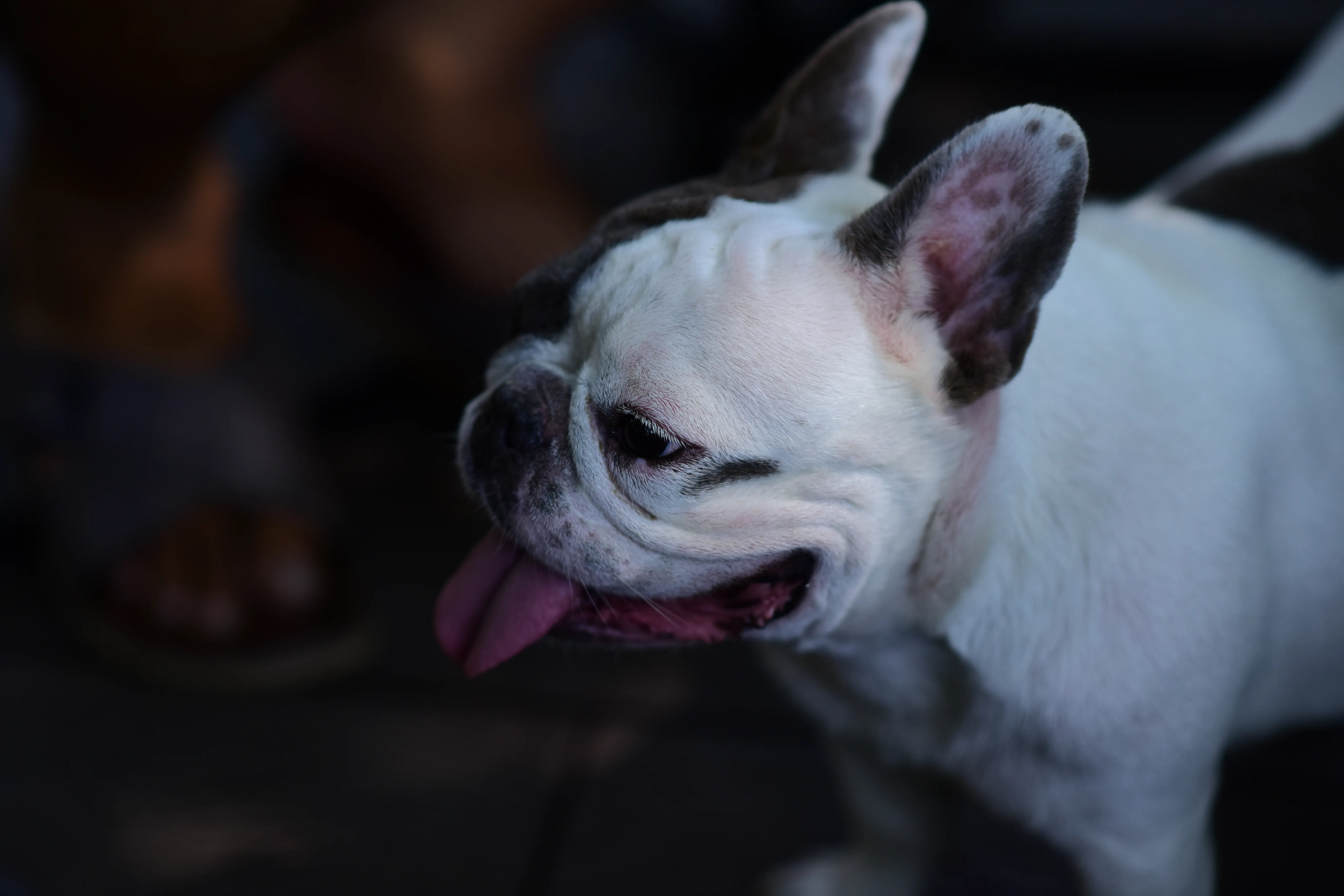
- Sound: loud snorting or “honking inward” through the nose
- Pattern: short bursts that look scary but often stop on their own
- How the dog acts: typically fine immediately afterward
- Common triggers: excitement, pulling on leash, irritants, post-nasal drip
Reverse sneezing is usually more of an inhalation snort than a cough. Many dogs with reverse sneezing do not have a lingering cough for days.
Choking
- Sound: gagging, retching, coughing that does not resolve, possibly pawing at the mouth
- Pattern: sudden start, often during chewing or right after grabbing something
- How the dog acts: distressed, may drool excessively, may have trouble breathing
If you truly think your dog is choking and cannot breathe normally, that is an emergency. When in doubt, call your vet or an emergency clinic immediately.
What the vet may do
Your veterinarian will listen to your dog’s heart and lungs, ask about recent exposures, and assess hydration, temperature, and overall comfort. Depending on the situation, they may recommend:
- Supportive care only for mild cases
- Cough suppressants in specific cases (often to help rest), only when appropriate
- Antibiotics if bacterial infection is suspected or your dog is high-risk
- Chest X-rays if there is concern for pneumonia or another underlying issue
The goal is to keep a simple upper-airway infection from turning into a lower respiratory problem.
Prevention and vaccines
If your dog goes to daycare, boarding, grooming, training, or dog sports, prevention is worth a quick conversation with your vet. The most common vaccines used to reduce kennel cough risk and severity include options that cover Bordetella and parainfluenza. Core vaccines like adenovirus also matter for overall respiratory health.
Realistic expectation: these vaccines help, sometimes a lot, but they are not a force field. A vaccinated dog may still cough, but often has a milder course and is less likely to spiral into a more serious illness.
Simple monitoring at home
If you are monitoring a mild cough at home, I like a few simple checkpoints:
- Breathing at rest: count your dog’s resting breaths when asleep or very relaxed. If it is suddenly higher than normal for your dog, or breathing looks effortful, call your vet.
- Energy and appetite: normal interest in food, water, and getting up is reassuring.
- Hydration and bathroom habits: make sure your dog is drinking and urinating normally.
If anything trends the wrong direction, especially breathing effort, it is time to stop watching and start calling.
Be kind, keep them home
One last gentle reminder from someone who loves a busy daycare schedule as much as anyone: please keep your coughing dog home. I know it is inconvenient. I also know it is the kindest thing you can do for other dogs, and it helps your own dog recover faster.
If you are unsure whether what you are hearing is kennel cough, take a short video of an episode and share it with your vet. “Honking goose cough” is a surprisingly useful description, but a video is even better.
Quick FAQ
Can humans catch kennel cough?
Most healthy humans are not infected by the typical causes of kennel cough. That said, Bordetella bronchiseptica can rarely infect people with weakened immune systems. If someone in your household is immunocompromised, ask your veterinarian and the person’s physician for guidance on risk reduction.
Should I stop walking my dog?
You do not necessarily need to stop all walks, but keep them short, calm, and on a harness. Avoid dog-to-dog contact until your dog is recovered.
My dog is coughing but acting normal. Do I still need to call the vet?
It is reasonable to call and describe symptoms, especially if your dog is a puppy, senior, or has any medical conditions. If the cough is mild and your dog is eating, drinking, and breathing comfortably, your vet may recommend supportive care and monitoring.