A step-by-step 7-day schedule many dogs do well with when changing foods, plus troubleshooting for gas, diarrhea, picky eating, and when to slow down.
If you have ever stood in the pet food aisle holding a bag of kibble in one hand and a case of canned food in the other, you are in excellent company. In my years as a vet tech and now as a trainer, I have seen great-looking, happy dogs thriving on kibble, on wet food, and on a thoughtful combination of both.
The best choice is the one that fits your dog’s body, health needs, and your day-to-day routine. Let’s break down what wet food and dry food each do well, where they fall short, and how to mix them safely without accidentally overfeeding (the most common mixing mistake I see).
Wet vs. kibble: what’s different?
Wet (canned) food often contains around 70 to 85% water. It tends to be more aromatic, softer to chew, and often more appealing to picky eaters.
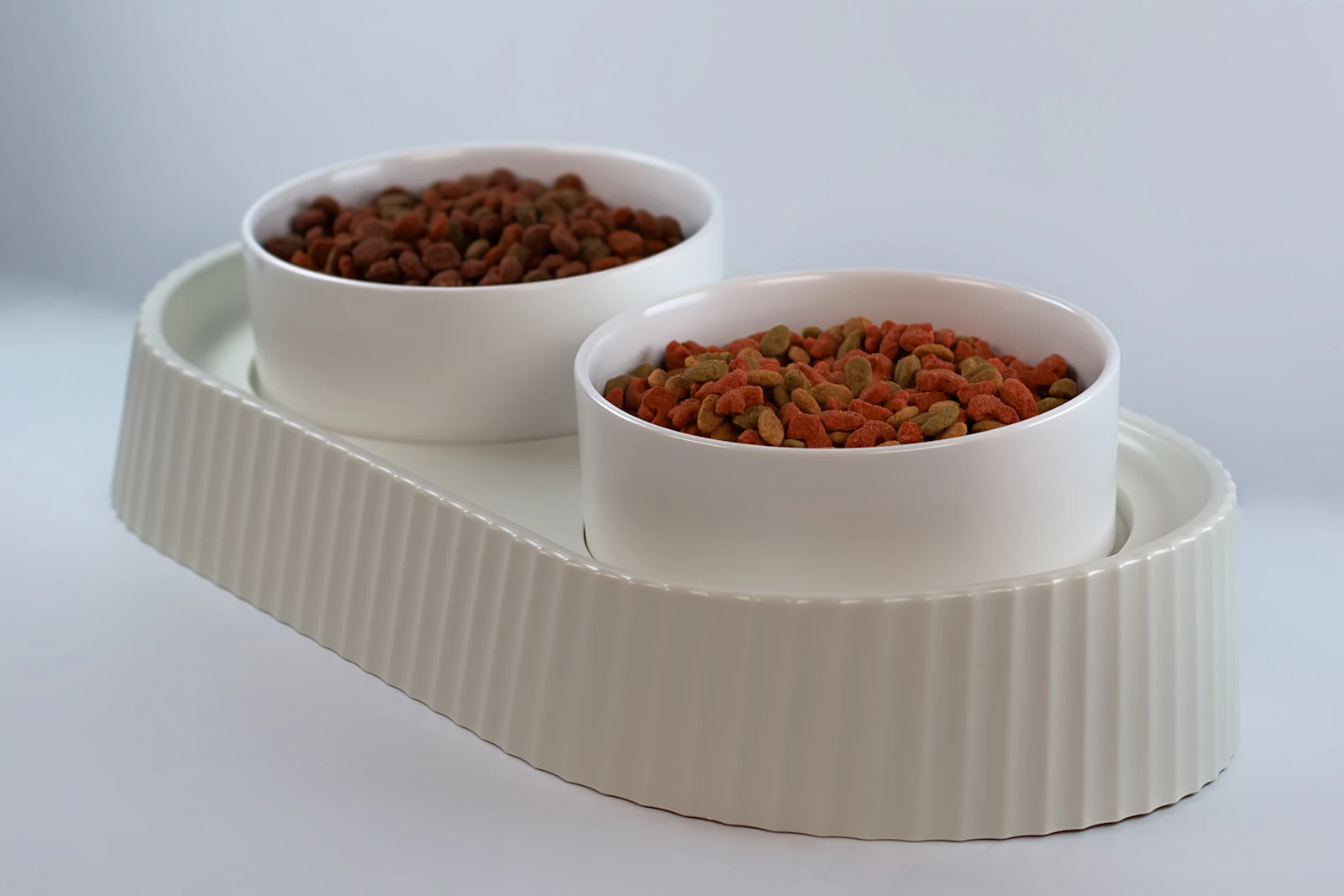
Dry food (kibble) often contains around 8 to 12% moisture. It is convenient, typically less expensive per calorie, and easy to measure consistently.
Both can be complete and balanced if the label states it meets AAFCO nutrient profiles for your dog’s life stage (growth/puppy, adult maintenance, or all life stages).
Wet dog food: pros and cons
Pros
- Hydration boost: The biggest perk. This can help dogs that do not drink much, dogs that do not reliably drink after meals, or dogs who need extra fluids as recommended by a veterinarian.
- Highly palatable: Strong smell and meaty texture can help seniors, picky eaters, or dogs recovering from illness regain interest in food.
- Easy to chew: Useful for dogs with missing teeth, painful mouths, or jaw fatigue.
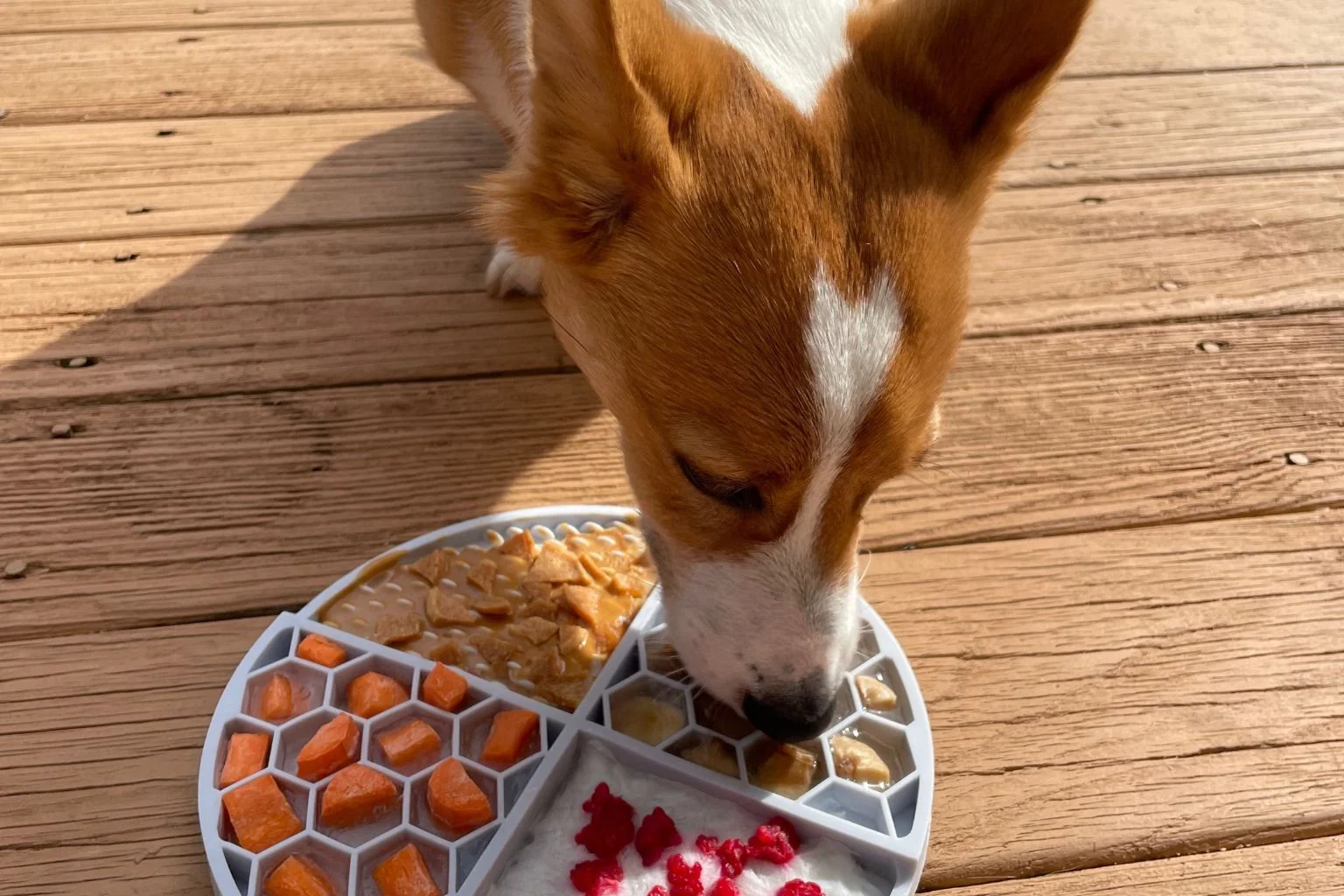
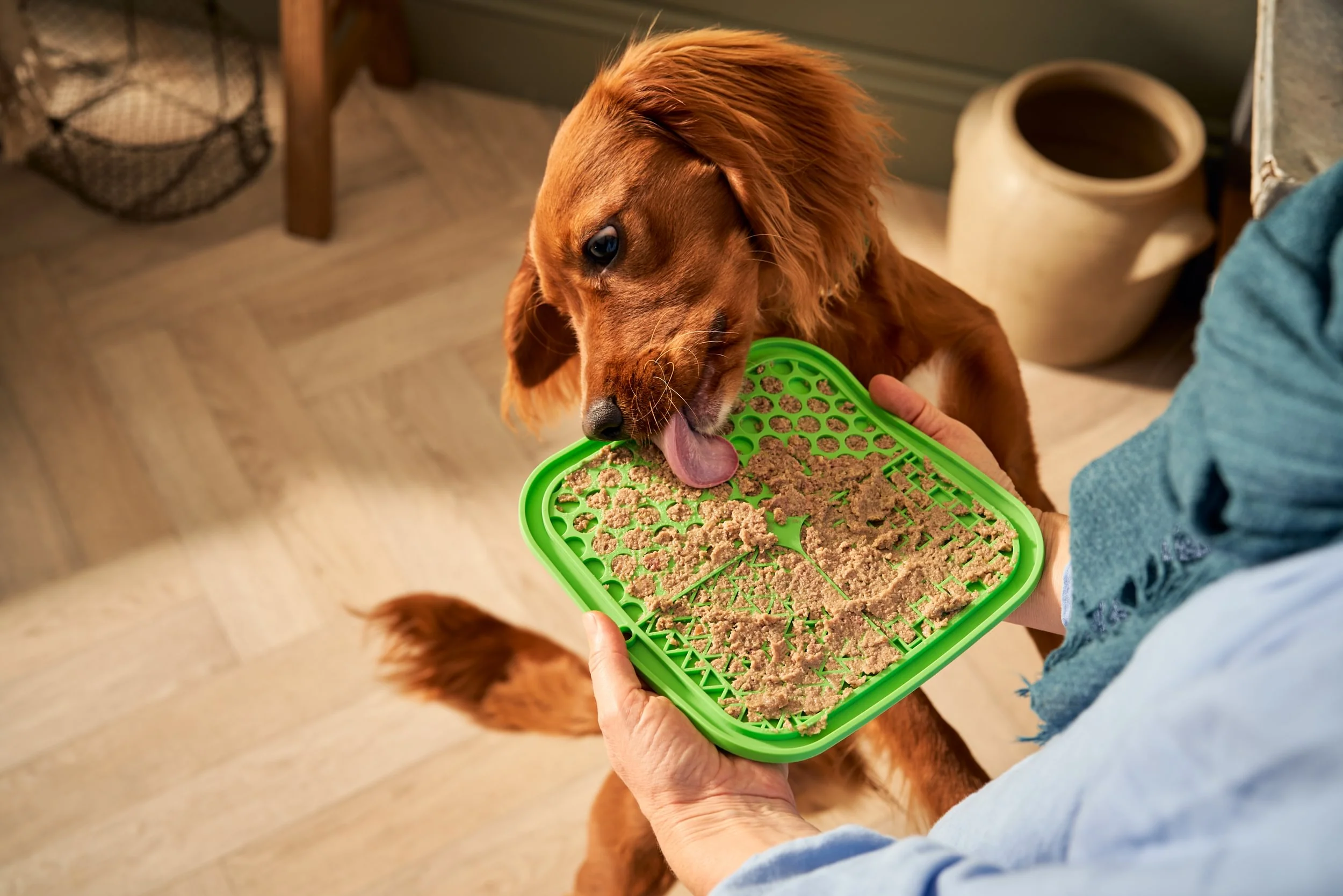
- Great for enrichment: A tiny smear on a lick mat or a spoonful in a food toy can keep a dog busy and reduce stress, especially for alone-time practice.
Cons
- More expensive per calorie: Many canned foods cost more to feed long-term, especially for medium and large dogs.
- Spoils quickly once opened: Open cans need refrigeration and should be used within the timeframe on the label. As a general best practice, many manufacturers recommend using opened canned food within about 3 to 5 days when refrigerated.
- Dental health myths: Wet food is not “bad” for teeth, but it also does not provide meaningful tooth-cleaning. Dental care still needs brushing, vet-approved dental products, and professional cleanings when indicated.
- Portion creep: Because it looks like a small amount, it is easy to add “just a little more” and unintentionally overfeed.
Kibble: pros and cons
Pros
- Convenient and consistent: Easy to measure, store, and use in puzzle feeders and treat pouches.
- Budget-friendly: Usually costs less per calorie than canned diets.
- Easier on the schedule: Great for multi-dog households, pet sitters, and predictable routines.
- Useful for training plans: For dogs watching their weight, you can use part of the daily kibble ration for rewards during training sessions.
Cons
- Lower moisture: Not a problem for many dogs, but it does not provide the built-in hydration that wet food does.
- Palatability can be hit or miss: Some dogs find kibble boring, especially if they have been offered lots of toppers and table scraps.
- Not a dental solution: Despite the crunchy texture, most kibble does not “clean teeth” in a meaningful way. True dental diets have specific textures and are formulated for that purpose.
When wet, dry, or mixed makes sense
Wet food may be a good fit if…
- Your vet wants your dog to increase fluid intake.
- Your dog is recovering from illness, surgery, or dental work (with vet approval).
- You have a senior dog with reduced appetite or chewing comfort.
- You need a highly motivating food for enrichment or behavior work, like separation anxiety training (tiny amounts can go a long way).
Kibble may be a good fit if…
- You want the easiest feeding routine and consistent measuring.
- Your dog maintains a healthy weight and eats well on dry food.
- You rely on puzzle feeders, treat-dispensing toys, or using kibble as training rewards.
- You need a cost-effective long-term plan.
A mix may be a good fit if…
- Your dog needs a hydration or appetite boost, but you still want kibble convenience.
- You are transitioning foods and want a gentler change.
- You want to increase meal satisfaction for a dog who is always hungry, while keeping calories controlled (this takes careful measuring).
How to mix wet and dry safely
The goal is to improve hydration and enjoyment without upsetting your dog’s stomach or accidentally doubling calories.
Step 1: Choose complete and balanced
If you are feeding more than an occasional topper, look for an AAFCO statement on both foods. Some canned foods are labeled “intermittent or supplemental feeding only.” Those are not meant to replace a significant portion of your dog’s diet.
Step 2: Mix by calories, not volume
This is the big one. A cup of kibble and a cup of canned food are not comparable. Kibble is calorie-dense; canned food is mostly water.
Practical rule: decide what percent of your dog’s daily calories will come from kibble vs. wet food.
- 75% kibble / 25% wet: a gentle “kibble-first” mix that boosts flavor and moisture.
- 50% kibble / 50% wet: helpful for picky eaters, but easier to overdo calories if you do not measure.
- 25% kibble / 75% wet: often used when chewing is difficult or when higher moisture is a priority, but check budget and stool quality.
How to do the math without a headache:
- Find your dog’s daily calorie target from your vet, your food brand’s calculator, or the feeding guide as a starting point.
- Check calories per cup for kibble and calories per can or per tray for wet food. On many labels you will see both kcal/can and kcal/kg. For home measuring, kcal per can (or per container) is usually the most practical.
- Split the daily calories by your chosen percentage and measure each food to match.
- Remember that treats and toppers count. If you are using wet food in lick mats or toys, that still comes out of your dog’s daily calories.
Step 3: Transition slowly
Even if you are mixing two high-quality foods, sudden changes can cause diarrhea. A common transition looks like this:
- Days 1 to 2: 90% old food, 10% new food
- Days 3 to 4: 75% old, 25% new
- Days 5 to 6: 50% old, 50% new
- Days 7 to 8: 25% old, 75% new
- Day 9+: 100% new
If your dog has a sensitive stomach, stretch each step to 3 to 4 days. Some dogs truly do best with a 10 to 14 day transition, or even longer.
Step 4: Handle food safely
- Refrigerate opened cans promptly and keep them covered.
- Do not leave mixed wet food sitting out. If your dog is a slow grazer, offer smaller portions and pick up the bowl after 20 to 30 minutes, and sooner in warm environments.
- Wash bowls daily. Warm water and soap is usually enough.
Step 5: Watch stool, itch, and appetite
The first report card is the stool. Soft stool, mucus, increased gas, or sudden itchiness can mean the mix is not agreeing with your dog or the transition is too fast. If signs are significant, pause and contact your veterinarian, especially for puppies and small dogs who can dehydrate quickly.
Easy ways to combine them
I love mixed meals, but there is one training-minded caveat: if toppers constantly change, some dogs learn to hold out for something “better.” Consistency prevents food strikes.
Option 1: Measured topper
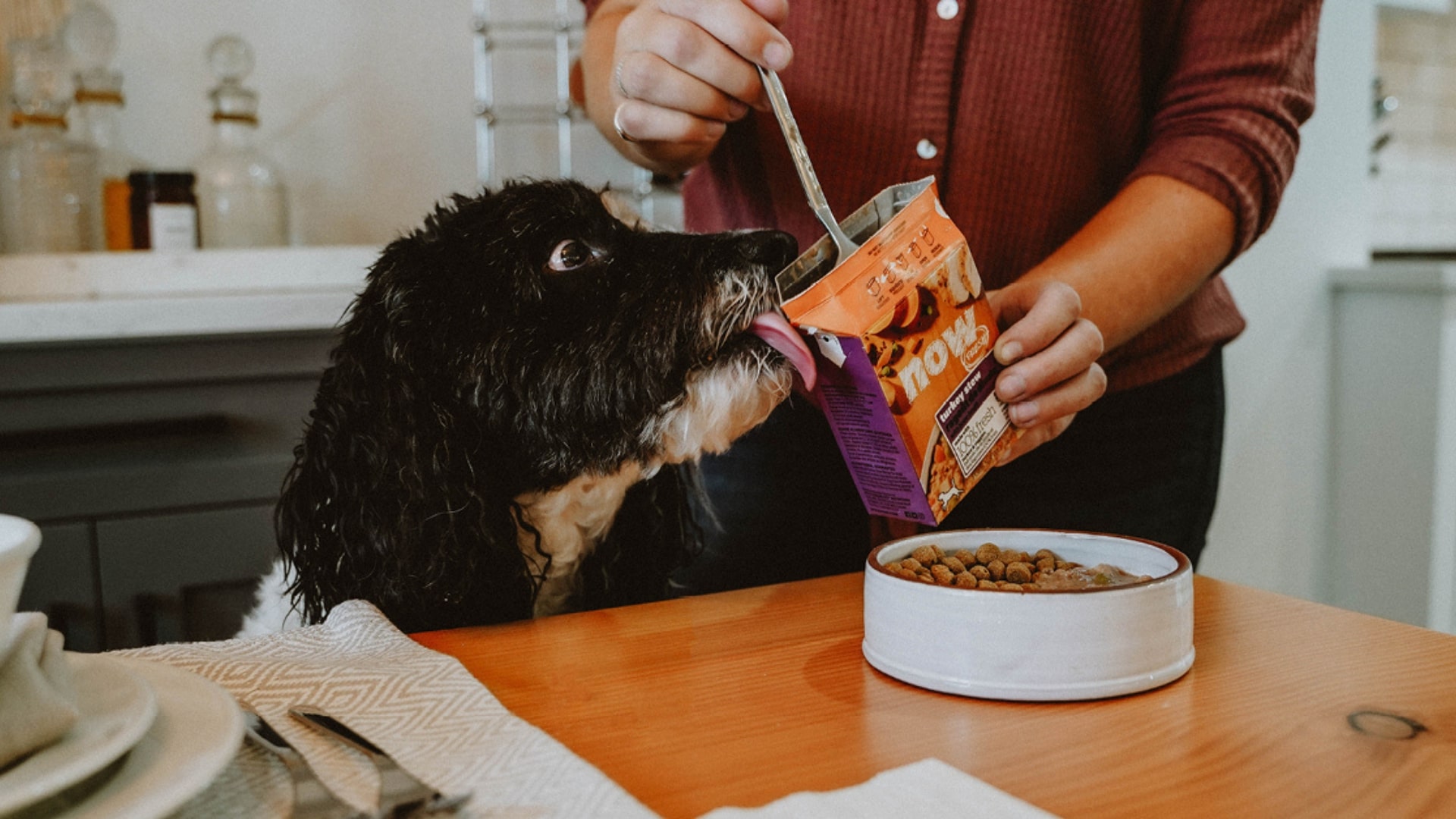
Measure your dog’s kibble. Then add a small, consistent amount of wet food, like 1 to 2 teaspoons for small dogs, 1 to 2 tablespoons for medium dogs, and a bit more for large dogs, adjusting based on calories.
Option 2: Rehydrate kibble plus a dab
If hydration is the main goal, add warm water to kibble, let it sit for 5 to 10 minutes, then stir in a small spoonful of canned food for aroma. This is often easier on digestion than a heavy wet-food mix.
Option 3: Separate meals
Some dogs do better when meals are not mixed in the same bowl. For example, kibble breakfast and wet dinner. This can be handy for dogs who get loose stool when foods are combined together.
Option 4: Enrichment feeding
Use part of the daily wet food portion in a Kong-style toy, lick mat, or slow feeder. This is especially helpful for dogs who gulp meals or need calming activities. Freeze it for longer-lasting licking.
Trainer tip: If your dog is picky, keep the topper the same for 2 to 3 weeks. Predictable meals reduce bargaining.
Common mixing mistakes
- Mistake: Adding wet food on top of a full kibble meal.
Fix: Reduce kibble to make room for canned calories. - Mistake: Switching brands and proteins too quickly.
Fix: One change at a time. Transition slowly. - Mistake: Using wet food labeled supplemental as a major calorie source.
Fix: Choose “complete and balanced” for your dog’s life stage. - Mistake: Leaving mixed food out for hours.
Fix: Offer smaller portions, pick food up promptly (sooner when it is warm), and refrigerate leftovers. - Mistake: Thinking kibble cleans teeth so brushing is optional.
Fix: Aim for tooth brushing several times per week, and ask your vet what dental products are appropriate for your dog.
When to check with your vet
Many healthy adult dogs can handle a wet and dry mix. But check in with your veterinarian before changing diets if your dog has:
- Kidney disease, heart disease, or urinary issues (hydration and sodium levels matter)
- Pancreatitis history (fat content is critical)
- Food allergies or chronic ear and skin problems (protein sources and limited-ingredient diets may be needed)
- Diabetes (consistent calories and timing are important)
- Frequent vomiting or chronic diarrhea
FAQ
Is wet food better than dry food?
Not automatically. Wet food shines for hydration and palatability. Kibble shines for convenience, consistent measuring, and cost. Many dogs do great on either, as long as the diet is complete and balanced and portions match your dog’s needs.
Does mixing wet and dry cause diarrhea?
It can if you change too fast, overfeed, or introduce a rich formula your dog is not used to. Transition slowly, measure by calories, and keep the mix consistent while your dog adjusts.
What is a safe wet-to-dry ratio?
A common starting point is 75% kibble and 25% wet by calories. Adjust based on your goals (hydration, appetite, chewing comfort) and your dog’s stool and body condition.
Can mixed wet and dry be left out?
I do not recommend it. Wet food can spoil. If your dog does not finish within about 20 to 30 minutes, pick it up sooner in warm environments, then refrigerate any wet portion safely and offer a fresh meal later.
Will wet food help my dog drink more water?
Yes. Because canned food contains so much moisture, it adds fluid even if your dog does not increase water bowl drinking. Still keep fresh water available at all times.
Bottom line
Wet food and kibble are both valid choices, and mixing them can be a solid middle ground for hydration and appetite. The safest way to do it is to measure by calories, transition gradually, and stay consistent so your dog’s digestion and habits stay steady.