A practical bathing frequency guide by coat type and breed, plus signs your dog needs a wash, shampoo tips, and how to protect healthy skin.
If your dog is doing the scratch-scratch-shake routine, it is tempting to grab the first “itch relief” bottle you see and hope for the best. I get it. In my vet tech days, I watched plenty of well-meaning pet parents accidentally make itchy skin worse by using a shampoo that was too harsh, not right for the cause, or used too often.
Here’s the simplest way to think about it: oatmeal shampoos are usually best for mild dryness and occasional seasonal itch, while medicated shampoos are designed for specific skin problems like infections, yeast overgrowth, seborrhea, or bigger allergy flares that need targeted ingredients.
Why dogs get itchy
Before we compare bottles, it helps to zoom out. Itching is a symptom, not a diagnosis. The right shampoo depends on what is driving the itch.
- Dry skin: low humidity, too-frequent bathing, harsh shampoos, poor rinsing, or a diet issue.
- Environmental allergies (atopy): pollen, grasses, molds, dust mites. Often seasonal at first, then can become year-round.
- Contact irritation: grooming sprays, fragranced wipes, lawn chemicals, detergents, even some “natural” essential oils.
- Parasites: fleas (the big one), mites.
- Bacterial or yeast infection: often secondary to allergies, moisture, or skin barrier issues.
- Seborrhea: abnormal flaking and oiliness that can be primary (rare) or secondary (more common).
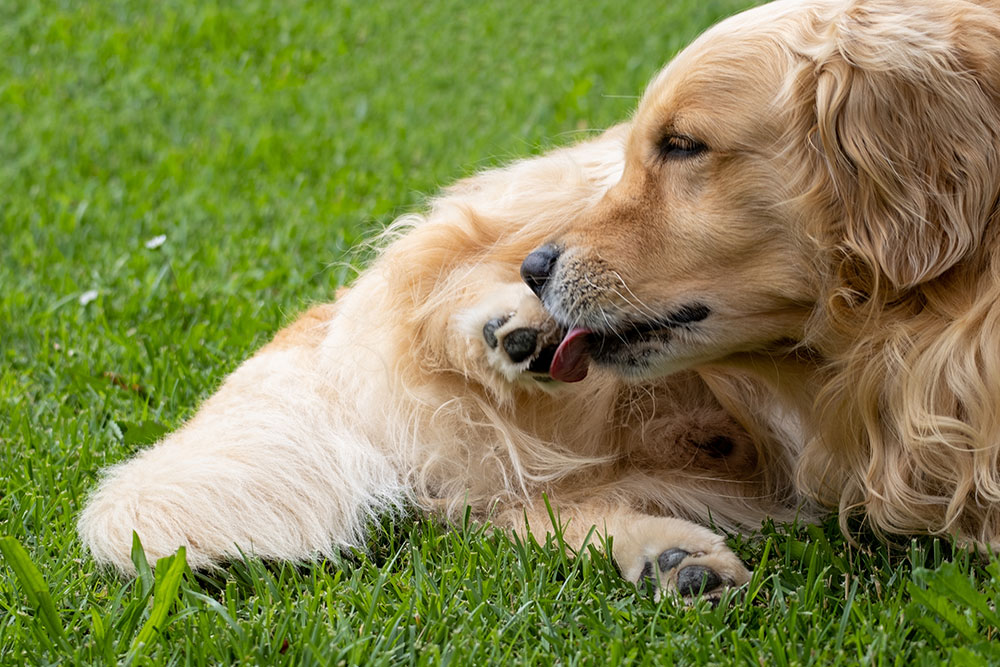
If your dog has hair loss, open sores, oozing, a strong odor, greasy coat, painful skin, or constant licking of paws, you are often past “soothing shampoo” territory and into “we need a plan” territory.
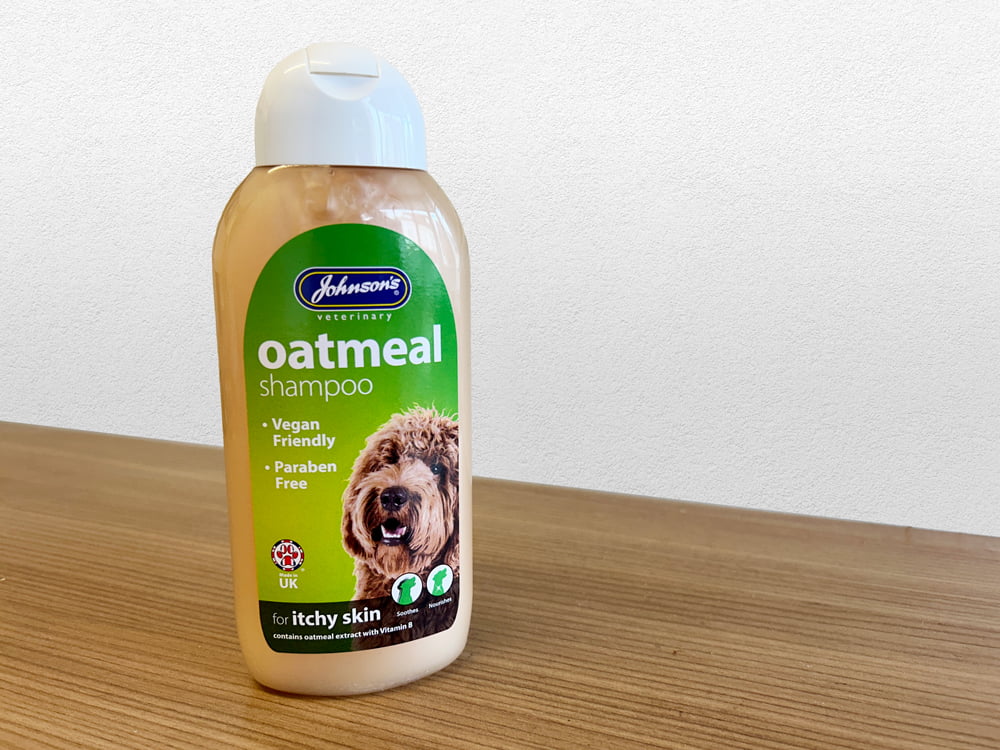
Oatmeal shampoo
Most oatmeal dog shampoos use colloidal oatmeal (finely ground oatmeal) to help calm and moisturize irritated skin. For some dogs, it may help support the skin barrier, reduce dryness, and take the edge off mild itch.
Best for
- Mild dry, flaky skin without redness or odor
- Occasional seasonal itch (especially when paired with good rinsing and regular brushing)
- Post-grooming or post-hike baths when you want gentle cleansing
- Puppies and seniors who do better with mild formulas
What to look for on the label
- Colloidal oatmeal listed near the top of the ingredient list
- Fragrance-free or very lightly scented (itchy skin and heavy fragrance are a bad combo)
- Moisturizers like glycerin, aloe (some dogs do great with it), or ceramides
- Soap-free or pH-balanced for dogs
Common limits
- It is not an antimicrobial. If the itch is from yeast or bacteria, oatmeal alone usually will not fix it.
- It may not touch moderate to severe allergy itch. Many allergic dogs need a bigger toolbox: vet-directed meds, skin barrier support, and environmental management.
- It can be too gentle for greasy, smelly coats. If your dog feels oily again a day after bathing, you may need a different approach.
Bath-training tip: Oatmeal shampoos can be a great “practice bath” option if your dog is learning to tolerate grooming. Many gentle formulas spread easily and rinse clean with thorough rinsing, which makes training less stressful for everyone.
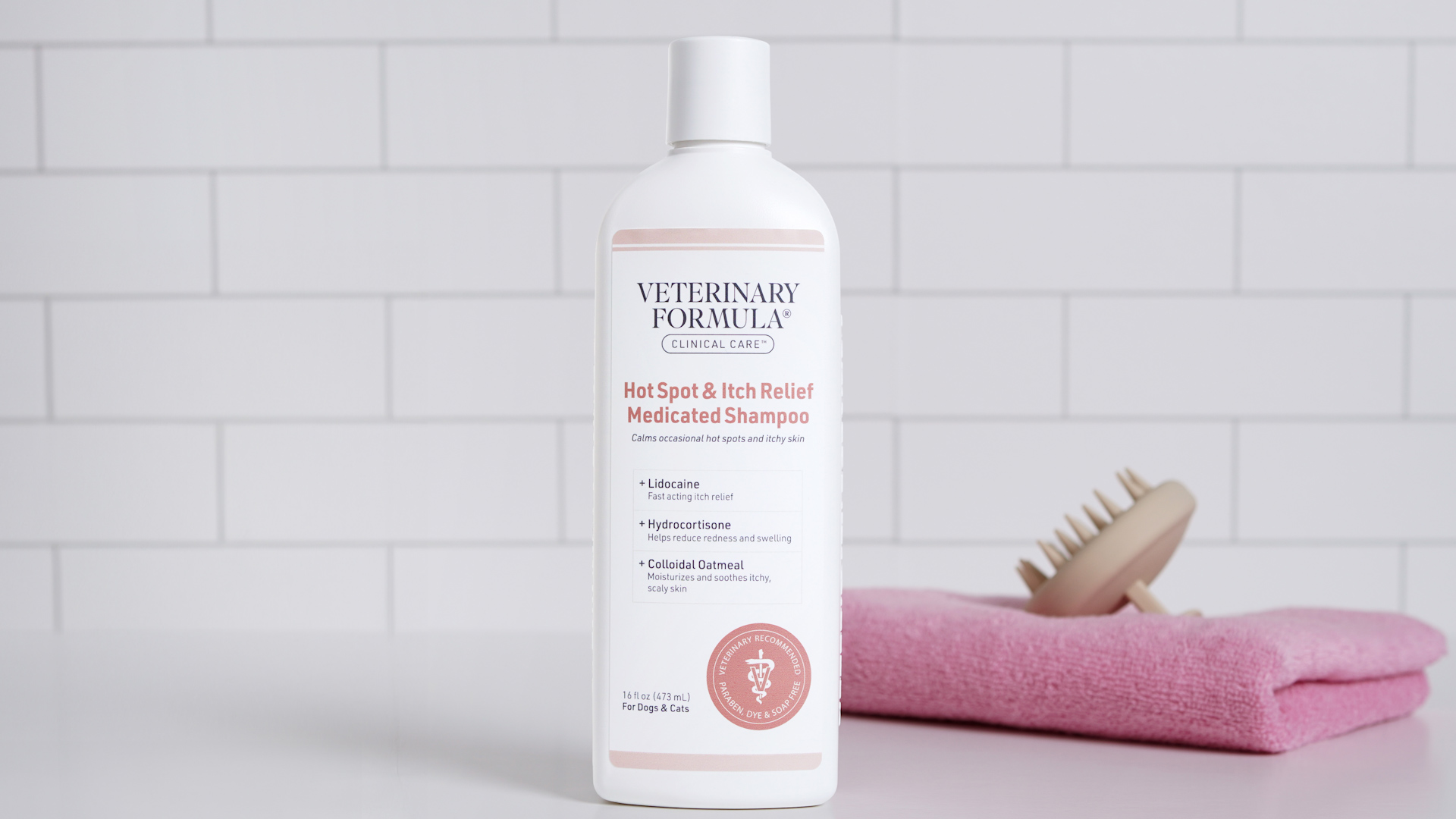
Medicated shampoo
Medicated shampoos are designed to treat a specific skin problem, not just make the coat smell nice. They can be incredibly helpful, but they are also easier to misuse.
Many medicated formulas require contact time, meaning the lather needs to sit on the skin for a set number of minutes before rinsing. If you rinse too quickly, you may get minimal benefit. If you bathe too frequently or choose the wrong active ingredient, you can dry the skin out or delay proper treatment.
Pick by active ingredient
Instead of buying by buzzword, buy by active ingredient. Here are the most common types you will see and what they are typically used for.
Chlorhexidine (antiseptic)
- Often used for: bacterial skin infections, hot spots (after vet guidance), superficial pyoderma, “pimple-like” bumps.
- Good to know: Chlorhexidine is primarily antibacterial. It is often paired with an azole antifungal (like miconazole or ketoconazole) when yeast is part of the picture.
Miconazole or ketoconazole (antifungal)
- Often used for: yeast overgrowth (common signs are a musty smell, redness, greasy skin, itchy paws and ears).
- Good to know: Yeast is often secondary to allergies, so shampoo may help symptoms but you still need to address the underlying trigger.
Benzoyl peroxide (degreasing)
- Often used for: oily, greasy coats, folliculitis, certain bacterial skin issues.
- Use caution: This can be drying and irritating for some dogs. Great when appropriate, miserable when not.
Salicylic acid or sulfur (anti-flaking)
- Often used for: dandruffy, scaly skin, seborrhea, odor associated with excess oil and skin turnover.
- Good to know: These can help with chronic flaking, but you still want your vet to rule out parasites, infection, and endocrine issues if the problem persists.
Hydrocortisone (anti-itch steroid)
- Often used for: short-term relief of inflammatory itch.
- Use caution: Not ideal for long-term, frequent use without veterinary guidance, and not a substitute for treating infection if present.
Antiparasitic shampoos
- Often used for: fleas or mites, depending on the ingredient.
- Important: These are less commonly the main solution for modern flea control. Shampoo alone rarely solves a flea problem. You typically need a vet-approved flea preventive and environmental cleanup.
Quick decision guide
If you are standing in the aisle (or staring at 47 open tabs), use this as your gut check.
Try oatmeal first when
- Your dog has mild flakes and normal-looking skin color
- The itch is occasional and not keeping them up at night
- There is no strong odor and no greasy feel
- You are bathing for allergen rinse-off after outdoor time
Go medicated when
- The skin is red, inflamed, or thickened
- You notice a yeasty or sour odor
- There are pustules, crusts, scabs, or “acne-like” bumps
- Your dog’s coat feels greasy and rebounds fast after baths
- Your veterinarian has diagnosed an infection, yeast, or seborrhea and recommended a specific ingredient
Call your vet promptly when
- Your dog is very itchy (crying, frantic scratching, unable to settle)
- You see open wounds, bleeding, swelling, or widespread hair loss
- The itch came with vomiting, facial swelling, hives, or trouble breathing
- Your dog is immunocompromised or on immune-suppressing medication
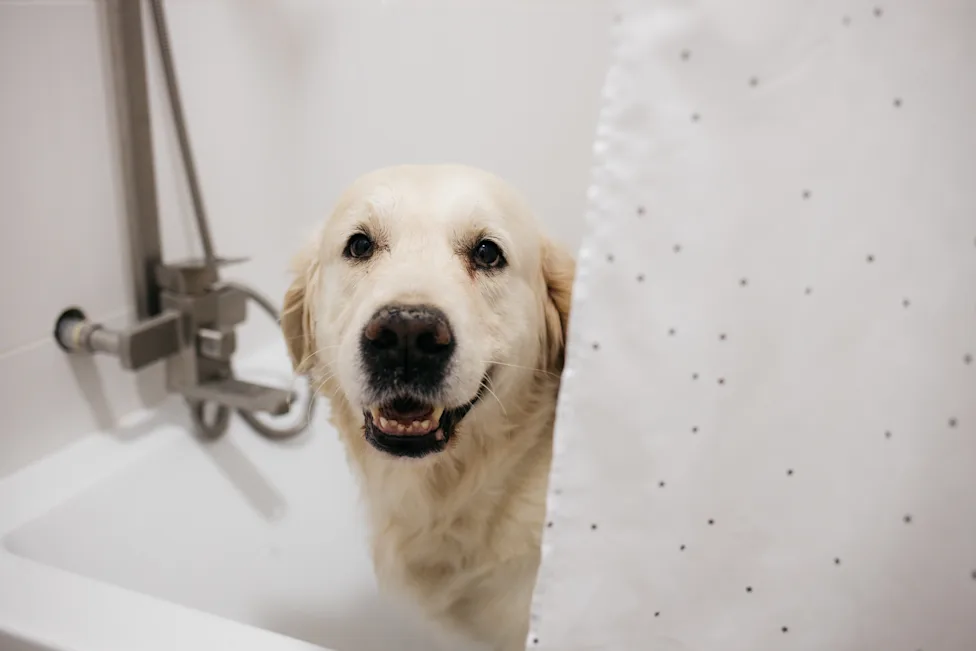
How to bathe without worse itch
The shampoo choice matters, but technique matters just as much.
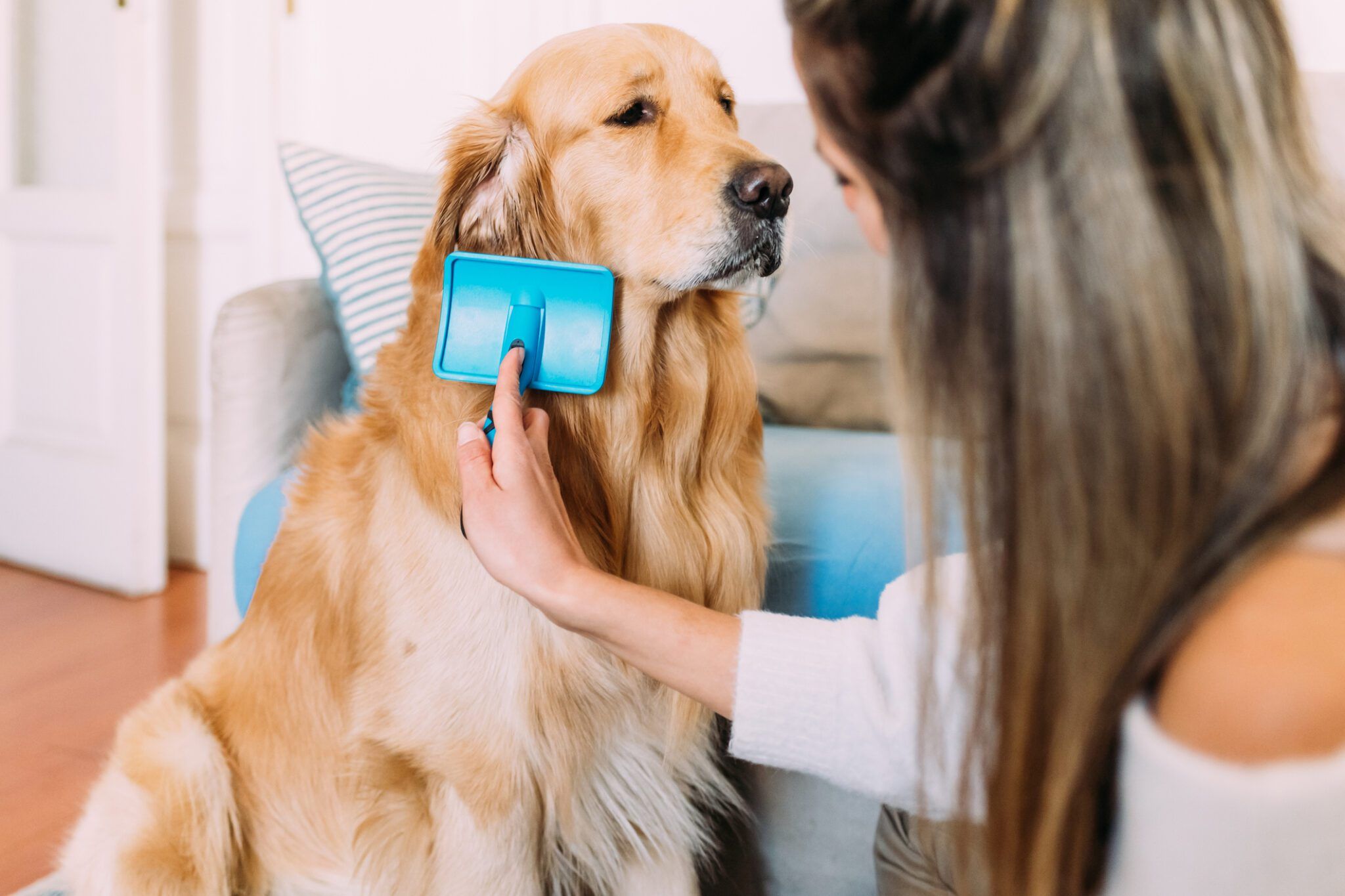
1) Brush first
Brushing removes loose hair and dander so the shampoo can reach the skin. It also helps prevent matting, which traps moisture and bacteria.
2) Use lukewarm water
Hot water can increase inflammation and dryness. Think “comfortable hand-washing temperature.”
3) Dilute when appropriate
Many shampoos lather and spread better when diluted in a squeeze bottle with water. This helps you avoid over-applying and missing spots.
4) Protect eyes and ears
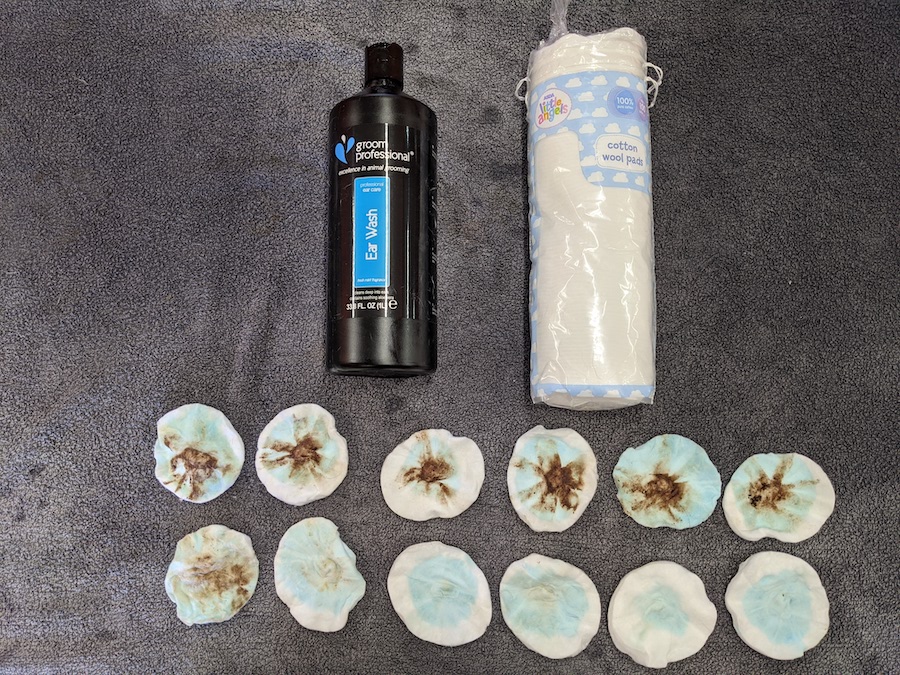
Try not to get shampoo in your dog’s eyes, and do not pour shampoo or water into the ear canals. If your dog has recurring ear issues, ask your vet what to use and when. Ear products are not one-size-fits-all.
5) Respect contact time for medicated shampoos
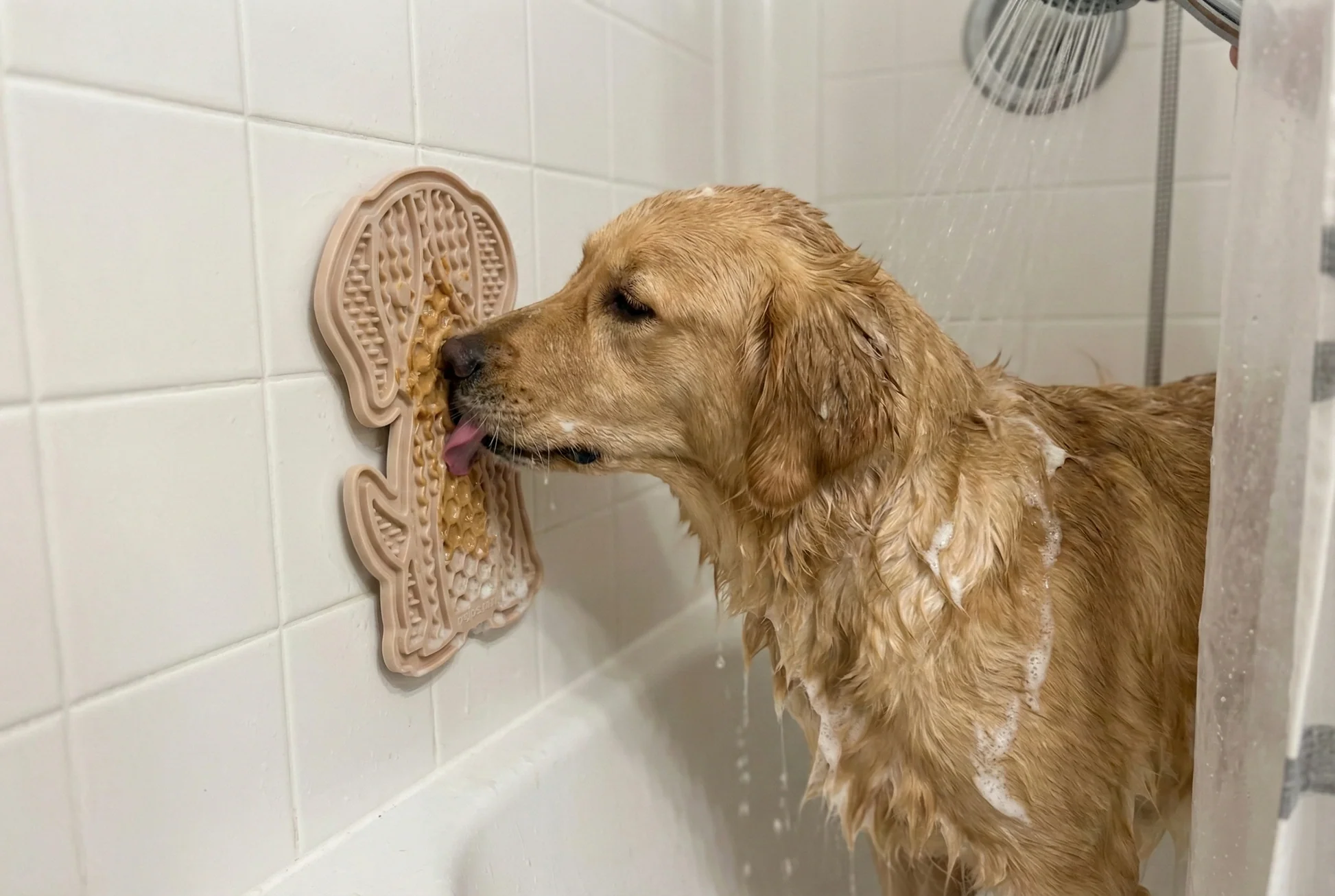
If the label says 10 minutes, set a timer. I like to use this time for gentle massage, slow treat feeding, or a lick mat to keep things calm.
6) Rinse longer than you think
Residual shampoo is a sneaky itch trigger. Rinse until the water runs clear, then rinse again.
7) Dry thoroughly, especially folds
Moisture trapped in armpits, groin, facial folds, and between toes can fuel yeast. Towel dry well. Use a dryer only if your dog tolerates it and it is on a low, cool setting.
Buyer’s checklist
- Dog-specific formula: Human shampoo is built for human skin and hair. The pH and surfactant system can disrupt a dog’s skin barrier and make irritation worse.
- Clear active ingredient (for medicated): You should be able to identify what it is meant to treat.
- Minimal fragrance: Strong scents can irritate sensitive skin and noses.
- Simple ingredient list: Especially if your dog has allergies.
- Directions you can follow: If a product requires 15 minutes of contact time twice weekly and your dog hates baths, ask your vet about alternatives like sprays, mousses, wipes, or oral meds.
Heads up on “natural”: Essential oils (tea tree, peppermint, citrus) are common in boutique shampoos and can be irritating or unsafe if overused. “Natural” does not automatically mean gentle.
Sensitive dog tip: If your dog has reacted to grooming products before, test a new shampoo on a small area first and watch for redness or increased itching over the next day.
How often to bathe
The honest answer is: it depends on the cause and the product.
- Mild dryness: Often every 3 to 6 weeks is plenty, unless your dog gets dirty.
- Environmental allergies: Some dogs benefit from 1 to 2 baths per week during peak season using a gentle, moisturizing shampoo, plus thorough rinsing.
- Medicated treatment: Follow your veterinarian’s plan or the product instructions. Many protocols start at 2 to 3 times weekly for a short period, then taper.
If your dog’s skin seems drier after bathing, reduce frequency, switch to a gentler formula, improve rinse time, and talk to your vet about barrier-support options like leave-on conditioners or ceramide products.
When shampoo is not enough
Some dogs need more than topical care, especially if itch keeps coming back. If your dog has persistent paw licking, face rubbing, recurring ear infections, or year-round flare-ups, ask your vet about a broader plan. That might include a diet trial for food allergy, prescription allergy meds or injections, and a skin-barrier routine (like leave-on sprays or mousses) to stretch the time between flare-ups.
Common mistakes
- Bathing more and more often with the same shampoo even though the skin is getting redder and flakier.
- Skipping flea prevention and assuming the itch is “just allergies.” One flea bite can make some dogs miserable for days.
- Ignoring the paws. Dogs with allergies often need paw rinses after walks and targeted care between toes.
- Using medicated shampoo like regular shampoo (no contact time, quick rinse, inconsistent schedule).
- Changing five things at once. If you switch shampoo, add supplements, and change laundry detergent all in the same week, you will never know what helped or hurt.
FAQ
Can I use oatmeal shampoo and a medicated shampoo together?
Sometimes, yes, but it should be intentional. A common approach is using the medicated shampoo on a treatment schedule and a gentle oatmeal shampoo on “in-between” baths if your vet agrees. Do not stack multiple medicated products without guidance because you can over-dry the skin or interfere with treatment.
Is oatmeal shampoo good for dogs with allergies?
It can help soothe and it can help rinse off allergens, but it does not treat the underlying allergy. If your dog is licking paws, rubbing face, or getting recurring ear infections, you will likely need a broader allergy plan.
What if my dog gets itchier after a bath?
Top culprits are incomplete rinsing, too-hot water, a fragranced formula, or bathing too frequently. If the skin becomes red, bumpy, smelly, or painful, stop experimenting and get a veterinary exam because infection may be present.
Are medicated shampoos safe for puppies?
Some are, some are not, and many have age guidance on the label. Puppies also tend to have more sensitive skin. If a puppy is itchy enough that you are considering medicated products, I strongly recommend checking in with your veterinarian first.
Do I need conditioner for an itchy dog?
Not always, but a dog-specific moisturizing conditioner or leave-on product can be a game-changer for dry skin, especially if you are using a medicated shampoo that is drying. Avoid heavy fragrance and do a thorough rinse unless it is a leave-on product designed for dogs.
Bottom line
If your dog’s itch is mild and the skin looks otherwise healthy, an oatmeal shampoo is often a safe, gentle place to start. If you are seeing redness, odor, greasiness, bumps, scabs, or repeat flare-ups, a medicated shampoo chosen by active ingredient is usually the smarter move, ideally with your veterinarian’s guidance.
Your goal is not just a cleaner dog. It is calmer, healthier skin so your dog can get back to the important stuff, like napping dramatically and supervising your every move from the hallway.