
Adult rescue dogs do not need to become “social butterflies” to live happy lives. What they need is to feel safe. Socialization for a fearful adult dog is really about teaching predictable, positive associations with the world, one tiny win at a time.
As a trainer and former vet tech, I have seen countless dogs labeled “problem dogs” when they were simply overwhelmed, under-supported, or pushed too fast. The good news: fear is not stubbornness, and progress is absolutely possible when we work at your dog’s pace.
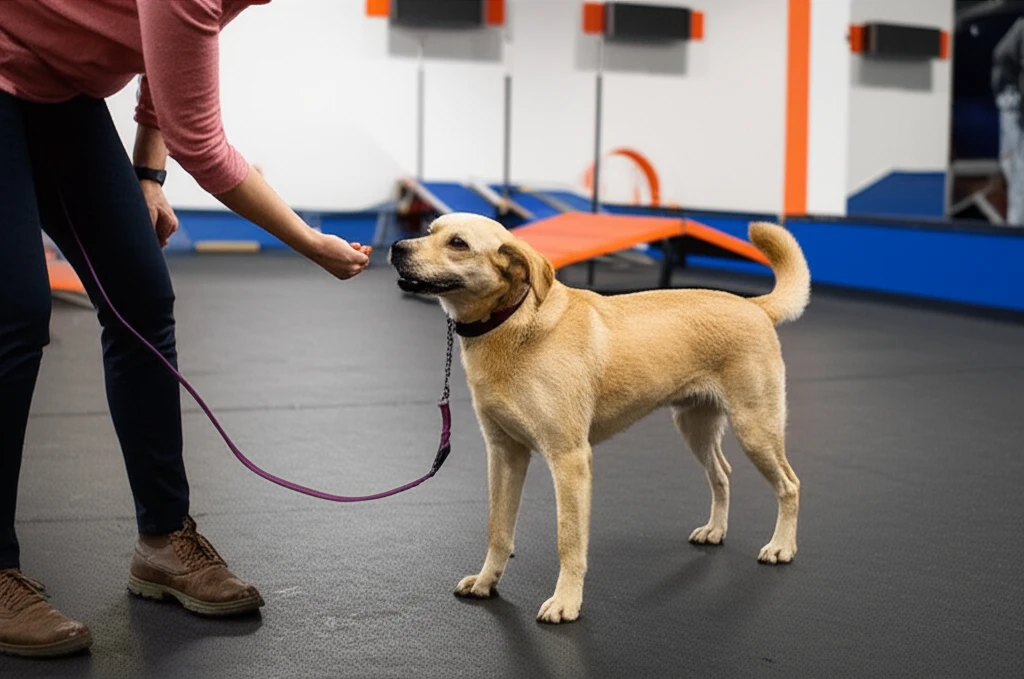
Before you start: safety and expectations
What socialization looks like for an adult
Puppy socialization is about exposure during a key developmental window. Adult dog socialization is about changing emotions and building coping skills. That means:
- We aim for neutral, not “friendly with everyone.”
- We prevent panic so fear is not rehearsed.
- We pair scary things with good things until the scary things stop feeling so scary.
Basic gear that keeps everyone safe
- A well-fitted harness (a front-clip can help some dogs) and a sturdy leash
- Avoid retractable leashes for fearful or reactive dogs, since they reduce control and can add tension at the worst moment
- Use long lines only in safe, open areas where you can prevent surprise greetings and tangles
Know your dog’s “too close” signals
If you learn one skill, make it reading early stress signs. These are your cue to add distance and lower the difficulty:
- Turning head away, whale eye (white of eye showing)
- Freezing or suddenly going still
- Lip licking, yawning when not tired
- Sniffing the ground frantically (displacement behavior)
- Tail tucked, crouching, paw lift
- Growling, barking, lunging (often the last resort when subtle signals were missed)
Growling is information, not disrespect. If your dog growls, your plan worked in one way: they communicated before biting. Thank them by increasing distance, not by punishing.
When to use a muzzle
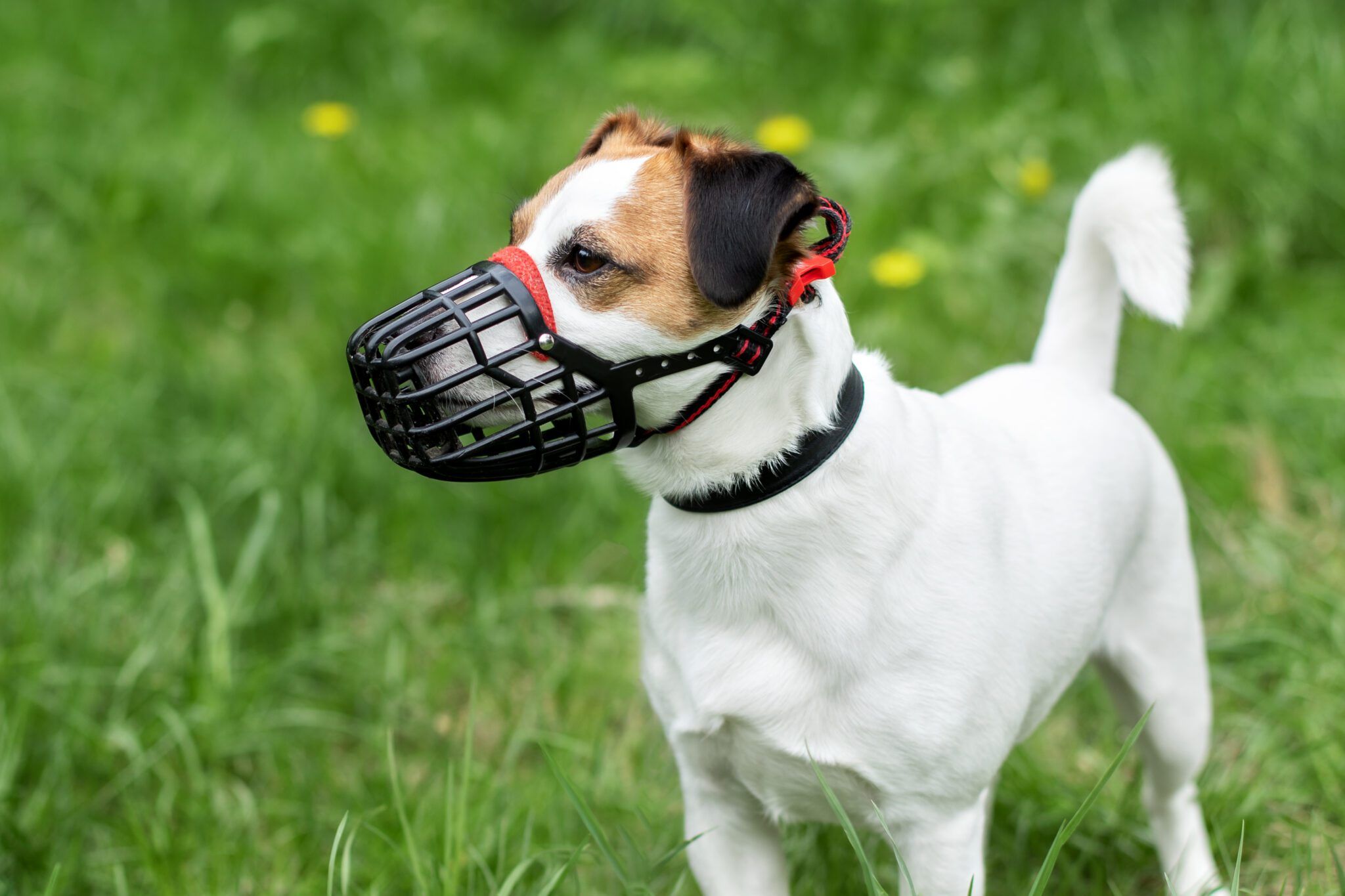
If there is any bite history, if your dog has snapped, or if you cannot reliably prevent close encounters, talk to a qualified trainer or veterinary behavior professional about conditioning a basket muzzle. A muzzle is not a failure. It is a seatbelt.
Step 1: Build a decompression base (first 1 to 2 weeks)
Many rescue dogs arrive with stress piled on stress: shelter noise, transport, new smells, new rules. Before adding “socialization,” start by making daily life predictable.
Set up a safe zone
- A quiet room or corner with a bed, water, and enrichment chews
- White noise or a fan to dampen outside sounds
- Baby gates or an exercise pen to prevent surprise access to visitors
Keep walks boring on purpose
For now, choose low-traffic routes and off-hours. The goal is sniffing and relaxing, not meeting anyone.
Start a reinforcement history immediately
Feed meals from a puzzle feeder, scatter kibble in the grass, and reward calm behaviors you like.
- Yes, you can reward “doing nothing.” Quietly drop a treat when your dog relaxes.
- Use high-value food for scary stuff: chicken, cheese, hot dog slices, or a squeeze tube.
Step 2: Choose your dog’s “currency” and track their threshold
Many fearful dogs stop eating when they are over threshold. That is not pickiness. It is a common, very normal stress response.
Find your top 3 rewards
- Food: soft, smelly, and fast to swallow
- Play: tug or a squeaky toy (only if your dog can stay regulated)
- Functional rewards: moving away, sniffing a bush, getting back to the car
Make a simple threshold log
For one week, jot down:
- What was the trigger (person, dog, skateboard, etc.)
- Distance where your dog noticed
- Distance where your dog became worried (stiff, stopped eating)
- Distance where your dog had a big reaction (bark, lunge) so you can avoid it next time
This turns “my dog is random” into “my dog is predictable.” Predictable is trainable.
Step 3: Teach foundation skills that make socialization possible
These are not party tricks. They are safety skills for fearful dogs.
Name response (my favorite emergency skill)
Say your dog’s name once. When they look at you, mark with “yes” and treat. Practice in the house, then the yard, then calm walks.
Find it (scatter cue)
Say “find it,” toss 5 to 10 treats on the ground. Sniffing lowers arousal for many dogs and gives you a graceful exit when something appears.
U-turn (let’s go)
Cheerfully say “let’s go,” turn, and feed a treat as you move away. Practice when nothing scary is happening so it works when you need it.
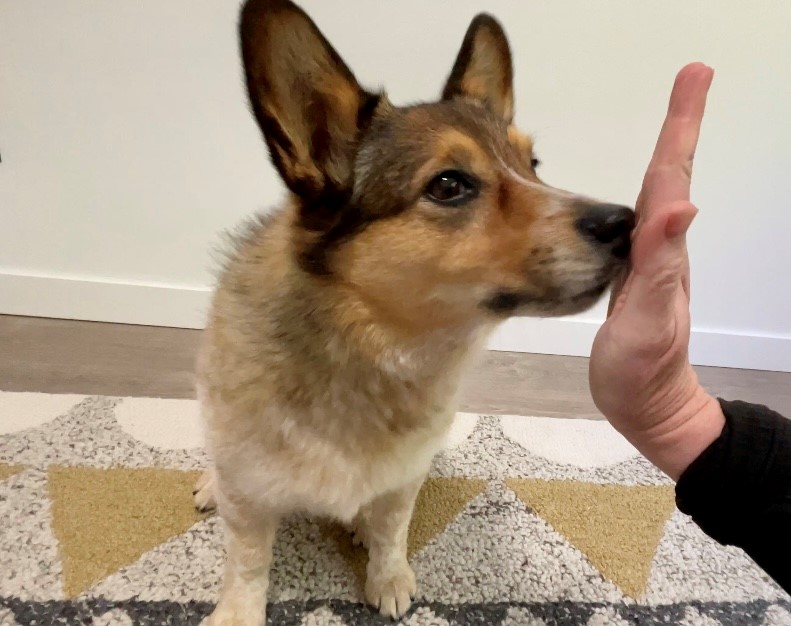
Hand target
Teach your dog to touch their nose to your hand. It becomes an easy way to guide them past something without tugging.
Step 4: Socialize to people using distance, choice, and calm setups
For fearful dogs, “meet new people” should not mean strangers reaching over their head or leaning in for a hug. We are building a new story: people predict good things, and the dog controls the distance.
Start with “look at that” games
At a distance where your dog can notice a person and still eat, do this:
- Your dog looks at the person.
- You say “yes” (or click) and feed a treat near your leg.
- Repeat until you see softer body language and quicker reorientation back to you.
Timing note: in this version, the marker happens as your dog notices the trigger, not after they stare. If your dog gets stuck watching, increase distance and reward smaller glances.
This is classic desensitization and counterconditioning: trigger appears, treats happen, trigger goes away.
Upgrade to parallel presence
Ask a calm friend to exist, not interact.
- Friend stands sideways, avoids eye contact, no talking to the dog.
- You and your dog hang out at a comfortable distance.
- Treats come from you, not from the friend at first.
If your dog chooses to approach, keep it boring
If your dog wants to sniff, let them. Your helper should stay neutral. No reaching. No looming. If your dog backs away, that is success too.
Visitor plan for the home
Homes are harder because dogs can feel trapped. Here is the setup I like:
- Dog behind a baby gate or on leash at first
- Visitor ignores the dog completely
- You scatter treats away from the visitor so the dog can disengage
- Short sessions, then a break in the safe zone
Pro tip from my treat-jar life: keep a container of visitor-only treats by the entry. Consistency matters.
A special note about kids
If your dog is fearful around children, skip “practice setups” with kids and focus on management and professional guidance. Kids move fast, sound different, and are hard for many dogs to predict. This is a safety-first category.
Step 5: Socialize to dogs without forcing greetings
Most fearful adult dogs do best when we remove the pressure to say hello. Leash greetings are optional, and for many dogs, they are simply too intense.
Choose the right canine role models
- Calm, socially appropriate adult dogs
- No “in your face” greeters
- Handlers who can follow instructions and do not take it personally
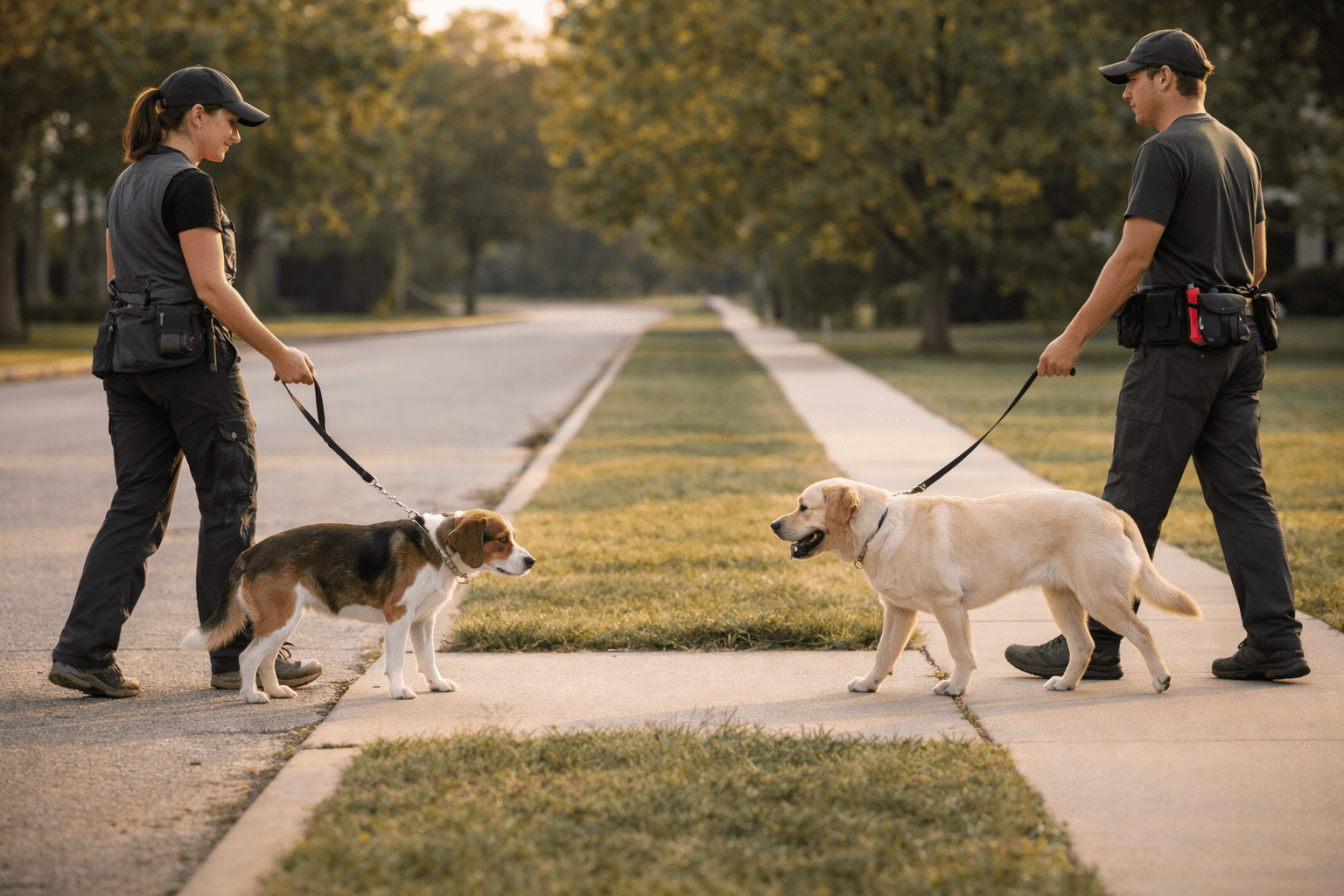
Parallel walking: a highly effective approach
Start far apart, walking in the same direction. Reward your dog for checking in with you. Over multiple sessions, gradually decrease distance if and only if your dog stays loose and happy.
Sniffing breaks, not nose-to-nose meetings
Instead of marching dogs straight at each other, allow sniffing the environment with space. If you do allow a brief sniff, keep it to 1 to 2 seconds, then cheerfully call your dog away and reward.
Know when dog parks are a no
Dog parks can be wonderful for some dogs and completely overwhelming for fearful or reactive dogs. If your dog is anxious, a dog park is often too unpredictable to be therapeutic. Choose structured playdates instead.
Step 6: Socialize to environments like a confident little tourist
New places can be startling: carts clanging, doors whooshing, kids running. Environmental socialization is about micro-exposures that end before your dog melts down.
Try “parking lot picnics”
Pick a calm time of day. Sit in the car with the windows cracked or on a blanket far from foot traffic. Feed treats for calm observation, then leave. Ten minutes counts.
Create a field trip ladder
Move up only when your dog is consistently loose, curious, and eating.
- Step 1: quiet neighborhood street
- Step 2: empty school field after hours
- Step 3: quiet park corner
- Step 4: busier park at off-peak time
- Step 5: pet-friendly store during slow hours (only if truly ready)
Let sniffing do its job
Sniffing is information gathering. It helps many dogs feel in control. Use a long line in safe areas and let your dog explore at their own pace.
Step 7: Handle setbacks without losing momentum
Setbacks are part of the process, especially with rescues. A single bad scare can temporarily shrink your dog’s comfort zone.
If your dog has a blow-up
- Increase distance immediately. Do a U-turn or step behind a car or hedge.
- Feed a scatter if your dog can eat. If they cannot, just leave.
- Go home and decompress. Stress can take hours (sometimes longer) to settle.
- Adjust your plan next time: more distance, fewer triggers, shorter sessions.
What not to do: yank the leash, force them to “face it,” or punish barking and growling. Those tactics often suppress warnings and make fear worse.
Sample 4-week plan (adjust to your dog)
Every dog’s timeline is different. This is a reasonable starting structure for many fearful adult rescues.
Weeks 1 to 2: decompress and train the basics
- Low-traffic sniff walks
- Name response, find it, U-turn, hand target
- Short “look at that” sessions with distant people or dogs
Week 3: planned setups
- Parallel walking with a calm dog at a generous distance
- One calm friend as a “neutral person” helper
- Parking lot picnics in quiet locations
Week 4: gentle progression
- Slightly closer parallel walks if body language stays loose
- Short home visitor session with barriers and breaks
- One new environment per week, not per day
Common mistakes (no shame, just fixes)
Moving too fast because it “seems fine”
Many dogs look okay right until they are not. Keep sessions short and end on a win.
Letting strangers pet your dog to “help them get over it”
Petting is not socialization if the dog is enduring it. Advocate for your dog. A simple “he’s in training, please give us space” is enough.
Using punishment for fear reactions
Corrections can stop the behavior in the moment, but they do not fix the emotion. We want your dog to feel safer, not just quieter.
Skipping enrichment and rest
A tired, stressed dog cannot learn well. Prioritize sleep, decompression, and enrichment that does not involve scary exposure.
When to get professional help
Some cases move beyond DIY, and that is okay. Reach out to a certified, force-free professional if:
- Your dog has bitten or attempted to bite
- Your dog cannot eat outside or around triggers at any distance
- Your dog is getting worse over time
- You suspect panic, extreme phobias, or severe separation anxiety
Also involve your veterinarian if fear is sudden, intense, or paired with pain signs. Pain can make even a sweet dog behave defensively. In many cases, a vet can also discuss anti-anxiety medication that supports learning. Medication is not a shortcut. It is sometimes the ramp your dog needs to access the training.
FAQ
How long does it take to socialize a fearful adult rescue dog?
Think in months, not days. Some dogs make noticeable progress in a few weeks, especially with consistent routines. Others need longer. The timeline depends on genetics, past experiences, current stress load, and how carefully triggers are managed.
Should I let my fearful dog “cry it out” or “work through it”?
No. Flooding a dog with overwhelming exposure can intensify fear and increase the risk of aggression. The safer path is gradual exposure at a distance where your dog can stay under threshold.
Can my dog ever like strangers?
Some will, some will not, and that is normal. Success can look like calmly walking past people, relaxing when guests are over with management, and choosing to interact sometimes, not always.
What if my dog is friendly at home but reactive on leash?
That is extremely common. Leashes restrict movement and remove normal dog-to-dog communication options. And leash reactivity is not always fear, sometimes it is frustration or overexcitement. Either way, the plan is similar: focus on distance, parallel walking, and rewarding calm observation rather than greeting.
Final thoughts
If you take nothing else from this guide, take this: your fearful dog is not giving you a hard time. They are having a hard time. With patience, predictable routines, and reward-based training, you can help them build real confidence and feel safe in your world.
And if progress feels slow, zoom out. The win might be as small as taking one treat when a neighbor walks by. Those tiny wins stack up, and one day you realize you are living with a different dog.