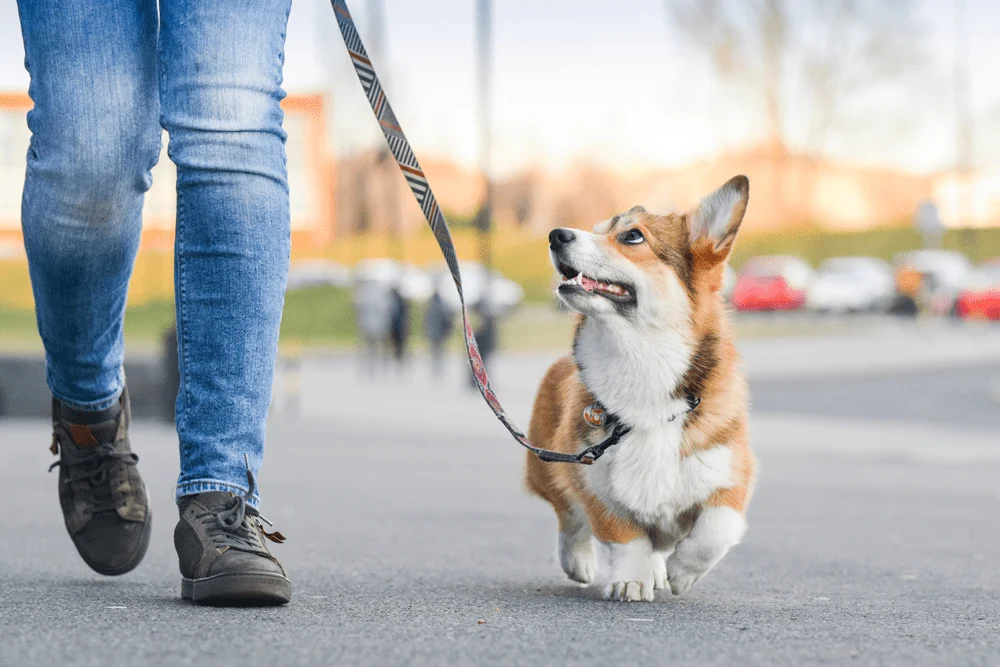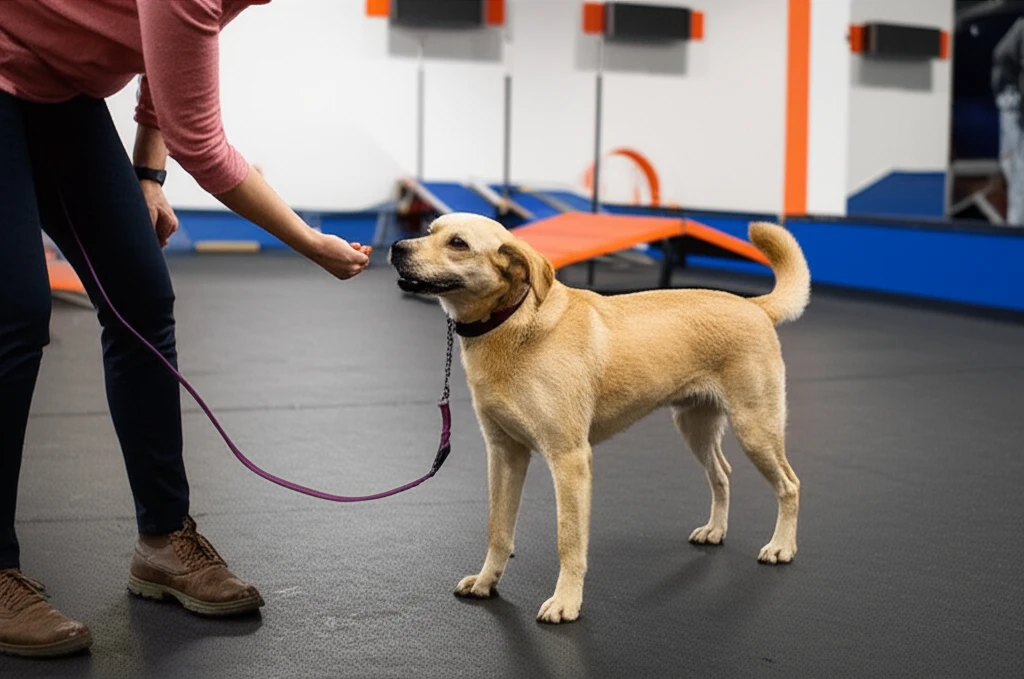
Learn how to safely introduce a fearful adult rescue dog to people, dogs, and new environments with a gradual, reward-based approach that reduces stress and ...
Bringing home a rescue Pit Bull can feel like you just adopted a sweet, blocky-headed mystery novel with legs. You might know their approximate age and what shelter notes say, but you do not yet know what they have lived through, what scares them, or what skills they were never taught. The good news: many of the “pit bull challenges” new owners worry about are not breed problems at all. They are often normal decompression stress, under-socialization, and missing training foundations. At the same time, some bull-type terriers can come with higher arousal, tenacity, or dog selectivity, so it is smart to go slow and manage introductions thoughtfully.
This guide will walk you through the first days and weeks: how to set up your home, help your new dog decompress, build trust, and start positive reinforcement training that sticks.
First, a quick reality check
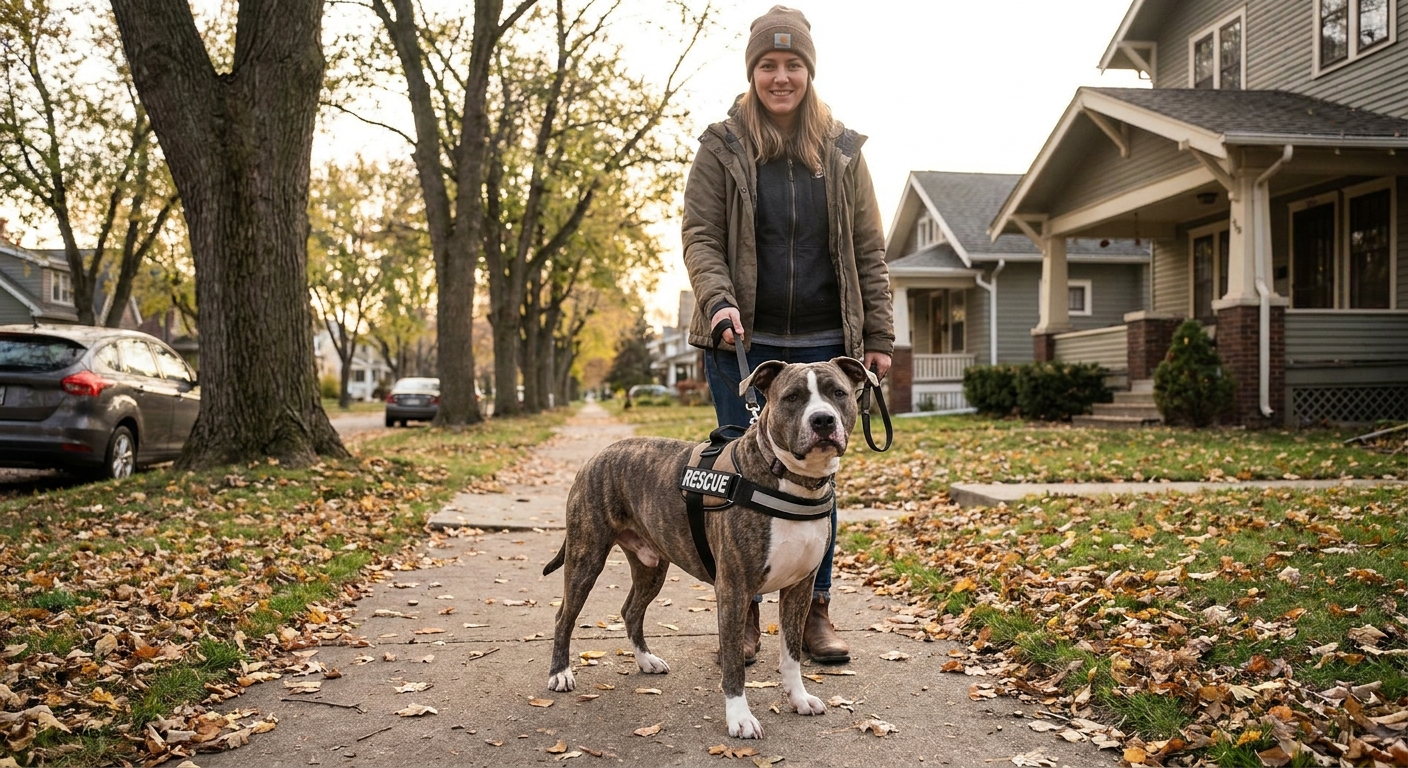
“Pit Bull” is often used as an umbrella term, not a single breed. Your rescue might be an American Pit Bull Terrier, American Staffordshire Terrier, Staffordshire Bull Terrier, American Bully, a mix of any of those, or a dog who simply looks similar.
What matters most for you as a first-time owner is the individual dog in front of you: their comfort around people and dogs, their arousal level, their play style, their ability to settle, and their learning history. Those are all things you can work with.
Temperament basics
- People-oriented: Many are affectionate and thrive on closeness and routine.
- Strong and athletic: Great for training, hikes, and games. Also means you will want solid leash skills early.
- Big feelings: Some are sensitive, easily overstimulated, or quick to escalate when stressed. Calm structure helps.
- Dog selectivity can happen: Some do great with other dogs, some are picky, and some prefer not to socialize. Assume nothing, set up careful introductions, and prioritize safety.
The first 72 hours
When a dog leaves the shelter or a previous home, their whole world changes. Even if your new pup seems confident, stress can linger for days. Your job is to make life predictable and boring in the best way.
Set up a safe zone
A safe zone is not a punishment spot. It is a quiet area where your dog can rest undisturbed. For many bull-type dogs, a crate works beautifully if it is introduced kindly, but a gated room can be just as effective.
- Choose a low-traffic area away from the front door and windows.
- Add comfort: a bed, a water bowl, a chew, and a light blanket.
- Limit access: use baby gates or a closed door at first rather than giving full house freedom.
Keep it simple
- Skip big introductions. No meet-and-greets with neighbors, dog park visits, or “let’s see how they do at the brewery.”
- Leashed potty breaks only. Calm, quick, and consistent.
- Feed on a schedule. Predictability lowers anxiety.
- Rest is a training tool. Many newly adopted dogs are overtired, not under-exercised.
Watch for stress
Stress does not always look like fear. Common signs include pacing, panting when it is not hot, lip licking, yawning, whale eye (showing the whites of the eyes), sudden hyperactivity, hiding, or refusing food. If you see these, scale life down. Fewer demands, more quiet. If panting, pacing, shaking, or hiding is intense, persistent, or comes with limping, coughing, vomiting, diarrhea, or other signs of illness, call your vet. Pain and medical issues can look like “behavior.”
The 3-3-3 timeline
You may hear the “3 days, 3 weeks, 3 months” guideline. It is not a strict schedule. It is a reminder that behavior can change as your dog relaxes.
- First 3 days: your dog may be shut down, clingy, or restless.
- First 3 weeks: personality starts showing, routines begin to click.
- First 3 months: many dogs feel truly at home and more confident.
Trust and routine
Trust is built through small, consistent moments: predictable meals, calm walks, and your dog learning that you listen when they say “I’m not comfortable.”
Use a daily schedule
A simple structure reduces anxiety and helps with potty training, settling, and reactivity.
- Morning: potty, breakfast, short decompression walk (sniffing encouraged), rest.
- Midday: potty, brief training session (2 to 5 minutes), enrichment, rest.
- Evening: potty, dinner, calm play or a leash walk, settle time.
Let your dog choose distance
On walks, do not force greetings with people or dogs. If your dog leans away, stiffens, freezes, or stops taking treats, increase distance. Distance is kindness, and it keeps small worries from becoming big reactions.
The honeymoon fade
Some rescue dogs seem perfectly behaved at first, then start testing boundaries once they feel safe. That is normal. It does not mean you are failing. It means your dog is finally comfortable enough to act like themselves.
Training that works
Positive reinforcement is not “no rules.” It is clear communication: behavior that works gets rewarded, behavior that does not work gets redirected and prevented from being rehearsed.
Pick your rewards
Many bull-type dogs are food-motivated, but toys, tug, and praise can also be powerful. Use what your dog truly loves.
- High-value treats: tiny pieces of chicken, cheese, or soft training treats.
- Toys: tug toys, balls on a rope, squeakers (if safe for your dog).
- Life rewards: sniffing a bush, greeting a friend, going out the door.
Teach these first
If you only teach five things this month, make it these. They prevent the most common first-time-owner frustrations.
1) Name response
Say your dog’s name once. When they look at you, mark with “Yes” and reward. This becomes your emergency steering wheel in distracting environments.
2) Hand target (touch)
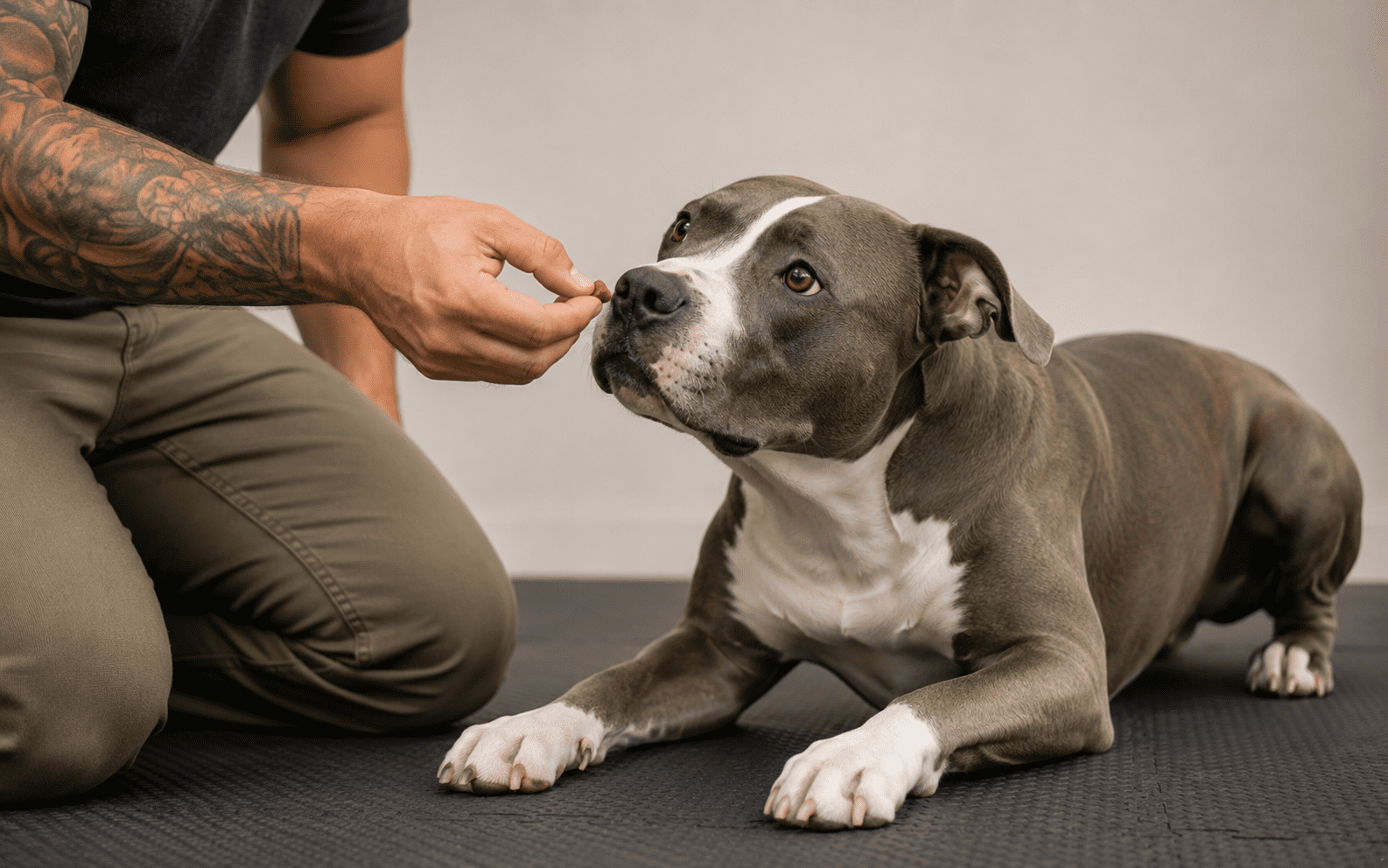
Present your open palm near their nose. When they boop it, mark and reward. This is a gentle way to guide your dog without yanking the leash.
3) Loose leash basics
Start indoors or in the yard. Reward your dog for being near you with a slack leash. If they pull, stop and wait. When they come back toward you, reward and continue. It is slow at first, but it is the foundation for safe walking.
4) Settle on a mat
Teach your dog that relaxation pays. Toss a treat onto a bed or mat, then reward any calm behavior there. Over time, this becomes your “off switch” during dinner, TV time, and guest visits.
5) Drop it
Trade, do not chase. Offer a treat to your dog’s nose. When they release the toy or object, say “Drop,” reward, then give the item back if it is safe. This creates cooperation, not conflict.
Management tools
Training builds skills, but management prevents bad habits while your dog is learning. For first-time owners, management is often what makes the first month feel doable.
Tools that help
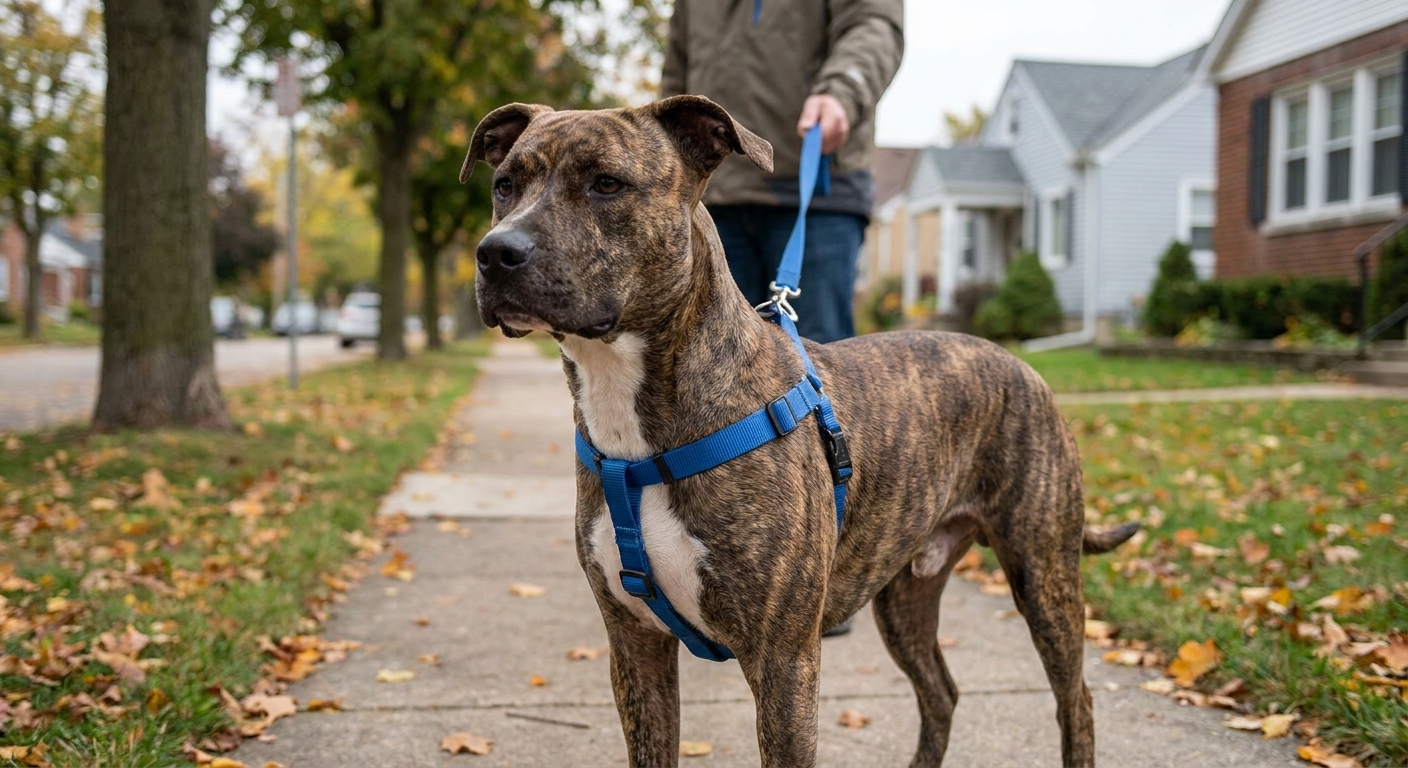
- Front-clip harness: can reduce pulling leverage and make strong dogs easier to handle. Fit matters, and some designs can affect comfort or movement if they rub or twist. If you are not sure, ask your vet or a qualified reward-based trainer to help you fit it.
- Sturdy leash (4 to 6 feet): avoid retractable leashes, especially with strong dogs.
- Baby gates: give freedom in layers rather than full-house access immediately.
- Crate or pen (optional): supports rest and prevents destructive chewing when unsupervised.
- Chews and enrichment: stuffed Kongs, lick mats, durable chew toys. These reduce stress and teach calm.
Safety notes
- Supervise chews until you know how your dog tackles them, and size chews to your dog to reduce choking risk.
- Avoid leaving collars or harnesses on during crate time if there is any snag risk. If you do leave gear on, check fit and hardware carefully.
House rules to decide early
Consistency prevents confusion. Decide what is allowed now, not after habits form.
- Furniture: yes or no?
- Sleeping location: crate, dog bed, your room, or another space?
- Greeting style: four paws on the floor only?
- Chew policy: which items are always okay?
Socialization, done right
Socialization is not about meeting everyone. It is about learning the world is safe. For a rescue dog, that often means re-socialization using controlled exposures paired with rewards.
Safe ideas
- Watch the world from a distance while your dog eats treats.
- Walk in quiet areas during off-hours.
- Invite one calm friend over at a time, with your dog behind a gate at first.
- Arrange parallel walks with a known, friendly dog if your dog seems social.
About dog parks
Dog parks are high-arousal environments with unknown dogs and unpredictable human behavior. Many trainers recommend skipping them during the early months. If you want dog play, choose one or two compatible dog friends and keep play sessions short and supervised.
Introductions to other pets
If you have a resident dog or cat, plan introductions like a slow merge, not a quick meet-cute. Early management prevents rehearsing chasing, bullying, or tense standoffs.
Resident dog
- Start with parallel walks: two handlers, plenty of space, both dogs moving in the same direction. Reward calm check-ins.
- Use barriers first: baby gate or x-pen visual time with treats on both sides. Short sessions.
- Keep it boring indoors: if you do a first indoor meet, choose a neutral room, drag leashes for safety, and end on a good note fast.
- Feed separately: avoid food bowls, chews, or high-value toys in shared space until you know both dogs are relaxed.
Resident cat
- Give the cat escape routes: tall furniture, a gated room, or a cat-only zone.
- Use a leash and distance: reward your dog for noticing the cat calmly and choosing to disengage.
- Do not test it off leash early: chasing can become a habit fast. If your dog fixates, stiffens, or cannot take treats, you need more distance and a slower plan.
Common early challenges
Jumping
Jumping is often friendly excitement. Teach an alternative.
- Reward four paws on the floor the moment your dog greets politely.
- If jumping starts, calmly turn away and become boring.
- Practice with treats: approach, reward calm, step away, repeat.
Mouthiness
Many bull-type dogs love tug and physical play. Mouthiness is common, especially in young dogs.
- Keep toys between hands and mouth.
- End play for 5 to 10 seconds if teeth touch skin, then resume when calm.
- Teach “Take it” and “Drop” as clear rules of the game.
Chewing and destruction
Assume your new dog does not yet know what is theirs.
- Supervise or confine when you cannot watch.
- Provide daily legal chewing and licking outlets.
- Rotate toys to keep them novel.
Leash reactivity
Leash reactivity (barking, lunging, or freezing at dogs) is common in newly adopted dogs, and it is very workable with the right plan.
- Increase distance until your dog can notice the trigger and still take treats.
- Pair triggers with good things: dog appears, treat party starts. Dog disappears, treats stop.
- Avoid leash corrections. They often increase frustration or fear.
Separation distress
Some rescue dogs panic when left alone, especially after sudden life changes.
- Start with very short absences (seconds to minutes) and build gradually.
- Give a food toy only when you leave, then remove it when you return.
- If your dog drools, screams, scratches doors, or injures themselves, involve a trainer or veterinary behavior professional early. This is not a “let them cry it out” situation.
Resource guarding
Some dogs guard food, chews, toys, or spaces like the couch. Early prevention helps.
- Feed separately from other pets.
- Practice trade-ups: offer something better, then give the original item back when safe.
- Avoid grabbing items from your dog’s mouth or cornering them to “prove a point.”
- If you see hard freezing, hovering, snarling, or snapping, bring in a qualified reward-based professional.
First vet visit
Schedule a vet appointment within the first week or two, even if the shelter provided medical notes. Bring any records you have and ask about:
- Vaccines and parasite prevention based on your area and lifestyle.
- Skin and allergies: bully breeds can be prone to itchy skin. Early prevention matters.
- Weight and joints: keep your dog lean. It protects their knees, hips, and back.
- Spay/neuter status and any needed follow-up.
- Microchip registration in your name.
Red flags
- Not eating beyond 24 hours, or sooner if paired with vomiting, diarrhea, or lethargy
- Repeated vomiting, bloody diarrhea, or significant lethargy
- Persistent coughing or trouble breathing
- Swollen face or hives
- Sudden lameness, yelping, or collapse
Kids and visitors
Most dogs bite because they feel trapped, pushed, or misunderstood, not because they are “bad dogs.” For a new rescue, set your dog up for success.
Rules for kids and guests
- No hugging, climbing, or face-to-face contact.
- Let the dog approach first. If they do not, that is their answer.
- Toss treats on the floor rather than reaching over the dog’s head.
- Give your dog a quiet escape route at all times.
Handling practice
Many rescue dogs have a learning gap around grooming and veterinary handling. Practice in tiny pieces: touch ear, treat. Touch paw, treat. Lift lip, treat. This pays off hugely later.
Breed rules and housing
Before you get too settled, do a quick reality check on logistics. Some rentals, HOAs, or insurance policies restrict certain breed labels or “bully types,” even when the individual dog is friendly and well-trained.
- Confirm your lease, HOA rules, and local leash laws.
- Check renter’s or homeowner’s insurance for any breed exclusions.
- Keep proof of licensing, microchip registration, and training classes. Having paperwork organized can save stress later.
FAQ
Are rescue Pit Bulls safe with other dogs?
Some are very social, some are selective, and some prefer not to share space with unfamiliar dogs. Your job is not to force dog friendships. Your job is to learn your dog’s comfort level and manage thoughtfully. If you see stiffness, hard staring, raised hackles, or intense fixation, create distance and get help from a qualified reward-based trainer.
Should I use a muzzle?
A properly fitted basket muzzle can be a great safety tool for some dogs, especially during transitions, vet visits, or if your dog eats things off the ground. Muzzle training should be introduced with treats, slowly, so your dog feels good about wearing it. A muzzle is not a failure. It is management.
How much exercise does my dog need?
Most do well with a mix of physical activity and brain work. Think: a couple of walks, some play, and short training sessions. Be careful not to overdo high-impact exercise in the first weeks, especially if you do not know their conditioning level.
What if my family is nervous?
Start with boundaries and visible structure: leash indoors at first if needed, baby gates, a clear routine, and reward-based training. Seeing your dog calmly settle on a mat and walk on a loose leash does more to build confidence than any debate ever will.
When to get help
If you are seeing repeated growling, snapping, intense leash reactivity, resource guarding, or separation panic, get help early. Look for a trainer who uses reward-based methods and who can explain behavior in plain language. Early intervention is kinder, safer, and usually faster.
A final pep talk
You do not need to be perfect to be a great home for a rescue Pit Bull. You just need to be consistent, observant, and willing to go at your dog’s pace. The bond you build during this decompression period is the same bond that will carry you through training bumps later. Stock up on treats, celebrate the small wins, and remember: calm and predictable beats “exciting” every time.