A giant-breed Great Dane needs the right calories, mineral balance, and feeding routine. Get practical portion guidance, joint support nutrition, and bloat-s...
I grew up in a house where foster dogs came and went so often that “whose leash is this?” was basically our family motto. Later, as a veterinary technician, I saw a different, heavier side of dog life: families blindsided by emergencies that escalated frighteningly fast. Bloat is one of those emergencies. It can look like simple stomach upset for a few minutes, and then suddenly it is not.
If you take one thing from this article, let it be this: suspected bloat is an emergency. Do not wait for a morning appointment. Do not try a home remedy. Get in the car and go to an emergency veterinary hospital.
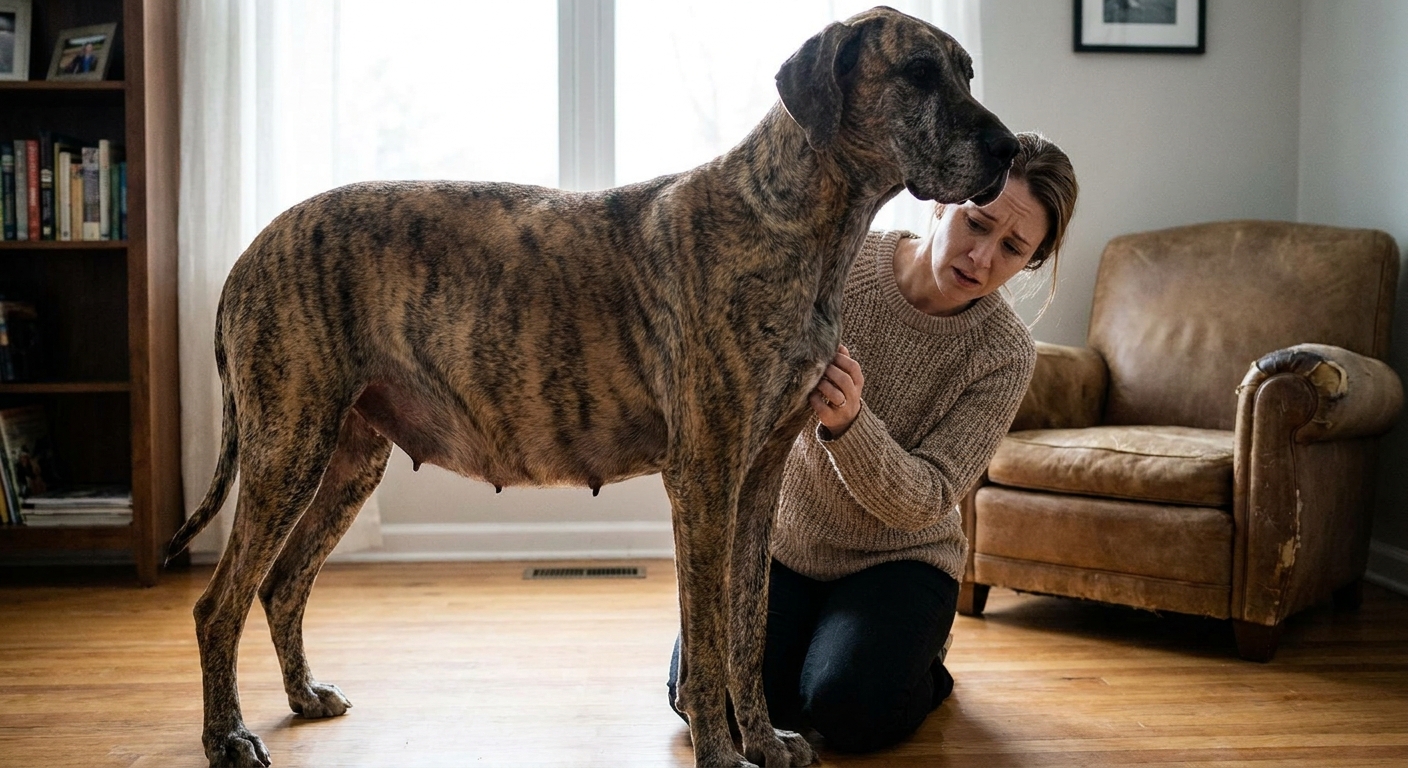
What “bloat” means in plain language
When people say “bloat,” they are usually talking about gastric dilatation, which means the stomach fills with gas, fluid, or food and becomes stretched like an overinflated balloon.
The most dangerous form is gastric dilatation-volvulus (GDV), where the stomach not only expands, but also twists. That twist can cut off blood flow, trap gas so the dog cannot burp or vomit, and put pressure on major blood vessels. Dogs can go into shock quickly.
GDV is not the same as “my dog ate too fast and looks a little round.” A dog with GDV is in a rapidly worsening crisis that typically requires surgery.
Signs of bloat and GDV: what you might actually see at home
Some dogs show every classic sign. Others are subtle at first. If your gut says “something is really wrong,” trust that instinct and head to the ER.
Classic red-flag symptoms
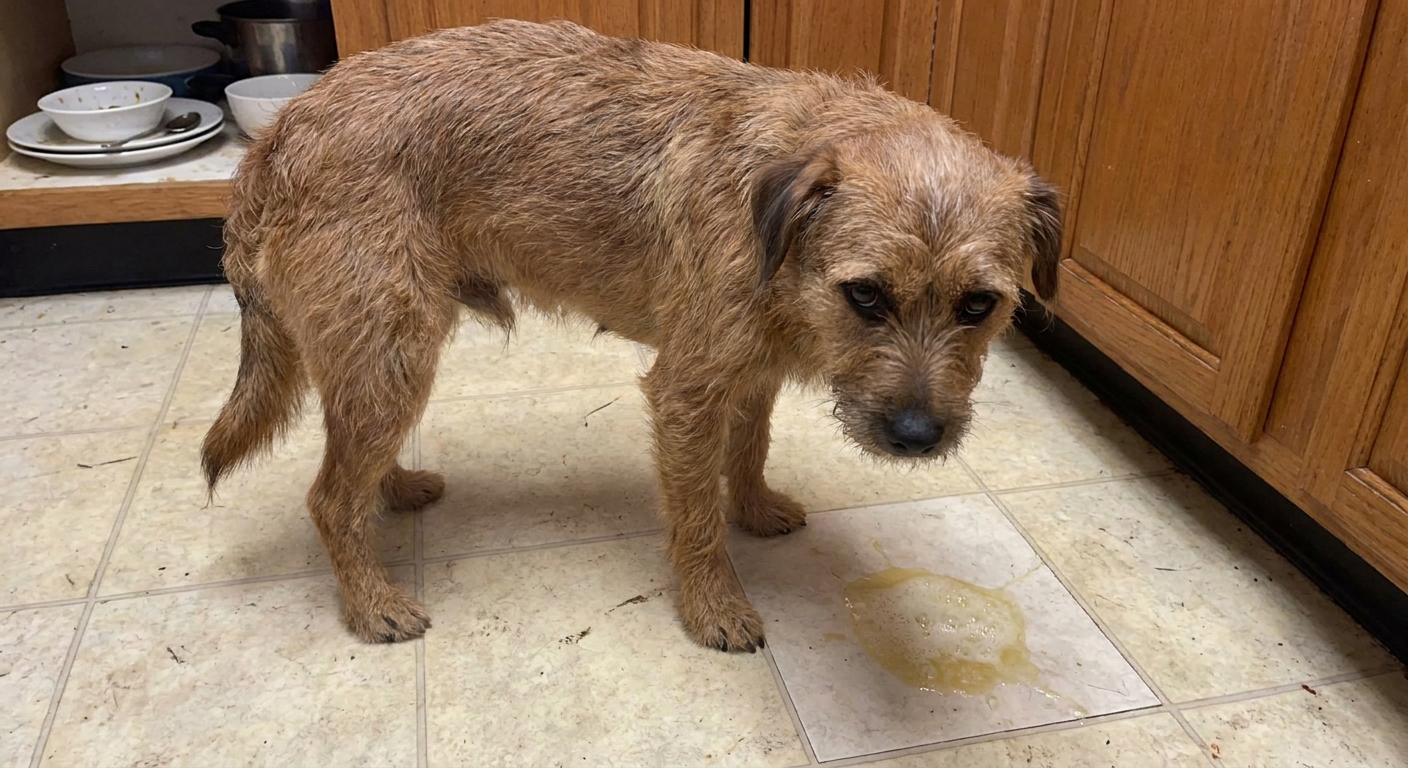
- Retching or trying to vomit but nothing comes up (sometimes just foam or drool)
- Swollen, tight, or drum-like belly (may be more obvious behind the ribs)
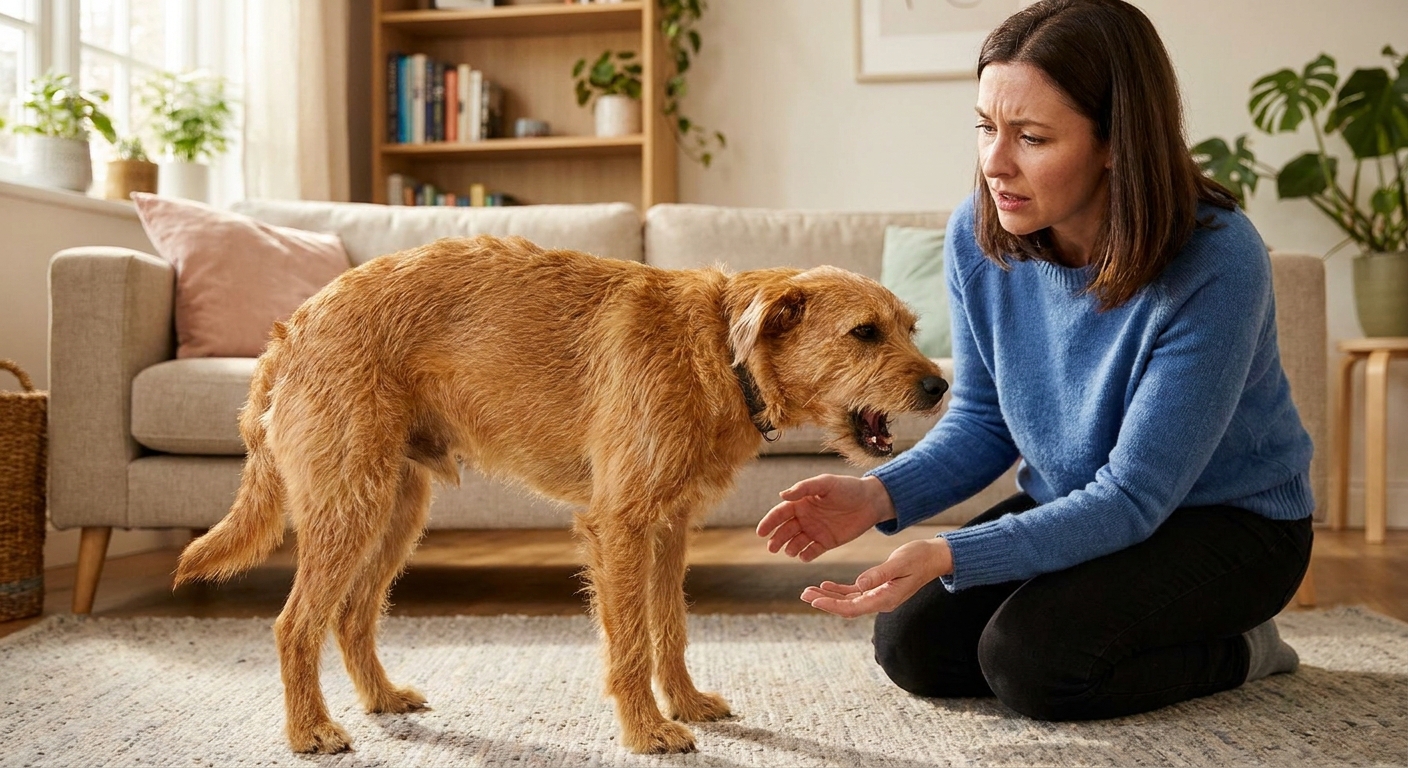
- Pacing, restlessness, unable to get comfortable
- Excess drooling
- Whining, signs of pain (guarding the belly, praying position, looking back at the abdomen)
- Rapid breathing or panting that seems out of proportion
- Pale gums or gums that look grayish or white
- Weakness, collapse, or inability to stand
Less obvious signs that still count
- Sudden anxiety or “panic” that is not typical for your dog
- Repeated attempts to poop with little produced
- Hunched posture, refusing to lie down
- Burping that does not relieve discomfort
Timing matters. Many cases happen within a few hours after eating, but GDV can occur at other times too.
When to rush to the vet (and what to say when you call)
Go now if your dog has unproductive retching, a tight swollen abdomen, signs of shock (pale gums, collapse), or a combination of restlessness, drooling, and abdominal discomfort that is worsening.
If you can safely do so, call the emergency clinic while someone else drives. Keep it short and specific:
- Your dog’s breed, age, and weight
- Symptoms you are seeing (especially retching with nothing coming up and tight belly)
- How long it has been happening
- Any medical history they should know (heart disease, prior bloat, meds)
This helps the team get ready. Minutes count with GDV.
What not to do on the way to the ER
I know the impulse. We love our dogs, and we want to fix it right now. With suspected bloat, the safest “first aid” is fast transport.
- Do not give food or water. It can worsen stomach distension and complicate anesthesia.
- Do not give antacids, gas meds, or pain medication unless a veterinarian specifically instructed you to.
- Do not try to make your dog vomit.
- Do not massage the belly or attempt any at-home decompression techniques.
- Do not wait to see if it passes. If it is GDV, it will not “work itself out.”
If your dog is large and uncomfortable, bring a second adult if possible for safe lifting. Keep your dog as calm and still as you can in the car.
Which dogs are at higher risk?
Any dog can bloat, but GDV is more common in certain body types and situations.
Higher-risk breeds and body shapes
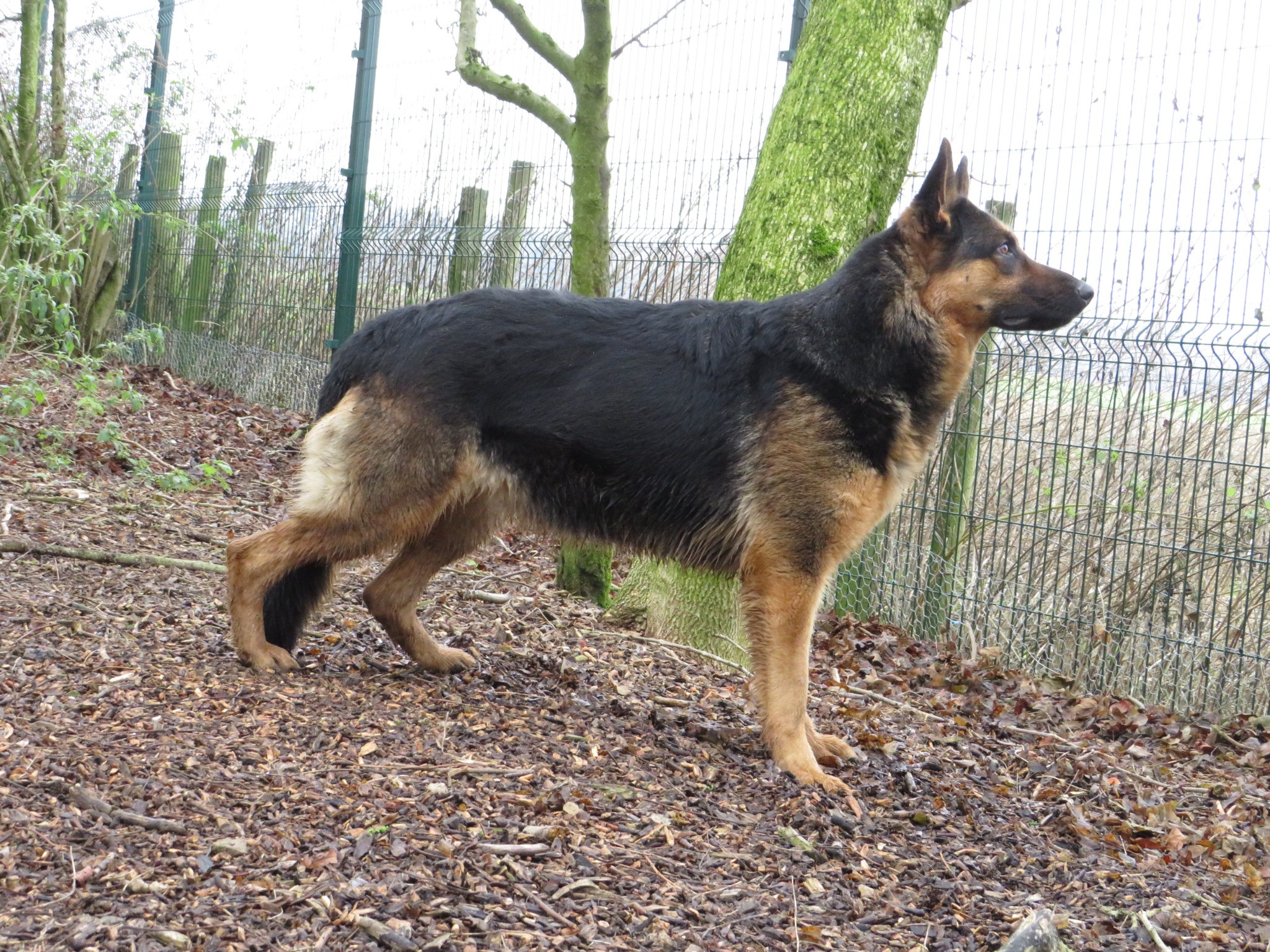
Deep-chested dogs tend to be at higher risk because of how the stomach sits in the abdomen. Common examples include:
- Great Dane
- German Shepherd
- Weimaraner
- Doberman Pinscher
- Standard Poodle
- Giant Schnauzer
- Irish Setter
- Boxer
- Saint Bernard
- Bloodhound
Everyday factors that can raise the odds
Risk is a mix of genetics, anatomy, and routine. Things that commonly show up in bloat histories include:
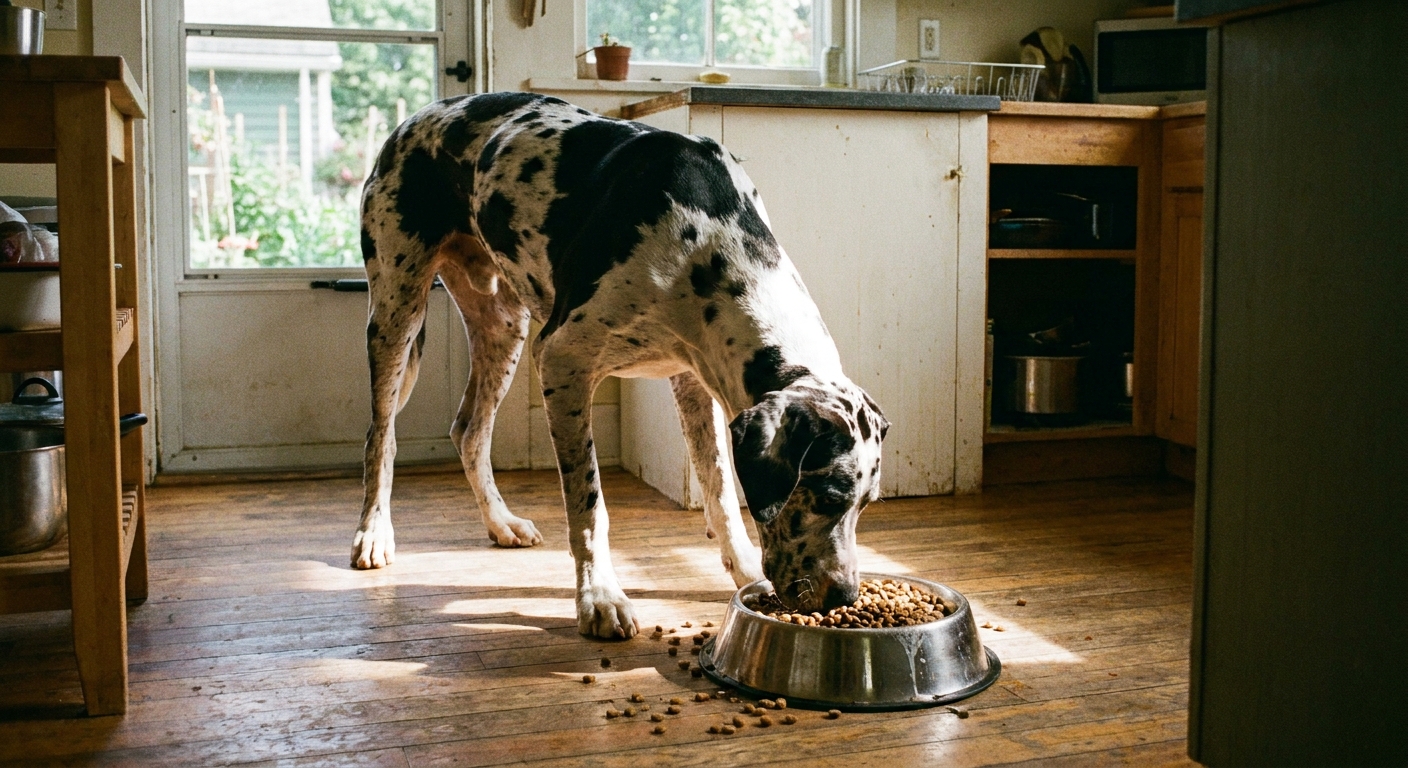
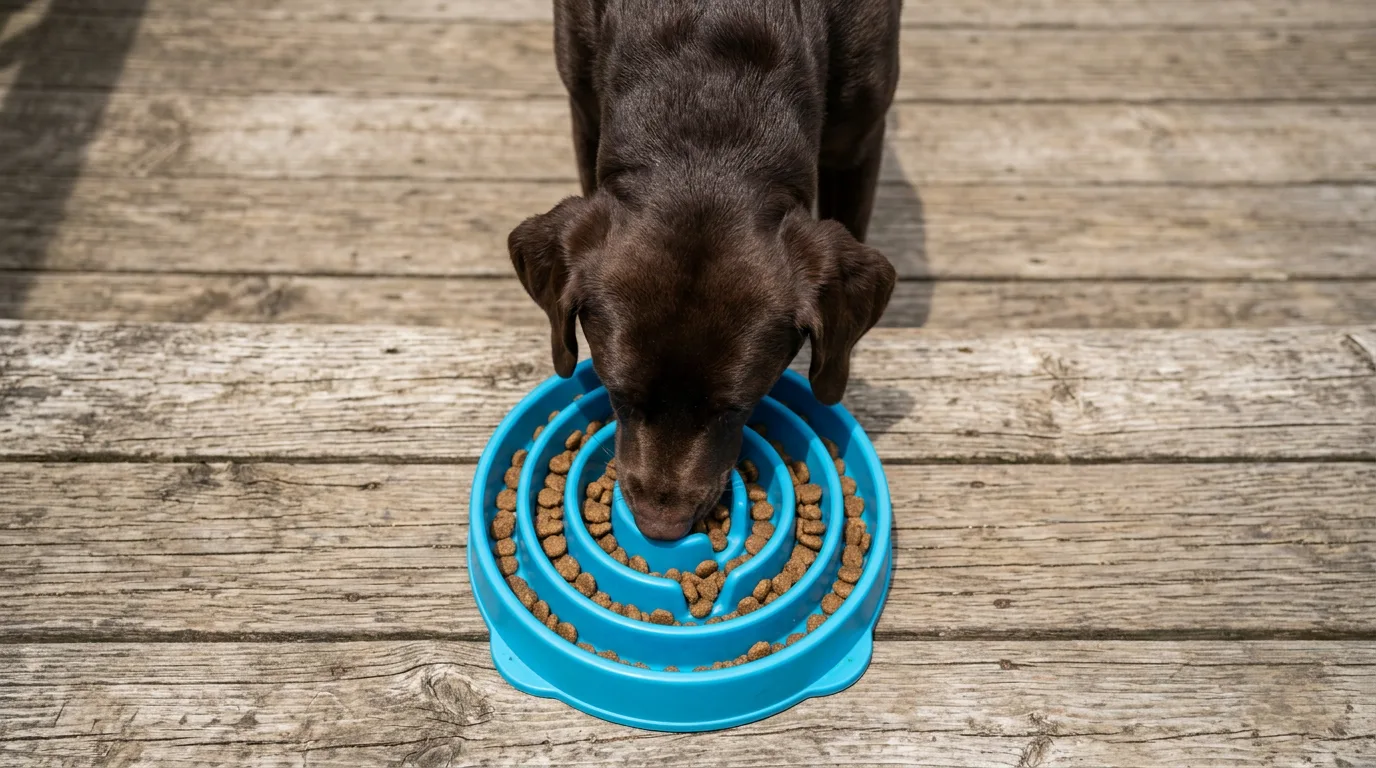
- Gulping food or eating very fast
- One large meal per day instead of smaller meals
- Intense exercise or rough play right after eating
- High stress or anxiety (some dogs swallow more air when anxious)
- Previous bloat episode (risk can be higher afterward)
- Family history of GDV in related dogs
To be clear: you can do everything “right” and still have a dog bloat. Prevention lowers risk, it does not guarantee safety.
Habits that may help lower risk (practical, doable stuff)
These are the routines I recommend most often for families with deep-chested dogs or speed-eaters. They are not a substitute for emergency care, but they can lower day-to-day risk.
Feeding routines
- Split meals: Feed two or three smaller meals instead of one large meal.
- Slow down fast eaters: Use a slow feeder bowl, puzzle feeder, or scatter feeding on a snuffle mat.
- Keep mealtimes calmer: Reduce competition in multi-dog homes by feeding separately.
Post-meal plan
- Enforce a rest window after meals: Aim for calm time after eating before vigorous play, running, or training that gets your dog revved up.
- Leash walks are usually fine, but skip the sprinting, fetch, and wrestling right after dinner.
Stress and lifestyle
- Support anxious dogs with predictable routines and positive reinforcement training.
- Address chronic GI issues with your vet. Ongoing nausea or appetite swings can mask early warning signs when something acute happens.
What happens at the emergency vet?
Knowing what to expect can make the drive feel a tiny bit less terrifying.
At the clinic, the team will quickly assess your dog’s circulation and pain level. Common steps include:
- Stabilization with IV fluids and oxygen if needed
- X-rays to confirm whether the stomach is dilated and whether it has twisted (GDV)
- Decompression to relieve pressure (often by passing a tube, or sometimes with a needle/trocarization in urgent situations)
- Surgery if the stomach is twisted
If GDV is confirmed, surgery typically involves untwisting the stomach, checking stomach and spleen tissue health, and doing a gastropexy, which tacks the stomach to the body wall to reduce the chance of twisting again in the future.
Can GDV be prevented?
You cannot fully prevent bloat, but you can reduce risk and plan ahead.
Talk to your vet about preventive gastropexy
For some high-risk dogs, especially giant and deep-chested breeds, families choose a prophylactic gastropexy, often done at the same time as spay or neuter. It does not prevent the stomach from filling with gas, but it can significantly reduce the chance of the life-threatening twist.
Your veterinarian can help you weigh breed risk, age, overall health, and surgical timing.
Have an emergency plan before you need it
- Know the fastest route to the nearest 24/7 emergency hospital.
- Keep the clinic phone number saved in your phone.
- If you have a giant breed, practice safe lifting or keep a ramp available.
Quick checklist: do I go in right now?
If you see any of the following, treat it as an emergency and leave immediately:
- Repeated retching with little or nothing produced
- Distended, hard abdomen
- Restlessness that escalates quickly
- Drooling plus obvious discomfort
- Pale gums, weakness, collapse, or rapid breathing
No food, no water, no home remedies. Just go.
FAQ
Is bloat the same as a dog having gas?
No. Mild gas can cause a temporarily round belly and some discomfort, but it should not cause repeated unproductive retching, a tight drum-like abdomen, or rapid decline. If you are unsure, err on the side of caution and get assessed by a veterinarian.
Can a dog poop or fart with GDV?
Sometimes, yes. Seeing stool or gas does not rule out bloat or GDV. The more reliable warning signs are unproductive retching, belly distension, and worsening distress.
How fast does GDV progress?
It can worsen within minutes to hours. The stomach’s pressure and the effect on circulation can escalate quickly, which is why immediate emergency care matters so much.
My dog looks bloated after a big meal. Should I worry?
If your dog is comfortable, not retching, and settles normally, it may simply be a full stomach. But if you see restlessness, drooling, repeated attempts to vomit, or the belly feels tight and painful, do not monitor at home. Go in.