A practical guide to diet-based dental care: veterinary-approved chews, water additives, and specialized kibble that help fight plaque and slow tartar buildup.
Brushing your dog’s teeth sounds simple until you are holding a toothbrush in one hand and a wiggly, suspicious face in the other. If your dog turns into an evasive little ninja the second you approach their mouth, you are not alone.
The good news: toothbrushing is a trainable skill, not a personality trait. As a trainer and former vet tech, I’ve seen toothbrushing go from “absolutely not” to “oh okay, fine” with a plan that respects your dog’s comfort level. Here are seven expert tips to get you there.
1) Start with consent, not restraint
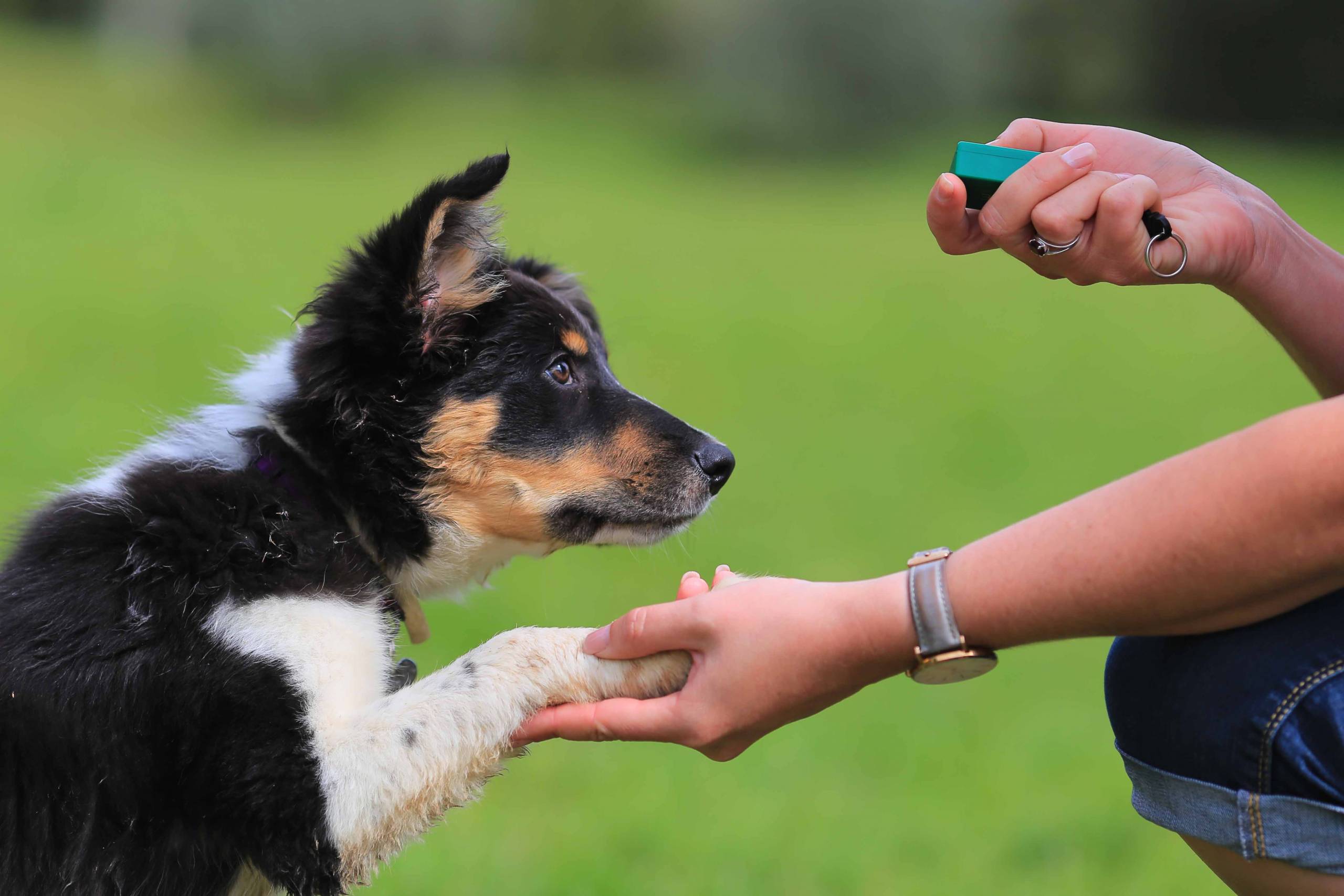
If brushing only happens when your dog is held down, it will stay a battle. Instead, teach a simple “start button” behavior that tells you your dog is ready.
- Pick a start button: chin rest in your palm, nose touch to your fist, or sitting on a bath mat.
- Brush only while the start button is happening. If your dog moves away, pause and reset.
- Reward the choice: when your dog re-offers the start button, mark it with a cheerful “yes” and give a treat.
This approach lowers stress and makes your dog an active participant. That is the secret sauce for long-term cooperation.
2) Introduce toothpaste like it’s a snack (because it kind of is)
Before a toothbrush ever appears, make canine toothpaste a positive, familiar flavor.
- Put a pea-sized amount on your finger.
- Let your dog lick it off, then give a treat.
- Repeat for a few days until your dog lights up when the toothpaste comes out.
Important: Use dog toothpaste only. Some human toothpastes contain xylitol, which is highly toxic to dogs. Many also contain fluoride and foaming detergents that can upset a dog’s stomach if swallowed.
Also skip DIY mixes unless your vet recommends them. Baking soda, hydrogen peroxide, and essential oils can be irritating or unsafe if used incorrectly.
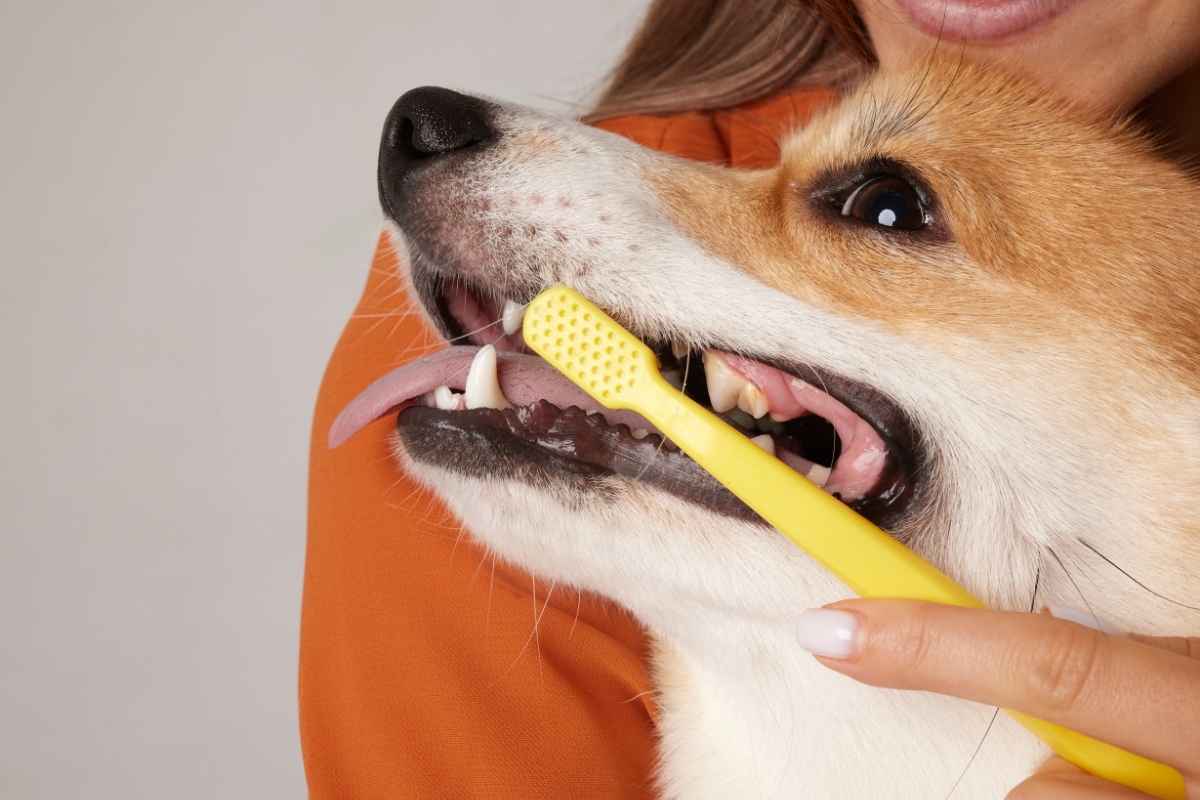
3) Train the mouth touch in tiny steps
Most dogs do not hate brushing first. They hate the surprise of hands lifting lips and fiddling around in their mouth. Break it down into micro-skills.
Try this 5-step progression
- Step 1: Touch your dog’s cheek for one second, then treat.
- Step 2: Slide your finger toward the corner of the mouth, then treat.
- Step 3: Gently lift the lip for half a second, then treat.
- Step 4: Rub one tooth with your finger, then treat.
- Step 5: Rub 2 to 3 teeth, then treat.
Stay at each step until it looks boring. If your dog pulls away, you did not fail. You just found the current comfort line. Back up one step and build again.
Puppy note: This is easiest to teach when dogs are young, but adult dogs can absolutely learn the same way.
4) Choose the right tools
The tool matters. If the toothbrush is too big or too firm, it can feel pokey and unpleasant.
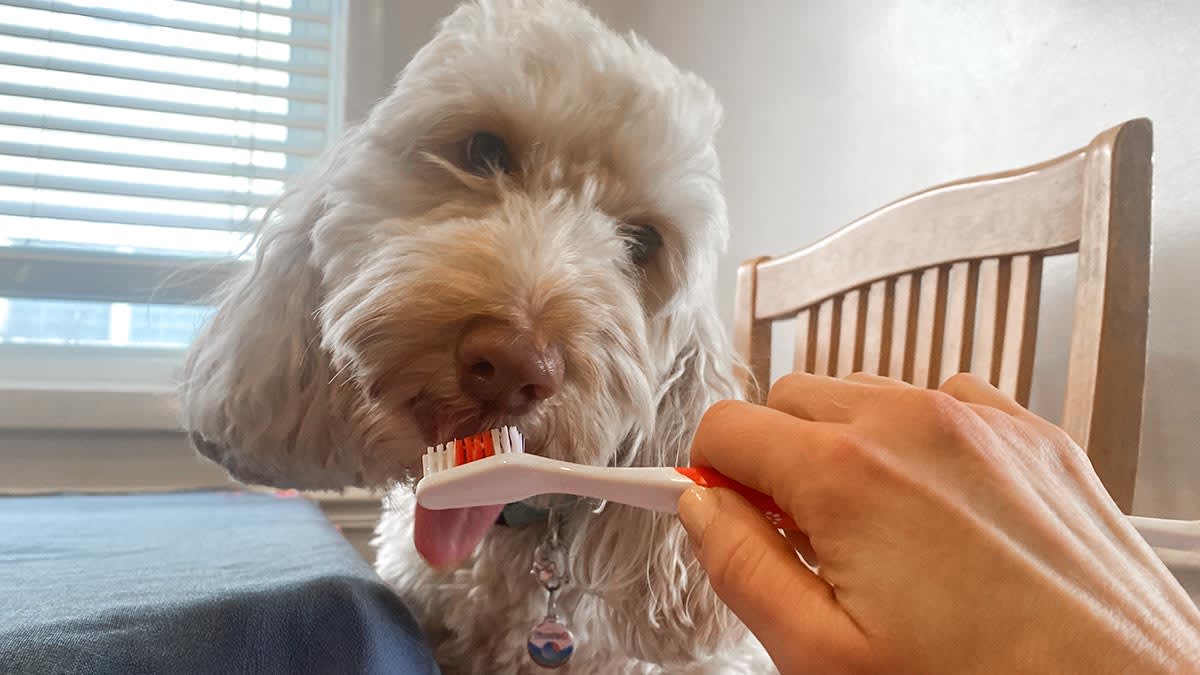
- Best starter toothbrush: a small, soft-bristled dog toothbrush or a finger brush for tiny dogs.
- For sensitive dogs: start with gauze wrapped around your finger, then transition to a brush later.
- Skip hard scrapers: anything stiff or sharp raises the odds your dog will hate the whole process. Avoid at-home metal scalers unless your veterinarian specifically instructs you, since it is easy to injure gums or damage enamel.
If your dog already dislikes the toothbrush, let them investigate it on the floor, then reward for sniffing it. We want “toothbrush predicts good things,” not “toothbrush predicts ambush.”
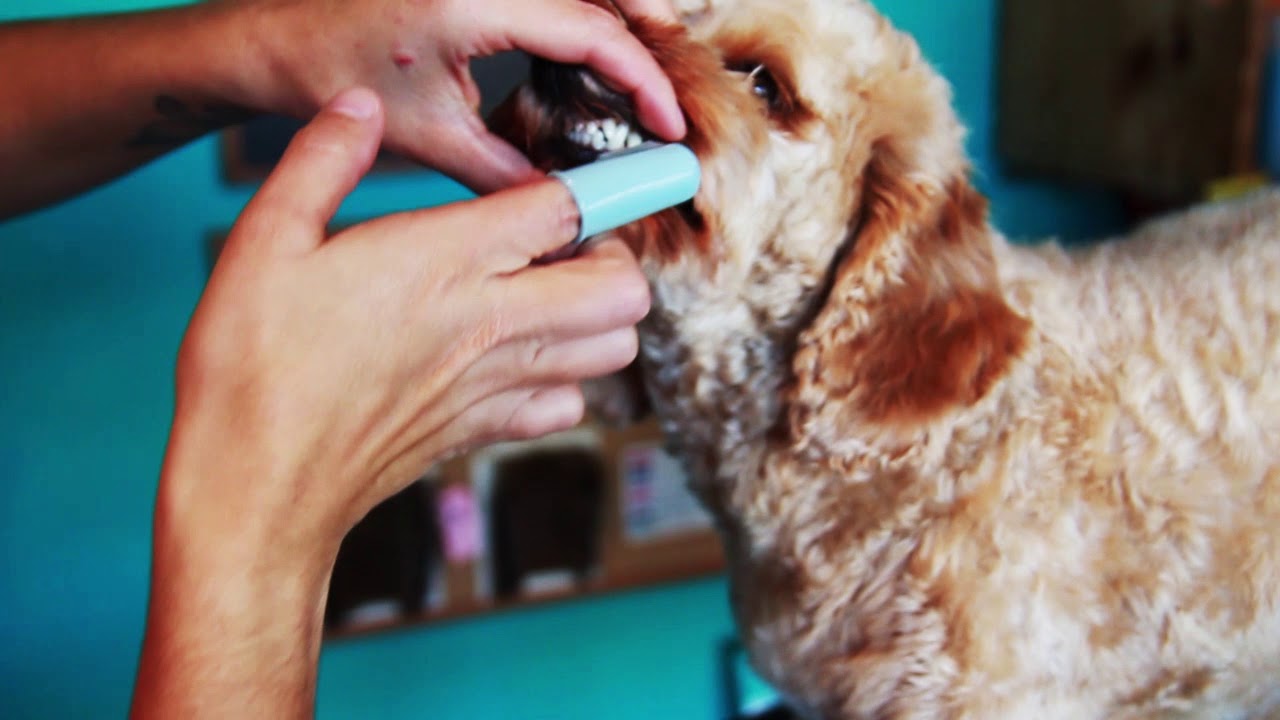
5) Brush the outside surfaces
When pet parents picture brushing, they imagine scrubbing every tooth like a human dentist. That is not necessary to get real benefit, especially at first.
- Focus on the outside of the teeth (cheek side). That is where plaque and tartar often build up most.
- Use small circles along the gumline.
- Spend extra time on the upper back teeth (premolars and molars), which tend to collect more gunk.
If you only brush one side today without drama, that still counts. Consistency beats perfection in canine dental care.
6) Keep sessions short
Think “two seconds, then done” before you think “two minutes.” End while your dog is still comfortable, then build duration slowly.
A realistic timeline
- Week 1: toothpaste licks plus 1 to 2 tooth rubs
- Week 2: 5 to 10 seconds of brushing on one side
- Week 3: 10 to 20 seconds on both sides
- Beyond: work toward 30 to 60 seconds total, if your dog tolerates it
Pro tip from my house: set the toothbrush down before you give the final treat. That way, the last thing your dog learns is “mouth stuff ends, then snacks happen.”
7) Make it predictable
Dogs love patterns. If toothbrushing happens randomly, it stays suspicious. If it always happens after a consistent cue and in the same spot, it becomes part of the daily script.
- Pick a location: bathroom, kitchen, or near your dog’s treat jar.
- Use a simple cue: “teeth time.”
- Follow the same order: cue, start button, brush, jackpot treat.
Nighttime tends to work well because the house is calmer, but any time you can do consistently is the best time.
When to stop and call your vet
Sometimes the struggle is not a training issue. It is a pain issue. If your dog suddenly resists mouth handling or shows any of these signs, pause brushing and talk with your veterinarian:
- Bad breath that came on quickly or is worsening
- Bleeding gums, red gumline, or visible tartar buildup
- Drooling more than usual
- Pawing at the mouth or dropping food
- Swelling around the face or under the eye
Dental disease is extremely common in dogs, and professional cleanings matter. Home brushing is amazing prevention, but it is not a substitute for veterinary dental care when problems are already present.
Quick FAQ
How often should I brush my dog’s teeth?
Daily is ideal. If that feels impossible right now, aim for 3 to 4 times per week while you build the habit. Something consistent is better than a perfect plan that never happens.
What if my dog hates it no matter what?
Go back to the smallest step your dog can handle comfortably and build from there. If you are stuck, a certified positive reinforcement trainer can coach timing and handling, and your vet can rule out dental pain.
Are dental chews enough?
Dental chews can help reduce plaque and tartar for some dogs, but brushing is typically considered the gold standard for plaque control. If you use chews, look for products with the Veterinary Oral Health Council (VOHC) seal where available, and avoid very hard chews that can fracture teeth.
My dog’s gums bleed when I brush. Is that normal?
Mild bleeding can happen when gums are inflamed, but it is also a sign to check in with your vet. Do not push through heavy bleeding or obvious pain.
The goal is calm
If you take nothing else from this: you are not trying to “win” toothbrushing. You are teaching your dog that mouth handling is safe, predictable, and worth it. Start tiny, reward generously, and build slowly. A month from now, you can have a dog who leans into the routine instead of sprinting away like you are holding a tiny spear.