A clear, practical guide to allergy symptoms in dogs and how to run a true elimination diet so you can stop guessing and start helping.
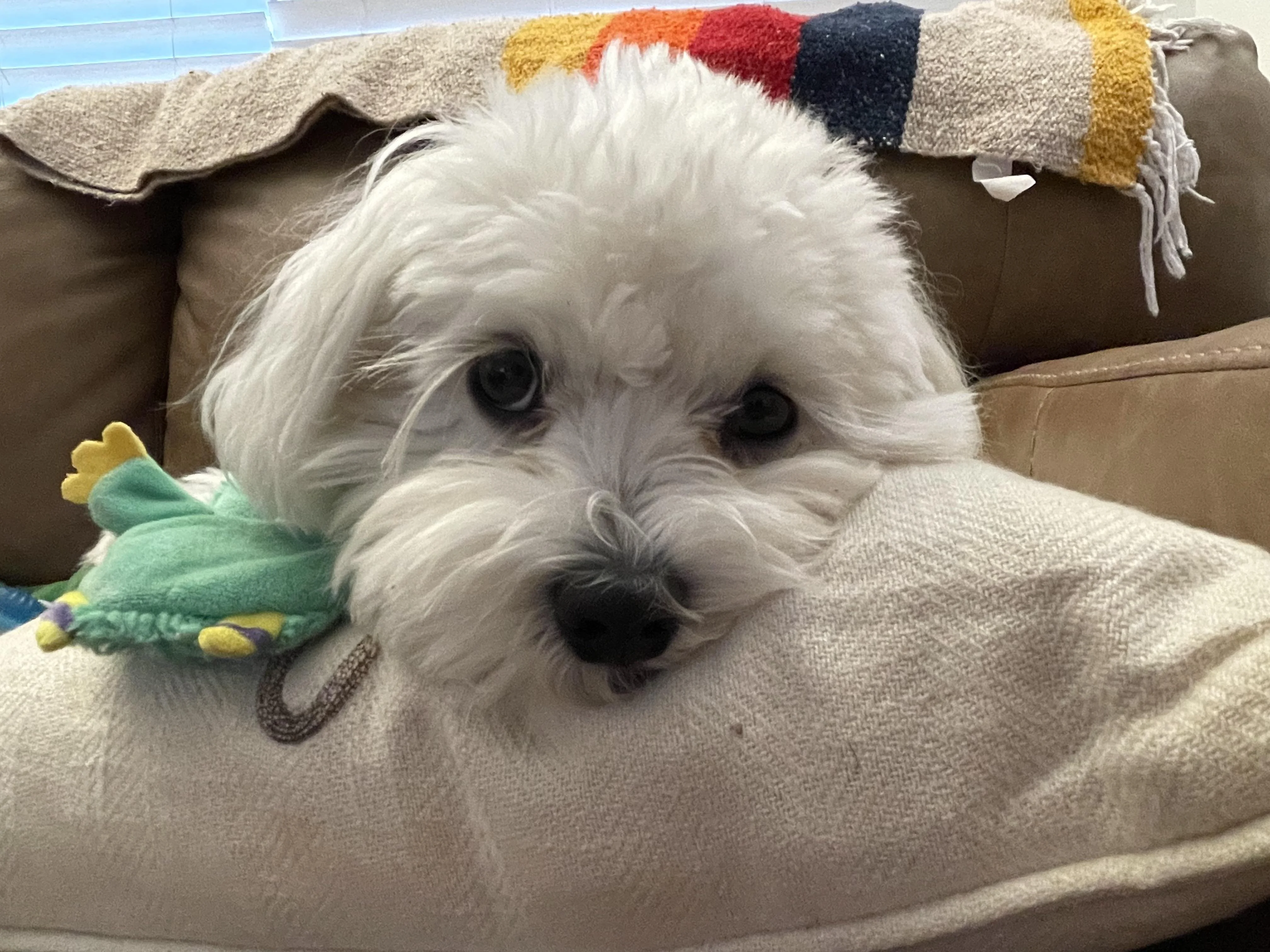
If you share your life with a light-colored dog, you have probably noticed it: those reddish-brown streaks that show up under the eyes seemingly overnight. Tear stains are super common in breeds like Maltese, Bichons, Shih Tzus, and Poodles, and they can be stubborn. The good news is that most cases improve a lot with consistent, gentle care and a few small changes at home.
As a former veterinary technician and a dog trainer who spends a lot of time coaching families through everyday care routines, I like to keep this simple: clean the area correctly, reduce constant wetness, and fix the factors that make overflow more likely. Here are five effective, dog-safe ways to remove and prevent tear stains.
First, a quick reality check
Tear stains are usually a mix of excess tearing (tears spilling over onto the face) plus discoloration from naturally occurring compounds in tears (often described as porphyrins, which can oxidize and look rust-red) and the microbes that love damp fur. On white or cream coats, that color change stands out fast.
It is tempting to chase a miracle product, but the real fix is typically a routine that addresses both:
- Why the face stays wet (tear overflow, shallow eye sockets, blocked ducts, allergies, irritation)
- How the wet fur is managed (daily cleaning and drying so yeast and bacteria do not set up shop)
If the eye itself looks red, squinty, painful, or has thick discharge, or if tearing suddenly ramps up, skip the cosmetic approach and call your vet. Eye issues can go from mild to urgent quickly.
1) Clean daily, then dry
The most effective tear-stain prevention tool is also the least exciting: daily cleaning. If tears are sitting on fur all day, staining and odor are much more likely.
What to use
- Dog-specific eye wipes made for tear stain and eye debris, ideally fragrance-free.
- Sterile saline on a soft cotton pad for gentle debris removal (especially if your dog is sensitive to wipes).
- A soft, damp microfiber cloth followed by drying, if you are in a pinch.
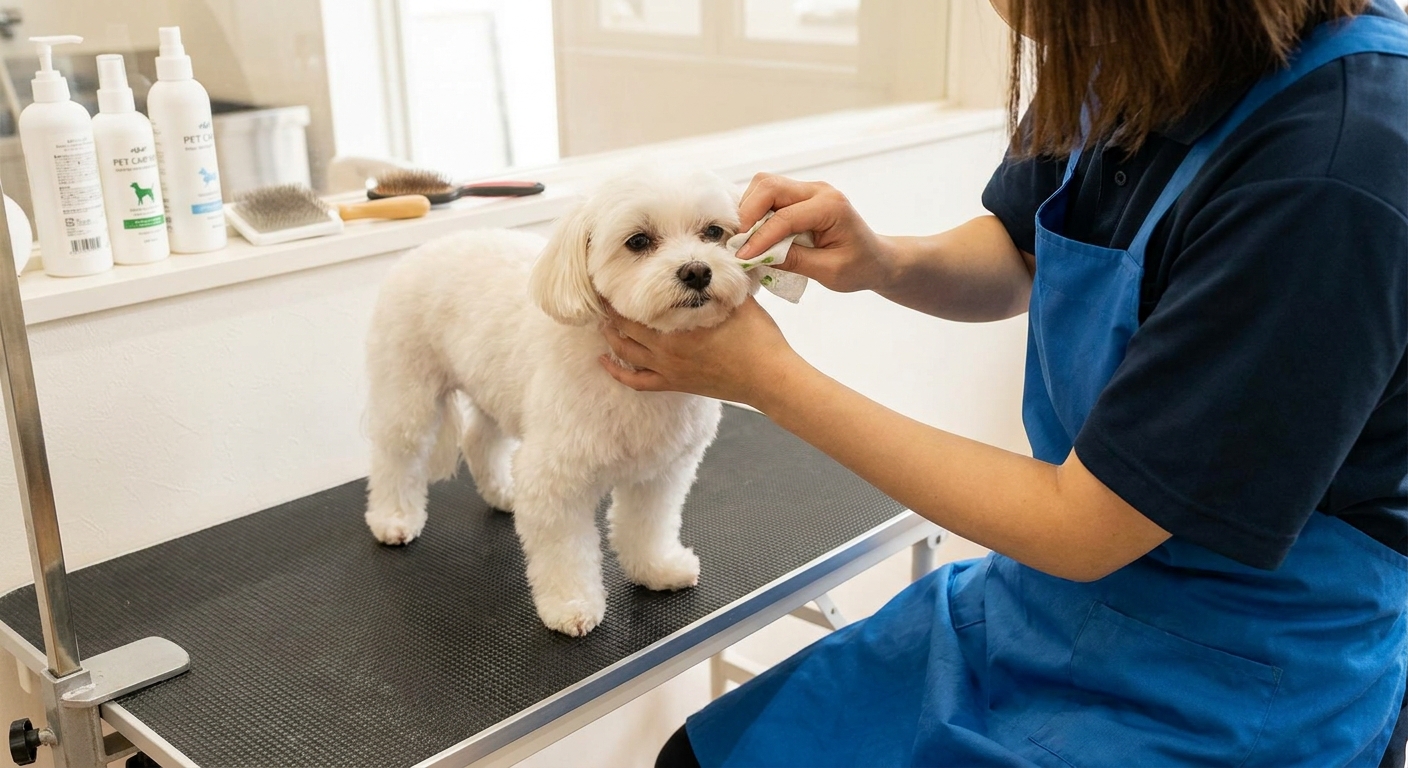
How to do it (a 60-second routine)
- Wash your hands.
- Wipe from the inner corner outward, using a fresh pad area each pass so you are not re-smearing debris.
- Do not touch the eyeball. You are cleaning fur and eyelids, not scrubbing the eye.
- Dry the fur with a clean, dry cloth. This step matters as much as the wipe.
Trainer tip: Turn this into a cooperative care game. Offer a treat after every wipe, keep sessions short, and stop before your dog gets fed up. Over time, most dogs will happily “present” their chin for eye cleaning when the treat jar comes out.
2) Groom to reduce wicking
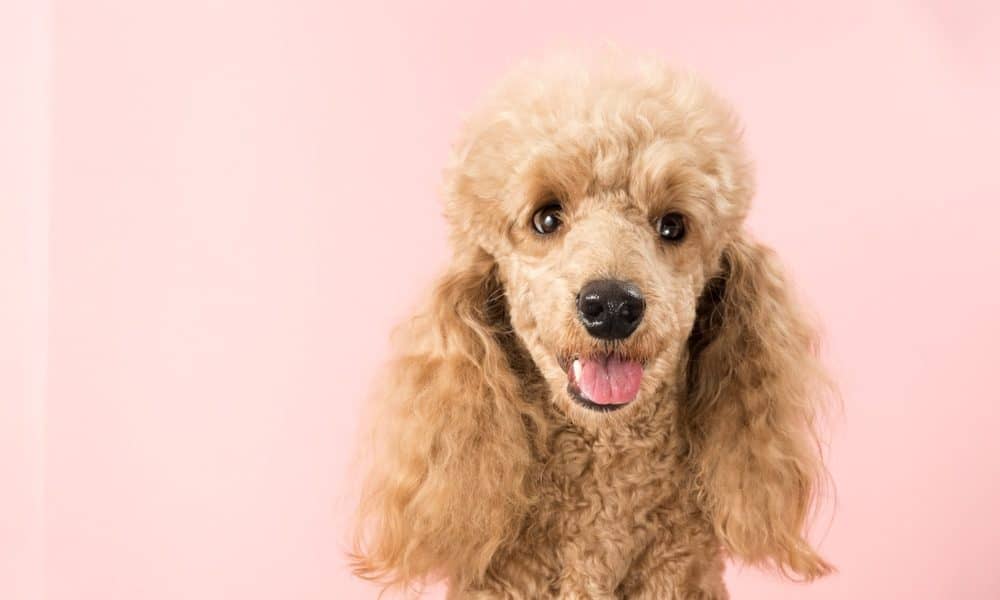
Long hair under the eyes acts like a mop. It soaks up tears, stays damp, and creates the perfect environment for staining and funky smells.
Grooming habits that help the most
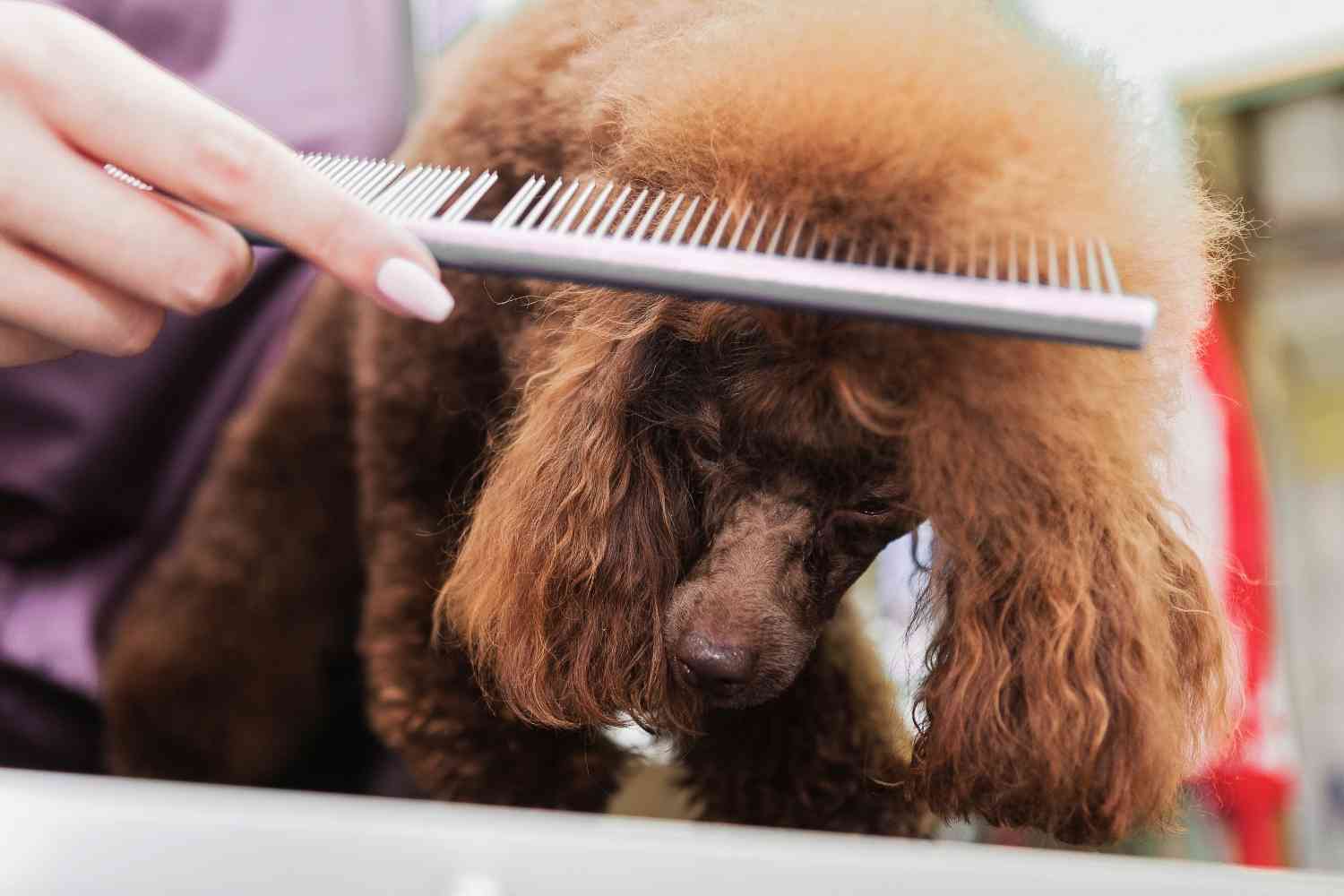
- Keep the hair under the eyes short and neat. Ask your groomer for a “tear stain trim” or a clean, open eye area.
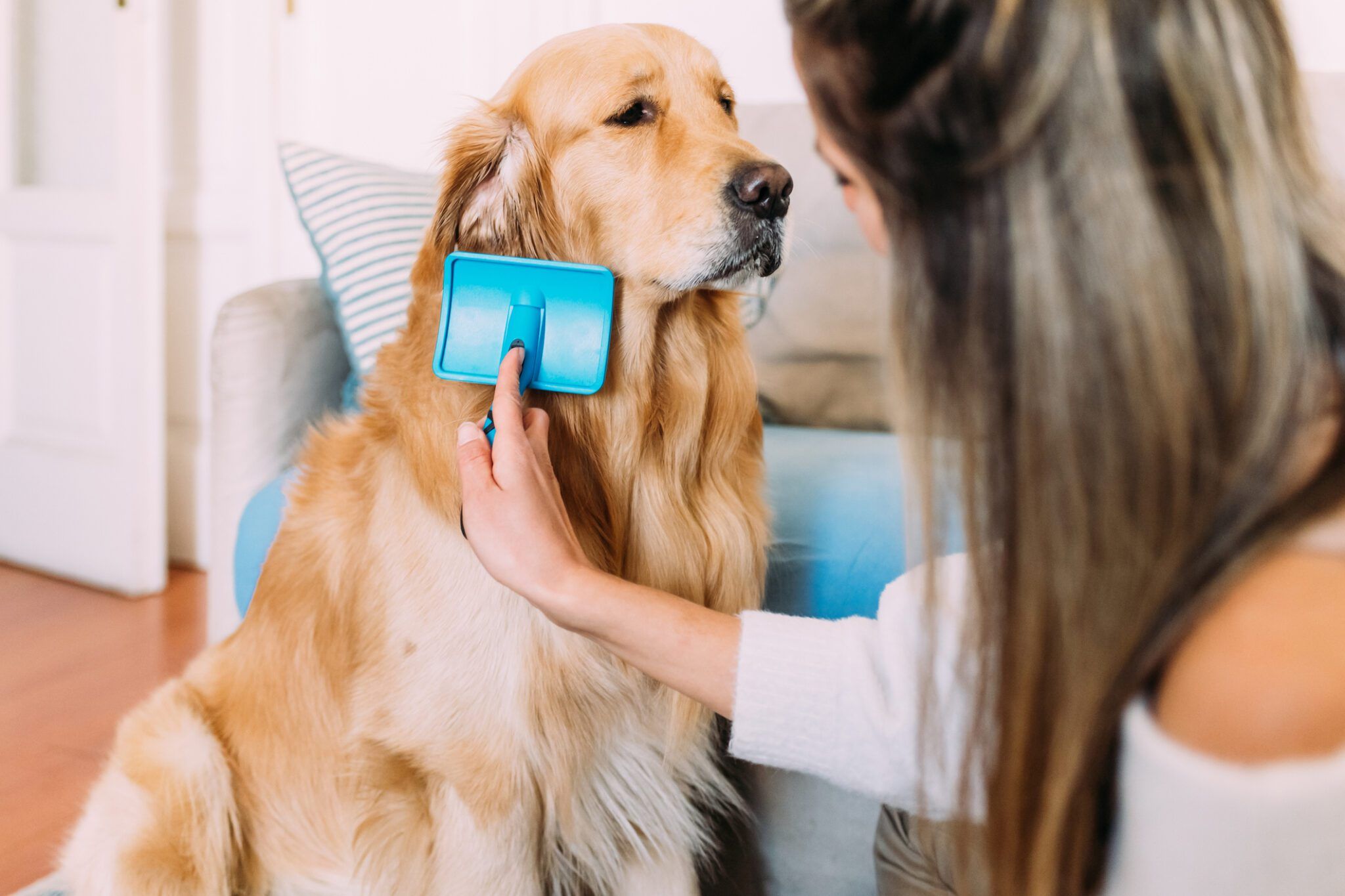
- Brush the face daily with a soft slicker or comb to prevent tiny mats that trap moisture.
- Bathe the face and rinse well. Leftover shampoo or conditioner around the eyes can irritate and increase tearing.
Safety note: I do not recommend scissoring close to the eyes at home unless you are experienced and your dog is truly calm for it. One wiggle is all it takes. If your dog is wiggly or worried, let a pro handle it and focus at home on wiping, drying, and brushing.
3) Adjust water and bowls
This is not magic, but it is a low-effort tweak that helps some dogs, especially those prone to staining. Research is limited and results vary, so treat it as a simple trial rather than a guaranteed fix.
Try these simple changes for 2 to 4 weeks
- Switch to filtered water (or bottled water) for a trial period.
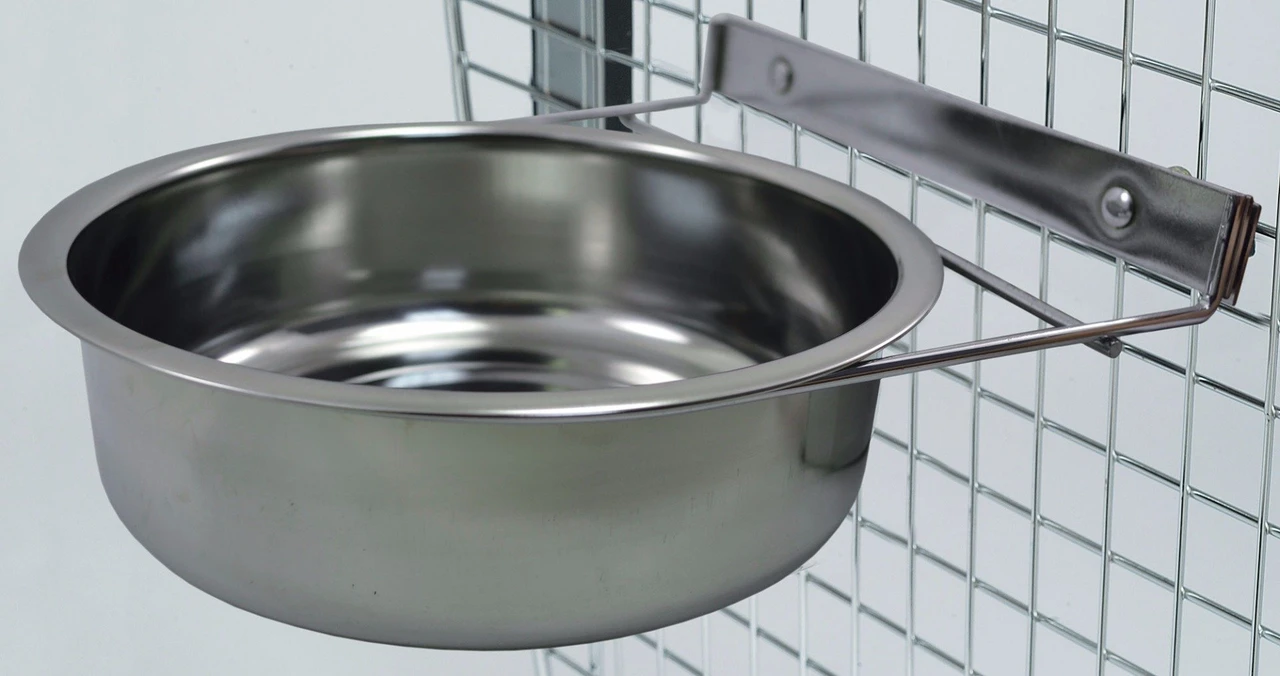
- Use stainless steel or ceramic bowls and wash them daily. Plastic bowls can develop micro-scratches that harbor bacteria.
- Refresh water often, especially if your dog is a “backwash champion.”
The goal is to reduce irritants and bacterial load. Some owners notice staining lightens when they remove mineral-heavy water sources, while others see no difference. Either way, clean bowls and fresh water are always a win.
4) Talk diet and allergies with your vet
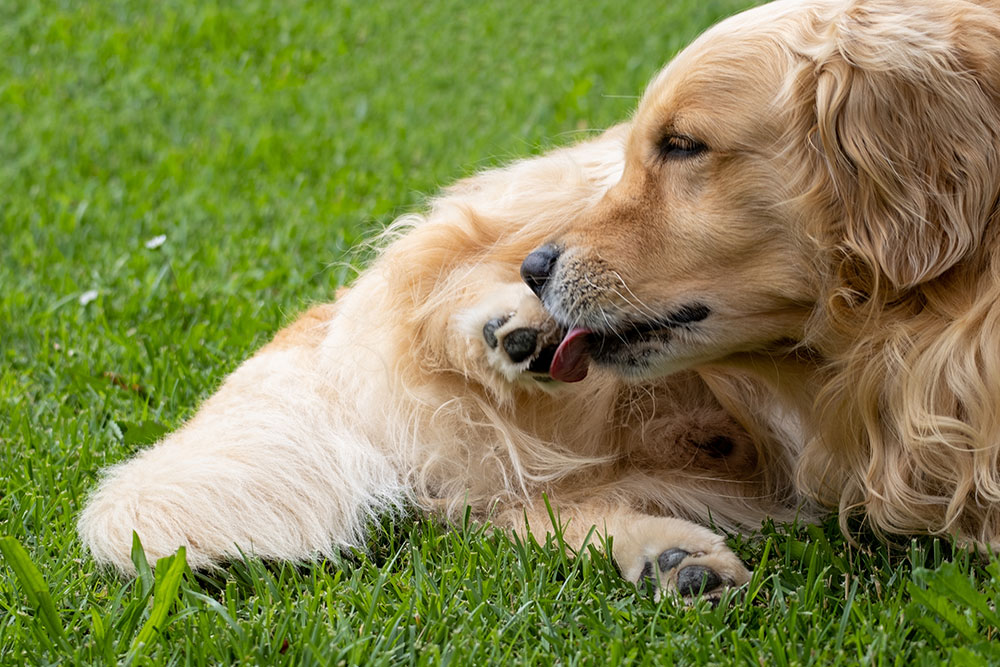
Chronic tearing can be tied to irritation, including environmental allergies, food sensitivities, or even digestive upset that shows up as watery eyes. If your dog is licking paws, rubbing their face, getting recurrent ear issues, or has frequent soft stool, it is worth discussing allergies with your veterinarian.
Also, some dogs have anatomy that makes tear overflow more likely, like shallow eye sockets, tight eyelids, or facial folds. Eyelash issues like distichia (extra lashes) and hair rubbing the eye can keep eyes watery even with great cleaning habits.
Diet tweaks that are reasonable
- Choose a high-quality, complete diet with consistent ingredients (frequent diet hopping can complicate things).
- Limit high-mess toppers that leave residue on facial hair (sticky broths and gravies can make the muzzle and face grimy fast).
- Ask your vet about a food trial if allergy signs are present. True elimination trials are specific and time-based, and they work best when done correctly.
A word of caution about “tear stain powders”
Please be careful with supplements and powders marketed as tear stain cures, especially products that do not clearly list active ingredients or that make big medical claims. Some older approaches relied on antibiotics, which is not appropriate for cosmetic staining and can contribute to resistance. If you want to try a supplement, run it by your vet first, especially if your dog is on any medications.
5) Treat the cause of overflow
If you are wiping daily and staying on top of grooming but the staining keeps returning quickly, the real issue may be excess tearing rather than just dirty fur.
Common underlying causes
- Blocked or narrow tear ducts, which can cause tears to spill onto the face.
- Entropion or eyelid irritation (lids or lashes rubbing the eye).
- Dry eye (low tear production). Some dogs still look watery because eye irritation can trigger reflex tearing and discharge, even when the tear film is not healthy.
- Allergies (seasonal or indoor).
- Dental disease, especially upper teeth issues. Inflammation or infection near the roots can irritate tissues around the nasolacrimal system and contribute to tearing.
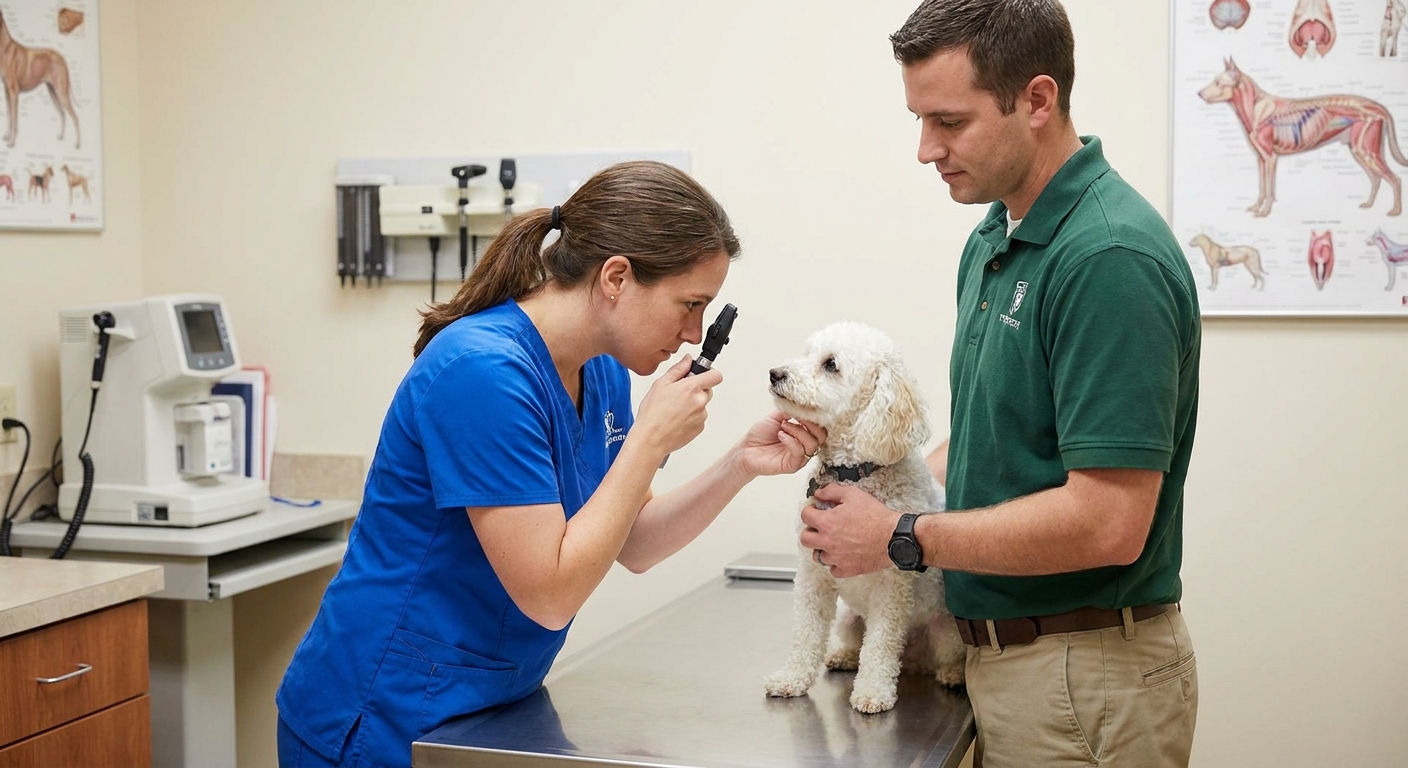
What to do: Schedule a vet visit if tearing is heavy, sudden, one-sided, or paired with squinting, redness, pawing at the face, thick discharge, or odor. Your vet may recommend tests like a fluorescein stain (to check for corneal injury), a Schirmer tear test (to measure tear production), and an evaluation of the tear ducts (sometimes including a nasolacrimal flush). When we fix the “why,” the stains become much easier to manage.
When to call the vet
- Sudden or one-sided tearing
- Redness, squinting, cloudiness, or obvious pain
- Thick discharge (yellow, green, or sticky)
- Face rubbing or pawing at the eye
- Bad odor, swelling, or skin sores under the eyes
Some staining can be purely cosmetic, but pain is never normal.
What not to do
- Do not use hydrogen peroxide near the eyes. It can irritate skin and is risky if it gets in the eye.
- Do not use human makeup removers or harsh astringents. Fragrance and active ingredients can sting and worsen tearing.
- Do not use “whitening” or bleaching hacks meant for people, or powders/solutions not labeled for dogs and safe for the eye area. Many are irritating at best and dangerous at worst.
- Do not “scrub” stains out. Aggressive rubbing inflames skin and can make the problem worse.
- Do not ignore pain signs. Squinting, head shyness, rubbing, and sudden tearing need a vet check.
A simple weekly plan
- Daily: Wipe and dry under eyes. Quick face brush or comb.
- Every 2 to 3 days: Wash water bowls and refresh water source.
- Weekly: Check for tiny mats at the inner eye corners and along the muzzle. Book grooming as needed to keep face hair short.
- Seasonally: If tearing spikes in spring or fall, ask your vet about allergy support before stains spiral.
If you have a puppy or newly adopted dog, be patient. Tear stain routines often take a few weeks to show big cosmetic improvement, especially if the stained hair needs time to grow out and be trimmed away.
FAQ
Do tear stains mean my dog is sick?
Not always. Many light-coated dogs stain easily due to anatomy and constant moisture. But if tearing is new, heavy, one-sided, or paired with redness, squinting, pain, or thick discharge, your vet should check for irritation, injury, blocked ducts, or other eye issues.
Will the stains ever fully go away?
Often, yes, but it is usually a combination of preventing new stains and removing stained hair over time through trimming and regular grooming. Fresh stains are easier to manage than months-old discoloration.
Are tear stains yeast?
The staining itself is not “just yeast,” but yeast and bacteria can thrive in damp fur and contribute to discoloration and odor. Keeping the area clean and dry helps a lot.