A Frenchie owner’s guide to preventing respiratory distress, managing skin allergies, and choosing a kibble that supports weight and digestion.
The first time I heard a dog reverse sneeze, I was sure something was stuck in his throat. It is loud, dramatic, and it can look like your dog is struggling to breathe. The good news is that reverse sneezing is usually harmless. The important part is knowing what a typical episode looks like, what can trigger it, and what warning signs mean it is time to call your vet.
What reverse sneezing looks and sounds like
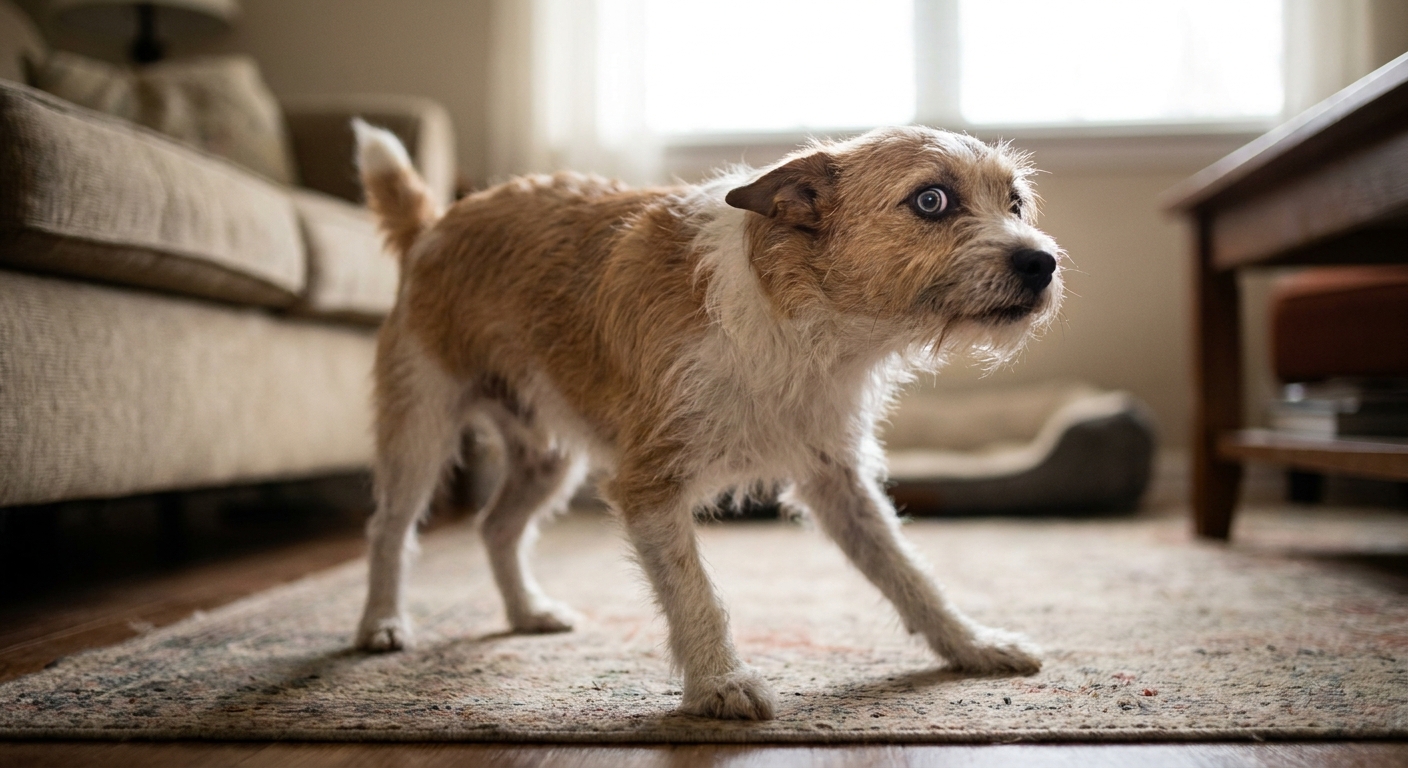
Reverse sneezing is often called paroxysmal inspiratory respiration. Instead of sneezing air out through the nose, your dog pulls air in quickly. During a typical episode, you might notice:
- Rapid, forceful snorting or honking noises
- Neck stretched out, head slightly down or forward
- Elbows held out a bit, body stiff
- Gagging-looking motions without actually bringing anything up
- An episode that often lasts about 5 to 30 seconds (and can sometimes go longer)
- Then your dog goes right back to normal, often acting totally fine
Most dogs stay conscious, can stand, and recover on their own. It is common for it to happen once, then not again for weeks or months.
Why it happens (the simple explanation)
Reverse sneezing is usually caused by irritation or stimulation in the back of the nose and throat (the nasopharynx). That irritation triggers a reflex where the dog inhales sharply, repeatedly.
Think of it as your dog’s body doing an odd little reset to clear irritation, mucus, or tickly inflammation in the upper airway.
Common triggers
Some dogs are just more prone to reverse sneezing, but episodes often show up with everyday triggers like:
- Excitement (greeting, play, zoomies)
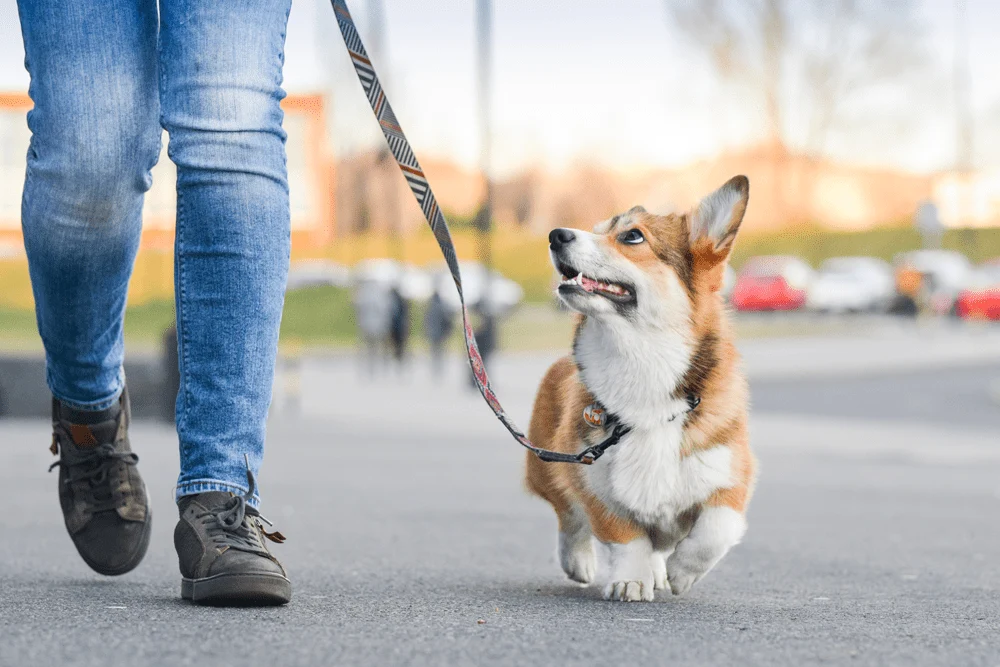
- Pulling on a collar, especially on leash
- Dust, perfumes, cleaning sprays, smoke, scented candles
- Pollen and seasonal allergies
- Eating or drinking quickly
- Post-nasal drip from mild upper respiratory irritation
- Sudden temperature changes (cold air on a walk, warm dry indoor heat)
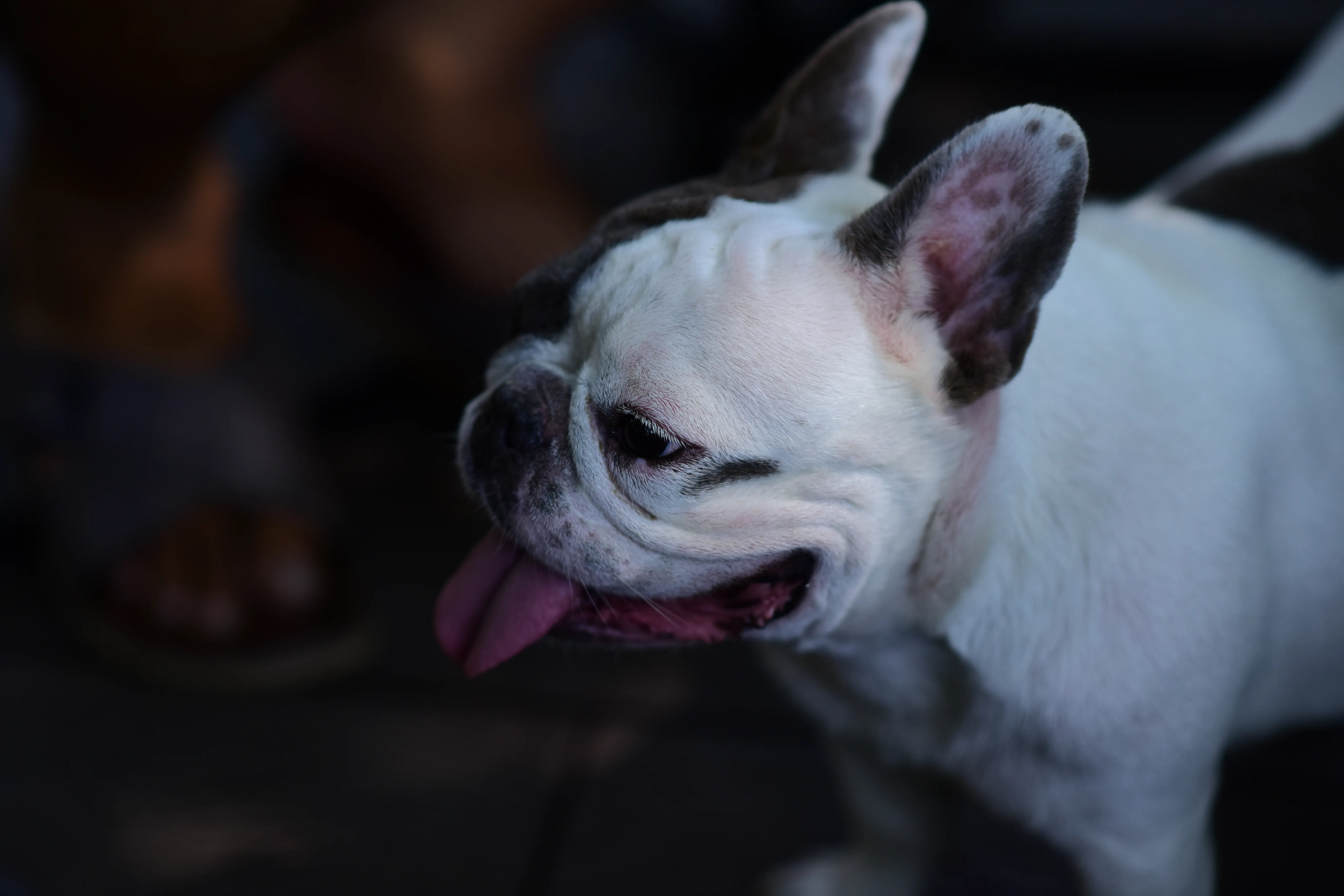
Breed can matter, too. Small dogs and short-nosed breeds (like Pugs, French Bulldogs, Boston Terriers, and Shih Tzus) can have more upper-airway crowding, which can make irritation and noisy breathing more noticeable.
What to do in the moment
Most reverse sneezing episodes end on their own. Your job is to stay calm and keep your dog calm.
Step-by-step
- Pause what you are doing. Stop walking, stop play, give your dog a second.
- Check your dog’s overall status. Are they still standing? Responsive? Pink gums? If yes, it is more likely a reverse sneeze than an emergency.
- Gently encourage swallowing. Many dogs stop sooner if they swallow once or twice. You can offer a small sip of water if your dog can drink calmly.
- Try a calm throat rub. Lightly stroking the throat can help some dogs relax and swallow. Keep it gentle.
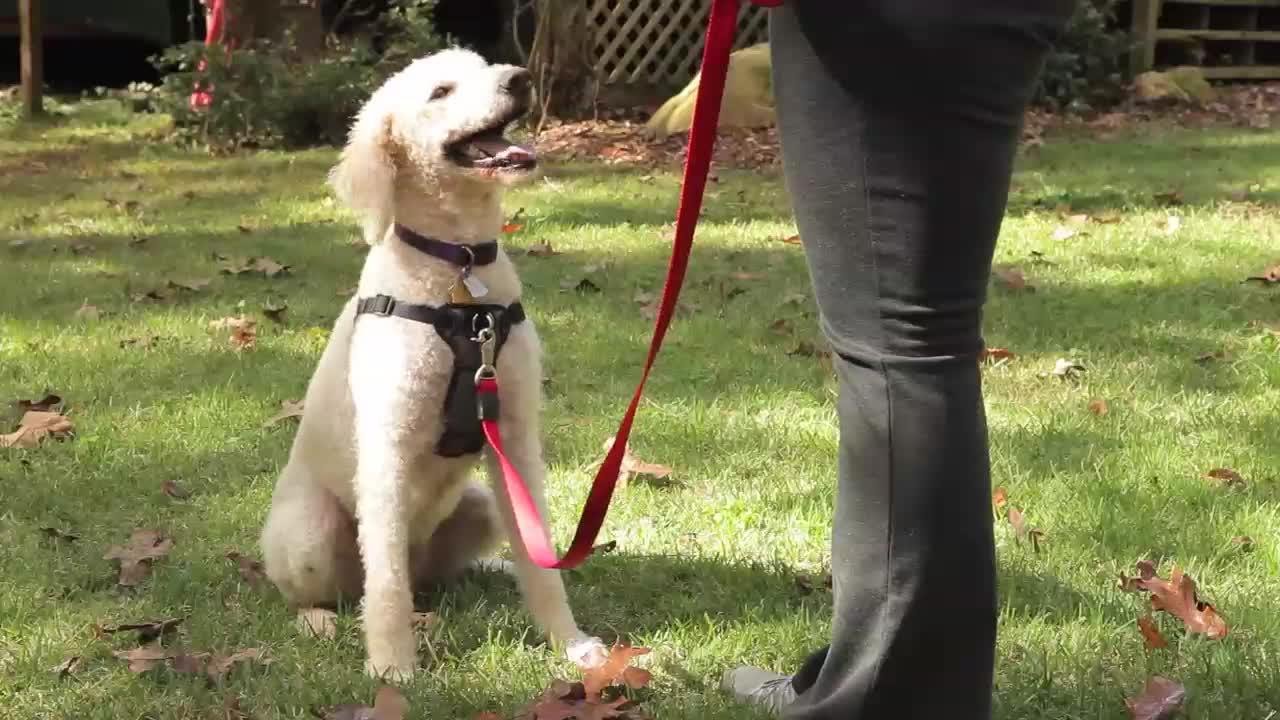
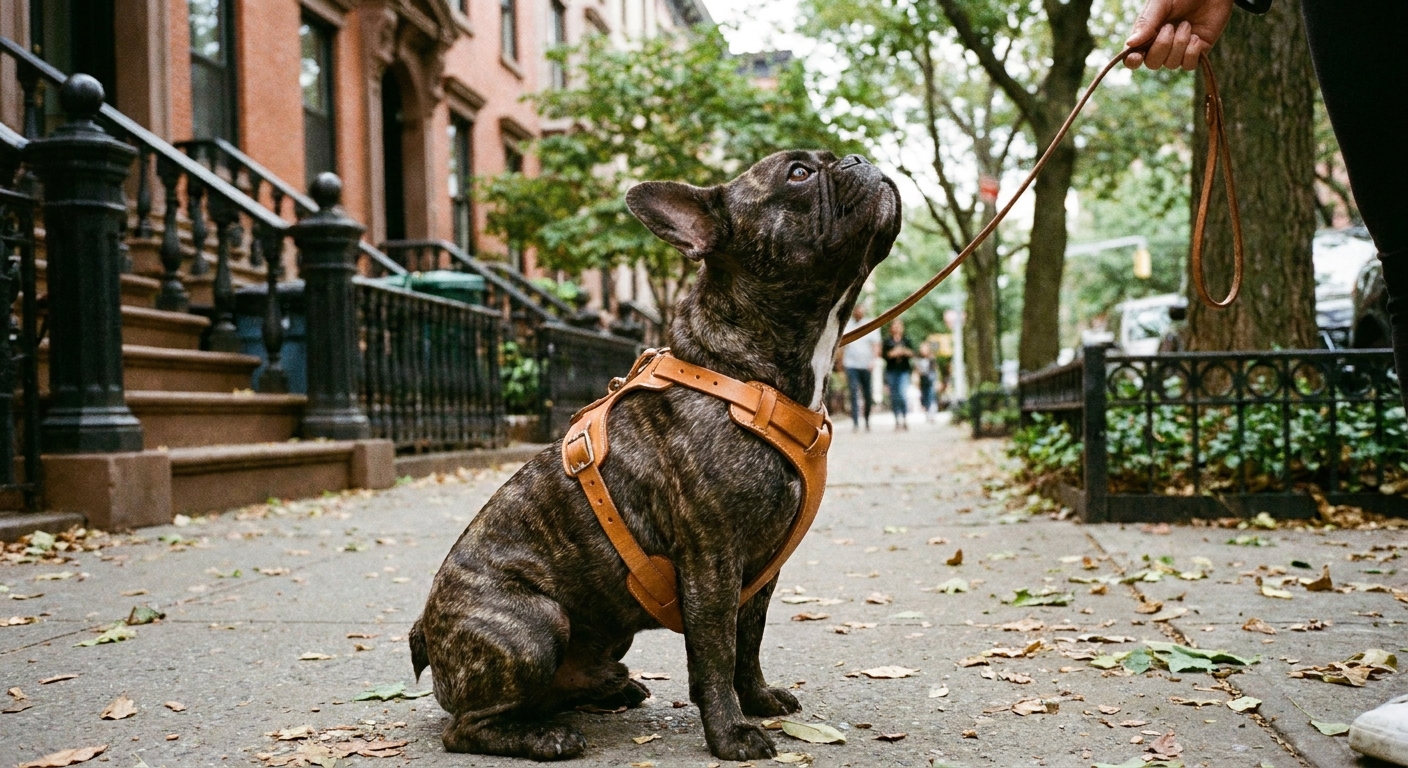
- Switch to a harness if collar pressure is a trigger. If it happened during leash walking, collar pressure may have set it off.
Skip anything forceful. Do not pry the mouth open unless you truly suspect choking (more on that below). Also avoid anything that restricts breathing. Do not cover or hold your dog’s nostrils shut unless your veterinarian has shown you a safe technique specifically for your dog.
What not to do
- Do not shake your dog or restrain them roughly
- Do not force the mouth open or blindly sweep fingers in the throat
- Do not give human cold meds or decongestants
- Do not delay emergency care if your dog is blue, collapsing, or truly struggling to breathe
Reverse sneezing vs other problems
The sounds can overlap, which is why these episodes freak people out. Here are the key differences I use as a quick mental checklist.
Reverse sneezing vs choking
Reverse sneezing: loud snorting while inhaling, neck extended, episode usually short, dog recovers quickly.
Choking: often involves pawing at the mouth, distress, repeated gagging, trouble inhaling or exhaling, and the dog may be unable to settle between attempts.
What to do if you suspect choking: Look for obvious objects in the mouth only if your dog will allow it safely. If your dog is turning blue, collapsing, or cannot breathe, this is an emergency. Seek immediate veterinary care (emergency clinic) right away.
Reverse sneezing vs kennel cough
Kennel cough (infectious tracheobronchitis) usually causes a repeated cough that can sound like a honk or like the dog is trying to clear their throat. It typically:
- Happens over and over throughout the day
- May be worse with activity or pulling on leash
- May come with runny nose or sneezing
Many dogs with uncomplicated kennel cough still seem bright and hungry. More noticeable signs like low appetite, lethargy, or fever are possible, especially with certain viruses, pneumonia, or a more complicated infection, and they are a good reason to call your vet.
Reverse sneezing is more like a short, contained episode, and many dogs act 100 percent normal before and after.
Reverse sneezing vs collapsing trachea
Collapsing trachea is most common in small breeds (like Yorkies, Pomeranians, and Chihuahuas). It tends to cause a dry, "goose honk" cough, especially with:
- Excitement
- Pulling on a leash
- Heat or humidity
- Pressure on the neck (collars can make this worse)
Unlike reverse sneezing, tracheal collapse signs can be ongoing or progressively more frequent, and coughing may come with exercise intolerance or breathing effort.
If your dog is doing a lot of honking coughs rather than short reverse-sneeze bursts, it is worth a vet visit.
When it is usually not a big deal
In many dogs, reverse sneezing is a scary but benign thing. It is usually less concerning when:
- The episode is brief and your dog recovers fully
- Your dog’s gums stay pink
- Your dog is bright, eating, and acting normal before and after
- It happens rarely (for example, once in a while during allergy season or after zoomies)
Same-day vet signs
Even though most reverse sneezing is harmless, you should contact your veterinarian the same day if you notice any of the following:
- Episodes that are frequent (multiple times a day) or increasing over days
- Episodes that keep going or your dog struggles to fully recover
- Labored breathing between episodes (belly heaving, flared nostrils, unable to get comfortable)
- Blue, gray, or very pale gums at any point
- Fainting, collapse, or extreme weakness
- Persistent cough, especially a honking cough that keeps recurring
- Nasal discharge that is thick, bloody, or worsening
- Eye discharge, fever, lethargy, or decreased appetite
- Signs of pain around the throat or neck, or trouble swallowing
- Concern for a foreign object (sudden onset after chewing grass, sticks, toys, treats)
- Your dog is a flat-faced breed and seems stressed, overheated, or is working hard to breathe
If your dog is struggling to breathe right now, is turning blue, or cannot stay upright, skip the wait-and-see approach and go to an emergency vet immediately.
What your vet may check
If reverse sneezing is new, frequent, or paired with other symptoms, your vet will focus on ruling out problems that can look similar or trigger irritation. Depending on your dog’s history and exam, that might include checking:
- Upper airway and nasal passages for inflammation or irritation
- Teeth and mouth (dental disease can contribute to chronic inflammation)
- Heart and lungs with auscultation
- Trachea if coughing is a major feature
- Allergy patterns or environmental triggers
- Foreign material if onset was sudden after chewing or sniffing outdoors
If episodes are new in an older dog, or there is chronic nasal noise or one-sided discharge, your vet may also consider issues like nasal mites, a nasal foreign body, polyps or masses, or oronasal and dental problems. Most of the time it still turns out to be something manageable, but it is worth checking.
This is not about assuming the worst. It is about matching the sound and the pattern to the right body system so your dog gets the right care if something else is going on.
How to reduce episodes at home
You cannot always prevent reverse sneezing, but you can often reduce how often it happens by lowering irritation and throat pressure:
- Use a harness for leash walks, especially for dogs who pull
- Avoid heavy scents in your dog’s space (sprays, plug-ins, smoke)
- Slow down fast eaters with smaller meals and calmer feeding routines
- Manage excitement peaks (practice calm greetings, reward four paws on the floor)
- Track patterns in your phone notes (time of day, after walks, after cleaning, during pollen spikes)
That last one is underrated. If you can tell your vet, “It happens right after we use the fireplace,” or “Only during spring walks,” you are already helping narrow the cause.
Quick FAQ
Can reverse sneezing kill a dog?
Reverse sneezing itself is rarely dangerous. The bigger concern is mistaking a more serious breathing issue for reverse sneezing. If your dog shows distress, blue gums, collapse, or ongoing breathing effort, treat it as urgent.
Does my dog need to be seen for one episode?
If it was brief, your dog recovered completely, and they are otherwise normal, many dogs do not need an urgent visit for a single episode. If it is new for your dog, keeps happening, or comes with coughing, discharge, lethargy, or appetite changes, call your vet for guidance.
Is reverse sneezing the same as a seizure?
No. During reverse sneezing, most dogs remain alert and responsive, with a breathing pattern issue that resolves quickly. Seizures often involve altered awareness, body stiffness or paddling, drooling, loss of bladder control, and confusion afterward. If you are unsure, it is perfectly okay to video the episode and show your vet.
Should I record it?
Yes, if you can do it safely without stressing your dog. A short video can help your veterinarian tell reverse sneezing from coughing, gagging, or airway collapse.
Bottom line
Reverse sneezing looks alarming, but it is often a normal reflex to upper-airway irritation. If your dog bounces right back to normal, you can usually take a breath, offer calm reassurance, and watch for patterns. If episodes become frequent, your dog struggles to recover, or you see any breathing distress or color change, call your vet the same day and do not hesitate to go to emergency care if your dog is truly struggling.