A clear, practical guide to allergy symptoms in dogs and how to run a true elimination diet so you can stop guessing and start helping.
French Bulldogs are tiny comedians in sturdy little bodies, and they tend to love their people with their whole, snorty hearts. They also come with a few predictable “Frenchie things” that can catch new owners off guard: breathing trouble, itchy skin, and a tendency to gain weight if we are generous with treats (no judgment, I keep treats in multiple rooms).
This guide focuses on the big three I see most often: preventing respiratory distress, managing skin allergies, and choosing food that supports a healthy Frenchie body. It is practical, science-informed, and designed to help you feel confident, not overwhelmed.
Frenchie basics that affect health
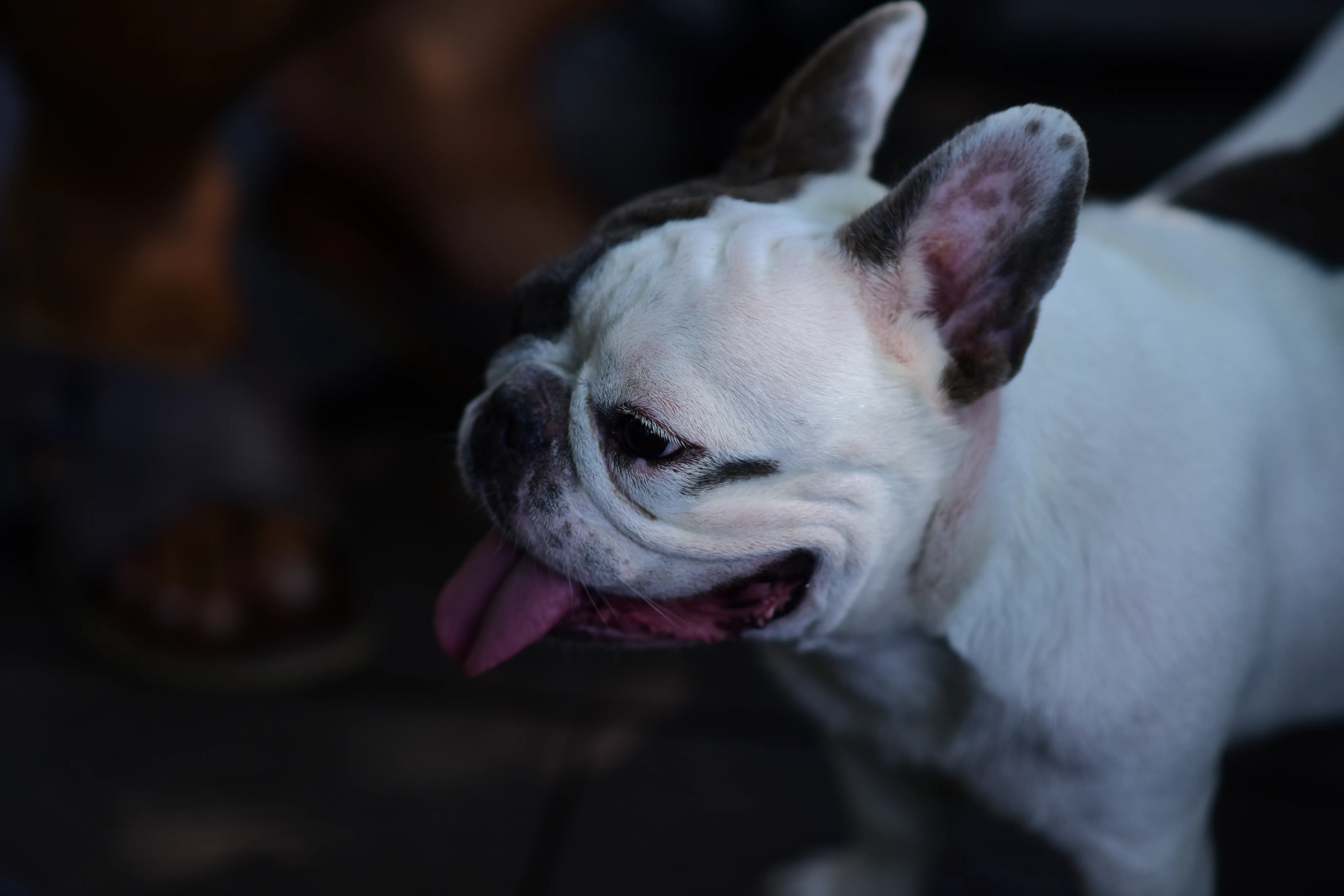
French Bulldogs are a brachycephalic breed, meaning they have a shortened skull and a “smushed” face. Cute? Absolutely. Functional for air flow? Not always. Add in skin folds, a compact body, and a love of lounging, and you have a breed where daily routines really matter.
- Heat tolerance is low. Even mild heat or humidity can make breathing harder.
- Extra weight is extra work. A few extra pounds can significantly increase respiratory effort and can worsen skin and joint issues.
- Skin is sensitive. Folds can trap moisture, and allergies are common.
- Many Frenchies are food-motivated. Great for training, but it can sneakily add calories.
Preventing respiratory distress
Frenchies are famous for snorts and snores. Some noise is normal. What we do not want is struggle. The goal is to reduce triggers, recognize early warning signs, and know when it is an emergency.
What “normal” can look like
- Light snoring during sleep
- Occasional snorts when excited
- Brief noisy breathing after play that settles quickly with rest
Red flags to take seriously
Call your veterinarian promptly if you notice:
- Breathing looks labored (big belly effort, neck extended, elbows out)
- Gums or tongue look pale, gray, or blue-tinged
- Frequent gagging or retching, especially with excitement
- Exercise intolerance that is new or worsening
- Fainting or collapsing
BOAS: the term you should know
You may hear your vet use the phrase brachycephalic obstructive airway syndrome (BOAS). It is an umbrella term for common airway problems in flat-faced breeds, including narrowed nostrils, an elongated soft palate, and other changes that increase airway resistance.
If your Frenchie has persistent noisy breathing, frequent gagging, trouble cooling down, or poor exercise tolerance, ask your vet about a BOAS evaluation. Depending on the exam, your vet may recommend weight goals, medication for inflammation or reflux, or referral for airway surgery (for example, widening stenotic nares). For many dogs, the right intervention is genuinely life-changing.
Everyday prevention that actually helps
- Use a harness, not a collar. Pressure on the trachea can worsen airway issues. Pick a Y-front style that stays off the throat.
- Keep walks short in warm weather. Aim for cooler hours and choose shaded routes.
- Build in “calm breaks.” Frenchies often do not self-regulate excitement. During play, pause every few minutes for a settle and a sip of water.
- Keep your home cool. Fans, AC, cooling mats, and avoiding hot cars are essential for many Frenchies.
- Maintain a lean body condition. Most dogs at an ideal body condition score (often around 4 to 5 out of 9) have ribs you can feel easily without pressing hard, plus a visible waist when viewed from above.
How to stop a spiral during a breathing episode
Breathing trouble can create panic, and panic creates more breathing trouble. Your job is to be the calm presence in the room.
- Stop activity immediately. Pick your dog up if needed and move to a cool, quiet place.
- Offer cool air. AC, fan, or a shaded spot outdoors.
- Encourage stillness. Use a soft voice and gentle petting if your dog finds it calming.
- Offer small sips of water only if your dog is calm. If your dog is gulping air, frantic, coughing, or cannot swallow normally, skip water and focus on cooling and getting help. Never force drinking.
- Call your vet if it is not improving fast. If gums are discolored, your dog collapses, or breathing looks severe, go to emergency care.
Important: do not rely on “waiting it out” for severe breathing distress. In brachycephalic dogs, swelling and overheating can escalate quickly.
Heatstroke basics: quick do and do not
If your Frenchie overheats, treat it like an emergency. Cooling is important, but so is getting to a veterinarian quickly.
- Do: Move to AC or shade, use cool (not ice) water to wet the body, especially belly and groin, and put a fan on them to speed evaporative cooling.
- Do: Call an ER clinic on the way. Even if your dog seems to bounce back, heat injury can continue internally.
- Do not: Use ice baths or ice water over the whole body. Over-cooling and constricted blood vessels can slow heat loss.
- Do not: Force water if your dog is struggling to breathe.

Skin allergies and itchy Frenchie care
If you have a Frenchie who licks paws, gets recurring ear debris, or develops red belly skin, you are not alone. Skin issues often involve a mix of genetics, allergies, moisture, and secondary infection. The trick is separating “mild irritation” from “this needs medical treatment.”
Common signs of allergies in French Bulldogs
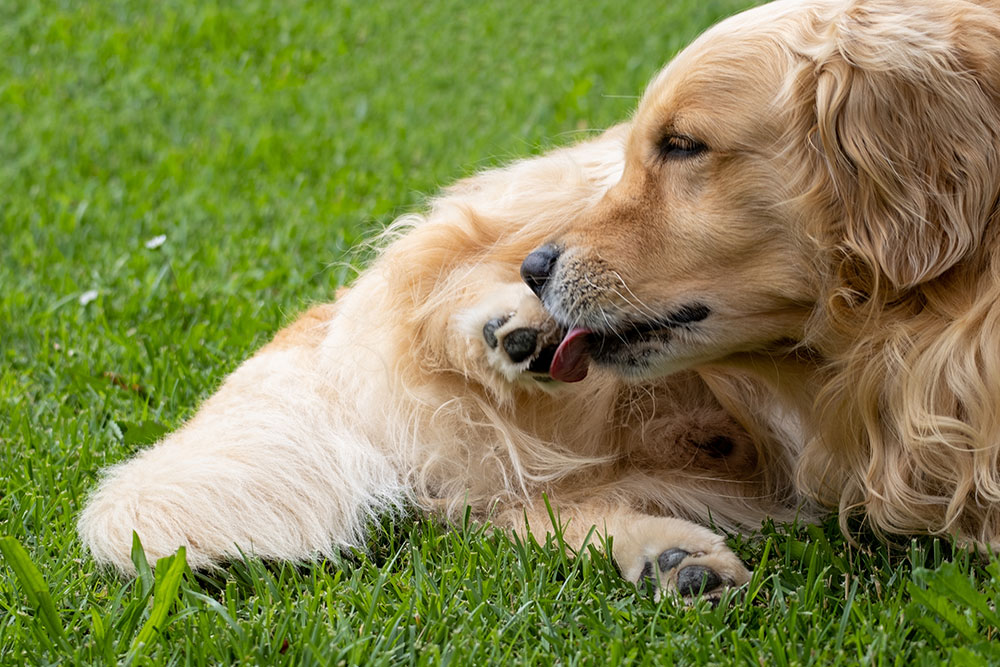
- Paw licking or chewing
- Face rubbing on carpet or furniture
- Recurrent ear infections or head shaking
- Redness in armpits, groin, belly, or between toes
- Patchy hair loss, scabs, or a musty odor (often yeast)
Rule-outs that matter
Before you assume it is “just allergies,” make sure the basics are covered. Fleas can trigger intense itch even if you rarely see them, and mites or skin infections can mimic allergy flare-ups. Your vet may recommend skin and ear cytology to confirm whether bacteria or yeast are involved, because treating the wrong thing can keep the itch cycle going.
Start with the basics: skin fold and coat hygiene
For many Frenchies, a simple routine prevents bigger flare-ups.
- Check facial folds daily. Gently wipe with a soft, damp cloth, then dry completely. Moisture is the enemy.
- Keep wrinkles dry, not stripped. Avoid harsh products that leave skin raw. If you need a medicated wipe, ask your vet what is appropriate for your dog’s history.
- Bathe with purpose. If your vet suspects yeast or bacterial overgrowth, a specific medicated shampoo and contact time matter. “Good-smelling oatmeal shampoo” is nice, but it is not treatment.
- Trim nails and fur between paw pads. It reduces debris and makes wiping paws easier.
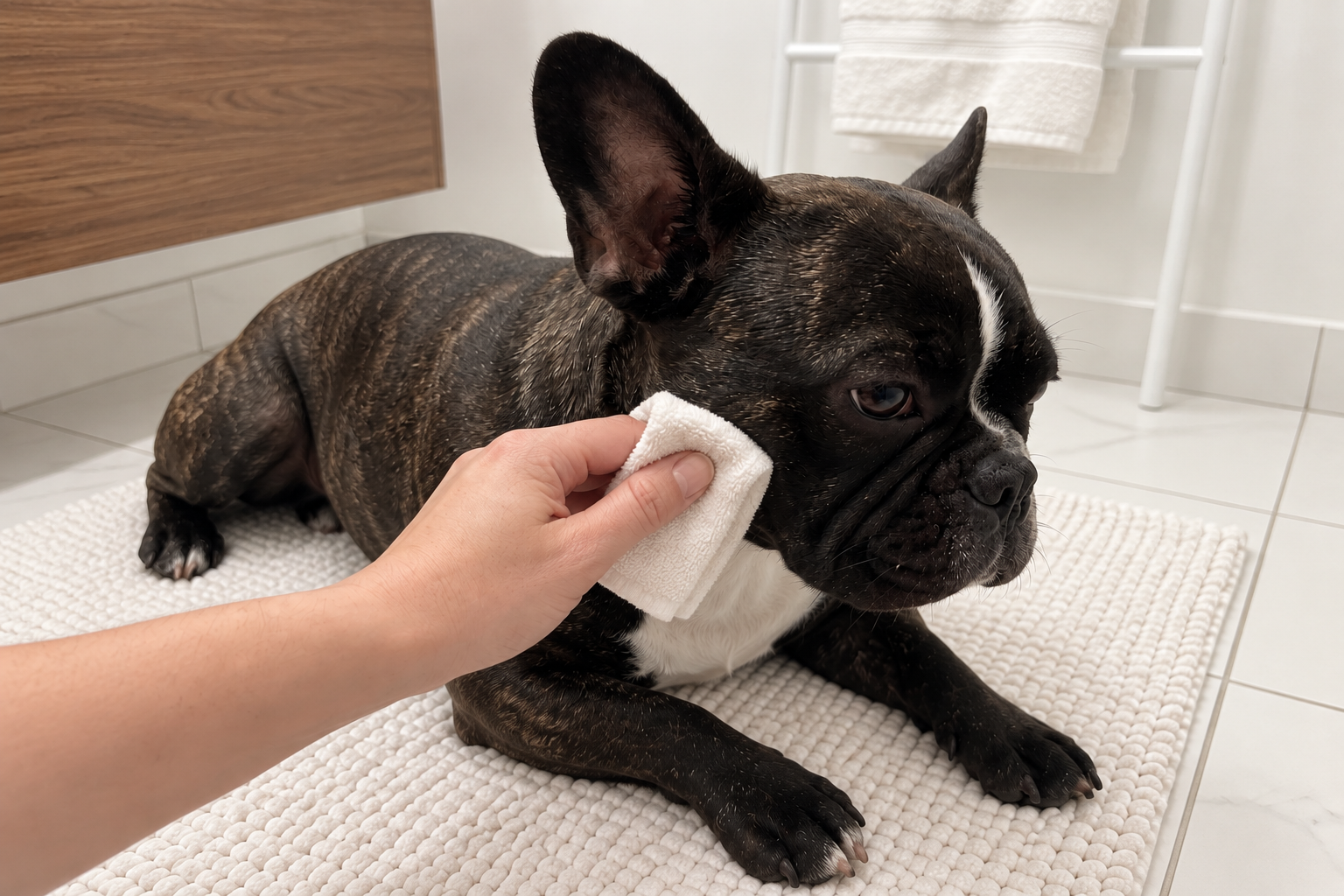
Environmental allergies: the paw-wipe habit that pays off
Pollen and lawn chemicals often ride in on feet and bellies. After outdoor time, do a quick wipe:
- Wipe paws, between toes, and belly
- Dry well, especially between toe webbing
- Track flare patterns in a simple note on your phone (season, location, grass vs pavement)
Food allergies vs sensitivities
In many dogs, environmental allergies are more common than true food allergies, but food-related reactions do happen. Food-related issues often look like:
- Itchy skin year-round (not seasonal)
- Recurrent ear infections
- GI signs like soft stool, gas, or frequent vomiting in some dogs
If your veterinarian recommends a diet trial, do it tightly for the full duration. That means no flavored meds unless your vet approves, no random chews, no “just one bite” of someone else’s treat. It is hard, but it is the fastest way to get a real answer.
Basic ear care (without overdoing it)
If your Frenchie is prone to ear infections, ask your vet which cleaner is safe for your dog and how often to use it. In general, avoid routine deep cleaning or flushing unless your vet has instructed you to. Keep ears dry after baths, and book a visit quickly if you see redness, odor, pain, or heavy discharge.
When itchy skin needs a vet visit
Book an appointment if you notice:
- Open sores, bleeding, or hot spots
- Strong odor, greasy coat, or thickened skin
- Head shaking or painful ears
- Red, swollen paws or limping
- Itch that interrupts sleep
Why the urgency? Because infections (yeast or bacterial) are miserable and will not resolve with supplements alone. Relief is a welfare issue, not a vanity issue.
Choosing the right kibble for a French Bulldog
Frenchies do best on diets that support lean muscle, healthy skin, and easy digestion, without packing in calories. The best kibble is the one your dog tolerates well, your vet is comfortable with, and you can feed consistently.
What I look for on a Frenchie kibble label
- Meets AAFCO standards for your dog’s life stage (growth, adult maintenance, or all life stages)
- Moderate calories (Frenchies gain weight easily). Your vet can help you compare kcal per cup across brands.
- Clear protein source as a primary ingredient (chicken, turkey, fish, beef, or a veterinary hydrolyzed option when needed)
- Skin support such as omega-3 fatty acids (often fish oil) and a clear fat source
- Digestive support like beet pulp, prebiotic fiber, or a sensitive-stomach formula if your dog tends toward soft stool
Kibble shape and eating style matter
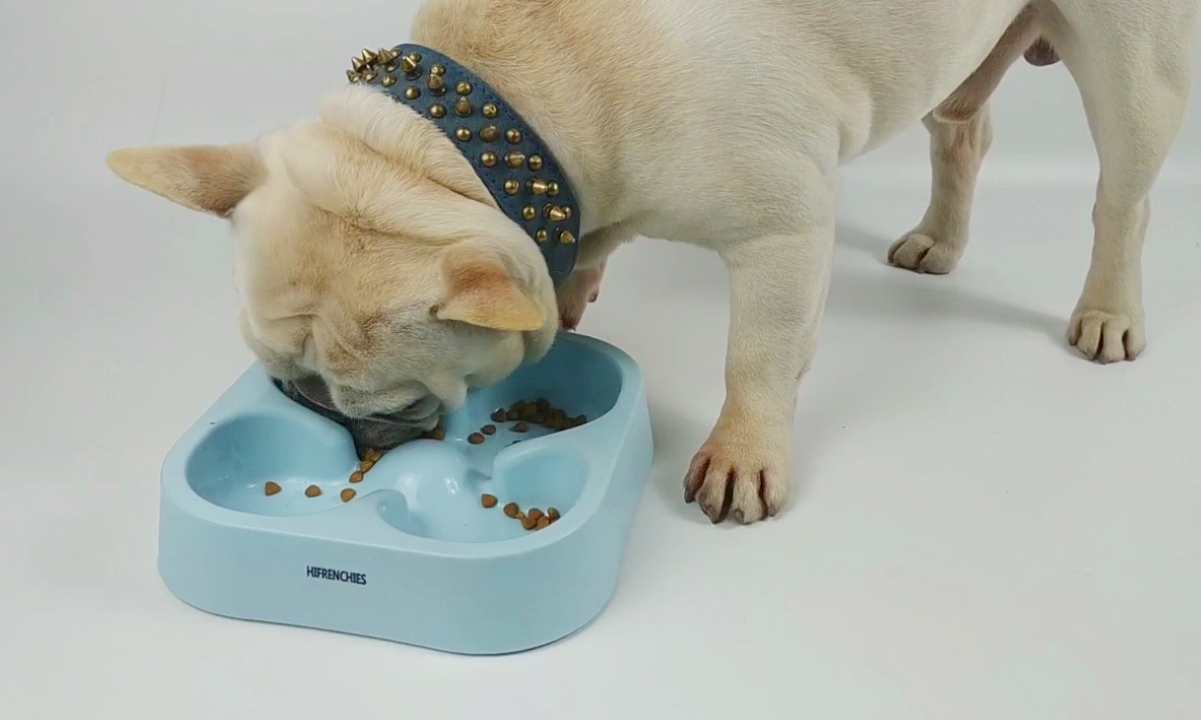
Many Frenchies eat like tiny vacuums. If your dog gulps food or coughs after meals:
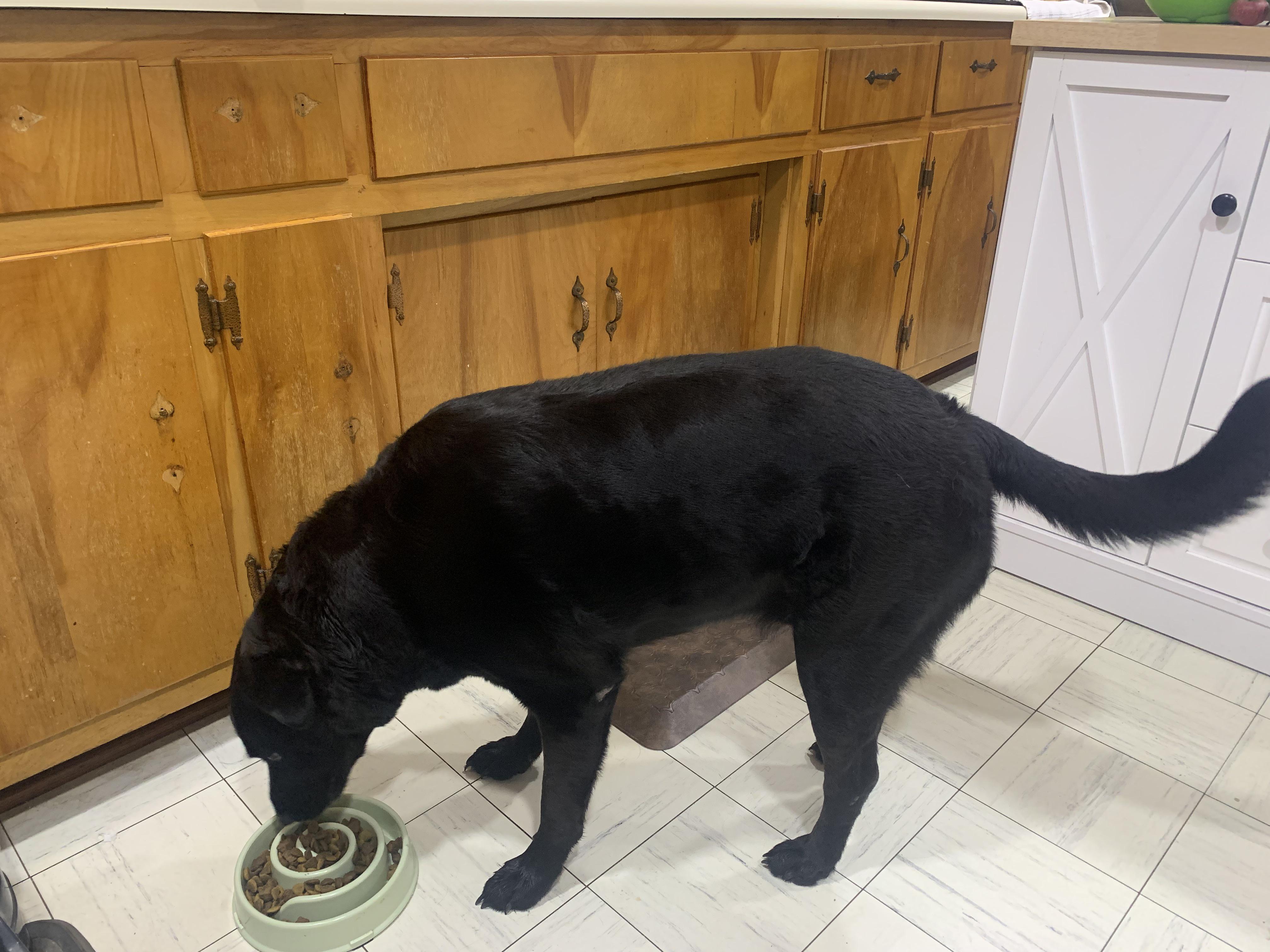
- Use a slow feeder bowl or a puzzle feeder
- Consider a kibble size that is easier to pick up (some brachycephalic-specific formulas use shapes designed for short muzzles)
- Split daily food into 2 to 3 smaller meals
Weight management: the Frenchie health multiplier
If I could pick one change that improves breathing, skin comfort, joints, and energy, it is keeping your Frenchie lean.
- Measure food. Use a measuring cup at minimum, or a kitchen scale if you want real consistency.
- Budget treats. I like to take part of the daily kibble and use it as training treats.
- Choose lower-calorie training rewards. Tiny pieces still count as rewards. Your dog does not need a whole cookie for a perfect sit.
Common Frenchie feeding questions
Should I choose grain-free food?
Not automatically. Grain-free is not a “health upgrade” for most dogs, and it does not treat allergies unless your dog is specifically sensitive to a grain ingredient. There is also ongoing concern about some grain-free and boutique diets being associated with diet-related heart disease (DCM) in certain cases. If you are considering grain-free due to itch, talk with your veterinarian about a proper elimination diet instead of guessing, and consider choosing diets from well-studied companies with solid quality control.
What about probiotics, fish oil, and supplements?
Some Frenchies benefit from fish oil for skin and coat, and probiotics can help certain digestive patterns. But supplements are not a replacement for treating infections or addressing environmental triggers. If you add fish oil, ask your vet for a dose range based on your dog’s weight, because too much can cause GI upset and adds calories.
How fast should I switch kibble?
If your dog is not on a prescription diet change for medical reasons, a gradual switch over 7 to 10 days is usually gentler:
- Days 1 to 3: 75% old, 25% new
- Days 4 to 6: 50% old, 50% new
- Days 7 to 9: 25% old, 75% new
- Day 10: 100% new
If stool gets consistently soft, slow down and consult your vet, especially with a brachycephalic dog who may not handle repeated vomiting well.
Should my Frenchie run right after eating?
If your dog tends to regurgitate, cough after meals, or get overexcited, keep post-meal activity calm for a bit. Chronic regurgitation is not something to shrug off in a Frenchie. It can be tied to GI issues, reflux, or airway anatomy, and it is worth a vet work-up.
Training routines that support Frenchie health
Training is not just “manners.” For Frenchies, it can be preventative care.
Teach a calm settle to prevent overexertion
Excitement can push breathing over the edge. Practice a daily settle on a mat:
- Toss a treat onto the mat. When your dog steps onto it, mark and reward.
- Feed a few treats slowly while your dog stays on the mat.
- Wait for a sit or down, then reward calmly.
- Gradually add duration: one second, three seconds, five seconds.
This becomes your go-to skill for guests at the door, post-zoomies cool-down, and “take a breath” moments.
Cooperative care for wrinkle cleaning and ear checks
Many Frenchies hate face handling until we teach them it is safe. Pair quick care tasks with treats, and stop before your dog gets fed up.
- Show the wipe, treat.
- Touch cheek, treat.
- Quick fold wipe, treat.
- Build up slowly to a full clean and dry routine.
If your dog growls or snaps during handling, that is information, not “bad behavior.” Pause and ask your vet or a trainer for a plan.
Quick Frenchie safety checklist
- Harness walks only. Keep pressure off the neck.
- Heat plan. Cool walks, cooling mat, never left in a car.
- Lean body condition. Measure food and budget treats.
- Daily fold check. Clean gently and dry thoroughly.
- Paw wipe after grass. Especially during allergy seasons.
- Know your emergency signs. Blue gums, collapse, severe breathing effort equals urgent care.
- Film the concerning stuff. A 10-second video of noisy breathing, gagging, or sleep struggles can help your vet assess what is going on.
French Bulldog FAQ
Do all French Bulldogs have breathing problems?
No, but many have some degree of airway restriction. Even mildly affected Frenchies can struggle with heat, excitement, and extra weight. If you are hearing frequent gagging, seeing labored breathing, or noticing poor recovery after light exercise, have your vet evaluate.
Why does my Frenchie itch even after changing food?
Because common triggers are environmental, and secondary infections can keep itch going. Food changes also take time, and random treats can derail a diet trial. Your vet can help you separate allergy triggers from infection and decide on the right treatment plan.
Is a raw diet better for Frenchie allergies?
Not necessarily, and it comes with safety concerns for both pets and people. If you suspect food allergy, the most reliable route is a veterinarian-guided elimination diet trial or a prescription hydrolyzed diet.
My Frenchie snores loudly. When is it a problem?
Snoring alone can be normal, but loud snoring plus frequent waking, gagging, or daytime breathing effort is worth discussing with your vet. Sleep quality matters, and significant airway issues can affect overall health.
When to involve your veterinarian
I love a good home routine, but there are times you need medical support. Make an appointment if your Frenchie has recurrent ear infections, persistent skin redness, chronic GI upset, or worsening breathing noise or effort. If you are ever unsure, call and describe what you are seeing. You are not overreacting. With Frenchies, earlier intervention usually means simpler treatment.
Your dog’s job is to be a dog. Your job is to notice patterns and advocate for comfort. If you do that, you are already doing Frenchie care right.