A step-by-step loose leash walking guide: what gear to use, how to train indoors and outdoors, and how to handle pulling, sniffing, and distractions without ...
I grew up in a house where there was always at least one foster dog decompressing on our couch, and later, as a vet tech, I saw the same painful pattern again and again: good dogs surrendered for “aggression” that was actually fear, overwhelm, or plain old adolescent chaos on a leash. If your dog freezes, barks, or lunges when another dog appears, you are not failing. You are looking at a big emotion in a small moment, and we can absolutely work with that.
This guide will walk you through what to do in the moment on walks, how to set up practice sessions that actually help, and what to avoid so you do not accidentally make lunging worse.
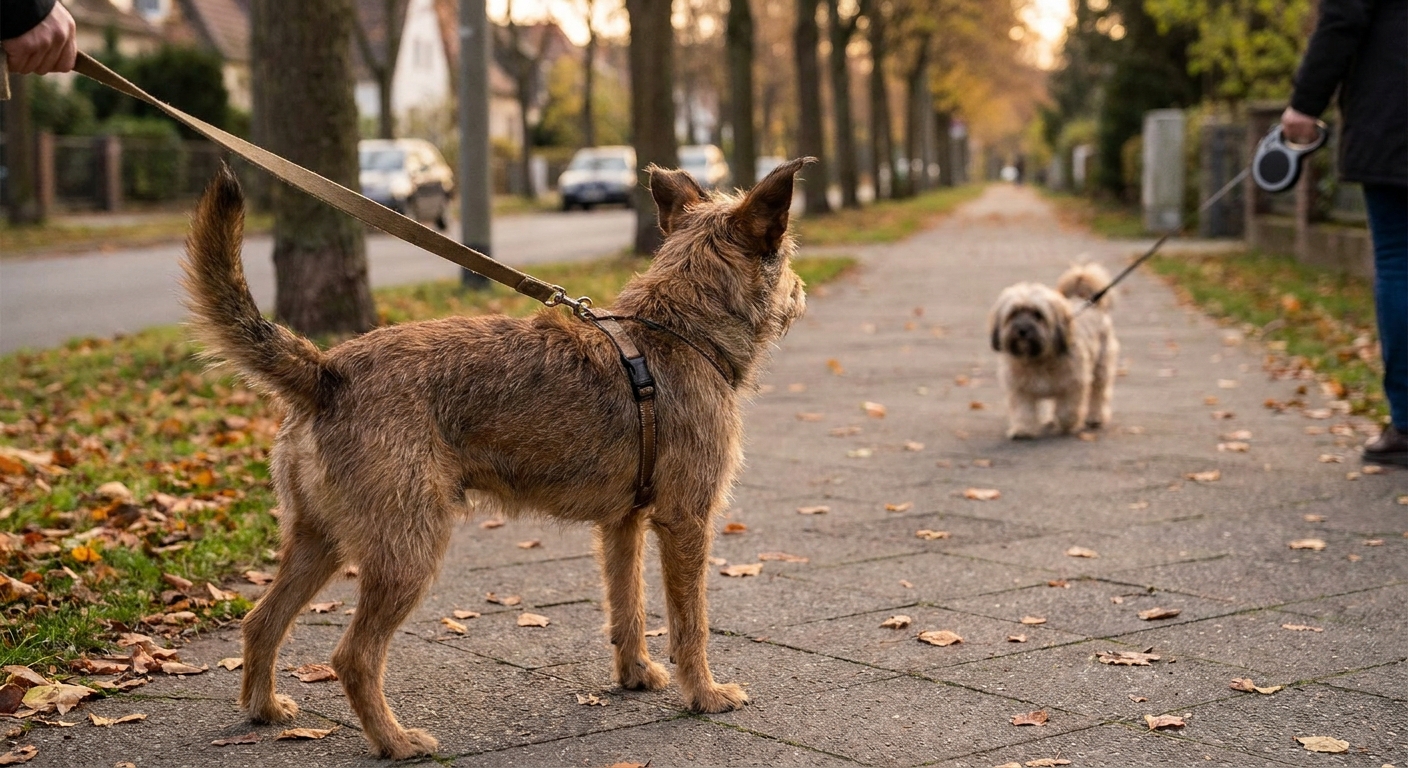
Why dogs lunge at other dogs on leash
Lunging is information. Depending on the dog, it can be a way to increase distance ("go away") or a way to gain access ("let me get to that dog"). Common reasons include:
- Fear or uncertainty: especially common in under-socialized dogs, sensitive puppies, and many rescues.
- Frustration: your dog wants to greet and cannot, so the energy spills out as barking and lunging.
- Overarousal: the walk is already intense (busy street, lots of smells, not enough sleep), and another dog is the final straw.
- Trigger stacking: multiple stressors layered together (loud truck, a rushed walk, a surprise jogger, then a dog) can make reactions bigger and faster than usual.
- Pain or discomfort: dogs who are sore (hips, back, nails, ear infection) can become more reactive because they feel vulnerable.
- Learned history: if lunging changed the situation in the past (the other dog left, the scary thing ended, or your dog got to greet), the behavior is reinforced.
Whatever the root cause, the training path looks similar: keep your dog under threshold (still able to think), pair the sight of other dogs with good things, and build alternative skills like turning away and checking in with you.
Key concept: threshold distance
Threshold is the distance from another dog where your dog can still notice the trigger and respond to you. Over threshold, your dog may freeze, stare, stop taking food, vocalize, or explode into lunging.
Signs your dog is still thinking
- Can take treats (even if they grab them fast or hard)
- Can turn their head toward you when you say their name
- Body is loose enough to sniff and move
- Looks at the other dog, then can look away
Signs you are too close
- Hard staring and closed mouth
- Weight forward, leash tight, body stiff
- Ignoring food they usually love
- Barking, growling, lunging, spinning, or “locked in place” freezing
Your goal on walks is not to push through. Your goal is to notice early and create distance before your dog tips over the edge.
What to do on walks
Here is the practical pattern I teach most often because it is effective and easy to repeat when you are tired and just trying to get your dog a quick potty break.
Step 1: scan early, pick an exit
When you spot another dog, immediately ask yourself: “Is there enough space for my dog to stay thinking?” If you are unsure, assume the answer is no and move away.
- Cross the street
- Step into a driveway or behind a parked car
- Turn down a side street
- Make a cheerful U-turn
Distance is not avoidance. Distance is training leverage.
Step 2: do a calm U-turn
Teach a cue like “This way!” at home first, then use it outside. Say it once in a light voice, pivot, and move away. As you turn, feed a few treats in a row like a treat trail to keep your dog moving with you.
Leash mechanics matter here. Keep the leash short enough for control but not tight, and avoid wrapping it around your hand. Your goal is smooth movement, not a tug-of-war.
If your dog is already staring, do not wait for barking. Turn sooner than you think you need to.
Step 3: reward an easy focus behavior
Once you have created space, ask for a simple skill your dog can do under stress. Two favorites:
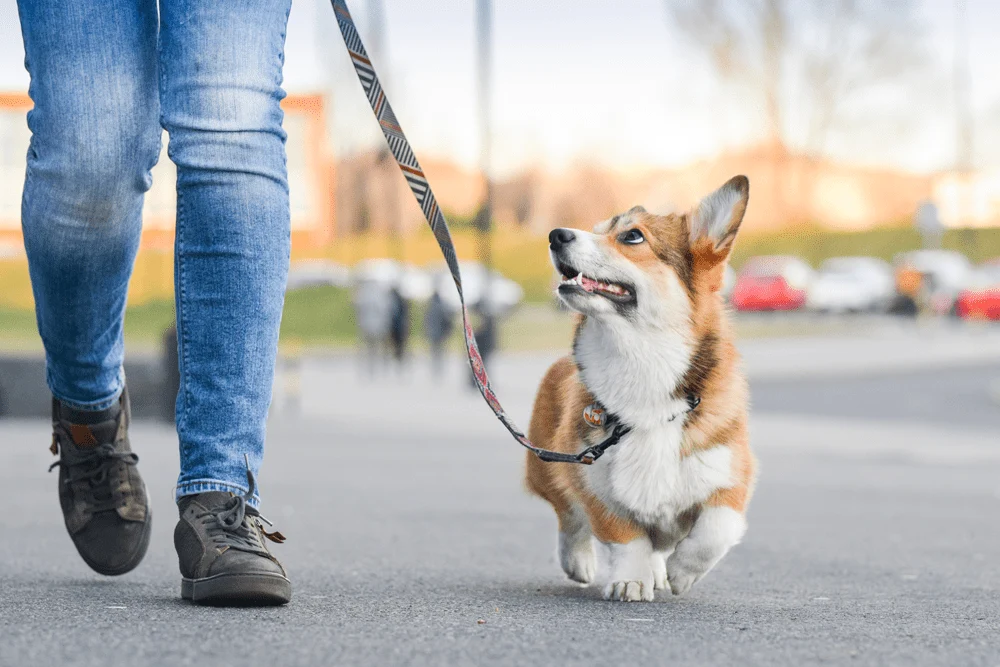
- Watch me: reward brief eye contact (half a second counts).
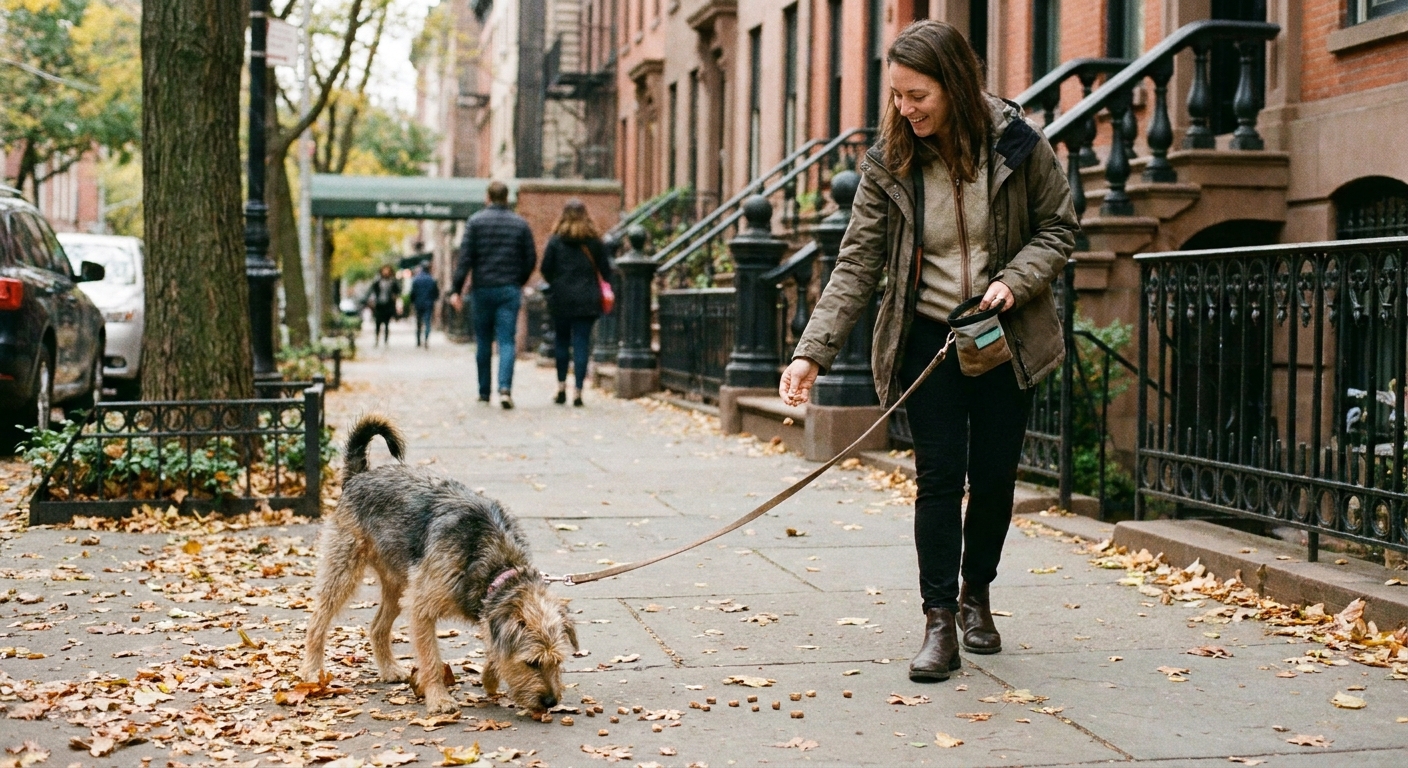
- Find it: say “Find it!” and scatter 5 to 10 pea-sized treats on the ground so your dog can sniff and forage.
Sniffing can be calming for many dogs, and “find it” has a bonus: your dog does not have to stare at the other dog to succeed.
Quick safety note: only scatter treats if you have enough distance that no other dog is about to arrive in your bubble, and avoid tossing food near traffic, broken glass, or anything you do not want your dog to grab.
For tight spaces
Apartment hallways, narrow sidewalks, and entryways are where a lot of blowups happen. If you cannot get normal distance:
- Do a fast 180 with “This way!” and treat as you move
- Step behind a parked car, into a driveway cutout, or into a doorway alcove (as appropriate) to let the other dog pass
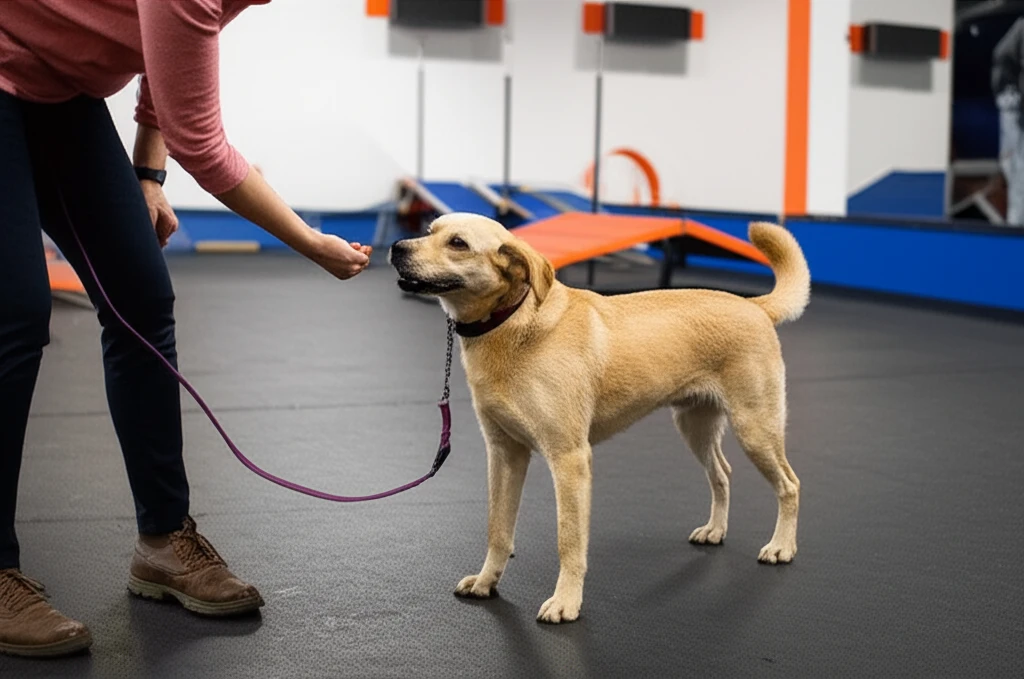
- Use a treat magnet at your dog’s nose to keep them moving with you, then feed once you have space
Practice plan: helper dog sessions
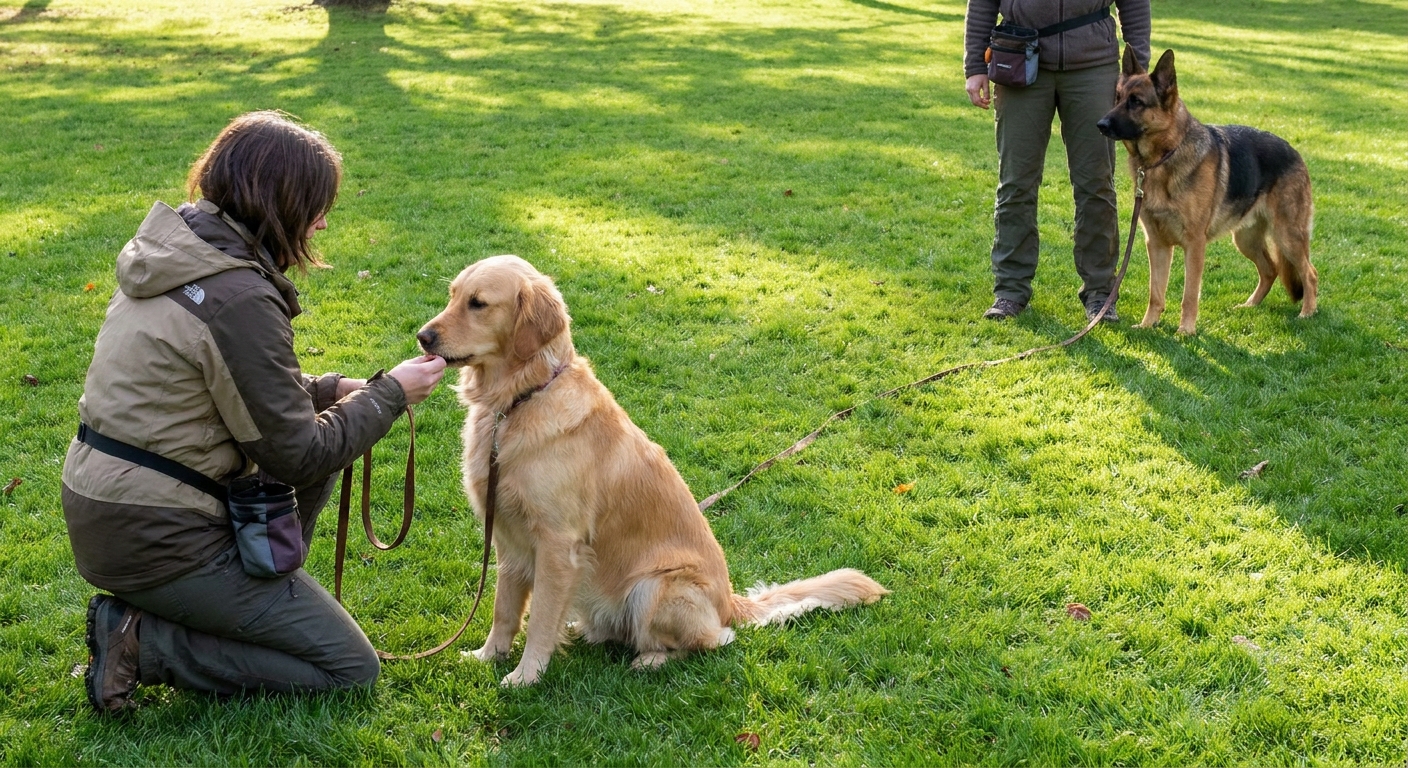
Real progress usually comes from planned practice, not just surviving surprise encounters. If you can team up with a friend who has a calm, neutral dog (or work with a trainer who has a steady “demo dog”), you can run short sessions that rewire your dog’s brain.
Set up the environment
- Pick a wide, open area: empty park, quiet school field, big parking lot edge.
- Keep both dogs on leash with plenty of space.
- Start farther away than you think you need. If your dog is already fixating, you are too close.
Do “Look at That” the friendly way
The basic loop:
- Your dog notices the helper dog at a safe distance.
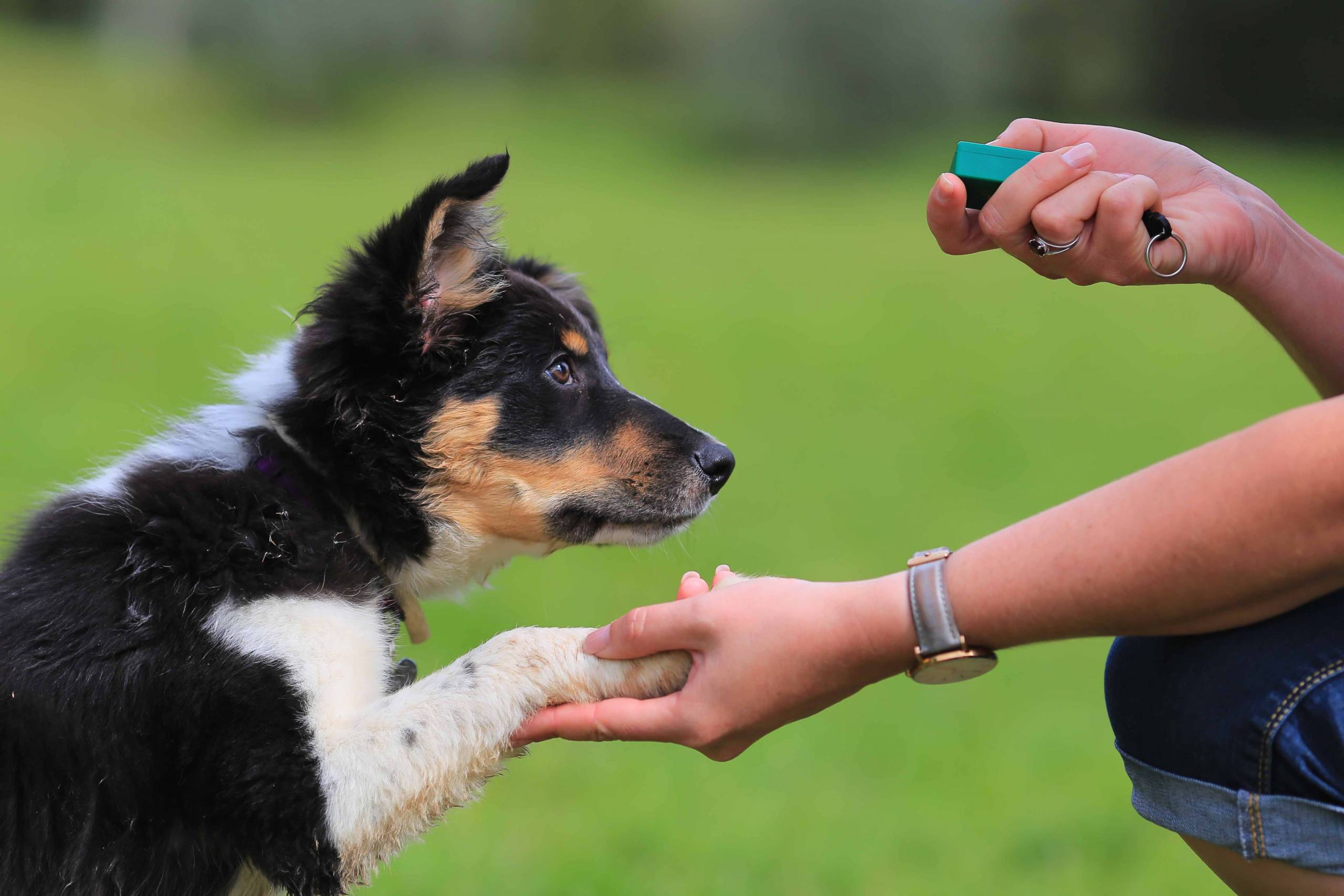
- Mark the moment they notice (the glance, not the stare) with a cheerful marker like “Yes!”
- Immediately feed a treat near your leg so your dog turns back to you to eat.
- Repeat until your dog starts looking at the helper dog and then quickly back at you like: “Dog! Where is my cookie?”
When your dog is staying loose and taking treats easily, you can reduce distance in tiny increments over multiple sessions. If your dog stiffens or stops eating, increase distance again. That is not failure. That is good training data.
Keep sessions short
Think 3 to 8 minutes, then break. Reactive training is mentally exhausting. Several short wins beat one long meltdown every time.
What can make lunging worse
I know the advice out there can be intense: “Correct them,” “Pop the leash,” “Show them who’s boss.” In real life, especially with dogs who are fearful or easily overwhelmed, those tactics can backfire.
Leash yanks and harsh corrections
When you yank the leash, you can add pain or startle right as your dog sees another dog. Many dogs learn: other dogs predict bad things, which can increase reactivity over time. Corrections can also suppress warning signals without changing the underlying emotion, which is not the direction we want.
Yelling or panicked energy
If you are stressed, your dog can pick up on that and become more aroused or tense. A steady, practiced routine (U-turn, treats, move away) gives your dog a predictable path out of the situation.
Forcing greetings
On-leash greetings are often awkward. Dogs cannot move naturally, they feel trapped, and tension travels down the leash. If your dog is already reactive, “making them say hi” commonly increases future lunging because it confirms the interaction is intense and unavoidable.
Walking closer “so they get used to it”
Getting used to something only happens when the dog is under threshold. Repeatedly pushing close enough for explosions is more like practicing the lunging behavior, not fixing it.
Gear that helps
Helpful options
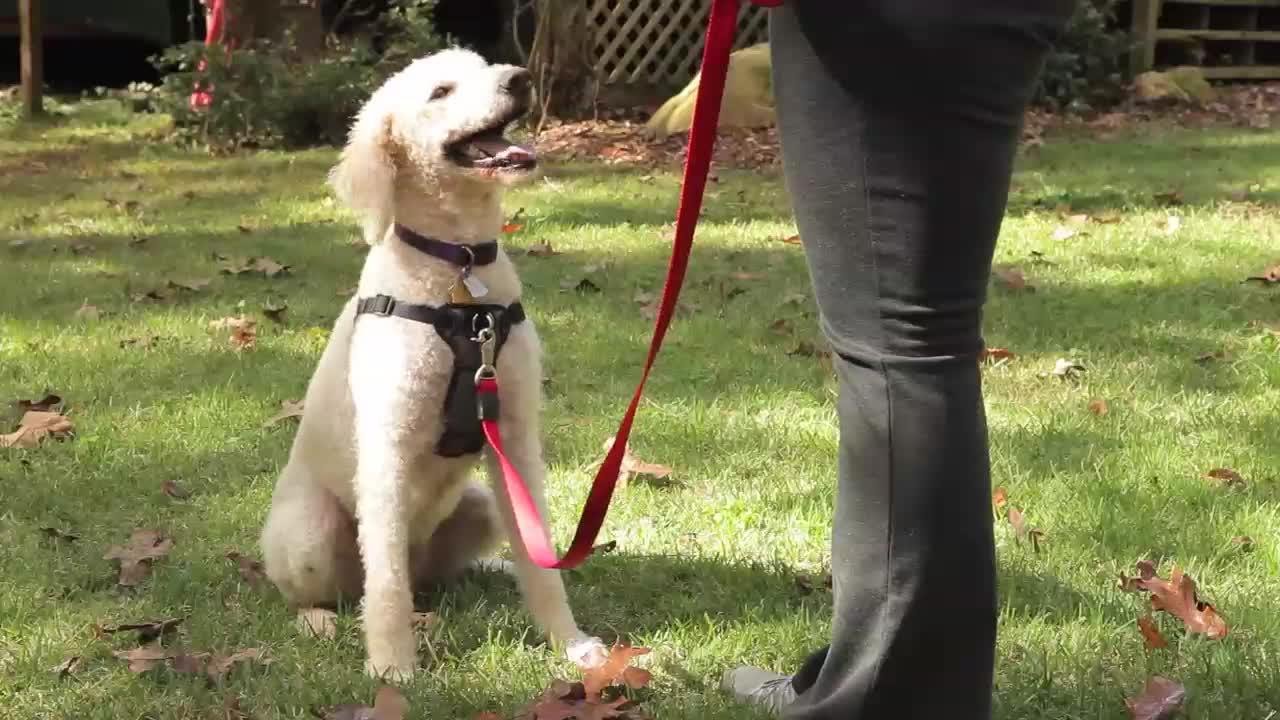
- Front-clip harness: can reduce pulling power and give you more control without choking.
- Sturdy 6-foot leash: long enough for movement, short enough for safety.
- Treat pouch: having food ready matters more than having “perfect timing.”
- High-value treats: soft, smelly options usually work best outdoors.
Use caution
- Retractable leashes: hard to manage around triggers and can increase tension and accidents.
- Prong collars or choke chains: can intensify a negative association with other dogs and increase anxiety for many dogs. If you are using one for safety, loop in a qualified professional to transition to a plan that addresses the emotion underneath.
If your dog has a history of biting or you are worried about safety, talk to a trainer or vet about additional safety layers like muzzle training. A well-fitted basket muzzle can be a calm, humane safety tool when introduced properly.
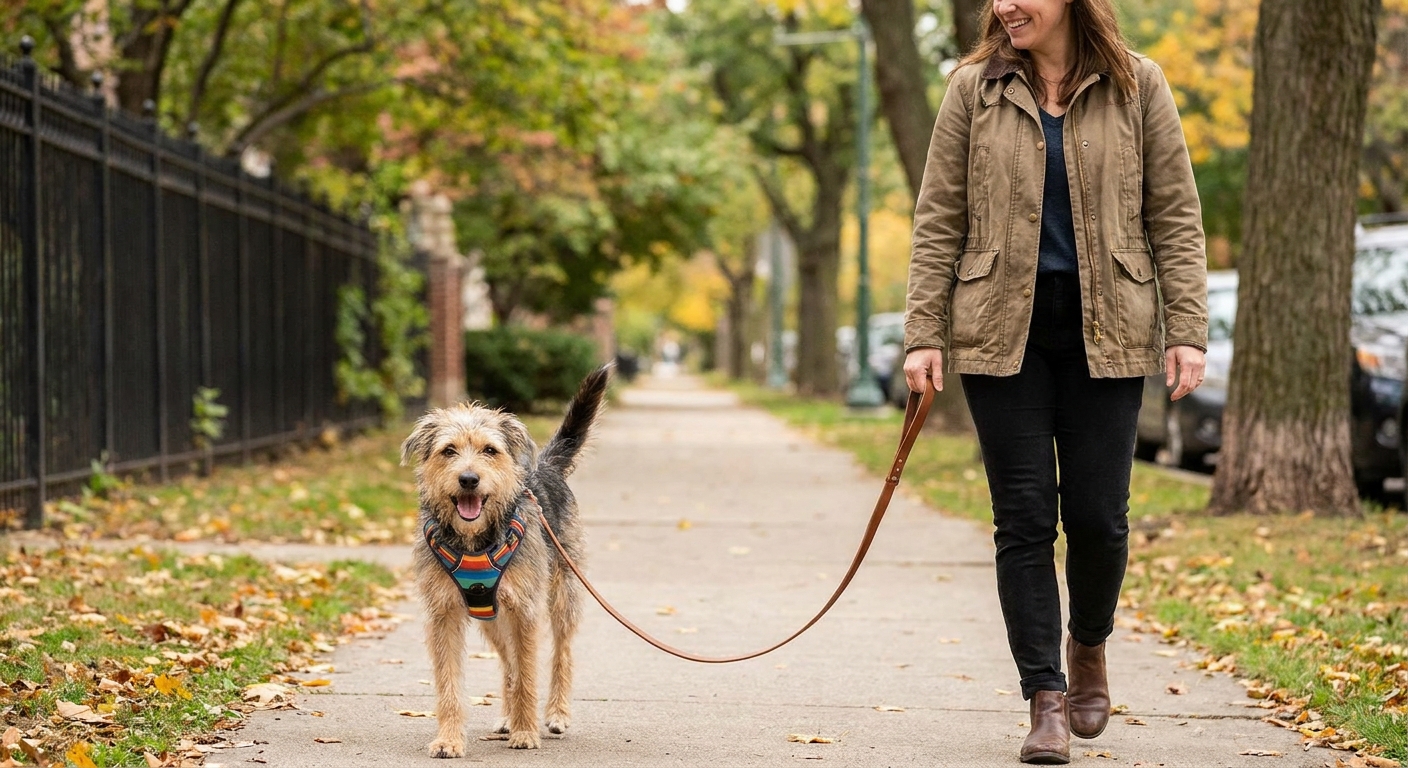
Troubleshooting walk moments
“My dog freezes and will not move.”
Freezing is often the last stop before an outburst. Do not drag. Instead, gently increase distance by making a wide arc away from the trigger and use a treat magnet near your dog’s nose, feeding as you move. If your dog will not eat, you are likely too close. Add more space fast.
“My dog takes treats but still barks.”
That usually means you are near the edge of threshold. Increase distance and switch to find it so your dog has a sniffing job, if it is safe to scatter. Also make sure your treats are truly high value outdoors.
“My dog is fine until the other dog is close.”
That is normal. Many dogs can cope at 40 feet but not 10. Train at the distance where your dog succeeds, then gradually close the gap in later sessions. Progress is not linear.
“We live in a busy area. We cannot avoid dogs.”
Make a management plan while you train:
- Walk at quieter times
- Choose wider routes
- Use parked cars, hedges, and driveways as visual blocks
- Practice U-turns like a reflex
And remember: management is not giving up. It prevents rehearsal of the lunge, which speeds up training.
When to get professional help
Sometimes you can make big progress on your own. Sometimes you need an extra set of skilled eyes, and that is a smart, loving decision.
Get help if:
- Your dog has attempted to bite, has bitten, or you fear they might
- The lunging is escalating quickly
- You cannot create enough distance in your neighborhood to train safely
- Your dog redirects onto the leash or your body during an outburst
- There are signs of anxiety in other areas (panic at home alone, extreme startle, shutdown)
Also loop in your veterinarian if this behavior is new or suddenly worse, especially in adult or senior dogs. Pain, vision changes, hearing loss, or, occasionally, medical issues that affect hormones can all play a role in behavior changes.
Look for a trainer who uses modern, humane methods and can explain their plan in plain language. A good pro will talk about threshold, reinforcement, management, and safety, not dominance or being the alpha.
Mini routine for your next walk
If you only remember one thing, make it this: notice early, create distance, reward calm.
- See a dog: breathe, loosen your shoulders, scan for an exit.
- Before your dog locks in: “This way!” U-turn or cross the street.
- As you move away: treat trail.
- At a safer distance: “Find it!” scatter (if safe), or ask for “watch me.”
- Later: schedule a short practice session with a calm helper dog.
Over time, your dog learns that other dogs predict snacks and choices, not pressure and conflict. That is how you get calmer walks that feel doable again.
FAQ
Is my dog aggressive if they lunge?
Not necessarily. Lunging is a behavior, not a diagnosis. Many lunging dogs are fearful or frustrated greeters. That said, any dog that lunges can cause injury, so treat it seriously and prioritize safety and training.
Should I let my dog say hi to fix it?
Usually no, not as a default plan. If your dog is reactive, greetings are often too intense and can reinforce the cycle. Focus first on calm, controlled exposure at a distance and on building your dog’s ability to disengage.
How long does it take to stop leash reactivity?
It depends on your dog’s history, genetics, and how often they go over threshold. Many families see early improvement in a few weeks with consistent management and practice, with deeper change over a few months. The big sign you are on the right track is fewer explosions and faster recovery.
What if another owner lets their dog approach?
Be your dog’s advocate. Step between, hold your hand out in a stop gesture, and say clearly, “My dog is not friendly, please call yours.” (Even if your dog is friendly, that sentence works.) Then do your U-turn and feed your dog as you leave.