A clear, practical breakdown of canned food vs. kibble, and exactly how to combine them without upsetting your dog’s stomach or overfeeding.
If your dog is carrying extra weight, you are not alone, and you are not a “bad dog parent.” I saw this constantly as a vet tech: loving families, slightly generous scoops, extra treats from well-meaning grandparents, and a dog whose waistline slowly disappeared. The good news is that safe weight loss is very doable with the right numbers, consistent measuring, and a plan that keeps your dog feeling satisfied.
Below is a science-based, real-life approach to helping your overweight dog lose weight safely using diet plans, portion control, and a few habit tweaks that make the whole thing stick.
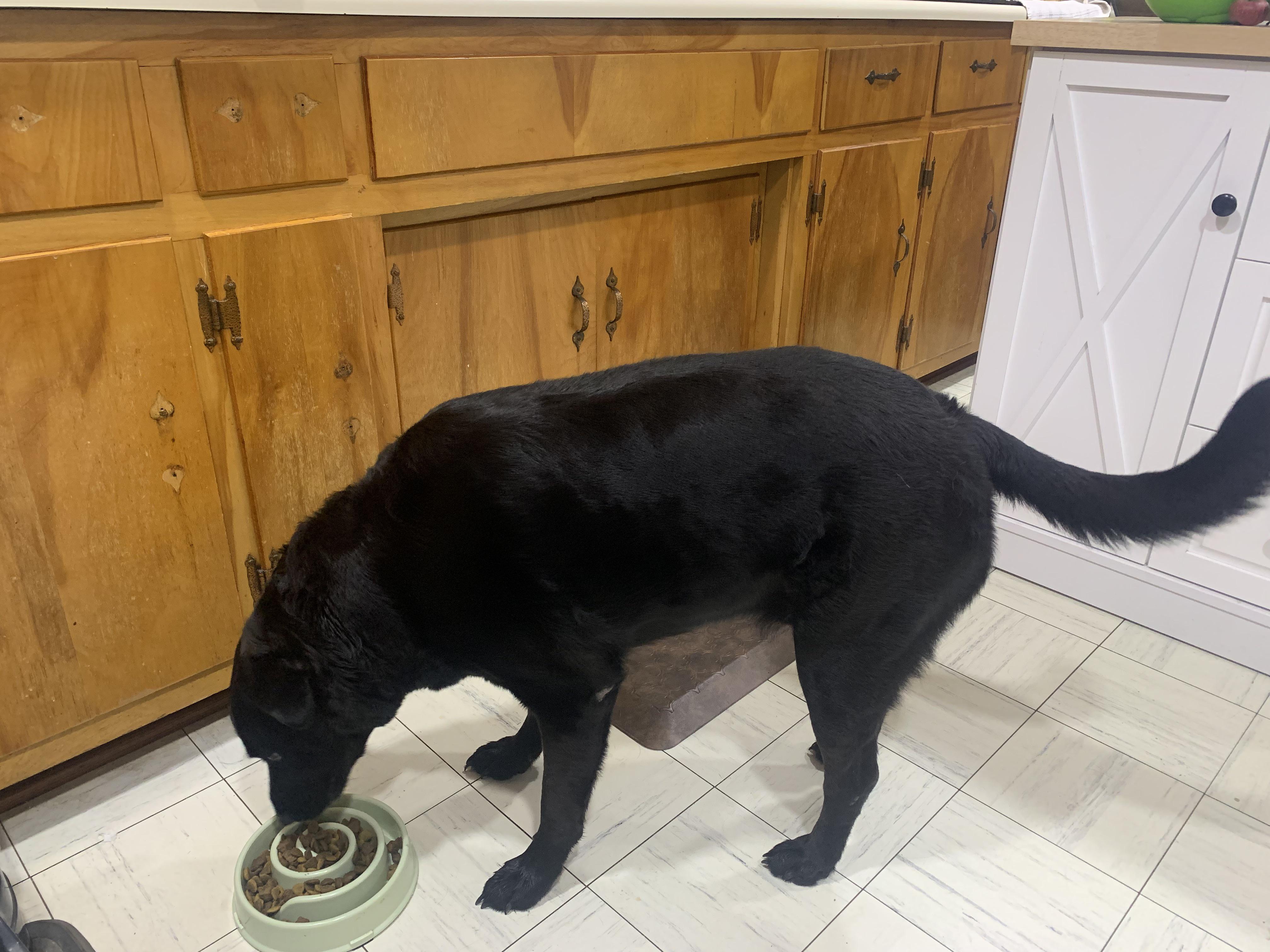
Confirm your dog needs to lose weight
Before you cut calories, it is worth doing a quick body check and looping in your veterinarian, especially if your dog is older, on medications, or has arthritis, breathing issues, or a history of pancreatitis.
At-home body check
- Ribs: You should be able to feel ribs with light pressure, like feeling the back of your hand. If you have to press hard, your dog is likely overweight.
- Waist: Looking down from above, there should be a visible waist behind the ribs. If your dog looks like a coffee table, we have work to do.
- Tuck: From the side, the belly should tuck up behind the ribcage rather than hanging level.
If your dog has a pot belly, sudden weight gain, thinning hair, or low energy, ask your vet about screening for conditions like hypothyroidism or Cushing’s disease. Weight loss plans work best when we are not fighting a medical issue.
Set a safe goal
For most dogs, a safe weight loss rate is about 0.5 to 2 percent of body weight per week. Many vets aim closer to around 1 percent per week and then adjust based on body condition, muscle, and how your dog feels. Faster is not better. Rapid loss can cost muscle, increase food frustration, and can backfire if it triggers GI upset or worsens an underlying health problem.
A realistic goal might sound like: “Lose 1 pound per month” for a small dog, or “Lose 1 to 2 pounds per month” for a medium to large dog. Your veterinarian can recommend a target weight and help you choose an ideal rate for your dog.
Quick gut-check: If your dog is acting weak, seems unusually lethargic, or weight is dropping faster than planned, stop and call your vet.
Calculate daily calories
The most reliable way to start is to estimate your dog’s daily calorie needs using resting energy requirement (RER), then apply a weight loss factor. This gives you a starting point, not a forever number.
Step 1: Convert to kilograms
kg = pounds ÷ 2.2
Step 2: Calculate RER
RER = 70 × (kg ^ 0.75)
Step 3: Pick a starting target
In real clinics, you will see a few approaches. Common starting points include:
- RER based on target weight (often used for very overweight dogs)
- About 70 to 90 percent of RER (using current weight or target weight, depending on the case)
Your veterinarian can help you pick the safest starting point, especially for small dogs, seniors, or dogs with medical conditions.
Worked example
Say your dog weighs 50 lb.
- 50 ÷ 2.2 = 22.7 kg
- RER = 70 × (22.7 ^ 0.75) ≈ 720 kcal/day (rounded)
- A reasonable starting weight loss target might land somewhere around 500 to 650 kcal/day, depending on body condition, activity, and whether your vet uses current or target weight
Important: If your dog is very obese, your vet may calculate based on target weight instead of current weight. That often makes the plan safer and more sustainable.
If math makes your eyes glaze over, that is okay. Many veterinary clinics will calculate a calorie target for you in two minutes. The key is that you have a number to feed, not a vague “a little less.”
Portion control that works
Here is the tough love I say with a treat jar on every counter: eyeballing portions is the fastest way to accidentally overfeed. Measuring cups can also be surprisingly inconsistent because kibble size varies and scoops get heaped.
Best tool: a kitchen gram scale
Weighing food is boring, yes. It is also wildly effective.
- Find your food’s calories per cup or per kilogram on the bag.
- Use the brand’s feeding guide only as a rough reference.
- Weigh your dog’s daily portion in grams, then split it into meals.
If you feed wet food, weigh that too, or measure by can fractions and track total calories.
Reduce portions without chaos
- Start with a 10 percent cut from current measured intake if you do not know current calories, then transition to a true calorie target within a week.
- Split into 2 to 3 meals daily so your dog is not starving by evening.
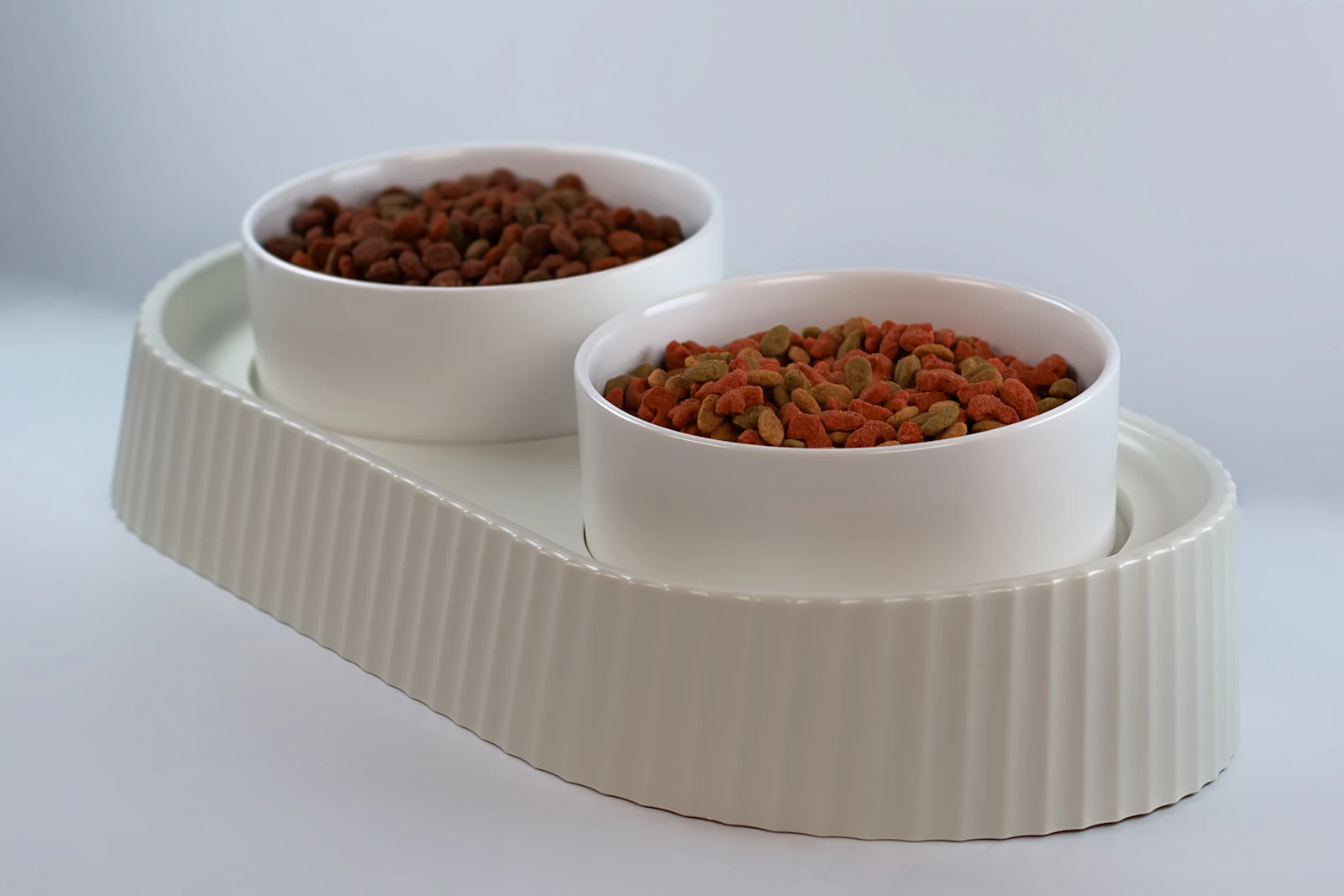
- Use slow feeders or food puzzles to make meals last longer. Longer eating time often reduces begging and scavenging.

Diet options
The “best” diet is the one that hits your dog’s calorie target, meets nutrient needs, and keeps them feeling satisfied. You have a few solid routes.
Option 1: Vet weight diets
If your dog is truly obese, a prescription weight loss diet can be a game changer. These formulas are designed to let dogs eat more volume for fewer calories while staying nutritionally complete. They also tend to have higher protein and fiber to help preserve lean muscle and improve satiety.
Ask your vet which formula is appropriate for your dog’s health history (especially pancreatitis or GI sensitivities).
Option 2: OTC weight management kibble
This can work well for mildly overweight dogs. Look for:
- Protein-forward formulas (higher protein helps preserve muscle during weight loss).
- Moderate fat (fat is calorie-dense).
- Added fiber (helps fullness for many dogs).
Do not assume “light” automatically means fewer calories. Always check calories per cup or per kilogram.
Option 3: Vet-supervised home cooking
Home-cooked diets can be done safely, but “chicken and rice” is not a weight loss plan and it is not complete long term. If you want to cook, work with your veterinarian or a board-certified veterinary nutritionist so your dog gets proper calcium, essential fatty acids, vitamins, and minerals while calories are restricted.
Switch foods gradually
If you change diets, do it slowly over 5 to 7 days (sometimes longer for sensitive dogs). A gradual transition helps prevent diarrhea, vomiting, and a rough start that makes everyone want to quit.
Keep your dog full
Most weight loss struggles are not math problems. They are “my dog acts like they have never eaten in their life” problems. These strategies help your dog feel satisfied while sticking to the plan.
Low-calorie add-ins
- Green beans (plain, no salt or seasoning)
- Pumpkin (plain canned pumpkin, not pie filling)
- Carrots (many dogs love crunchy slices)
- Cucumber or zucchini
Start small to avoid diarrhea, especially with higher-fiber add-ins. If your dog has a history of GI disease, colitis, or pancreatitis, ask your vet before making big fiber changes.
And remember: add-ins still have calories, just fewer. Count them if you are using larger amounts.
Safety reminder: Avoid toxic foods, including onions, garlic, grapes, raisins, and anything containing xylitol.
Smarter treats
Treats are not the enemy, but they are the sneaky calorie leak. Aim for treats to be 10 percent or less of daily calories.
Easy swaps I use with clients:
- Use your dog’s kibble as training treats and reserve “real treats” for harder moments.
- Try single-ingredient treats you can break into tiny pieces (freeze-dried meat is great for this).
- Offer crunchy produce treats like carrot coins if your dog tolerates them well.
Make meals enrichment
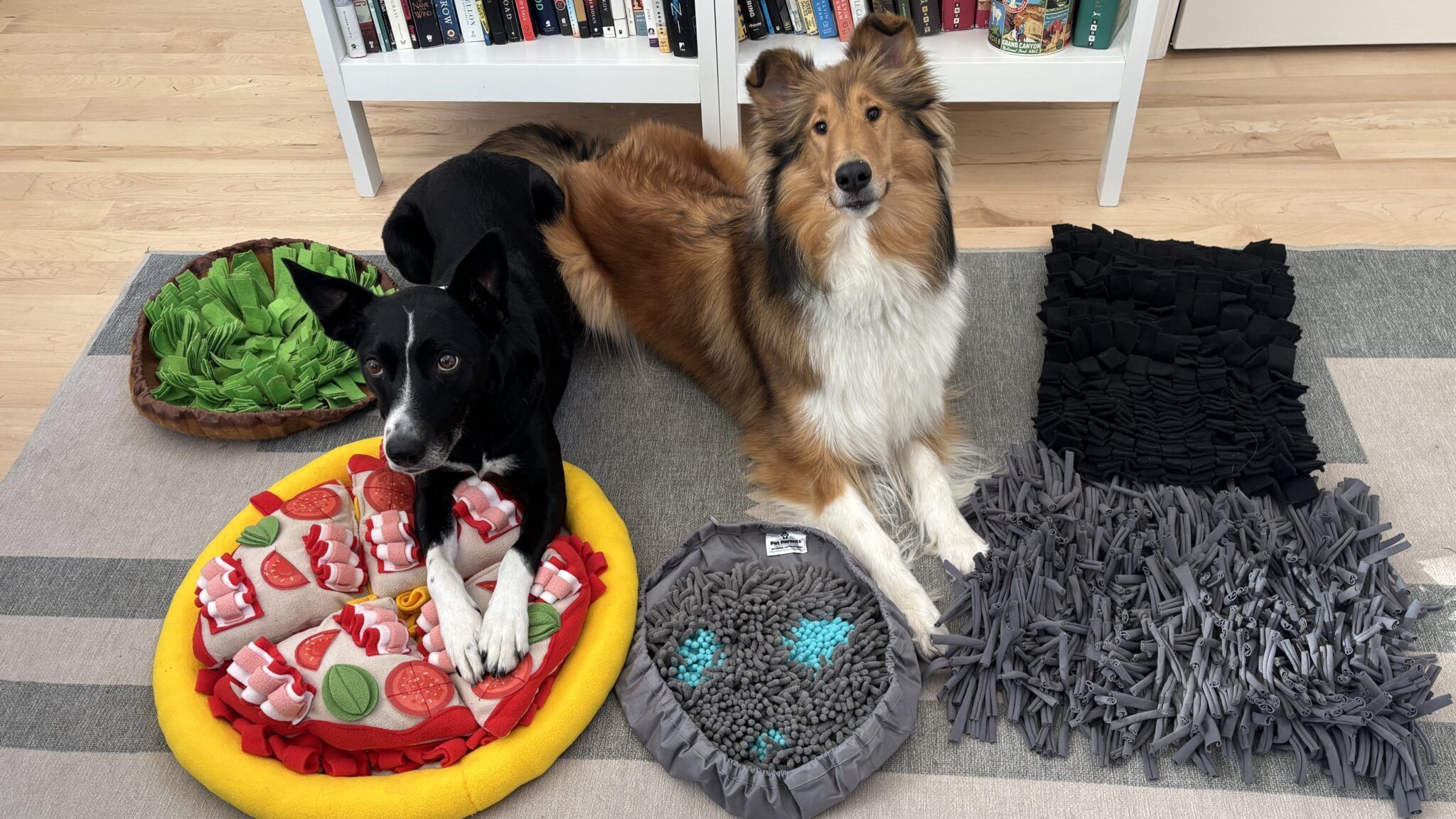
Food puzzles, snuffle mats, scatter feeding in grass, and frozen Kongs can make the same calories feel like more. This also replaces boredom begging with an activity.
Exercise safely
Diet drives weight loss. Movement helps protect joints, preserve muscle, and improve mood. For overweight dogs, the safest approach is low-impact, consistent activity.
Simple movement plan
- Start where your dog is. If they currently do two short potty walks, add 5 minutes to one walk for a week, then build gradually.
- Pick joint-friendly activities: leash walks on level ground, swimming or underwater treadmill if available, gentle hill work only after conditioning improves.
- Use sniff walks. Sniffing can help lower stress and makes walks more satisfying, which reduces food seeking at home for many dogs.
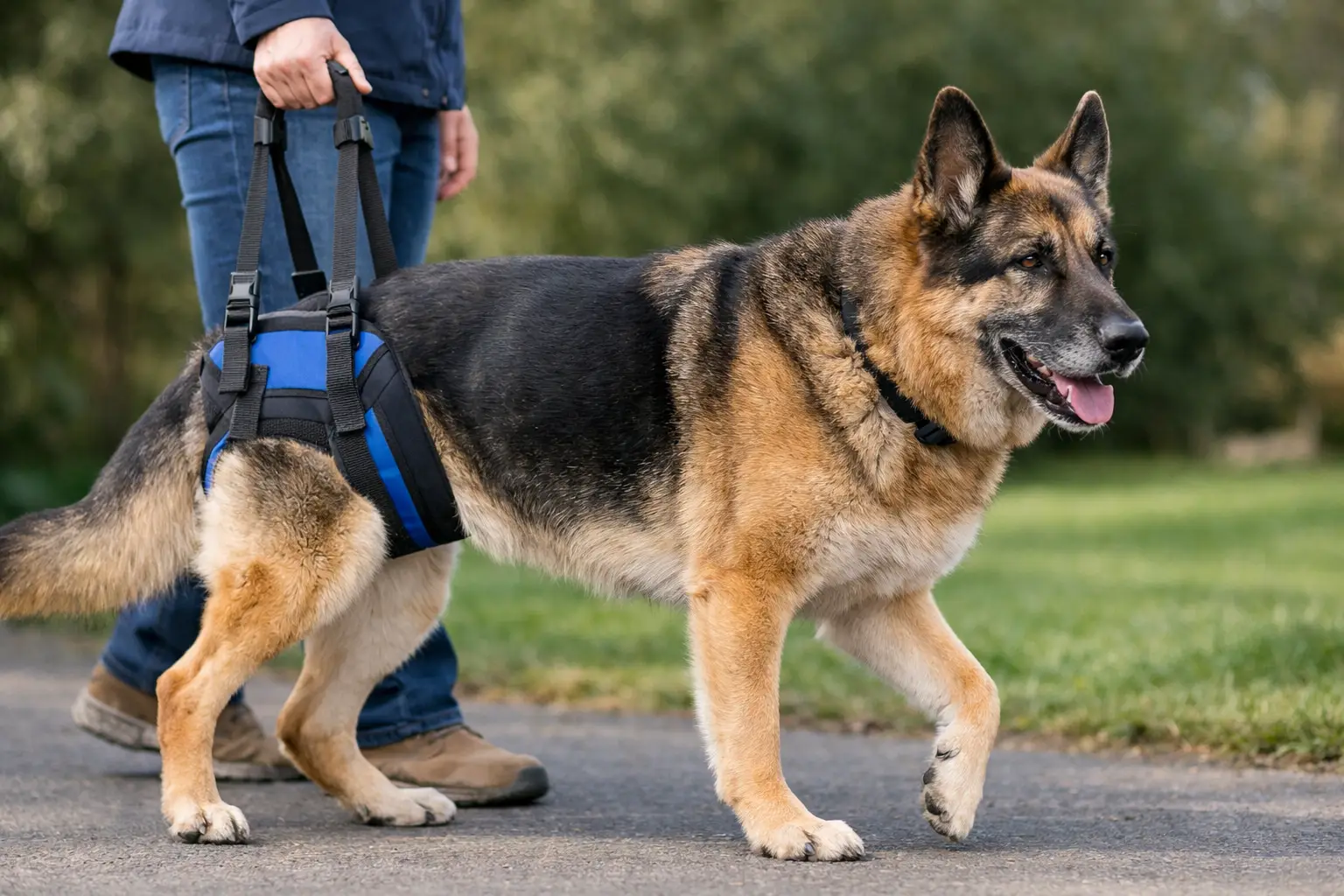
If your dog is limping, slowing down, or reluctant to move, talk to your vet about pain management. Untreated arthritis is a very common reason weight loss stalls.
Track progress
Weight loss should look like a slow trend, not a straight line.
What to track
- Weekly weigh-ins if possible, on the same scale. Many vet clinics will let you pop in for a quick weigh.
- Body photos from above and from the side every 2 to 4 weeks.
- Body condition score changes (waist and rib feel).
- Muscle (watch for a “bony” look along the spine or hips as weight drops). If your dog seems to be losing muscle, ask your vet about muscle condition scoring and whether the plan needs more protein, a slower rate, or a different diet.
- Energy and stamina (often improves before the scale moves much).
When to adjust calories
If your dog is not losing weight after 3 to 4 weeks of consistent measuring and treat control, it is time to adjust. Common fixes:
- Recheck the math and calories per cup on the bag.
- Weigh food instead of scooping.
- Audit treats, chews, dental sticks, and table scraps.
- Reduce daily calories by another 5 to 10 percent, ideally with veterinary guidance.
Hidden calorie traps
- Dental chews and bully sticks: Some are calorie bombs. Count them as food.
- Peanut butter and cheese: High value, high calorie. Use tiny amounts or switch to lower-calorie options.
- Multiple feeders: One person feeds breakfast, another “tops off” later. Create a simple feeding log on the fridge.
- “Just a bite” of human food: A few bites a day adds up fast for small dogs.
- Free-feeding: Grazing makes it nearly impossible to track intake, especially in multi-dog homes.
Special situations
Multi-dog homes
- Feed separately with doors, baby gates, or crates.
- Pick up bowls after 15 minutes.
- Use microchip feeders if one dog is a snack thief.
Dogs who seem ravenous
Some dogs are truly food motivated, and some are stressed, bored, or under-enriched. Before assuming your dog is starving, add:
- More chewing outlets (appropriate, vet-approved chews counted in calories)
- More sniffing and foraging games
- Short training sessions with kibble rewards
Dogs with medical needs
Dogs with diabetes, kidney disease, pancreatitis history, or taking medications like steroids need a veterinarian-guided plan. Do not DIY aggressive calorie cuts for these pups.
14-day starter plan
Days 1 to 3: Measure reality
- Measure everything your dog eats, including treats, chews, and table scraps.
- Buy a kitchen scale if you do not have one.
Days 4 to 7: Set the budget
- Calculate a starting daily calorie target (or ask your vet for one).
- Choose your food approach (vet weight diet, OTC weight formula, or current food with stricter portions).
- Decide on a treat budget: 10 percent of daily calories max.
Days 8 to 14: Lock the routine
- Feed 2 to 3 measured meals daily.
- Replace most treats with kibble from the daily portion.
- Add 5 to 10 minutes of walking per day, or one extra short walk.
- Schedule a weigh-in at day 14 (or day 21 if weighing is difficult).
FAQ
How much should I cut my dog’s food?
Enough to hit a specific calorie target. If you do not know current calories, start by measuring current intake and reducing by about 10 percent while you calculate a true daily calorie goal with your veterinarian.
Is wet food better than dry food?
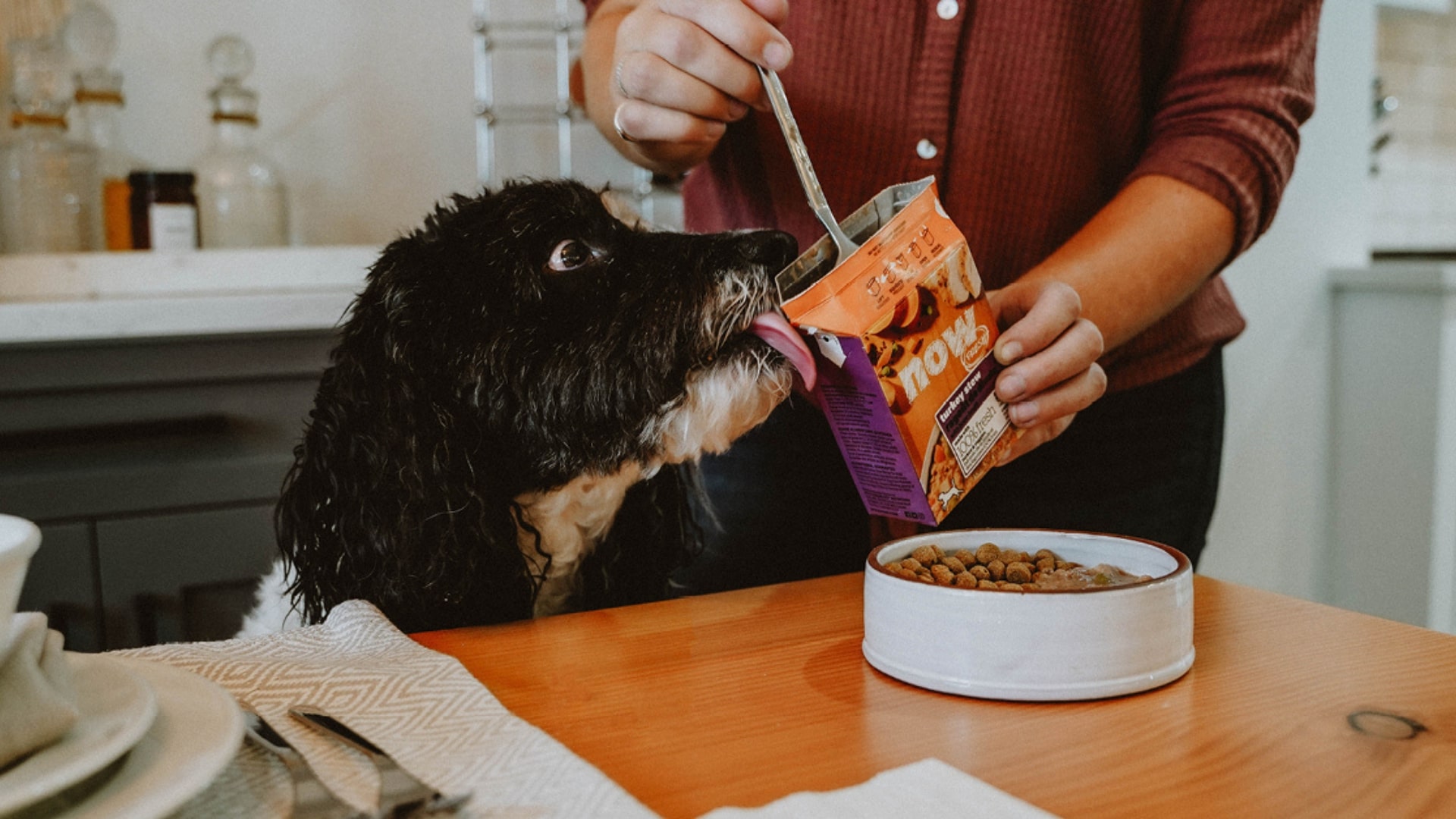
Sometimes. Wet food can be less calorie-dense and may help some dogs feel fuller, but it depends on the formula. The best choice is the one that meets your dog’s nutrient needs while fitting the calorie target.
Can I exercise instead of feeding less?
Exercise helps, but diet changes are usually necessary for weight loss. It is much easier for a dog to eat 200 extra calories than to burn 200 extra calories, especially if they are overweight or sore.
My dog begs constantly. Am I underfeeding?
Not always. Begging can be habit, boredom, or learned behavior. Increase meal enrichment, use slow feeders, and make sure treats are planned and measured. If your dog seems genuinely distressed, talk with your vet to rule out medical issues and review the calorie plan.
When to call the vet
Stop the plan and check in with your veterinarian if you notice vomiting, diarrhea lasting more than a day, refusal to eat, sudden weakness, coughing or breathing changes, or if weight is dropping too quickly.
Weight loss should make your dog feel better, not worse. The goal is a healthier body and a happier, more comfortable life.
For most families, the fastest path to success is a quick vet check, a clear calorie target, and a plan everyone in the household follows. Once you have the number, the day-to-day work is surprisingly simple: measure, track treats, and adjust slowly.