From chilly paws to urgent red flags: learn the common harmless reasons dogs tremble, the signs something is wrong, and exactly when to call your veterinarian.
I grew up in a house where there was always a new foster dog learning the ropes. The big dogs stole the couch and the little dogs stole your heart. But the Chihuahuas and other tiny pups taught me something early: being small does not mean being low-maintenance. They lose heat quickly, their legs are easy to injure in a single jump, and as a former vet tech I saw too many “he just fell off the couch” visits turn into weeks of pain and strict rest.
The good news is that most Chihuahua care issues are preventable with a few smart home tweaks, a steady routine, and handling that treats your dog like a dog, not a toy.
Why Chihuahuas get cold easily
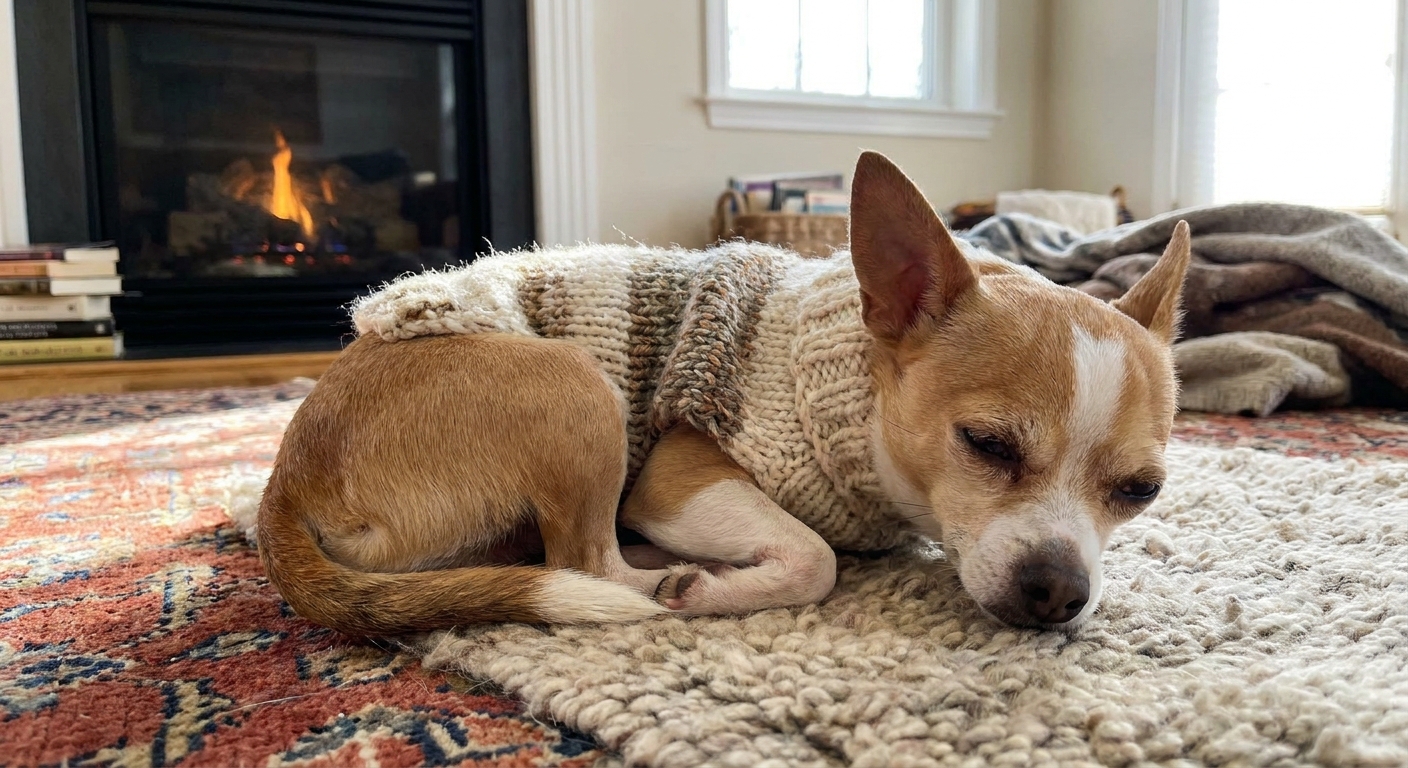
Many Chihuahuas chill fast because of their high surface-area-to-body-weight ratio and their small size. Some also have short or thin coats and not much insulation, especially if they are lean. Add still air, damp fur, or air conditioning, and you can end up with a dog who looks offended by life.
Simple ways to keep your Chihuahua warm
- Set up “warm zones”: a covered bed, a fleece blanket, and a draft-free spot away from doors and floor vents.
- Use clothing thoughtfully: a well-fitting sweater or jacket can help outside and even indoors in winter. Make sure it does not restrict shoulder movement or rub the armpits.
- Keep them dry: towel off immediately after rain or baths. Damp fur chills quickly.
- Short, frequent potty breaks: small dogs often do better with more trips that are quick and calm.
- Skip risky heating: avoid space heaters pointed at beds and never use electric blankets unless your veterinarian specifically okays a pet-safe version and you can supervise.
Shivering: normal chill vs. “call the vet”
Some Chihuahuas shiver briefly when they are cold, excited, or nervous. That is different from shivering that will not stop even after you warm them up and settle them.
Call your vet urgently if you notice:
- Shivering that continues for more than a few minutes after warming
- Weakness, confusion, disorientation, or wobbliness
- Vomiting, diarrhea, or refusal to eat
- Pale gums or a “far away” look
- Labored breathing or open-mouth breathing when resting
Falls and furniture: a common injury trap
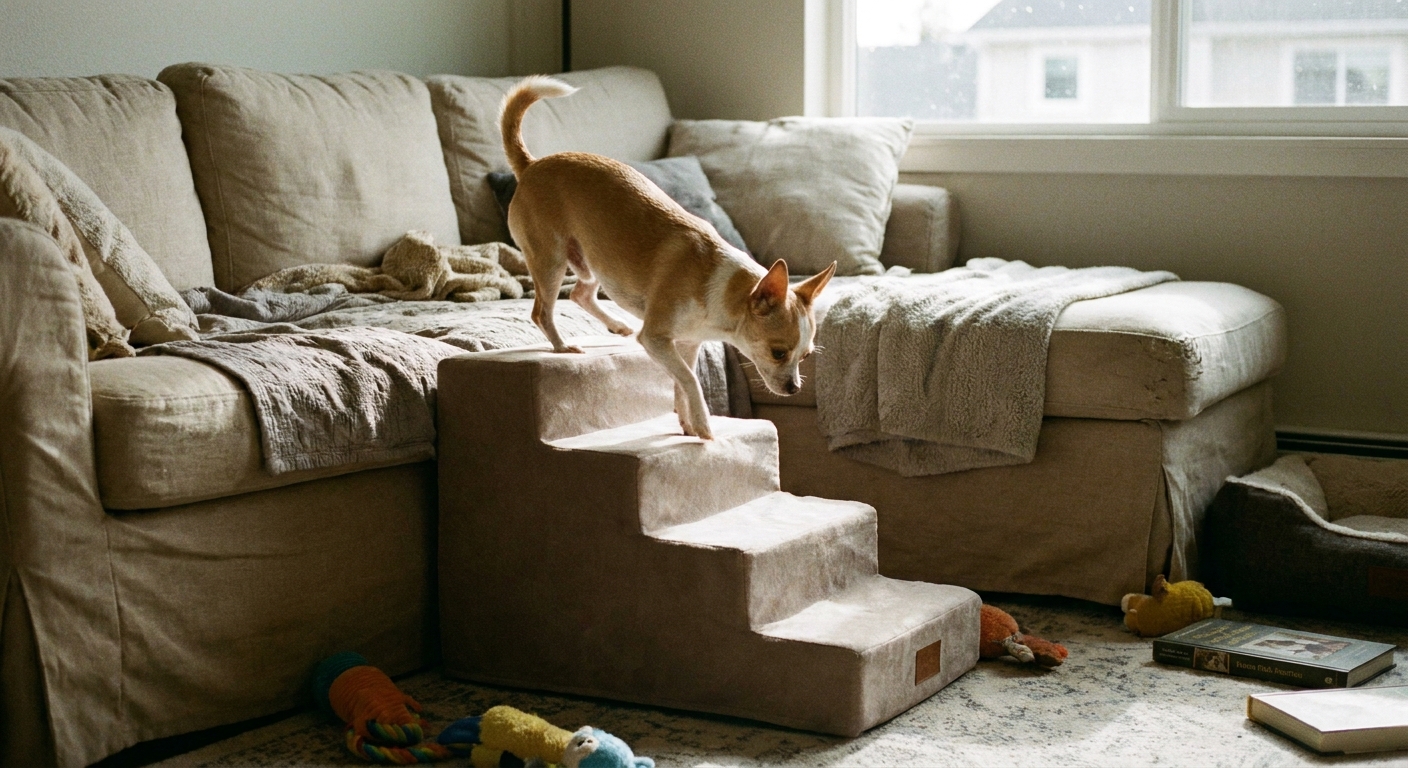
A Chihuahua jumping off a couch can look harmless until you think about it relative to their leg length and body size. For many sofas, that drop is often closer to about 1.5 to 3 feet. A tall bed or a confident launch off an armrest can be higher. Either way, the impact can be a lot for a small frame. I saw plenty of sprains, painful bruises, and broken bones from everyday furniture. Add slippery floors and enthusiastic zoomies and the risk climbs.
How to prevent jumps and hard landings
- Add traction: runners or area rugs on slick flooring, especially along the route from bed to door.
- Use pet steps or ramps: place them at the couch and bed. Train your Chihuahua to use them with treats and praise.
- Block the “launch points”: if your dog insists on jumping, temporarily restrict access with baby gates or by closing doors.
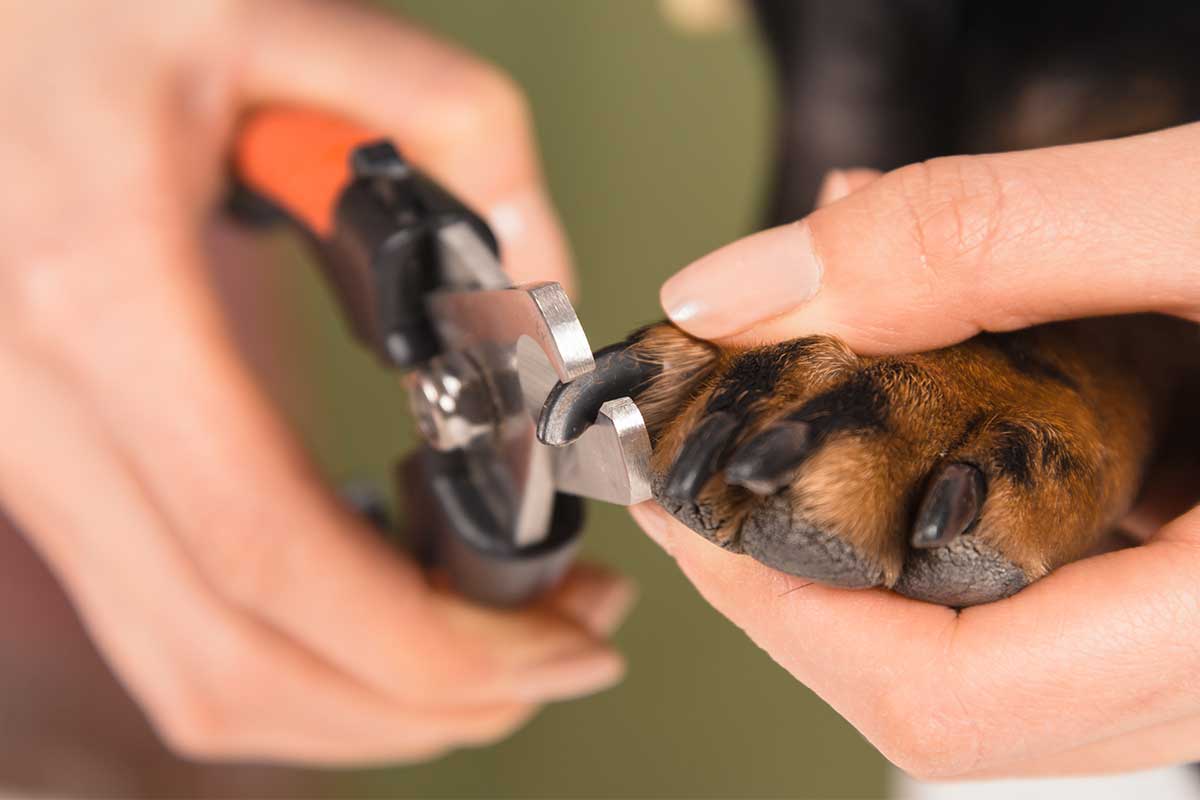
- Keep nails and paw fur tidy: overgrown nails reduce grip and change how the foot lands.
- Hold the leash on outdoor stairs: small dogs can misjudge steps and slip.
Low blood sugar in Chihuahua puppies
Chihuahua puppies are adorable little metabolic speedsters. Their bodies burn fuel fast, and they do not have much energy stored. If a puppy misses meals, gets chilled, plays hard without refueling, or is stressed from a big change, their blood sugar can drop quickly.
This can become an emergency. If you have a Chihuahua puppy, this is one of the most important topics to understand.
Common triggers
- Going too long without eating (especially overnight)
- Stress (new home, travel, too much handling, loud environments)
- Cold temperatures
- Intestinal parasites, illness, vomiting, or diarrhea
- Very small size, especially “teacup” marketed puppies
Warning signs of hypoglycemia
- Sudden weakness, wobbliness, or acting “drunk”
- Shaking or trembling that does not match the environment
- Glassy eyes, staring, or unusual quietness
- Refusing food, trouble waking up
- Collapse or seizures
What to do right now
If your puppy collapses, has a seizure, or cannot swallow safely, go to an emergency vet immediately.
If your puppy is conscious and able to swallow, contact your veterinarian for guidance right away. Many vets will recommend warming the puppy and offering food. In some cases, they may instruct you to rub a small amount of a sugar source (often something like corn syrup or honey) on the gums as a temporary bridge while you travel in, but you should only do this if your vet advises it for your puppy’s situation. Aspiration is a real risk if a puppy is fading or cannot swallow normally.
Do not “wait and see” with a tiny puppy that is fading. Hypoglycemia can escalate fast.
Dental crowding and tooth trouble
Chihuahuas are famous for crowded teeth. Too many teeth in a tiny jaw means plaque builds faster, gums get inflamed more easily, and retained baby teeth are common. Dental disease is not just “bad breath.” It can cause pain, tooth root infections, and may contribute to systemic inflammation over time.
What to watch for
- Bad breath that returns quickly after brushing
- Red or bleeding gums
- Brown tartar along the gumline
- Pawing at the mouth, dropping food, chewing on one side
- Reluctance to eat crunchy food or sudden pickiness
Chihuahua-friendly dental habits
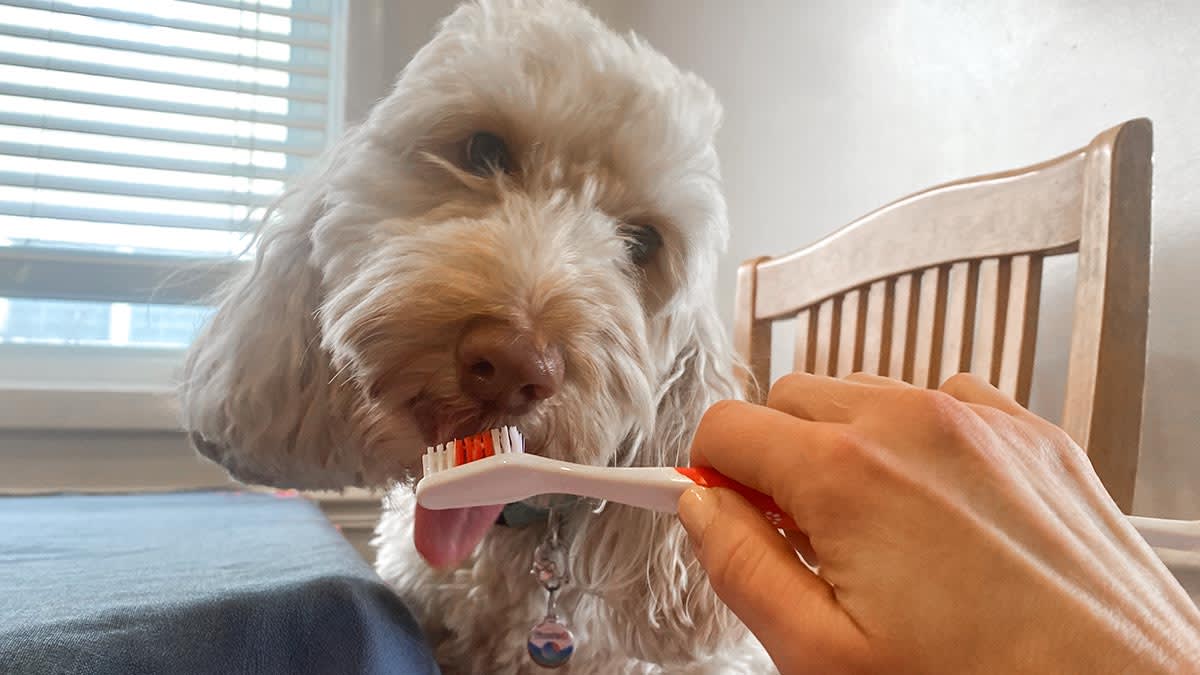
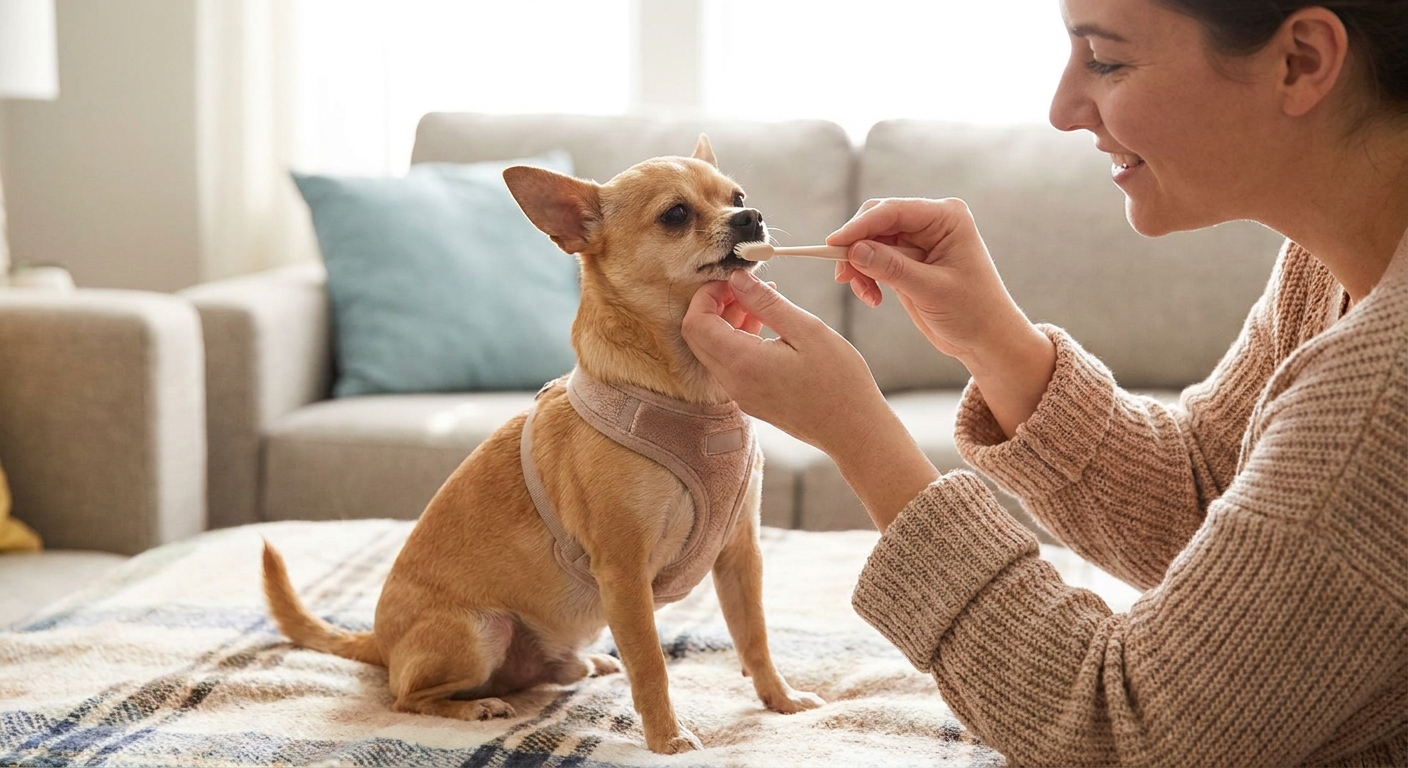
- Brush with dog-safe toothpaste, ideally daily or at least several times a week.
- Book a dental exam early in puppyhood. Your vet will check for retained baby teeth and bite issues.
- Choose dental chews carefully: pick products sized for toy breeds and always supervise. Avoid very hard chews that can crack teeth.
- Plan for professional cleanings: many Chihuahuas need them more often than larger breeds. Your vet can recommend timing based on your dog’s mouth.
Harnesses and delicate throats
One reason I am such a harness person with toy breeds is the throat. Many little dogs are prone to coughing and airway irritation, and some can develop issues like collapsing trachea. A well-fitted harness helps spread pressure across the chest instead of concentrating it on the neck, especially if your Chihuahua pulls or startles on leash.
If your dog honks, coughs, or seems to gag on walks, mention it to your vet. Do not just switch collars and hope it goes away.
Joint and knee protection
Chihuahuas can be prone to orthopedic issues, including patellar luxation (a kneecap that slips). You cannot change genetics, but you can reduce strain. Keeping your dog lean, using ramps, and avoiding repeated launching off furniture can make a real difference in comfort over a lifetime.
Eye safety for little faces
Small dogs can have prominent eyes, and face-first tumbles happen fast. If you notice squinting, tearing, pawing at the eye, cloudiness, or sudden redness, treat it as urgent. Eye injuries can worsen quickly, and early care matters.
Safe handling: tiny dog, real dog
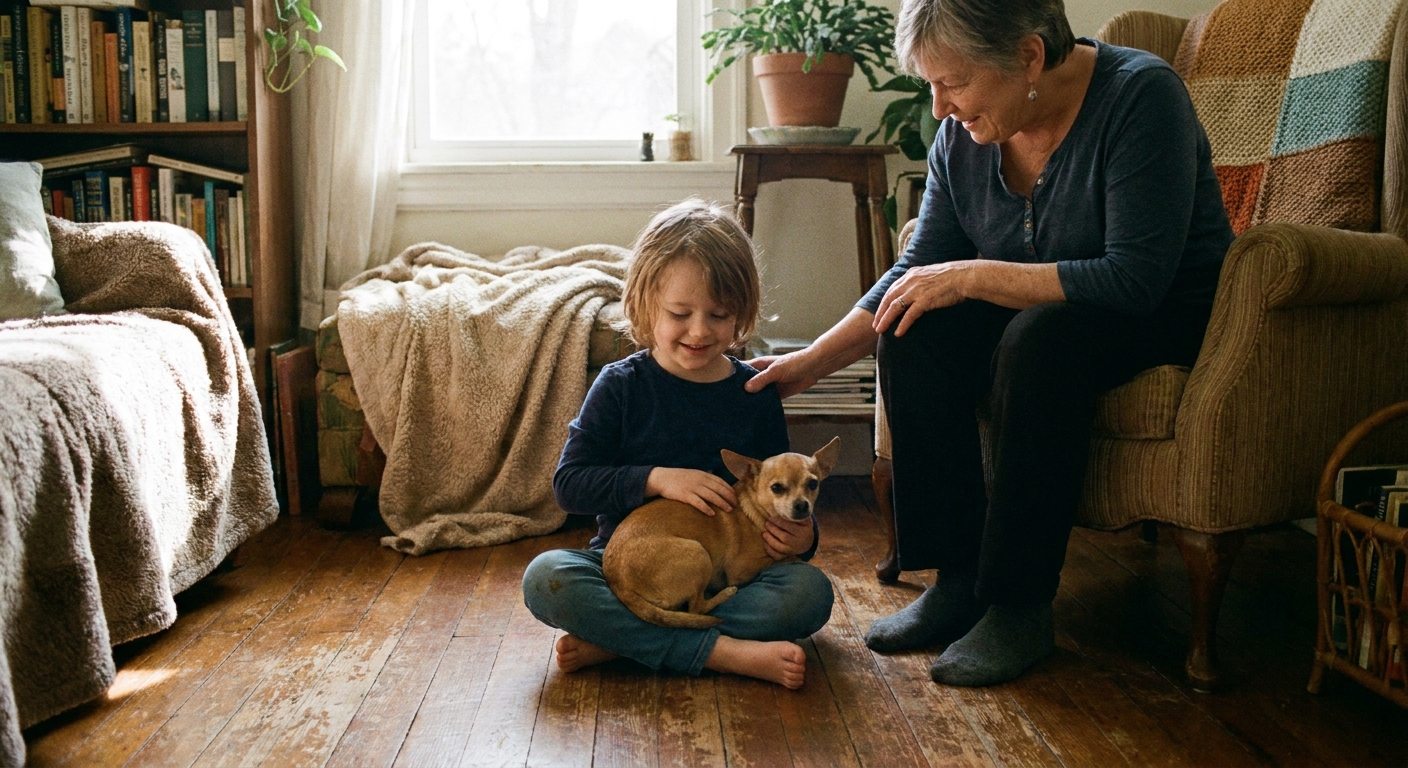
Chihuahuas are small enough to scoop up, but frequent grabbing can make them anxious, snappy, or wiggly in ways that cause falls. The goal is to help your Chihuahua feel secure and to teach kids that this is a living animal with boundaries.
How to pick up a Chihuahua safely
- Support the chest and the rear: one hand under the chest, the other under the hind end.
- Hold close to your body: it helps them feel stable and prevents squirming.
- Move slowly: quick lifts startle small dogs.
- Use a cue: say “up” before lifting so it is predictable.
Rules for children
- No carrying the dog.
- No chasing, cornering, or grabbing.
- Pet with one gentle hand, on the chest or shoulders, not over the head.
- Let the dog walk away. Following is not allowed.
- Dog rests in a “no-kid zone” bed or crate where they are never bothered.
If your Chihuahua growls, freezes, whale-eyes, or tries to hide, that is not “being mean.” That is communication. Step in, give the dog space, and help your child learn respectful interactions.
A simple daily routine for Chihuahuas
Small dogs do best with a predictable rhythm. It supports potty training, reduces stress, and helps prevent issues like skipped meals in puppies. Adjust timing to your household, but keep the order consistent.
Morning
- Potty trip: right away, on leash, to the same spot.
- Breakfast: measured meal, then a short calm period.
- 5 to 10 minutes of training: sits, hand target, leash skills, or “go to mat.” Use tiny treats.
- Short indoor play: tug with a small toy, a few gentle fetch rolls down a hallway, or a sniff game.
Midday
- Potty trip and a brief sniff walk if weather allows, bundled if needed.
- Puppies: additional meals spaced through the day as recommended by your vet.
- Enrichment: a stuffed food toy, a lick mat, or “find it” with kibble tossed in a small area.
Evening
- Potty trip: keep it boring and consistent.
- Dinner: then a quiet digest period.
- Low-impact play: trick training, nose work in the living room, or gentle play with rules. No encouraging couch-launching.
Before bed
- Last potty trip: especially important for puppies.
- Settle routine: blanket, bed, or crate in a warm spot. Many Chihuahuas sleep best when they feel “nested.”
Indoor play ideas that respect tiny joints: scatter feeding on a rug, short training sessions, “touch” games, slow treat tosses across the floor, and supervised playdates with calm, appropriately sized dogs.
When to call the vet right away
With small dogs, problems can look subtle until they are serious. Trust your gut. If something feels off, it is always okay to call.
Urgent warning signs
- Shivering that will not stop despite warmth and rest
- Collapse, extreme weakness, or seizures
- Labored breathing, open-mouth breathing at rest, blue-tinged gums, or coughing with distress
- Leg injury after a jump: limping, holding a leg up, crying out, swelling, or refusing to move
- Not eating for a full day (or much shorter in a young puppy), vomiting, or diarrhea that is repeated or accompanied by lethargy
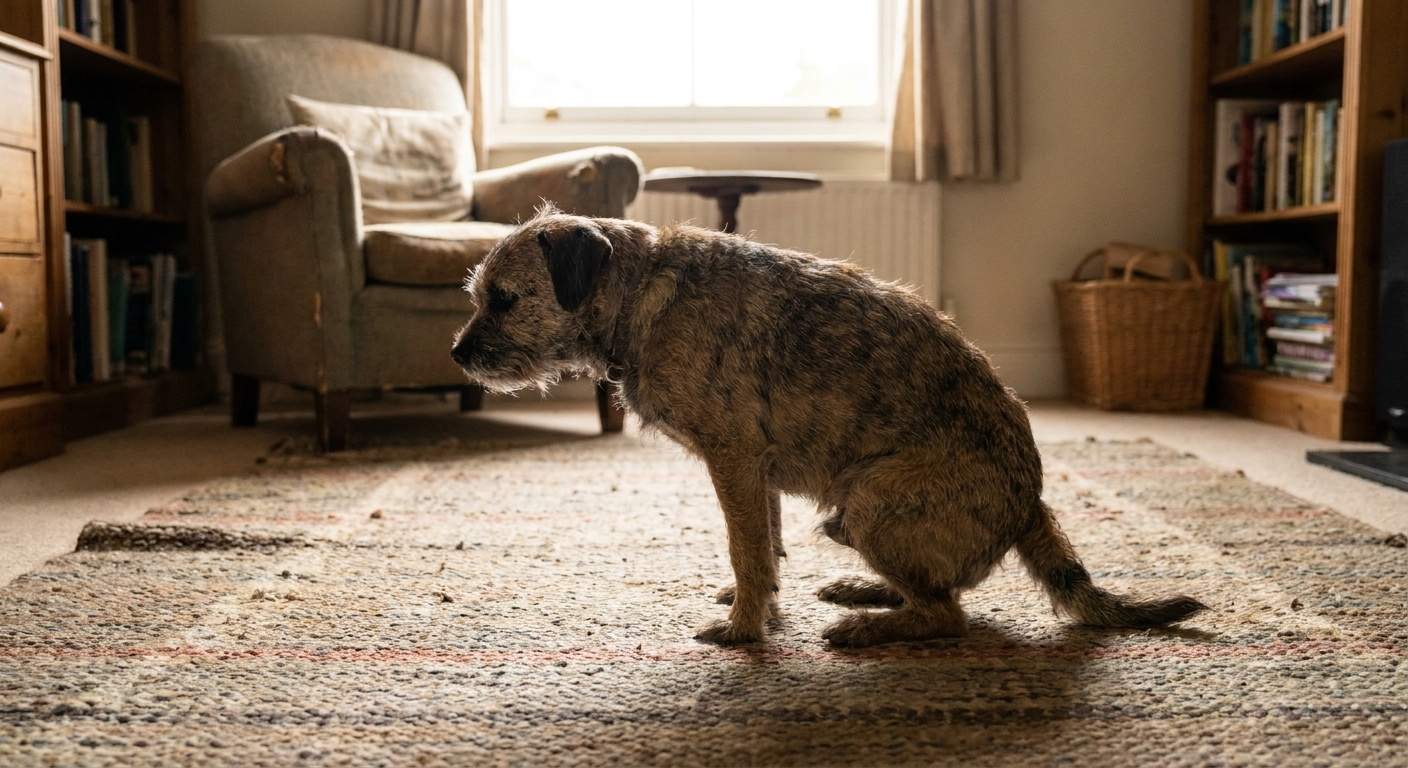
- Signs of pain: trembling, hiding, hunched posture, yelping when touched
- Eye pain signs: squinting, sudden redness, or a cloudy-looking eye
If your Chihuahua is having trouble breathing, collapses, or cannot be roused normally, treat it as an emergency and head in immediately.
Little upgrades that make a big difference
- Harness over collar: many small dogs do better with a well-fitted harness to reduce neck strain.
- Non-slip surfaces: rugs and mats where your dog runs and lands.
- Pet steps: train them early so it is normal, not optional.
- Regular weigh-ins: even small weight changes matter in small bodies.
- Watch treat size: a “small” treat can be a lot of calories for a Chihuahua. Break treats into crumbs and count them.
- Consistent, gentle training: confidence reduces stress-based shaking and helps your dog feel safe in the world.
Chihuahuas are tough, bright little companions when we meet their needs. Warmth, safety from falls, steady meals in puppyhood, and tooth care are the big four. Add throat-friendly gear and joint protection, and your little sidekick can live a very big life.