A vet-tech and dog trainer’s practical guide to the most dangerous human foods for dogs, how they harm the body, warning signs, and immediate steps to take a...
I have lived with enough foster dogs to know this sound by heart: the tiny tag-jingle of a collar when the whole dog is trembling. Sometimes it is nothing more than “I am thrilled you opened the treat jar.” Other times, it is the earliest clue that a dog is hurting, nauseated, or in trouble.
This guide will help you separate normal, harmless shaking from the kinds of trembling that deserve a call or trip to the vet.
Quick check: normal or a problem?
If your dog is shaking right now, start here. You do not need perfect answers. You are just looking for patterns.
More likely normal
- It started during something emotional (visitors, car ride, training session, thunder, fireworks).
- Your dog is alert and responsive, can take treats, and walks normally.
- It stops with warmth or calm (blanket, moving indoors, distance from the trigger, decompression time).
- No other symptoms like vomiting, diarrhea, coughing, limping, or collapse.
More likely a medical issue
- It is new and unexplained, especially if it happens at rest or wakes your dog from sleep.
- Your dog seems painful (tense body, yelps, reluctance to move, panting when it is not hot).
- There are other symptoms (vomiting, diarrhea, drooling, weakness, wobbliness, pale gums, fever, abnormal breathing).
- It does not resolve after a few minutes of settling, or it keeps recurring without an obvious trigger.
- There is possible toxin exposure (edibles, xylitol gum, rat bait, insecticides, certain plants, medications).
When in doubt: take a short video of the shaking and your dog’s walking. That clip is incredibly helpful for your veterinary team.
Common normal causes of shaking
Dogs tremble for the same broad reasons humans do: temperature, emotions, adrenaline, and recovery after exertion. These are the big harmless categories I see most often.
Cold
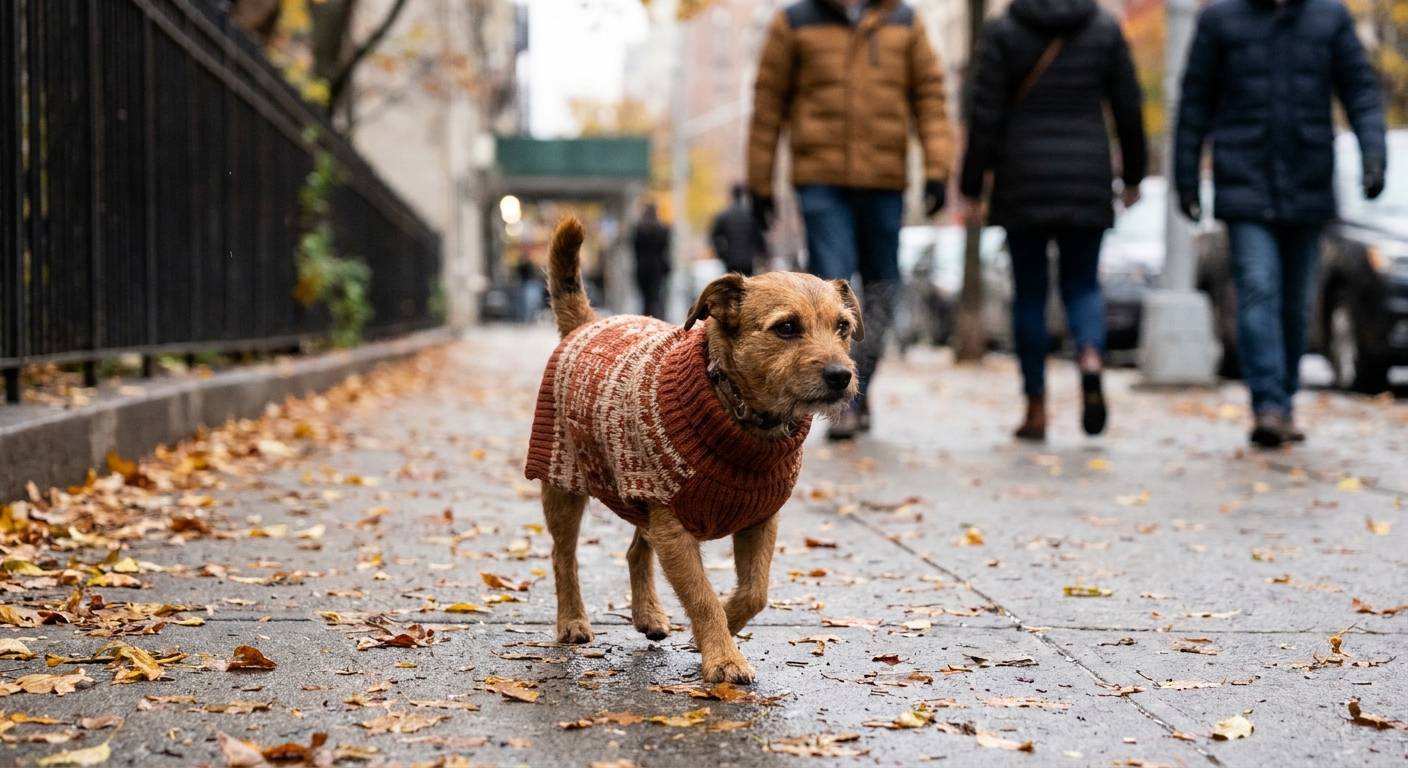
Small dogs, short-coated dogs, seniors, and wet dogs get chilled fast. Shivering is the body’s way of generating heat.
- Clues: cold ears/paws, seeking blankets, curling into a tight ball, shaking improves indoors.
- What to do: dry them off, move to a warm room, offer a blanket, consider a sweater on cold walks.
Excitement or anticipation
Some dogs do a full-body tremble when they are happy and revved up. I call it “joy jitters.” It is especially common around meals, leash time, and greeting favorite people.
- Clues: soft eyes, wiggly body, tail movement, eager behavior, shaking stops once the moment passes.
- What to do: add a quick calming routine, like asking for a sit and feeding a few treats slowly, or using a snuffle mat at mealtime.
Fear, stress, or noise sensitivity
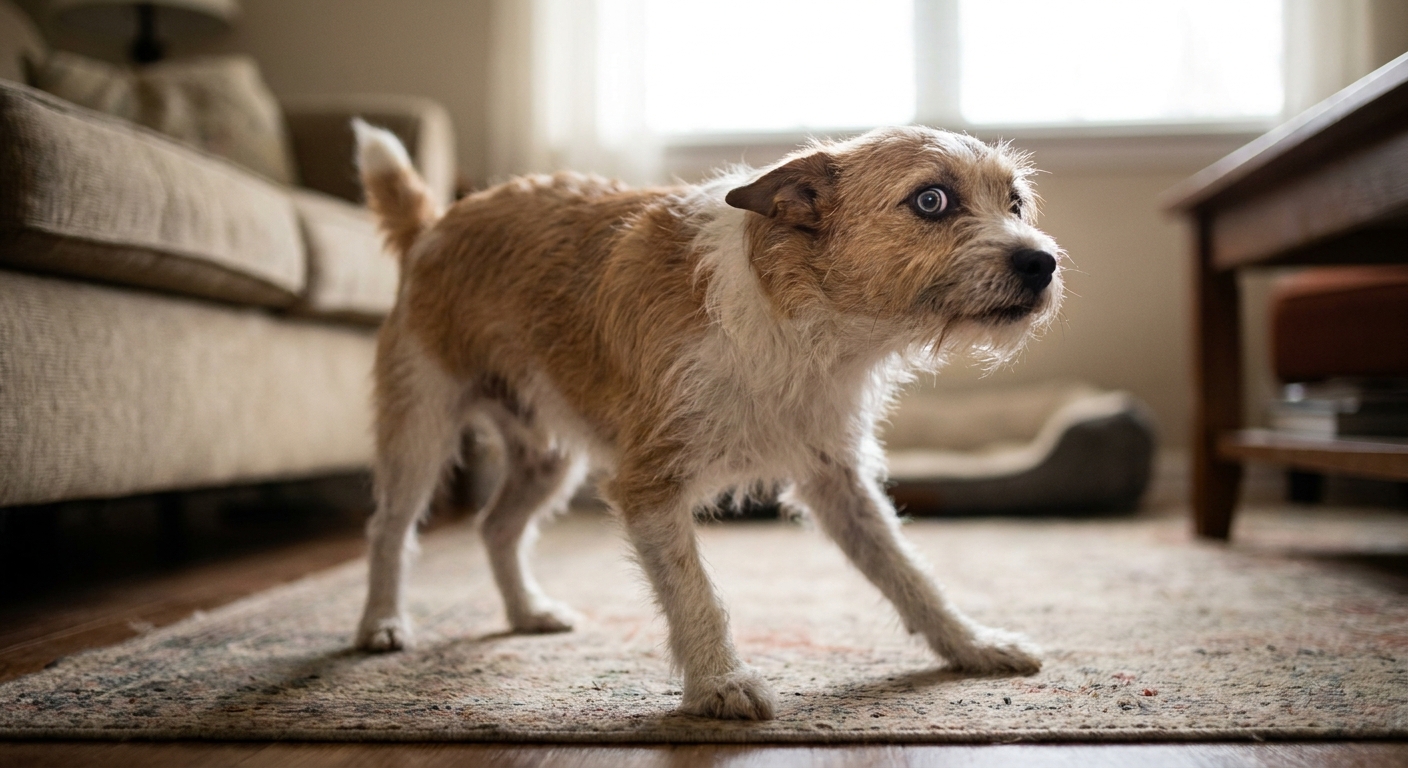
Trembling is a classic fear signal, along with panting, pacing, tucked tail, whale eye, and trying to hide.
- Clues: trigger is present (storms, fireworks, vacuum, new place), shaking worsens as the trigger gets closer or louder.
- What to do right now: move your dog to a quiet interior room, close curtains, play white noise, offer a safe hiding spot, and scatter treats if they will eat.
- Long-term: talk with your vet and consider working with a positive reinforcement trainer for desensitization and counterconditioning.
After exercise (adrenaline and muscle fatigue)
Some dogs tremble after intense play, long hikes, or swimming, especially if they are also cooling down or are a little under-conditioned.
- Clues: happens after activity, dog otherwise acts normal, improves with rest and hydration.
- What to do: offer water, keep them warm, and keep future exercise increases gradual.
Dreaming
Little twitches during sleep are common. Legs may paddle, whiskers may twitch, and the body can tremble lightly.
- Clues: only during sleep, stops when the dog wakes, no confusion afterward.
- What to do: let them sleep. Avoid waking suddenly, especially in anxious dogs.
When shaking can signal a problem
Trembling is a symptom, not a diagnosis. And sometimes causes overlap, too: a dog can be stressed and cold after a bath, or sore and anxious after a long car ride. Below are medical causes that commonly show up as shaking. If any of these sound plausible, a vet visit is the safest move.
Pain (including back, neck, and abdomen)
Pain is one of the most overlooked causes of shaking. Dogs may tremble instead of crying out.
- Common scenarios: slipped disc or back strain, arthritis flare, injury, ear infection, dental pain.
- Clues: reluctance to jump or use stairs, limping, hunched posture, tight tummy, guarding when touched, panting at rest.
- What to do: restrict activity and contact your vet. Do not give human pain meds.
Nausea or stomach upset
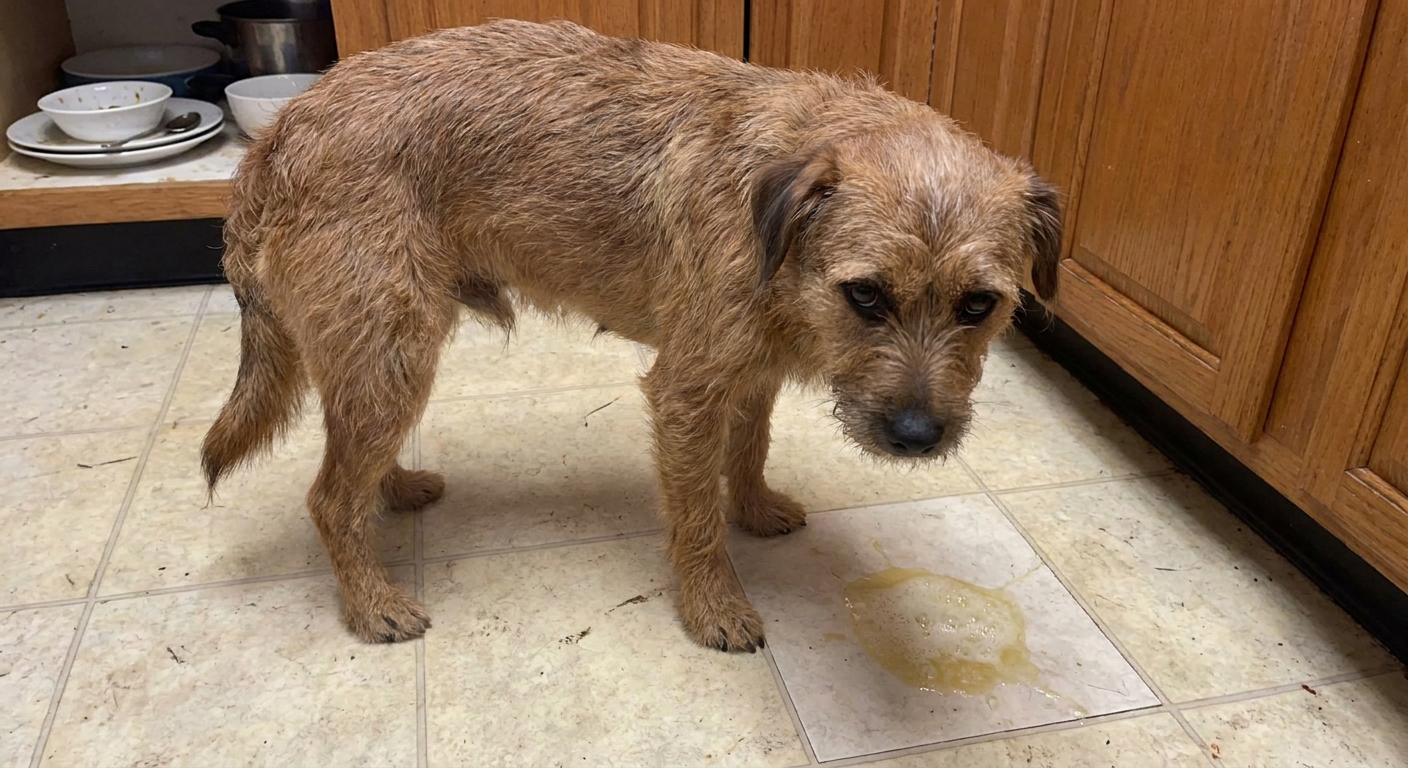
Dogs can tremble when they feel queasy. Sometimes shaking is the first sign before vomiting or diarrhea starts.
- Clues: drooling, lip licking, gulping, repeated swallowing, eating grass, turning away from food, vomiting or diarrhea.
- What to do: call your vet for guidance, especially for puppies, seniors, and small dogs who dehydrate faster.
Poisoning or toxin exposure (urgent)
Many toxins affect the nervous system and cause shaking, tremors, or seizures.
- Clues: sudden onset, agitation or extreme lethargy, drooling, vomiting, uncoordinated walking, abnormal heart rate, seizures.
- Common culprits: THC edibles, xylitol (gum, some peanut butters), rodenticides, slug bait, insecticides, certain mushrooms and plants, human medications.
- What to do: seek urgent veterinary care immediately. If you can, bring the packaging or take a photo of the ingredient list.
Fever or infection
Shivering can happen with fever the same way it happens in people. The catch is that you cannot reliably diagnose a fever by touch. Ear warmth is not enough. Fever is confirmed with a thermometer and proper technique, so if you suspect it, call your vet for instructions.
- Clues: lethargy, decreased appetite, coughing, nasal discharge, painful body, recent surgery or wounds.
- What to do: call your vet. Avoid giving fever reducers meant for humans.
Neurologic issues (tremor disorders, seizures)
Not all shaking is “just shaking.” Some tremors are neurologic, and seizures can look subtle at first.
- Clues your dog may be having a seizure: loss of awareness, stiffening, paddling, jaw chomping, drooling, urinating, confusion afterward.
- Clues of a tremor disorder: rhythmic shaking that does not stop with comfort, head bobbing, wobbliness, episodes that recur. One example your vet may mention is generalized tremor syndrome (sometimes called “shaker syndrome”), which still needs a diagnosis and treatment plan.
- What to do: record video if safe, keep your dog from falling, and call your vet promptly. If a seizure lasts longer than 5 minutes, or your dog has repeated seizures (cluster seizures), it is an emergency even if each episode is shorter.
Metabolic problems (low blood sugar, kidney or liver disease)
Shaking can occur when the body chemistry is off. Small puppies and toy breeds are especially prone to low blood sugar.
- Clues: weakness, wobbliness, collapse, vomiting, increased thirst or urination, bad breath, pale gums.
- What to do: urgent evaluation is recommended, especially for puppies and tiny dogs. Do not try to “correct” low blood sugar at home unless your vet tells you exactly what to do and how much to give.
Medication side effects or product reactions
Shaking can also happen after starting a new prescription, changing a dose, or using a topical product. I have seen dogs tremble after getting into something they should not, but I have also seen it after well-intended treatment mistakes, like using the wrong weight range of flea and tick prevention.
- Clues: shaking starts within hours to days of a new medication, supplement, or topical flea/tick product, or after accidental double-dosing.
- What to do: call your vet promptly and bring the packaging (or a photo of the label) to your appointment.
Age-related issues
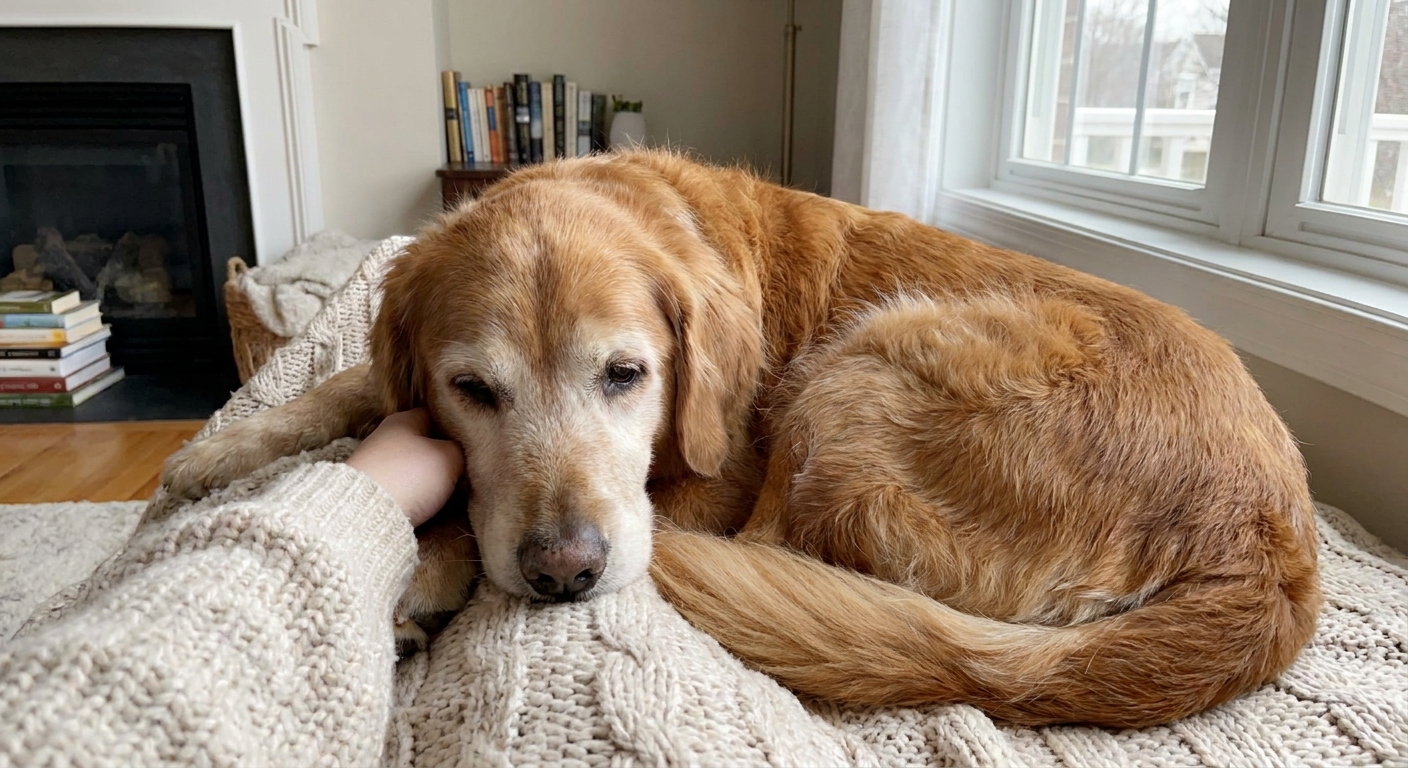
Seniors may tremble from arthritis, muscle weakness, cognitive decline, or chronic disease. “Old age” itself is not a diagnosis, but it can make underlying problems more noticeable.
- Clues: stiffness, slower rising, reluctance to move, nighttime restlessness, new accidents in the house.
- What to do: schedule a checkup and discuss pain control, joint support, and baseline bloodwork.
Urgent vet now: red flags
Call an emergency vet or go in immediately if your dog is shaking and any of the following are true:
- Possible poisoning or they could have eaten something unsafe.
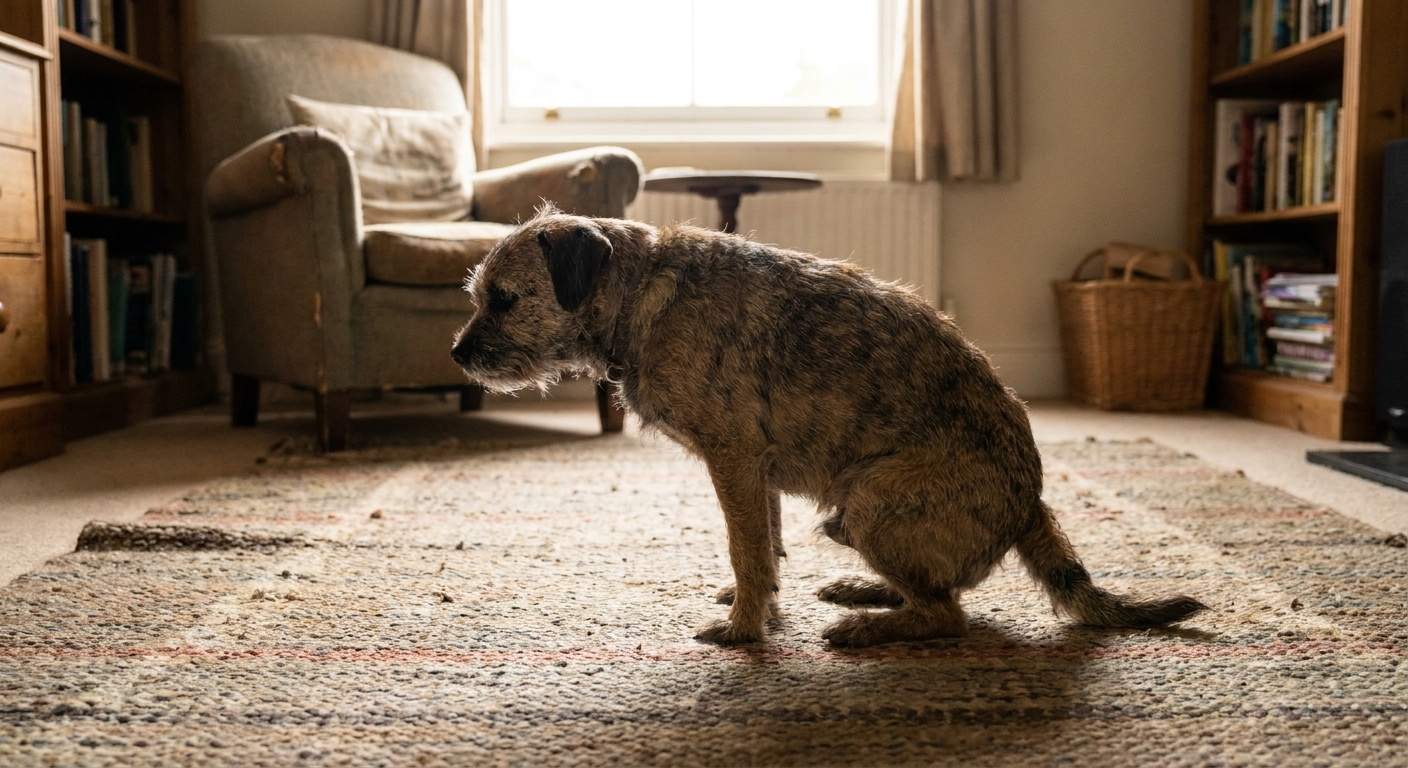
- Repeated vomiting, vomiting with blood, or severe diarrhea.
- Weakness, collapse, or trouble standing.
- Uncoordinated walking, head tilt, or severe disorientation.
- Seizure activity, loss of awareness, or multiple seizures close together.
- Difficulty breathing, blue or very pale gums, or rapid breathing at rest.
- Bloated, hard abdomen or unproductive retching, especially in large, deep-chested dogs.
- Shaking plus obvious pain like yelping, a very tense body, or refusing to move.
- Puppies, very small dogs, or seniors who are shaking and not acting like themselves.
What you can do at home
If your dog is stable and alert, these steps can help you gather useful info and keep them comfortable. If you see red flags, skip to urgent care.
1) Check the basics
- Temperature and environment: Are they wet, in AC, or outside in cold weather?
- Trigger check: Any loud noises, visitors, vet visit, car ride, new dog, or stressful event?
- Recent meds or topicals: Any new medication, supplement, or flea/tick product, or any chance of a dosing mix-up?
- Body scan: Any limping, yelping, swelling, or tenderness?
2) Offer calm and warmth
Move to a quiet room, dim the lights, and offer a soft bed or blanket. Gentle pressure can help some dogs, but never force cuddling if they are trying to move away.
3) Offer water, and food only if appropriate
If your dog might be nauseated, do not push a big meal. For tiny breeds or puppies that seem weak, contact a vet quickly because low blood sugar can become serious fast. Unless your vet specifically instructs you, do not improvise with sugar fixes.
4) Take a short video
Capture:
- the trembling up close for 10 to 20 seconds
- your dog walking a few steps
- their face, eyes, and posture
5) Do not give human medications
Many human pain relievers and cold medicines are dangerous for dogs. If you suspect pain, fever, or poisoning, call a veterinary professional for specific instructions. And do not take your dog’s temperature unless you have been shown how to do it safely.
Shaking vs. tremors vs. seizures
These terms get used interchangeably online, but they can mean different things.
- Shivering: often related to cold or emotion. It can stop when the dog warms up or calms down.
- Tremors: rhythmic muscle movements that may persist even when the dog is calm and warm. Causes range from mild to serious.
- Seizures: abnormal brain activity. Some are dramatic, but others are subtle. Confusion or “not quite there” behavior during or after is a big clue.
If you are unsure which you are seeing, a video is the fastest way to help your vet sort it out.
Frequently asked questions
Why is my dog shaking at night?
Nighttime shaking can be anxiety, pain that is worse at rest (arthritis or back pain), nausea, or cognitive changes in seniors. If it is new, frequent, or comes with pacing, panting, accidents, or confusion, schedule a vet visit.
Why is my dog shaking after grooming or a bath?
Many dogs tremble from being cold when their coat is wet, or from stress if the experience was overwhelming. Warm them up, offer a calm decompression break, and consider fear-free grooming strategies next time like short sessions, lick mats, and cooperative care training.
My dog is shaking and panting. Is that anxiety?
It can be anxiety, but panting plus shaking is also a common pain pattern. Look for stiffness, reluctance to lie down, hiding, or sensitivity to touch. If there is no obvious stress trigger, call your vet.
My dog is shaking and not eating. What should I do?
Shaking plus reduced appetite often points to nausea, pain, fever, or another illness. If your dog also seems lethargic, vomits, has diarrhea, or is a puppy or senior, it is safest to contact your veterinarian the same day.
Can certain breeds shake more?
Yes. Small and toy breeds can shiver more from cold and excitement. Some dogs also have breed-related predispositions to neurologic issues. Regardless of breed, a sudden change from your dog’s normal is worth checking out.
If you remember one thing
Context matters. Shaking tied to cold, excitement, or a clear stress trigger that resolves with comfort is often normal. Shaking that is unexplained, keeps returning, or shows up with vomiting, weakness, wobbliness, pain, or toxin risk should be treated as a medical problem until proven otherwise.
And truly, you are not “overreacting” by calling your vet. I have seen too many dogs surrendered for behaviors that were really discomfort. Asking early is one of the kindest things you can do.