A practical guide to joint supplement ingredients for older dogs, how to choose a quality product, omega-3 dosing targets to ask your vet about, and when to ...
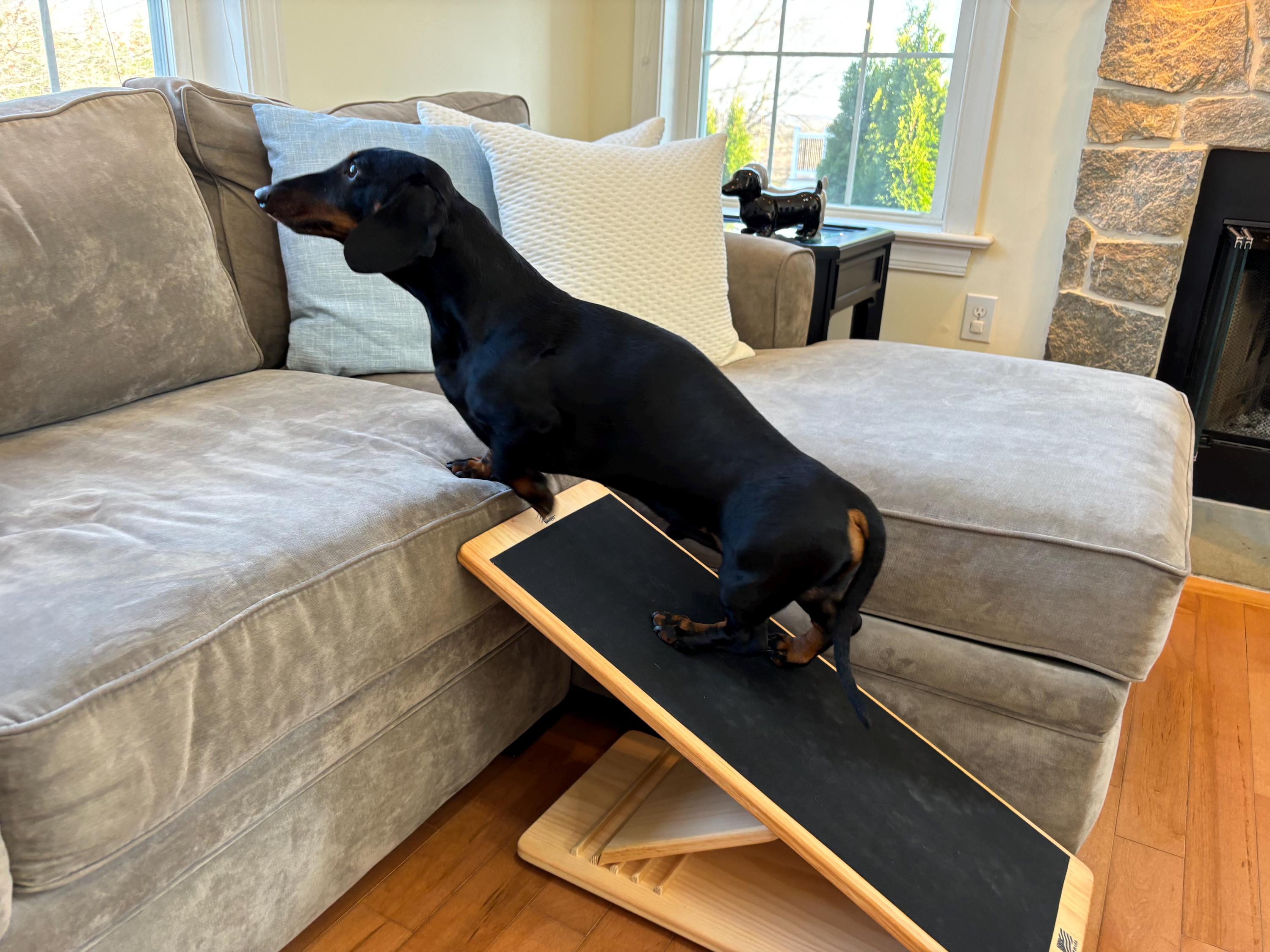
Dachshunds are basically tiny comedians with big opinions, and I adore them for it. But if you share your life with a senior Doxie, you already know the not-so-funny part of the breed: that long back on short legs is adorable and also mechanically vulnerable.
This guide focuses on what makes the biggest difference for aging Dachshunds: keeping them lean, changing the home environment to reduce spinal strain, building a safe movement routine, and choosing supplements thoughtfully. If you take nothing else away, take this: weight control plus jump prevention is a powerhouse combo for protecting the spine.
Quick note: This is educational, not a substitute for veterinary diagnosis or treatment. With IVDD, timing matters, so when in doubt, call your vet.
Why seniors are higher risk
IVDD stands for intervertebral disc disease. In plain terms, it means the cushioning discs between the vertebrae can degenerate and bulge or rupture, pressing on the spinal cord. Dachshunds are a top-risk breed because of their body shape and genetics.
As dogs age, we commonly see a double whammy:
- Back vulnerability from disc changes and repeated wear-and-tear.
- Joint pain and arthritis in hips, knees, elbows, and the spine itself.
When something hurts, many Dachshunds move differently to compensate, which can strain other areas. The goal is to keep your dog moving comfortably and safely, without high-impact activities that load the spine.
Red flags: call your vet
I’m very pro “trust your gut” with Dachshunds. If something looks off, call. IVDD can progress quickly, and early treatment matters.
Urgent IVDD signs
- Yelping when picked up or when changing positions
- Shivering or trembling that seems pain-related
- Hunched posture, tight belly, reluctance to move
- Neck pain signs: holding the head low or high, reluctance to turn the head, crying when lowering the head to eat or drink
- Wobbly gait, crossing legs, knuckling over paws
- Dragging a paw, scuffing nails, or sudden nail wear (can be neurologic)
- Weakness in rear legs, trouble standing
- Loss of bladder or bowel control
- Inability to walk
If your Dachshund suddenly can’t walk, is dragging limbs, or loses bladder control, this is an emergency. Limit movement, keep them supported, and get to an emergency vet right away.
Subtle “something hurts” clues
- Less enthusiasm for walks, slower pace
- Hesitating before stairs or jumping, or refusing entirely
- New grumpiness when touched, especially near the back end
- Licking paws, wrists, or joints
- Difficulty settling or frequent position changes at night
What to do on the way to the vet
- Restrict movement: carry, do not let them “walk it off.”
- Use a crate or sturdy box for transport if possible, with rolled towels/blankets to prevent sliding.
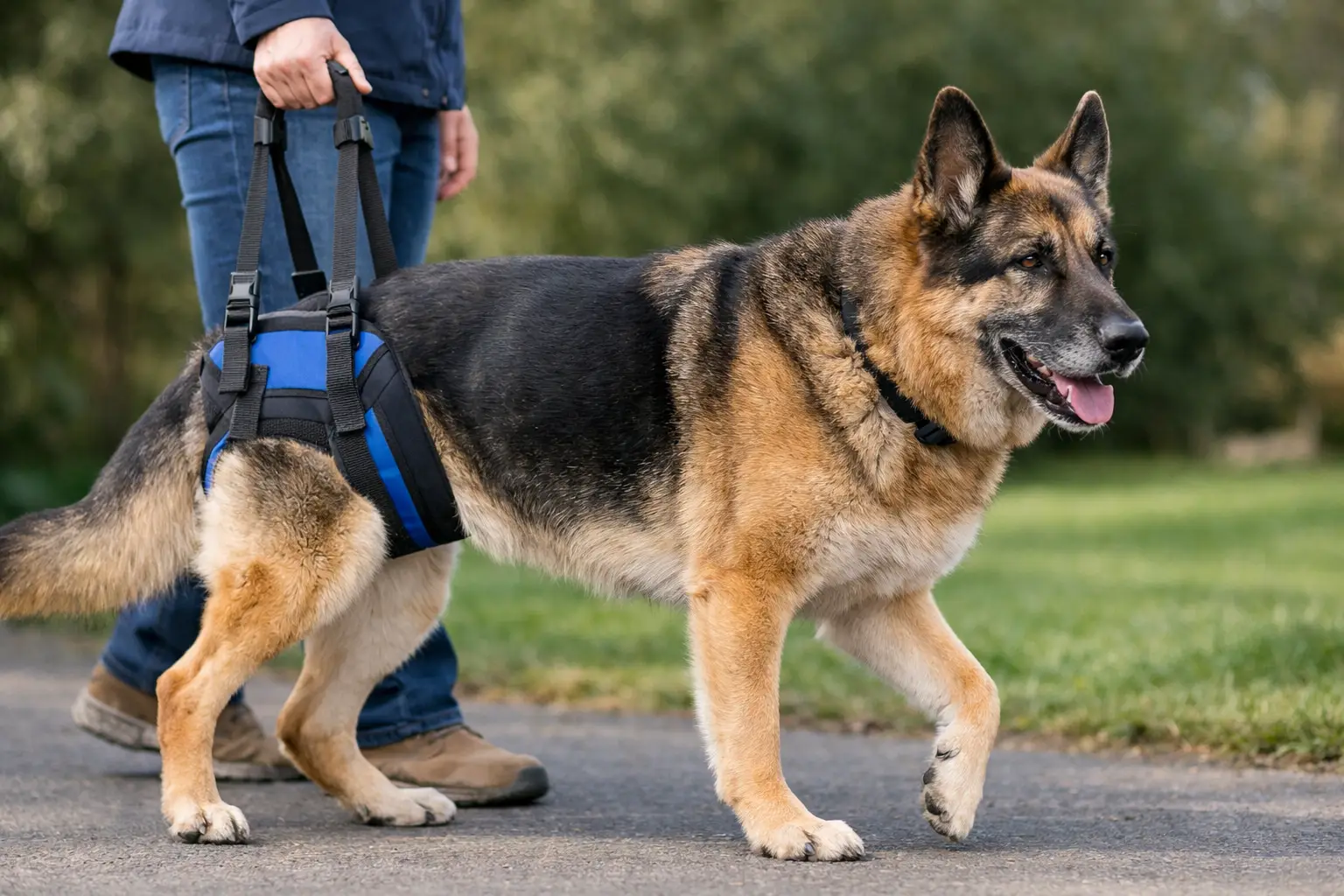
- Keep the spine level: lift with full support under chest and hips, and avoid twisting.
- Do not give pain meds unless your veterinarian has directed you. Some human medications are dangerous for dogs, and the wrong choice can complicate treatment.
Weight management matters
I say this with love: for senior Dachshunds, extra pounds are not “a little cushion.” They are extra load on the spine and joints every moment of the day. Keeping your Doxie lean is one of the best modifiable factors you can control at home, and it may help reduce the risk or severity of back and joint strain over time.
What a healthy senior looks like
- You can feel ribs easily with light pressure (not poking).
- There’s a visible waist when viewed from above.
- There’s an abdominal tuck when viewed from the side.
If you are unsure, ask your vet to score your dog’s body condition (BCS). It’s quick, and it can change the entire care plan.
Slimming tactics that work
- Measure meals with a measuring cup or kitchen scale. Free-pouring is how “just a little extra” becomes a pattern.
- Count treats as calories. I like to set aside a daily treat budget from the morning portion of kibble.
- Upgrade treats: tiny training treats, freeze-dried single-ingredient bits, or even a few pieces of their regular kibble.
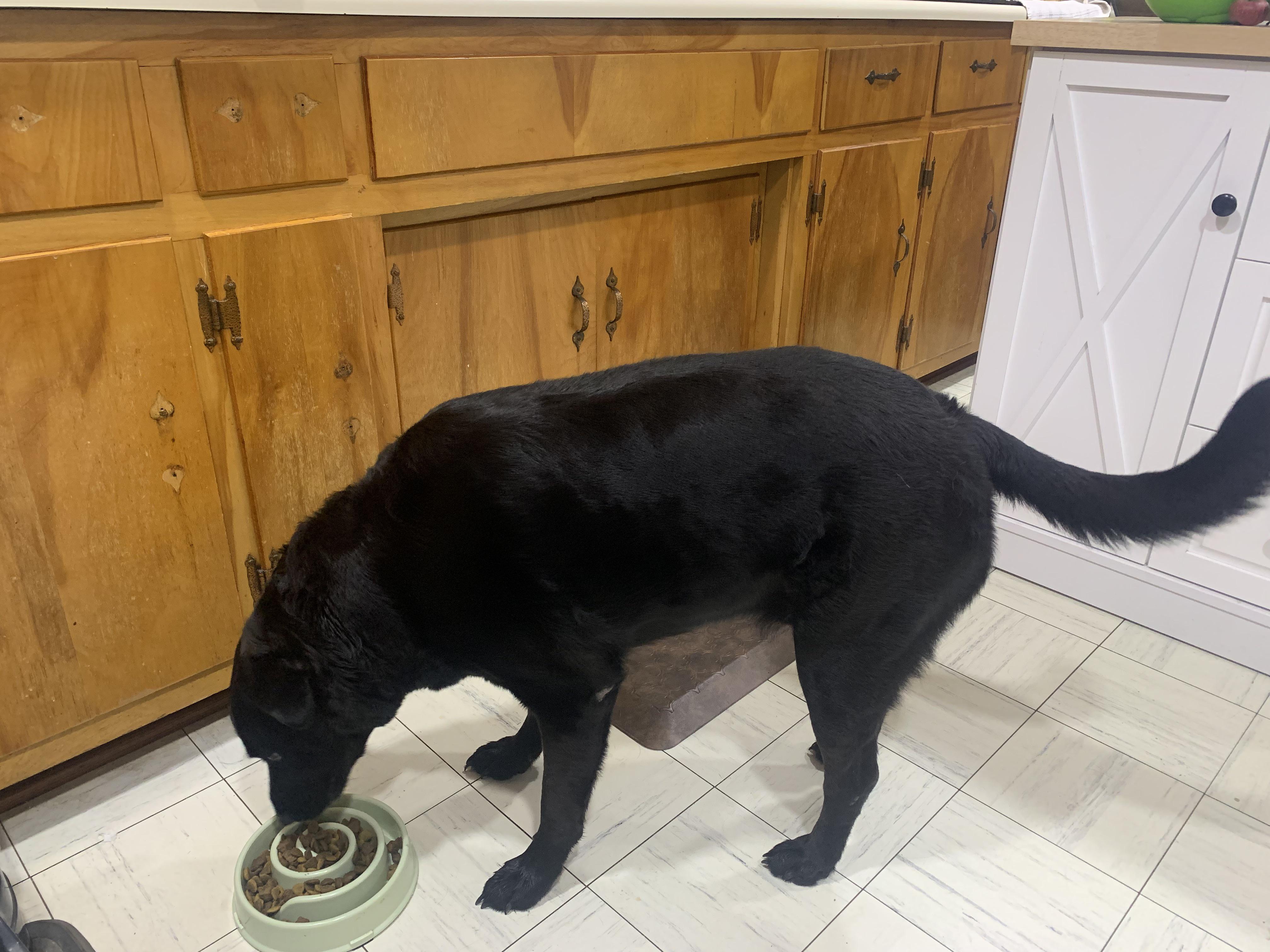
- Use food puzzles for slow, low-impact enrichment instead of extra snacks.
- Weigh-in regularly (every 2 to 4 weeks) and adjust slowly with your vet’s guidance.
If your Dachshund begs like it’s their full-time job, you’re not alone. Ask your vet about fiber-friendly options that help your dog feel satisfied. A common add-on is plain canned pumpkin (not pie filling), but even “safe” foods can trigger diarrhea in some dogs, so start small and get your vet’s okay.
Home changes that help
Next up is your home setup. This is where a lot of preventable back strain happens: launching off furniture, twisting to chase something, slipping on floors. The fix is not bubble wrap, it’s reducing high-risk movement patterns.
1) Ramps and steps
Ramps are usually my top choice because they reduce vertical impact. Look for:
- Non-slip surface (carpeted or textured)
- Sturdy base with no wobble
- Gentle incline your dog can walk without hopping
- Side rails if your dog is wobbly or visually impaired
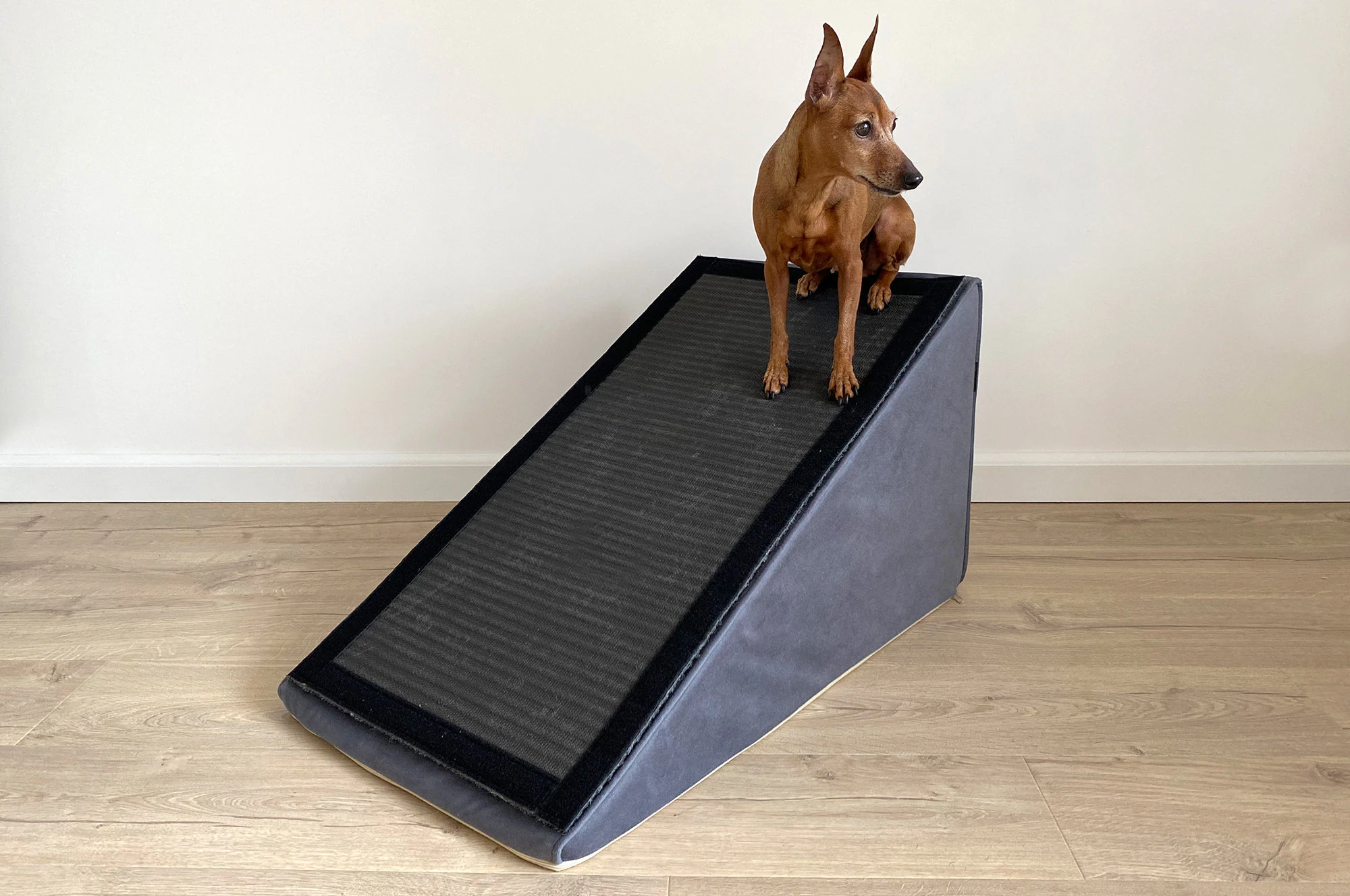
Training tip: Teach ramp use with a treat lure and lots of praise. Start with the ramp flat on the floor, then increase the angle slowly. Keep sessions short, upbeat, and successful.
2) Block jumping zones
Even with ramps, many Dachshunds will still attempt dramatic leaps if given the chance. Helpful tools include:
- Low pet gates to block stairs
- Ottomans or “stair-step” furniture placed to reduce big drops
- Closed doors to rooms with tempting high furniture
3) Add traction
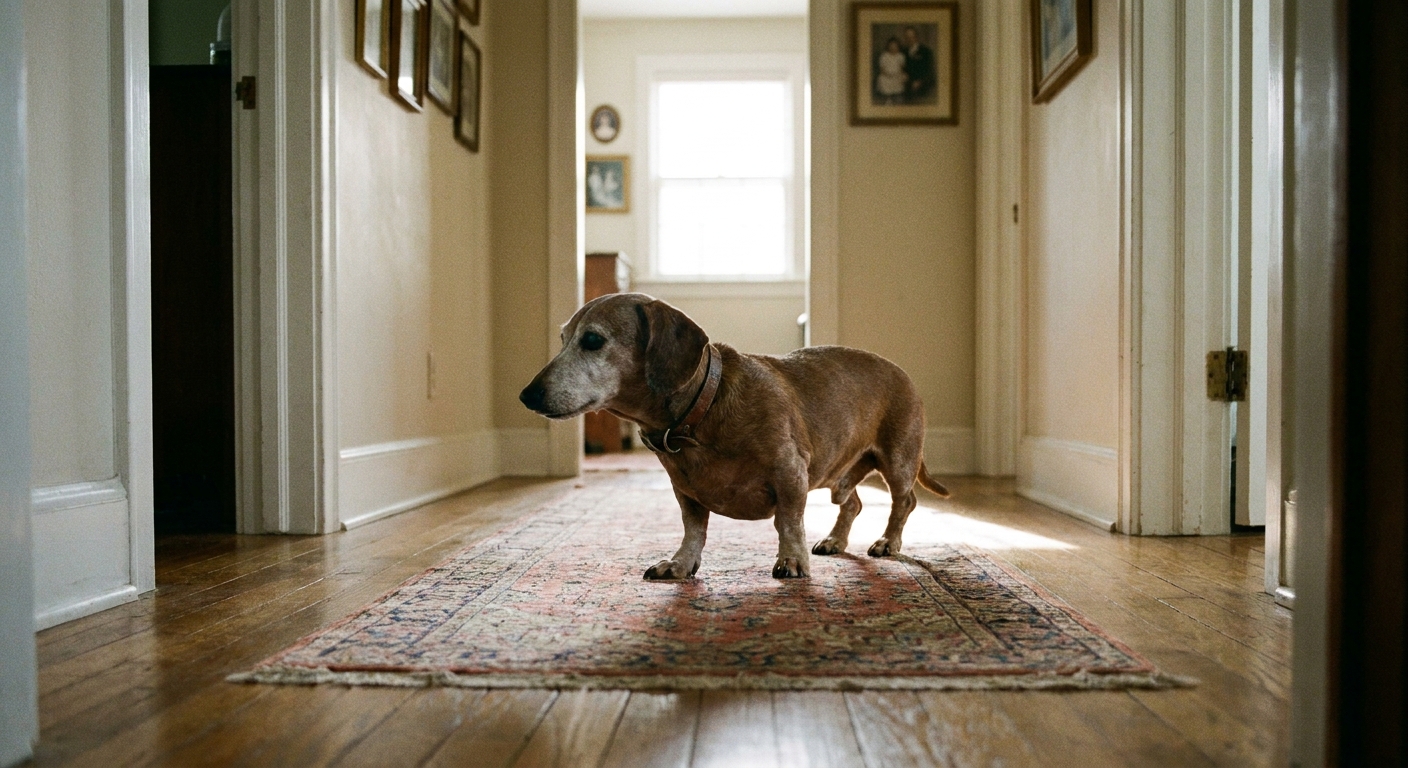
Slipping causes splayed legs, twisting, and frantic scrambling, all of which strain the back and joints.
- Use runners or area rugs with non-slip pads
- Consider grippy dog socks for short periods (some dogs hate them, which is fair)
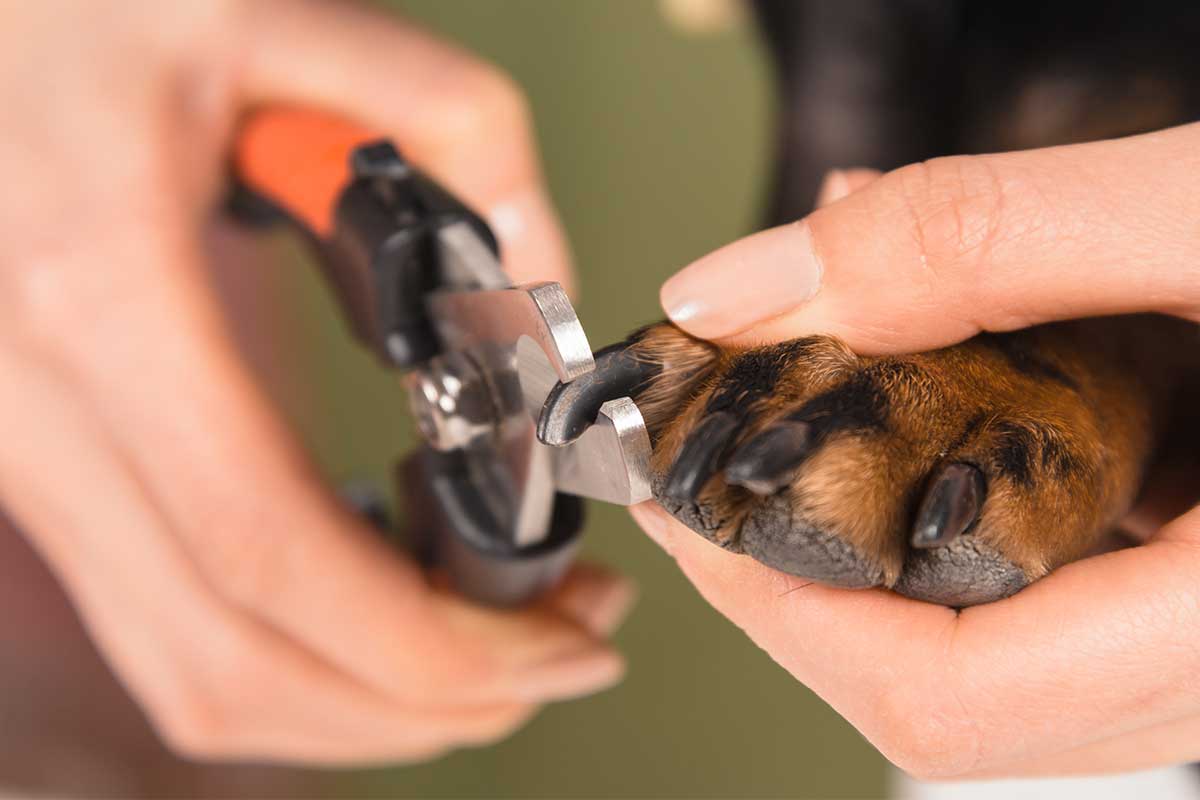
- Keep nails and paw fur trimmed for better contact
4) Lift and carry safely
For senior Dachshunds, how you pick them up matters.
- Support the chest with one hand or arm.
- Support the rear end with the other hand or arm.
- Keep the spine level and close to your body.
If your dog tenses, yelps, or seems painful when lifted, stop and call your vet. Pain is information.
Safe exercise for seniors
Once the “impact risks” are handled, exercise gets easier. Movement is medicine for arthritis and for maintaining muscle that stabilizes the spine. The trick is choosing low-impact, controlled exercise and avoiding chaotic bursts.
Good options
- Leashed sniff walks on flat ground (sniffing is enriching and naturally slows pace)
- Short, frequent walks instead of one long march
- Gentle hill walking only if your vet approves and your dog is stable
- Underwater treadmill or canine rehab for strength with reduced joint load
- At-home strengthening recommended by a rehab professional
Limit or avoid
- Jumping on and off beds, couches, and car seats
- Stairs as a daily workout
- Rough play with bigger dogs that body-check
- Fetch with sharp turns and sliding stops
- High-intensity tug that involves shaking, twisting, or frantic spinning
A simple routine
- Morning: 10 to 15 minutes easy walk with lots of sniff breaks
- Midday: food puzzle or scatter feeding on a rug (low impact enrichment)
- Evening: 10 minutes easy walk, then gentle massage if your dog enjoys it
Watch your dog’s recovery. If stiffness, limping, or reluctance increases later that day or the next morning, scale back and talk with your vet.
Comfort upgrades
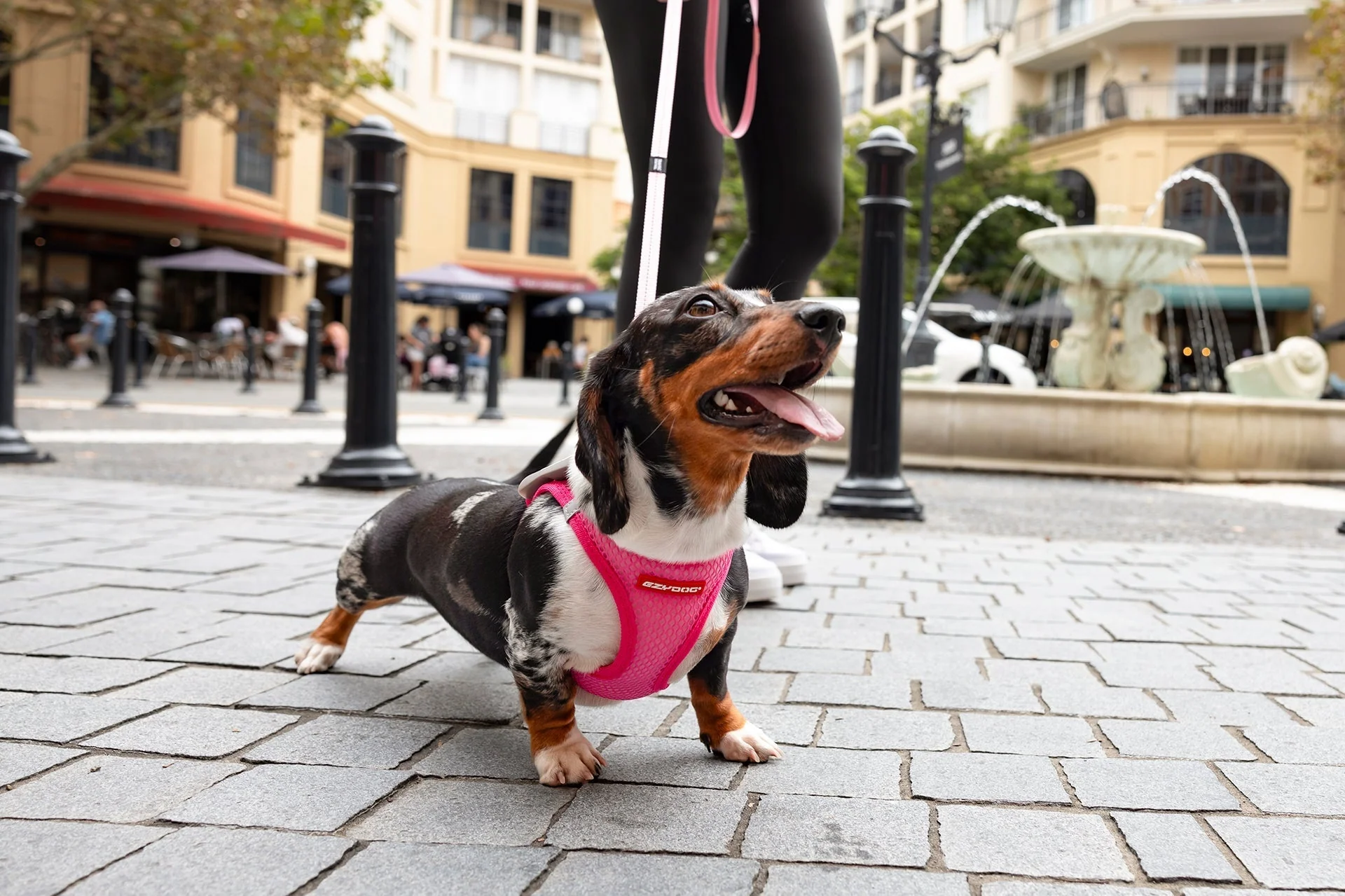
Harness, not collar
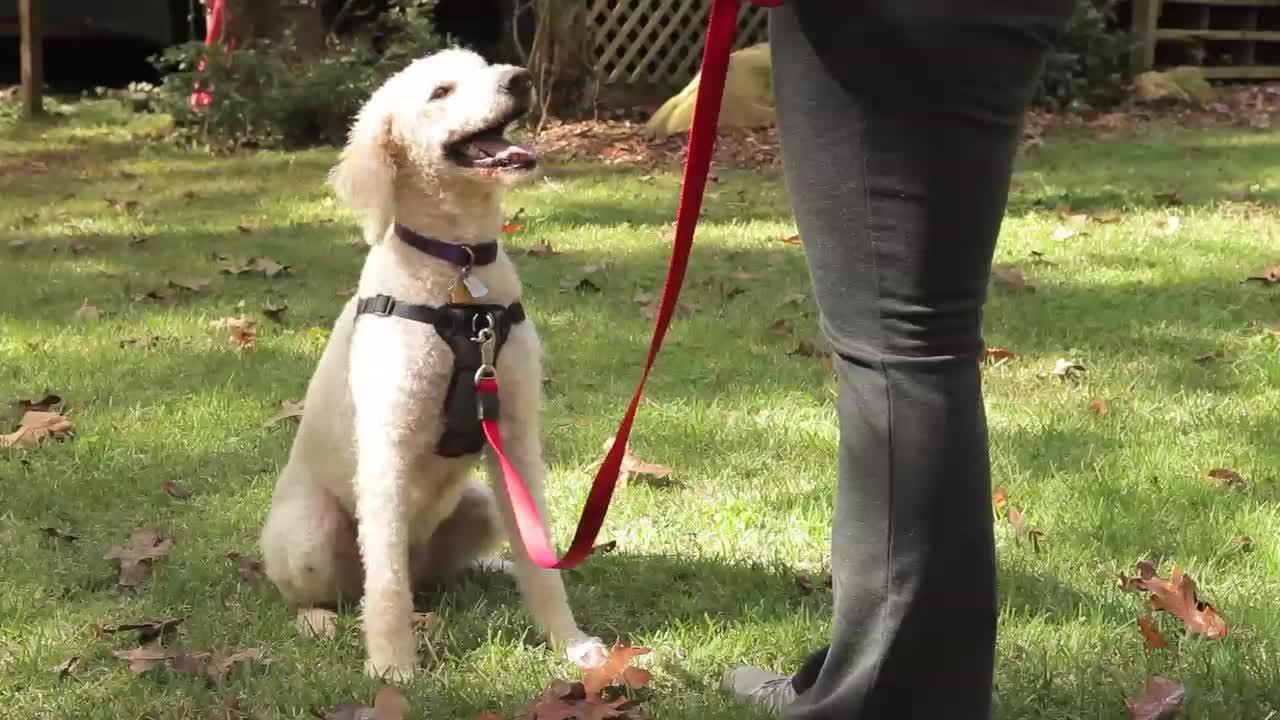
A well-fitted harness reduces neck strain and gives you better control without pressure on the spine. Look for a harness that allows free shoulder movement and does not rub behind the elbows.
Nails and feet
Long nails change gait and add joint stress. Many seniors need more frequent, smaller trims because their activity level drops. If you notice new nail scuffing or dragging, especially alongside weakness or wobbliness, call your vet.
Supportive bedding
- Firm, supportive foam that does not bottom out
- Low sides for easy entry (or one low side and bolsters on others)
- Non-slip base
- Washable cover for senior “oops moments”
Supplements to discuss
Supplements can be helpful, but they work best as part of a bigger plan: weight management, smart exercise, traction, and pain control when needed. Quality varies wildly between products, and dosing matters. Also, the evidence base in dogs is stronger for some ingredients than others, so it’s worth choosing intentionally with your vet.
Common joint supplements
- Omega-3 fatty acids (EPA and DHA): often used for arthritis support and inflammation modulation.
- Glucosamine and chondroitin: mixed evidence, but some dogs show improved comfort over time.
- Green-lipped mussel: a natural source of omega-3s and other compounds, used for joint support.
- Undenatured type II collagen (UC-II): has some evidence for joint comfort and function.
Add-ons you may hear about
- MSM: sometimes included for joint comfort.
- Hyaluronic acid: more common in combination products.
Supplement safety
- Talk to your vet first if your dog has pancreatitis history, GI disease, is on NSAIDs, or has kidney or liver disease.
- Introduce one new product at a time so you can spot stomach upset or itchiness.
- Give supplements a fair trial. Many take 4 to 8 weeks to assess.
- Do not assume “natural” means “safe” or “effective.”
If your Dachshund is already painful, supplements alone are usually not enough. Many seniors benefit from a multimodal plan that can include vet-prescribed pain medications, physical rehab, and lifestyle changes.
Pain management basics
In my former vet tech life, one of the most heartbreaking patterns I saw was dogs quietly coping with chronic pain because they were still eating and wagging. Dachshunds are tough. They also deserve comfort.
Tools vets may use
- NSAIDs (non-steroidal anti-inflammatory drugs) when appropriate
- Adjunct pain meds tailored to the dog’s needs
- Laser therapy, acupuncture, or rehab for additional comfort and mobility
- Weight loss and exercise therapy as true medical interventions, not just “nice ideas”
Please do not give human pain medications unless your veterinarian has specifically prescribed them and given dosing instructions. Many are dangerous or toxic to dogs.
Training for back safety
Training is not just tricks. For senior Dachshunds, training is injury prevention.
A happy ramp routine
- Reward one step on the ramp, then two, then halfway, then the full walk.
- Use a cue like “Ramp!” right before they start.
- Practice when calm, not when they are excited and launching.
Calm greetings
If your Dachshund explodes off the couch when the doorbell rings, management plus training helps:
- Use gates or a pen during high-excitement times.
- Reward “four paws on the floor” with treats delivered low.
- Teach a mat settle so your dog has a safe default behavior.
Car safety
Jumping out of a car is a common injury moment. Use a ramp when possible, or lift with full support. A secured car seat or a crash-tested harness can also prevent sudden falls. Fit and tethering matter here, and not all products use the same testing standards, so ask your vet and read the details before buying.
Food and lifestyle
Senior-friendly diet
Many older Dachshunds do well on diets formulated for seniors or weight management, but the “best” option depends on medical history and activity level. Your veterinarian can help you choose a food that supports lean muscle, maintains a healthy weight, and agrees with the stomach.
Rest and recovery
Older dogs often need more recovery time between activities. Protect nap time, keep floors warm and draft-free, and make sure water and bedding are easy to reach without jumping.
FAQ
Should senior Dachshunds avoid stairs?
For many Dachshunds, especially those with any back pain history, avoiding routine stair use is a smart goal. Use gates and provide ramps. If stairs are unavoidable, keep trips limited and supervised, and talk with your vet or a rehab professional about the safest plan for your individual dog.
Is jumping risky if my dog never had IVDD?
Repeated jumping adds impact and twisting to a spine that is already predisposed. Some dogs will jump for years without a problem, until the day they do not. Ramps and training are a low-hassle way to reduce risk.
What is the best supplement for joints?
There is no one best for every dog. Omega-3s are commonly recommended, and many joint products combine ingredients like glucosamine, chondroitin, MSM, or green-lipped mussel. Your vet can help you choose a product and dose that fits your dog’s health history and current medications.
Slowing down: aging or pain?
Some slowing is expected, but significant behavior changes often indicate pain. If your dog is hesitating, stiff, grumpy when touched, avoiding activities they used to enjoy, or showing neck stiffness, schedule a vet check. Good pain control can be life-changing for seniors.
More comfort, fewer impacts
You do not need to transform your home into an agility course of ramps and rugs overnight. Start with the highest-impact changes first: keep your Dachshund lean, prevent jumping, add traction, and build a gentle movement routine. Then layer in supplements, rehab, and pain management with your veterinarian as needed.
Senior Dachshunds can absolutely thrive. With a little planning and a lot of treats delivered at floor level, you can help your long-backed best friend stay mobile, confident, and comfortable well into their golden years.