A step-by-step loose leash walking guide: what gear to use, how to train indoors and outdoors, and how to handle pulling, sniffing, and distractions without ...
German Shepherds are brilliant, sensitive dogs with a built-in job description: notice everything and keep their people safe. That combination can look like “wow, what a good dog” or “why is my dog losing it at the end of the leash?” and the difference often comes down to two things you can control early: socialization and foundational obedience.
My goal in this guide is to help you raise the kind of German Shepherd who can relax in the real world, take feedback without falling apart, and choose you over the environment. We are going to focus on preventing reactivity by building calm neutrality, not by forcing your dog to “be friendly” with every person and dog they see.
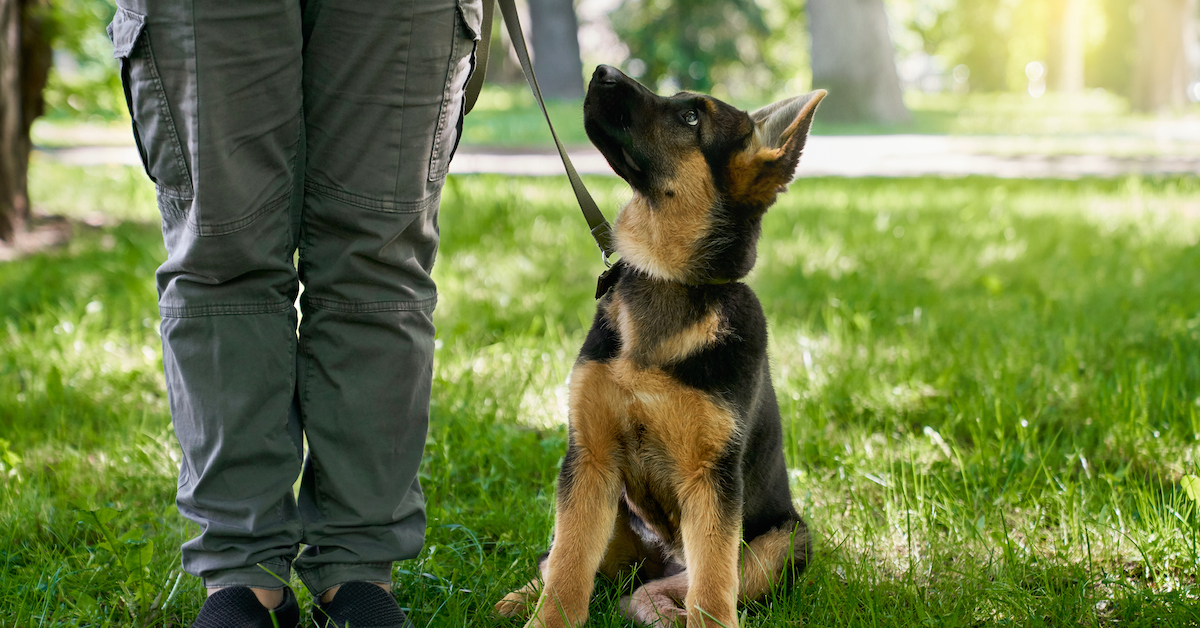
Before you start: what German Shepherds need most
German Shepherds tend to be:
- Highly intelligent, which means they learn fast, including the habits you do not want.
- Protective and environmentally aware, which can turn into barking and lunging if they feel responsible for handling every situation.
- Motion sensitive, so joggers, bikes, kids running, and squirrels can be extra distracting.
- Often slow to mature emotionally. Many adolescent Shepherds look grown but still have puppy-level impulse control.
It also helps to remember that German Shepherds are not one-size-fits-all. Working lines, show lines, and mixes can differ a lot in drive, sensitivity, and sociability. Training a German Shepherd is less about “making them behave” and more about giving them clear rules, predictable reinforcement, and enough practice that calm choices become their default.
Your training priorities
If you want a Shepherd who is steady and non-reactive, prioritize training in this order:
- Safety and management (equipment, prevention, routines)
- Relationship and reinforcement skills (marker word, reward timing)
- Socialization for neutrality (exposure without overwhelm)
- Foundational obedience (sit, down, stay, come, leash skills)
- Impulse control (leave it, settle, door manners)
- Advanced reliability (distractions, distance, duration)
This order matters because you cannot out-train a setup that constantly overwhelms your dog.
Step 1: Set up for success
Use gear that supports calm behavior
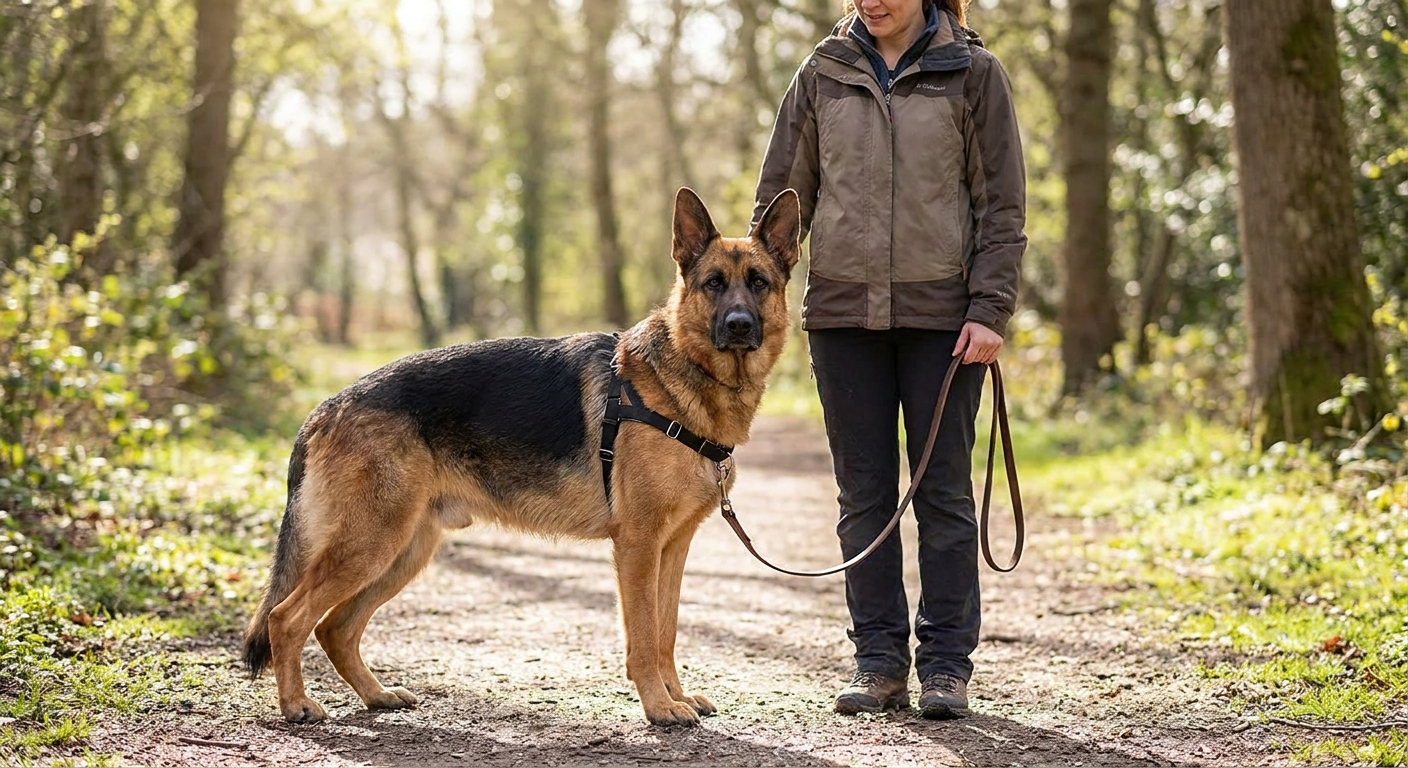
- Front-clip harness or a well-fitted Y-shaped harness: can reduce pulling without pain.
- Fit matters: choose a harness that does not restrict shoulder movement, and adjust it so it does not rub. If you are unsure, ask a trainer or your vet to check the fit.
- 6-foot leash: skip retractables for training. They create constant tension and chaotic distance changes.
- Treat pouch and high-value treats: think pea-sized chicken, cheese, or a soft training treat.
- Long line (15 to 30 feet): for recall practice safely, not for crowded sidewalks.
If your Shepherd is already reactive, talk with a qualified trainer about additional safety tools. Avoid “corrections” that can increase frustration or fear. In protective breeds, punishment can suppress behavior temporarily in some dogs, then show up later as bigger reactions under stress.
Create a simple daily structure
German Shepherds thrive when they can predict their day. Here is a realistic baseline routine:
- Morning: sniffy walk (10 to 20 minutes) + 3 to 5 minutes of training
- Midday: food puzzle or scatter feeding + short potty break
- Evening: training walk (practice skills) + chew time + settle on a mat
Sniffing and chewing are not “extras” for many dogs. They help support the nervous system, especially for dogs prone to reactivity.
Step 2: Teach your reward system
If you only do one thing this week, do this. A clear marker word makes training faster and reduces frustration for both of you.
Pick a marker
Choose either:
- A clicker, or
- A word like “Yes” (said the same way every time)
Charge the marker (2 minutes, twice daily for 3 days)
- Say “Yes.”
- Immediately give a treat.
- Repeat 10 to 15 times.
Your Shepherd should start to look for the treat the moment they hear the marker. That is how you know it is working.
Step 3: Socialization for neutrality
When people say “socialize your puppy,” many owners picture meeting every dog and every stranger. For German Shepherds, that can backfire. Over-greeting can create a dog who becomes frustrated when they cannot access everyone, and frustration is a common ingredient in leash reactivity.
Instead, aim for calm exposure where your dog observes, processes, and disengages.
The socialization goal
Your Shepherd does not need to love everything. They need to learn: “I notice it, and I feel safe.”
How to do it: Look and Dismiss
This is similar to the “Look at That” (LAT) game you may see in positive reinforcement classes.
- Stand far enough away that your dog can look at the trigger (person, dog, bike) without barking or lunging.
- The moment they look, mark (“Yes”) and feed.
- After a few reps, many dogs start looking back at you. Mark and reward that too.
Distance is not failure. Distance is your training tool.
What to prioritize in the first year
- People variety: hats, hoodies, uniforms, people carrying bags, kids at a distance
- Motion: bikes, scooters, joggers, skateboards, strollers
- Sounds: traffic, delivery trucks, fireworks at a safe distance
- Surfaces: grates, stairs, elevators, slippery floors
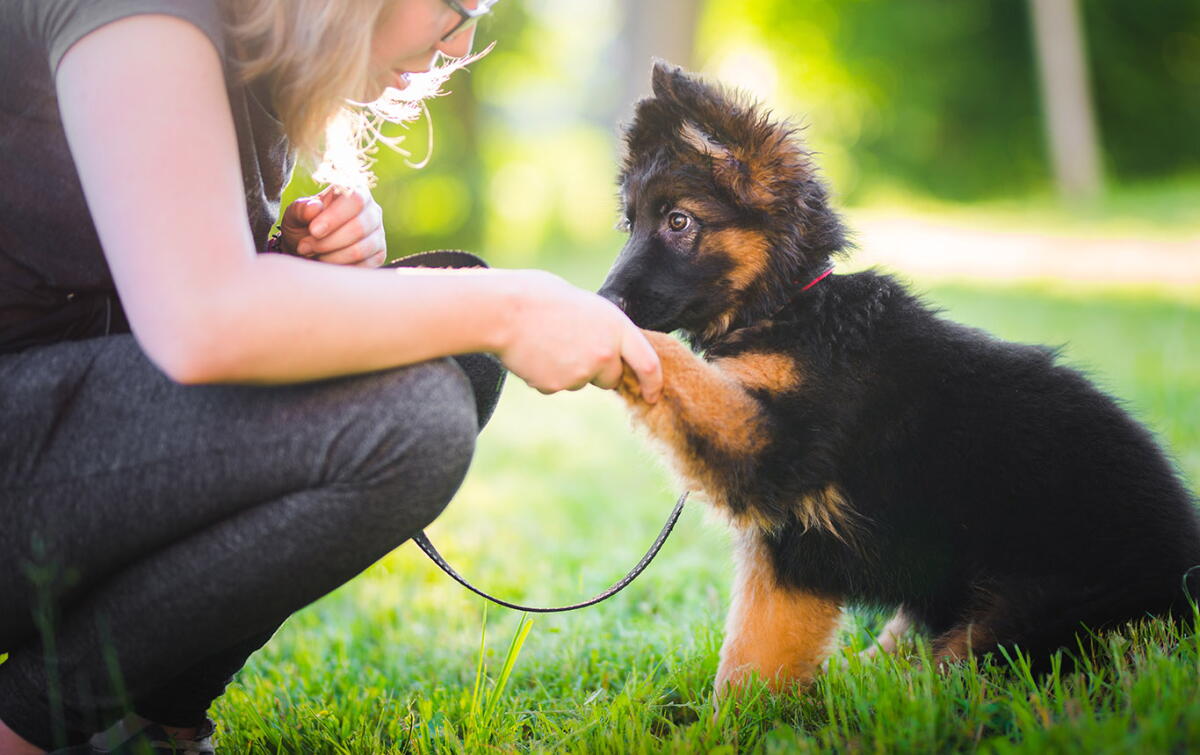
- Handling: gentle practice with ears, paws, brushing, collar grabs paired with treats
If your dog seems unsure, do fewer reps and increase distance. Confidence grows when your dog feels like they have a choice and can move away from pressure.
Health note: if your puppy is not fully vaccinated, follow your veterinarian’s guidance on parvo risk in your area. You can still do plenty of safe socialization through carrying, stroller rides, calm observation from the car, and visits to clean, low-dog-traffic areas.
Step 4: Obedience foundation
For German Shepherds, obedience is not about being “strict.” It is about creating a shared language so your dog can succeed in busy environments.
Sit and down
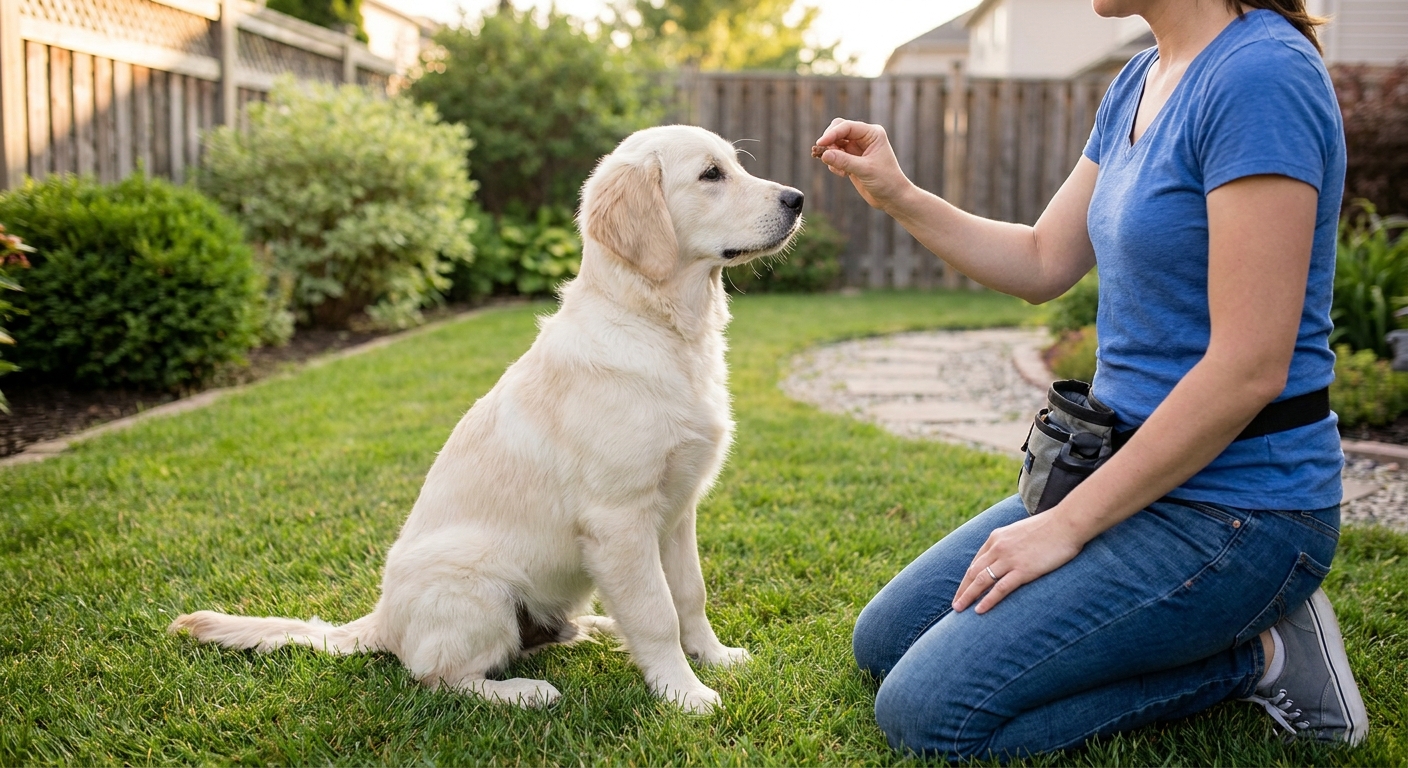
Teach sit and down with luring, then fade the lure:
- Use a treat to guide your dog into position.
- Mark the moment their butt hits the floor (sit) or elbows touch (down).
- Reward.
Real talk: asking for a sit every time a dog is excited can create “sit screaming,” where they sit but bark and vibrate. Use sits strategically, not constantly.
Stay
Build duration before distance:
- Ask for a sit or down.
- Count one second, mark, reward.
- Gradually increase to 2, 3, 5 seconds before you step away.
If your Shepherd breaks the stay, simply reset. This is skill-building, not disobedience.
Come when called
A reliable recall is a lifelong project. Start indoors and make it fun:
- Say your dog’s name once, then “Come!” in a happy voice.
- When they move toward you, mark and reward heavily.
- Occasionally grab their collar gently, mark, and treat. This prevents the “you caught me so the fun ends” problem.
Rule: do not call your dog for things they hate (nail trims, leaving the park). Go get them instead.
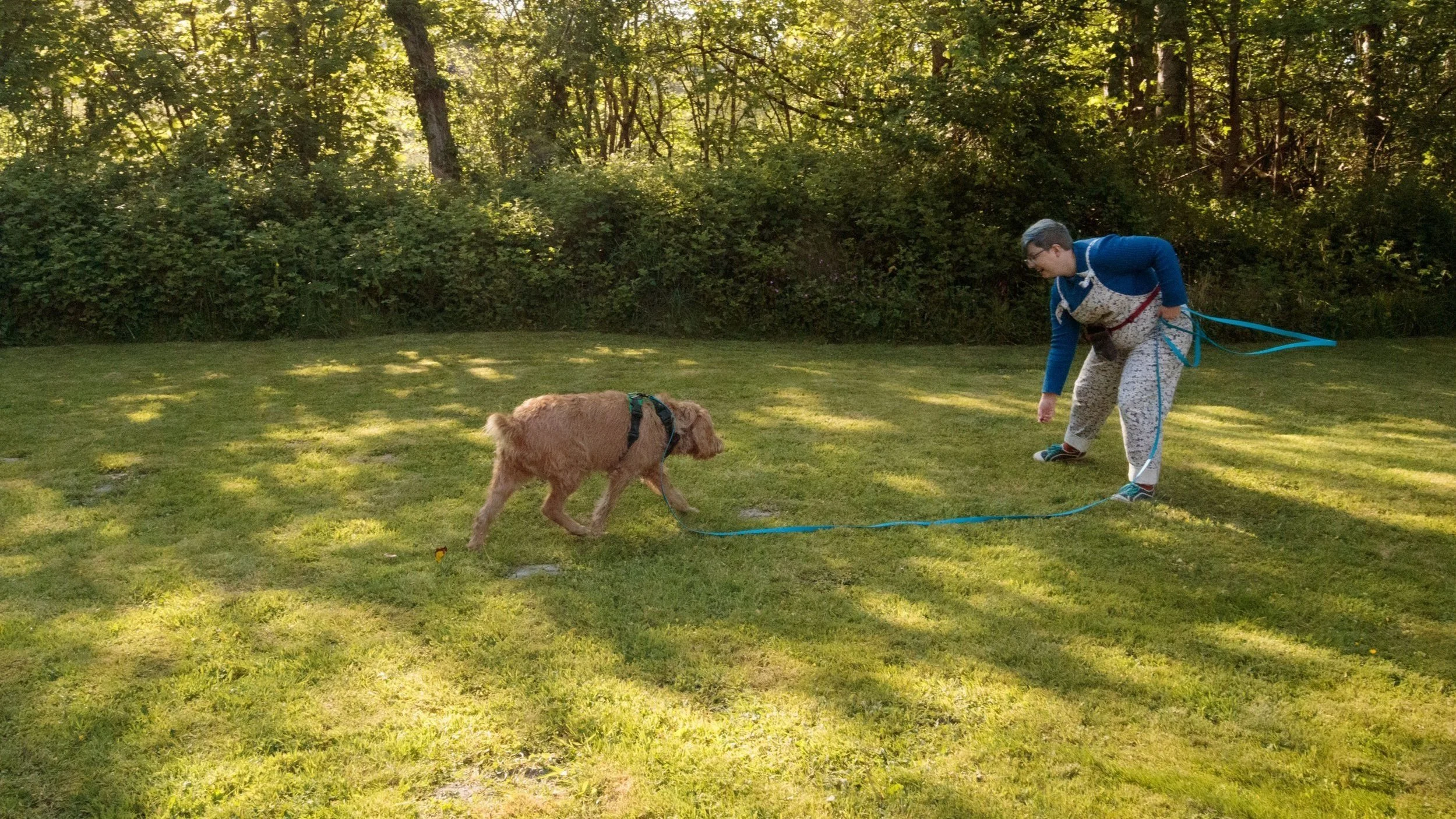
Loose leash walking
Loose leash walking is not a single behavior. It is a bundle of skills: choosing you, checking in, and regulating arousal.
Try this simple approach:
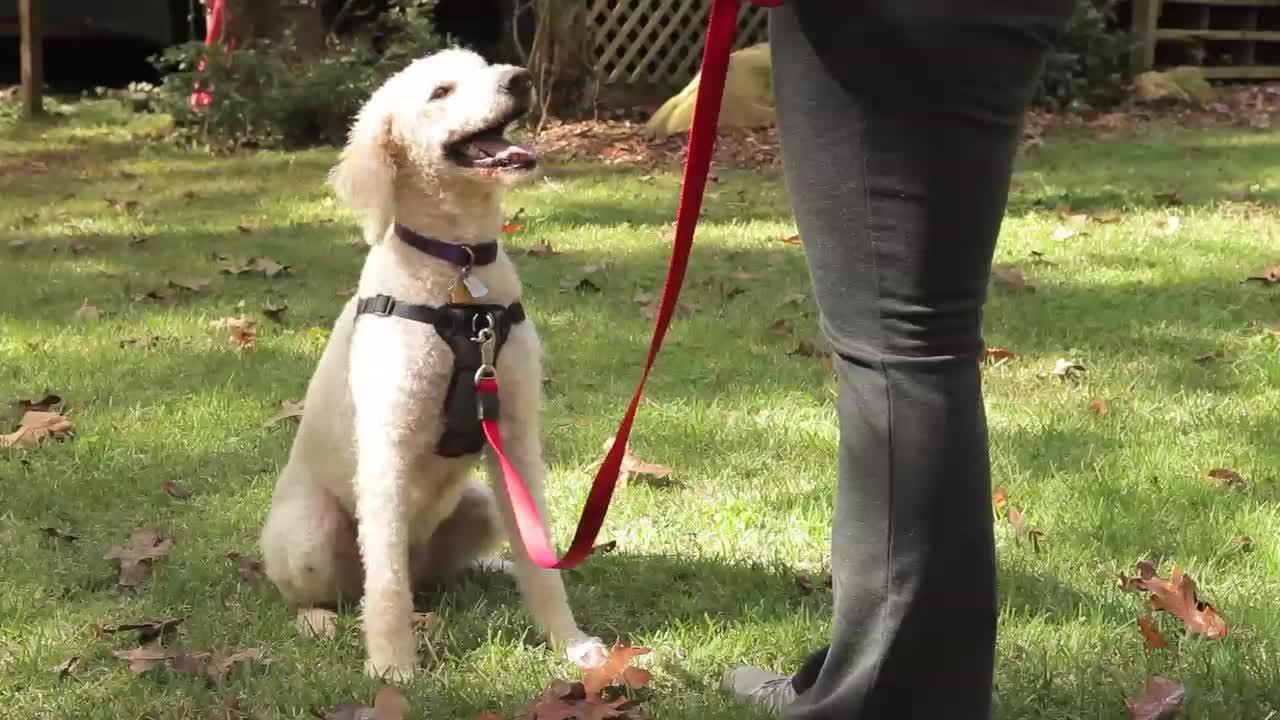
- Start in a low-distraction area.
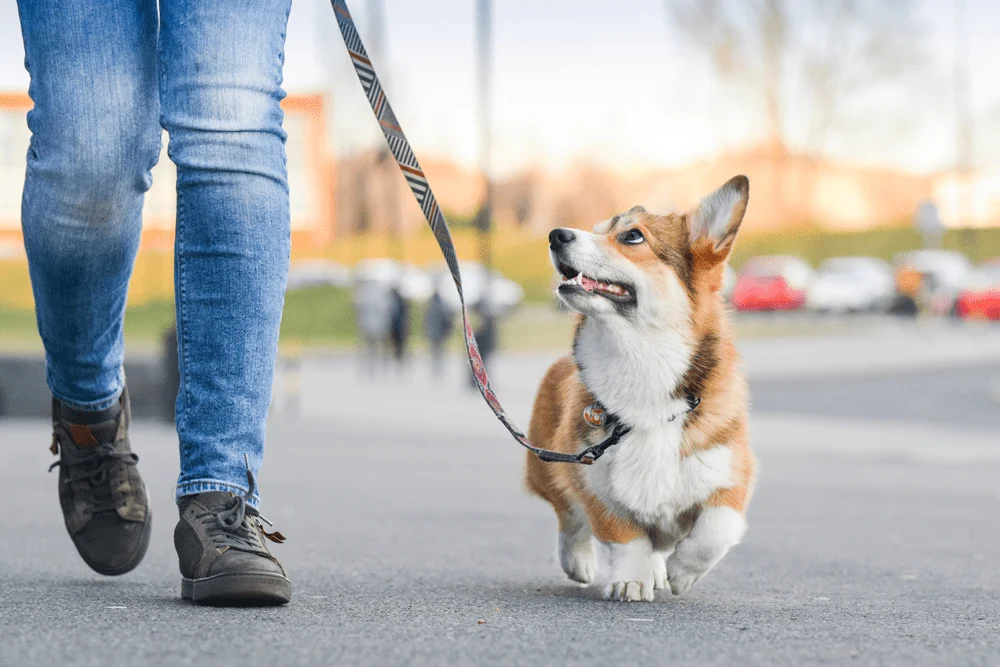
- Reward your dog for being near you with a slack leash. Mark, then treat at your leg.
- If the leash goes tight, stop. Wait for slack. Mark and reward when slack returns.
For many German Shepherds, adding short “sniff breaks” every few minutes can dramatically reduce scanning and guarding behavior.
Step 5: Teach calm
Reactive dogs are not always “aggressive.” Many are chronically over-aroused. Teaching your Shepherd to power down is preventive medicine.
Mat training in 5 minutes a day
- Place a mat or bed on the floor.
- When your dog steps on it, mark and toss a treat onto the mat.
- Wait for them to return. Mark and reward again.
- Gradually reward for sitting or lying down on the mat.
Once your dog loves the mat, you can bring it to the patio, training class, or a friend’s house as a familiar “safe spot.”
Capture calm
Any time you notice your German Shepherd choosing calm on their own, quietly mark and drop a treat between their paws. This is one of the most underrated ways to reduce reactivity over time.
Step 6: Prevent reactivity
German Shepherds can tip into reactivity for a few common reasons:
- Fear or uncertainty (especially with fast-approaching strangers)
- Frustration (they want to greet, chase, or control movement)
- Overstimulation (too much too fast, not enough rest)
- Pain or discomfort (hips, back, ears, skin, GI issues)
Watch for early stress signals
Intervene early if you see:
- Hard staring, closed mouth, weight shifted forward
- Whale eye, pinned ears, tight brow
- Sudden out-of-context ground sniffing, lip licking, yawning (when not tired)
- Ignoring food they would normally love
If your dog is already barking or lunging, they are usually too amped up to learn well. Create distance first, then train.
Your emergency U-turn
Practice it before you need it:
- Say “This way!”
- Turn 180 degrees.
- Feed treats as your dog follows you away.
Practice this when nothing is happening so it becomes automatic when a surprise trigger appears.
Protection training
Many German Shepherd owners wonder if formal protection work will help. In most pet homes, it is not necessary and it can worsen reactivity if the foundation is shaky. If you are interested, work only with reputable sport clubs and trainers who emphasize clear obedience, neutrality, and strict safety protocols first.
Public safety basics
- Follow local leash laws and be realistic about your dog’s current skill level.
- If your dog is reactive or in peak adolescence, avoid crowded dog parks and chaotic off-leash areas. Choose controlled play with a few known, well-matched dogs instead.
Training plan by age
You can train these skills at any age. The difference is how fast your dog can absorb new experiences without stress.
8 to 16 weeks
This period is often considered a prime socialization window, but timelines vary by individual. Socialization also continues well beyond puppyhood.
- 2 to 5 minutes of training, several times a day
- Carry your puppy to observe busy places safely if vaccines are not complete
- Handling practice paired with treats (paws, ears, mouth)
- Name response, recall games, leash and harness comfort
4 to 8 months
- Begin structured loose leash walking
- Mat training daily
- “Leave it” and “drop it”
- Neutral exposure to dogs and people without greeting
8 to 18 months
- Expect setbacks. This is normal.
- Increase exercise thoughtfully, but do not rely on exhaustion as training
- Train around distractions at a distance
- Prioritize calm routines and decompression time
Adult
- Proof skills in new locations
- Keep reinforcement in the picture, especially around triggers
- Refresh recall and leash skills regularly
Mental enrichment that helps
A lot of German Shepherd owners hear “exercise” and think running. Physical exercise matters, but many Shepherds also need an outlet for their brain and their instincts.
- Simple nosework: toss a treat into the grass and say “Find it,” then progress to hiding treats around one room.
- Scatter feeding: turn a meal into a sniff session on the lawn or a snuffle mat.
- Tug with rules: cue “take,” cue “out” (trade for a treat), then restart. This channels drive while building control.
- Job walks: let your dog carry a properly fitted backpack once they are fully grown and your vet approves, and keep the weight light.
High-intensity exercise can be a great tool, but it can also build stamina without building calm in some dogs. Balance intensity with decompression and skill work.
Common mistakes
1) Forcing greetings
Do this instead: reward calm observation and move on. Neutral is the goal.
2) Using harsh corrections for barking
Do this instead: treat barking as information. Create distance, then teach an alternate behavior like “look at me” or a U-turn.
3) Skipping rest
Do this instead: build nap time and quiet chewing into the day. Overtired puppies are the world’s worst decision-makers.
4) Only training when there is a problem
Do this instead: do tiny reps daily when your dog is successful. Think of it like brushing teeth: small prevention beats big repairs.
When to get help
Please reach out to a credentialed, force-free trainer if:
- Your German Shepherd is growling, snapping, or has bitten
- Reactivity is increasing quickly
- Your dog cannot take food outdoors due to stress
- You feel unsafe handling your dog
Also call your veterinarian if behavior changes suddenly or seems out of proportion. Pain, itchy skin, ear infections, and GI issues can all lower a dog’s fuse.
FAQ
How long does it take to train a German Shepherd?
Basic skills can come together in weeks, but reliable real-world obedience takes months of consistent practice. Most German Shepherds benefit from ongoing training through adolescence, which often lasts until 18 to 24 months.
Are German Shepherds hard to train?
They are usually easy to teach, but they are not always easy to live with without a plan. Their intelligence and protectiveness mean they need structure, clear reinforcement, and careful socialization for neutrality.
Should I let my German Shepherd puppy meet every dog?
No. A few well-matched playmates are great, but constant on-leash greetings often create frustration and reactivity. Prioritize calm exposure and teach your puppy to disengage and check in with you.
What is the best exercise for a German Shepherd to reduce reactivity?
Mix physical exercise with nervous-system-friendly activities: sniff walks, decompression time in quiet areas, food puzzles, and short training sessions. Pure high-intensity exercise can build stamina without building calm in some dogs, so balance it with skill work and recovery.
My German Shepherd barks at strangers. Is that normal?
Alert barking is common in the breed. The training goal is to teach a quick “thanks, I’ve got it” response: your dog notices, you mark and reward calm, and you guide them to disengage. If barking escalates to lunging or growling, work at a greater distance and consider professional support.
A weekly checklist
- 3 socialization outings focused on calm observation at a distance
- 5 short training sessions (3 to 10 minutes) for obedience foundations
- Daily mat training or capture calm
- 2 recall sessions on a long line
- Daily decompression (sniff walk or quiet nature time)
If you stay consistent, your German Shepherd will not just learn commands. They will learn a lifestyle: “My human handles the world, and I can relax.” That is the real secret to preventing reactivity.