A practical, vet-tech-informed guide to dog poop colors, textures, and warning signs. Learn what’s normal, what’s not, and when to seek urgent care.
If you have ever turned your back for two seconds and caught your dog treating poop like a snack, you are not alone. I grew up in a house that fostered rescue dogs, and I can confirm this is one of those “why are you like this” canine habits that shows up in puppies, adults, and even otherwise very well-mannered dogs.
The good news is that many cases of poop-eating (the fancy term is coprophagia) improve with a simple, consistent plan. The trick is to tackle it like a behavior puzzle, not a moral failing. Your dog is not being “bad.” They are being a dog, and something about the environment, routine, diet, or health is making poop rewarding.
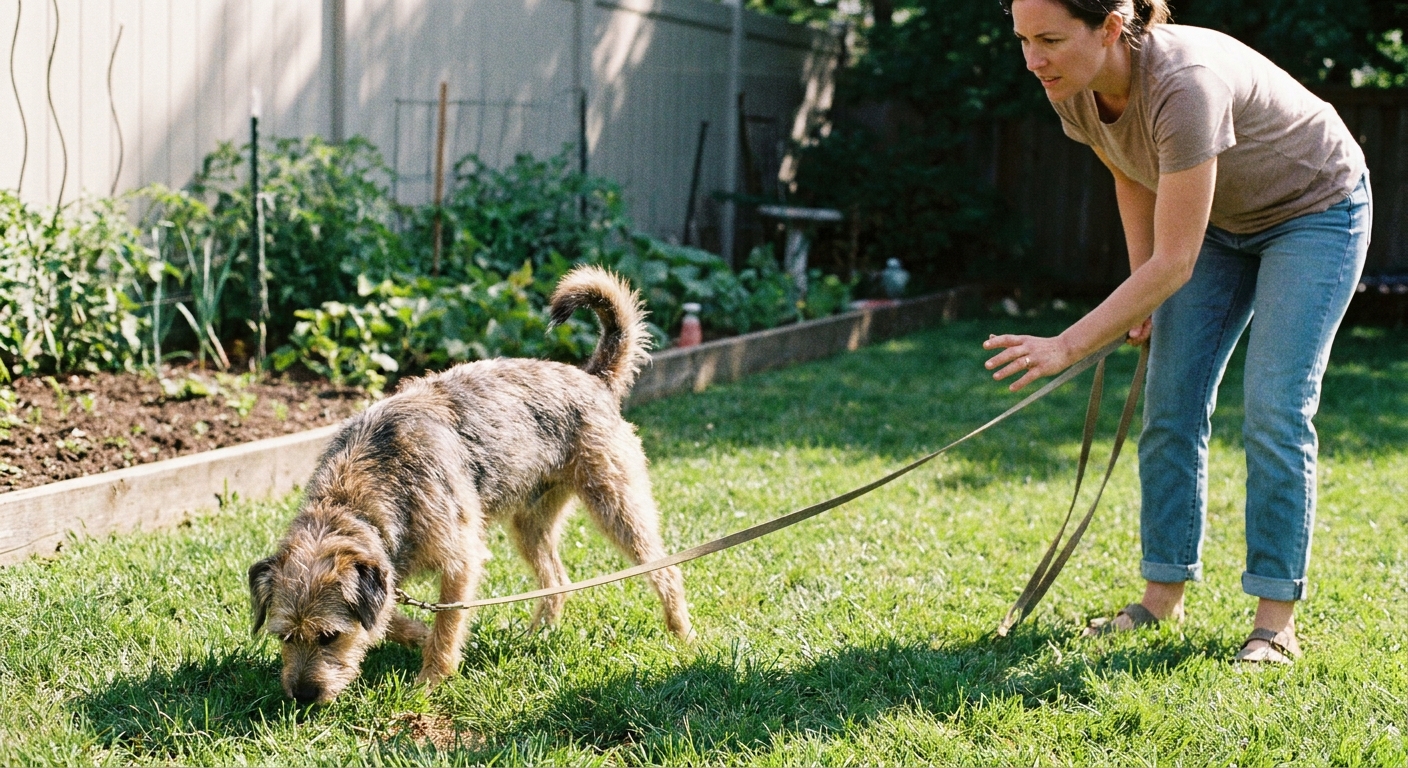
Why dogs eat poop
Dogs explore the world with their noses and mouths. Add scavenger instincts and a dash of opportunism, and poop can end up on the menu. Here are the most common reasons I see in everyday training work and the reasons veterinarians commonly flag.
Puppy curiosity
Puppies mouth everything. Many will sample stool once or twice, especially in multi-dog homes or anywhere poop is easy to access. For a lot of pups, this fades with management and maturity, as long as it does not become a self-rewarding habit.
Scavenging and opportunity
Dogs are wired to scavenge. Stool, especially from other animals (cat, rabbit, deer, goose), can smell intensely interesting. Some dogs prefer specific “types,” which is a clue this is more about scent and payoff than hunger.
Hunger or a diet that is not working
Sometimes poop-eating is a sign your dog is not feeling full or is not absorbing nutrients well. A too-small portion, a long gap between meals, or a diet that does not agree with your dog can all increase scavenging behavior.
Attention seeking or a learned game
This one is sneaky. If your dog grabs poop and you react big (chasing, yelling, panicking), some dogs learn that poop is a guaranteed way to make humans engage. Even negative attention can be rewarding.
Stress, boredom, or confinement
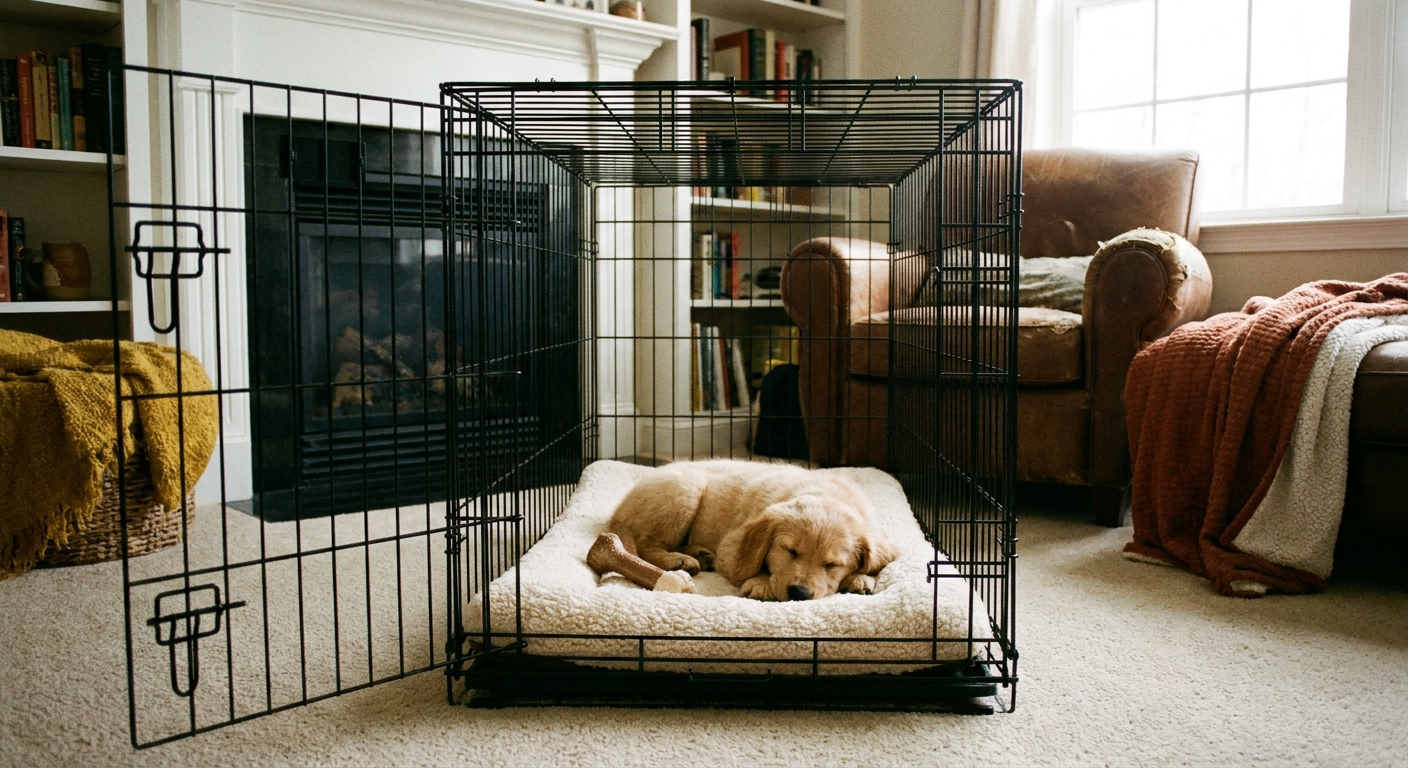
Dogs who are under-stimulated, anxious, or left too long in a small area with stool access are more likely to develop poop-eating as a coping behavior. This is common in dogs who are crated too long, puppies still housetraining, or dogs who are anxious when alone.
Medical causes (important)
Poop-eating can be linked to health issues, including:
- Intestinal parasites (common and usually treatable, but follow-up testing and prevention matter because reinfection can happen)
- GI upset or malabsorption
- Pancreatic issues (exocrine pancreatic insufficiency is one example)
- Diabetes or other conditions that can increase hunger
- Medication side effects that affect appetite
If the behavior is new, escalating, or paired with weight loss, diarrhea, vomiting, increased thirst, or a big appetite shift, treat it like a medical clue, not just a training problem.
What not to do
It is completely understandable to feel disgusted and blurt out “No!” after the fact. But punishing poop-eating usually fails for three reasons:
- Timing: If you did not catch your dog in the act, they will not connect your anger to the poop.
- It can increase sneaky behavior: Some dogs start gulping faster or hiding behind bushes to avoid you.
- It can backfire on housetraining: Harsh reactions around poop can make some dogs reluctant to eliminate in front of you, which complicates potty training.
Instead, your plan should make poop hard to access, not rewarding, and your dog successful with a clear alternative behavior.
Your step-by-step plan
Most dogs improve fastest when you combine management plus training plus a quick health check if needed. Here is the order I use.
Step 1: Immediate cleanup
This is the least glamorous step, but it is the most powerful. Every time your dog eats poop, the habit gets reinforced. Aim for:
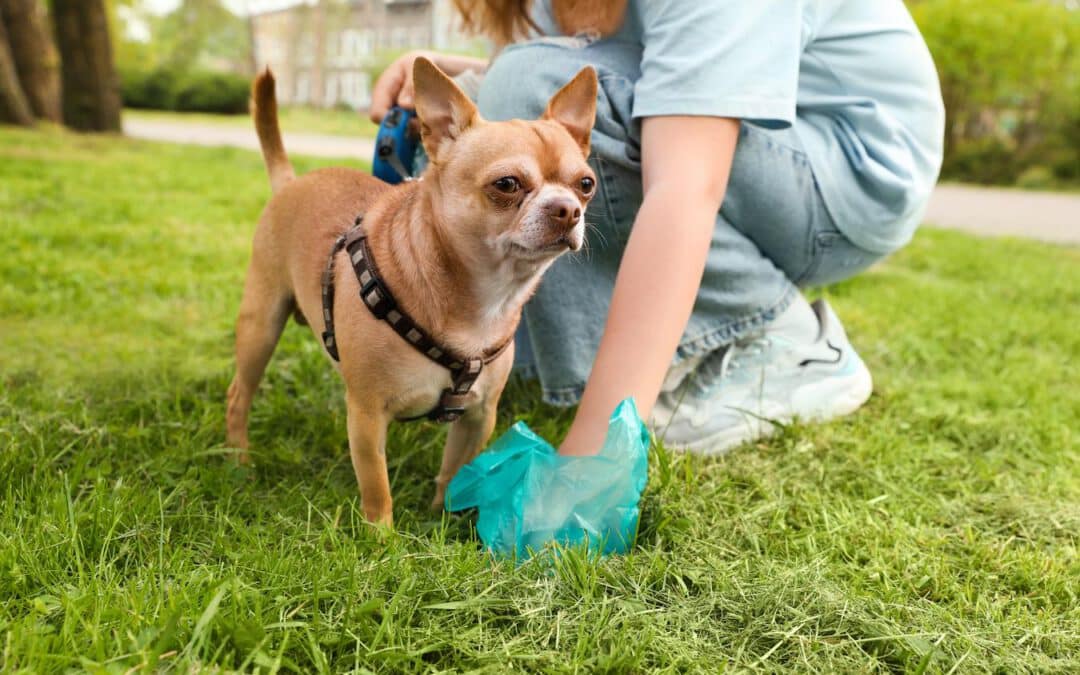
- Pick up poop right away in the yard. If you cannot do immediate, do a quick “poop sweep” 2 to 3 times daily.
- Keep the litter box inaccessible (baby gate with a cat door, covered box, closet with a latch).
- On walks, scan ahead and steer wide around stool piles.
If you have multiple dogs, tighten up the schedule after each dog poops. The “fresh” factor can be especially tempting.
Step 2: Leash supervision (even in the yard)
If your dog is actively practicing this habit, I recommend a temporary “back to basics” phase:
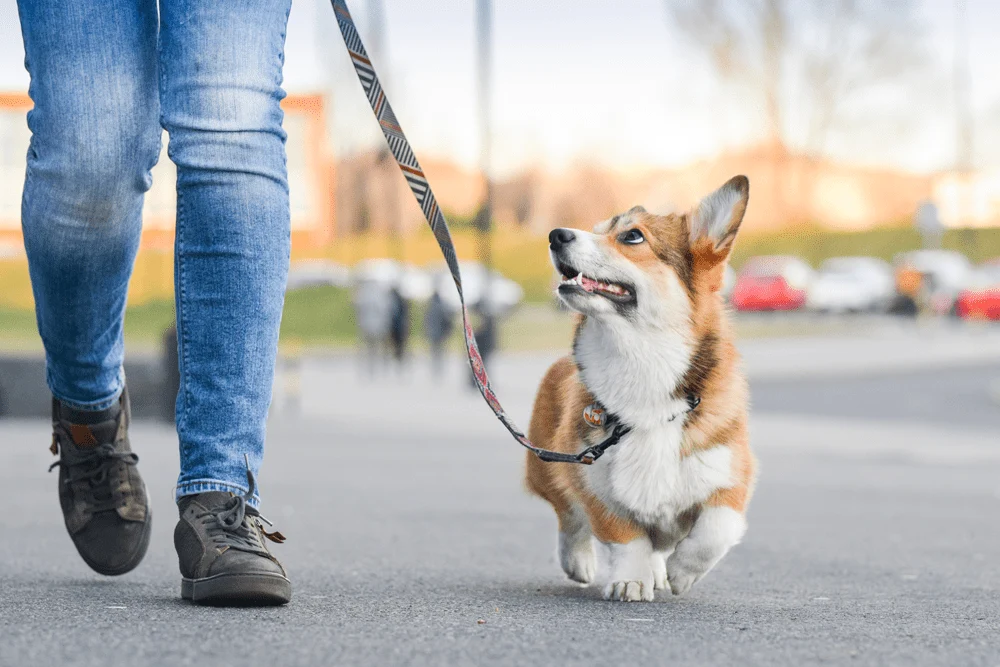
- Take your dog out on leash for potty breaks.
- Stay close enough to prevent a quick grab.
- As soon as they finish, cue your dog to move with you and keep them on leash until you have picked up or fully left the area.
This is not forever. It is a short-term strategy that prevents rehearsal while you teach a better pattern.
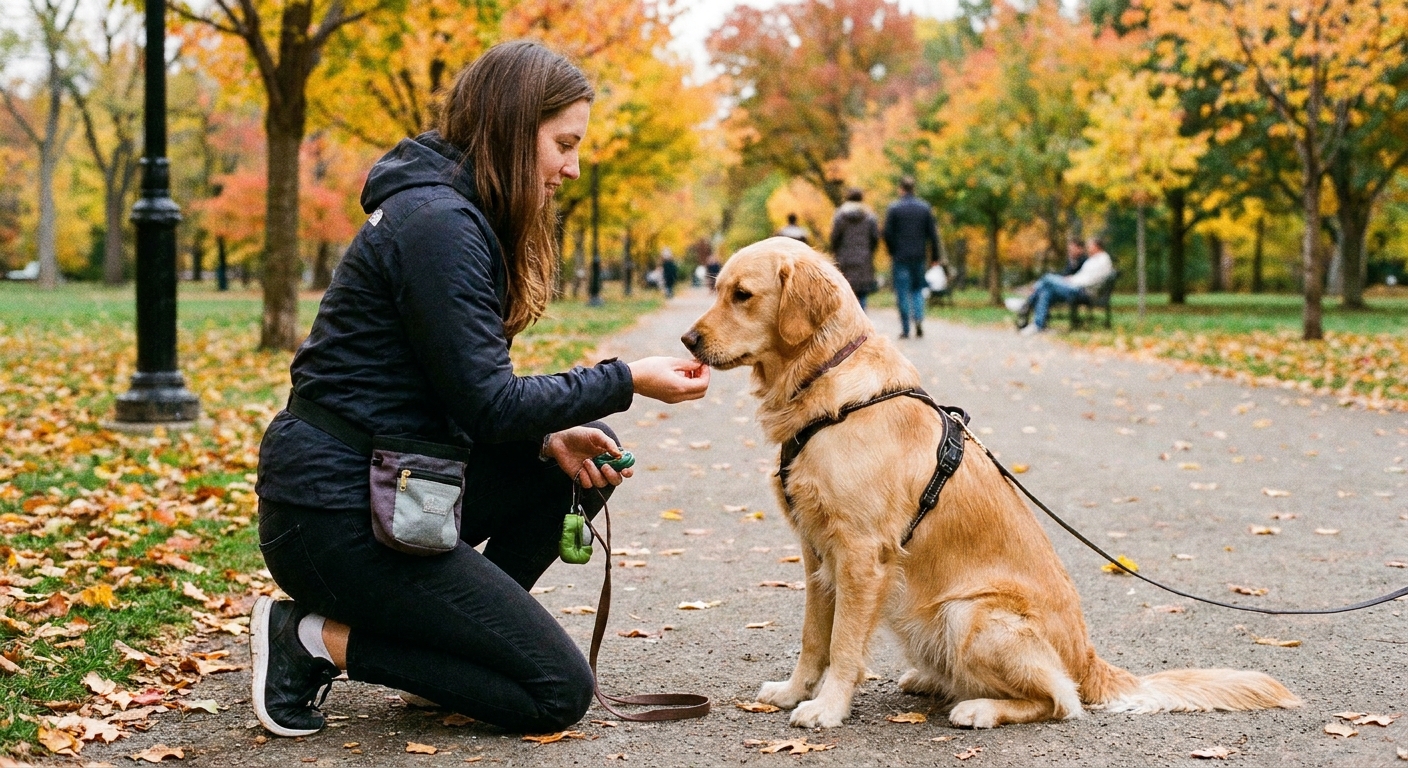
Step 3: Teach “leave it”
A reliable leave it is your best safety tool on walks and in the backyard. Teach it at home first, away from poop, so your dog can actually learn the skill.
How to teach “leave it”
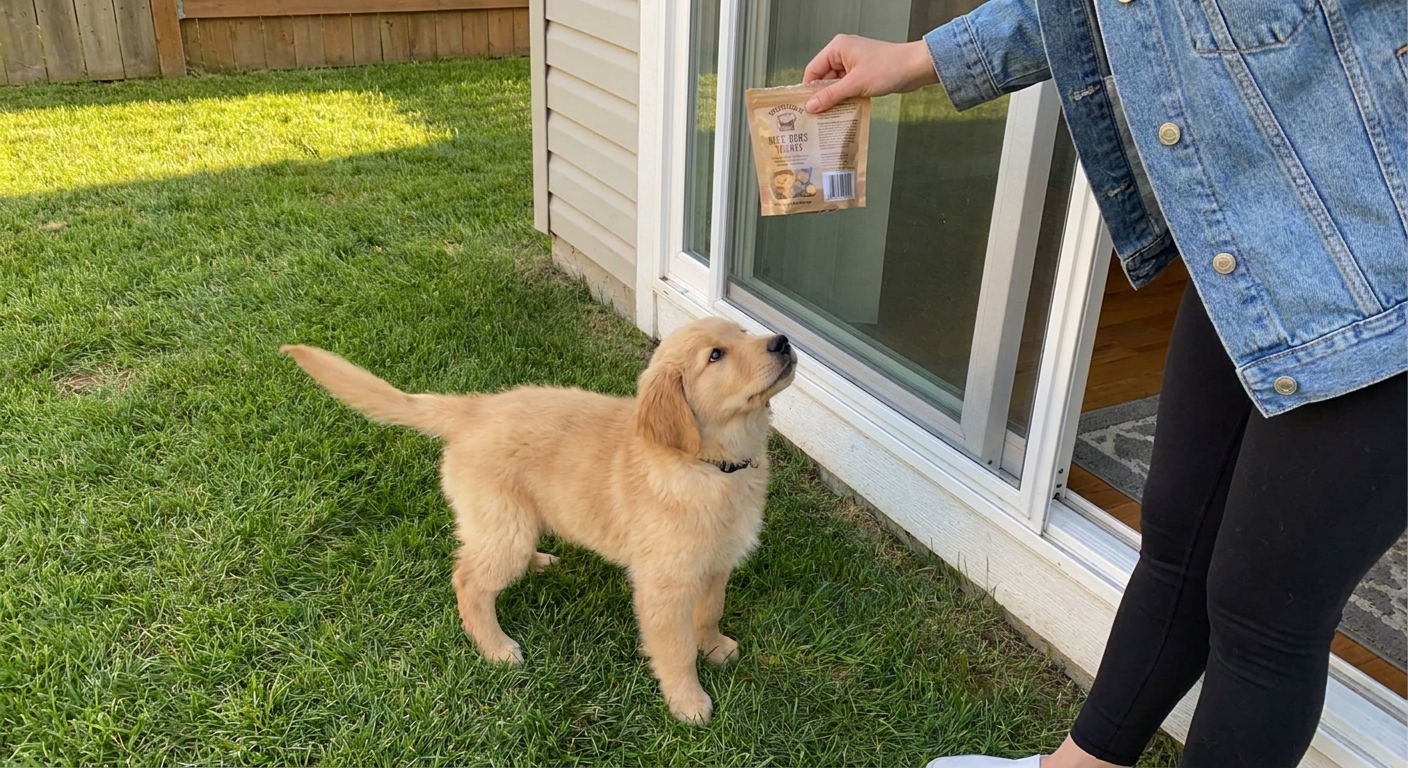
- Closed fist: Put a boring treat in your closed fist. Present it at your dog’s nose level. Let them sniff and lick.
- Wait for disengagement: The moment your dog pulls their nose away, even for half a second, say “Yes” (or click) and give a better treat from your other hand.
- Never pay from the fist: Always reward from the other hand so your dog learns that leaving the item is what makes treats happen.
- Add the cue: Once your dog is reliably pulling away, say “Leave it” right before you present the fist.
- Open hand: Progress to an open palm. If they go for it, close your hand. When they back off, mark and reward from the other hand.
- Floor practice: Place a treat on the floor under your shoe. Say “leave it.” Reward for looking away or looking at you.
Take it outside
Outdoors is harder. Start with low-value items (a leaf, a stick) and high-value rewards (tiny bits of chicken, cheese, freeze-dried treats). When you eventually encounter poop, you will be glad you practiced.
Step 4: Build an “after you poop” routine
Dogs love predictable patterns. Build one that pays well:
- Poop happens
- Immediately cue “This way!” or “Come!”
- Reward with 3 to 5 quick treats as you walk away
This teaches your dog that leaving the poop zone is where the good stuff happens.
Step 5: Help your dog feel full
For some dogs, poop-eating spikes when they are genuinely hungry or when meals are too far apart. Consider these vet-friendly routine tweaks:
- Split meals (two meals minimum for most adults, three for many puppies).
- Measure food so you are sure portions are appropriate for your dog’s size and activity.
- Add enrichment like food puzzles or scatter feeding to reduce boredom scavenging.
If you suspect your dog is always hungry despite appropriate calories, that is a reason to talk with your vet.
Step 6: Address boredom and stress
A lot of “gross habits” improve when a dog’s day is more fulfilling. Helpful additions include:
- Sniff walks (slow, nose-led walks where your dog can explore)
- Training mini-sessions (2 to 5 minutes, a few times per day)
- Chews and lick mats (supervised, appropriate for your dog)
- More predictable potty breaks so accidents are less likely
Step 7: Add safety tools if your dog lunges and gulps
If your dog is fast and committed on walks, management can save you while training catches up:
- Teach “drop it” alongside “leave it” so you have a plan if something is already in your dog’s mouth.
- Consider basket muzzle training with a humane, properly fitted basket muzzle that allows panting and drinking. The key is conditioning it slowly so your dog is comfortable. For some dogs, this is the difference between constant stress on walks and real progress.
Deterrents and supplements
You will see products that claim to make stool taste bad. In my experience, these are hit-or-miss and work best as a backup, not the main plan. If your dog is highly motivated, management and training still matter.
If you want to try a deterrent, loop in your veterinarian first, especially if your dog has food sensitivities, is on medication, or has GI issues. And if your dog is eating other animals’ poop on walks, changing your dog’s stool will not address that anyway.
When to see a vet
I like to rule out medical contributors early, because it saves time and frustration. Make a vet appointment if:
- The poop-eating is new or suddenly worse
- Your dog has diarrhea, vomiting, gas, or weight loss
- You notice increased hunger, increased thirst, or a big appetite change
- Your dog eats poop plus has a dull coat or low energy
- You have not done a recent fecal test or deworming plan
- Your dog is a puppy, immunocompromised, or on steroids (higher risk if they ingest parasites)
Bring a fresh stool sample if your clinic requests it. Parasites are common, and they often require the right medication plus good cleanup and follow-up testing.
If your dog already ate poop
First, take a breath. Most healthy adult dogs will be okay after a one-off incident, but there are some important exceptions. Your next steps:
- Skip face kisses for now.
- Offer water and keep an eye on their stomach.
- Monitor for 24 to 48 hours for vomiting, diarrhea, lethargy, or loss of appetite.
- Call your vet if the stool was from an unknown dog, wildlife, a litter box (especially if clumping litter might have been swallowed), or if you suspect the feces contained medication.
Some stools carry higher risk than others, including wildlife feces, composted or very old feces, and feces from an animal that recently took certain medications. If your dog is a puppy or medically fragile, it is worth calling your vet even if your dog seems fine.
Quick hygiene tips
- Wash your hands after cleanup.
- If your dog is a dedicated kisser, gently wipe their mouth area with a pet-safe wipe and consider a quick rinse of their paws if they were stomping around the “crime scene.”
- Keep your dog on routine parasite prevention as recommended by your veterinarian.
Quick troubleshooting
Only in the yard
- Do scheduled poop sweeps
- Leash potty breaks for 1 to 2 weeks while you retrain habits
- Practice “leave it” using low-distraction yard setups first
Only on walks
- Increase distance from tempting areas and scan ahead
- Use a harness and keep the leash short in high-risk zones
- Reward generously for passing poop without investigating
- If your dog lunges and gulps, consider a basket muzzle while you train
Puppy eats their own poop right after going
- Stay close and be ready with “this way” and a treat scatter
- Pick up immediately
- Ask your vet about fecal testing, especially if stools are loose or frequent
Dog eats cat poop
- Block access with gates or a latching door
- Move the litter box to a cat-only room
- Clean the box more frequently so there is less “treasure” available
- Remember the risk is not just the poop. Some cats use clumping litter, and swallowing litter can cause GI upset or constipation.
Bottom line
The fastest way to stop a dog from eating poop is to combine immediate cleanup, close supervision, and a well-practiced leave it plus a rewarding routine that moves your dog away from stool. If the habit is sudden, intense, or paired with digestive changes, get your vet involved early to rule out parasites or underlying medical causes.
And for what it is worth, even the best-loved, best-trained dogs can develop weird scavenger hobbies. With a plan and a pocket full of treats, this one is usually very fixable.