A safe, practical plan to reduce guarding around food, toys, and spaces, plus prevention tips and when to call a pro.
I grew up in a house where a new foster dog could show up with about five minutes notice, and my mom’s rule was always the same: slow is fast. When we rushed introductions, we got posturing, barking, and everyone’s stress skyrocketed. When we slowed down, did the boring setup work, and kept things calm, we almost always got the outcome we wanted: two dogs who could actually relax around each other.
If you’re bringing home a second dog, this guide will walk you through a first-week plan that protects your resident dog’s sense of safety while helping your new dog settle in. The goal is not instant friendship. The goal is neutral, safe, and predictable, and then you build from there.
Before they meet: set your house up for success
Most “bad introductions” often come down to management: too much access, too many triggers, and not enough space. Do this setup first so your resident dog isn’t forced to share everything on day one.
What to have ready
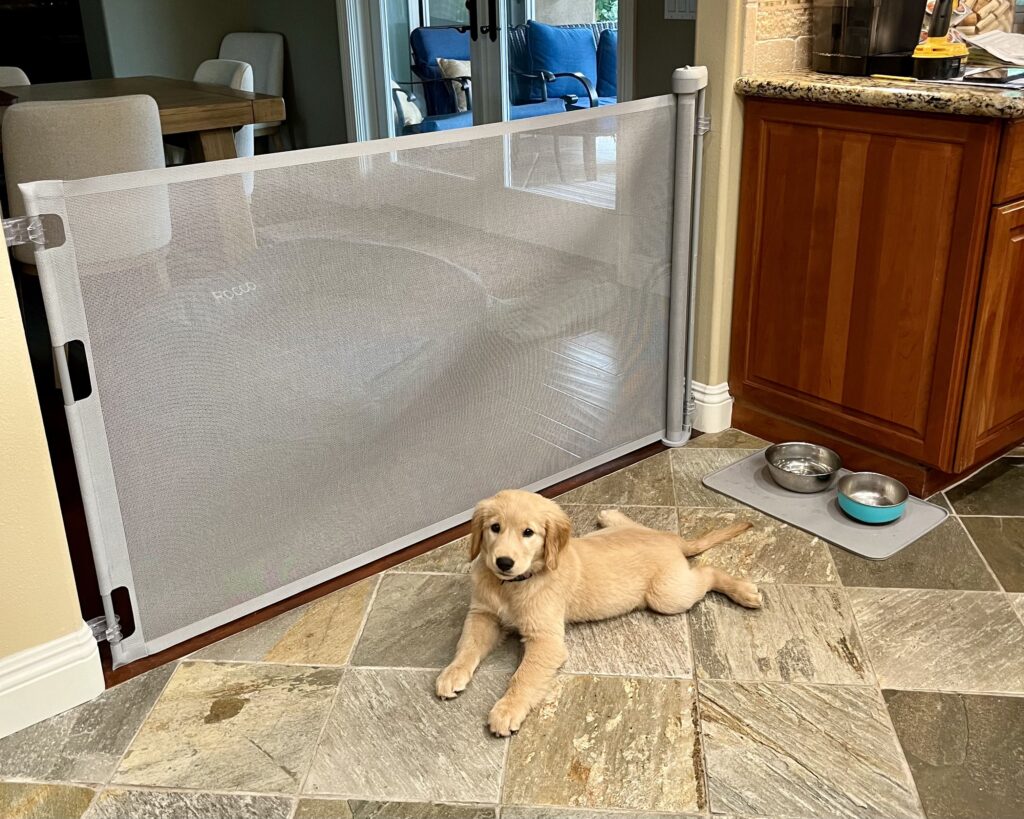
- Two separate feeding stations in different areas, ideally behind a baby gate or in separate rooms.
- Two water bowls placed in separate spots at first. (Many dogs can share water later, but early on we reduce crowding.)
- Two resting areas: dog beds or mats that are clearly “theirs.”
- Two crates or a crate plus an exercise pen, if crate training is part of your routine. (No dog should be forced to share a crate.)
- Baby gates so you can create calm separation without isolation.
- Leashes and a pouch of pea-sized, high-value treats.
Also, pick up “high drama” (high-value) items for the first few days: bones, stuffed Kongs, special chews, and favorite toys. You are not banning joy forever. You are simply removing common triggers while the relationship is fragile.
Gear: keep it simple and safe
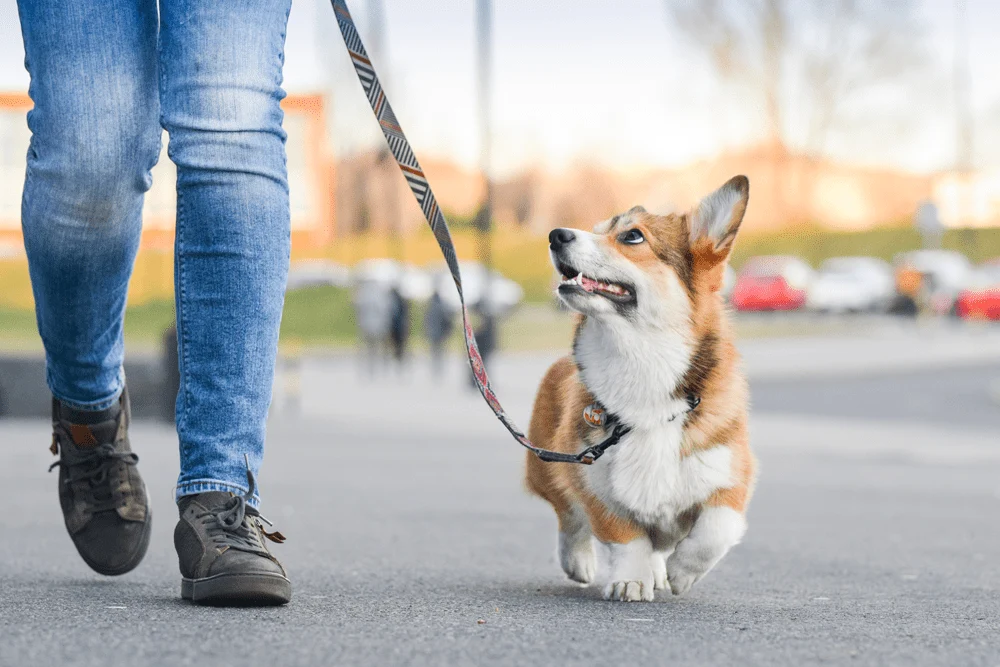
Equipment can quietly make or break an introduction. My preference for most dogs is a front-clip harness or well-fitted flat collar and a standard 4 to 6 foot leash.
- Skip retractable leashes for introductions. They add tension, reduce control, and create sudden pressure when they lock.
- Avoid choke, prong, or shock tools for meet-and-greets. Pain and surprise can create negative associations fast.
- If a dog slips gear when startled, use a harness plus a backup safety connection (like a second leash to a collar) so you do not lose the dog if they spook.
Step 1: scent swap before the face-to-face
Dogs read the world through scent first, so let that do some of the introduction work for you.
Easy scent swap ideas (start 24 to 72 hours before the first meeting if possible)
- Rub a clean towel on one dog’s shoulders and chest, then place it near the other dog’s sleeping area.
- Swap blankets or beds for short periods.
- Let the new dog explore the yard (or one room) while the resident dog is out on a walk, then switch.
Same-day arrival? You can still do a mini version: bring the new dog inside, let them sniff and settle in a gated room for a bit, then let your resident dog sniff the new dog’s leash, blanket, or the doorway area before you attempt a true meet.
Keep it low-key. If either dog becomes fixated on the item, stiffens, or guards it, remove it and try again later with a smaller “dose” of scent.
Step 2: start on neutral ground
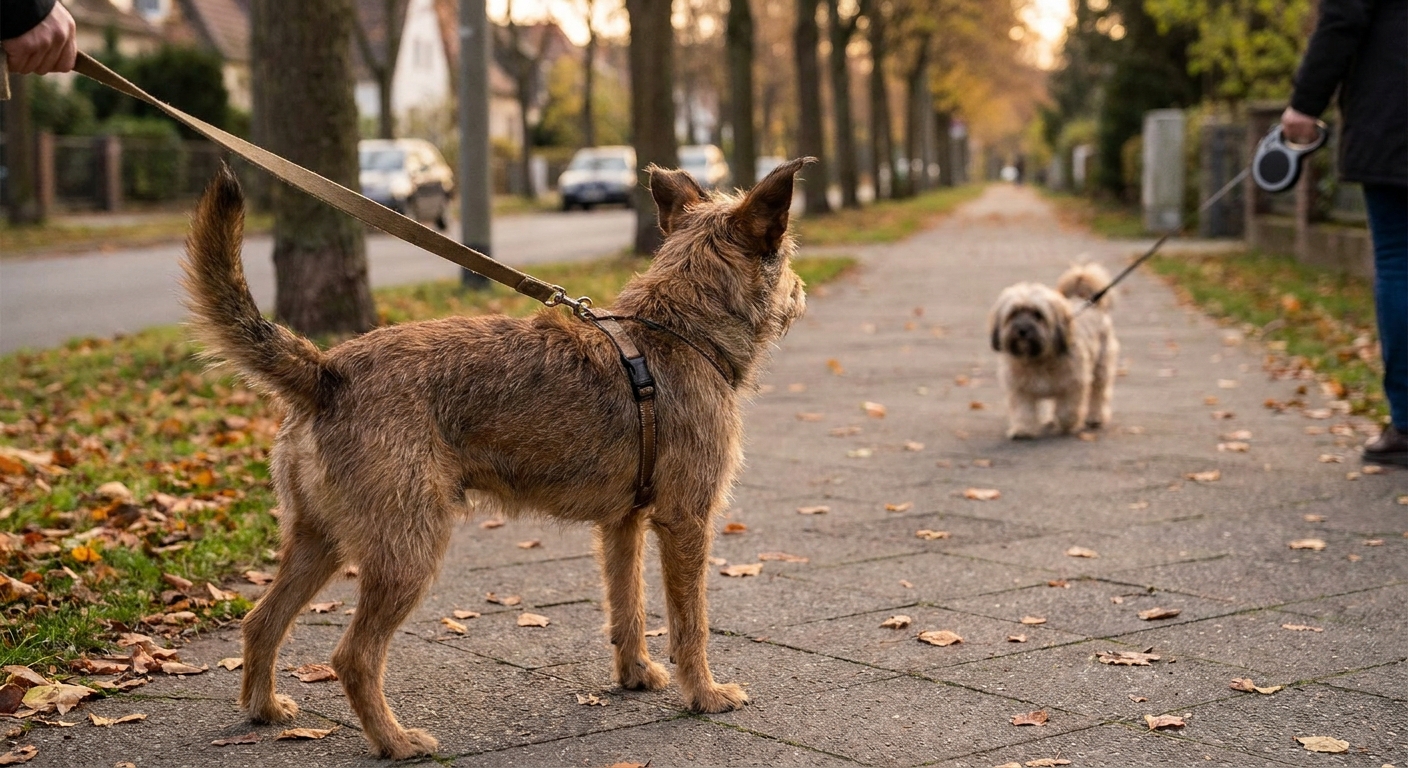
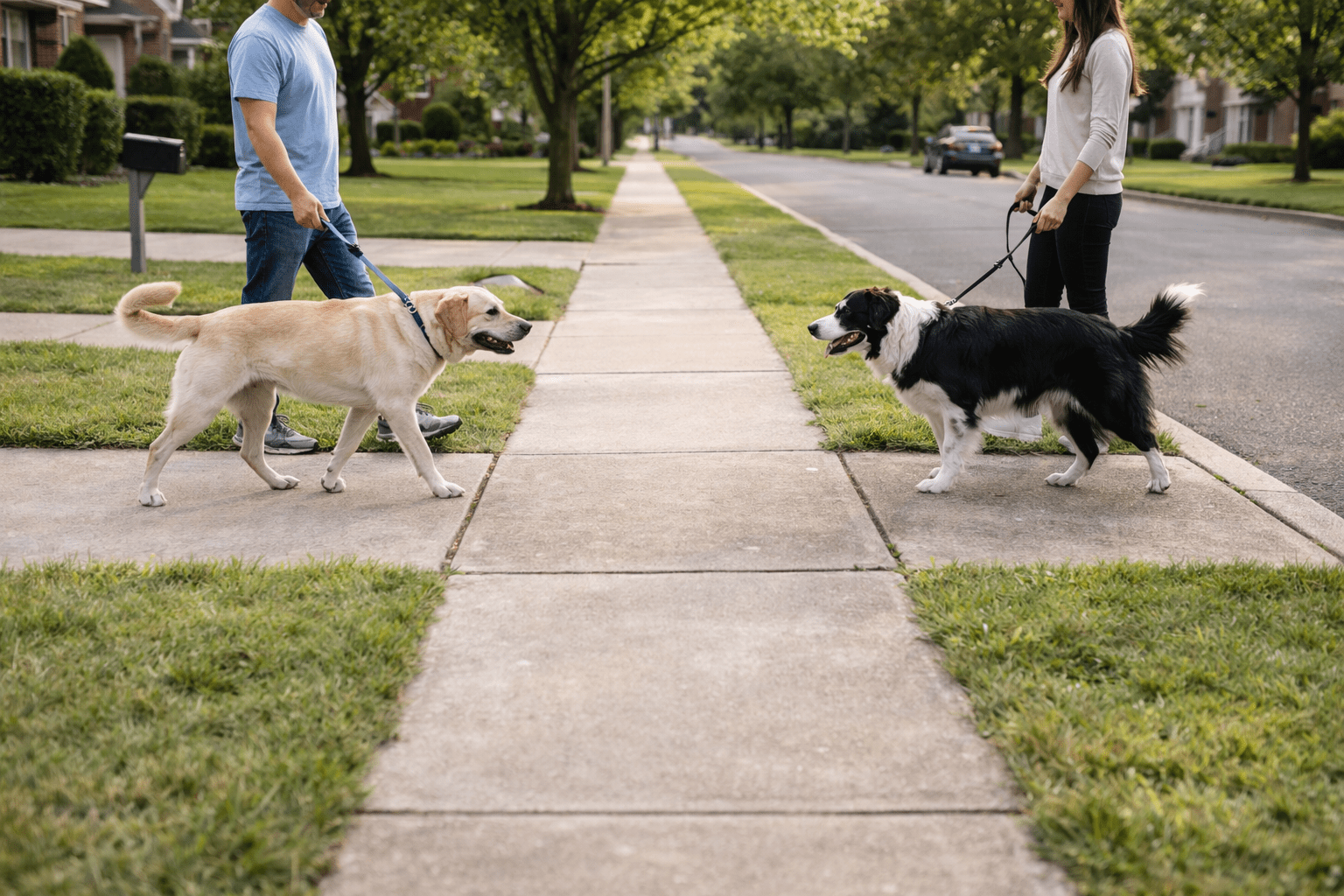
For many households, one of the most reliable ways to introduce dogs is not nose-to-nose at your front door. It is a parallel walk (or parallel movement) in a quiet, neutral place where neither dog feels ownership. If walks are not practical, you can do the same idea in a large open area where you can keep generous distance.
How to do it
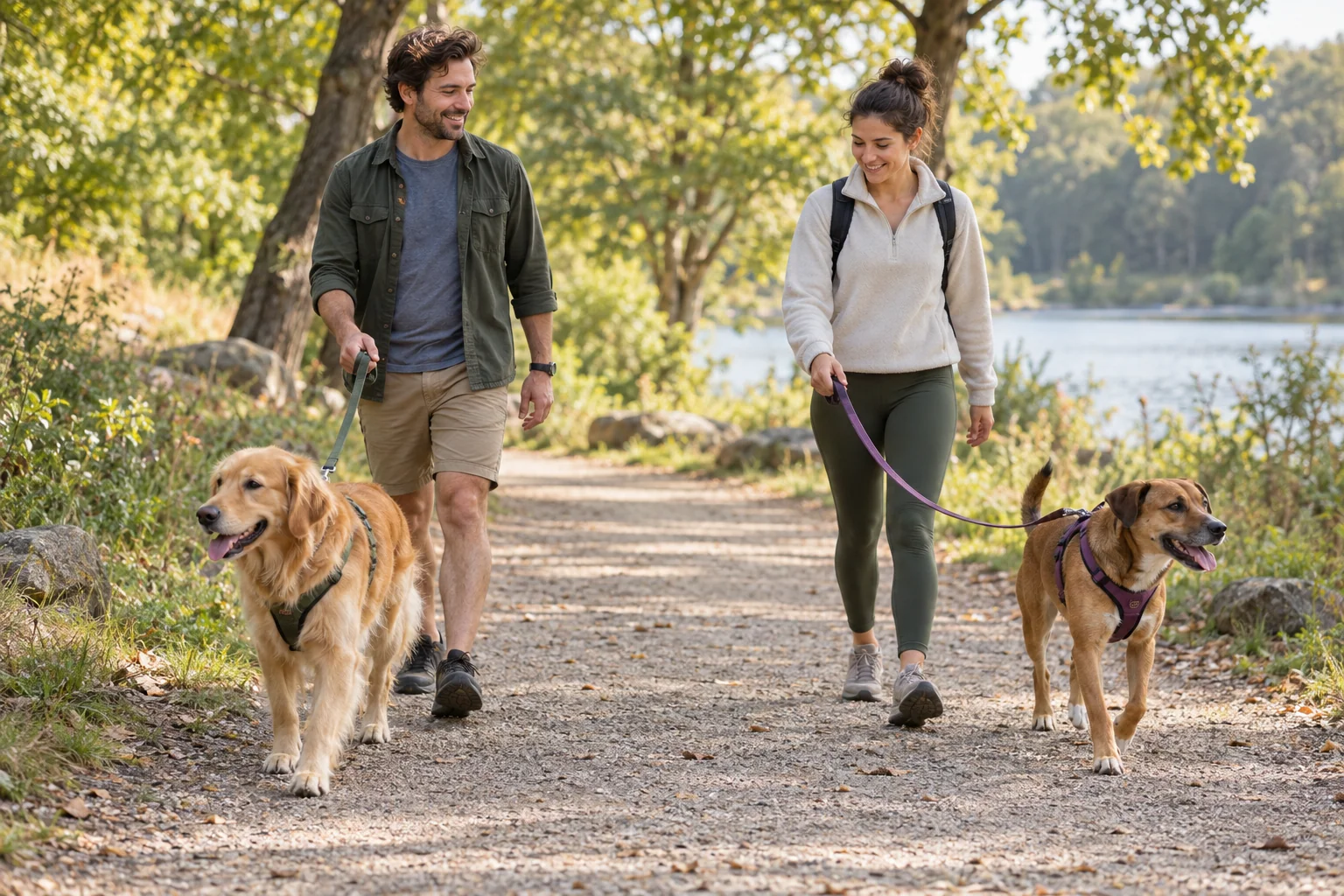
- Each dog has a handler and a leash.
- Start with space, often 10 to 20 feet apart, depending on the dogs.
- Move in the same direction, like two trains on neighboring tracks.
- Reward check-ins, loose bodies, and calm sniffing.
- Gradually close the distance if both dogs stay relaxed.
If you see stiffness, staring, or the dogs “loading” toward each other, add distance immediately. Distance is not a failure. Distance is a tool.
If one dog will not take treats, is vocalizing, or feels too revved up to think, that is useful information. Add more space, take a break, and try again later when both dogs can breathe.
Step 3: short meetings at home
Once the parallel walk looks relaxed, head home for a brief, structured meet-and-greet. Avoid greeting at the front door if possible, since tight spaces can create pressure. If you can, enter the home in a calm way where both dogs have room to move.
Your first at-home session
- Keep leashes on, but keep them loose. Tight leashes can add frustration.
- Let them sniff briefly if both dogs are soft and wiggly.
- After a couple seconds at first, cheerfully call them apart and reward. If they are doing great, you can gradually allow a bit more time. If they are tense, skip the sniff and create distance.
- Repeat short “hello, then break” moments.
- End the session while it is going well and separate with a gate or crates for decompression.
Think of this as introducing two coworkers, not forcing a playdate. The win is: “We met, nothing bad happened, and I got snacks.”
Week one rules
These are the boring guardrails that keep the first week from going sideways.
- No unsupervised time together until you have a long pattern of calm, conflict-free behavior.
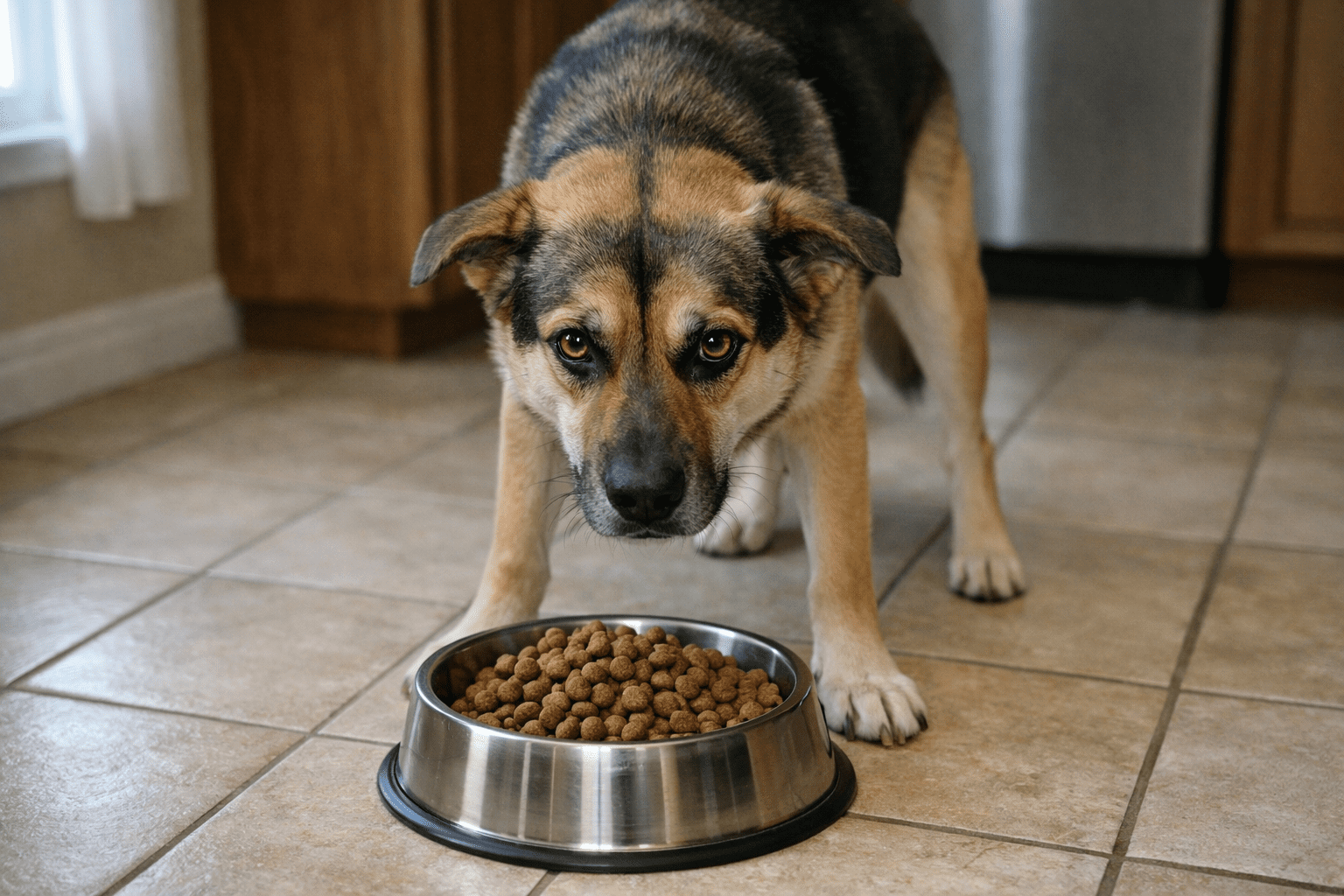
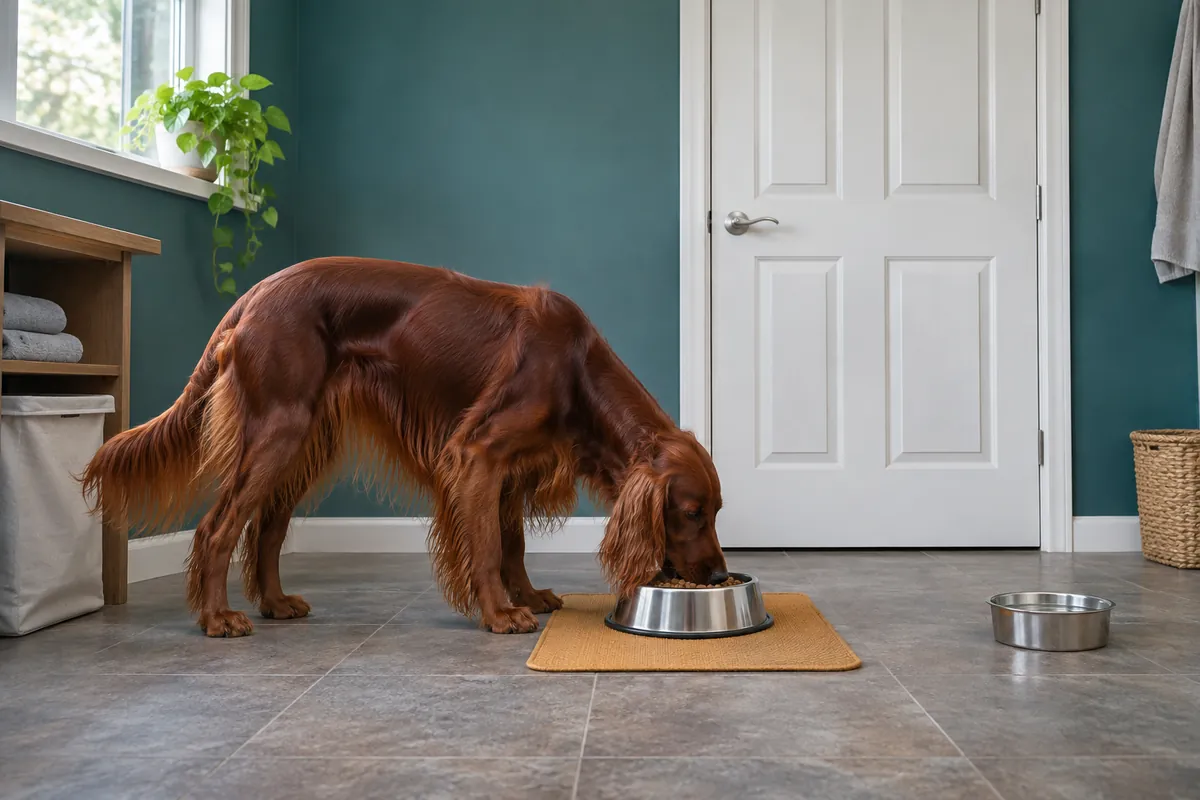
- Separate for food and chews. Do not “test” them.
- Interrupt arousal early. If energy rises, call a break before it becomes a problem.
- Protect downtime. Tired dogs make bad social choices.
First-week plan: what to do day by day
Every household is different, so adjust pacing based on what your dogs are telling you. But in general, this structure works beautifully for most pairs.
Day 1: decompression and calm logistics
- Keep dogs separated inside with gates, crates, and closed doors.
- Take turns getting one-on-one attention.
- Do one or two parallel walks (or parallel time outdoors with distance).
- Feed separately. If your dogs are meal-fed, pick up bowls after meals. If one is a grazer, keep grazing food behind a gate so it cannot become a conflict point.
- Keep greetings short and supervised.
Goal: Everyone eats, sleeps, and uses the bathroom normally, with minimal drama.
Days 2 to 3: controlled together time, then breaks
- Two or more parallel walks per day if possible.
- Short supervised time together in a larger area (living room, yard) with plenty of exits.
- If it is appropriate for your space and your dogs, you can use a lightweight drag line for easier guiding. For safety, remove the handle to reduce snag risk, use it only in uncluttered areas, and only with active supervision. If either dog bites the line or it creates chaos, skip it.
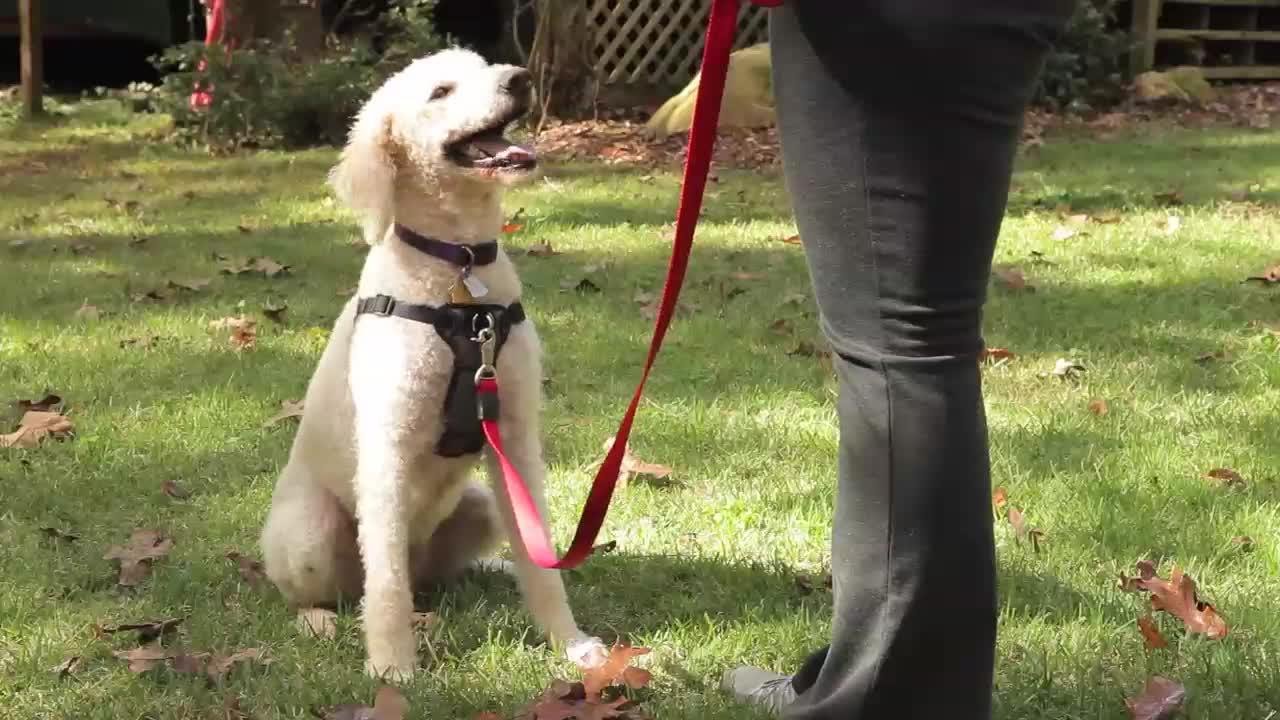
- Practice easy cues around each other: “sit,” “touch,” “find it,” then separate again.
- Rotate access to “favorite spots” so no one feels displaced.
Goal: Neutral coexistence and predictable routines.
Days 4 to 7: increase freedom gradually
- Extend supervised time together if both dogs are consistently relaxed.
- Begin brief, low-stakes enrichment together, like scatter feeding kibble in the yard (only if neither dog guards food).
- Start leaving gates open for short periods while you are actively watching.
- Keep separation for naps and when you cannot supervise.
Goal: Calm shared time without tension, and quick responses when you call them apart.
If you have a dog with a history of reactivity, resource guarding, or dog-to-dog conflict, it is normal for this timeline to stretch to weeks instead of days. That is not a problem. That is being smart.
Separate resources at first
One of the kindest things you can do for your resident dog is to make sure their life does not suddenly feel like a forced roommate situation.
What should stay separate in week one
- Food bowls (always separate during intros for safety).
- High-value chews (give only when separated until you are very confident).
- Crates and beds (each dog needs a guaranteed safe resting spot).
- Entryways and tight spaces (manage traffic with gates so no one gets cornered).
Even friendly dogs can snap if they feel crowded, tired, or unsure. Management prevents misunderstandings from becoming habits.
Body language: signs to pause
I wish every dog parent could borrow my old vet tech eyes for a day. The small signals show up before a growl or a snap. If you learn to spot them, you can intervene early and keep everyone safe.
Red flags that mean “pause and add space”
- Stiff body, weight shifted forward, muscles tight
- Hard stare or “locked on” focus
- Whale eye (you see the whites of the eyes as the dog looks sideways)
- Closed mouth after previously panting or sniffing
- High, tight tail carriage or a very still tail
- Raised hackles (not always aggression, but definitely arousal)
- Freezing, even for a second
- Mounting that does not stop when redirected
- Repeated body blocking (one dog controlling access to you, doorways, beds)
What to do in the moment
- Call them apart in a cheerful voice and toss treats on the floor to create a “sniff break.”
- Increase distance or separate with a gate for a few minutes.
- End the session early and try again later. Short wins beat long arguments.
Growling is information, not a moral failure. I do not punish growls. I treat them as my dog saying, “I’m not comfortable.” Then I change the situation so they do not feel they need to escalate.
What about play?
Play can be a great sign, but it is easy to misread in new relationships. Early on, you want loose, bouncy movement and frequent pauses where both dogs choose to re-engage.
Good play looks like
- Curvy bodies, not straight-line charging
- Role reversals (chasing switches, pinning switches)
- Frequent breaks where both dogs shake off or sniff, then come back
- Play bows and open, relaxed mouths
Time to interrupt play when
- One dog keeps trying to leave and the other will not allow it
- There is prolonged pinning or neck biting without breaks
- Vocalizations escalate and bodies stiffen
- A smaller or older dog looks overwhelmed
A simple rule: if you are holding your breath while watching, call a break.
Common first-week problems
Problem: My resident dog is possessive of me
It is usually not jealousy in the human sense. It is more often uncertainty and resource guarding around attention or space.
- Make sure your resident dog still gets predictable one-on-one attention every day.
- Do short, separate training sessions so both dogs “earn” attention.
- Use gates so your resident dog can be near you without being crowded.
Problem: One dog follows the other everywhere
That constant shadowing can turn into tension fast. Use management.
- Give the “followed” dog protected downtime behind a gate.
- Reward independent settling on a bed or mat.
- Redirect with a sniff break, a scatter of kibble, or a quick cue session, then separate.
Problem: Mealtimes feel tense
Separate rooms, and do not test their limits. Some dogs will always need separated feeding, and that is completely fine. If one dog grazes, keep that food available only in a protected, gated space.
Special cases
Most dogs can learn to live together, but some situations deserve extra caution and a slower pace.
Puppy and adult dog
Puppies can be relentless, and a tolerant adult can still hit a limit. Protect your adult dog’s downtime with gates and scheduled breaks, and do not force “play” as bonding.
Big size mismatch
When one dog is much larger, manage zoomies and wrestling carefully. I am quicker to interrupt play, use more structured parallel time, and keep flooring and spaces safe so a small dog is not getting body-slammed by accident.
Same-sex pairs
Some households find same-sex pairs have more tension, especially when both dogs are similar in age and confidence. It is not a rule, but it is a reason to go slower, keep resources separate longer, and watch for subtle body blocking or staring that can build over time.
When a trainer should take over
Some situations are beyond DIY, and getting professional help early can prevent a pattern from forming.
Contact a qualified positive-reinforcement trainer (or behavior professional) if you see
- A scuffle or bite, even if it seems minor
- A dog who cannot disengage from staring, stalking, or repeatedly rushing the other dog
- Repeated snapping or escalating corrections that do not improve with added space
- Resource guarding of food, chews, beds, doorways, or you
- One dog is terrified, shutting down, hiding, or refusing to move when the other is present
- You feel unsafe or cannot manage them without constant stress
If there was a bite that broke skin, call your veterinarian as well. Pain and medical issues can lower a dog’s tolerance dramatically, and it is always worth ruling that out. If a human was bitten, seek medical care promptly and follow local reporting rules.
Quick FAQ
Should I let them “work it out”?
No. Dogs do learn from each other, but unmanaged conflict teaches the wrong lesson fast. Your job is to prevent rehearsals of scary or aggressive behavior and reinforce calm choices.
How long until they can be alone together?
It depends. For some pairs, it is weeks. For others, it is months, and some dogs should not be left together unsupervised at all. There is no prize for rushing. Build trust first.
Do I need to introduce them on leash?
For most households, yes, at least initially. The leash is there to guide and separate calmly, not to hold dogs nose-to-nose. Keep it loose and use space as your main tool.
The big picture
A good introduction is not one magical moment, it is a series of small, boring successes: sniff, break, treat, rest, repeat. If you focus on calm routines, separate resources, and the early body language tells like stiff bodies, hard stares, and whale eye, you will prevent a lot of drama before it starts.
And if you hit a point where there is a scuffle or one dog cannot disengage, hand it to a professional. That is not giving up. That is protecting your dogs and setting the stage for a relationship that can actually last.